能源转型

Search documents
高端访谈︱非洲气候基金会创始人、执行主任:中非携手共促能源转型
国家能源局· 2025-10-28 02:12
Core Viewpoint - The article emphasizes the importance of integrating climate issues with development needs in Africa, highlighting China's role in renewable energy and electric vehicle technology as crucial for global energy transition [3][4]. Group 1: Role of African Climate Foundation - The African Climate Foundation focuses on merging climate issues with development needs, addressing challenges like debt and economic development in Africa [4]. - The foundation aims to enhance Africa's voice in international governance, extending beyond climate to include broader topics like World Trade Organization reforms [4]. Group 2: Progress in Global Energy Transition - Over the past decade, global energy transition has been significantly driven by technology, with China achieving breakthroughs in renewable energy, solar, wind, and electric vehicles [5]. - China's technological innovations have reduced clean energy costs, providing substantial support for global energy transition, with renewable energy capacity exceeding expectations [5]. Group 3: Current Advantages of China-Africa Climate Cooperation - China-Africa cooperation is supported by multilateral frameworks such as the China-Africa Cooperation Forum, the Belt and Road Initiative, and BRICS, which provide institutional guarantees for deepening collaboration [6]. - In the current international context, while traditional partners like the EU and the US focus on internal matters, China and Africa can leverage their complementary advantages to expand market cooperation and jointly promote energy transition [6].

高端访谈︱阿塞拜疆能源部可再生能源署署长:“阿塞拜疆将联手中企启动千兆瓦绿电计划”
国家能源局· 2025-10-28 02:12
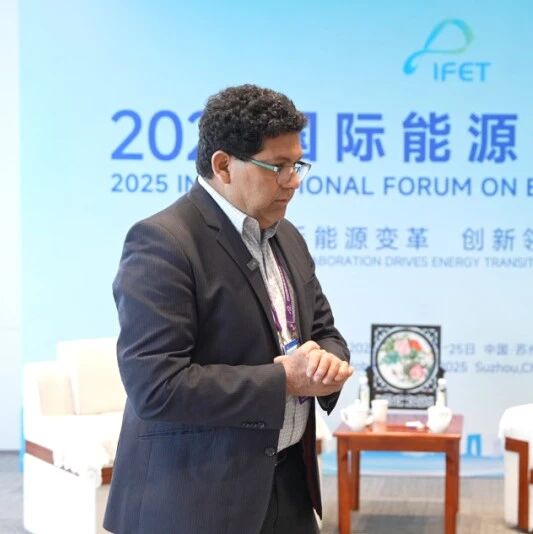
"阿塞拜疆将联手中企启动千兆瓦绿电计划" ——专访阿塞拜疆能源部可再生能源署署长贾维德·阿卜杜拉耶夫 国际合作是破局关键,而中国是我们最重要的合作伙伴之一。目前,阿塞拜疆已与中国能建建立战略伙伴关系,覆盖光伏、海上风电、抽水蓄能 等多领域。并且,与中国大唐、中国电建等企业推进大型可再生能源项目。未来,我们计划与中国企业共同启动总容量至少1000兆瓦的项目, 这既契合阿塞拜疆"绿色能源"战略,也体现两国对低碳未来的共同追求。 ▲ 专访阿塞拜疆能源部可再生能源署署长贾维德·阿卜杜拉耶夫 1 0月24日,2025国际能源变革论坛期间,阿塞拜疆能源部可再生能源署署长贾维德·阿卜杜拉耶夫(Javid Abdullayev)接受中能传媒独家专 访,详解该国作为传统油气出口国的能源转型路径——既直面基础设施改造、体系重建等挑战,又以中阿合作为关键抓手,计划推动中国企业参 与总容量超1000兆瓦的可再生能源项目,并探索向欧洲出口绿电,释放打造欧亚绿色能源枢纽的信号。 在能源转型与能源安全协同推进的进程中,阿塞拜疆如何平衡二者关系?有哪些可分享的实践或政策经验? 贾维德·阿卜杜拉耶夫: 阿塞拜疆正依据总统伊利哈姆・阿利耶夫的战 ...
燃气发电会是未来能源转型过程的终极方案之一
财富FORTUNE· 2025-10-27 14:04
Core Viewpoint - The global energy investment is projected to reach $3.3 trillion by 2025, with approximately two-thirds allocated to clean energy technologies, indicating a structural shift from fossil fuels over the past decade [1]. Group 1: Energy Transition Challenges - The energy transition is a complex process that requires balancing carbon footprint management, energy security, and grid stability, especially as AI accelerates demand for electricity [1]. - Stability is deemed essential for energy transition, ensuring reliable power supply for production, daily life, and societal stability [1]. Group 2: Renewable Energy Integration - The increase in renewable energy has posed significant challenges for grid stability, as evidenced by widespread power outages in Spain and Portugal due to high renewable penetration [3]. - China has managed to maintain grid stability despite a large integration of renewable energy, showcasing its effective balance in this area [3]. Group 3: Role of Gas Power - Gas power generation is viewed as a necessary transitional solution, with gas turbines capable of rapid response to grid demands and emitting about half the carbon of coal [4]. - Global gas power generation orders rose from 21 GW in 2021 to an expected 80 GW in 2023, indicating a threefold increase in demand over three years [4]. Group 4: Energy Ecosystem - The relationship between different energy types is evolving into an ecosystem where renewable energy requires stable backup sources, such as coal, storage, or gas power [5]. - Hydrogen is identified as a potential energy storage solution, which can be produced from renewable sources and used to stabilize the grid when renewable generation is inconsistent [5].
(投资中国)赢创大中华区总裁夏赋良:中国起点,全球输出
Zhong Guo Xin Wen Wang· 2025-10-27 11:05
Core Viewpoint - The president of Evonik Greater China, Xia Fuliang, emphasizes that China serves as a starting point for global output of local R&D achievements, marking a strategic shift from "local application for China" to "innovation output from China for the world" [1][3]. Group 1: Strategic Developments - Evonik will debut in the new materials section at the upcoming China International Import Expo, showcasing 11 innovative products, including 4 global debuts and 2 locally developed products [1][3]. - The company plans to establish the Yulin Evonik Integration Innovation Center in Shaanxi and collaborate with partners to launch new products during the expo [3][4]. Group 2: R&D and Innovation - In 2024, Evonik will upgrade its Shanghai R&D center to the "Evonik Shanghai Innovation Park," which will become one of its six global core R&D bases, featuring advanced facilities and 35 laboratories [4]. - The Shanghai Innovation Park aims to enhance resource allocation and technical advantages across various business sectors, with plans to double the number of R&D personnel by 2027 [4][5]. Group 3: Market Confidence and Financial Outlook - Evonik projects a sales revenue of €15.2 billion (approximately ¥125.65 billion) for China in 2024, with an EBITDA of €2.1 billion (approximately ¥17.36 billion) [6]. - The company recognizes China as the largest chemical production country, accounting for 42% of the global market share in 2024, and views it as a core growth engine for the global chemical industry [6].
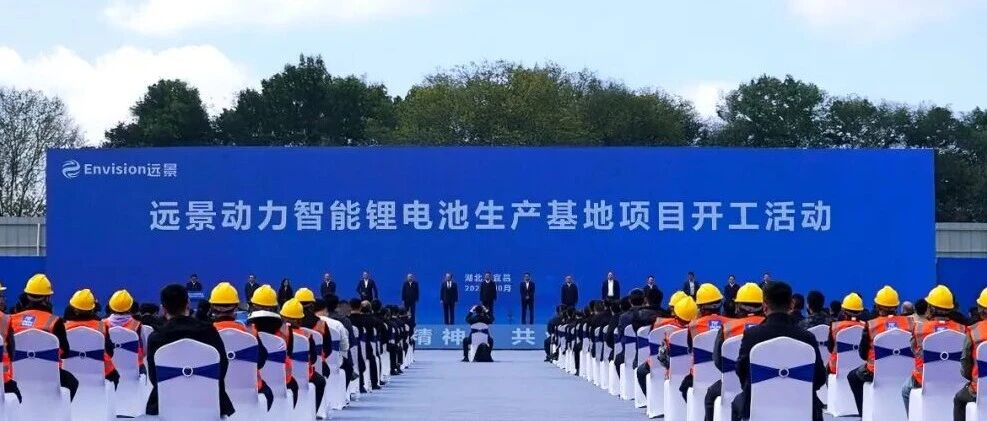
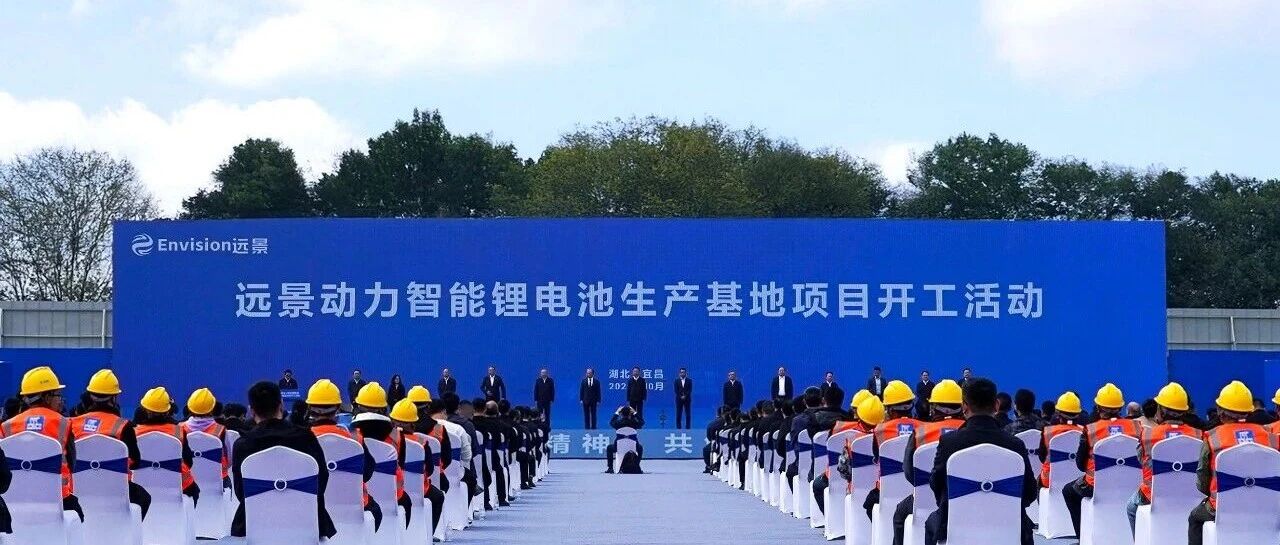
发力700+Ah储能电池!年产能40GWh!远景动力宜昌储能超级工厂开工
中关村储能产业技术联盟· 2025-10-27 10:22
Core Viewpoint - The article highlights the groundbreaking ceremony of Envision's energy storage super factory in Yichang, which is set to produce 40GWh annually and aims to become a key player in the lithium battery industry, contributing significantly to global energy transition efforts [2][5]. Group 1: Factory Overview - The Yichang factory is planned to have an annual production capacity of 40GWh, covering the entire lithium battery supply chain including electrodes, cells, and battery packs [2]. - The factory will produce the latest generation of 700+Ah energy storage battery products, with an expected annual output value exceeding 10 billion yuan once fully operational in 2026 [2]. Group 2: Strategic Importance - The establishment of the Yichang factory is a strategic move for Envision, leveraging Yichang's geographical advantages and abundant green energy supply to enhance the competitiveness of the local new energy industry cluster [5]. - The factory aims to position Yichang as a "green engine" for global energy transition, contributing to China's efforts in achieving zero carbon goals [5]. Group 3: Company Achievements - Envision is recognized as one of the earliest companies to mass-produce large energy storage cells of 300+Ah and 500+Ah, continuously defining the next generation of energy storage products [5]. - The company has established 14 manufacturing bases and multiple R&D centers across China, Japan, the USA, the UK, France, and Spain, providing high-quality battery products to over 100 countries [5].
有色金属ETF(512400.SH)涨2.82%,北方稀土涨4.30%
Sou Hu Cai Jing· 2025-10-27 09:37
Group 1 - A-share market experienced a broad increase, with rare earth and lithography machine sectors leading the gains, as evidenced by the 2.82% rise in the non-ferrous metal ETF (512400.SH) and a 4.30% increase in Northern Rare Earth [1] - The U.S. September CPI data came in below expectations, alongside tightening dollar liquidity and renewed regional banking risks, which strengthened market expectations for a Federal Reserve interest rate cut [1] - China's decision to postpone the implementation of rare earth export restrictions by one year signals a temporary easing, which is expected to stabilize global key mineral supply chain expectations and support the upward movement of industrial metal prices [1] Group 2 - Precious metals saw significant volatility this week, with spot gold experiencing its largest single-day drop in nearly a decade, primarily due to profit-taking and a temporary strengthening of the dollar [2] - Industrial metals are expected to maintain strong prices due to improved macro sentiment, frequent supply disruptions, and seasonal demand recovery [2] - The lithium battery supply chain is experiencing a tightening supply-demand balance, as indicated by the surge in hexafluorophosphate lithium prices and new highs in lithium carbonate futures, reflecting a continued recovery in the lithium battery industry [2] - Rare earth materials remain a core investment theme due to their long-term scarcity and strategic value in international competition, with leading companies accelerating integration and optimizing supply chains during the policy buffer period [2]

电力设备行业跟踪报告:电力设备出口:变压器出口高景气,开关、电缆出口回升
Wanlian Securities· 2025-10-27 09:31
Investment Rating - The industry investment rating is "Outperform the Market," indicating a projected relative increase of over 10% in the industry index compared to the broader market over the next six months [40]. Core Insights - In September 2025, China's total export value of electrical equipment reached 8.647 billion, with a month-on-month increase of 9.17% and a year-on-year increase of 48.97%. The cumulative export value from January to September 2025 was 65.596 billion, reflecting a year-on-year growth of 36.33% [1][2]. - The transformer export segment continues to show high prosperity, particularly in the African market, which leads in year-on-year growth. In September 2025, transformer exports amounted to 5.381 billion, with a month-on-month increase of 14.06% and a year-on-year increase of 60.40% [2][11]. - The meter export segment has seen a significant decline, with a total export value of 702 million in September 2025, reflecting a month-on-month decrease of 19.58% and a year-on-year decrease of 25.49% [3][18]. - The switch export segment has shown a slight month-on-month recovery and maintains high year-on-year growth, with September exports valued at 732 million, marking a month-on-month increase of 6.50% and a year-on-year increase of 84.41% [4][24]. - Cable exports have continued to rise, with September exports reaching 1.831 billion, reflecting a month-on-month increase of 11.52% and a year-on-year increase of 65.00% [8][30]. Summary by Category Transformers - In September 2025, transformer exports reached 5.381 billion, with a month-on-month growth of 14.06% and a year-on-year growth of 60.40%. Cumulative exports from January to September were 35.092 billion, up 52.73% year-on-year [2][11]. - Exports to Asia, Africa, and Latin America showed significant growth, with year-on-year increases of 47.87%, 207.47%, and 52.77%, respectively [12]. Meters - The export value for meters in September 2025 was 702 million, down 19.58% month-on-month and 25.49% year-on-year. Cumulative exports for the year were 7.705 billion, a decrease of 6.03% year-on-year [3][18]. - The Oceania market performed relatively well, with a year-on-year increase of 158.94% [19]. Switches - Switch exports in September 2025 totaled 732 million, with a month-on-month increase of 6.50% and a year-on-year increase of 84.41%. Cumulative exports for the year reached 6.271 billion, up 36.24% year-on-year [4][24]. - Notable growth was observed in the African and Latin American markets, with year-on-year increases of 104.21% and 100.45%, respectively [25]. Cables - Cable exports in September 2025 were valued at 1.831 billion, reflecting a month-on-month increase of 11.52% and a year-on-year increase of 65.00%. Cumulative exports for the year reached 16.529 billion, up 33.97% year-on-year [8][30]. - The Latin American market showed strong performance with a year-on-year increase of 95.56%, while the European market experienced a decline [31]. Investment Recommendations - Given the rapid growth in global renewable energy installations and stable investment in grid construction, the report suggests that China's electrical equipment products, which have competitive advantages in technology and cost, are likely to benefit from continued export growth. It is recommended to focus on leading companies with successful overseas market expansion and advanced technology [36].
40GWh明年投产!远景动力宜昌储能超级工厂开建
鑫椤锂电· 2025-10-27 09:07
会议详情: 2025 年 10 月 27 日,远景动力宜昌储能超级工厂正式举行开工仪式。宜昌市委书记熊征宇,市委副书记、市长陈红 辉,远景能源高级副总裁方 翛 ,远景动力中国区总裁赵卫军等出席现场。 远景动力宜昌储能超级工厂规划年产能 40GWh ,覆盖电极、电芯、电池包等锂电池全产业链技术,生产最新一代 700+Ah 储能电池产品,交付全球头部储能客户,预计于 2026 年投产,全部达产后年产值将超百亿元。 赵卫军表示,基地的快速启动离不开宜昌市委市政府等各部门的大力支持。 " 我们将发扬 '板房精神',刷新'远景速度' ,打造最具竞争力的锂电池全产业链高地,让宜昌从中国 ' 水电之心 ' ,成为全球能源转型的 ' 绿色引擎 ' ,让 ' 宜 昌造 ' 的电池点亮世界。 " 宜昌工厂是远景动力在中部地区的又一关键落子。依托于宜昌 "承东启西"的枢纽优势、充沛的绿色能源供给体系与雄 厚的化工产业基础,项目建成后,将显著提升当地新能源产业集群竞争力,为宜昌打造"全省支点建设先行区"提供坚 实支撑,为全球零碳事业贡献更多中国力量。 作为行业最早量产 300+Ah 、 500+Ah 储能大电芯的企业,远景动力持续定 ...
2025年国际能源变革论坛举行
中国能源报· 2025-10-27 07:13
Core Viewpoint - The 2025 International Energy Transformation Forum emphasizes the integration of green low-carbon initiatives and artificial intelligence, showcasing China's commitment to energy transformation and sustainable economic growth [1][3]. Group 1: Energy Transformation and Global Trends - Developing countries are becoming the main force in global energy transformation, showing significant progress and potential in the energy sector [6]. - The global energy system is undergoing profound changes, with countries exploring green low-carbon development paths that align with their national conditions [3][5]. - China has established the largest and fastest-growing renewable energy system globally, contributing to energy technology innovation and leading the energy transformation [5][6]. Group 2: Achievements and Innovations - As of July 2025, China's renewable energy installed capacity reached 2.17 billion kilowatts, with wind power at 570 million kilowatts and solar power exceeding 1.1 billion kilowatts [10]. - Non-fossil energy installed capacity has historically surpassed 60%, marking a significant shift in the energy supply landscape [11]. - China is the only country with a complete nuclear power industrial system, operating 59 nuclear power units with a total capacity of 62.48 million kilowatts [12]. Group 3: Digitalization and AI in Energy - The integration of AI in the energy sector is reshaping supply-demand dynamics, technology pathways, and security frameworks [14]. - The development of AI-driven models, such as the "Big Watt·Electric Control" model, enhances grid safety and optimizes operations in the context of renewable energy variability [16]. - Digital transformation in nuclear power construction is being driven by AI, big data, and IoT technologies, improving operational efficiency and data management [17][18]. Group 4: International Cooperation and Future Vision - The forum released the "Global Energy Low Carbon Transition Development 2030 Suzhou Vision," calling for enhanced international cooperation in energy security, innovation, and capital mobilization [6]. - The commitment to clean energy technology and international collaboration is crucial for advancing energy transformation in developing countries [6].
外媒点赞中国能源的背后
中国能源报· 2025-10-27 02:51
Core Viewpoint - Recent Western media narratives about China are shifting positively due to its advancements in energy, with various publications acknowledging China's leadership in transforming both its own and the global energy landscape [1][2]. Group 1: Global Energy Landscape Changes - The ongoing geopolitical tensions, such as the Russia-Ukraine conflict and Middle Eastern crises, have significantly impacted global energy security, prompting a reevaluation of energy strategies in the West [2]. - China has emerged as a leader in energy production and technology, achieving the world's largest capacity in various energy sectors, including hydropower, wind, solar, and nuclear energy [2][4]. - China's energy development has transitioned from a resource-limited position to a global leader, driven by strategic planning and technological advancements [2][5]. Group 2: China's Energy Strategy and Achievements - China's energy strategy focuses on meeting the growing energy demands of its population while ensuring sustainable development, with a commitment to providing affordable electricity even in challenging conditions [3][4]. - The country has successfully integrated renewable energy sources, contributing to approximately 20% of the increase in green electricity, while also reducing the cost of renewable energy generation compared to coal [4][5]. - China's approach to energy development emphasizes a balance between traditional fossil fuels and renewable energy, showcasing a commitment to both economic growth and environmental sustainability [5][6]. Group 3: International Cooperation and Impact - China is actively engaging in international energy cooperation, establishing renewable energy projects in various countries, which has led to significant reductions in the cost of wind and solar energy globally [6]. - The restructuring of the global energy landscape reflects broader geopolitical changes, with China positioning itself as a key player in ensuring energy security and promoting green transitions worldwide [6].