
智能电动汽车

Search documents
月销六连冠 零跑8月交付超5.7万台 持续领跑行业
Zheng Quan Ri Bao· 2025-09-04 07:48
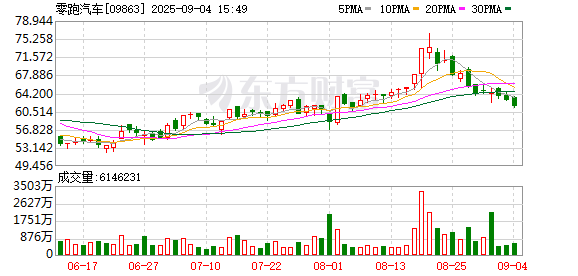
Core Viewpoint - In August, domestic new energy vehicle company Leap Motor achieved record sales, delivering over 57,066 units, marking its sixth consecutive month as the top-selling brand among new forces in the market, showcasing strong market momentum and brand resilience [1][4]. Group 1: Sales Performance - Leap Motor's weekly sales performance remains robust, with 13,800 units delivered in the latest week, ranking first among new forces and second overall in the new energy sector, only behind BYD, Geely Galaxy, and Wuling, surpassing Tesla for two consecutive weeks [4][5]. - Year-to-date, Leap Motor has consistently set monthly delivery records, with August being the second consecutive month exceeding 50,000 units. Cumulative sales have surpassed 320,000 units, positioning the company as a strong contender for the annual sales champion among new forces [4][5]. Group 2: Competitive Advantage - Analysts attribute Leap Motor's sustained sales success to its competitive product matrix and clear market positioning, with models in the C and B series covering mainstream price ranges, offering high value for money and intelligent configurations that meet market demands [5]. - The company's rapid growth is reflected not only in sales figures but also in user reputation and brand influence, with new owners highlighting Leap Motor's competitive advantages in range, intelligent cockpit, and driving experience as key factors in their purchasing decisions [5]. Group 3: Future Outlook - With the traditional sales peak season approaching, Leap Motor has indicated that its supply chain and production capabilities are well-prepared, suggesting a continuation of strong delivery performance [5]. - Industry insiders predict that if Leap Motor maintains its current growth pace, its annual sales could exceed original targets and potentially reach higher delivery milestones [5].

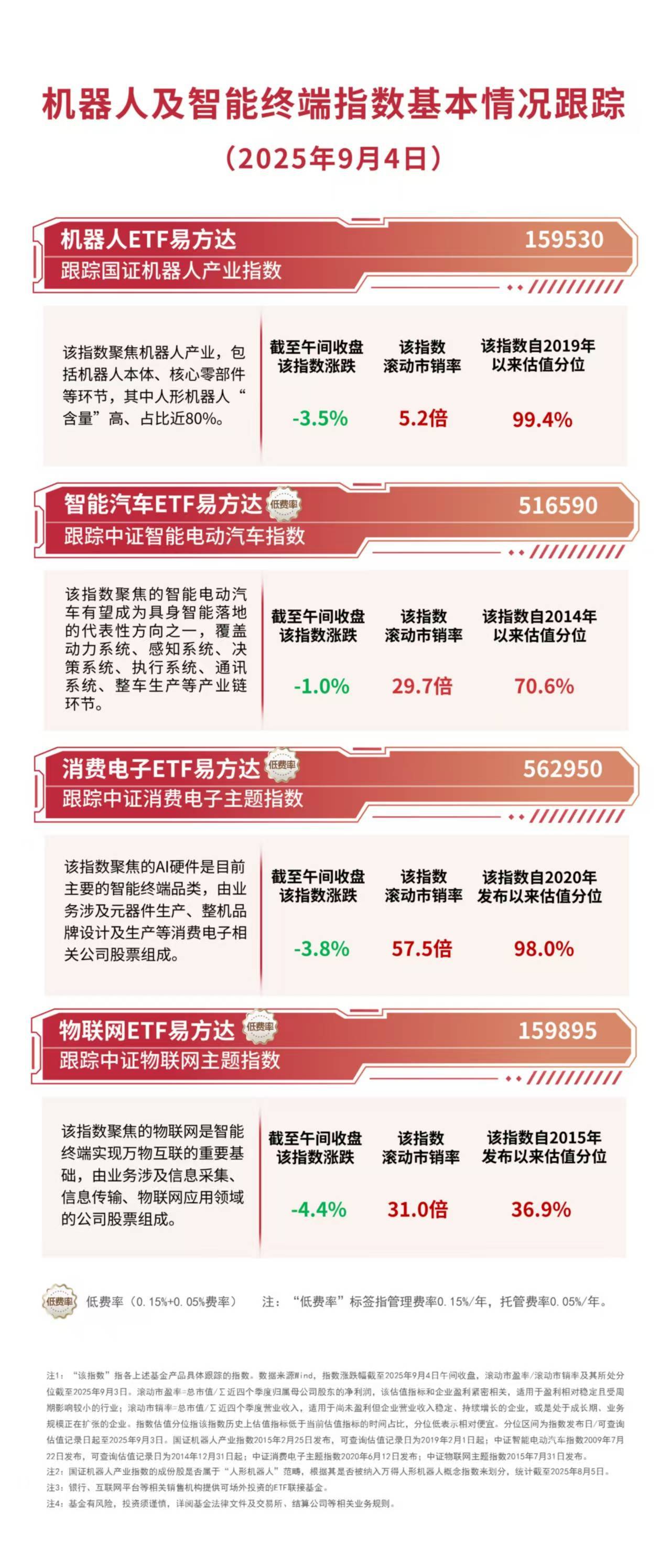
机器人ETF易方达(159530)昨日获超3亿元资金净流入,最新规模突破65亿元
Sou Hu Cai Jing· 2025-09-04 05:07
Group 1 - The National Robot Industry Index decreased by 3.5% at midday, while the China Securities Intelligent Electric Vehicle Index fell by 1.0%, the China Securities Consumer Electronics Theme Index dropped by 3.8%, and the China Securities Internet of Things Theme Index declined by 4.4% [1] - The Wind data indicates that the E Fund Robot ETF (159530) saw a net inflow of over 300 million yuan yesterday, with the product's latest scale exceeding 6.5 billion yuan, reaching a historical high [1] Group 2 - The rolling price-to-sales ratio for the mentioned indices is 57.5 times, with a valuation increase of 98.0% since inception [5]

神车停产,又一汽车巨头扛不住了!
阿尔法工场研究院· 2025-09-04 00:06
Core Viewpoint - The discontinuation of the Nissan GT-R marks the end of an era for traditional high-performance gasoline vehicles, highlighting the shift towards electric vehicles and the challenges faced by Japanese automakers in the current market landscape [5][10][18]. Group 1: Nissan GT-R and Its Legacy - The last Nissan GT-R rolled off the production line after 18 years, symbolizing the end of a legendary model that achieved significant acclaim in motorsports and popular culture [5][14]. - The GT-R, known as the "East Japan War God," had a production volume of nearly 48,000 units, showcasing its popularity and performance over its lifespan [18]. - The discontinuation of the GT-R reflects broader trends in the automotive industry, where traditional gasoline vehicles are being overshadowed by the rise of electric vehicles [7][10][18]. Group 2: Chinese Automotive Market Growth - In contrast to the decline of traditional Japanese automakers, China's new energy vehicle sales grew by 35.5% year-on-year, reaching 12.866 million units, maintaining its position as the world's largest market for ten consecutive years [9]. - From January to July 2025, sales of Chinese brand passenger cars reached 10.873 million units, a 24.4% increase, with a market share of 68.6% [9]. - The rapid growth of domestic brands in China indicates a significant shift in consumer preferences and market dynamics, as traditional Japanese brands struggle to maintain their foothold [22][24]. Group 3: Challenges for Japanese Automakers - Japanese automakers, including Nissan, are facing severe financial difficulties, with Nissan reporting a net loss of 115.76 billion yen and a 10% decline in global sales [21][23]. - The overall profitability of Japanese car manufacturers is declining, with projections indicating a loss of approximately 2.7 trillion yen for the fiscal year 2025 [21]. - The shift towards electric vehicles and the inability to adapt quickly enough to market changes have led to a "mid-life crisis" for Japanese brands, as they lose market share to more agile domestic competitors [24][22]. Group 4: The Future of the Automotive Industry - The automotive industry is undergoing a significant transformation, with a focus on technology and ecosystem development as key strategies for survival [26]. - The rise of new energy vehicles is prompting traditional manufacturers to reconsider their strategies, as evidenced by the recent shifts in direction from companies like Volvo, Mercedes, and Audi [27][28]. - The competition in the electric vehicle sector is intensifying, with new entrants focusing on quality and profitability rather than merely scaling production [34][33].




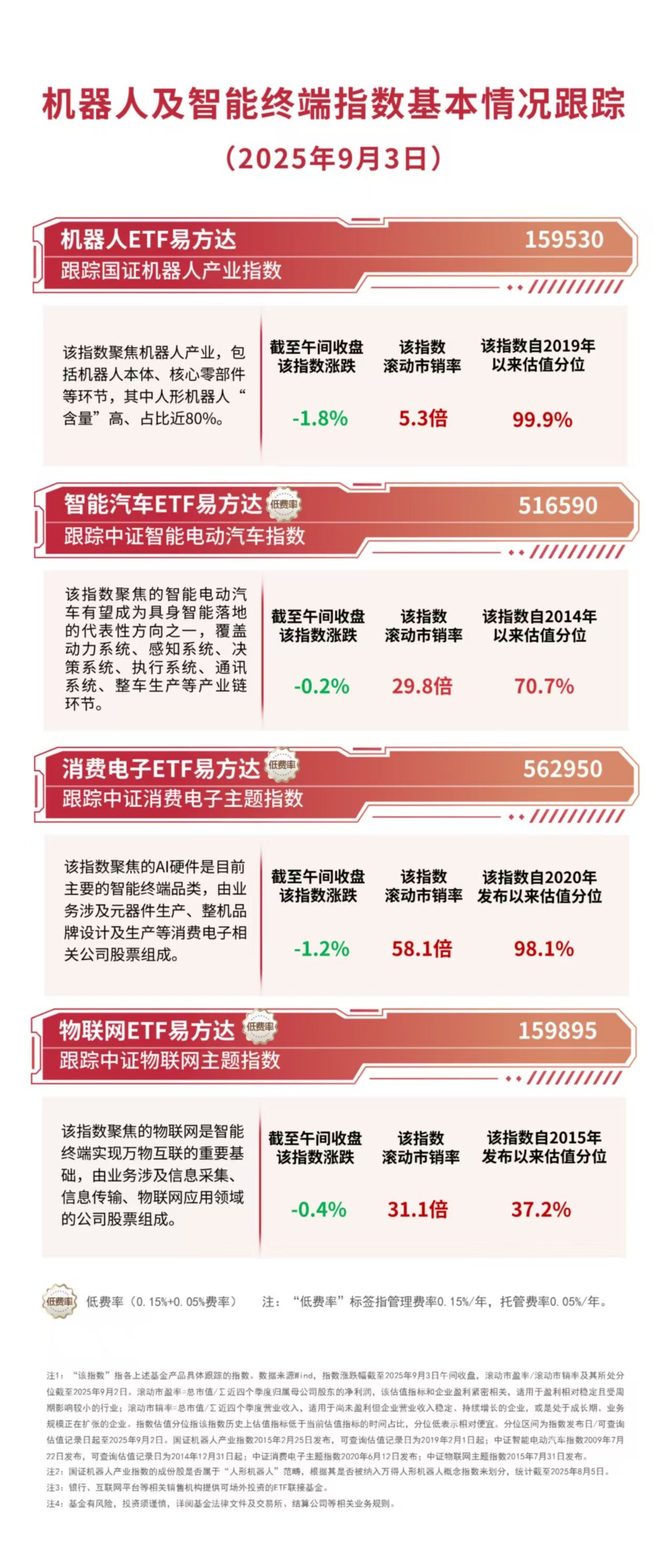
机器人ETF易方达(159530)昨日获超3亿元资金净流入,今日早盘再获1.7亿份净申购
Mei Ri Jing Ji Xin Wen· 2025-09-03 05:18
Group 1 - The core focus of the article is on the performance of the Internet of Things (IoT) ETF managed by E Fund, which tracks the China Securities IoT Theme Index, highlighting its significance in the smart terminal sector for achieving connectivity among devices [3][4] - As of the midday close, the index experienced a slight decline of 0.4%, with a rolling price-to-sales ratio of 31.1 times and a valuation percentile of 37.2% since its inception in 2015 [3] - The index comprises stocks from companies involved in information collection, transmission, and IoT application fields, indicating a diverse representation of the IoT industry [3]
全文|蔚来Q2业绩会实录:目标Q4每月交付5万台
Xin Lang Ke Ji· 2025-09-02 15:43
Core Viewpoint - NIO reported its Q2 2025 financial results, showing a total revenue of 19.0087 billion yuan, a year-on-year increase of 9.0% and a quarter-on-quarter increase of 57.9%. The net loss was 4.9948 billion yuan, a year-on-year reduction of 1.0% and a quarter-on-quarter reduction of 26.0% [1][2]. Financial Performance - Total revenue for Q2 2025 was 19.0087 billion yuan, reflecting a 9.0% year-on-year growth and a 57.9% quarter-on-quarter growth [1]. - Net loss for the quarter was 4.9948 billion yuan, which is a 1.0% reduction year-on-year and a 26.0% reduction quarter-on-quarter [1]. - Adjusted net loss, not in accordance with GAAP, was 4.1267 billion yuan, showing a 9.0% year-on-year reduction and a 34.3% quarter-on-quarter reduction [1]. Production and Delivery Goals - The company aims to achieve a monthly delivery target of 50,000 vehicles in Q4 2025, with a total delivery exceeding 150,000 vehicles for the quarter [3]. - For the L90 model, the target is to reach a production capacity of 15,000 units by October, while the ES8 aims for the same capacity by December [3]. Gross Margin and Profitability - The gross margin for vehicles in Q2 was reported at 10.3%, with expectations for improvement in Q3 and Q4 as new models are fully integrated into production [4]. - The target gross margin for Q4 is set between 16% and 17%, with aspirations to reach 20% for the L90 and ES8 models [5]. Research and Development Expenses - The company plans to maintain R&D expenses at approximately 20 billion yuan for Q4, focusing on improving efficiency without affecting output [6][7]. - SG&A expenses are targeted to be reduced to below 10% of total sales by Q4 to help achieve non-GAAP breakeven [7]. New Model Launches and Market Strategy - NIO is prioritizing the production of the L90 and ES8 models, with no new model deliveries planned for this year due to capacity constraints [8]. - Future product plans include the launch of three large SUVs in 2026, with the ES9 and ES7 models expected to be introduced [14]. Competitive Pricing Strategy - The company aims for a long-term gross margin of 20%, with specific targets for different brands: 25% for NIO, over 15% for Ladao, and around 10% for Firefly [9]. - The pricing strategy for the L90 and ES8 is designed to be competitive, leveraging cost advantages from technological innovations [9][11]. Supply Chain and Cost Management - NIO has adjusted its supply chain strategy to focus on long-term partnerships with suppliers that align with its technological vision, enhancing cost competitiveness [13]. - The transition to self-developed chips is expected to significantly reduce costs, although specific figures were not disclosed [16].

赛力斯(601127.SH)产销快报出炉 1-8月新能源汽车累计销量26万辆
Ge Long Hui· 2025-09-02 11:57
Group 1 - The core viewpoint of the articles highlights the significant growth in sales and profitability of Seres, driven by the success of its high-end electric vehicles [1][5][6] - In August, Seres sold 43,262 electric vehicles, marking a year-on-year increase of 19.57%, with total sales from January to August reaching 259,951 units [1] - The Wanjie series of new products, including the Wanjie M5 Ultra, Wanjie M9 2025 model, and Wanjie M8, have been well-received in the market, with total deliveries exceeding 750,000 units [3] Group 2 - The half-year report indicates that Seres achieved a revenue of 62.402 billion yuan and a net profit of 2.941 billion yuan, reflecting a year-on-year profit increase of 81.03% [5][6] - The strong sales of high-end smart electric vehicles are expected to drive further growth, with analysts maintaining a positive outlook on Seres' brand resilience and market position [6] - The recent launch of the Wanjie M8 pure electric version saw over 10,000 pre-orders within 24 hours, indicating strong market interest [3]

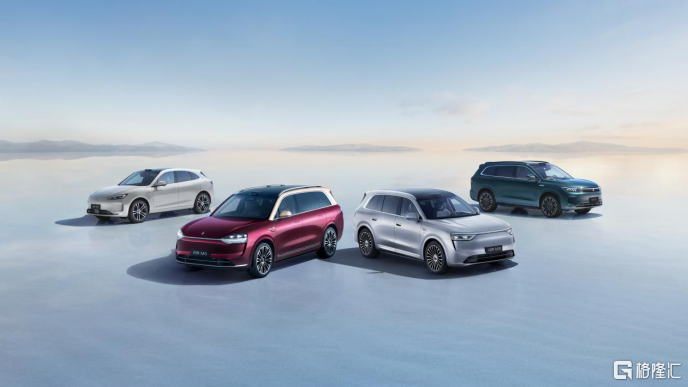
【2025年中报点评/经纬恒润-W】25Q2净利润扭亏为盈,业务多元发展
东吴汽车黄细里团队· 2025-09-01 14:15
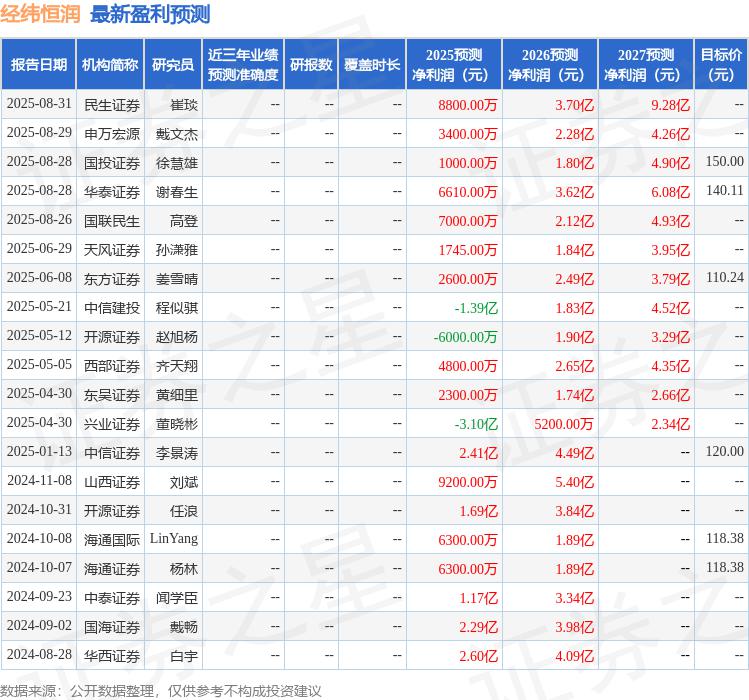
Core Viewpoint - The company reported its 2025 H1 results, showing revenue growth and a shift towards profitability in Q2, indicating a potential turning point in performance [2][6]. Financial Performance - In 2025 H1, the company achieved revenue of 2.908 billion yuan, a year-on-year increase of 43.46%, while the net profit attributable to shareholders was -87 million yuan, and the net profit excluding non-recurring items was -115 million yuan [2]. - For Q2 2025, the company recorded revenue of 1.580 billion yuan, with a quarter-on-quarter increase of 38.90% and a year-on-year increase of 18.98%. The net profit attributable to shareholders was 33 million yuan, marking a return to profitability [2]. Business Segments - The electronic products segment generated revenue of 2.546 billion yuan in 2025 H1, up 51.56% year-on-year, while the R&D services and solutions segment brought in 355 million yuan, a 4.30% increase. The high-level intelligent driving solutions segment saw a significant decline, with revenue of only 3 million yuan, down 96.25% [3]. - The company has developed a product model combining distributed electronic control units, domain control products, and L4 integrated platforms, achieving mass production [3]. Strategic Partnerships - The company has established strategic partnerships with various firms, including a collaboration with Zijing Semiconductor for RISC-V architecture-based automotive-grade chips, and with Baixiniu for high-reliability unmanned vehicle products [5]. R&D and Cost Management - The company is in a critical phase of performance release, with several high-investment projects beginning to contribute to revenue. In Q2 2025, the R&D expense ratio was 12.11%, showing a significant decrease compared to previous quarters [6]. - The company’s operating expense ratio for Q2 2025 was 22.06%, benefiting from economies of scale, with both sales and management expense ratios declining [6]. Profit Forecast and Investment Rating - The company maintains revenue forecasts for 2025-2027 at 7.15 billion, 8.04 billion, and 9.29 billion yuan, representing year-on-year growth of 29%, 13%, and 16%, respectively. The net profit forecasts for the same period are 23 million, 174 million, and 266 million yuan, with corresponding P/E ratios of 618, 81, and 53 times [7].


蔚来(09866) - 自愿公告 -蔚来集团2025年8月汽车交付量达31,305辆
2025-09-01 09:32
香港交易及結算所有限公司及香港聯合交易所有限公司對本公告的內容概不負責,對其準確性 或完整性亦不發表任何聲明,並明確表示概不就因本公告全部或任何部分內容而產生或因倚賴 該等內容而引致的任何損失承擔任何責任。 根據不同投票權架構,我們的股本包括A類普通股及C類普通股。對於提呈我們股東大會的任 何決議案,A類普通股持有人每股可投一票,而C類普通股持有人則每股可投八票,惟法律或 《香港聯合交易所有限公司證券上市規則》或我們的組織章程大綱及細則另行規定者除外。股東 及有意投資者務請留意投資不同投票權架構公司的潛在風險。我們的美國存託股(每股美國存 託股代表一股A類普通股)於美國紐約證券交易所上市,股份代號為NIO。 蔚來集團 (於開曼群島註冊成立以不同投票權控制的有限責任公司) (股份代號:9866) 自願公告 蔚來集團2025年8月汽車交付量達31,305輛 本公司創下月度交付量新高紀錄 於2025年9月1日 - 全球智能電動汽車市場的先驅及領跑者蔚來集團(紐交所: NIO;港交所:9866;新交所:NIO)(「蔚來」或「本公司」)今日宣佈其於2025年8 月的交付結果。 關於蔚來 蔚來是全球智能電動汽車市場的先驅 ...
东吴证券:给予经纬恒润买入评级
Zheng Quan Zhi Xing· 2025-09-01 04:32
Core Viewpoint - The company achieved a turnaround in profitability in Q2 2025, with diversified business development and a "buy" rating from Dongwu Securities [1][3]. Financial Performance - In H1 2025, the company reported revenue of 2.908 billion yuan, a year-on-year increase of 43.46%, with a net profit of -87 million yuan and a non-recurring net profit of -115 million yuan. In Q2 2025, revenue reached 1.580 billion yuan, with a quarter-on-quarter increase of 38.90% and a year-on-year increase of 18.98%. The net profit for Q2 was 33 million yuan, marking a return to profitability [1][2]. Business Segments - The electronic products segment generated revenue of 2.546 billion yuan in H1 2025, up 51.56% year-on-year. The R&D services and solutions segment earned 355 million yuan, a 4.30% increase, while the high-level intelligent driving solutions segment saw a significant decline of 96.25%, generating only 30,000 yuan [2]. Product Development - The company has established a product model combining distributed electronic control units, domain control products, and L4 integrated platforms, achieving mass production. Key software products include INTEWORK, ModelBase, and OrienLink, serving clients such as Hongqi, BYD, NIO, and others [2]. International Expansion - The company operates modern factories in Tianjin, Nantong, Nanchang, and Malaysia, and has secured contracts with several international OEMs and Tier 1 suppliers, including Stellantis and Scania [2]. Strategic Partnerships - The company has signed strategic cooperation agreements with various firms, including a partnership with Zijing Semiconductor for RISC-V architecture-based automotive-grade chips and collaborations with Baixin Rhino and Fuwei Hailada for smart hardware and innovative lighting solutions [3]. R&D and Cost Management - R&D expenses have decreased significantly, with a Q2 2025 R&D expense ratio of 12.11%, down 9.59 percentage points quarter-on-quarter. The overall expense ratio for Q2 was 22.06%, benefiting from economies of scale [3]. Profit Forecast - The company maintains revenue forecasts of 7.15 billion yuan, 8.04 billion yuan, and 9.29 billion yuan for 2025, 2026, and 2027, respectively, with year-on-year growth rates of 29%, 13%, and 16%. Net profit forecasts for the same years are 2.3 million yuan, 17.4 million yuan, and 26.6 million yuan, corresponding to P/E ratios of 618, 81, and 53 [3].

零跑8月交付再破五万台 Lafa5即将亮相慕尼黑车展
Zheng Quan Shi Bao Wang· 2025-09-01 03:40
Group 1 - In August, Leap Motor achieved a record delivery of 57,066 vehicles, marking an over 88% year-on-year increase and maintaining its position as the leading new force brand in monthly sales for six consecutive months [1] - Leap Motor's founder and CEO, Zhu Jiangming, announced that the company is accelerating its global expansion, with export sales ranking among the top in the new force segment and recent European orders reaching a historical high [1] - The company will showcase its new strategic product, the Leap Lafa5, at the Munich Auto Show in September, further emphasizing its commitment to global markets [1] Group 2 - Leap Motor announced that its cumulative delivery volume has surpassed 900,000 units, and it became the second new force carmaker in China to achieve positive net profit in the first half of 2025 [2] - The company reported significant revenue growth in the first half of 2025, with the highest gross margin since its establishment [2] - Leap Motor, founded in 2015, positions itself as a technology-driven smart electric vehicle company, with 65% of its vehicle costs attributed to self-researched and manufactured core components [2] Group 3 - In 2023, Stellantis Group invested in Leap Motor, and a joint venture was officially established in May 2024 to explore international markets [3]