消费者权益保护

Search documents
又一消金公司被罚 消保与个贷审查成为关注点
Zhong Guo Jing Ying Bao· 2025-12-05 08:13
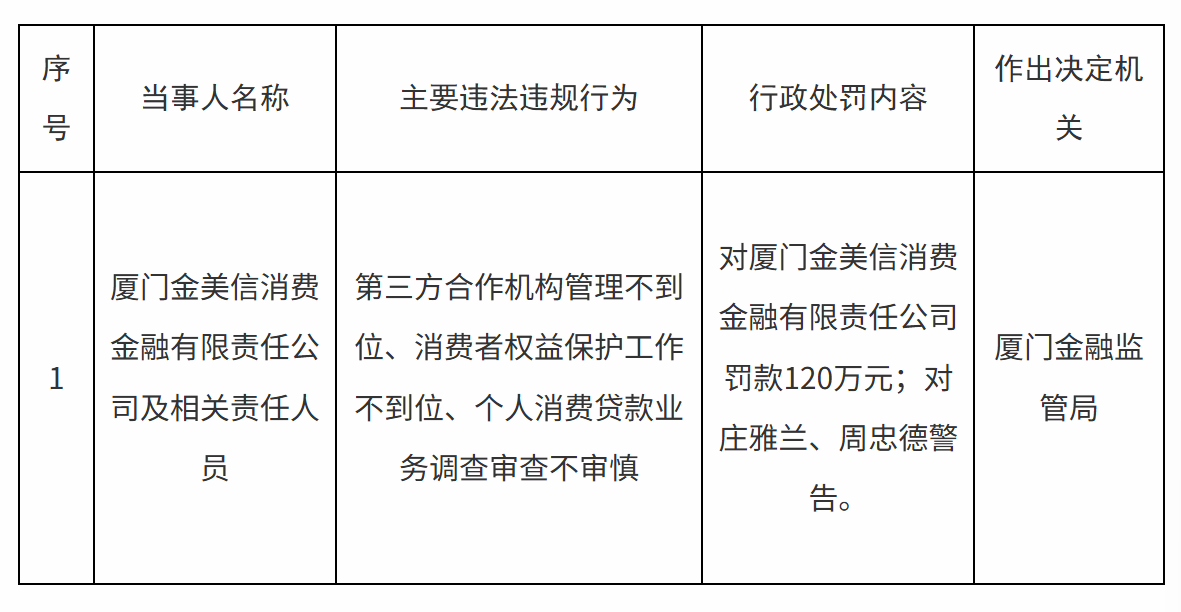
中经记者 郑瑜 北京报道 日前,国家金融监督管理总局厦门监管局行政处罚信息公开表显示,厦门金美信消费金融有限责任公司 (以下简称"金美信消金")因第三方合作机构管理不到位、消费者权益保护工作不到位、个人消费贷款 业务调查审查不审慎,受到行政处罚。 在消费金融领域,信用信息的规范采集、提供与查询,是保障消费者信息安全、信用权益与资金安全的 关键支撑。 本次罚款金额为120万元,对两名负责人进行警告。公开资料显示,其中一位负责人涉及市场营销部、 线上业务部条线。 对于被处罚的具体事宜,《中国经营报》记者向金美信消金方面发去采访函,截至发稿尚未收到回应。 公开资料显示,金美信消金于2018年4月27日获批筹建,9月29日获开业批复。截至2024年年底,资产总 额为55.16亿元,与上年年末相比下降12.6%,处于行业尾部位置;实现净利润2056万元,同比下降 71.4%。 金美信消金在2024年社会责任报告中曾披露,截至2024年12月末,公司累计放款482亿元,服务客户数 437万人,2024年新增放款89亿元。 值得注意的是,今年6月,金美信消金也曾因存在违法违规行为受到行政处罚。彼时原因为违反信用信 息采集、 ...
万场活动暖民心 多元解纷护消费 广东中行打造消保实践新样板
Zhong Guo Jin Rong Xin Xi Wang· 2025-12-04 09:54
Core Viewpoint - Guangdong Bank emphasizes consumer rights protection as a fundamental aspect of its operations, integrating it into all business processes and customer service through innovative mechanisms, technology, and multi-party collaboration [1][2]. Group 1: Consumer Rights Protection Initiatives - Since 2025, Guangdong Bank has conducted over 10,000 financial education activities, reaching nearly 100 million consumers, focusing on themes like "investing wisely" and "safe payments" [1]. - The bank has established mediation workstations in cities and counties to explore diversified dispute resolution paths, including the creation of a financial dispute mediation committee in Zhuhai [1][4]. Group 2: Mechanism and Management - Guangdong Bank employs a matrix management system led by senior executives to ensure consumer rights protection is implemented effectively, transitioning from "soft constraints" to "hard implementation" [2]. - The bank integrates consumer rights protection into key meetings and emphasizes customer needs in product design and service processes, addressing common pain points like long wait times [2]. Group 3: Dispute Resolution and Service Improvement - The bank has developed a "five two" complaint management system to clarify responsibilities and improve response times for consumer complaints [4]. - By collaborating with social forces, Guangdong Bank has created platforms for diversified dispute resolution, bringing mediation services closer to the public [4]. Group 4: Financial Education and Awareness - Guangdong Bank integrates financial education into various life scenarios, making it more engaging and accessible, such as through interactive activities at popular tourist spots [6]. - Initiatives like "Little Bankers" allow children to learn about banking through role-playing, fostering an understanding of financial concepts in a fun environment [6][9]. Group 5: Technology and Risk Management - The bank is leveraging digital tools to enhance consumer rights protection, transitioning from manual to data-driven governance in dispute resolution [9]. - Guangdong Bank utilizes technology to raise awareness about financial risks, employing social media and mobile platforms to educate customers about potential scams [9]. Group 6: Collaborative Ecosystem for Consumer Protection - Guangdong Bank collaborates with various stakeholders, including law enforcement and educational institutions, to create a comprehensive consumer protection ecosystem [10]. - The bank's initiatives include community events that combine cultural elements with financial education, enhancing public engagement and awareness [10].


“十四五”期间湖南市场监管系统为消费者挽回经济损失4.97亿元
Zhong Guo Xin Wen Wang· 2025-12-04 09:45
4日召开的"湖南'十四五'答卷"市场监管主题新闻发布会透露了上述信息。"十四五"期间,湖南始终将消 费者权益保护作为重中之重,推动12315热线与12345政务服务便民热线"双号并行",确保消费投诉在一 个平台办得快、办得好、办到底;建立健全在线消费纠纷解决机制,吸引5660余家企业参与,推动消费 纠纷直接和解6.05万件。 五年来,湖南出台营造放心消费环境的若干意见,大力推进"放心消费"主体培育,引导6.82万家经营主 体作出公开承诺;以"线下无理由退货"为突破口,推动2.1万家实体店承诺无理由退货,累计完成退换 货60.81万件、金额达6192万元;打造以长沙太平老街、常德河街为代表的343个放心消费商圈街区,提 升了商家诚信度与消费者满意度。 据悉,湖南完善消费者权益保护联席会议制度,明确28个成员单位职责,构建政府主导、部门协作、企 业自律、行业自治、社会监督、消费者参与的共治格局;与湖北、江西签署长江中游三省消费维权合作 协议,建立区域异地异店退换货制度。 "十四五"期间湖南市场监管系统为消费者挽回经济损失4.97亿元 中新网长沙12月4日电(向一鹏)"十四五"期间,湖南市场监管系统受理消费者投诉、 ...
万场活动暖民心 多元解纷护消费——广东中行打造消保实践新样板
Nan Fang Du Shi Bao· 2025-12-03 23:07
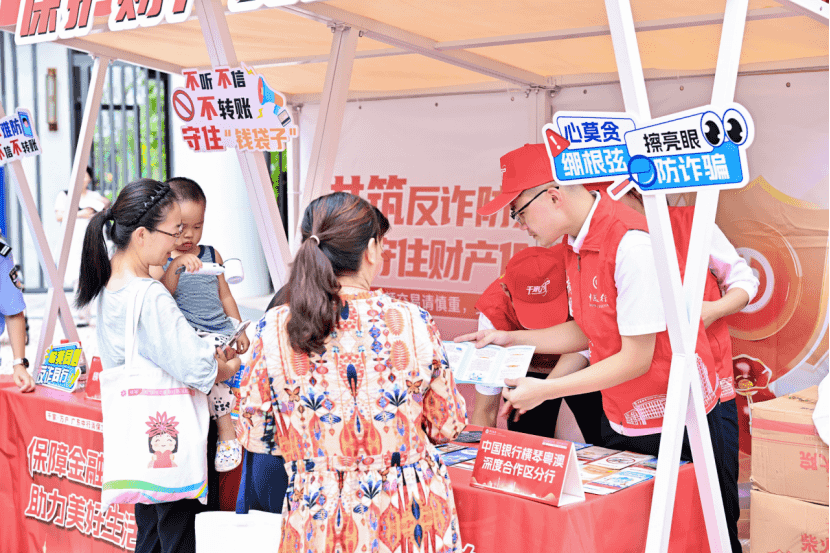
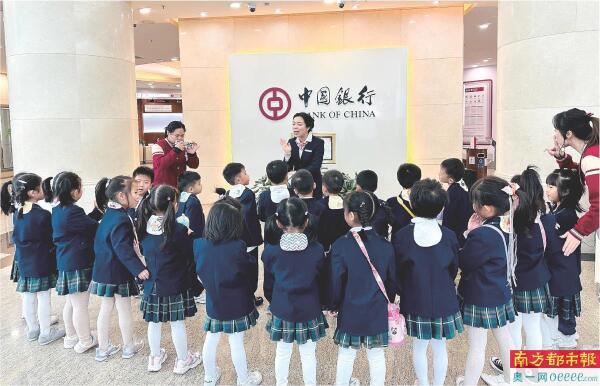
11月12日,中国银行清远分行与清城区红缨圣贤宝贝幼儿园联合举办"小小银行家,成就大梦想"金融知 识启蒙宣传活动。 3月12日,中国银行东莞分行组织走进东正社区开展"保障金融权益 助力美好生活"3·15主题金融教育 活动。 广东中行将消保工作纳入党委会、行办会等重要安排,党委明确提出"要做市民的首选银行"理念,要求 在产品设计、流程优化、网点布局等各个领域始终以客户需求为先,并带头深入基层,开展消保专题授 课、体验网点服务;针对群众反映强烈的排队时间长、业务办理流程繁等痛点,对标同业构建标准化服 务流程,切实为民办实事。 多元解纷 打通服务"便民道" 9月20日,中国银行珠海分行、横琴分行联合澳门分行举办"千家·万户——广东中行消保文化节"珠海·横 琴站活动。 金融为民,消保先行。中国银行广东省分行(下称"广东中行")始终坚守"以人民为中心"的发展理念,将 消费者权益保护融入业务发展全链条、服务客户全过程,通过机制创新、场景延伸、科技赋能和多方合 作,构建起全方位、多层次、立体化的消保工作体系。 2025年以来,广东中行围绕"投资看准'三适当',守住钱袋要稳当""智慧用卡,安全支付"等主题,联动 公安、学校、 ...
广东中行打造消保实践新样板
Jing Ji Ri Bao· 2025-12-03 21:44
Core Viewpoint - The Bank of China Guangdong Branch is committed to consumer rights protection and financial education, implementing various initiatives to enhance customer experience and safeguard financial interests [5][6][10]. Group 1: Financial Education Initiatives - The Guangdong Branch has organized over 10,000 financial education activities since 2025, reaching nearly 100 million consumers [5]. - Events such as "Little Bankers, Big Dreams" aim to educate children about banking through interactive experiences [9]. - The bank integrates financial knowledge into various community activities, making learning engaging and accessible [9]. Group 2: Consumer Rights Protection Mechanisms - The bank employs a matrix management system to ensure consumer rights protection is a priority across all levels [6]. - Consumer protection work is included in key meetings, emphasizing the importance of customer needs in product design and service processes [6]. - A "Five Twos" complaint management system has been established to address consumer grievances effectively [8]. Group 3: Technology and Innovation - The bank is leveraging digital tools to enhance consumer rights protection, transitioning from manual to data-driven governance [10]. - A specialized consumer protection platform has been developed to streamline complaint handling and improve service efficiency [10]. Group 4: Collaborative Efforts - The bank collaborates with law enforcement, schools, and businesses to create a comprehensive consumer protection ecosystem [11]. - Joint initiatives include public events that combine cultural elements with financial education, enhancing community engagement [11]. - The bank actively participates in local outreach to educate various demographics about financial safety and fraud prevention [11].

部分经济舱锁座率达一半以上!这是变相薅羊毛行为
Sou Hu Cai Jing· 2025-12-03 15:43
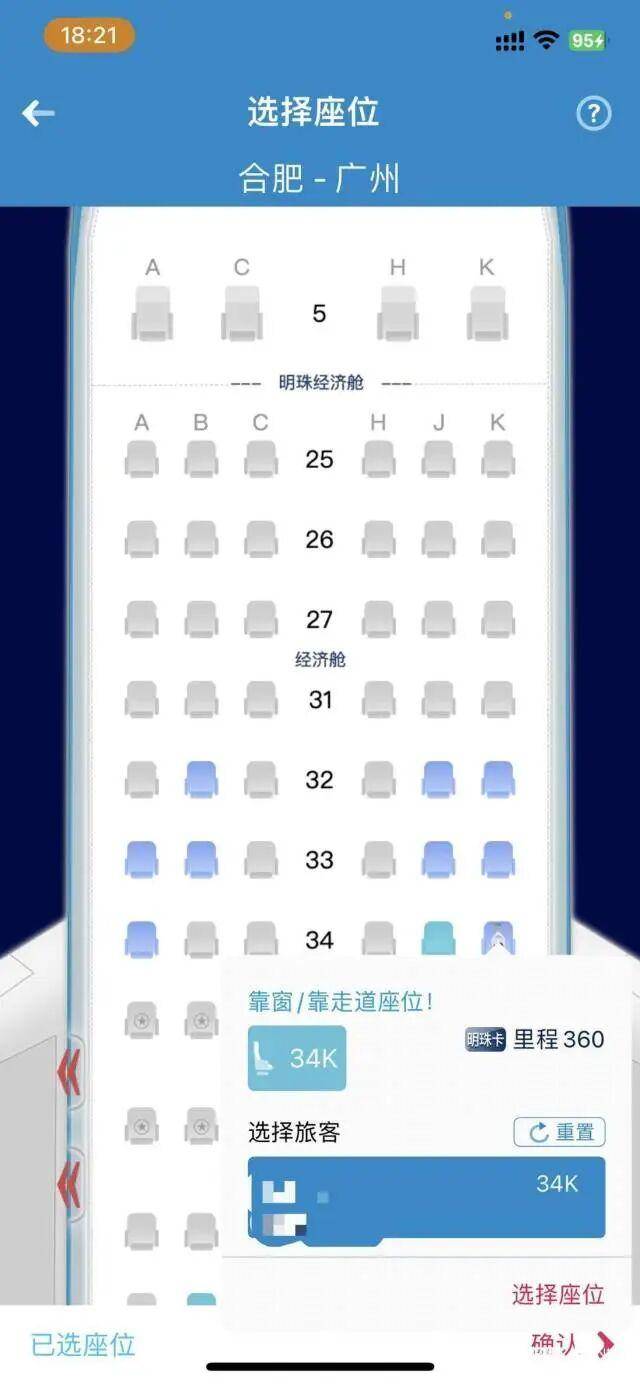
Core Viewpoint - The excessive "seat locking" behavior by airlines is identified as a practice that limits consumer choice and increases passenger costs, which has been highlighted in a recent consumer survey report by the Jiangsu Provincial Consumer Protection Committee [1][3][12]. Group 1: Seat Locking Practices - A survey of 10 major domestic airlines revealed that the proportion of locked seats in economy class ranges from 19.9% to 62.1%, with an average of 38.7% [1][8]. - Airlines typically restrict access to preferred seats (such as those in the front row, window, and aisle) while only offering less desirable seats for free selection, effectively forcing consumers to pay for better options [1][8][12]. - The practice of locking seats is often justified by airlines as necessary for safety and special service needs, but the extent of seat locking suggests it has become a revenue-generating service [3][10]. Group 2: Consumer Rights and Complaints - Many consumers express frustration over the inability to select preferred seats without incurring additional costs, which they believe undermines their rights as ticket holders [4][5]. - The lack of transparency regarding the criteria for seat locking and the absence of clear communication about free selection options violate consumer rights, including the right to know and the right to fair trading [10][12]. - The Jiangsu Provincial Consumer Protection Committee has initiated discussions with the airlines and expects them to address consumer complaints and ensure equal seat selection opportunities for all passengers [3][12]. Group 3: Regulatory Response - The Jiangsu Provincial Consumer Protection Committee has mandated that the airlines submit written rectification plans within 15 working days to address the issues related to seat locking [12]. - Continuous monitoring of the airlines' compliance with the rectification requirements will be conducted by the consumer protection authority [12].



金美信消金再吃罚单,因第三方机构管理不到位被罚120万
2 1 Shi Ji Jing Ji Bao Dao· 2025-12-03 10:47
Core Viewpoint - Xiamen Jinmeixin Consumer Finance Co., Ltd. has been fined 1.2 million yuan due to inadequate management of third-party partners, insufficient consumer rights protection, and imprudent investigation of personal consumer loan business [1][2]. Group 1: Regulatory Actions - The Xiamen Financial Supervision Administration imposed a fine of 1.2 million yuan on Jinmeixin for various compliance failures [1][2]. - This is not the first penalty for Jinmeixin in 2023; previously, it was fined 820,000 yuan for violating credit information management regulations [1][2]. Group 2: Company Background - Jinmeixin was established on April 27, 2018, with approval from the China Banking and Insurance Regulatory Commission, and began operations on September 29, 2018 [2]. - The company is jointly owned by three major shareholders: Jinyuan Jinkong (33%), Gome Holdings Group (33%), and China Trust Commercial Bank (34%) [2]. Group 3: Product Offerings - Jinmeixin offers two loan products: "Jisu Loan 2.0" with a limit of 50,000 yuan and an annual interest rate between 18% and 24%, and "Life Loan" with a maximum limit of 200,000 yuan and an annual interest rate between 4.88% and 24% [3]. - The company has recently disclosed 51 third-party partners, including 32 lead generation partners, 13 guarantee institutions, and 5 external collection agencies [3]. Group 4: Industry Trends - In 2023, a total of 11 consumer finance institutions have faced regulatory penalties, primarily focusing on three areas: management of third-party partners, consumer rights protection, and data compliance [3]. - Regulatory emphasis is placed on the prudent management of third-party partners, consumer rights protection against misleading marketing and improper collection practices, and adherence to data security and compliance regulations [3].
在践行“金融工作政治性、人民性”中 厚植消保沃土,织密民生防护网
Jiang Nan Shi Bao· 2025-12-03 06:51
Core Viewpoint - Nanjing People's Insurance Company (Nanjing PICC) emphasizes the integration of consumer protection into its operational framework, aligning with the political and people-oriented principles of the Party, and aims to enhance service quality and governance effectiveness through innovative practices [1][3][10] Group 1: Consumer Protection Initiatives - Nanjing PICC has established a systematic consumer protection framework that includes the integration of consumer protection into annual key tasks and a dual assessment system, ensuring a structured and responsive approach to customer complaints [2] - The company has implemented a closed-loop management mechanism for customer feedback, achieving an average response time of under 15 minutes and a 100% complaint resolution rate [2] - Nanjing PICC has introduced a "green channel" for rapid claims processing, significantly reducing the time required for complex claims, exemplified by a 60% acceleration in processing third-party liability claims [2][3] Group 2: Financial Knowledge Promotion - The company prioritizes financial literacy as a means to enhance public understanding of insurance products, conducting over 320 outreach events that reached more than 500,000 individuals [4] - Nanjing PICC has successfully insured over 6 million people under the "Nanjing Ninghui Bao" program, with total payouts exceeding 440 million yuan, thereby solidifying public trust in its services [4] Group 3: Inclusive Service Development - Nanjing PICC focuses on providing tailored services for vulnerable groups, including the elderly and outdoor workers, by establishing dedicated service channels and enhancing service accessibility [5][6] - The company has achieved a 98.2% satisfaction rate for its elderly services, demonstrating its commitment to meeting the needs of this demographic [6] Group 4: Innovation in Service Delivery - Nanjing PICC has adopted innovative service models to address emerging challenges, such as the introduction of an integrated online damage assessment service for electric vehicle insurance, capturing over 55% of the market share in this segment [8] - The company has also developed a comprehensive service platform that streamlines the claims process for minor accidents, reducing average processing time to under 30 minutes [9] Group 5: Commitment to Public Welfare - Nanjing PICC has actively participated in long-term care insurance initiatives, providing support to 25,000 disabled individuals with total compensation reaching 180 million yuan [9] - The company continues to enhance its service offerings by integrating technology and innovative insurance models, thereby reinforcing its role in promoting public welfare and community well-being [10]
消费者权益保护工作联席会议制度正式建立
Liao Ning Ri Bao· 2025-12-02 00:54
为更好保护消费者合法权益,建设诚信、公平、便捷、安全的消费环境,近日,辽宁省消费者权益 保护工作联席会议制度正式建立,标志着我省消费者权益保护工作迈入协同治理的新阶段。 联席会议的主要职能是统筹协调全省消费者权益保护工作,负责研究并推动落实消费者权益保护领 域的重要政策与举措;组织协调各相关部门落实消费者权益保护职责;协调解决全省消费者权益保护工 作中的重大问题和重大消费事件;组织开展对消费侵权热点和典型违法活动的治理;强化对消费者权益 保护相关法律法规和政策的宣传推广与消费教育引导;持续推进消费环境提升工程,积极打造"放心消 费在辽宁"品牌等。 联席会议由省市场监管局牵头建立,由省网信办、省发展改革委、省教育厅、省工业和信息化厅、 省公安厅等32个部门组成。联席会议办公室设在省市场监管局,负责日常协调等工作,确保各项举措落 地见效。 ...
优质座位大量被“锁” 10家航司被调查 揭开乘机选座“潜规则”
Yang Shi Xin Wen· 2025-12-01 19:11
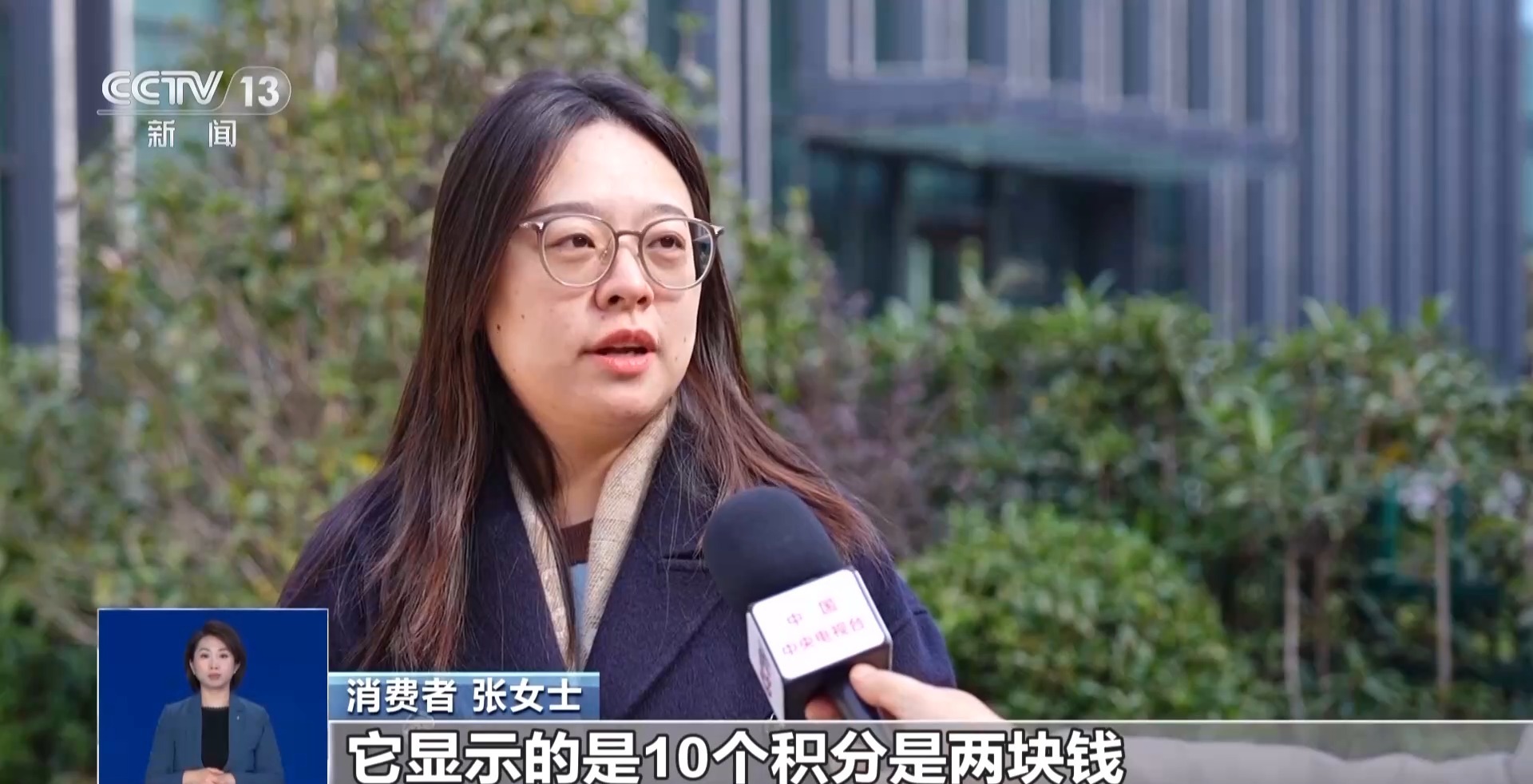
Core Viewpoint - The recent practice of airlines locking seats and charging for seat selection has sparked widespread consumer dissatisfaction, with many feeling that their rights to choose seats are being unfairly restricted [1][19]. Group 1: Consumer Feedback - Many consumers, like Ms. Zhang, have experienced locked seats and expressed frustration over the additional costs required to select preferred seats, which they believe should be included with the purchase of an economy class ticket [3][19]. - The investigation revealed that consumers are often required to use points or pay extra fees to unlock desirable seats, which they feel is an unfair practice [11][13]. Group 2: Investigation Findings - The Jiangsu Provincial Consumer Protection Committee conducted an investigation into 10 domestic airlines, finding that all had locked seats in economy class, with the locking rate ranging from 19.9% to 62.1%, averaging 38.7% [4][5]. - The investigation highlighted that the locked seats are primarily located in the front rows and preferred window or aisle positions, limiting consumer choices to less desirable seats [9][11]. Group 3: Airline Justifications - Airlines have provided various justifications for locking seats, such as reserving them for special passengers or maintaining flight balance, but these reasons have been contradicted by the investigation results showing high locking rates [15][16]. - The lack of a unified standard for seat locking across airlines has led to significant discrepancies in how and why seats are locked [16]. Group 4: Legal and Regulatory Concerns - The practice of locking seats has been deemed to infringe upon multiple consumer rights, including the right to know, the right to choose, and the right to fair trade [19][22]. - Experts have pointed out that airlines' failure to clearly communicate seat selection policies and locking criteria violates consumer protection laws [20][22]. Group 5: Regulatory Actions - The Jiangsu Provincial Consumer Protection Committee has called for the 10 airlines to rectify their practices, specifically addressing the excessive locking of seats and the imposition of fees for seat selection [23][24]. - Airlines are required to ensure transparency in their policies, provide equal selection opportunities for all passengers, and respect consumer rights [27][29].