
税收收入

Search documents
上半年全国税收同比下降1.2% 土地出让收入下降6.5%
Jing Ji Guan Cha Wang· 2025-07-25 11:30
Group 1 - The core viewpoint of the news is that the national general public budget revenue for the first half of 2025 has decreased by 0.3% year-on-year, with tax revenue declining by 1.2% and non-tax revenue increasing by 3.7% [1] - The revenue from the transfer of state-owned land use rights has dropped by 6.5%, significantly down over 50% compared to the peak period in the first half of 2021 [1] - Among the 31 provinces, 27 have achieved growth in local general public budget revenue, with the eastern, central, western, and northeastern regions growing by 1.3%, 1.3%, 2%, and 5.7% respectively [1] Group 2 - Non-tax revenue for the first half of the year reached 2.27 trillion yuan, with a year-on-year growth of 3.7%, but the growth rate has slowed down by 5.1 percentage points compared to the first quarter [2] - The income from the paid use of state-owned resources (assets) increased by 4.8%, driven by local governments activating assets through various channels [2] - Administrative and institutional fee income grew by 1%, but the growth rate has decreased by 4.5 percentage points compared to the first quarter, while confiscated income fell by 4.3%, with the decline rate widening by 2.9 percentage points [2]
今年以来财政运行总体平稳 财政支出力度持续加大
Sou Hu Cai Jing· 2025-07-25 11:01
Group 1 - The overall fiscal operation in China is stable, with a total public budget revenue of 11.56 trillion yuan in the first half of the year, a year-on-year decrease of 0.3%, but the decline has narrowed by 0.8 percentage points compared to the first quarter [1] - Tax revenue is gradually recovering, with a total tax revenue of 9.29 trillion yuan in the first half, down 1.2% year-on-year, but showing monthly growth for three consecutive months starting from April [1] - Major tax categories such as domestic VAT, domestic consumption tax, and individual income tax have shown stable growth rates of 2.8%, 1.7%, and 8% respectively [1] Group 2 - Non-tax revenue growth has slowed, with a total of 2.27 trillion yuan in the first half, a year-on-year increase of 3.7%, which is a decline of 5.1 percentage points compared to the first quarter [2] - Local public budget revenue has increased by 1.6% in the first half, with 27 out of 31 provinces achieving growth [2] Group 3 - Fiscal expenditure has increased, with total public budget expenditure reaching 14.13 trillion yuan in the first half, a year-on-year growth of 3.4% [3] - Key areas such as social security and employment, education, and health have seen significant increases in expenditure, with growth rates of 9.2%, 5.9%, and 4.3% respectively [3] - The issuance and use of bond funds have accelerated, with 2.43 trillion yuan spent on government special bonds in the first half, driving a 30% increase in government fund budget expenditure [3]
X @外汇交易员
外汇交易员· 2025-07-25 10:02
Government Revenue - China's national general public budget revenue decreased by 0.3% year-on-year to CNY 115566 billion (approximately USD 160 billion) from January to June [1] - National tax revenue decreased by 1.2% year-on-year to CNY 92915 billion (approximately USD 128 billion) from January to June [1] - Non-tax revenue increased by 3.7% year-on-year to CNY 22651 billion (approximately USD 31 billion) from January to June [1] Specific Tax Revenue - Stamp tax increased by 19.7% year-on-year to CNY 1953 billion (approximately USD 270 million) from January to June [2] - Securities transaction stamp tax increased by 54.1% year-on-year to CNY 785 billion (approximately USD 110 million) from January to June [2] Land Revenue - Revenue from the transfer of state-owned land use rights decreased by 6.5% year-on-year to CNY 14271 billion (approximately USD 200 billion) from January to June [3] Government Expenditure - China's national general public budget expenditure increased by 3.4% year-on-year to CNY 141271 billion (approximately USD 195 billion) from January to June [4]
数览中国经济半年报“含金量” 我国财政运行总体呈现平稳态势
Yang Shi Wang· 2025-07-25 09:03
Core Insights - The overall fiscal operation in China is stable in the first half of the year, with a slight decline in public budget revenue and a gradual recovery in tax revenue [1][3] Group 1: Fiscal Revenue - National general public budget revenue reached 115,566 billion yuan, a year-on-year decrease of 0.3%, with the decline narrowing by 0.8 percentage points compared to the first quarter [1] - Tax revenue for the first half was 92,900 billion yuan, down 1.2% year-on-year, but monthly tax revenue has shown growth for three consecutive months starting from April [1][3] - Major tax categories showed stable growth, with domestic VAT, domestic consumption tax, and individual income tax increasing by 2.8%, 1.7%, and 8% respectively [3] Group 2: Non-Tax Revenue - National non-tax revenue amounted to 22,700 billion yuan, with a year-on-year growth of 3.7%, but the growth rate fell by 5.1 percentage points compared to the first quarter [5][6] - Non-tax revenue saw declines in May and June, with decreases of 2.2% and 3.7% respectively [5] - Revenue from state-owned resources (assets) increased by 4.8%, while administrative fees grew by 1%, but the growth rate decreased by 4.5 percentage points compared to the first quarter [6] Group 3: Regional Revenue Performance - Most regions maintained revenue growth, with local general public budget revenue increasing by 1.6% in the first half [8] - Revenue growth varied by region, with eastern, central, western, and northeastern regions growing by 1.3%, 1.3%, 2%, and 5.7% respectively [8] - Out of 31 provinces, 27 achieved revenue growth [8] Group 4: Fiscal Expenditure - National general public budget expenditure reached 141,300 billion yuan, a year-on-year increase of 3.4% [10] - Expenditures in social security and employment, education, science and technology, and energy conservation and environmental protection all grew by over 5% [10] - Local government special bonds and ultra-long-term special treasury bonds contributed to a 30% increase in government fund budget expenditure, totaling 24,300 billion yuan [10]

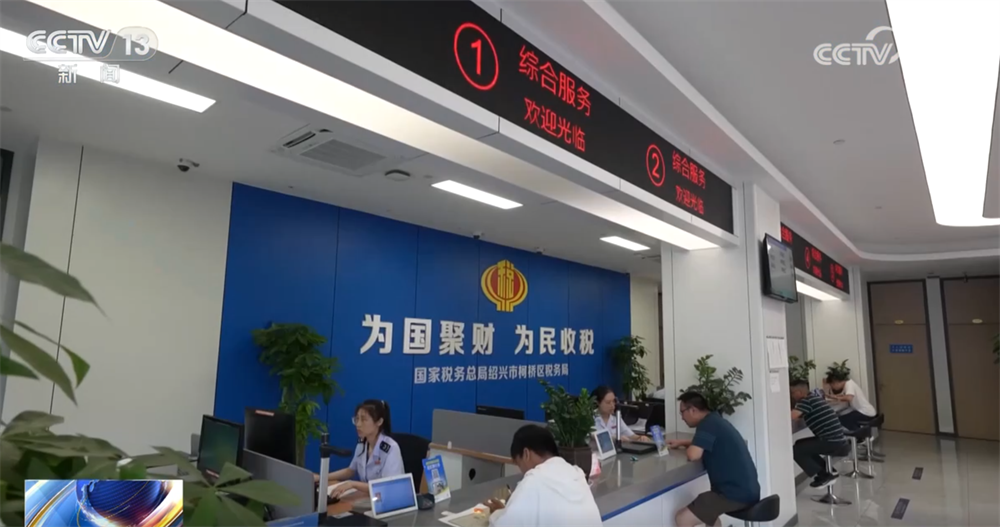
中央决算报告:去年非税收入增超142%,“三公”经费增加
Nan Fang Du Shi Bao· 2025-07-25 03:56
南都讯 记者杨文君 发自北京 近日,财政部部长蓝佛安受国务院委托,向全国人大常委会提出2024年中 央决算报告和中央决算草案。 《报告》还指出,2024年以来,财政部坚决落实党政机关坚持过紧日子要求,坚持精打细算、保障重 点,严控一般性支出和"三公"经费,压缩论坛、节庆、展会等活动,跟踪评估党政机关过紧日子情况。 加强政府采购管理,节约采购成本。出台实施政府采购领域三年行动方案,对6000多家代理机构、3万 多个政府采购项目进行检查,优化政府采购领域营商环境。 在2024年中央财政收支决算情况方面,《国务院关于2024年中央决算的报告》(以下简称《报告》)显 示,中央一般公共预算收入100462.06亿元,为预算的98.1%,比2023年增长0.9%。中央一般公共预算支 出141055.9亿元,完成预算的97.9%,与2023年基本持平。 关于支出决算具体情况,《报告》指出,2024年,中央本级支出40720.18亿元,完成预算的98.1%,增 长6.5%;中央对地方转移支付100335.72亿元,完成预算的98.3%,下降2.4%,主要是部分据实安排支出 低于预算。中央本级支出中,外交支出595.19亿元, ...
财政部公布!9.6万亿元
Jin Rong Shi Bao· 2025-06-23 02:01
Group 1: Fiscal Revenue - From January to May, the national general public budget revenue was 96,623 billion yuan, a year-on-year decrease of 0.3%, with the decline narrowing by 0.1 percentage points compared to January to April [1] - Tax revenue for the same period was 79,156 billion yuan, down 1.6% year-on-year, with the decline narrowing by 0.5 percentage points; non-tax revenue was 17,467 billion yuan, up 6.2% year-on-year, with the growth rate narrowing by 1.5 percentage points [1] - In May, the general public budget revenue growth rate was 0.1%, slowing by 1.8 percentage points from the previous month, with tax revenue growth dropping from 1.9% to 0.6% and non-tax revenue turning negative at -2.2% [2] Group 2: Fiscal Expenditure - From January to May, national general public budget expenditure was 112,953 billion yuan, a year-on-year increase of 4.2%, with the growth rate falling by 0.4 percentage points [1] - In May, general public budget expenditure grew by 2.6% year-on-year, slowing by 3.1 percentage points from the previous month, with significant declines in infrastructure spending, which fell by 7.7% [4] - Key areas of expenditure such as social security and employment saw a year-on-year increase of 9.2%, while education and health spending grew by 6.7% and 3.9%, respectively [4] Group 3: Economic Analysis - The slowdown in revenue is attributed to factors such as the decline in the Producer Price Index (PPI), the unsustainable high growth of non-tax revenue, and weakened land transfer income [1] - The analysis indicates that the increase in value-added tax revenue reflects a trend of economic recovery, supported by robust growth in the equipment manufacturing sector [2] - The government is expected to accelerate bond issuance to support fiscal expenditure, especially in light of the revenue slowdown and strong expenditure performance in the first four months [5]
【广发宏观吴棋滢】5月财政收支数据:主要特征和后续线索
郭磊宏观茶座· 2025-06-21 11:06
Summary of Key Points Core Viewpoint - The article discusses the recent trends in China's fiscal revenue and expenditure, highlighting a slight decline in growth rates for both public fiscal revenue and tax revenue in May, while also addressing the implications of these trends on broader economic conditions and fiscal policy. Fiscal Revenue Trends - In May, public fiscal revenue growth slowed to 0.1% year-on-year, down from 1.9% in the previous month, while tax revenue growth also decreased to 0.6% from 1.9% [1][5][6] - Non-tax revenue turned negative for the first time in 2024, with a year-on-year decline of 2.2%, attributed to reduced reliance on non-tax revenue and a significant downward adjustment in the growth target for non-tax revenue [1][5] - Cumulatively, public fiscal revenue for the first five months showed a year-on-year decline of 0.3%, narrowing the gap from the annual target by 0.37 percentage points [1][5] Tax Revenue Breakdown - Value-added tax performed well with a cumulative year-on-year increase of 2.4%, likely linked to improved industrial profits [8] - Personal income tax saw a significant increase of 8.2% year-on-year, influenced by a low base, tax reconciliations, and active second-hand housing transactions [8] - Consumption tax showed neutral performance, with a cumulative year-on-year growth of 1.6%, reflecting a mismatch with high retail sales growth [9] Fiscal Expenditure Insights - In May, narrow fiscal expenditure growth slowed to 2.6%, with central government expenditure rising by 11.0% and local government expenditure increasing by 0.9% [12] - The resilience in expenditure is attributed to the accelerated issuance of ordinary government bonds, which reached 39% of the annual target by May, the highest level in recent years [12][13] - Social security and employment expenditures maintained high growth rates, reflecting strong fiscal support for social security funds and employment policies [12] Broader Fiscal Context - Government fund revenue growth turned negative again in May, with a year-on-year decline of 8.1%, primarily due to a significant drop in land use rights revenue [15][16] - The real estate market's performance is a key constraint, with land sales showing a downward trend in April and May [15][16] - The overall fiscal situation indicates that while narrow fiscal targets may be met, broader fiscal outcomes remain uncertain due to fluctuations in the land market [15][16] Future Outlook - The improvement of macroeconomic price levels, particularly the Producer Price Index (PPI), is crucial for enhancing corporate profits and tax revenues [17] - The establishment of new policy financial tools is anticipated to support infrastructure investment and credit growth, potentially alleviating construction sector challenges [17]

前5月财政数据详解
第一财经· 2025-06-20 16:15
Core Viewpoint - The article discusses the fiscal revenue and expenditure situation in China for the first five months of 2025, highlighting a stable fiscal income but an expansion in fiscal expenditure to support economic stability and demand growth [1]. Fiscal Revenue - National general public budget revenue for January to May reached 96,623 billion yuan, a year-on-year decrease of 0.3%, which is a slight improvement from the previous four months' decline of 0.4% [1]. - Government fund budget revenue was 15,483 billion yuan, showing a year-on-year decline of 6.9%, which is a slight increase in the decline compared to the previous four months' 6.7% [1]. - Tax revenue, which is a key component of fiscal income, totaled 79,156 billion yuan, down 1.6% year-on-year, but this decline is less severe than the previous four months' 2.1% [1]. - Corporate income tax revenue for the first five months was 21,826 billion yuan, down 2.5% year-on-year, although the decline is narrowing as industrial profits have turned positive [1][2]. Factors Affecting Revenue - The real estate market remains sluggish, leading to a decline in related tax revenues, such as deed tax and land value-added tax, which experienced double-digit decreases [2]. - Complex foreign trade conditions, including trade wars, negatively impacted fiscal revenue, with significant declines in import VAT, consumption tax, and customs duties [2]. - Low prices have also reduced nominal fiscal income, with the Producer Price Index (PPI) falling by 3.3% year-on-year in May 2025, affecting tax bases like VAT [3]. Tax Revenue Performance - Despite overall tax revenue declines, certain sectors showed strong performance, particularly in manufacturing and services. For instance, tax revenue from railway, shipbuilding, and aerospace manufacturing grew by 28.8%, while computer and communication equipment manufacturing increased by 11.9% [4]. - In the service sector, tax revenue from cultural, sports, and entertainment industries rose by 7.8%, and the information transmission and software services sector saw a 10% increase [4]. Non-Tax Revenue - Non-tax revenue for the general public budget reached 17,467 billion yuan, a year-on-year increase of 6.2%, primarily driven by asset activation [5]. Fiscal Expenditure - Total general public budget expenditure for January to May was 112,953 billion yuan, a year-on-year increase of 4.2%, which is significantly higher than the revenue growth rate [6]. - Key expenditure areas such as social security and employment saw growth rates of 9.2% and 6.7%, respectively, indicating strong support for public welfare [6]. - Government fund budget expenditure increased by 16% to 32,125 billion yuan during the same period [7]. Government Bond Financing - Net financing from government bonds reached 631 billion yuan in the first five months, an increase of 381 billion yuan year-on-year, supporting fiscal expenditure expansion [8].

详解前5月财政数据
Di Yi Cai Jing Zi Xun· 2025-06-20 09:33
Fiscal Revenue and Expenditure Overview - The Ministry of Finance reported that from January to May 2025, the national general public budget revenue was 96,623 billion yuan, a year-on-year decrease of 0.3%, which is a slight improvement from the previous four months' decline of 0.4% [1] - Government fund budget revenue was 15,483 billion yuan, down 6.9% year-on-year, slightly worsening from the previous four months' decline of 6.7% [1] Tax Revenue Analysis - Tax revenue, which is a key economic indicator, accounted for 79,156 billion yuan of the general public budget revenue, reflecting a year-on-year decrease of 1.6%, an improvement from the previous four months' decline of 2.1% [1] - Corporate income tax revenue was 21,826 billion yuan, down 2.5% year-on-year, but the decline is narrowing as profits of large industrial enterprises have turned positive [1][2] Impact of Real Estate and Trade - The real estate market remains sluggish, leading to significant declines in related tax revenues, such as deed tax and land value-added tax, which experienced double-digit decreases [2] - Complex foreign trade conditions, including trade wars, have negatively impacted fiscal revenue, with notable declines in import VAT, consumption tax, and tariffs [2] Price Levels and Tax Base - Low price levels have compressed nominal fiscal revenue, with the Producer Price Index (PPI) showing a year-on-year decrease of 3.3% in May 2025, affecting tax revenue growth based on nominal value [3] - Domestic VAT revenue was 30,850 billion yuan, reflecting a year-on-year growth of 2.4% [3] Sector-Specific Tax Revenue Growth - Despite overall tax revenue challenges, certain sectors showed strong performance, with equipment manufacturing tax revenue growing by 28.8% and computer communication equipment manufacturing by 11.9% [4] - The cultural, sports, and entertainment sectors saw a tax revenue increase of 7.8%, while the information transmission and software services sector grew by 10% [4] Non-Tax Revenue and Budget Adjustments - Non-tax revenue reached 17,467 billion yuan, a year-on-year increase of 6.2%, primarily driven by asset activation [5] - Local government fund budget revenue was 13,635 billion yuan, down 8.3% year-on-year, with land use rights transfer revenue declining by 11.9% [6] Fiscal Policy and Expenditure - To counteract declining tax revenue, the government has implemented a more proactive fiscal policy, accelerating bond issuance to support expenditure [6] - General public budget expenditure was 112,953 billion yuan, a year-on-year increase of 4.2%, which is significantly higher than the revenue growth rate [7] - Social security and employment expenditures grew by 9.2%, and education expenditures increased by 6.7%, both exceeding the average expenditure growth rate [7]
全区财政收支累计增速连续5个月正增长
Guang Xi Ri Bao· 2025-06-20 01:41
Group 1 - The core viewpoint of the articles highlights the continuous growth in both revenue and expenditure in the region's fiscal budget for the first five months of the year, with public budget revenue reaching 755.52 billion yuan, a year-on-year increase of 3.3%, and public budget expenditure totaling 2563.22 billion yuan, a year-on-year increase of 6.3% [1] - Tax revenue has shown a positive trend, with a year-on-year growth of 1.4% for the first five months, improving significantly from a mere 0.04% growth in the first four months [1] - Expenditure from municipal and county finances has also increased, with a year-on-year growth of 7.5%, and 13 out of 14 municipalities reporting positive growth in expenditure [1] Group 2 - In the area of public welfare, spending reached a historical high of 2014.88 billion yuan, with a year-on-year increase of 4.8%, maintaining a proportion of around 80% of total public budget expenditure [2] - Significant growth was observed in various sectors, including commercial services (38.2%), energy conservation and environmental protection (31.8%), transportation (25.8%), technology (15.1%), agriculture (10.3%), and education (8.9%) [2]