
稳定币

Search documents
Circle 发布 2026 年产品规划
Xin Lang Cai Jing· 2026-02-01 03:52
Core Viewpoint - Circle has released its product roadmap for 2026, outlining a vision for building an internet financial system [1] Group 1: Product Development - Circle aims to advance enterprise-level blockchain infrastructure with the Arc public chain as its core [1] - The company plans to expand the global application of digital assets such as USDC and USYC [1] Group 2: Payment Solutions - Circle will focus on developing the Circle Payments Network and StableFX to lower the barriers for institutions using stablecoins for payments, settlements, and foreign exchange transactions [1] - The initiative is designed to accelerate the integration of stablecoins into the mainstream financial system [1]
IOSG:Circle 的护城河与长期价值
Xin Lang Cai Jing· 2026-01-31 11:13
Core Insights - The article discusses the competitive landscape between Circle and Tether in the stablecoin market, highlighting Circle's recent developments and Tether's ongoing challenges [1][2][4]. Group 1: Circle's Developments - Circle received conditional approval from the OCC to establish the First National Digital Currency Bank, which could facilitate digital asset custody services and potentially increase the stablecoin market cap to $1.2 trillion by 2026 [1]. - Circle's USDC supply increased by $32 billion over the past year, with significant market share gains in India and Argentina, reaching 48% and 46.6% respectively [6]. - Circle's revenue for Q3 2025 reached $740 million, exceeding expectations, with a year-over-year growth of 66% [19][21]. Group 2: Tether's Challenges - Tether's parent company faces reputational and regulatory pressures, including a downgrade of its reserve rating by S&P and scrutiny from the People's Bank of China regarding its role in illicit activities [2][4]. - Despite Tether's strong profitability, its market dominance is threatened by regulatory changes and the rise of compliant stablecoins like USDC [4][6]. Group 3: Market Trends and Regulatory Environment - The stablecoin market is experiencing rapid growth, with overall circulation increasing by 59% year-over-year, and USDC's market share climbing to 29% [26][27]. - Regulatory frameworks, such as the GENIUS Act in the U.S., are creating favorable conditions for compliant stablecoins, positioning Circle advantageously in the market [27][56]. Group 4: Future Outlook and Strategic Initiatives - Circle aims to diversify its revenue streams beyond interest income from reserves, focusing on transaction fees and tokenized asset management [44][45]. - The company is expanding its Circle Payments Network (CPN) to facilitate cross-border payments, targeting a significant share of the $190 trillion market [52][53]. - Circle's strategic initiatives include the development of its Arc blockchain and partnerships with major financial institutions to enhance its ecosystem [41][49].


陆家嘴财经早餐2026年1月31日星期六
Wind万得· 2026-01-30 23:54
Group 1 - The nomination of Kevin Warsh as the next Federal Reserve Chairman by President Trump has sparked hawkish expectations, leading to a significant sell-off in the global precious metals market, with silver dropping over 35% and gold nearly 13% [3][5] - The Federal Reserve's policy framework may see a notable shift if Warsh assumes leadership, as Deutsche Bank suggests a unique combination of "rate cuts and balance sheet reduction" could emerge under his guidance [3] - The U.S. Treasury Department reported a projected decline in national fiscal revenue for 2025, with total revenue expected to be 21.6 trillion yuan, a decrease of 1.7% year-on-year [4] Group 2 - The World Trade Organization ruled that U.S. clean energy subsidy measures violate WTO rules in the dispute initiated by China regarding the Inflation Reduction Act [4] - The China-UK economic relationship is set to deepen with the signing of four economic cooperation documents, focusing on "Export to China" initiatives and service trade agreements [4] - The Panama Supreme Court ruled that the contract for the operation of ports along the Panama Canal held by CK Hutchison is invalid, prompting a response from the Chinese government to protect its legitimate rights [4] Group 3 - The China Securities Regulatory Commission (CSRC) is working to enhance the attractiveness and flexibility of refinancing systems to support the capital market's stable growth [6] - The A-share market experienced a decline, with the Shanghai Composite Index falling by 0.96% and significant sell-offs in gold stocks [6] - The CSRC is revising the registration management measures for listed companies to clarify the types of strategic investors and enforce a minimum holding requirement of 5% [6] Group 4 - The regulatory body has issued new guidelines for fund sales and marketing practices, prohibiting collaborations with unqualified internet influencers and requiring the removal of misleading features from fund platforms [7] - The Hong Kong Securities and Futures Commission is addressing issues related to the surge in IPO applications expected in 2025, highlighting deficiencies in the preparation of listing documents [8] - The Shanghai Stock Exchange is monitoring stocks with abnormal fluctuations and has reported several cases of suspected violations to the CSRC [8]







下任美联储主席人选出炉,律师出身的凯文·沃什获特朗普提名!系化妆品巨头继承人老公,岳父是特朗普竞选的重要金主(附货币政策主张)
Jin Rong Jie· 2026-01-30 12:52
Group 1 - Kevin Walsh has been nominated by President Trump to be the next Chairman of the Federal Reserve, pending Senate approval [1][2] - Walsh is a lawyer by training, with a background that includes serving as a director at Morgan Stanley and as a member of the Bush administration [2] - He previously served as a Federal Reserve governor and resigned in 2011 due to his opposition to quantitative easing policies [2] Group 2 - Walsh's close ties to Trump and his influential family connections, including his wife Jane Lauder, are significant factors in his nomination [3] - His views on monetary policy emphasize the importance of the Federal Reserve's balance sheet over interest rates, arguing that the expansion of the balance sheet has been a primary cause of inflation [4] - Walsh advocates for a reduction in the balance sheet alongside potential interest rate cuts, criticizing the Fed's past practices of supporting capitalists at the expense of the general public [4] Group 3 - He has expressed skepticism about the Fed's involvement in social issues and has called for a return to a more traditional role for the central bank [4] - Walsh believes that increased productivity in the U.S. could alleviate price pressures, supporting Trump's plans for spending cuts and deregulation [5] - He has raised concerns about the geopolitical implications of digital currencies, particularly regarding the potential erosion of the dollar's status if China advances its digital currency [5] Group 4 - Analysts suggest that if Walsh becomes Chairman, the Federal Reserve may adopt a more aggressive stance on interest rate cuts and balance sheet reduction, potentially leading to a more unconventional central bank [7]
假期强劲消费驱动支付额大增!Visa(V.US)Q1业绩超预期,重申全年“两位数”增长目标
智通财经网· 2026-01-29 23:26
这家信用卡网络巨头重申了其对 2026 财年每股收益、净收入和运营支出增长的预期,均预计以"低两位 数"范围的百分比增长。业绩公布后,Visa 盘后跌1.33%。 Visa 周三表示,将允许其信用卡持卡人使用奖励积分向美国总统特朗普设立的新儿童储蓄账户注资。 麦克纳尼称,这是帮助家庭为子女未来储蓄的一种"简单而有力的方式"。 12 月,该公司扩大了其服务范围,表示将向稳定币结算开放其美国网络。随着特朗普政府提供了更多 的监管明确性,Visa 及其同行一直在寻求进入稳定币市场的方法。 智通财经APP获悉,Visa(V.US)公布的盈利超过了分析师的预期,在强劲的假期消费带动下,支付额较 去年同期飙升了 8%。财报显示,Visa 2026财年第一季度的调整后收益为每股 3.17 美元,较去年同期增 长了 15%,超过了 3.14 美元的平均预期;营收同比增长 14.6%至109亿美元,同样超出预期。 Visa 的竞争对手万事达卡在截至 12 月的三个月中也见证了强劲的支出,推动其调整后净利润高于分析 师的平均预期。这两家支付公司在 11 月与商家就接受卡片支付所支付的费用达成了一项协议,尽管目 前尚不清楚这项 2 ...

Visa(V) - 2026 Q1 - Earnings Call Transcript
2026-01-29 23:02
Financial Data and Key Metrics Changes - In the fiscal first quarter, the company reported a net revenue increase of 15% year-over-year to $10.9 billion, with EPS also up 15% [5][24] - Payments volume grew 8% year-over-year in constant dollars, reaching nearly $4 trillion, while processed transactions increased by 9% year-over-year, totaling $69 billion [5][24] - Operating expenses rose by 16%, primarily due to unfavorable foreign exchange impacts and higher-than-expected marketing expenses [30] Business Line Data and Key Metrics Changes - Consumer payments revenue was driven by strong payments volume, cross-border volume, and processed transaction growth [29] - Commercial and money movement solutions revenue grew 20% year-over-year in constant dollars, with commercial payments volume also increasing by 10% [29] - Value-added services revenue surged by 28% year-over-year in constant dollars, driven by strong demand across all portfolios [30][22] Market Data and Key Metrics Changes - U.S. payments volume increased by 7%, with e-commerce growth outpacing face-to-face spending [25] - Total international payments volume rose by 9% year-over-year in constant dollars, consistent with previous quarters [27] - Cross-border volume, excluding intra-Europe transactions, was up 11% year-over-year, with travel-related cross-border volume also increasing by 10% [28] Company Strategy and Development Direction - The company is focused on enhancing its Visa-as-a-Service stack, which includes innovations in payments technology, such as Visa credentials, agentic commerce, and stablecoins [5][13] - The strategy emphasizes building scalable technologies to enable money movement and payments businesses globally [5] - The company aims to be a key enabler in agentic commerce and stablecoin integration, expanding its capabilities in these areas [13][15] Management's Comments on Operating Environment and Future Outlook - Management expressed confidence in the resilience of consumer spending and the effectiveness of their strategy, despite lower-than-expected currency volatility [24][35] - The company anticipates continued strong performance in value-added services and commercial solutions, which are expected to offset potential challenges from market volatility [50] - Management remains engaged with policymakers regarding regulatory risks, particularly concerning the CCCA, emphasizing the competitive nature of the industry [56][58] Other Important Information - The company repurchased approximately $3.8 billion in stock and distributed about $1.3 billion in dividends to shareholders during the quarter [31] - The company has launched a stablecoins advisory practice to assist clients in developing stablecoin strategies [14] Q&A Session Summary Question: Opportunities around value-added services for events - Management highlighted the ability to leverage sponsorships for bespoke client programs, particularly around major events like the FIFA World Cup and the Olympics [41][44] Question: Strength in value-added services and capital return strategy - Management noted strong performance in value-added services and commercial solutions, with a programmatic approach to capital return and share buybacks [49][51] Question: Regulatory environment and CCCA implications - Management emphasized the harmful effects of CCCA and the importance of educating policymakers on the competitive landscape and the need for innovation [56][58] Question: Growth in commercial solutions and spending trends - Management attributed growth in commercial solutions to successful product strategies and client engagement, with stable international volume growth across regions [62][66] Question: Flex credential growth trajectory - Management described the Flex credential as a versatile payment solution with significant growth potential, although still in early development stages [80][82] Question: Investment in processing assets and market opportunities - Management confirmed ongoing investments in processing technologies, particularly through the acquisition of Pismo, to modernize tech stacks for financial institutions [88][89]
韩国拟定《数字资产基本法》,稳定币发行机构法定资本最低要求 50 亿韩元
Xin Lang Cai Jing· 2026-01-28 10:32
(来源:吴说) 据每日经济新闻,韩国民主党确定虚拟资产市场法案名称为《数字资产基本法》,计划农历新年前提交 审议;稳定币发行机构法定资本要求至少 50 亿韩元(约 350 万美元);新设 "虚拟资产委员会",金融 委员会主席任主席,成员包括韩国银行副行长及企划财政部副部长,建立快速响应黑客攻击及系统故障 机制。 ...
狂囤黄金140吨,躺赚350亿
华尔街见闻· 2026-01-28 10:15
Core Viewpoint - Tether has emerged as a significant player in the gold market, holding approximately 140 tons of gold valued at around $24 billion, making it one of the largest gold holders globally, second only to central banks, ETFs, and large commercial banks [2][4]. Group 1: Gold Accumulation Strategy - Tether is aggressively accumulating gold at a rate of about 1 to 2 tons per week and plans to continue this purchasing pace for at least the next few months [7][15]. - In the last quarter, Tether purchased an additional 27 tons of gold for its gold-backed stablecoin, which has appreciated by at least $700 million this year [5][4]. - The company acquired over 70 tons of gold last year, surpassing nearly all single central bank purchases, with only Poland's 102 tons being higher [8]. Group 2: Market Impact and Demand - Tether's role as a significant new buyer is expected to sustain gold demand, contributing to a 65% increase in gold prices last year [9]. - The price of gold has surged from $3,858 per ounce in September last year to over $5,200, leading to a value increase of Tether's gold holdings by over $5 billion [4][6]. Group 3: Competitive Positioning - Tether aims to compete directly with traditional financial institutions like JPMorgan and HSBC in the gold trading business [3][15]. - The company has hired two senior gold traders from HSBC to enhance its market activities [16]. Group 4: Gold as a Reserve Asset - Tether views gold as a safer asset than any national currency, emphasizing its liquidity and status as a non-debt asset [21][22]. - The company has also invested in gold royalty companies, acquiring shares in several mid-sized Canadian listed firms [24]. Group 5: Future Prospects - Tether's gold-backed token, Tether Gold (XAUT), is projected to reach a market circulation of $5 billion to $10 billion by the end of the year [27]. - The company is exploring ways to improve the efficiency of its gold purchasing process, as acquiring approximately $1 billion worth of physical gold monthly presents logistical challenges [18][20].

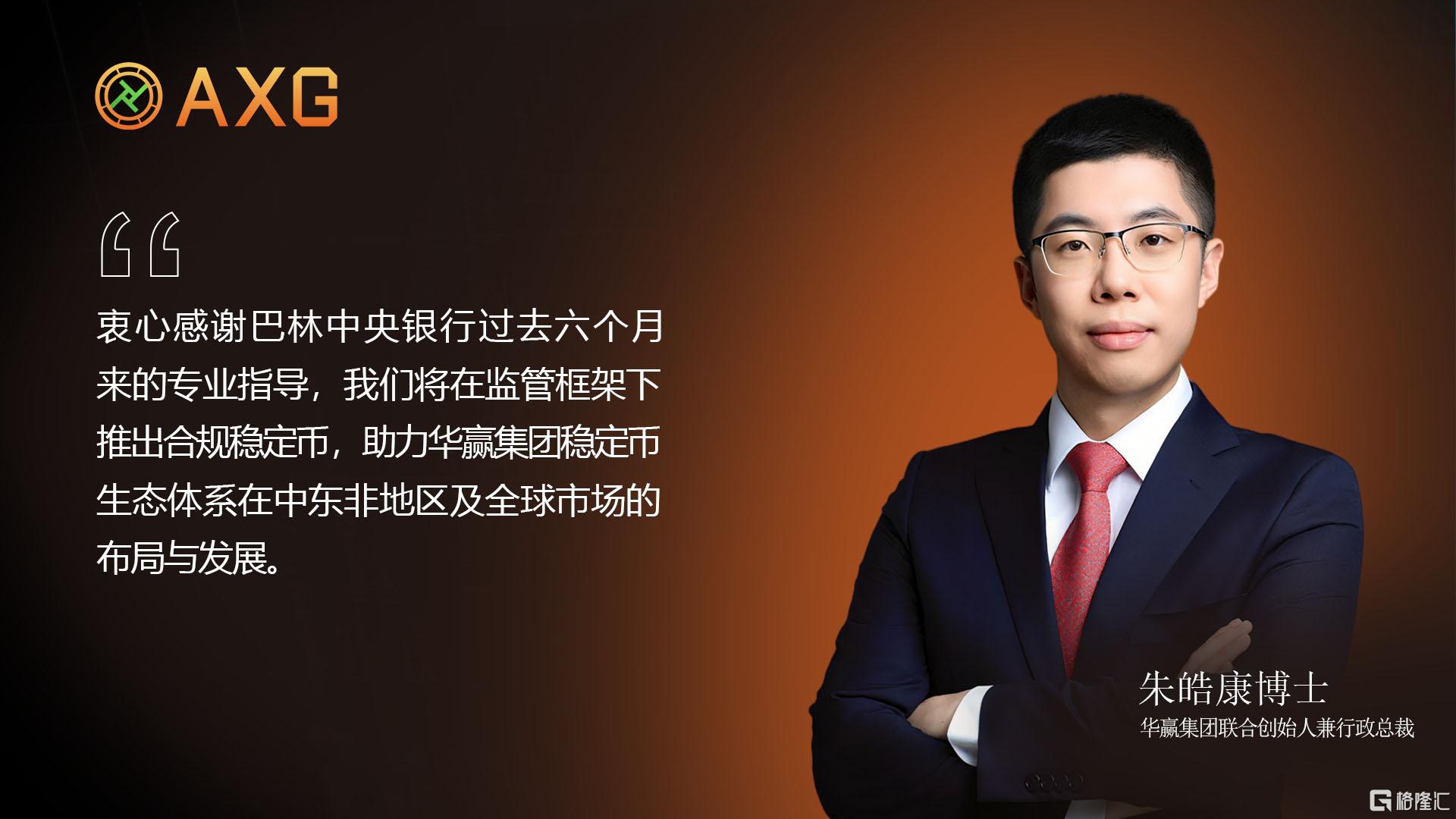
华赢集团AX Coin获得巴林首个稳定币发行人牌照原则性批准
Ge Long Hui· 2026-01-28 06:08
Group 1 - AX Coin, a stablecoin issuer under Huaying Group, has received preliminary approval for a stablecoin license from the Central Bank of Bahrain, pending final approval [1] - The Central Bank of Bahrain has established a regulatory framework for stablecoin issuance, which will be officially released in July 2025, marking the first systematic regulation in the Gulf region [1] - All stablecoin issuers are required to obtain official licenses and must be strictly pegged to a single fiat currency, including the Bahraini Dinar (BHD) or the US Dollar (USD) [1] Group 2 - Each stablecoin must be backed by high-quality, low-risk, and liquid reserve assets at a 1:1 ratio [1] - The Bahraini stablecoin license allows for a "yield-bearing stablecoin" model, indicating potential for innovative financial products in the region [1]
Visa(V) - 2026 FY - Earnings Call Transcript
2026-01-27 17:30
Financial Data and Key Metrics Changes - Visa reported $40 billion in net revenue for fiscal year 2025, an increase of 11% from the previous year [43] - GAAP earnings per share was $10.20, up 5%, while non-GAAP earnings per share was $11.47, up 14% [44] - The company returned $22.8 billion to shareholders through share repurchases and dividends [44] Business Line Data and Key Metrics Changes - Total volume grew 7% on a constant dollar basis to $16.7 trillion, with total transactions increasing by 8% to 329 billion [44] - Payments volume rose 8% on a constant dollar basis to $14.2 trillion, with payments transactions reaching 313 billion [44] - Cross-border volume grew 13% year-over-year on a constant dollar basis, excluding intra-Europe [45] Market Data and Key Metrics Changes - Visa operates with nearly 14,500 financial institutions and many influential technology and consumer companies [45] - The company sees over $40 trillion in addressable consumer spend, with an estimated $20 trillion annual opportunity in less effective forms of digital payments [46] - In commercial and money movement solutions, Visa identifies a $200 trillion annual volume opportunity, with $145 trillion in B2B [46] Company Strategy and Development Direction - Visa is focused on three growth levers: consumer payments, commercial and money movement solutions, and value-added services [45] - The company aims to tokenize 100% of e-commerce transactions, achieving over 50% tokenization in 2025 [48] - Visa's strategy includes expanding its portfolio of commercial payment solutions and enhancing its capabilities in accounts receivable and payable [52] Management's Comments on Operating Environment and Future Outlook - The management expressed confidence in Visa's ability to expand its share in various markets and emphasized the importance of innovation in driving future growth [47][60] - Visa is actively engaging with central banks regarding CBDCs and sees stablecoins as an opportunity to enhance its payment ecosystem [62][64] Other Important Information - Visa's Value-Added Services generated nearly $11 billion in revenue, growing at a compound annual growth rate of over 20% since 2021 [55] - The company has returned over $165 billion to shareholders since its IPO, demonstrating a strong commitment to capital return [69] Q&A Session Summary Question: Why does executive compensation include grants of Visa stock? - Equity awards align executives' interests with shareholders by linking compensation to stock performance and long-term corporate performance [36] Question: How might stablecoins and CBDCs impact Visa's role in the payment ecosystem? - Visa views stablecoins and CBDCs as significant opportunities, particularly in under-penetrated markets, and aims to build a secure interoperable layer between stablecoins and traditional payments [62][63] Question: Can you describe Visa's capital allocation strategy, including share buybacks? - Visa's capital allocation strategy prioritizes business investment, returning 20%-25% of earnings to shareholders through dividends, and returning excess capital through buybacks [66][68]