
轻资产模式

Search documents
Monster:手撕红牛,20年100倍“怪兽”如何练就?
3 6 Ke· 2025-07-23 23:29
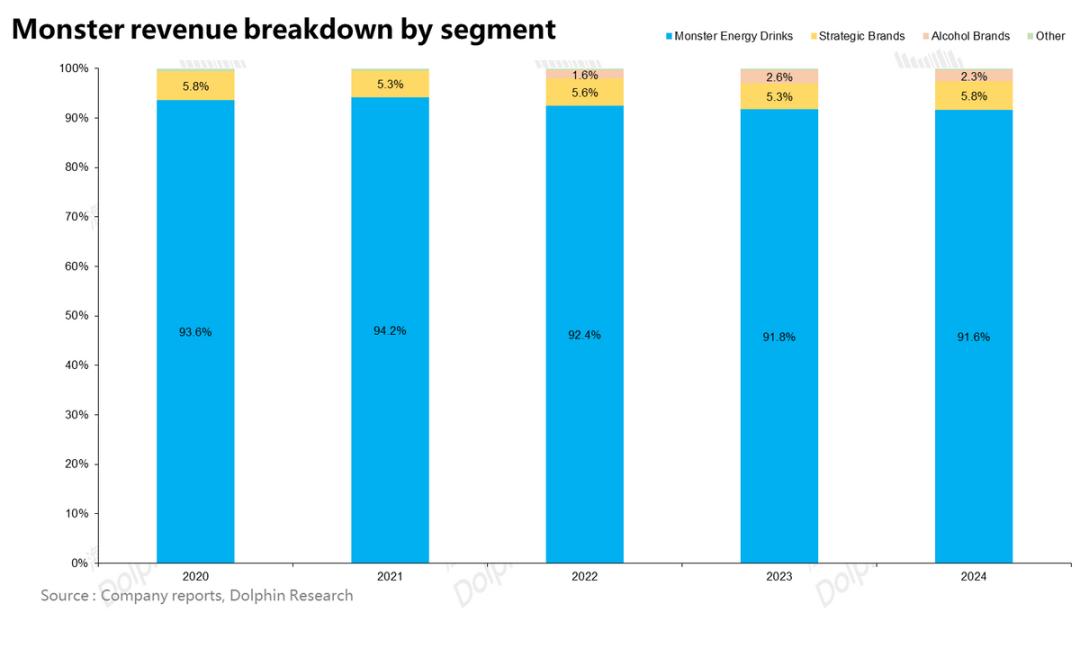
Core Insights - Monster Beverage has achieved remarkable investment returns, with a stock price increase of 100 times over 20 years and a compound annual growth rate of 25%, significantly outperforming Berkshire Hathaway's 10% during the same period [2][18]. Group 1: Company Overview - Monster Beverage originated from Hansen Natural, a company on the brink of bankruptcy, which was acquired by CEO Rodney in 1992. The initial focus was on eliminating unprofitable lines and optimizing cash flow [2][3]. - The company entered the energy drink market in 2002, capitalizing on the growing demand for energy beverages in the U.S. and forming a strategic partnership with Coca-Cola in 2015 for global distribution [3][6]. - Currently, Monster holds nearly 40% of the global energy drink market share, making it the second-largest brand after Red Bull, with over 90% of its revenue coming from its own energy drink products [3][6]. Group 2: Business Model - Monster operates a light-asset model, outsourcing production and distribution while focusing on brand management and product development, resulting in fixed assets accounting for less than 10% of total assets [9][13]. - The company maintains a low debt ratio of 23%, primarily relying on short-term liabilities, and has historically operated with no long-term debt until a recent $370 million loan for stock buybacks [13][15]. - Monster's gross margin is around 60%, positioning it among the top in the soft drink industry, benefiting from strong pricing power and high-margin product offerings [15][18]. Group 3: Growth Strategy - Monster's success is attributed to its differentiated product targeting younger consumers (ages 18-25) with larger packaging and higher caffeine content compared to Red Bull, which targets a broader demographic [21][26]. - The company employs community marketing strategies, engaging with subcultures such as extreme sports enthusiasts and gamers, fostering brand loyalty through grassroots initiatives and sponsorships [34][35]. - Strategic partnerships with major distributors like Coca-Cola have enabled Monster to expand its market presence rapidly, increasing its distribution coverage from under 40% to 90% in convenience stores [44][47].

“三无公司”竟能上市?仅46个员工就干到百亿市值,钟睒睒都服气
Sou Hu Cai Jing· 2025-07-16 12:37
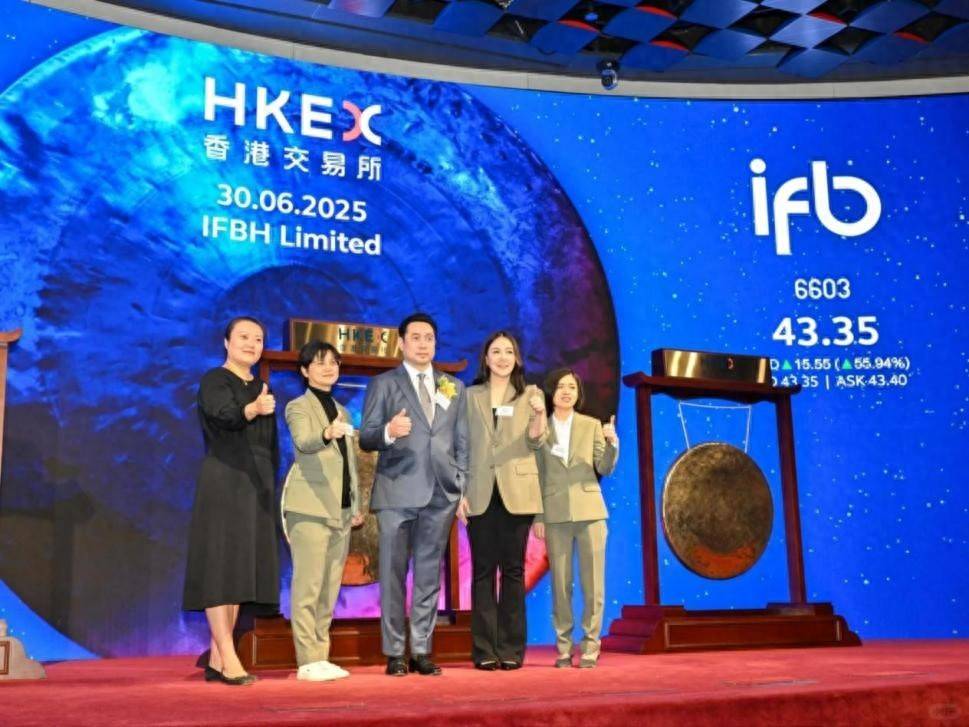
Core Viewpoint - IFBH Limited, a small Thai company with only 46 employees, successfully listed on the Hong Kong Stock Exchange, achieving a market capitalization of HKD 10.5 billion on its first trading day, primarily through the sale of coconut water, capturing 34% of the Chinese coconut water market in 2024 [1][5][30]. Company Overview - IFBH Limited was established in 2013 and generated revenue of RMB 1.16 billion in 2024, with 92.4% of its income coming from the mainland China market [3][5]. - The company operates with a lean structure, employing only 46 people, including 5 in research and development, 20 in sales and marketing, and 21 in finance, warehousing, and human resources [3][14]. Business Model - IFBH adopts a light-asset model, outsourcing production, logistics, and distribution to third parties, allowing the company to focus on branding, research, and marketing [11][13]. - The company has successfully segmented its product offerings into three packaging sizes to cater to different consumer needs: 1-liter family packs, 350-milliliter sports packs, and 200-milliliter mini packs [9]. Market Position - As of 2024, IFBH holds a dominant position in the Chinese coconut water market, with a 34% market share, despite facing competition from over 50 other brands [11][24]. - The company has effectively utilized marketing strategies, including collaborations with influencers and celebrities, to enhance brand visibility and drive sales [18][20]. Industry Trends - The coconut water market has seen a surge in demand due to increasing health consciousness among consumers, with coconut water being perceived as a low-calorie, electrolyte-rich beverage [7][20]. - However, the market has become increasingly competitive, with established brands and new entrants engaging in aggressive pricing strategies, leading to a 23.5% decline in average prices over the past two years [26][30]. Challenges - The reliance on outsourced production poses risks, as any disruption in the supply chain can significantly impact operations [22][30]. - The company faces challenges from rising raw material costs, with coconut procurement prices increasing by 70% due to adverse weather conditions in Thailand, affecting profit margins [22][30]. - Regulatory scrutiny is increasing, with calls for national standards for coconut water, which could lead to significant industry changes [28][30]. Future Outlook - IFBH plans to diversify its product line by introducing beauty products and coconut milk to reduce dependence on a single product [32]. - The company’s stock performance has been volatile, with a 30% decline following an initial surge, indicating market uncertainty regarding its future prospects [30].
投资者不买周六福的账了
21世纪经济报道· 2025-07-13 10:22
Core Viewpoint - The stock price of Zhou Li Fu has been experiencing a downward trend after an initial surge post-IPO, indicating a shift in investor sentiment towards the company [2][10]. Group 1: Company Overview - Zhou Li Fu's IPO was highly anticipated, with a global offering of 53.83 million H-shares priced at 24 HKD per share, raising approximately 1.193 billion HKD [4]. - The company operates a "light asset" model primarily through franchising, lacking its own manufacturing facilities, which allows franchisees to source products independently [4][8]. - As of 2024, Zhou Li Fu had 4,129 stores, with over 97% being franchise outlets, contributing significantly to its revenue [7]. Group 2: Financial Performance - Revenue from product sales to franchisees was approximately 843 million CNY, 2.02 billion CNY, and 2.041 billion CNY from 2022 to 2024, while service fee income was around 798 million CNY, 833 million CNY, and 849 million CNY during the same period [8]. - The revenue from franchise sales and service fees accounted for over 50% of total revenue in the respective years [8]. Group 3: Market Position and Challenges - Zhou Li Fu's brand lacks the strong recognition and premium pricing power seen in established competitors like Chow Tai Fook and Chow Sang Sang, which may hinder its long-term growth [7][11]. - The company's stock ownership is highly concentrated, with the founders holding approximately 83.4% of the voting rights, raising concerns about governance and future capital market performance [9][10]. - The company has faced scrutiny due to pre-IPO dividend distributions totaling 645 million CNY in 2024, benefiting primarily the founders [9]. Group 4: Industry Outlook - The gold jewelry market presents opportunities in the mid-to-low-end segments, driven by diverse consumer preferences [11]. - Zhou Li Fu needs to enhance its marketing strategies and brand reputation to compete effectively in the consumer market [11].

刚刚,融创北京总部被拍卖了?
3 6 Ke· 2025-07-11 02:53
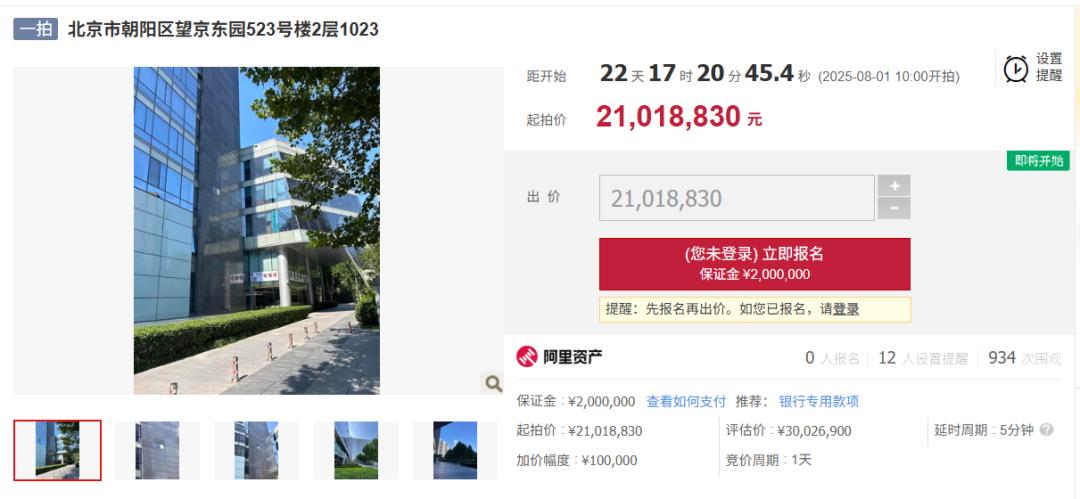
Core Viewpoint - The company is undergoing significant restructuring and appears to be moving past its most challenging period, with plans for debt restructuring and new project acquisitions in key cities [5][9][30] Group 1: Company Restructuring - The company has relocated its Beijing headquarters from a luxury project to a new office, indicating a strategic shift [1][3] - A significant financial dispute has led to the auction of office spaces, highlighting ongoing financial challenges [3][11] - The company has completed a domestic debt restructuring of 154 billion RMB, providing a crucial buffer period [9][11] Group 2: Debt Management - The company is proposing a bold plan to convert 95.5 billion USD of overseas debt into equity, aiming to eliminate this debt entirely [12][13] - A substantial majority (75%) of overseas debt holders have agreed to the restructuring plan, which is set to be finalized soon [15][30] - The stock price has seen a significant rebound, increasing by over 40% following the announcement of the debt restructuring [11][12] Group 3: Market Performance - The company has achieved over 400 billion RMB in sales from its luxury projects in the past two years, indicating strong market confidence [16][20] - The Shanghai project has been particularly successful, with sales exceeding 170 billion RMB in the first half of the year [20][21] Group 4: Future Prospects - The newly established "Er Jin Capital" is expected to play a crucial role in acquiring new projects in Shanghai, signaling a shift towards a lighter asset model [24][28] - The company is focusing on core cities for future developments, moving away from a previously scattered approach [22][24] - The upcoming project acquisitions in Shanghai are seen as a potential turning point for the company, aiming to establish a strong presence in prime locations [28][29]
IFBH Limited港交所上市:椰子水龙头的轻资产突围与隐忧
Sou Hu Cai Jing· 2025-07-02 09:54
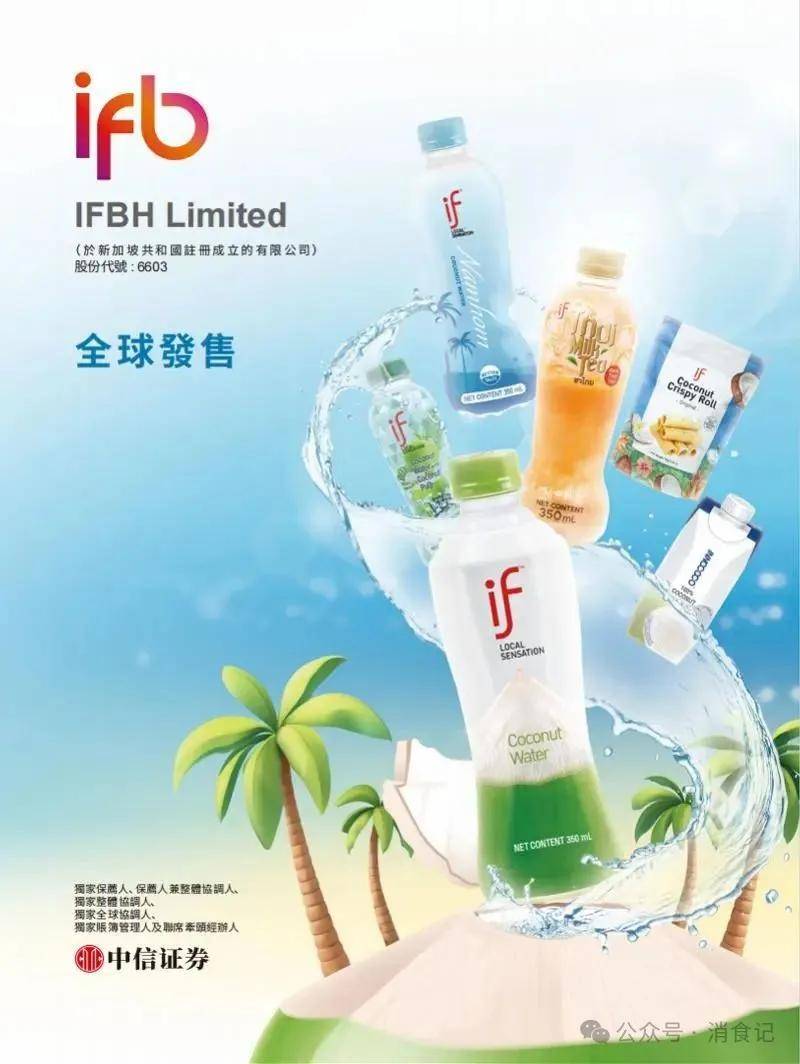
Core Viewpoint - IFBH Limited's successful IPO reflects the booming coconut water market in China, but underlying risks such as market dependency, raw material price fluctuations, and increasing competition are emerging [1][15]. Market Growth - The coconut water market in China is experiencing explosive growth, with a projected increase from $1.02 million in 2019 to $1.093 billion by 2024, representing a compound annual growth rate (CAGR) of 60.8% [2]. - By 2029, the market is expected to reach $2.652 billion, driven by health consumption trends [2]. Health Demand and Channel Penetration - Coconut water is gaining popularity as a low-calorie, natural alternative to sugary drinks, appealing to health-conscious consumers, athletes, and young people [3]. - IFBH has expanded its distribution network to cover 23 provinces in China, with a stock turnover period of only 2-3 days, significantly lower than the industry average [5]. Product Innovation - IFBH has diversified its product offerings, including classic coconut water, sparkling coconut water, and functional drinks like Innococo, catering to various consumer preferences [5]. - The introduction of electrolyte coconut water in 2024 marks its entry into the sports drink segment [5]. Business Model - IFBH operates a highly efficient "light asset" model, outsourcing production to Thailand and relying on third-party logistics and distributors, which allows for lower operational costs [6]. - In 2024, the top five suppliers accounted for 96.9% of procurement, with a single source for raw materials, highlighting potential supply chain risks [6]. Financial Performance - The company's gross margin improved from 34.7% in 2023 to 36.7% in 2024, while net margin increased from 19.2% to 21.1%, indicating strong profitability [8]. - Marketing expenses are set to double from $3.7 million in 2023 to $7.4 million in 2024, driven by celebrity endorsements and social media campaigns [8]. Capital Market Dynamics - IFBH's IPO was a significant event in the Hong Kong market, with subscription rates exceeding 2682 times for public offerings and 22.93 times for international placements [12]. - The valuation debate centers around its price-to-earnings ratio of approximately 27 times for 2024, higher than some competitors but lower than others, reflecting market confidence and concerns about the sustainability of its business model [12]. Long-term Growth Challenges - Despite holding a 34% market share, IFBH faces challenges in diversifying its supply chain, expanding product categories, and increasing its global presence [14]. - The company plans to allocate 20% of its fundraising for product development, indicating a commitment to overcoming these challenges [14]. Conclusion - IFBH's IPO signifies both the growth of the coconut water sector and the success of its light asset model, but the company's ability to evolve from a market leader to an ecosystem builder will be crucial for sustained growth amid increasing competition [15].
46人团队,撑起一个百亿IPO!
Sou Hu Cai Jing· 2025-07-02 02:18
Group 1 - The core viewpoint of the article highlights the rapid growth and market dominance of IFBH Limited, particularly its coconut water brand "if," which has achieved significant revenue and market share in China [1][2]. - IF has maintained the top position in the coconut water beverage market in mainland China for five consecutive years, with a market share of approximately 34% in 2024 [2]. - The company's revenue for 2023 and 2024 is reported at $0.87 billion and $1.58 billion, respectively, reflecting a year-on-year growth of 80.3% [2]. Group 2 - The company operates with a minimal workforce of only 46 full-time employees, which raises concerns about the sustainability of its light asset model amid competitive pressures [4][5]. - Notable institutional investors, including UBS Group and Southern Fund, have shown strong market confidence by participating as cornerstone investors in IFBH's public offering [4]. - The company faces potential risks related to supply chain vulnerabilities and quality control, particularly highlighted by past issues in the coconut supply due to adverse weather conditions [4][5].

人效碾压拼多多的椰子水上市:46人创11亿营收,钟睒睒「入股」
36氪· 2025-07-02 00:10
Core Viewpoint - IFBH Limited, the parent company of if coconut water, successfully went public on the Hong Kong Stock Exchange, achieving a market capitalization exceeding 10 billion HKD, showcasing the strong demand for coconut water in the Chinese market [3][4]. Group 1: Company Overview - IFBH Limited was founded in 2013 by a Thai entrepreneur and primarily focuses on coconut water, which accounts for 96% of its total revenue [3]. - The company entered the Chinese market in 2017 through e-commerce channels, positioning China as its main growth engine [3]. - For 2024, IFBH is projected to generate revenue of 158 million USD (approximately 1.1 billion RMB), reflecting an 80% year-on-year growth, with 92.4% of this revenue coming from mainland China [3][4]. Group 2: Market Position and Performance - IFBH holds a market share of approximately 34% in mainland China, significantly surpassing its closest competitor by more than seven times, maintaining the top position for five consecutive years [3]. - The company achieved a remarkable human efficiency, generating about 25 million RMB in revenue per employee, with only 46 employees [5]. Group 3: IPO and Investor Interest - The IPO process for IFBH was notably swift, completing the listing hearing in just over two months, setting a record for food and beverage companies in Hong Kong [4]. - During the IPO phase, IFBH was highly sought after by investors, with an oversubscription rate of over 2,600 times, attracting significant cornerstone investors including Sequoia China and UBS Asset Management [6]. Group 4: Marketing and Growth Strategy - The company has heavily invested in marketing, with expenditures increasing from 3.66 million USD to 7.36 million USD, a growth of over 100% [15]. - IFBH's marketing strategy includes collaborations with popular IPs and celebrity endorsements, similar to the approach taken by early-stage brands like Yuanqi Forest [16]. Group 5: Industry Trends and Challenges - The coconut water market has seen a surge in demand due to its perceived health benefits, with IF coconut water experiencing a 300% increase in sales in 2022 [11]. - However, the company faces challenges such as rising raw material costs and increased competition from private label brands, which could impact its market share [18][19]. - To sustain its competitive edge, IFBH needs to enhance its supply chain and diversify its product offerings post-IPO [20].
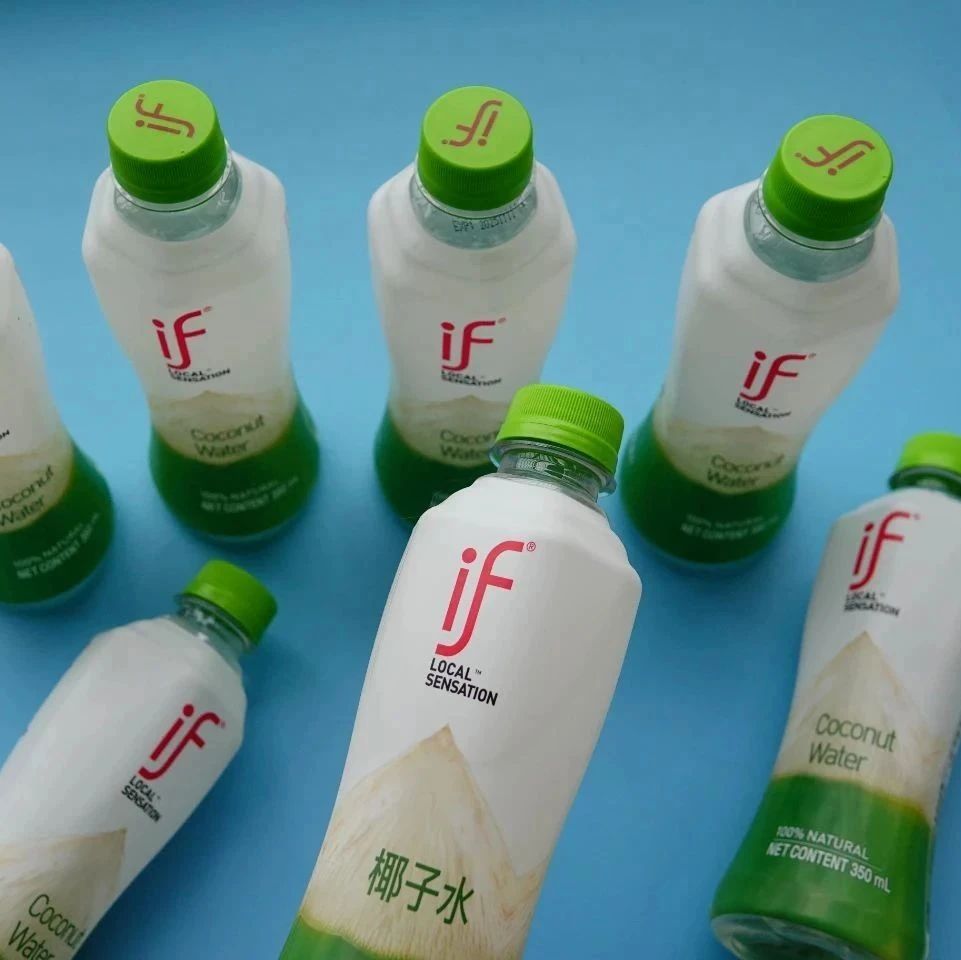
if港股上市:无中国员工,高成长能否 hold 住高溢价?
Sou Hu Cai Jing· 2025-07-01 14:51
Core Viewpoint - IFBH Limited, the parent company of coconut water brand if, successfully debuted on the Hong Kong stock market with a share price of 27.8 HKD, peaking at 46.5 HKD during trading, reflecting a strong market interest and a subscription oversubscription rate of 2682 times, with frozen funds reaching 259.4 billion HKD, setting a new record for the Hong Kong market [2][3]. Company Overview - IF has maintained a market share of one-third in mainland China and 60% in Hong Kong, positioning itself as a leading player in the coconut water sector, directly competing with industry benchmark Vita Coco [3]. - The company reported revenues of 87 million USD and 158 million USD for 2023 and 2024, respectively, with net profits of 16.75 million USD and 33.32 million USD, indicating a revenue growth of 80.3% and a net profit growth of 98.8% year-on-year for 2024 [5][6]. Business Model - The company operates a "light asset" model, likened to a "beverage SaaS" approach, which allows for flexible cash flow management, with costs tied to production volume, logistics, and channel commissions, minimizing depreciation and inventory pressures [6]. - 45% of the 1.1 billion HKD raised in its IPO is allocated to new product development and expansion into Southeast Asia, rather than building manufacturing facilities [6]. Marketing Strategy - The brand's marketing strategy leverages celebrity endorsements, with significant spikes in sales and online engagement following the announcement of popular figure Xiao Zhan as a global ambassador, demonstrating the effectiveness of fan-driven marketing [8]. - The company reported a 300% increase in sales on Tmall within 24 hours of the endorsement announcement, highlighting the deep value of fan engagement in driving sales [8]. Market Dynamics - The current market environment is characterized by a gentle repricing of consumer stocks, with IFBH's 80% revenue growth and stable net profit margin of around 21% making its valuation appear reasonable amidst a trend favoring health and consumption upgrades [13]. - The reliance on Thai coconut supply (96%) poses risks related to climate anomalies and potential cost increases, while the doubling of marketing expenses in 2024 raises concerns about profit margins if consumer interest wanes [13]. Future Outlook - The company is positioned to capitalize on the growing trend of health-conscious consumption, with coconut water evolving from a niche product to a mainstream choice among young consumers [2][10]. - However, the sustainability of its high repurchase rates and user retention is contingent on maintaining brand strength and managing potential risks associated with celebrity endorsements and market sentiment [10].

if赴港上市,46人撑起百亿市值
虎嗅APP· 2025-07-01 10:42
Core Viewpoint - IFBH Limited, the parent company of the popular coconut water brand "if," successfully launched on the Hong Kong stock market, with a significant increase in share price and market capitalization, indicating strong investor interest and confidence in the brand's growth potential [1][2]. Financial Performance - In 2024, IFBH is projected to achieve revenues of approximately $158 million (about 1.58 billion USD), representing an 80.32% increase from 2023, with net profit expected to rise by 98.9% to $33.32 million [2]. - The majority of IF's revenue, approximately 92.4%, is generated from the Chinese mainland market, which is identified as the primary growth engine for the brand [2]. Market Position - IF has maintained a leading position in the coconut water market in China for five consecutive years, with a market share of about 34% in 2024, significantly surpassing its closest competitor [2]. - The global coconut water market has seen substantial growth, expanding from $2.517 billion in 2019 to an estimated $4.989 billion in 2024, with a compound annual growth rate (CAGR) of 14.7% [2]. Operational Efficiency - The company operates with a lean workforce of only 46 employees, achieving an impressive revenue per employee of 25 million RMB, thanks to its outsourcing model for production and logistics [3]. - IFBH's product lines are strategically designed to cater to various consumer needs, with the 1L family pack contributing 58% of revenue [3]. Competitive Landscape - The coconut water market in China is projected to grow from 500 million RMB in 2019 to over 26 billion RMB by 2025, indicating a 50-fold increase in five years [5]. - The entry of numerous brands into the coconut water segment has intensified competition, with established players like Wahaha and Uni-President launching their own products [6]. Pricing and Market Challenges - The average price of coconut water has been declining, with a 23.5% drop from 1.91 RMB per 100ml in Q1 2023 to 1.46 RMB in Q1 2025, leading to increased price competition [7]. - IF's market share peaked at 55.53% in Q1 2024 but has since declined to 36.42% by Q1 2025, highlighting the challenges posed by aggressive pricing strategies from competitors [7]. Supply Chain and Quality Control - The reliance on third-party manufacturers for production has raised concerns about quality control and supply chain vulnerabilities, especially with rising raw material costs due to reduced coconut production in Thailand [9][12]. - The company has faced scrutiny over product quality, with reports of substandard products entering the market, prompting a nationwide recall [11]. Future Outlook - Despite the challenges, the coconut water market is expected to continue its rapid growth, with projections indicating a market size of $2.652 billion in China by 2029 [12]. - IFBH plans to expand into international markets, including Australia and North America, but will face stiff competition from established global brands like Vita Coco [12].

if赴港上市,46人撑起百亿市值
Hu Xiu· 2025-07-01 07:20
Core Viewpoint - IFBH Limited, the parent company of the popular coconut water brand "if," successfully listed on the Hong Kong stock market, achieving a market capitalization of approximately HKD 106.67 billion, with a significant increase in share price on its debut [1][2]. Company Overview - IFBH's IPO was highly successful, with a subscription rate exceeding 2682 times, making it one of the most notable new stocks in the Hong Kong market this year [1]. - The company reported a projected revenue of approximately USD 158 million for 2024, representing an 80.32% increase from 2023, with net profit expected to rise by 98.9% to USD 33.32 million [1][2]. - The majority of IF's revenue, about 92.4%, is generated from the Chinese mainland market, which is identified as the primary growth engine for the brand [1]. Market Position - IF has maintained a leading position in the coconut water beverage market in mainland China since 2020, with a market share of approximately 34% in 2024, significantly ahead of its closest competitor [2]. - In Hong Kong, IF has also been the market leader for nine consecutive years, holding a market share of around 60% in 2024 [2]. Industry Growth - The global coconut water beverage market has seen substantial growth, with its size increasing from USD 2.517 billion in 2019 to an estimated USD 4.989 billion in 2024, reflecting a compound annual growth rate (CAGR) of 14.7% [2]. - The coconut water market in China is projected to grow from RMB 500 million in 2019 to over RMB 26.52 billion by 2029, indicating a rapid expansion of this previously niche category [4][11]. Business Model - IF operates a light-asset model, outsourcing production to Thai factories and logistics to third-party partners, allowing the company to focus on brand operation and market marketing [2]. - The company has achieved remarkable efficiency, with an average revenue per employee of approximately RMB 25 million, supported by a lean workforce of only 46 employees [2]. Competitive Landscape - The coconut water market has become increasingly competitive, with numerous brands entering the space, including international players like Vita Coco and domestic giants such as Wahaha and Uni-President [5][6]. - Price competition has intensified, leading to a decline in average prices for coconut water, which fell from RMB 1.91 per 100ml in Q1 2023 to RMB 1.46 in Q1 2025, a decrease of 23.5% [7]. Challenges - The company faces challenges from rising raw material costs due to reduced coconut production in Thailand, which has led to a 70% increase in costs [10]. - IF's reliance on a limited number of suppliers and distributors poses risks to its supply chain and revenue stability, with the top distributor accounting for 47% of its income [8][10]. Future Outlook - Following its IPO, IF plans to expand into new markets, including Australia and North America, while also developing beauty derivative products [11]. - Despite the anticipated growth in the coconut water market, IF must navigate the challenges of increased competition and potential price wars, which could impact its market position and profitability [11].