数字经济

Search documents
数览中国脉动|科技赋能!“汗水农业”向“智慧农业”加速迈进
Xin Lang Cai Jing· 2025-12-28 06:02
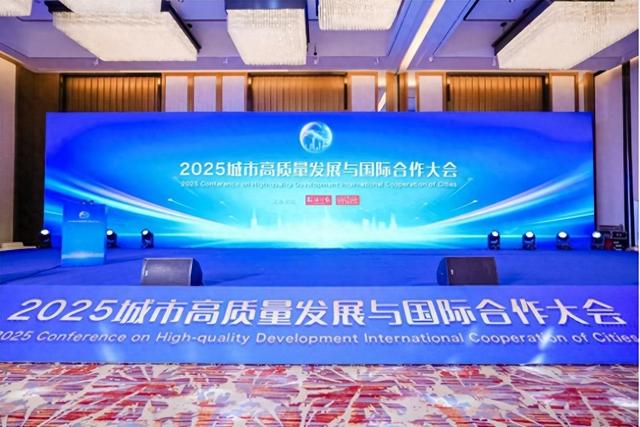
Group 1 - The core viewpoint emphasizes the importance of agricultural mechanization and intelligence as crucial supports for agricultural modernization [1] - China is accelerating the development of new agricultural productivity, leveraging technology to empower the entire chain of grain production, storage, and processing, transitioning from "labor-intensive agriculture" to "smart agriculture" [2] - Current data indicates that China has over 200 million agricultural machinery units, with over 2.2 million units of Beidou terminal equipment, total agricultural power exceeding 1.1 billion kilowatts, and a mechanization rate of over 75% [3] Group 2 - The application of advanced technologies such as AI, IoT, and big data in agriculture is increasing, reflecting the growth of the digital economy [6] - Significant achievements have been made in reducing food waste during processing, with the grain processing loss rate reduced to 0.8% and transportation loss rate to 0.08% [8] - Since the 14th Five-Year Plan, China's agricultural technology innovation has reached a leading position globally, with substantial improvements in the overall effectiveness of the agricultural technology innovation system and rapid breakthroughs in key core technologies [9]


重磅!长沙“十五五”规划建议全文来了!
Chang Sha Wan Bao· 2025-12-28 03:21
Core Viewpoint - The "15th Five-Year Plan" period is crucial for Changsha to achieve basic socialist modernization, emphasizing high-quality development and the integration of various strategic initiatives to enhance economic and social growth. Group 1: Achievements During the "14th Five-Year Plan" - Significant achievements were made during the "14th Five-Year Plan" period, including the elevation of Changsha to a megacity status and the establishment of the Chang-Zhu-Tan urban agglomeration as the first national-level urban agglomeration in Central China [2][3] - The city has accelerated the construction of a modern industrial system, improved advanced manufacturing quality, and enhanced innovation capabilities, ranking among the top in the nation [2][3] - Changsha has been recognized as one of the happiest cities in China for 18 consecutive years, reflecting the continuous improvement in residents' well-being [2] Group 2: Development Environment and Challenges - The "15th Five-Year Plan" period is characterized by both strategic opportunities and risks, with increasing uncertainties in the international and domestic landscape [4] - The city is positioned to strengthen its role as a core city in the province, with the upcoming 16th National Games providing a significant opportunity for long-term development [4] - Challenges include the need for faster development of emerging industries, strengthening technological innovation, and addressing resource constraints [4] Group 3: Guiding Principles and Goals - The guiding principles for the "15th Five-Year Plan" include upholding the leadership of the Communist Party, prioritizing people-centered development, and promoting high-quality growth [6][7][8] - The main goals include achieving better high-quality development outcomes, enhancing the construction of the "three high grounds," and promoting the integration of Chang-Zhu-Tan [11][12] Group 4: Economic and Industrial Development - The focus will be on building a modern industrial system centered on advanced manufacturing, with an emphasis on enhancing the value-added of manufacturing and fostering new industries [15][16] - The city aims to strengthen its competitive edge in key industries such as engineering machinery, automotive, and new materials, while also promoting the development of new energy vehicles [15][16] - Efforts will be made to upgrade traditional industries and enhance the quality of modern service industries, including logistics and creative services [17][30] Group 5: Technological Innovation and Talent Development - The plan emphasizes the establishment of a high-level innovation platform and the enhancement of independent innovation capabilities, aiming to build Changsha into a global research and development center [18][19] - There will be a focus on integrating education, technology, and talent development to foster a conducive environment for innovation [20] Group 6: Urban Development and Infrastructure - The strategy includes optimizing urban spatial layout and enhancing urban infrastructure to support comprehensive urban development [31][33] - The city will implement major infrastructure projects to improve connectivity and enhance the overall urban environment [33] Group 7: Rural Development and Agricultural Modernization - The plan prioritizes agricultural modernization and rural development, aiming to improve living conditions in rural areas and ensure food security [37][38] - Efforts will be made to promote sustainable agricultural practices and enhance the quality of rural life [37][38] Group 8: Cultural Development and Social Welfare - The cultural strategy focuses on promoting socialist core values and enhancing cultural heritage, aiming to create a vibrant cultural environment [40][41] - The plan aims to improve the quality of life for residents through better employment opportunities, education, and social services [44][45]
2025城市高质量发展与国际合作大会在深圳举办
Huan Qiu Shi Bao· 2025-12-28 03:10
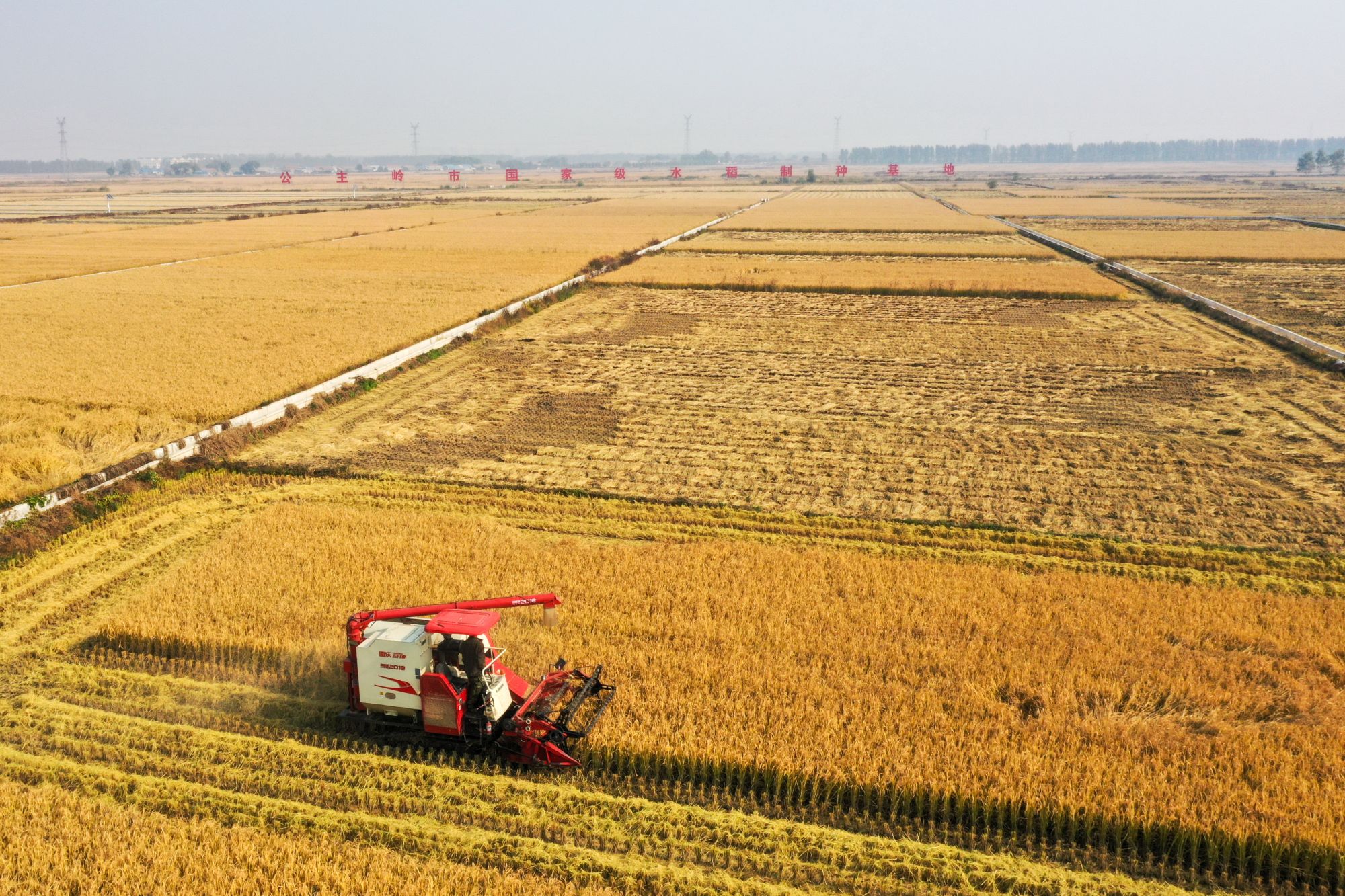
Group 1 - The conference focused on high-quality urban development and international cooperation, aligning with the central economic work meeting's five essential requirements [1][4] - The theme "Intelligent Connection for Future, City Starts New Journey" emphasizes innovation-driven urban development and international collaboration [4] - The conference gathered insights from government, enterprises, and academia to explore practical paths for urban development [4] Group 2 - The former vice chairman of the All-China Federation of Industry and Commerce highlighted the critical role of the private economy in urban high-quality development, stating it is the "source of vitality" for cities [6] - The former deputy minister of commerce discussed the importance of industry as a support for urban high-quality development, emphasizing the need for an innovative and resilient modern urban framework [8] Group 3 - Various cities shared successful experiences in optimizing urban planning and promoting industrial upgrades, showcasing innovative practices for high-quality urban development [11] - Guiyang and Guian, recognized for their digital economy, reported continuous growth in this sector, integrating digital technology into governance and services [11] - Weihai is advancing energy transition and green development, with significant projects in nuclear and offshore wind energy [13] Group 4 - Changsha is accelerating its development as a global R&D center, boasting seven trillion-level industrial clusters and a strong innovation platform [15] - Ordos is enhancing its business environment through policy innovation and a supportive framework for enterprises [18] - Chongqing's Yuzhong District is reforming administrative law enforcement to improve the business environment for private enterprises [20] Group 5 - Yibin is focusing on resource guarantees and industrial ecology to strengthen its urban development foundation [22] - Nenjiang is promoting agricultural development through supportive policies and financial assistance [24] - Foshan is embracing technological advancements in manufacturing, with significant investments in digital transformation [28] Group 6 - The conference included discussions on AI's role in urban high-quality development and the collaboration between the Global Times and Hainan Boao Lecheng International Medical Tourism Pilot Zone for health industry innovation [32][34]
科技赋能!“汗水农业”向“智慧农业”加速迈进
Xin Hua She· 2025-12-28 03:08
Group 1 - The core viewpoint emphasizes the importance of agricultural mechanization and intelligence as crucial support for agricultural modernization, with a focus on developing new productive forces in agriculture through technology [1] - The current agricultural machinery ownership in China exceeds 200 million units, with over 2.2 million units of Beidou terminal devices applied, total agricultural power exceeding 11 billion kilowatts, and a mechanization rate of over 75% [2] - The application of advanced technologies such as AI, IoT, and big data is increasingly prevalent in the agricultural sector, contributing to the transformation towards "smart agriculture" [4] Group 2 - Significant achievements have been made in reducing food waste during processing, with the grain processing loss rate reduced to 0.8% and transportation loss rate to 0.8‰ [6] - Since the 14th Five-Year Plan, China's agricultural technology innovation has reached a leading position globally, with substantial improvements in the overall effectiveness of the agricultural technology innovation system and rapid breakthroughs in key core technologies [8]
【厚道甘肃 地道甘味】“甘味”电商直播基地在杭州揭牌
Xin Lang Cai Jing· 2025-12-28 01:57
Core Insights - The "Ganwei" e-commerce live streaming base was officially launched in Hangzhou, marking a significant step in establishing a digital marketing front for the "Ganwei" brand in the Yangtze River Delta region [1] - The base aims to integrate Gansu's agricultural resource advantages with Zhejiang's digital strengths, facilitating a direct channel for "Ganwei" agricultural products from production to market [1] - The initiative is expected to enhance the brand influence and market share of Gansu's specialty products, such as highland summer vegetables, traditional medicinal materials, and grassland beef and lamb in the East China market [1] Industry and Company Developments - The "Ganwei" brand has established 100 authorized stores nationwide and 4 overseas, with over 170 types of agricultural products sold in more than 100 countries and regions [2] - The live streaming base is anticipated to further expand the market footprint of the "Ganwei" brand [2] - The base serves as a platform for industry collaboration and talent exchange between Gansu and Zhejiang, promoting cooperation in agriculture, cultural tourism, and digital economy sectors [1]
【“十四五”山西经济社会发展成就系列报道】经济社会数字化转型交出亮眼成绩单
Xin Lang Cai Jing· 2025-12-28 00:58
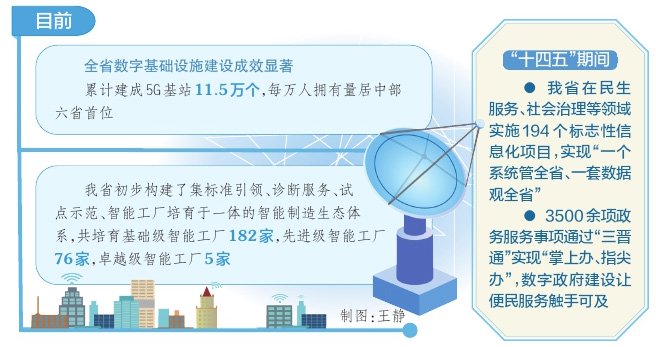
Group 1 - The core viewpoint emphasizes the acceleration of digital industrialization and the establishment of a robust digital economy framework in Shanxi Province, driven by new information technology innovations and infrastructure development [2][3][4] - The province has built 115,000 5G base stations and 514,000 standard racks of computing power, ranking first in central China for the number of 5G base stations per capita [3] - The digital economy is seen as a key engine for high-quality transformation, with significant policy support and a comprehensive institutional framework established to promote digital industrialization [3][4] Group 2 - The implementation of the "Artificial Intelligence +" initiative has led to the establishment of 59 national and provincial AI innovation platforms, with significant growth in key industries such as software and information technology services, which saw over 20% revenue growth year-on-year [4][5] - The province is focusing on digital transformation across various sectors, including manufacturing, agriculture, and services, enhancing productivity through new internet technologies [5][6] - The establishment of the Shanxi Data Trading Center has positioned it as a core hub for data circulation, facilitating the transformation of data into tradable assets [7][8] Group 3 - The province has launched 194 key information technology projects aimed at improving public services and social governance, enhancing the accessibility of government services through digital platforms [6][9] - Notable pilot projects and national-level initiatives have been successfully implemented, including the digital transformation of transportation infrastructure and the establishment of data labeling bases [9][10] - The integration of data resources into practical applications has been highlighted, with successful projects in energy monitoring and cultural heritage data utilization demonstrating the potential for data-driven solutions [8][9]
从“土特产”到“金品牌”
Xin Lang Cai Jing· 2025-12-28 00:57
Core Viewpoint - The 20th Central Committee of the Communist Party emphasizes accelerating agricultural modernization and promoting comprehensive rural revitalization, with rural e-commerce being a crucial driver for transforming traditional agriculture into modern agriculture [1] Group 1: E-commerce Development Strategy - The city of Shigatse has initiated a comprehensive e-commerce project to drive agricultural modernization, establishing a four-level public service system to address the challenges of agricultural product distribution and create competitive regional brands [1][2] - Since 2018, Shigatse has been developing a broad e-commerce network, focusing on government-led, enterprise-driven, and market-operated principles, with a significant emphasis on building infrastructure and service systems [2] Group 2: Logistics and Distribution - Shigatse is addressing high logistics costs and inefficiencies by integrating multiple logistics companies to create a three-tier delivery system, effectively reducing overall logistics costs and improving distribution channels [3] Group 3: Product and Brand Development - The city recognizes the importance of not just transporting products but also enhancing their market competitiveness by developing regional public brands and providing comprehensive support services to local enterprises [5][6] - As of October 2025, over 20 enterprises and cooperatives have improved their product qualifications and standards through assistance, contributing to the establishment of a unified branding strategy [5] Group 4: Sales Channels and Revenue - The sales of Shigatse's specialty products have reached 8.36 million yuan since 2024, facilitated by a multi-channel sales strategy that includes online platforms and offline promotional events [6][7] Group 5: Talent Development and Training - Sustainable development of rural e-commerce relies on cultivating local talent, with over 1,100 individuals trained in e-commerce operations since 2024, enhancing the operational capabilities of various stakeholders [9] - The city has established a comprehensive promotional strategy combining traditional and new media to increase product visibility and foster a supportive environment for e-commerce [9] Group 6: Future Outlook - The implementation of the e-commerce project in Shigatse is seen as a model for integrating infrastructure development with brand cultivation and talent training, indicating that digital economy initiatives can thrive in unique regional conditions [10] - Future plans include further enhancing regional public brands, deepening collaborations with major e-commerce platforms, and building a sustainable rural e-commerce ecosystem [10]
不断巩固拓展经济稳中向好势头 ——对话财政部原副部长朱光耀
Jing Ji Ri Bao· 2025-12-27 22:11
Economic Growth and Resilience - China's economy is projected to reach approximately 140 trillion yuan, marking a significant achievement during the "14th Five-Year Plan" period, with a growth rate among the highest globally [1][2] - The economic growth from 2020 to 2025 represents an increase of 40 trillion yuan, equivalent to over 5 trillion USD, comparable to creating the world's third-largest economy [1] Contribution to Global Economy - China's economy accounts for about 17% of the global economy and contributes over 30% to global economic growth annually [2] - The International Monetary Fund has raised its 2025 growth forecast for China to 5%, indicating strong economic performance [2] Key Support Factors - The two major breakthroughs supporting the 140 trillion yuan economy are the rapid development of the digital economy and artificial intelligence, and the robust growth of the green economy [2][3] - China's digital economy has empowered traditional industries, while advancements in artificial intelligence and quantum information have positioned the country among the global leaders in these fields [2] Green Economy Development - From 2012 to 2024, China's energy consumption grew at an average rate of 3.4%, supporting an average economic growth of 6.1%, with a carbon emission intensity reduction of over 35% [3] - China leads globally in renewable energy capacity, with solar panel production at the top for over a decade and a significant share of lithium battery production [3] Future Economic Outlook - The expected actual growth rate for the "15th Five-Year Plan" period is between 4.5% and 5%, with contributions from capital and labor inputs, as well as total factor productivity [4] - The nominal growth rate could reach 7% if actual growth of 5% is combined with a 2% inflation rate [4] Macroeconomic Policy - The Central Economic Work Conference emphasized the need for proactive macroeconomic policies, including a fiscal deficit rate set at around 4% for 2025 and a local government special debt limit of 4.4 trillion yuan [5][6] - The focus is on stabilizing economic growth and ensuring reasonable price recovery, with monetary policy aimed at addressing the current negative producer price index [6] International Trade and Relations - Despite external challenges, China's foreign trade remains resilient, maintaining its position as the world's largest goods trader for eight consecutive years, with a projected trade volume of 6.16 trillion USD in 2024 [8] - The U.S. tariff policies pose risks to global trade, and China aims to navigate these challenges while promoting high-quality development and enhancing domestic and international economic circulation [7][8] Foreign Investment Environment - China is committed to creating a market-oriented, law-based, and internationalized business environment to attract foreign investment, with ongoing efforts to streamline regulations and enhance protections for foreign enterprises [9] - The focus is on ensuring that foreign companies can operate smoothly in open sectors, with initiatives to improve infrastructure and support services [9] Artificial Intelligence Sector - China is recognized for its potential in the artificial intelligence sector, with significant investment interest from international investors, particularly from Wall Street [11] - The country aims to leverage its advantages in application scenarios, data resources, and infrastructure to foster a competitive AI industry [13]
如何理解高质量共建“一带一路”
Xin Lang Cai Jing· 2025-12-27 19:43
Core Viewpoint - The Belt and Road Initiative (BRI) is a significant global economic cooperation initiative proposed by China, emphasizing high-quality development and international collaboration in the context of current global challenges [1][2]. Group 1: Achievements of the Belt and Road Initiative - The BRI has evolved from a Chinese initiative to a global practice, becoming the largest and most influential international economic cooperation platform, benefiting over 150 countries [2]. - Infrastructure connectivity has improved significantly, with over 80,000 passenger trains operating on the China-Laos Railway and more than 62.5 million passengers transported, while the China-Europe Railway Express has surpassed 120,000 trips [2]. - Cultural exchanges and cooperation in areas such as tourism and education have strengthened ties with partner countries, creating a diverse and interactive cultural exchange landscape [2]. Group 2: New International Context - The BRI faces new challenges due to rising unilateralism and protectionism, as well as frequent local conflicts, but the overall opportunities outweigh the challenges [3]. - There is a need for strategic confidence and determination to address risks and challenges effectively, while enhancing the sense of gain among partner countries [3]. Group 3: New Requirements for High-Quality Development - The BRI should focus on eight actions guided by high-quality development, emphasizing systematic and mechanized approaches, and integrating various aspects of development and security [4]. - Key priorities include strengthening cooperation with partner countries, enhancing infrastructure connectivity, improving practical cooperation quality, and ensuring a diversified and sustainable financing system [4].
青海:5G网络实现乡镇全覆盖
Xin Lang Cai Jing· 2025-12-27 11:31
Group 1 - As of now, Qinghai has a total of 26,600 5G base stations, achieving full coverage of 5G networks in towns [1] - During the 14th Five-Year Plan period, Qinghai is actively promoting the integration of information technology, continuously enhancing the collaborative construction and optimization of 5G, IoT, and data centers [1] - The internet penetration rate in Qinghai Province is as high as 72.6%, with 4.25 million internet users [3] Group 2 - Over the past five years, Qinghai has transformed major themes such as ecological protection and rural revitalization into popular online content, resulting in over 1.18 million published articles and a total click-through rate of 5 billion [3] - Qinghai has strengthened the management of "self-media" accounts, establishing a system for managing accounts with over 5,000 followers, and has created a "red," "gray," and "black" list for strict legal management [3] - In the last two years, Qinghai has cleared 13,500 pieces of illegal and harmful information and handled over 2,410 internet-related criminal cases, including 1,910 criminal cases and 500 administrative cases [3] Group 3 - Qinghai is actively integrating into the national "East Data West Computing" layout and the national unified computing network, attracting leading companies such as Baidu, 360, and iFLYTEK to establish operations in the province [3] - The total scale of the digital economy in Qinghai has exceeded 114 billion yuan [3]