中美贸易战

Search documents
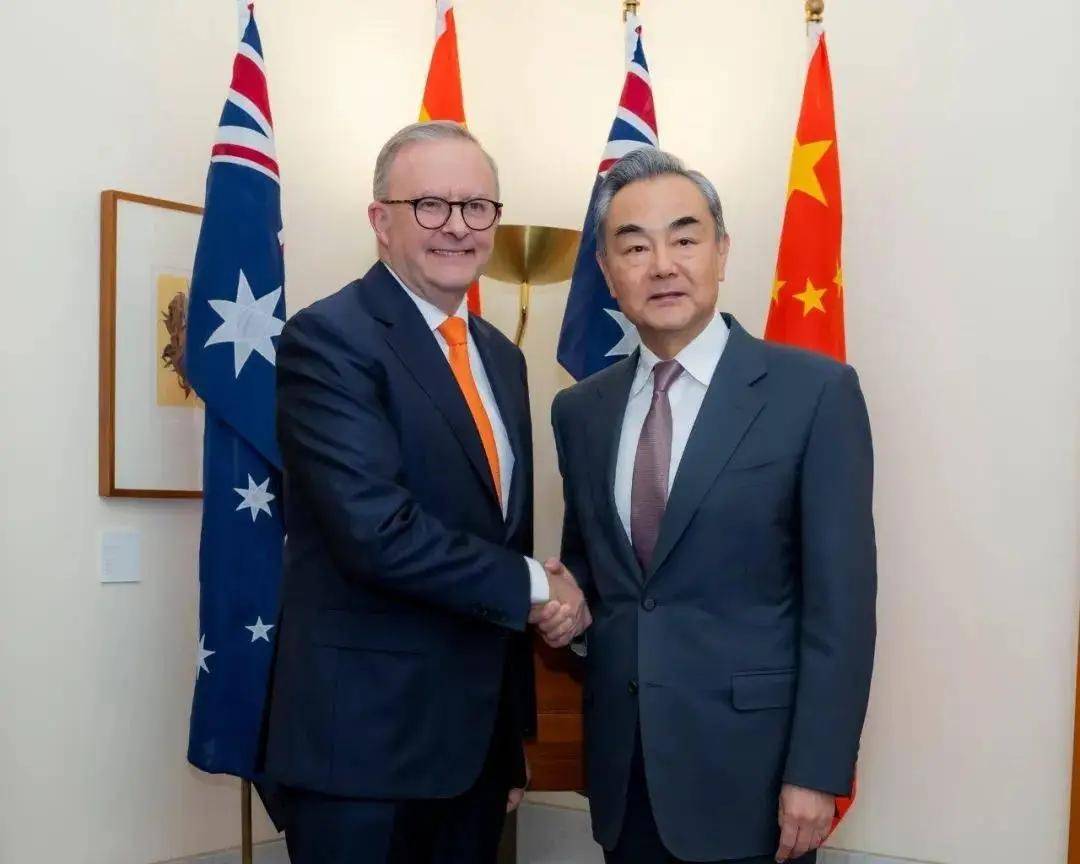
中美打贸易战,澳大利亚成了最大赢家,赚得盆满钵满
Sou Hu Cai Jing· 2025-08-30 04:47
Core Insights - Australia has achieved a remarkable trade performance amidst the ongoing US-China trade war, with bilateral trade with China surpassing $210 billion in 2024, marking a 33% increase in exports to China, a historical high [1][5][3] - The US has granted Australia a preferential 10% tariff rate, making it the country with the lightest tariffs among its trading partners, while other nations face significant tariff increases [7][8][10] - The success of Australia in navigating the trade landscape is attributed to a strategic shift in foreign policy under Prime Minister Albanese, who has prioritized pragmatic cooperation with China [16][20][22] Trade Performance - The bilateral trade volume between Australia and China reached over $210 billion, equivalent to one-seventh of Australia's annual GDP, surpassing the total trade volumes of many countries [5] - South Australia alone saw a 33% increase in exports to China, achieving a record of 4.39 billion AUD [5] - In contrast, countries like Canada and Japan have experienced declines in trade with China, highlighting the stark differences in outcomes based on foreign policy choices [12][32] Diplomatic Strategy - Albanese's administration has shifted from a confrontational approach to a cooperative one, emphasizing national interests and direct communication with China [20][22][28] - The signing of bilateral agreements, such as the plant quarantine protocols for Australian apples and Chinese jujubes, indicates a high level of alignment in trade standards and risk assessments [25][26] - The normalization of trade relations has led to the removal of previous restrictions on Australian exports, including barley, wine, and seafood [26][43] Economic Impact - Australia's exports to China are significantly more valuable than its exports to the US, with a ratio of 5.7 times more in favor of China [30] - The recovery of the Australian wine market is notable, with exports rebounding from a drastic decline due to tariffs, indicating a strong return to the Chinese market [41] - Australian investments in China are also on the rise, with 597 new enterprises established in 2024, reflecting a diversification of investment interests beyond resource extraction [43] Strategic Autonomy - Australia's approach is characterized by strategic autonomy, avoiding alignment with either the US or China while focusing on its own national interests [45][49] - The balance between economic engagement with China and maintaining security ties with the US is a key aspect of Australia's foreign policy [30][32] - The successful navigation of trade relations has positioned Australia as a model for other middle-income countries, demonstrating the benefits of a balanced diplomatic strategy [51][53]

IDTINT‘L公布中期业绩 净利6261.3万港元 同比增长10.14倍
Zhi Tong Cai Jing· 2025-08-29 13:33
Core Points - IDTINT'L (00167) reported a mid-year performance for 2025 with revenue of approximately HKD 47.388 million, a year-on-year decrease of 7.24% [1] - The net profit reached HKD 62.613 million, reflecting a significant year-on-year increase of 10.14 times [1] - Earnings per share stood at HKD 0.2233 [1] Revenue Analysis - The decrease in revenue is attributed to rising raw material costs [1] - The reduction in gross profit is linked to the impact of the US-China trade war on the group's import and export business [1] Profit Growth Factors - The substantial increase in net profit is primarily due to a loan waiver from creditors, generating an income of approximately HKD 48.3 million [1] - Additional income of about HKD 16.4 million was generated through bond issuance to repay creditor loans [1] - The group also reported other income and gains totaling approximately HKD 64.8 million [1]
IDTINT‘L(00167)公布中期业绩 净利6261.3万港元 同比增长10.14倍
智通财经网· 2025-08-29 12:45
Core Viewpoint - IDTINT'L reported a decrease in revenue for the first half of 2025, attributed to increased raw material costs and the impact of the US-China trade war on import and export operations [1] Financial Performance - Revenue for the period was approximately HKD 47.388 million, a year-on-year decrease of 7.24% [1] - Net profit reached HKD 62.613 million, showing a significant year-on-year increase of 10.14 times [1] - Earnings per share were reported at HKD 0.2233 [1] Factors Influencing Results - The decline in revenue was primarily due to rising raw material costs [1] - The reduction in gross profit was influenced by the US-China trade war affecting the group's import and export business [1] - The substantial increase in net profit was mainly due to loan waivers from creditors, generating approximately HKD 48.3 million, and income from bond issuance to repay creditor loans, amounting to about HKD 16.4 million [1] - The group also reported other income and gains totaling approximately HKD 64.8 million [1]
中美贸易战的背后,最大受益国发声:中国已取消所有反制和壁垒
Sou Hu Cai Jing· 2025-08-28 10:28
Core Insights - The article highlights that Australia has emerged as a significant beneficiary in the ongoing US-China trade war, as China has lifted trade barriers against Australian products, marking a shift in diplomatic relations [1][3][5]. Group 1: Trade Relations - After a period of strained relations, China has removed trade barriers on Australian products, including barley, wine, and beef, leading to a significant increase in exports [3][5]. - In 2023, the bilateral trade between China and Australia reached a record high of $210 billion, with South Australia’s exports to China increasing by 33% [5][11]. - Australia has not been affected by high tariffs from the US, with an average tariff of only 10%, the lowest among all trade partners, due to its critical role in the rare earth supply chain [7][9]. Group 2: Diplomatic Strategy - Australia has successfully navigated the US-China tensions by maintaining a balanced diplomatic approach, benefiting economically from China while ensuring security ties with the US [9][13]. - The strategy of not openly siding with China while still engaging in trade has allowed Australia to thrive amidst the geopolitical rivalry [9][15]. - The article suggests that Australia’s approach serves as a model for other countries, demonstrating the effectiveness of flexible diplomacy in a polarized global environment [15][19]. Group 3: Global Trade Dynamics - The ongoing US-China trade war has led to a reconfiguration of global supply chains, with Australia filling the void left by US products in the Chinese market [11][19]. - The World Trade Organization (WTO) has noted a trend towards regionalization, with third-party countries like Australia playing increasingly important roles in global trade [11][19]. - Australia’s experience reflects a broader shift among middle economies towards prioritizing multilateralism over binary alliances in the face of great power competition [15][17].
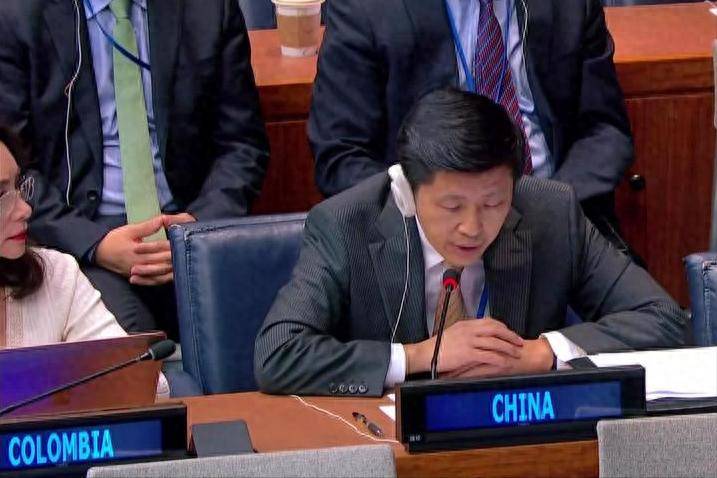
中美贸易战背后赢家现身:中国对其已经解除所有反制和壁垒,意欲为何?
Sou Hu Cai Jing· 2025-08-28 08:47
Core Insights - The ongoing US-China trade war is reshaping international dynamics, with Australia unexpectedly benefiting from the situation as China lifts trade barriers against it [1][3] - Australia has strategically improved its relationship with China under Prime Minister Albanese, resulting in significant economic opportunities [1][3] Trade Relations - China has terminated anti-dumping and countervailing duties on Australian barley and is set to remove similar measures on Australian wine, indicating a warming relationship [3] - In the past year, the bilateral trade volume between Australia and China reached $210 billion, with South Australia’s exports to China surging by 33% [3] Diplomatic Strategy - Australia has effectively leveraged the US-China tensions to enhance its market presence in China, filling the void left by reduced US imports [3] - The Albanese government has adopted an independent foreign policy, recognizing the importance of trade with China over reliance on the US, with Trade Minister Farrell stating that trade with China is ten times more important than trade with the US [5] Regional Cooperation - Australian states are actively pursuing closer cooperation with China, exemplified by Queensland's trade minister establishing an office in the Guangdong-Hong Kong-Macau Greater Bay Area [7] - Despite economic progress, Australia maintains close ties with the US on regional security issues, participating in joint military exercises with the Philippines, reflecting a balance between economic benefits and traditional alliances [7]

新能源及有色金属日报:美元走弱背景下,铜价震荡偏强-20250826
Hua Tai Qi Huo· 2025-08-26 05:48
Group 1: Report Industry Investment Rating - Copper investment rating: Cautiously bullish [7] - Arbitrage investment rating: On hold [7] - Option investment rating: short put@77,000 yuan/ton [7] Group 2: Core Viewpoints - Although the downstream and terminal performance is relatively weak and the wait - and - see sentiment is strong, due to the increased market expectation of the Fed's interest rate cut, copper prices remained relatively strong on Friday. It is recommended to buy on dips for hedging, with the buying range around 77,000 - 77,500 yuan/ton [7] Group 3: Summary by Related Catalogs Market News and Important Data - **Futures Market**: On August 25, 2025, the opening price of the main Shanghai copper contract was 78,710 yuan/ton, and the closing price was 79,690 yuan/ton, up 1.27% from the previous trading day's close. The overnight opening price was 79,600 yuan/ton, and the closing price was 79,640 yuan/ton, down 0.06% from the afternoon closing price [1] - **Spot Market**: The spot premium of SMM 1 electrolytic copper to the 2509 contract was 80 - 220 yuan/ton, with an average of 140 yuan/ton, down 10 yuan/ton from the previous day. The spot price was 79,270 - 79,520 yuan/ton. After entering the next - month invoice, it is expected that the trading will slow down, and the spot premium of Shanghai copper may remain firm [2] Important Information Summary - **Macro - level**: Fed Chairman Powell's speech increased the market's bet on the Fed's interest rate cut. The Trump administration plans to impose a 50% tariff on Indian products, and the US has included copper in the 2025 critical minerals list [3] - **Mine - end**: The Asian Development Bank will provide $410 million in financing for Barrick Mining's Reko Diq copper mine in Pakistan. Codelco's El Teniente copper mine has partially restarted operations [4] - **Smelting and Import**: Amid the Sino - US trade war, US metal traders are transshipping scrap copper through third - countries to avoid China's 10% import tariff. China's direct imports of scrap copper from the US have dropped significantly, but the overall import volume has remained stable [4] - **Consumption**: The operating rate of domestic refined copper rod enterprises increased by 1.20 percentage points to 71.80%, mainly driven by the resumption of production of previously overhauled enterprises. The overall downstream consumption is weak, and it is expected that the operating rate will decline next week. The operating rate of copper cable enterprises decreased slightly, and it is also expected to decline next week [5] - **Inventory and Warehouse Receipts**: LME warehouse receipts decreased by 375 tons to 155,975 tons, SHFE warehouse receipts decreased by 401 tons to 23,747 tons, and the domestic electrolytic copper spot inventory decreased by 0.87 million tons to 12.30 million tons [6] Strategy - **Copper**: It is recommended to buy on dips for hedging, with the buying range around 77,000 - 77,500 yuan/ton [7] - **Arbitrage**: On hold [7] - **Option**: short put@77,000 yuan/ton [7] Data Table - The table shows the price, basis, inventory, warehouse receipt, arbitrage, import profit, and other data of copper on August 26, 2025, August 25, 2025, August 19, 2025, and July 27, 2025 [24][25][26]
美论坛:如果贸易战失败,美国会不会选择用武力摧毁中国?
Sou Hu Cai Jing· 2025-08-25 09:35
Group 1: Trade War Overview - The U.S.-China trade war began in 2018, with both sides imposing tariffs on a wide range of goods, aiming to limit Chinese products in the U.S. market and weaken China's manufacturing advantages [1][3] - China responded with "reciprocal countermeasures," focusing on enhancing domestic demand and diversifying foreign trade markets, which has led to a growing market presence [1][3] Group 2: Impact of Tariffs - Tariffs have a dual impact; while intended to punish China, they also harm U.S. consumers who face rising prices on imported goods such as electronics and clothing [4][5] - The burden of tariffs primarily falls on U.S. consumers, as the increased costs are passed down from retailers [5][7] Group 3: Resilience of Chinese Industry - China's industrial chain has shown resilience due to its tightly integrated supply chain, allowing for adjustments in response to external shocks [11][12] - The trade war has accelerated China's industrial upgrades, enhancing overall competitiveness through technological advancements [12] Group 4: Military Considerations - The discussion of military action in response to trade war losses is deemed unrealistic due to the high costs and complexities involved, including legal and institutional constraints [14][16] - Modern warfare requires strong industrial and financial support, making military solutions less viable [16][18] Group 5: Economic Cooperation - Economic cooperation between the U.S. and China is presented as the optimal solution to trade disputes, emphasizing the importance of stable expectations for multinational companies [20][22] - Reducing tariffs through negotiations could reignite capital spending and market activity, benefiting both economies [22][24] Group 6: Long-term Implications - The trade war has resulted in a "lose-lose" scenario, with U.S. consumers and small businesses bearing the brunt of the costs while China has made significant advancements in market diversification and industrial capabilities [24][26] - The notion of military action is viewed as an emotional response rather than a practical solution, highlighting the need for rule-based negotiations to manage uncertainties [25][26]
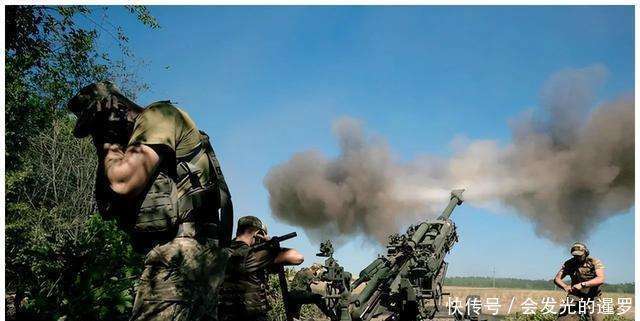
美国豆农上书特朗普,贸易协议不能再拖,美财长等不及与中方面谈
Sou Hu Cai Jing· 2025-08-23 17:26
Core Viewpoint - The article highlights the significant impact of the U.S.-China trade war on American soybean farmers, who are facing a drastic decline in orders from China, the largest importer of soybeans globally, leading to financial distress and a surplus of unsold soybeans [3][5][6]. Group 1: Impact on American Soybean Farmers - American soybean farmers, like Johnson, are experiencing a stark contrast to previous years when orders from China were abundant, resulting in a prosperous harvest season [3]. - The trade war initiated by President Trump has led to China imposing tariffs on U.S. soybeans, severely affecting farmers who heavily relied on the Chinese market [3][5]. - The inability to sell soybeans to China has resulted in a significant surplus, with thousands of tons of soybeans piling up, causing financial strain on farmers due to falling prices and mounting loan pressures [5][6]. Group 2: Response from U.S. Government - In response to the crisis, President Trump publicly urged China to purchase more U.S. soybeans, indicating a sense of urgency and desperation [6]. - The U.S. Treasury Secretary has shifted from a hardline stance to expressing eagerness for new negotiations with China, reflecting the pressure felt by the administration due to the farmers' plight [6]. - The article suggests that the U.S. government's previous approach of extreme pressure may not yield the desired results, as it has backfired on the farmers who are now advocating for a resolution [6][7]. Group 3: Future of U.S.-China Trade Relations - China's position remains firm, indicating a willingness to negotiate but not to compromise on core interests, suggesting a prolonged period of tension in trade relations [7].

中美贸易谈判稳了,美国又一软肋浮出水面,特朗普也得小心应对
Sou Hu Cai Jing· 2025-08-22 11:04
Group 1 - The core issue of the US-China trade negotiations is the ongoing stalemate, with both sides agreeing to extend current tariff policies for 90 days to avoid escalating the trade war [1] - The US soybean producers are facing significant pressure due to the trade war, urging the Trump administration to prioritize soybean issues in negotiations with China and to eliminate retaliatory tariffs [3][5] - The pressure from US farmers on the Trump administration highlights the negative impact of the trade war on domestic agriculture, which could affect trade negotiations and the upcoming midterm elections [5][6] Group 2 - The exposure of agricultural vulnerabilities, alongside previous concerns regarding rare earth supplies, indicates that the US has limited leverage in negotiations with China [7] - As time progresses, internal pressures on the Trump administration to reach a resolution with China are expected to increase, limiting the time available for negotiations [7]
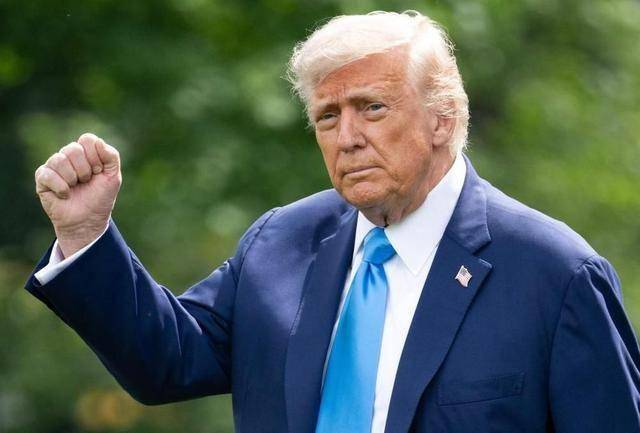
3个月没买美国油?可把美国急坏了,关于两国关系我方高层表态
Sou Hu Cai Jing· 2025-08-21 09:52
Group 1 - China has completely ceased imports of U.S. liquefied natural gas (LNG) and crude oil for three consecutive months, marking the longest interruption since the trade conflict began in 2018 [1][3][5] - The Chinese government has imposed significant tariffs on U.S. energy imports, with rates reaching 94% for crude oil and 99% for LNG, severely undermining the price competitiveness of U.S. energy products [5][11] - The U.S. shale oil industry is facing dual pressures from rising equipment costs due to tariffs and falling international oil prices, pushing many companies towards survival challenges [7][9] Group 2 - China's energy import strategy is diversifying, with a notable decrease in U.S. crude oil imports, which accounted for only 1.74% of total imports last year, ranking 11th among sources [11][13] - Domestic oil production in China is expected to continue growing, supported by advancements in exploration technology and increased development efforts [13][17] - The geopolitical landscape is shifting, with China strengthening energy ties with Middle Eastern and Russian partners while maintaining a cautious stance towards U.S. relations [15][20] Group 3 - The number of drilling platforms in the U.S. Permian Basin has decreased by approximately 3% over the past month, leading to capital expenditure cuts and layoffs among shale oil companies [19] - The U.S. oil industry is projected to see a 40% increase in pipe prices by Q4 2025, reflecting the ongoing cost pressures from tariffs [9] - China's energy security strategy is evolving from merely ensuring supply to focusing on transformation through green technology and efficiency improvements [17]