共同富裕

Search documents
增长5.5%!2025年浙江GDP94545亿元
Xin Lang Cai Jing· 2026-01-21 06:12
Economic Overview - In 2025, Zhejiang Province's GDP reached 94,545 billion yuan, growing by 5.5% year-on-year, surpassing the national growth rate of 5.0% [1][2][12] - The primary industry added value was 2,657 billion yuan (3.9% growth), the secondary industry 35,682 billion yuan (5.1% growth), and the tertiary industry 56,206 billion yuan (5.8% growth) [2][12] Production Supply Expansion - Agricultural production remained stable with grain output at 6.619 million tons (1.8% growth) and fruit output at 7.734 million tons (3.8% growth) [3][13] - Industrial production increased by 6.2%, with significant growth in sectors such as automotive (19.7%) and computer communication electronics (16.5%) [3][13] - The service sector contributed over 60% to GDP growth, with notable increases in information technology services (9.6%) and finance (7.9%) [3][12] Market Demand Release - Retail sales of consumer goods totaled 3.92 trillion yuan, up 4.0%, with online retail growing by 18.2% [4][14] - Fixed asset investment decreased by 9.1%, but manufacturing investment rose by 6.2%, accounting for 25.7% of total investment [4][14] - The import and export values were 5.55 trillion yuan, with exports growing by 7.2% [5][15] Price Stability - The Consumer Price Index (CPI) remained stable, with overall prices holding steady compared to the previous year [6][16] - Industrial producer prices fell by 2.0%, with a narrowing decline compared to the previous year [6][16] Economic Structure Optimization - The artificial intelligence sector saw revenues of 629.4 billion yuan, growing by 21.6% [8][17] - High-tech manufacturing and strategic emerging industries reported growth rates of 12.4% and 10.0%, respectively [8][18] - Traditional industries are also seeing increased investment, particularly in food processing and chemical fibers [18] Business Entity Growth - In 2025, 1.646 million new businesses were established, with a total of 11.64 million registered entities, a 6.3% increase [9][19] - The contribution of private enterprises to industrial growth was significant, with a 7.2% increase in value added [9][19] Economic Circulation - Freight volume increased by 8.1%, indicating a robust logistics sector [10][20] - Financial institutions reported a 7.3% growth in deposits and an 8.0% increase in loans [10][20] Common Prosperity Initiatives - The per capita disposable income reached 70,240 yuan, marking a 4.8% nominal increase [11][21] - Urban employment figures showed stability, with 1.158 million new jobs created, exceeding the annual target [11][21]
华亭:废料获“新生” 铺就共富路
Xin Lang Cai Jing· 2026-01-21 01:00
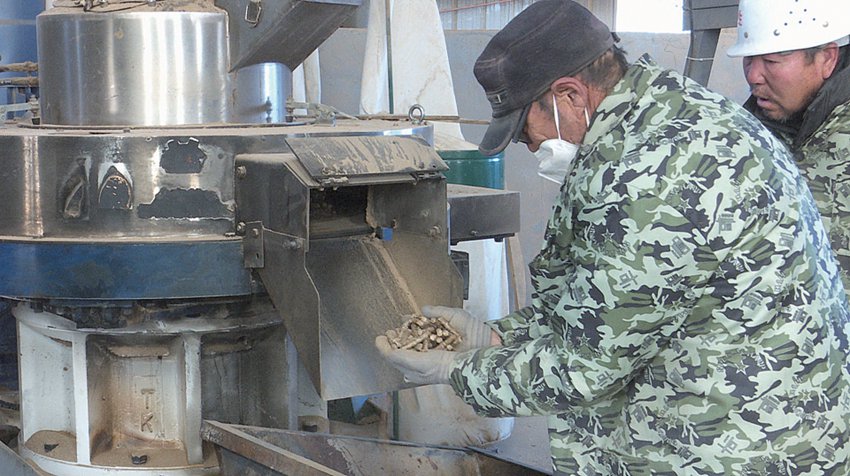
Core Viewpoint - The article highlights the successful transformation of agricultural waste into biomass pellets in Xihua Town, Huating City, driven by party leadership and community organization, leading to both ecological benefits and increased income for villagers [2][3]. Group 1: Industry Transformation - The biomass pellet production project addresses the challenge of agricultural waste disposal, turning it into a resource that generates income for the community [2][3]. - The process involves converting straw and waste wood into uniform, dense pellets through crushing, drying, and compressing, showcasing an innovative approach to rural development [2]. Group 2: Economic Impact - Villagers have shifted from worrying about waste disposal to actively collecting and selling agricultural residues, leading to increased income opportunities [3]. - For instance, villagers can earn over 200 yuan per mu from selling straw and an additional 3,000 yuan per month from working in the production facility, significantly improving their financial situation compared to traditional farming [3]. Group 3: Community and Governance - The initiative reflects a successful integration of party organization leadership, market dynamics, and the creativity of farmers, transforming ecological constraints into opportunities for green development [3]. - The project serves as a model for sustainable rural development, emphasizing the importance of community engagement and innovative governance in achieving common prosperity [3].

市政协九届五次会议 提案委员会第二次全体会议召开
Xin Lang Cai Jing· 2026-01-21 00:01
Group 1 - The core viewpoint of the article highlights the ongoing efforts of the Jiaxing Municipal Political Consultative Conference to review and select key proposals during its 9th session, emphasizing the importance of aligning with the city's development goals [1] - A total of 392 proposals were submitted by the conference members, with 346 officially accepted and 40 combined with others for review, indicating active participation and engagement from various stakeholders [1] - The proposals focus on high-quality economic development and improving people's livelihoods, reflecting the political awareness and commitment of the conference members to contribute to the democratic process and local governance [1] Group 2 - The proposals are aligned with the strategic goals set by the Jiaxing Municipal Party Committee, aiming to accelerate the city's development as a key center in the Yangtze River Delta urban agglomeration [1] - The conference emphasizes the importance of practical and actionable suggestions, showcasing the dedication of the members to address the needs and expectations of the local population [1] - The overall theme of the proposals is centered around the "Six Priorities" initiative, which aims to ensure significant progress towards common prosperity and the realization of socialist modernization within the city [1]
以融合之笔,绘“清水鱼跃”新图
Xin Lang Cai Jing· 2026-01-20 17:50
Core Viewpoint - The proposal regarding the "Qing Shui Fish" industry emphasizes the need to shift from selling by weight to selling by quality and brand, which is crucial for strengthening local specialties and promoting rural revitalization [1] Group 1: Industry Overview - In 2024, the total aquatic product output in Quzhou City is projected to reach 84,500 tons, with a comprehensive output value of 3.5 billion yuan, where Qing Shui Fish plays a significant role [1] - The "Quzhou Qing Shui Fish Industry High-Quality Development Action Plan (2024-2027)" aims for a comprehensive output value of 5 billion yuan by 2027, with the fishery output value accounting for over 12% of the total agricultural output [1] Group 2: Current Challenges - The industry is characterized by being "large but not strong," with most products sold as live fish and a lack of high-value-added processing such as prepared dishes and snacks [2] - Despite having a regional brand, the market is flooded with inferior products, which undermines the brand reputation and the interests of fish farmers [2] - The integration of leisure fishing with tourism remains traditional, lacking diverse experiences [2] Group 3: Strategic Recommendations - Focus on "three chains" collaboration to enhance the quality of Qing Shui Fish: - Strengthen the "processing chain" by cultivating leading enterprises and supporting the development of processed products [2] - Establish a "standard chain" to ensure quality and brand integrity through a comprehensive quality standard and traceability system [2] - Develop a "fusion chain" to enhance experiential offerings in tourism, creating integrated experiences that go beyond just consuming fish [2] Group 4: Future Outlook - The integration of policy, capital, technology, and farmers' efforts is expected to elevate the "Qing Shui Fish" to new heights, contributing to the vision of common prosperity [3]
衢州市民热盼两会绘就现代化市域发展新蓝图
Xin Lang Cai Jing· 2026-01-20 17:50
Core Viewpoint - The article emphasizes the expectations of citizens in Quzhou for the upcoming two sessions, focusing on industrial development, transportation infrastructure, urban renewal, and improved public services as part of the city's strategic goals for the 14th Five-Year Plan [1][2][5]. Industrial Development - Citizens hope for a clearer industrial roadmap during the two sessions, particularly in advanced manufacturing clusters such as new materials, new energy, integrated circuits, and high-end equipment [2]. - There is a strong desire for the city to attract large projects and enhance innovation platforms, with a focus on the development of the four-province science and technology corridor [2]. Transportation Infrastructure - Public expectations include the expansion of transportation networks beyond the ongoing Hangzhou-Quzhou high-speed rail, aiming for more rapid connections to core cities in the Yangtze River Delta and central regions [3]. - Enhancements to Quzhou Port's shipping capabilities and the resolution of local transportation issues, such as "dead-end roads" and optimizing micro-bus networks, are also key concerns [3]. Urban Renewal - Residents express a need for urban renewal initiatives, including the installation of elevators in old residential buildings, the development of parking facilities, and the improvement of community public service facilities [3]. - Rural residents are focused on the continuous investment in rural revitalization, seeking policies that support rural tourism, ecological agriculture, and e-commerce [3]. Public Services and Governance - There is a call for improved community services, particularly in elderly care and education, with a focus on equitable distribution of quality educational resources and mental health services for youth [4]. - Citizens are advocating for smarter governance solutions to address urban issues like traffic congestion and safety, as well as environmental sustainability in line with carbon neutrality goals [4]. Conclusion - The article concludes with a call for the two sessions to transform citizen expectations into actionable policies, aiming to enhance Quzhou's status as a four-province center city and a bridgehead for inland openness in the Yangtze River Delta [5].
以脱贫攻坚创新成果促农业农村现代化
Jing Ji Ri Bao· 2026-01-19 22:42
经过8年脱贫攻坚战的奋斗,我国2020年底全面消除绝对贫困。在之后的5年过渡期里,脱贫攻坚成果持 续巩固拓展,我国牢牢守住了不发生规模性返贫致贫的底线。2026年是"十五五"开局之年,做好"三 农"工作至关重要。习近平总书记作出重要指示,强调"锚定农业农村现代化,扎实推进乡村全面振兴, 推动城乡融合发展""要持续巩固拓展脱贫攻坚成果,把常态化帮扶纳入乡村振兴战略统筹实施,守牢不 发生规模性返贫致贫底线"。迈入"十五五"时期,必须深刻认识打赢脱贫攻坚战、守住不发生规模性返 贫致贫底线的重要意义,深入总结这一伟大历史进程中取得的实践创新成果,为新征程上接续推进农业 农村现代化提供指引。 深刻认识历史意义和全球价值 坚持因地制宜推进生态产品价值实现。贫困地区大多拥有丰富的生态资源和脆弱的生态环境。这是走传 统发展路径的风险和挑战,但也是因地制宜践行绿水青山就是金山银山理念的独特优势。因此,"生态 补偿脱贫一批"成为精准帮扶的重要举措。脱贫攻坚战期间,持续增加重点生态功能区转移支付,不断 扩大政策实施范围,让有劳动能力的贫困群众就地转为护林员等生态保护人员。同时,生态资源利用和 生态产品溢价成为贫困地区经济发展的重要 ...
当社区遇见田埂
Mei Ri Shang Bao· 2026-01-19 22:25
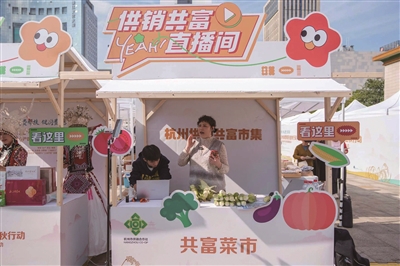
Core Viewpoint - The "Drunken Memory Hangzhou Fresh" community market in Hangzhou has been recognized as a key community-type market for promoting common prosperity, supported by the Zhejiang Provincial Development and Reform Commission's guidelines, aiming to enhance the integration of urban and rural areas and reduce disparities [5]. Group 1: Market Development - The "Drunken Memory Hangzhou Fresh" market is operated by the Hangzhou Supply and Marketing Cooperative, leveraging the public brand of Hangzhou agricultural products to connect urban agricultural markets and community supermarkets, facilitating direct access for high-quality agricultural products to residents [5]. - The market serves as a platform for farmers to establish trust with customers, allowing them to explain their farming processes and build a loyal customer base, which is crucial for their business [6]. - The market has become a "market laboratory" for farmers, providing immediate feedback on product preferences and helping them optimize their offerings and expand production [7]. Group 2: Operational Model - The market offers free public stalls to attract farmers, but maintains strict quality control through a management mechanism that ensures all products meet the standards of the "Drunken Memory Hangzhou Fresh" brand [8]. - The operational model is driven by a dual approach: organizing mobile markets in rural areas and establishing fixed or temporary service points in communities, integrating quality agricultural products into daily community life [8]. Group 3: Cultural Integration - The market is also focused on cultural empowerment and the preservation of intangible cultural heritage, featuring local cultural resources and creating unique market experiences that enhance the value of agricultural products [9]. - Future plans include the "Supply and Prosperity Market 2.0" initiative, which aims to establish regular sales points in more communities and universities, integrating online and offline experiences to promote high-quality agricultural products from rural areas to urban markets [9].
人民财评:5.0%的增长,“十五五”开局的坚实起点
Ren Min Wang· 2026-01-19 08:55
Economic Performance - In 2025, China's GDP reached 140,187.9 billion yuan, growing by 5.0% year-on-year, marking a solid foundation for high-quality development and showcasing the resilience of a large economy [1] - The manufacturing sector maintained its position as the world's largest, with industrial added value increasing by 5.8%, and manufacturing specifically growing by 6.1%, providing core support for economic stability [1] Macroeconomic Stability - The 5.0% growth rate reflects the effectiveness of China's macroeconomic policies, with measures such as "two重" construction and consumer goods replacement helping to counteract downward pressure [2] - The urban unemployment rate averaged 5.2% for the year, indicating a stable employment situation that supports economic stability [2] - The core Consumer Price Index (CPI) showed a mild recovery, and the manufacturing Purchasing Managers' Index returned to expansion, indicating improving business expectations [2] Industrial Structure Optimization - High-tech manufacturing added value grew by 9.4%, outpacing overall industrial growth by 3.5 percentage points, with its share rising to 17.1% [2] - The production of new products such as 3D printing equipment and industrial robots saw rapid growth, contributing to the rise of new productive forces [2] - The output of new energy vehicles surpassed 16 million units, reflecting the robust development of green industries and the transition from factor-driven to innovation-driven economic growth [2] Improvement in Living Standards - In 2025, the per capita disposable income of residents increased by 5.0%, aligning with economic growth, and rural income growth outpaced urban income at 6.0% [3] - The total retail sales of consumer goods reached 501,202 billion yuan, with a 5.5% increase in service retail, indicating enhanced consumer capacity and the potential of the domestic market [3] Reform and Opening Up - The construction of a unified national market and the implementation of the Private Economy Promotion Law have improved the business environment, injecting vitality into economic activities [3] - The total import and export volume grew by 3.8%, with high-tech product exports increasing by 13.2%, highlighting China's improving position in the global value chain [3] Future Outlook - The solid GDP total and growth rate of 5.0% in 2025 provide a strong starting point for the "15th Five-Year Plan," with a focus on maintaining stability and promoting high-quality development [4]
读懂中国经济“换挡提速”的密码
Zhong Guo Jing Ji Wang· 2026-01-19 01:53
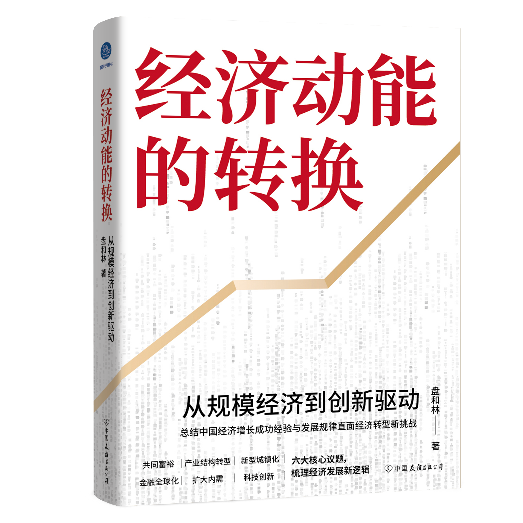
Core Insights - The book "Economic Dynamics of Transition: From Scale Economy to Innovation-Driven" by Professor Pan Helin provides a clear narrative on how China's economy has evolved and the necessity for a shift towards innovation-driven growth [3][4] - It emphasizes the importance of historical context in understanding the current economic landscape and future directions [3] Group 1: Historical Context and Economic Growth - The book begins by discussing the significance of the 1978 reform, highlighting it as a transformative institutional change aimed at stimulating individual initiative [4] - It uses the example of Xiaogang Village to illustrate how stable property rights incentivized farmers to invest and take risks, thereby revitalizing the agricultural sector and the broader economy [4] - The narrative continues through various reform milestones, indicating that the core principle has been to reward those willing and able to contribute, which has unleashed the creativity of millions [4] Group 2: Old Logic of Economic Growth - The first part of the book outlines six key components of China's previous growth model: distribution system, scale economy, real estate economy, financial leverage, globalization, and digital economy [5] - These elements are interrelated and have collectively driven China's rapid economic expansion, with scale economies providing unique advantages in a large market [5] - The author argues that understanding these components is crucial for assessing which advantages will continue to play a role in future growth and which mechanisms are nearing their limits [5] Group 3: Challenges and the Need for Transition - The middle section addresses six new challenges facing the economy, including common prosperity, involution, post-urbanization, financial risks, de-globalization, and technological competition [6] - Common prosperity is framed as essential for long-term stability, as widening income gaps could lead to structural risks [6] - The author identifies involution as a symptom of a slowing economy, where competition yields diminishing returns, signaling the inadequacy of the old growth logic [6] Group 4: Future Directions for Economic Growth - The latter part of the book proposes a new growth logic focused on building a more robust domestic market and enhancing economic efficiency through technological innovation [7] - It emphasizes the importance of domestic demand in light of changing international conditions and the limitations of the old growth model [7] - Innovation is highlighted as the key to improving total factor productivity and moving away from reliance on factor accumulation, with institutional frameworks being crucial for fostering a conducive environment for innovation [7] Group 5: Value of the Book - The book is praised for clearly articulating past successes and the necessity for transformation, providing a solid analytical framework for future growth [8] - It avoids exaggeration and complex jargon, instead relying on straightforward institutional logic and real-world examples to build a foundational understanding of the Chinese economy [8]
工银普惠金融跑进海盐
Xin Lang Cai Jing· 2026-01-18 23:37
Core Viewpoint - The article highlights the role of the Industrial and Commercial Bank of China (ICBC) in promoting rural revitalization and financial inclusion through community engagement and innovative financial products aimed at supporting agricultural development and enhancing the quality of life in rural areas [7][8][9]. Group 1: Financial Initiatives and Community Engagement - ICBC Jiaxing Branch actively participates in community events, such as the "Rural Health Run," to integrate financial services into rural life, thereby enhancing communication with local residents [8]. - The bank has developed the "Xingnongtong" app, which has served over 73,000 agricultural clients and established 23 service points to improve financial service efficiency in rural areas [9]. - In 2025, ICBC launched the "Food Security Loan," with a total credit of 1.6 billion yuan and a loan balance exceeding 700 million yuan, to address seasonal funding challenges in agriculture [9][10]. Group 2: Tailored Financial Products for Agriculture - ICBC Haiyan Branch has introduced customized credit products, such as "Farmer e-loan" and "Village Cooperative e-loan," to alleviate financial pressures on farmers and support new rural construction [11]. - The bank has also implemented a green credit channel to ensure timely funding for agricultural production, particularly during critical planting seasons [11]. - The "Qinglian Breeding Loan," a unique product in the province, allows for flexible collateral based on live pigs, addressing financing challenges in the livestock sector [12]. Group 3: Impact on Rural Development - The financial support from ICBC has led to stable grain production and a thriving livestock industry, contributing to increased income for farmers [12]. - The bank's initiatives reflect a commitment to rural revitalization and the broader goal of achieving common prosperity through targeted financial services [10][12].