
城乡融合

Search documents
重磅会议召开,“十五五”规划怎么看?(上篇)|宏观经济
清华金融评论· 2025-10-22 12:18
Core Viewpoint - The article discusses the transition from the "14th Five-Year Plan" to the "15th Five-Year Plan" in China, emphasizing the need to adapt to significant changes in the external environment and the importance of high-quality development to achieve modernization goals by 2035 [2][24]. Group 1: External Environment Changes - The new round of technological revolution is advancing, with artificial intelligence becoming a core area of competition, leading to increased pressure on China to enhance its independent innovation capabilities [3][27]. - Global supply chains are being restructured, shifting focus from cost and efficiency to security and stability, which presents both opportunities and challenges for China as the largest manufacturing center [3][29]. - The global governance system is undergoing transformation, with emerging multilateral mechanisms playing a significant role in addressing global issues, while traditional mechanisms struggle [3][30]. Group 2: Economic Development Characteristics - Economic growth is converging towards a medium speed, with contributions from labor diminishing due to demographic changes, while quality and efficiency are improving [4][44]. - New industrialization is advancing, with a shift towards digital transformation and intelligent upgrades in traditional industries, leading to the emergence of new manufacturing applications [4][45]. - Urbanization is transitioning from high-speed to medium-speed, focusing on improving the quality of urban life and public services [4][46]. - The green and low-carbon transition is entering a critical phase, with energy consumption growth slowing down and pollution emissions reaching peak levels [4][47]. Group 3: Market Development Strategies - Building a unified national market is essential for unleashing domestic demand potential and promoting high-quality development, requiring the removal of market barriers and the establishment of fair competition [5][10]. - The super-large market size provides significant advantages, including economies of scale, diverse production factors, and enhanced innovation capabilities, which are crucial for maintaining competitiveness [7][8][34]. - The construction of a unified market must address issues such as local protectionism and market segmentation to facilitate smoother resource flow and enhance market advantages [19][21]. Group 4: Challenges in Economic Development - Population decline and aging are accelerating, leading to a decrease in the labor force and impacting consumption demand, which poses a challenge to economic growth [39]. - Technological innovation is not yet aligned with the requirements for high-quality development, with insufficient investment in basic research and a lack of leading talents [40]. - The transition from traditional growth drivers to new ones is challenging, as sectors like real estate face significant adjustments, impacting overall economic performance [41]. - The pressure to shift traditional development methods is increasing, necessitating a focus on consumption-driven growth rather than investment and export-led strategies [42]. Group 5: Future Economic Trends - The "15th Five-Year Plan" period is critical for promoting high-quality development and transforming economic structures, with a focus on enhancing productivity and efficiency [43][49]. - The integration of new technologies and industries will drive economic growth, with strategic emerging industries expected to play a significant role in the future [36][38].

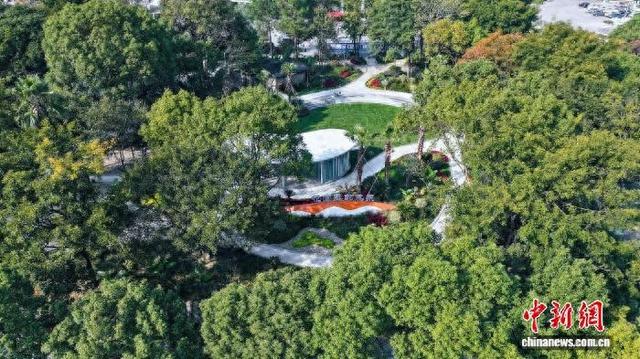
山水元宇宙:浙江龙泉的“强城兴村”数字孪生之路
Zhong Guo Xin Wen Wang· 2025-10-21 11:54
Core Viewpoint - Longquan City in Zhejiang Province is transforming its urban and rural landscape through strategic planning and resource integration, aiming for high-quality development and common prosperity. Urban Development - Longquan is leveraging its unique mountainous and water resources to reshape its urban structure, focusing on "strong cities" to drive "prosperous villages" and promote integration [1][3] - The city has expanded its urban area from 15.6 square kilometers to 26.1 square kilometers, creating a new urban layout characterized by "one river, two banks, one core, and four districts" [3][5] - The transformation of old industrial sites into vibrant cultural spaces reflects the city's innovative approach to overcoming spatial constraints [3][5] Cultural and Economic Revitalization - The revitalization of the Taoxi River cultural street has turned historical industrial sites into trendy destinations, showcasing local craftsmanship and attracting tourism [3][4] - Longquan is enhancing its public spaces and infrastructure, promoting a vision of "green views from windows and parks at doorsteps" [5] Rural Development and Resource Integration - Longquan is known for its high-quality Lingzhi mushroom products, which are being integrated into the health industry through innovative product offerings [7][8] - The city has established a "1+19+N" operational framework to enhance resource integration and market operations, addressing challenges in rural development [7][8] - Key village clusters are being developed to alleviate rural hollowing and uneven resource distribution, fostering collaborative growth [8] Logistics and E-commerce - Longquan has implemented a "guest-cargo-post" model to improve logistics, facilitating the flow of goods and services between urban and rural areas [9][11] - The city has developed 18 integrated logistics routes and 60 service points to enhance rural e-commerce and streamline product distribution [11] Youth Engagement and Skill Development - Initiatives like "skill night schools" are being introduced to empower local youth and enhance their employability in agriculture and e-commerce [12][13] - The return of young people to rural areas is being encouraged through the establishment of practice stations and housing solutions, fostering a new generation of rural entrepreneurs [13]
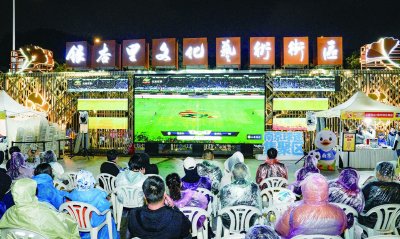
江苏南京:“三进城”借赛出圈,城乡融合愈加精彩
Nan Jing Ri Bao· 2025-10-19 01:48
Core Insights - The "Su Chao" semi-final match between Nanjing and Taizhou teams took place on the evening of October 18, 2023, at the Nanjing Olympic Sports Center, attracting significant local interest despite adverse weather conditions [2] - The event was part of a broader initiative called "Three into the City," which aimed to promote rural culture, quality agricultural products, and local talents, creating a vibrant atmosphere that combined sports and cultural experiences [2][5] Group 1: Event Highlights - The match was accompanied by a lively atmosphere in the Silver Ginkgo Cultural and Art District, where local delicacies and cultural displays were showcased, enhancing the spectator experience [3][4] - Various food stalls offered a range of local specialties, such as Mei Hua cake and steamed cakes, which were particularly popular among attendees [3] - The event featured interactive cultural elements, including NPCs dressed in traditional costumes, which engaged visitors and highlighted Taizhou's cultural heritage [3] Group 2: Cultural Integration - Creative markets were set up throughout the venue, showcasing local handicrafts and non-material cultural heritage items, attracting both fans and tourists [4] - The event also highlighted the stories of local farmers and agricultural innovators, with 20 representatives from the "new farmers" community being recognized during the match [4][5] - The integration of local agricultural products into the event provided a unique "watch and shop" experience for attendees, enhancing the connection between sports and local culture [6][7] Group 3: Community Engagement - The event served as a platform for local agricultural brands to promote their products, with various stalls offering samples and engaging with visitors [7] - The "Three into the City" initiative aimed to leverage the event's popularity to increase awareness and sales of local agricultural products, thereby benefiting the local economy [7] - Cultural exchanges were facilitated through various activities, including the display of local art and crafts, which attracted diverse audiences, including international students [8][9]
临安发展轴空间专项规划获批实施
Hang Zhou Ri Bao· 2025-10-17 02:22
Core Viewpoint - The recently approved "Spatial Special Plan for the Development Axis of Lin'an District, Hangzhou (2025-2035)" aims to address regional development imbalances and promote urban-rural integration through a comprehensive framework focusing on "strengthening cities, revitalizing villages, and integration" [2][5]. Group 1: Spatial Layout - The plan establishes a spatial development layout characterized by "one main, two sub-centers, and N clusters," facilitating urban-rural coordination [3]. - The main urban area will serve as the "main engine" for regional development, focusing on high-end industry aggregation and cultural enhancement [3]. - Two sub-centers, Yuchan and Changhua, will act as bridges, enhancing connectivity and supporting regional development through improved public services and infrastructure [3][4]. Group 2: Key Projects and Initiatives - The plan includes 137 key projects with a total investment exceeding 600 billion yuan, aimed at driving high-quality development in Lin'an [2][7]. - Key projects in the "strengthening cities" category include the Qing Shan Lake International Innovation Center, which will attract high-end talent and innovation [6]. - In the "revitalizing villages" category, projects like the Tianmu Future Valley aim to stimulate local economies through tourism and employment opportunities [6]. Group 3: Addressing Disparities - The plan targets the reduction of income disparities between urban and rural areas, with the urban-rural income ratio decreasing from 1.75 to 1.55 over the past decade [5]. - It aims to tackle the challenges of underdeveloped rural areas, which contribute significantly to the economic output of the urban center [5]. - The plan emphasizes the importance of enhancing local industries and improving the living environment in rural areas to achieve balanced development [5][6]. Group 4: Future Directions - The approval of the plan marks the beginning of efforts to address urban-rural development imbalances and implement effective planning strategies [8]. - Future initiatives will focus on optimizing idle natural resources and enhancing ecological protection while promoting economic growth [8]. - The plan aims to transform ecological advantages into developmental benefits, contributing to the overall goal of building a common prosperity demonstration zone in Hangzhou [8].
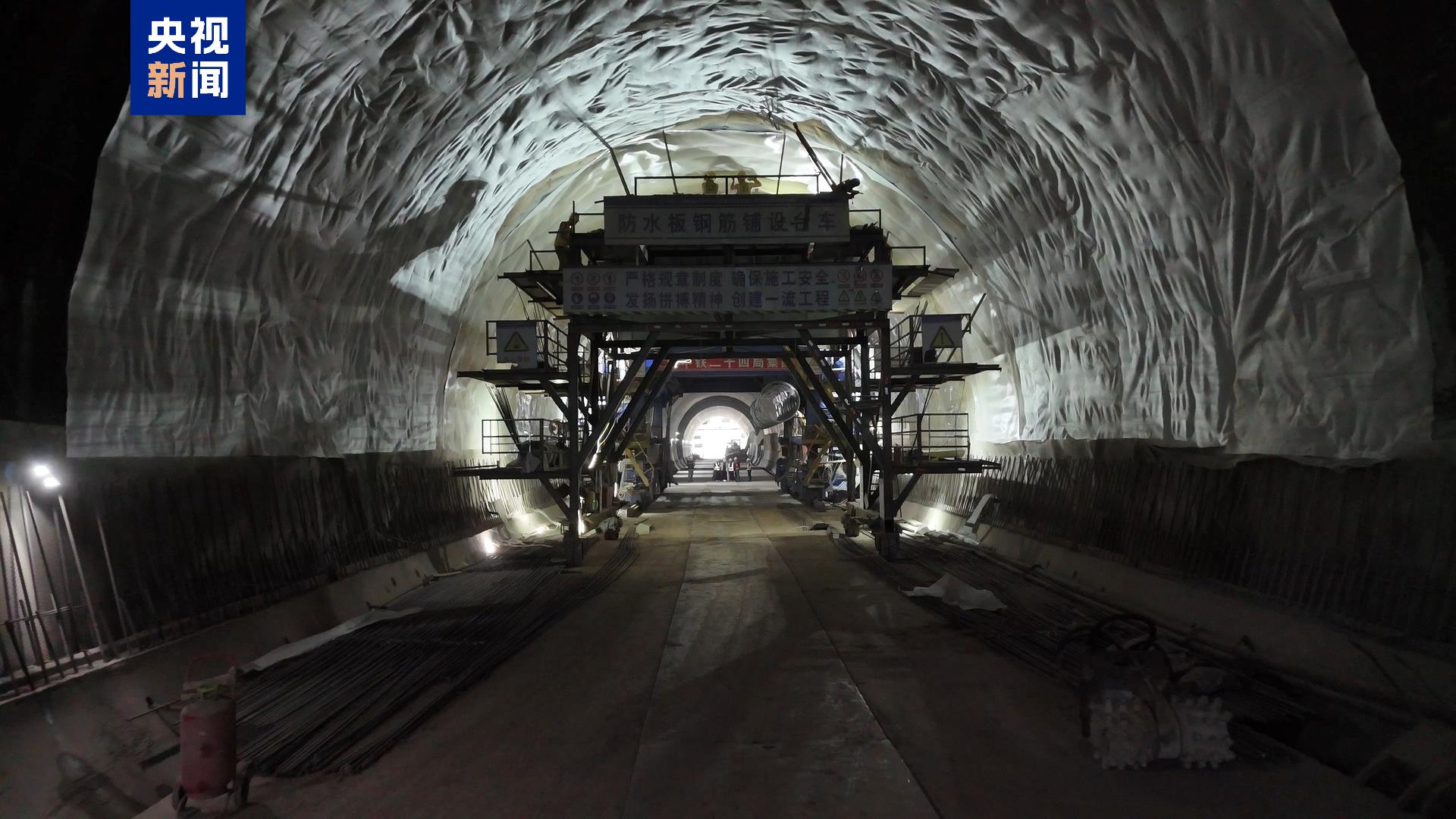
西渝高铁伍家岚一号隧道贯通
Yang Shi Xin Wen· 2025-10-14 08:11
Core Points - The successful completion of the Wujialan No. 1 Tunnel on October 14 marks significant progress in the construction of the Chongqing hub section of the Xiyu High-Speed Railway [1][3]. Group 1: Project Overview - The Chongqing hub section of the Xiyu High-Speed Railway spans a total length of 24.13 kilometers, featuring 15 bridges and 10.5 tunnels [3]. - The Wujialan No. 1 Tunnel, which has been completed, is located in Tongjiacxi Town, Beibei District, Chongqing, and measures 385 meters in length [3]. Group 2: Strategic Importance - The Xiyu High-Speed Railway is a crucial part of China's "Eight Vertical and Eight Horizontal" high-speed rail network, specifically connecting the Beijing-Kunming corridor and the Baotou-Haikou corridor [4]. - Upon completion, the project is expected to significantly reduce the travel time between urban and rural areas along the route, contributing to the consolidation of poverty alleviation efforts, promoting rural revitalization, urban-rural integration, and regional coordinated development, thereby establishing a new pattern for the development of the western region [4].
城乡融合、协同创新双提速
Xin Hua Ri Bao· 2025-10-13 22:40
Core Insights - The article highlights the transformation of the Yangtze River Delta region into a hotspot for urban-rural integration and collaborative innovation, driven by the removal of administrative barriers and the enhancement of institutional frameworks [1][2][4]. Group 1: Urban-Rural Integration - The establishment of the "Two Provinces and One Street" police service in the border area between Anhui and Jiangsu has become a model for cross-province integration and efficient governance [2]. - The collaboration between Shanghai and Zhejiang in the "Mingyue Shantang" scenic area has unified architectural styles and shared tourism resources, effectively eliminating provincial boundaries for visitors [2][3]. - The integration efforts have led to significant improvements in development levels in neighboring areas, as seen in the collaboration between Shanghai's Jinshan District and Zhejiang's Pinghu City [3]. Group 2: Innovation and Collaboration - The relocation of Huizhi Kang (Zhejiang) Intelligent Technology Co., Ltd. from Shanghai to Huzhou demonstrates the benefits of breaking down administrative barriers, facilitating the flow of talent and technology [4]. - The establishment of the "Yangtze River Delta Language Computing Innovation Alliance" aims to tackle challenges in voice recognition technology, showcasing successful collaboration among various institutions [4]. - The launch of the first local legislation promoting collaborative technological innovation in the Yangtze River Delta marks a significant step towards institutional innovation and comprehensive collaboration [5]. Group 3: High-Quality Development - The agricultural service company in Jiaxing has cultivated 30,000 acres of farmland in the Yangtze River Delta, leveraging technological advancements to enhance productivity [6]. - The integration of advanced technologies such as 5G in agricultural monitoring is exemplified by the smart monitoring stations in Suzhou, which optimize rice harvesting [6]. - Major innovations, including the world's first 8-inch silicon-based gallium nitride production line and the first domestically produced 200kV field emission transmission electron microscope, highlight the new momentum generated by urban-rural integration and collaborative innovation [6].
城乡融合、协同创新双提速——长三角一体化涌动发展新活力
Xin Hua She· 2025-10-13 13:51
Core Insights - The Yangtze River Delta is transforming into a hotspot for urban-rural integration and collaborative innovation, driven by the removal of administrative barriers and improved systems [1][2][4] Group 1: Urban-Rural Integration - The establishment of the "Two Provinces and One Street" police station has facilitated cross-province governance, exemplified by a resident obtaining a residence permit across provincial lines [2] - The "Mingyue Shantang" scenic area project has unified architectural styles and shared tourism resources, enhancing cross-border tourism experiences [2] - Urban-rural integration is creating development benefits and reducing disparities, as seen in the collaboration between Shanghai's Jinshan District and Zhejiang's Pinghu City [3] Group 2: Innovation and Collaboration - The relocation of Huizhi Kang (Zhejiang) Intelligent Technology Co., Ltd. to the Yangtze River Delta's talent innovation base highlights the benefits of breaking administrative barriers for talent and technology flow [4] - The establishment of the "Yangtze River Delta Language Computing Innovation Alliance" aims to tackle challenges in voice recognition technology, showcasing collaborative innovation among regional entities [4] - The Fudan-Opp Global Smart Lighting Joint Laboratory is advancing research on adaptive lighting environments, demonstrating the integration of academic and industrial resources [5] Group 3: High-Quality Development - The agricultural service company in Jiaxing is leveraging technology to provide comprehensive farming services across the Yangtze River Delta, having cultivated 30,000 acres of farmland [6] - Advanced technologies like 5G are being utilized for real-time monitoring of agricultural conditions, enhancing productivity and product quality [6] - Significant innovations, such as the world's first 8-inch silicon-based gallium nitride production line, are being implemented in the Yangtze River Delta, reflecting the region's growth in urban-rural integration and collaborative innovation [7]
决胜“十四五” 打好收官战丨城乡融合、协同创新双提速——长三角一体化涌动发展新活力
Xin Hua She· 2025-10-13 13:47
Core Viewpoint - The article highlights the rapid development of urban-rural integration and collaborative innovation in the Yangtze River Delta, emphasizing the breaking down of administrative barriers and the enhancement of regional cooperation as key drivers for high-quality development [1][6]. Group 1: Urban-Rural Integration - The Yangtze River Delta is transforming from a "non-governed" neighboring area into a hotspot for urban-rural integration, with significant improvements in governance and regional development levels [2][3]. - The establishment of cross-province governance models, such as the "Two Provinces and One Street" police service, exemplifies effective integration and service delivery across administrative boundaries [2]. - The collaboration between Shanghai and Zhejiang in tourism and commerce has led to a seamless experience for visitors, showcasing the benefits of administrative integration [2]. Group 2: Collaborative Innovation - The removal of administrative barriers has facilitated the flow of talent and technology, as seen in the case of Huizhi Kang (Zhejiang) Intelligent Technology Co., which moved its R&D operations closer to manufacturing bases [4]. - The establishment of the "Yangtze River Delta Language Computing Innovation Alliance" demonstrates successful collaborative efforts in tackling complex technological challenges, resulting in practical applications in the automotive industry [4]. - Legislative measures, such as the recent approval of regulations promoting collaborative technological innovation, signify a commitment to fostering an integrated innovation ecosystem across the region [6]. Group 3: High-Quality Development - Agricultural enterprises in the region are leveraging technology to enhance productivity, with significant areas of farmland being cultivated, showcasing the integration of technology in traditional sectors [7][8]. - The use of advanced monitoring technologies in agriculture, such as 5G, is enhancing crop management and quality, exemplified by the premium pricing of local rice products [8]. - Major innovations, including the production lines for advanced semiconductor and robotics technologies, highlight the new momentum generated by urban-rural integration and collaborative innovation [8].
决胜“十四五” 打好收官战|城乡融合、协同创新双提速——长三角一体化涌动发展新活力
Xin Hua She· 2025-10-13 13:45
Core Viewpoint - The integration of urban and rural areas, along with collaborative innovation, is accelerating in the Yangtze River Delta, driving high-quality development through the removal of administrative barriers and the enhancement of institutional frameworks [1][6]. Group 1: Urban-Rural Integration - The Yangtze River Delta is transforming previously neglected neighboring areas into hotspots for urban-rural integration, exemplified by the establishment of cross-province governance models like the "Two Provinces and One Street" police service [2][3]. - The collaboration between Anhui and Jiangsu provinces has led to significant improvements in development levels through talent exchange and regional coordination mechanisms [2][3]. - The integration has also facilitated seamless travel and commerce across provincial borders, enhancing the overall experience for residents and tourists alike [2][3]. Group 2: Collaborative Innovation - The removal of administrative barriers has enabled companies like Huizhi Kang to relocate and benefit from the flow of talent, technology, and manufacturing resources within the Yangtze River Delta [4][5]. - The establishment of innovation alliances, such as the "Yangtze River Delta Language Computing Innovation Alliance," is fostering technological advancements in voice recognition and other fields, with practical applications in the automotive industry [4][5]. - Legislative measures, such as the recent collaborative laws passed by local governments, aim to promote coordinated technological innovation across the region [6]. Group 3: High-Quality Development - Agricultural enterprises in the region are leveraging technology to provide comprehensive services, with significant land cultivated across the Yangtze River Delta, showcasing the synergy between technological innovation and urban-rural integration [7]. - Advanced monitoring systems for agriculture, utilizing 5G technology, are enhancing productivity and quality, exemplified by the premium pricing of local rice varieties [7]. - Major innovations, including the world's first 8-inch silicon-based gallium nitride production line and advanced robotics, are being realized in the Yangtze River Delta, highlighting the new momentum generated by accelerated urban-rural integration and collaborative innovation [7].
黄河上游地区如何筑牢生态屏障、确保黄河安澜?
Zhong Guo Huan Jing Bao· 2025-10-09 05:48
Group 1 - The Yellow River upstream region is a crucial ecological security barrier and water conservation area in China, playing a key role in the systematic governance of the Yellow River basin [1] - The development of a national ecological security barrier in the western region must focus on the long-term stability of the Yellow River, promoting ecological protection and high-quality development in the basin [1] - Strict water resource protection and utilization systems will be established, ensuring reasonable allocation of water resources in the basin through total control, flow control, and graded management [1] Group 2 - The strategy emphasizes the importance of developing advantageous industries and promoting green transformation, including the green modification of traditional industries and the development of high-end equipment manufacturing and modern agriculture [1] - Urban-rural integration is highlighted to enhance county economic competitiveness and improve public service supply levels, while controlling urban development boundaries to ensure food security [2] - The promotion of Yellow River culture is essential, integrating it with other cultural symbols to enhance emotional consensus among various ethnic groups and develop the cultural industry [3]