银发经济

Search documents
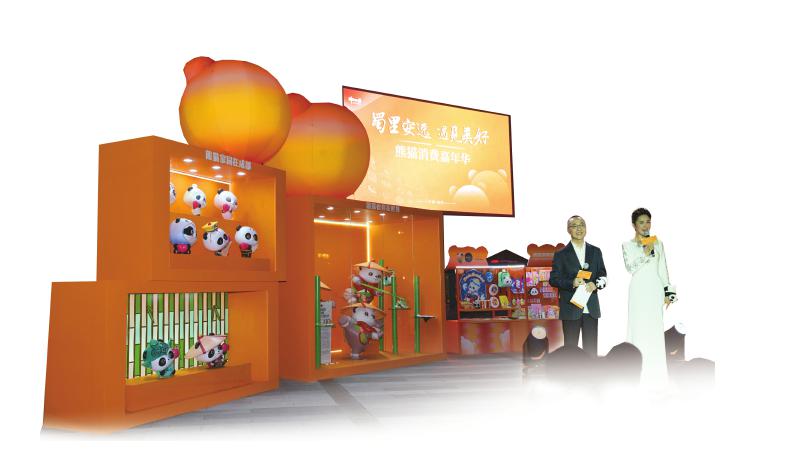
第四届国际熊猫消费节启幕,12大IP活动邀你一起狂欢
Sou Hu Cai Jing· 2025-09-26 08:22
Core Points - The "Panda Consumption Festival" has been launched in Chengdu, focusing on various economic themes such as night economy and holiday economy, running from September 25 to November 30 [1][3] - The event aims to enhance consumer experience in Sichuan's vibrant market, showcasing new consumption scenarios and promoting local businesses [1][2] Group 1: Event Highlights - The festival features a "Shu Li An Yi" consumption package with a total funding of 400 million yuan allocated for various consumer vouchers, aiming to provide over 1 billion yuan in benefits to consumers [6] - Special driving vouchers for the 318 National Road will be available from September 30 to October 9, allowing consumers to enjoy discounts at designated locations [6] Group 2: Night Economy Initiatives - A collaborative "Night Life Guide" was released, highlighting 20 night landmarks and new economic models in Chengdu and Chongqing, showcasing the integration of night economy initiatives [7] - The festival includes over 600 themed consumption activities in Chengdu, covering shopping, food, exhibitions, performances, and sports events [8] Group 3: Additional Activities - Other key activities such as the Chengdu-Chongqing Consumption Festival and the World Sichuan Cuisine Conference will also take place, further promoting local culture and consumption [9]


济南工行以“普惠+养老”服务范式赋能银发经济
Qi Lu Wan Bao· 2025-09-26 07:26
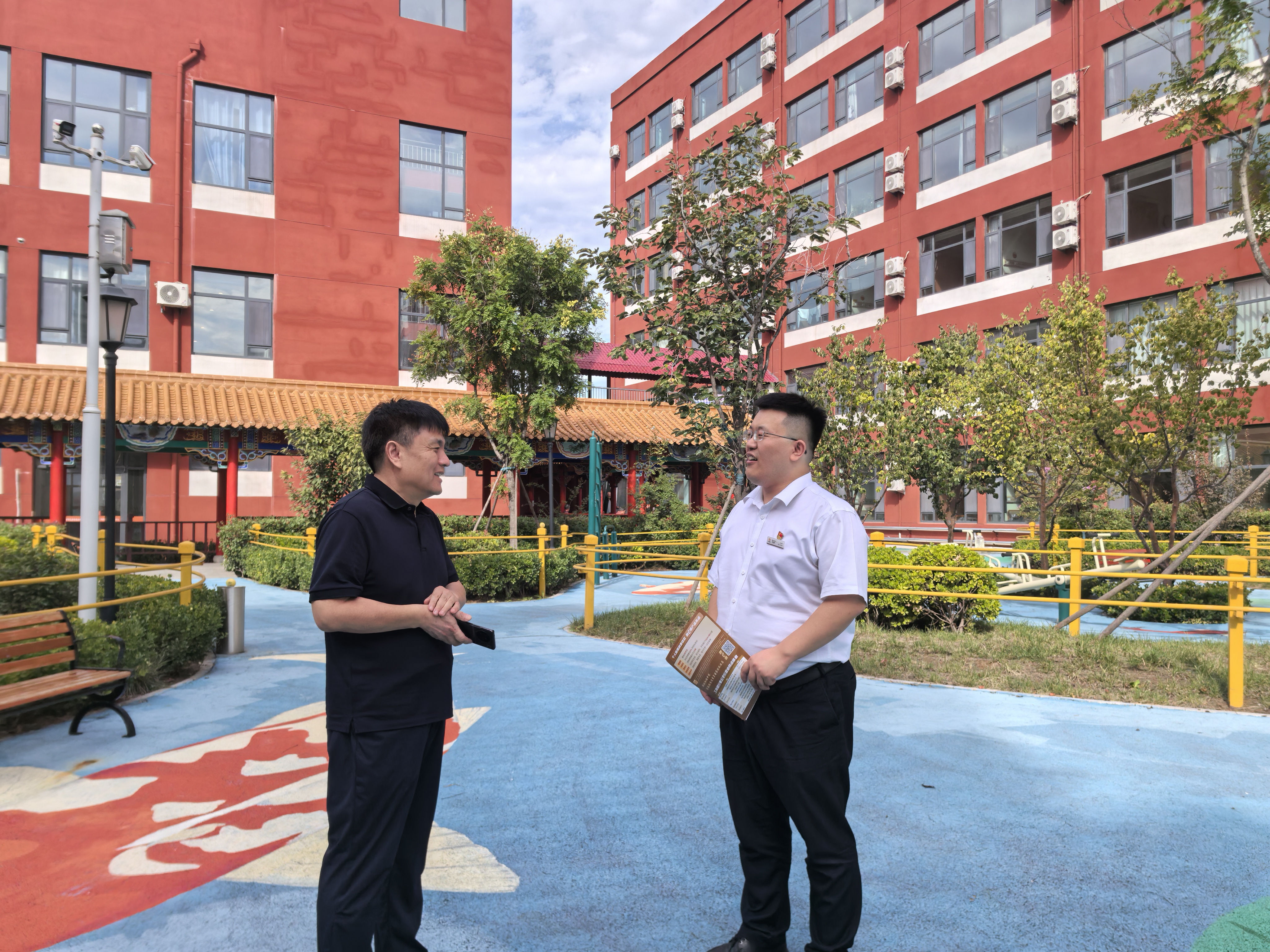
Group 1 - The article emphasizes the importance of developing the elderly care industry for national economic stability, social security, and public welfare [1] - Jinan's Industrial and Commercial Bank (ICBC) is expanding its cooperation with government data to support the elderly care sector through innovative financial models [1][4] - Jinan Qingzhao Medical Care Co., Ltd. operates a comprehensive elderly care facility with 700 beds, focusing on integrated medical and elderly care services [1] Group 2 - Qingzhao Medical Care faced a temporary funding issue for purchasing medical equipment but received a quick response from ICBC, which provided a 3 million yuan credit loan [1][4] - The "Qianrong e-loan" product is an online, intelligent financing solution that allows eligible clients to receive loans instantly without collateral [4] - ICBC plans to continue enhancing its financial services to support the high-quality development of the elderly care industry and promote an age-friendly society in Jinan [4]

第四届国际熊猫消费节启幕 四川将发放4亿元消费券
Xin Hua Cai Jing· 2025-09-26 06:33
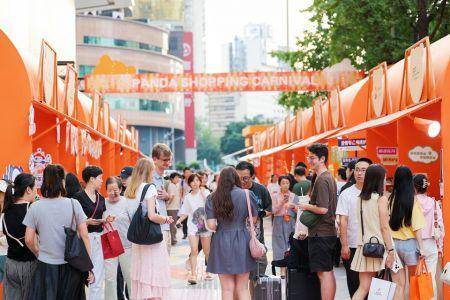
Core Insights - The "Purchase in China: Sichuan Station" and the Fourth China (Sichuan) International Panda Consumption Festival were launched in Chengdu, with a focus on promoting local consumption through various initiatives [1][2] - Sichuan Province will distribute 400 million yuan in consumption vouchers across various sectors, aiming to stimulate over 1 billion yuan in consumer spending [1] - The festival will run until November 30, 2023, highlighting themes such as night economy, holiday economy, and sports economy to enhance consumer engagement [2] Group 1 - The Sichuan government has introduced the "Shu Li An Yi" consumption package, which includes 400 million yuan in vouchers for dining, local beverages, tourism, and self-driving experiences [1] - A total of 40 new consumption scenarios for 2025 were announced, covering five categories, including "Trendy Shopping" and "Night Economy," showcasing significant consumer locations [1] - Chengdu, Yibin, and Dazhou are hosting over 600 themed consumption activities, focusing on shopping, food, exhibitions, performances, and sports events [2] Group 2 - The festival features a collaborative effort between Sichuan and Chongqing, unveiling 20 night economy landmarks and 20 new business models to promote nighttime activities [1] - Yibin is distributing over 30 million yuan in consumption vouchers, while Dazhou is organizing food culture events to enhance its night economy [2] - Key upcoming events include the World Sichuan Cuisine Conference and various promotional activities aimed at boosting consumption during the National Day and Mid-Autumn Festival [2]
20万亿的银发经济,为何跑不出一个“阳光下的巨头”?
Xin Lang Cai Jing· 2025-09-26 05:24
Group 1: Company Overview - The company "足力健" (Zulijian) transitioned from a focus on elderly shoes to organic food, opening over 30 organic food member stores in Zhengzhou since May 2023 [1] - The brand was founded in 2014 by Zhang Jingkang, who identified a gap in the market for shoes suitable for the elderly, leading to the development of specialized footwear [2][3] - By 2018, the company's revenue reached 1.8 billion yuan, a 30-fold increase from the previous year, and by 2019, revenue hit 4 billion yuan with around 5,000 stores nationwide [3][4] Group 2: Challenges and Decline - The company faced significant challenges starting in 2019, including product quality issues that led to regulatory scrutiny and a decline in consumer trust [4][5] - The COVID-19 pandemic severely impacted sales, resulting in many store closures and financial difficulties, with the company reportedly using 70%-80% of its annual revenue to pay off debts [4][5] - As of 2024, the company still has approximately 700 million yuan in debt, and its reputation has suffered due to past quality control failures [4][5] Group 3: Market Context - The silver economy in China is expanding, with over 300 million people aged 60 and above, representing 22% of the population, and the market size estimated at around 7 trillion yuan [6][7] - Despite the growth potential, the market is fragmented, with significant disparities in income among the elderly population, complicating the landscape for companies targeting this demographic [8][9] - The elderly consumer market is characterized by a high savings rate but also a significant portion of low-income individuals, leading to mismatches in supply and demand for products and services [8][9] Group 4: Industry Trends - The rapid growth of the elderly population has led to increased interest in the silver economy, but the market lacks dominant players, with many smaller companies emerging [6][7] - The healthcare and wellness sectors are seeing growth due to the aging population, but the market is also crowded with low-quality products and misleading marketing practices [10][11] - Complaints about health products targeting the elderly have surged, with over 70% of complaints related to false advertising, indicating a need for better regulation and consumer protection [12]
西麦食品(002956):深耕燕麦核心赛道,健康消费红利下迎增长新周期
Guotou Securities· 2025-09-26 05:15
Investment Rating - The report assigns a "Buy-A" investment rating to the company with a target price of 26.30 CNY over the next six months [4][7]. Core Insights - The company is positioned as a benchmark brand in the oatmeal industry, focusing on health-oriented grain products and has established a strong market presence with a 26% market share [2][3][4]. - The oatmeal industry in China is experiencing significant growth potential due to low penetration rates compared to global standards, with a projected market size of 10.134 billion CNY in 2024 [2][33]. - The company is expanding its product matrix through acquisitions and strategic partnerships, enhancing its offerings in both solid and liquid oatmeal products [3][51]. Summary by Sections 1. Company Overview - Founded in 1994, the company specializes in the research, production, and sales of health grain foods, particularly oatmeal, and became the first oatmeal stock listed on the Shenzhen Stock Exchange in 2019 [1][13]. - The company has a stable family ownership structure, with over 50% of shares held by the founding family, ensuring clear governance and management stability [14][19]. 2. Industry Analysis - The oatmeal industry in China is characterized by a low penetration rate, with significant room for growth as the average annual consumption per person is less than 1 USD, compared to 30 USD in Western countries [34][36]. - The demand for oatmeal is driven by a large population and an aging demographic, with the elderly population expected to reach 310 million by 2024, creating a substantial market for health-oriented products [37][38]. 3. Product Development - The company has diversified its product offerings into three main categories: pure oatmeal, composite oatmeal, and snack series, catering to various consumer needs and eating scenarios [23][24]. - Recent innovations include functional health products and collaborations to enter the yogurt and plant-based beverage markets, expanding the application of oatmeal in different food categories [51][52]. 4. Financial Projections - Revenue forecasts for 2025-2027 are 2.285 billion CNY, 2.737 billion CNY, and 3.200 billion CNY, respectively, with corresponding net profits of 184 million CNY, 236 million CNY, and 282 million CNY [4][8]. - The company is expected to maintain a strong growth trajectory, with a projected compound annual growth rate (CAGR) of over 15% in revenue from 2025 to 2027 [21][22].

4亿元“蜀里安逸”消费大礼包等你来领
Sou Hu Cai Jing· 2025-09-26 04:31
Core Insights - The "Shopping in China: Sichuan Station" and the 4th China (Sichuan) International Panda Consumption Festival was launched in Chengdu on September 25, focusing on promoting consumption in various economic sectors [2][3] - The event will run from September 25 to November 30, featuring a framework of 1 main event, 12 benchmark IP activities, and various supporting activities across the province [2][3] Consumption Promotion - A total of 4 billion yuan will be allocated for the "Shu Li An Yi" consumption vouchers, covering dining, Sichuan liquor and tea, tourism, and self-driving along the 318 National Road, with a total benefit exceeding 1 billion yuan for consumers [3][5] - The event emphasizes new consumption scenarios, with 40 new consumption scenes announced, including notable locations like Chengdu SKP and Yibin E·PARK [3][4] Night Economy Development - The "2025 Sichuan-Chongqing Nightlife Guide" was unveiled, showcasing 20 night landmarks and 20 new night economy business models, highlighting the integration and innovation in the night economy between the two regions [3][5] Diverse Activities - Chengdu, Yibin, and Dazhou will host over 600 themed consumption activities, including shopping, food, exhibitions, performances, and sports events, to create a vibrant consumption atmosphere [5][6] - The first benchmark IP activity, "2025 Munich Beer Tianfu Carnival," will take place from September 26 to October 8, offering an immersive cultural consumption experience [6]
奥佳华:“基于中医穴位理论的智能推拿机器人”项目顺利通过验收
Cai Jing Wang· 2025-09-26 03:59
Core Insights - The company is focusing on innovation-driven strategies in the "AI + health" sector, emphasizing long-term investment and market service [1] - The company has successfully passed the acceptance of a project for an "intelligent massage robot based on traditional Chinese medicine acupoint theory," which was approved by the Xiamen Science and Technology Bureau [1] - The company is establishing a "National Postdoctoral Research Station" and a "National Enterprise Technology Center" in collaboration with the "Chinese Academy of Sciences Haixi Research Institute" to develop core technologies for intelligent health service robots [1] - The company's product offerings include health massage products (massage chairs, small massage appliances) and health environment products (fresh air systems, air purifiers) [1] Financial Performance - In the first half of 2025, the company achieved revenue of 2.327 billion yuan, representing a year-on-year growth of 5.65% [1] - The company reported a net profit attributable to shareholders of 27 million yuan, with a year-on-year increase of 14.01% [1]

华大基因进军银发经济,以“检测+AI”解码健康新范式
Jing Ji Guan Cha Wang· 2025-09-26 03:27
Core Insights - The Chinese gene testing industry is experiencing a shift from reproductive health to the "silver economy," driven by structural changes in the newborn population and an increasing elderly demographic [2][3] - BGI Genomics is strategically pivoting towards the silver economy, addressing a significant market gap in health management for the aging population [2][4] Market Size and Demand - By the end of 2024, the population aged 60 and above in China is projected to reach 310 million, with the silver economy market size estimated at approximately 7 trillion yuan in 2023, potentially growing to 19 trillion yuan by 2035 [3] - The focus of this market is shifting from traditional elder care to proactive health management, driven by a new generation of elderly consumers who are tech-savvy and financially capable [4][5] Structural Discrepancies in Healthcare - The traditional healthcare system has been centered on treatment rather than prevention, which is inadequate for managing chronic diseases prevalent among the elderly [5][6] - There is a growing demand for early risk warning systems and personalized management plans to enhance the quality of life for the aging population [5][7] Consumer Behavior - The market's payers include not only the elderly but also their adult children, who are increasingly purchasing digital health management services to care for their parents from a distance [6][7] BGI Genomics' Strategy - BGI Genomics is implementing a dual approach of "precise chronic disease management products" and "intelligent health management tools" to support proactive health management [9][14] - The company is focusing on high-incidence diseases among the elderly, such as Alzheimer's and cardiovascular diseases, with innovative testing solutions [10][11] Health Management Tools - The "i99 Smart Health" system by BGI Genomics serves as a health data translator and personal health advisor, providing understandable health management reports and actionable recommendations [12][13] - This system leverages extensive databases and AI capabilities to ensure that health advice is data-driven and scientifically supported [13][14] Overall Objective - The ultimate goal of BGI Genomics' strategy is to empower the elderly and their families with control over health management, transitioning from reactive to proactive care [16]
第四届中国(四川)国际熊猫消费节来了! 4亿元消费券 12大IP活动 邀你遇见美好
Si Chuan Ri Bao· 2025-09-26 02:59
Core Insights - The "Panda Consumption Festival" was launched in Chengdu, focusing on promoting consumer spending in Sichuan province through various activities and incentives [3][4]. Group 1: Event Overview - The festival is themed "Shu Li An Yi · Encountering Beauty" and features a framework of "1+12+N" activities, including one main launch event, twelve flagship IP activities, and numerous supporting events [4]. - The festival will run from September 25 to November 30, highlighting the vibrancy of the Sichuan consumer market [4]. Group 2: Financial Incentives - A total of 400 million yuan (approximately 56.3 million USD) will be allocated for issuing consumption vouchers, with an overall benefit exceeding 1 billion yuan (approximately 140 million USD) for consumers [4][5]. - Special self-driving consumption vouchers will be introduced for the 318 National Road, usable at designated charging stations and dining establishments along the route [4][5]. Group 3: New Consumption Scenarios - Forty new consumption scenarios for 2025 were announced, categorized into five major themes: trendy shopping, nightlife, gourmet experiences, travel in Sichuan, and health activities [5]. - The festival will also showcase 20 night economy landmarks and 20 new business models in the Chengdu-Chongqing area, emphasizing collaboration in the night economy sector [5]. Group 4: Flagship Activities - The first flagship IP activity, "2025 Munich Beer Tianfu Carnival Week," will take place from September 26 to October 8, with multiple venues participating [5]. - Other significant events include the Chengdu-Chongqing Consumption Festival, World Sichuan Cuisine Conference, and various promotional activities during the National Day and Mid-Autumn Festival [5].
暖“夕阳”,护“朝阳”,一老一小消费忙
Sou Hu Cai Jing· 2025-09-26 00:15
Group 1: Silver Economy and Consumer Trends - The "silver economy" is a significant driver for improving livelihoods and transforming consumption patterns, with over 310 million people aged 60 and above in China, leading to a booming market for senior services [2] - The silver economy is projected to exceed 30 trillion yuan by 2035, indicating substantial growth potential in this sector [2] - Recent policies aim to enhance service supply for the elderly, focusing on training for caregivers and supporting the construction of facilities in culture, tourism, and healthcare [2] Group 2: Innovations in Elderly Services - Various regions are implementing tailored strategies to improve elderly service offerings, such as Zhejiang's encouragement of professional elderly care institutions and Henan's development of smart elderly service networks [2] - Private enterprises are also adapting to the needs of the elderly, with Didi Chuxing launching a "Didi Senior Version" app to facilitate easier transportation for older users [2][3] Group 3: Childcare Services and Market Potential - The childcare market is expanding, with nearly 30 million children under three years old in China, and policies are being introduced to strengthen the inclusive childcare service system [4] - Community-based childcare services are being developed, such as the "Baby House" initiative in Yinchuan, which provides embedded childcare services for families with young children [5] Group 4: Policy Support and Future Directions - The government is focusing on enhancing both supply and demand for childcare services, promoting community-based and family-oriented childcare solutions [6] - Recent initiatives aim to create a comprehensive "15-minute convenience living circle" that caters to both elderly and childcare services, reflecting a shift towards a more inclusive consumer landscape [6]