
足力健老人鞋

Search documents
宗馥莉“消耗”娃哈哈,千亿外卖没输家,巴菲特也有“困境”...热点商业大事件全解析
Sou Hu Cai Jing· 2025-11-20 10:03
Group 1 - The article highlights the dynamic nature of the market, emphasizing the interplay between capital, business, and consumer choices in the digital economy [1] - It discusses the structural bull market and the rotation of sectors, indicating a growing trend in global tech stocks and emerging new directions [2] - The article notes the ongoing competition in the food delivery market, suggesting that major players have gained valuable insights and strategic advantages despite the intense rivalry [15] Group 2 - The article points out the challenges faced by Wahaha, particularly regarding brand trust and profit margins for distributors, which are significantly lower than industry averages [6] - It mentions the shift in consumer behavior towards self-directed travel and the decline of traditional packaged tours, indicating a fundamental change in the tourism industry [18] - The rise of the rental market is highlighted as a new consumption trend, where renting is becoming a primary mode of consumption rather than a supplementary option [20][21] Group 3 - The gaming industry in China is experiencing a boom, with domestic companies focusing on high-quality game development and international expansion, supported by favorable policies [24] - The article discusses the structural nature of the current stock market, where certain sectors, particularly technology and banking, are performing well while others lag behind [26] - It raises concerns about Berkshire Hathaway's cash reserves and investment strategy, particularly in relation to the missed opportunities in the tech sector [28]


跌落神坛的“老人鞋之王”,又盯上了老年人的餐桌?
凤凰网财经· 2025-11-16 13:10
Core Viewpoint - The company, once a trusted brand for elderly footwear, is now facing significant quality issues and financial distress, prompting a shift into the organic food sector as a means of self-rescue [1][19][39] Group 1: Quality Issues - Consumers have expressed disappointment with the quality of footwear, with reports of shoes cracking after only two months of use [2][13] - The brand's reputation has deteriorated, with numerous complaints about discomfort and product failures from long-time customers [11][14] - Regulatory bodies have previously flagged quality concerns, with multiple instances of non-compliance reported since 2019 [15][16] Group 2: Financial Distress - The company is embroiled in over 101 legal cases, with total claims exceeding 8 billion, and has been listed as a dishonest executor multiple times [18] - The founder has faced personal financial challenges, including involvement in 59 legal cases and restrictions on consumption due to financial issues [18] - By 2023, the company reported a debt of 7 billion, with significant repayments made in the previous year [38] Group 3: Strategic Shift to Food Industry - In response to declining footwear sales and mounting debt, the company has ventured into the organic food market, aiming to address the dietary needs of the elderly [20][39] - The new product line includes various food items, with a focus on affordability and high quality, such as dumplings priced at 4.9 yuan per bag [22][30] - The company has adopted a membership strategy to attract customers, offering significant discounts and incentives for new members [26][30] Group 4: Market Challenges - The transition to the food sector has been met with skepticism from consumers, who question the brand's expertise in this new domain [30] - The competitive landscape for organic food is intensifying, posing additional challenges for the company to establish credibility in a market where it is not traditionally recognized [39]

足力健卖水饺,看上了加盟商的钱
商业洞察· 2025-11-12 09:25
Core Viewpoint - The company, 足力健, has expanded into the organic food sector, selling products like dumplings and corn, amidst ongoing financial struggles and a significant debt burden [4][6][22]. Group 1: Business Expansion - 足力健 has launched a new brand called "足力健有机食品" in 河南, offering products at low prices to attract consumers [4][10]. - The company aims to open 100 stores by 2025, 600 by 2026, and 2000 by 2027, with a current count of 45 stores [16][18]. - A franchise model has been introduced, allowing加盟商 to operate stores while 足力健 retains a significant portion of the revenue [17][20]. Group 2: Financial Challenges - The company has accumulated approximately 7 billion yuan in debt, primarily owed to suppliers, and has faced ongoing issues with employee salary payments [6][23][24]. - Despite the introduction of the organic food line, the financial situation has not improved, with reports of delayed salaries for employees in this new sector [24][25]. - The company's strategy focuses heavily on cash flow and debt repayment, with a goal of achieving 100 billion yuan in returns [22][23]. Group 3: Market Positioning and Consumer Perception - The brand's shift to organic food has not resonated strongly with consumers, who remain skeptical about the quality of products from a shoe company [8][10]. - The pricing strategy emphasizes low-cost offerings, but this may compromise long-term brand value and product quality [11][12]. - The company faces challenges in maintaining quality control due to its reliance on a contract manufacturing model [11][12].

老人鞋足力健已是多次失信被执行人,张凯丽称代言5年前已结束
Xin Lang Cai Jing· 2025-11-07 03:39
Core Viewpoint - The actress Zhang Kairi clarified that her endorsement of the brand Zuli Jian ended five years ago, urging caution regarding recent discussions about her association with the brand [1] Company Overview - Zuli Jian, owned by Suixian Zuli Jian Shoe Industry Co., Ltd., was established in December 2017 with a registered capital of approximately 100 million yuan [1] - The company has faced significant legal and financial issues, being listed as a dishonest executor multiple times, with a total involved amount nearing 890 million yuan [1][2] Financial Performance - In 2020, Zuli Jian's annual revenue reached between 3 billion to 4 billion yuan, surpassing the revenue of established competitor Aokang, which was 2.7 billion yuan [2] - The company experienced a decline in sales, with the number of offline stores reducing from over 4,700 at its peak to 3,000 by October 2023 [3] Market Strategy - In May 2025, Zuli Jian expanded into the organic food market, opening several stores and employing aggressive marketing strategies, including a membership system and live streaming promotions [2] - The brand's marketing evolution included a partnership with marketing consultancy Hua Yu Hua and the signing of Zhang Kairi as a spokesperson [2] Industry Challenges - Zuli Jian faced increased competition from new brands specializing in elderly footwear and traditional shoe brands entering the same market segment, contributing to market reshuffling [3] - The company has dealt with product-related controversies, including lawsuits and regulatory scrutiny over product quality [3]
当老人鞋巨头,卖起有机食品
3 6 Ke· 2025-10-09 01:00
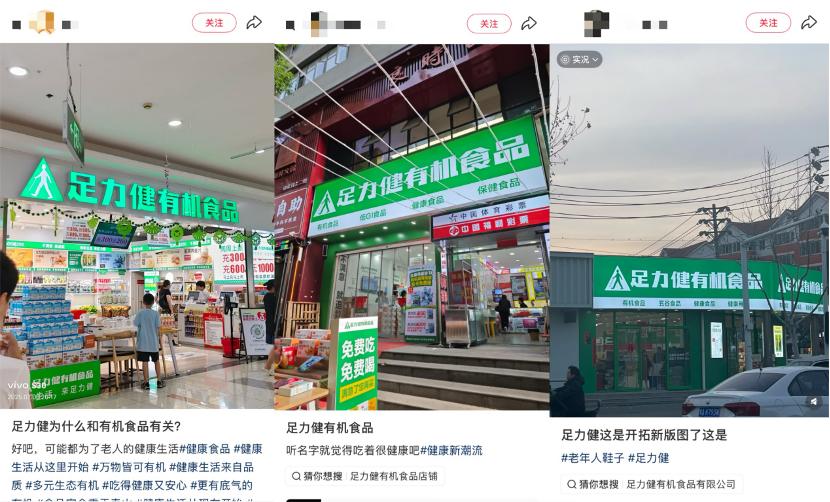
Core Insights - The article discusses the expansion of the elderly consumer market, highlighting how companies are diversifying their product offerings from traditional health supplements to everyday consumables like organic food [1][15] - The case of the brand "足力健" (Zulijian) is examined, showcasing its transition from a specialized elderly shoe brand to entering the organic food sector, raising questions about the motivations behind this shift [1][7] Company Strategy - Zulijian has opened "organic food stores" in various locations, featuring a range of products labeled as "organic" and "healthy," while avoiding the controversial health supplement market [1][3] - The stores employ a mixed strategy for product certification, combining strictly certified organic products with those that only have standard food certifications, potentially confusing consumers about product quality [3][10] - A low-cost membership system is central to Zulijian's business model, where members pay a nominal fee to access significantly discounted prices on products, creating a strong incentive for consumer participation [4][6] Market Response - The initial market response indicates the effectiveness of Zulijian's model, with membership surpassing 80,000 and over 40 stores established in key regions [6][9] - However, the sustainability of this model is questioned due to low profit margins and the challenge of covering operational costs while maintaining competitive pricing [6][9] Financial Challenges - Zulijian's financial struggles are highlighted, with a significant portion of its revenue being used to repay debts, raising concerns about its long-term viability [9][19] - The brand's attempt to pivot into the organic food market is seen as a desperate measure to generate cash flow and address mounting financial pressures [9][19] Industry Trends - The article notes a shift in the elderly consumer market towards daily dietary needs, with organic food emerging as a potential growth area, reflecting broader health concerns among older consumers [15][17] - The organic food market in China has seen rapid growth, with a market size exceeding 100 billion yuan in 2023, positioning it as a significant player in the global organic product consumption landscape [15][17] Competitive Landscape - The competition in the elderly market is intensifying, with various brands now targeting the same demographic, necessitating a deeper exploration of the elderly lifestyle rather than just product offerings [17][19] - Zulijian's strategy of appealing to both elderly and younger consumers reflects a broader trend of brands seeking to capture diverse market segments, though this may dilute their core identity [10][14]
20万亿的银发经济,为何跑不出一个“阳光下的巨头”?
Xin Lang Cai Jing· 2025-09-26 05:24
Group 1: Company Overview - The company "足力健" (Zulijian) transitioned from a focus on elderly shoes to organic food, opening over 30 organic food member stores in Zhengzhou since May 2023 [1] - The brand was founded in 2014 by Zhang Jingkang, who identified a gap in the market for shoes suitable for the elderly, leading to the development of specialized footwear [2][3] - By 2018, the company's revenue reached 1.8 billion yuan, a 30-fold increase from the previous year, and by 2019, revenue hit 4 billion yuan with around 5,000 stores nationwide [3][4] Group 2: Challenges and Decline - The company faced significant challenges starting in 2019, including product quality issues that led to regulatory scrutiny and a decline in consumer trust [4][5] - The COVID-19 pandemic severely impacted sales, resulting in many store closures and financial difficulties, with the company reportedly using 70%-80% of its annual revenue to pay off debts [4][5] - As of 2024, the company still has approximately 700 million yuan in debt, and its reputation has suffered due to past quality control failures [4][5] Group 3: Market Context - The silver economy in China is expanding, with over 300 million people aged 60 and above, representing 22% of the population, and the market size estimated at around 7 trillion yuan [6][7] - Despite the growth potential, the market is fragmented, with significant disparities in income among the elderly population, complicating the landscape for companies targeting this demographic [8][9] - The elderly consumer market is characterized by a high savings rate but also a significant portion of low-income individuals, leading to mismatches in supply and demand for products and services [8][9] Group 4: Industry Trends - The rapid growth of the elderly population has led to increased interest in the silver economy, but the market lacks dominant players, with many smaller companies emerging [6][7] - The healthcare and wellness sectors are seeing growth due to the aging population, but the market is also crowded with low-quality products and misleading marketing practices [10][11] - Complaints about health products targeting the elderly have surged, with over 70% of complaints related to false advertising, indicating a need for better regulation and consumer protection [12]
足力健水饺是什么鬼?
36氪· 2025-09-23 14:40
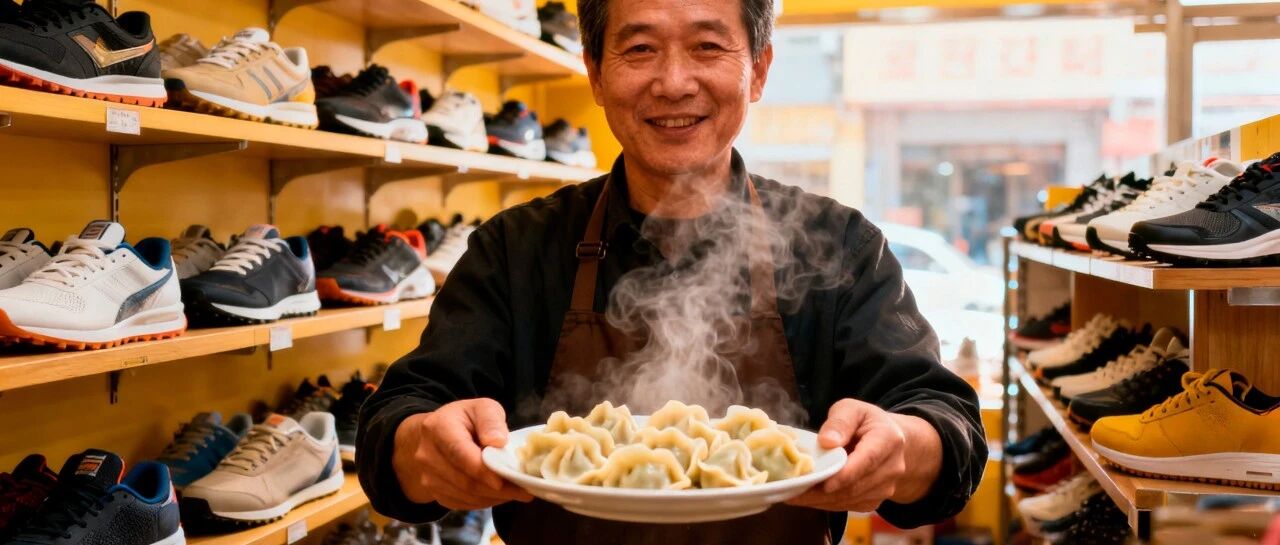
Core Viewpoint - The article discusses the transformation of the company "足力健" from a struggling elderly shoe brand to a new player in the organic food market, highlighting the innovative strategies employed by its founder, Zhang Jingkang, to address debt and adapt to changing consumer trends [5][8][49]. Group 1: Company Background and Challenges - 足力健 has faced significant operational challenges, with approximately 700 million yuan in debt expected by the end of 2024, despite allocating 70%-80% of its revenue to debt repayment [8][49]. - The company experienced rapid growth, reaching 4 billion yuan in revenue by 2019, but faced a decline to 1.8 billion yuan in 2020 due to excess inventory and the pandemic [18][19]. Group 2: Strategic Shift to Food Retail - In May 2023, 足力健 launched its "organic food membership store" in Zhengzhou, offering affordable organic products, with frozen dumplings priced at 4.9 yuan becoming a bestseller [5][42]. - The company aims to open 600 organic food stores in the next two years, while also maintaining its shoe business, indicating a dual strategy to diversify revenue streams [47]. Group 3: Market Positioning and Consumer Trends - 足力健's positioning in the market has shifted from focusing solely on elderly shoes to incorporating a broader range of health-oriented food products, appealing to a wider consumer base [20][34]. - The company emphasizes low-GI and organic products, aligning with current health trends, and utilizes modern sales techniques such as live streaming and app-based ordering [45][46]. Group 4: Future Outlook - Zhang Jingkang expresses confidence in the future of the organic food segment, projecting significant sales growth and membership accumulation over the next five years [47]. - The company is also exploring the development of a leisure shoe brand aimed at younger consumers, indicating a strategic expansion into new demographics [47].

足力健卖水饺,吃干榨净老年人?
商业洞察· 2025-09-22 09:26
Core Viewpoint - The article discusses the strategic expansion of the company "足力健" (Zulijian) from its core business of elderly footwear into the organic food sector, aiming to create a comprehensive ecosystem that addresses the needs of the elderly population [5][20]. Group 1: Business Expansion - 足力健 is diversifying its offerings to include organic food, aiming to cover four major needs of the elderly: footwear, clothing, daily necessities, and food [5][20]. - The company has opened approximately 32 organic food membership stores in Zhengzhou since June, with plans to expand to 1,000 stores in Henan province by the end of next year [8][13]. - The membership model requires an initial deposit of 300 to 600 yuan, with a reported membership base of 80,000 as of August [11]. Group 2: Strategic Shift - The founder, 张京康, views the entry into the organic food market as a strategic decision made in 2019, aligning with the company's broader goal of serving the elderly demographic [20][22]. - The company plans to adopt a combination of direct sales and partnership models for store expansion across various provinces [12]. - The brand "足力健" is seen as a versatile platform that can support multiple product categories under a single brand, similar to strategies employed by other successful companies [22]. Group 3: Financial Challenges - The company faces significant financial pressures, with 70-80% of its annual revenue allocated to debt repayment, amounting to approximately 1.8 billion yuan in repayments for 2023 [31]. - As of 2024, the company still has around 700 million yuan in debt, and its core enterprises have faced multiple legal and financial challenges [32][33]. - Despite these challenges, the company continues to seek growth opportunities in the elderly footwear market, aiming to enhance its brand appeal among younger consumers [35].

足力健水饺是什么鬼?
创业邦· 2025-09-18 10:08
Core Viewpoint - The article discusses the transformation of the company "足力健" from a struggling elderly shoe brand to a new player in the organic food market, highlighting the challenges and strategies employed by its founder, Zhang Jingkang, to navigate financial difficulties and adapt to changing consumer trends [4][50]. Group 1: Company Background and Challenges - "足力健" opened its first organic food membership store in Zhengzhou, Henan, in May, offering affordable prices and popular products like frozen dumplings [5][8]. - The company has been facing significant financial challenges, with approximately 700 million yuan in debt expected by the end of 2024, despite allocating 70%-80% of its revenue to debt repayment [8][41]. - The founder, Zhang Jingkang, initially found success with elderly shoes, achieving 4 billion yuan in revenue by 2019, but the company faced a downturn due to excess inventory and the pandemic, leading to a revenue drop back to 1.8 billion yuan in 2020 [19][20]. Group 2: Strategic Shifts and New Ventures - In response to financial pressures, the company shifted to a model relying on distributors and introduced a "made-to-order" production strategy to minimize inventory [39]. - The launch of the "星力健" brand for health products, including protein powder and collagen supplements, was an attempt to diversify, although it struggled to gain traction [40][41]. - The new organic food stores have quickly expanded, with 34 locations opened in just three months, focusing on health-conscious products and leveraging modern sales techniques like live streaming and app ordering [42][44]. Group 3: Market Positioning and Future Plans - "足力健" aims to position itself in the organic food market by offering low-GI, fresh products with a focus on health, while also maintaining its traditional product lines [44][50]. - The company plans to open 600 organic food stores in the next two years, while also developing a leisure shoe brand targeting younger consumers [50].
足力健水饺是什么鬼?
远川研究所· 2025-09-17 13:20
Core Viewpoint - The emergence of "Zulijian Dumplings" signifies a significant shift in the company's strategy, moving from its traditional focus on elderly shoes to the food retail sector, aiming to address financial challenges and debt repayment [2][4][25]. Group 1: Company Background and Evolution - Zulijian, founded by Zhang Jingkang, initially gained fame through the "Liuchao Elderly Shoes" in collaboration with Qingdao Double Star in 2014, which became a successful product [6]. - By 2018, Zulijian's revenue reached 1.8 billion RMB, and by 2019, it peaked at 4 billion RMB with over 5,000 stores nationwide, but this rapid expansion led to significant debt and inventory issues [11][12]. - The COVID-19 pandemic exacerbated these issues, resulting in a revenue drop back to 1.8 billion RMB in 2020, marking a significant decline in the company's fortunes [11][12]. Group 2: Current Business Strategy - In May 2023, Zulijian opened its first organic food store in Zhengzhou, offering affordable products like frozen dumplings priced at 4.9 RMB, aiming to attract a broad customer base [2][25]. - The company has adopted a light-asset operation model, focusing on brand management and reducing direct store operations, which has led to a strategy of zero inventory through a made-to-order approach [24]. - Zulijian's new product line includes organic foods and health products, with a focus on low-GI and short shelf-life items, appealing to health-conscious consumers [27][28]. Group 3: Market Position and Future Outlook - The brand has successfully established itself in a niche market with limited competition, but faces challenges from established sports brands that are expanding their product lines to cover broader consumer needs [20][21]. - The company aims to open 600 organic food stores in the next two years, while also planning to develop a leisure shoe brand targeting younger consumers [28][33]. - Zhang Jingkang's proactive approach to adapt to market trends and consumer preferences reflects a commitment to revitalize the brand and ensure its sustainability in a competitive landscape [33].
