机构库存

Search documents
A股大利好连着来,难怪外资提前动手!
Sou Hu Cai Jing· 2025-05-26 10:27
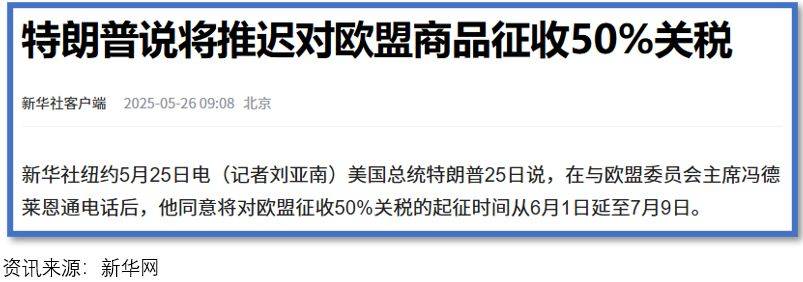
Group 1 - The article highlights the recent escalation of trade tensions between the US and the EU, with the US imposing a 50% tariff on the EU and then granting a one-month reprieve, creating significant economic uncertainty [1][2] - The situation is described as a "battle" that has led to a chaotic market environment, prompting foreign investors to reconsider their strategies and potentially shift investments towards the Chinese market [2][4] Group 2 - Foreign investment firms like Nomura and Goldman Sachs have increased their allocation to Chinese stocks, indicating a strong belief in the potential of the Chinese market amidst the US-EU tensions [2][4] - Domestic institutions are also employing strategic maneuvers in the stock market, utilizing a "three-step strategy" to manipulate stock prices and maximize gains [6][8] - The use of quantitative models is enabling retail investors to better understand institutional trading behaviors, allowing them to identify potential market movements more effectively [8][10] Group 3 - Recent statistics show a significant increase in institutional trading activities, with nearly 900 firms engaging in "institutional shakeout" strategies, indicating a high level of market activity and potential future volatility [12][14]

下周箭在弦上,基金调仓连锁反应非常大!
Sou Hu Cai Jing· 2025-05-18 14:18
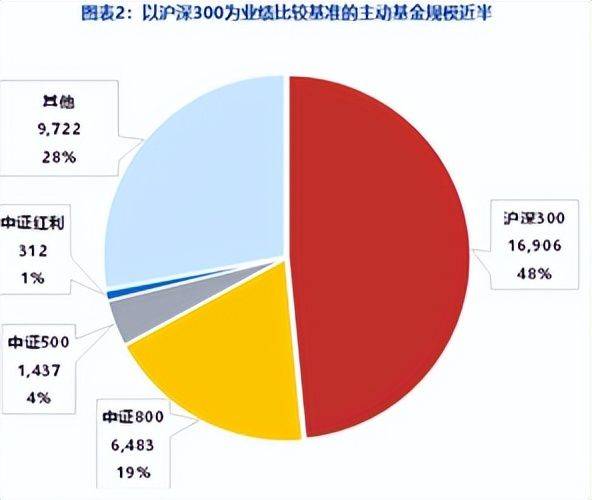
Group 1 - The financial sector has shown signs of improvement, with indices rising quickly, attributed by some to the new fund regulations, although the validity of this claim is debated [1][4] - A significant number of fund managers have managed to outperform benchmarks this year, with over 60% of fund managers currently beating their benchmarks, particularly the CSI 300 [2][6] - The new fund regulations have provided opportunities for financial stocks to capitalize on the market dynamics, leading to a potential rally in the sector [4][5] Group 2 - The market has experienced a prolonged period of stagnation, particularly in the banking sector, which has been flat for over a year and a half, but recent movements indicate a potential for a larger market rally [5] - The current market environment presents challenges for retail investors, as they struggle to identify which stocks will break out amidst the volatility, with institutional investors often having the upper hand in this dynamic [9][11] - The concept of "institutional shaking" is highlighted, where institutions may sell off stocks to create buying opportunities, making it difficult for retail investors to discern true market movements [9][13] Group 3 - The analysis of trading behaviors through quantitative models has become more sophisticated, allowing for better identification of institutional trading patterns, which can indicate future stock movements [9][14] - The "panoramic K-line" data visualization technique is introduced, which combines various trading metrics to provide a clearer picture of market dynamics and institutional involvement [15]
美联储变天,A股也在酝酿大招!
Sou Hu Cai Jing· 2025-05-17 12:44
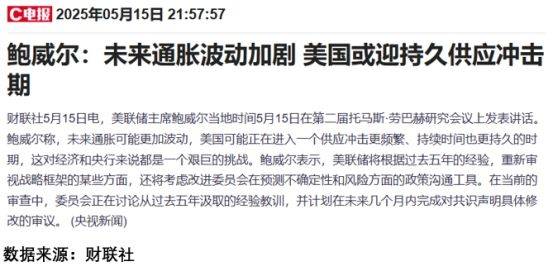
Group 1 - The Federal Reserve is undergoing a significant shift in its monetary policy framework, particularly regarding its inflation targets and employment gap response strategies, indicating potential upward pressure on long-term interest rates [1][3] - The adjustment to the "average inflation target" framework suggests that the Federal Reserve is willing to take on more risks to boost employment growth, even if it means tolerating higher inflation [3] - The mention of "tariff-driven price increases" as a new inflationary factor indicates that the Federal Reserve is preparing for potential escalations in trade tensions, reflecting a need for policy flexibility [3] Group 2 - The A-share market has experienced rapid rotation of hot stocks, with the index showing an approximate 10% increase since a significant drop on April 7, yet investor returns have not improved correspondingly [3] - The primary reason for this discrepancy is frequent "wrong stock selection and misoperations," where investors mistakenly believe they are buying at a low point, only to see prices continue to decline [3][5] - Institutional participation is crucial for stock price increases, as evidenced by contrasting performances of two stocks that appeared similar in price movement but had different institutional involvement [4][10]
楼市降价风暴,或成A股变盘导火索?
Sou Hu Cai Jing· 2025-05-12 17:16
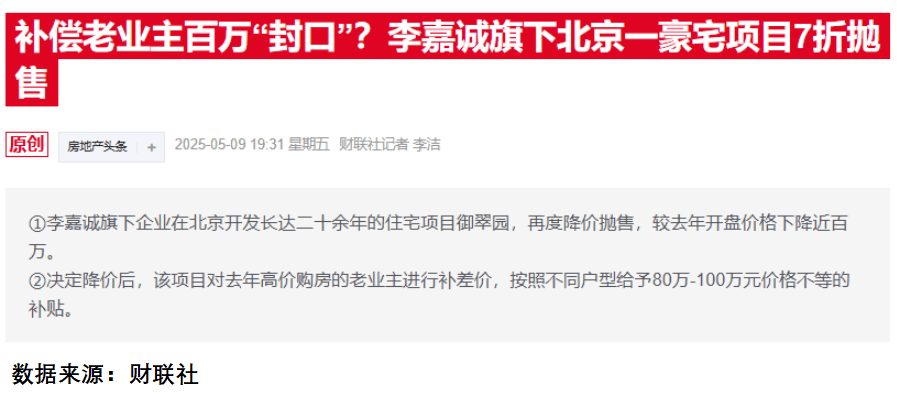
Group 1 - Recent discussions have focused on international events, but a less noticed development may impact the A-share market [1] - A property developed by Li Ka-shing's company in Beijing has initiated a new round of price reductions [2] - The latest price is 70,000 per square meter, a drop of over 1 million compared to the previous opening price [3] Group 2 - To appease existing homeowners, the developer has offered compensation options such as renovation standards or cash subsidies, indicating a genuine price drop [4] - Although the price reduction is reported as 30% from the initial price of over 90,000, the actual discount may not be as significant as advertised [6] Group 3 - The perception that discounted housing indicates a poor market is a common misconception; the reality is more complex [6] - Both stock and real estate prices are influenced by macroeconomic policies aimed at stabilizing these markets [6][7] - The core factors determining stock price movements are not merely positive or negative news but the dynamics of capital between institutions [7] Group 4 - Institutional investors have substantial influence over stock prices, and retail investors often miss critical insights by only observing price trends [8] - Understanding institutional trading behavior through data analysis is essential for grasping market realities [10] - An example illustrates that despite stock price declines, institutional trading activity may indicate ongoing interest, suggesting that retail investors should not panic [12] Group 5 - Retail investors often misinterpret market signals by focusing solely on price fluctuations, which can lead to poor investment decisions [15] - Recognizing institutional strategies and capital movements is crucial for avoiding pitfalls in the stock market [15][17]
A股拉升即将开始,主力只需等待时机!
Sou Hu Cai Jing· 2025-05-11 01:34
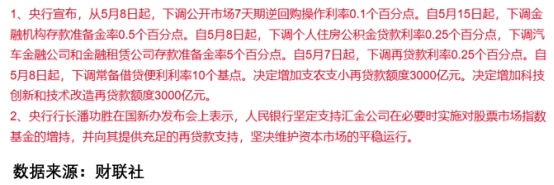
Group 1 - The implementation of monetary easing policies, including interest rate cuts and reserve requirement ratio reductions, is seen as just the beginning of policy adjustments aimed at stimulating market demand and reducing funding costs [1][2][3] - The expectation is that the combination of domestic monetary easing and the Federal Reserve's interest rate cuts will lead to increased market liquidity, which is essential for the growth of listed companies [3][4] - Investors are advised to pay attention to the underlying movements of institutional funds rather than just stock price trends, as this can provide insights into market opportunities [4][6] Group 2 - The phenomenon of "institutional shakeout" is highlighted, where institutions may intentionally depress stock prices to clear out speculative positions before a potential rally [10][11] - Data analysis tools, such as the "Bole System" app, are recommended for tracking institutional trading behaviors and identifying key signals that indicate market trends [6][11][13] - The presence of "short covering" signals and "institutional inventory" data can help investors understand the current trading dynamics and the potential for future price movements [11][13]
大利好成出货导火索,主力手段太阴险!
Sou Hu Cai Jing· 2025-05-11 01:23
Group 1 - The implementation of monetary easing measures, including interest rate cuts and reserve requirement ratio reductions, is expected to stimulate demand and lower funding costs [2][6][8] - The capital market requires increased order demand and liquidity to support valuation expansion, which is anticipated to improve with the recent monetary policies [3][4] - The ongoing monetary easing in conjunction with the Federal Reserve's interest rate cuts is likely to lead to increased liquidity in the market [8][4] Group 2 - Investors may have missed the initial market rally due to a lack of understanding of institutional fund movements, which are crucial for stock price increases [9][11] - The analysis of institutional behavior through big data can reveal market truths, helping investors avoid being misled by price movements [11][16] - The phenomenon of "institutional shakeout" indicates that institutional funds may temporarily suppress stock prices to eliminate weaker hands before a potential price increase [15][17]
人民币、港币双强,A股启动上攻铁律
Sou Hu Cai Jing· 2025-05-06 08:26
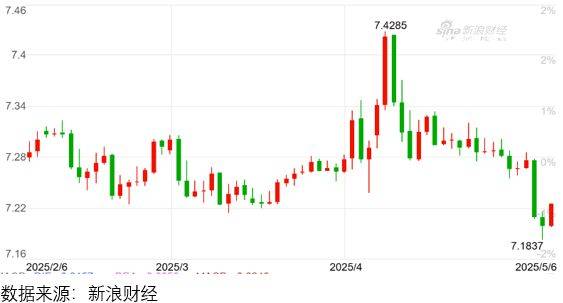
Core Viewpoint - The recent surge in the Chinese yuan's value has sparked significant market activity, indicating a deeper capital game at play beneath the surface [1]. Group 1: Currency Dynamics - The Hong Kong dollar has also attracted foreign investment, entering the strong-side convertibility zone on May 3, which indicates a high demand for the currency [3]. - The last time the strong-side convertibility mechanism was triggered was on October 28, 2020, when the Hang Seng Index was around 25,000 points, which later surged to over 30,000 points within three months [5]. Group 2: Market Behavior - The apparent market prosperity can often mask underlying risks, as seen when foreign capital typically enters the market before holidays and then sells off afterward, leading to volatility [5]. - The phenomenon of "herding behavior" among investors can diminish the value of perceived good news, as consensus can lead to market pitfalls [6]. Group 3: Institutional vs. Retail Investors - Institutions and retail investors operate under different strategies, with institutions able to anticipate retail movements, often leading to retail investors facing losses [7]. - The evolution of financial models and computational power has enhanced the ability to analyze market behaviors, revealing hidden patterns in trading data [9]. Group 4: Trading Insights - The "Bole System" allows for the quantification of trading behaviors, providing insights into institutional activities and market dynamics [10]. - Continuous institutional participation has been observed, with stock prices recovering and reaching new highs after pullbacks, indicating strong institutional support [13]. Group 5: Market Signals - Recent data indicates a significant increase in the number of stocks actively monitored by institutions, with 70% of stocks falling within their focus, suggesting a robust market environment [17].
央妈这一动作暗示,A股牛市根基依然牢固!
Sou Hu Cai Jing· 2025-05-02 06:46
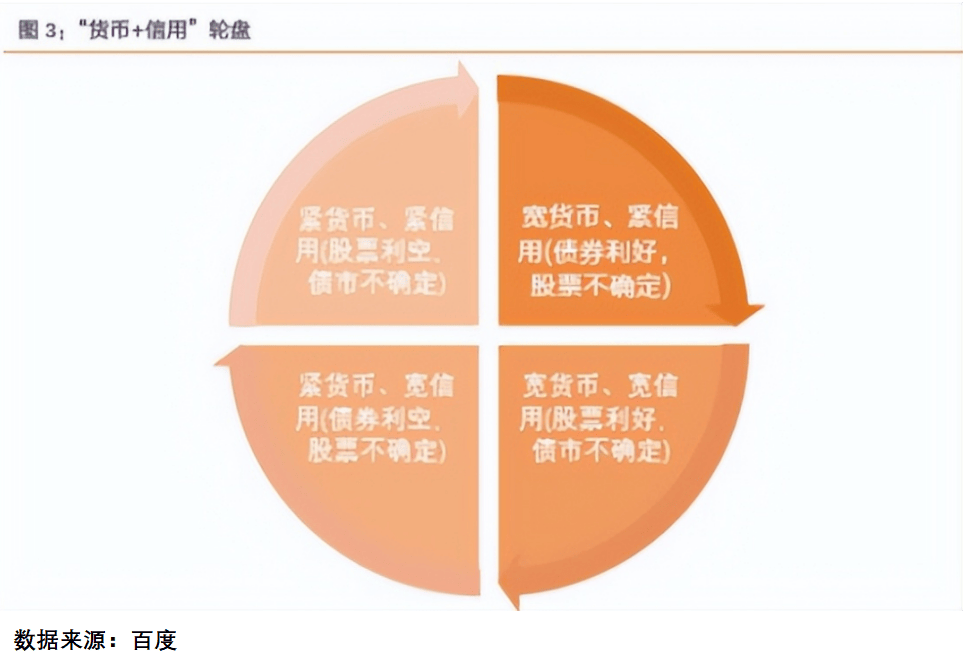
Group 1 - The core viewpoint is that the A-share market is still in a bull market despite perceptions to the contrary, as indicated by the current credit cycle phase [2][3][5] - The current phase is identified as "tight monetary + loose credit," which has been ongoing for three years, leading to a bull market in bonds and a potential for stock market growth [5][6] - Evidence of a shift towards a loose credit cycle includes government policies aimed at increasing liquidity in the economy, such as lowering consumer loan rates and facilitating low-interest loans for technology companies [6][7] Group 2 - The bull market does not imply that all stocks will rise uniformly; historical examples show that even in bullish conditions, a significant percentage of stocks can decline [9] - Institutions have better access to information and resources compared to retail investors, making their stock selections more reliable [9][11] - Monitoring institutional trading behavior is crucial for identifying potential investment opportunities, as active institutional inventory data correlates with stock price performance [11]
机构扎堆抄底白酒,白酒股的春天要来了?
Sou Hu Cai Jing· 2025-04-26 17:37
Group 1: Institutional Investment in Baijiu Stocks - Recent reports indicate that many fund managers have begun to increase their holdings in Baijiu stocks, with notable increases in shares of Shanxi Fenjiu by 1.82% and Luzhou Laojiao by 4.27% [2] - Prominent fund managers like Zhang Kun and Xiao Nan have significantly increased their positions in major Baijiu stocks, with Xiao Nan adding Guizhou Maotai and Shanxi Fenjiu to his top holdings for the first time [2][3] - Other fund managers, such as Chen Tao and Li Xiaoxing, have also included Luzhou Laojiao in their top holdings, indicating a clear trend of institutional buying in the Baijiu sector [3] Group 2: Market Sentiment and Misconceptions - There is a prevalent misconception among retail investors that institutional buying guarantees stock price increases, which is often not the case [4][7] - The current market data shows that Baijiu stock prices have not performed well recently, nearing their initial levels from earlier in the year, suggesting that the timing for investment may have already passed [6][12] - The importance of relying on objective data rather than emotional or superficial analysis is emphasized, as true market behavior is reflected in institutional trading actions [5][7] Group 3: Institutional Trading Behavior - Analysis of institutional trading data reveals that while there was significant buying activity in the first quarter, this trend has shifted in the second quarter, with indications of potential selling or reduced trading activity [11][12] - The concept of "institutional inventory" is introduced, which reflects the level of institutional interest in a stock; a lack of consistent trading behavior can lead to difficulties in maintaining stock price levels [11][12] - Current data shows that the immediate inventory of institutions is higher than during the Spring Festival, suggesting that despite the market's volatility, institutional interest remains [17]
A股扮猪吃老虎,这波操作暗藏玄机!
Sou Hu Cai Jing· 2025-04-21 09:39
Group 1 - The current market is experiencing frequent fluctuations, with a significant drop on April 7, followed by a gradual stabilization. Many investors perceive a lack of investment opportunities, but this may not be the case [1] - Investors are focusing on the upcoming tariff negotiations, with a notable shift in the global perception of the U.S. under Trump's administration. The U.S. is seen as less dominant compared to 2018, allowing China and other countries to respond more assertively to tariffs [2] - Domestic policies are responding promptly to stabilize the market, with initiatives from the Central Huijin and other funds to inject vitality into the stock market. The emphasis on stabilizing the stock market over the real estate market indicates the government's commitment [2] Group 2 - Historical context shows that similar market conditions occurred on September 24 last year, where many investors left the market during a downturn, only to be surprised by subsequent gains. This highlights the importance of understanding institutional investment movements [3] - Advanced data analysis tools are now available to track institutional trading activities, allowing for better insights into market dynamics. These tools can capture and analyze trading data to identify unusual patterns [3][5] - The "institutional inventory" data indicates the level of institutional participation in trading. A longer duration of active institutional inventory suggests greater confidence in the stock's future performance [5][7] Group 3 - Currently, there are fewer than a thousand stocks with institutional inventory, but over 700 stocks have shown institutional inventory for multiple days. This indicates a growing interest from institutional investors [9] - The number of stocks with 4-5 days of institutional inventory has reached a recent high, suggesting potential investment opportunities that may not be immediately apparent to retail investors [9]