
药品集采

Search documents
医药生物行业周报:集采规则持续优化,丽珠医药银屑病新药LZM012III期临床表现亮眼-20250728
Shanghai Securities· 2025-07-28 11:53
Investment Rating - The industry investment rating is "Overweight (Maintain)" [1] Core Viewpoints - The report highlights that the National Medical Insurance Administration's clarification on not using the lowest price as a reference for centralized procurement is expected to continue promoting and optimizing procurement policies, enhancing the participation of pharmaceutical and medical device companies, and balancing quality and innovation in procurement [7] - LZM012 from Livzon Pharmaceutical has successfully reached its primary research endpoint in Phase III clinical trials, showcasing a dual blockade mechanism that comprehensively inhibits inflammatory responses, providing a new solution for achieving deep clearance of skin lesions and sustained relief [7] Summary by Sections Industry Overview - The report focuses on the pharmaceutical and biotechnology industry, emphasizing the recent developments in centralized procurement and the impact on drug pricing and market dynamics [3][4] Clinical Research Highlights - Livzon Pharmaceutical's LZM012 is the first IL-17A/F dual-target inhibitor to complete Phase III clinical trials in China, demonstrating faster onset and superior efficacy compared to the benchmark drug, Secukinumab [4][6] - Key findings from the clinical trial include: - LZM012 achieved a PASI 75 response rate of 65.7% at week 4, outperforming Secukinumab's 50.3% [4] - At week 12, the PASI 100 response rate for LZM012 was 49.5%, compared to 40.2% for Secukinumab, indicating significant efficacy [4] - Long-term efficacy was sustained, with PASI 100 response rates of 75.9% and 62.6% at week 52 for LZM012 under different dosing regimens, surpassing Secukinumab's 61.6% [4] - Safety profiles were comparable between LZM012 and the control group, with similar rates of adverse events [6] Investment Recommendations - The report suggests focusing on companies such as China National Pharmaceutical Group, Hengrui Medicine, and Livzon Pharmaceutical due to their promising developments and the favorable regulatory environment [7]
医药行业周报:本周医药上涨1.9%,药品集采不简单以最低价作为中选参考,上海国资基金拟战略参股微创医疗-20250727
Shenwan Hongyuan Securities· 2025-07-27 10:13
Investment Rating - The report indicates a positive outlook for the pharmaceutical industry, suggesting an "Overweight" rating, meaning the industry is expected to outperform the overall market [22]. Core Insights - The pharmaceutical sector saw a weekly increase of 1.9%, outperforming the Shanghai Composite Index which rose by 1.7% [2][3]. - The overall valuation of the pharmaceutical sector is currently at 32.0 times PE (Price to Earnings) for 2025E, ranking 6th among 31 primary sectors [5][9]. - The 11th batch of drug procurement has been initiated, with new rules stating that the lowest price will not be the sole reference for selection, emphasizing the need for companies to justify their pricing [10]. - The National Medical Insurance Administration is seeking opinions on how real-world data can support comprehensive value assessments for drugs and medical devices [11]. - Strategic investments are being made in companies like MicroPort Medical and Kanghua Biotech, indicating a trend of consolidation and investment in the sector [11][13]. Summary by Sections Market Performance - The pharmaceutical sector's performance is highlighted with a 1.9% increase, with various sub-sectors showing mixed results, such as vaccines (+6.6%) and medical devices (+4.9%) [5][6]. Key Events - The initiation of the 11th batch of drug procurement with revised selection criteria [10]. - The National Medical Insurance Administration's call for research on real-world data for drug value assessment [11]. - Strategic investments in MicroPort Medical and Kanghua Biotech, indicating a shift in ownership and control within the industry [11][13]. Investment Analysis - The report emphasizes the growth in innovative drug revenues and licensing deals, suggesting a focus on companies with significant product launches and business development expectations [2].
医药股表现活跃,康泰医学等涨停,机构建议关注两类标的
Di Yi Cai Jing· 2025-07-25 02:59
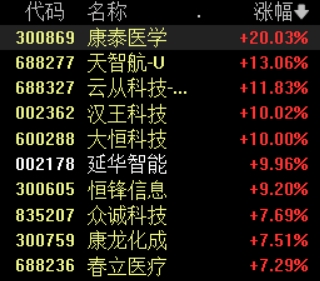
Group 1 - The core viewpoint of the news highlights the active performance of the pharmaceutical sector, particularly in medical devices, smart healthcare, internet healthcare, and CRO, with significant stock price increases for companies like Kangtai Medical, Zhengchuan Co., Hanwang Technology, and Yanhua Intelligent [1] - Kangtai Medical's stock surged by 20%, while other notable gainers included Tianzhihang-U (+13.06%), Yuncong Technology (+11.83%), and Hanshi Technology (+10.02%) [2] - The National Medical Insurance Administration reported that since the start of the 14th Five-Year Plan, 402 types of drugs have been added to the national medical insurance drug list, which now includes a total of 3,159 drugs [3] Group 2 - The National Medical Insurance Administration is optimizing the rules for the 11th batch of drug procurement, moving away from simply using the lowest bid as a reference point and requiring transparency from the lowest bidders regarding their pricing [3][4] - A recent meeting by the National Medical Insurance Administration focused on supporting innovation in drugs and medical devices, discussing new pricing policies and mechanisms to encourage the entry of high-level technological innovations into clinical applications [4] - CITIC Securities reports that the government has introduced multiple policies since 2025 to optimize drug procurement and support innovative drugs, indicating a favorable policy environment for the pharmaceutical industry [5]

医保五年累计支出12万亿,长护险全国推广预期增强
第一财经· 2025-07-25 02:48
Core Viewpoint - The article discusses the achievements and future plans of China's medical insurance system during the "14th Five-Year Plan" period, highlighting improvements in coverage, fund management, and the introduction of long-term care insurance [1][3]. Group 1: Medical Insurance Coverage - The national basic medical insurance coverage rate remains stable at around 95%, with a cumulative expenditure of 12.13 trillion yuan, averaging an annual growth rate of 9.1% [1][3]. - By 2024, the number of people covered by basic medical insurance is expected to reach 1.327 billion, with long-term care insurance coverage at 190 million [1][3]. - The direct settlement rate for cross-provincial medical expenses exceeds 90%, and the national medical insurance drug list has been unified, totaling 3,159 types of drugs [1][3]. Group 2: Long-Term Care Insurance - The long-term care insurance system is expected to be implemented nationwide soon, as the current pilot programs have shown positive results [4][7]. - As of June 2025, 253 million people are participating in maternity insurance, with cumulative expenditures of 438.3 billion yuan, benefiting 96.14 million people [6]. - The long-term care insurance aims to alleviate the financial burden of daily care for elderly individuals who have lost their ability to care for themselves, addressing the increasing demand for elderly care services [6][7]. Group 3: Fund Management and Regulation - The medical insurance fund is under increasing pressure, and the focus will be on ensuring fund safety and risk assessment during the "15th Five-Year Plan" period [4][8]. - The reform of payment methods has transitioned from a "post-payment" to a "pre-payment" system, promoting efficiency in medical institutions and reducing patient out-of-pocket expenses by approximately 5% year-on-year [9][10]. - The National Medical Insurance Administration has intensified efforts to combat fraud and misuse of medical insurance funds, recovering 16.13 billion yuan in the first half of the year through inspections of 335,000 medical institutions [10][11]. Group 4: Drug Price Governance - The article emphasizes the importance of drug price governance, with the government supporting market-driven pricing while also maintaining oversight to prevent price manipulation [12][13]. - Since 2018, the government has conducted 10 rounds of centralized drug procurement, covering 435 types of drugs, which has helped lower drug prices and improve accessibility [13][14]. - The National Medical Insurance Administration is committed to ensuring fair pricing practices and encourages public reporting of unusually high drug prices [14].
国研新经济研究院创始院长朱克力:优化药品集采规则可有效遏制恶性低价竞争
Zheng Quan Shi Bao Wang· 2025-07-25 02:43
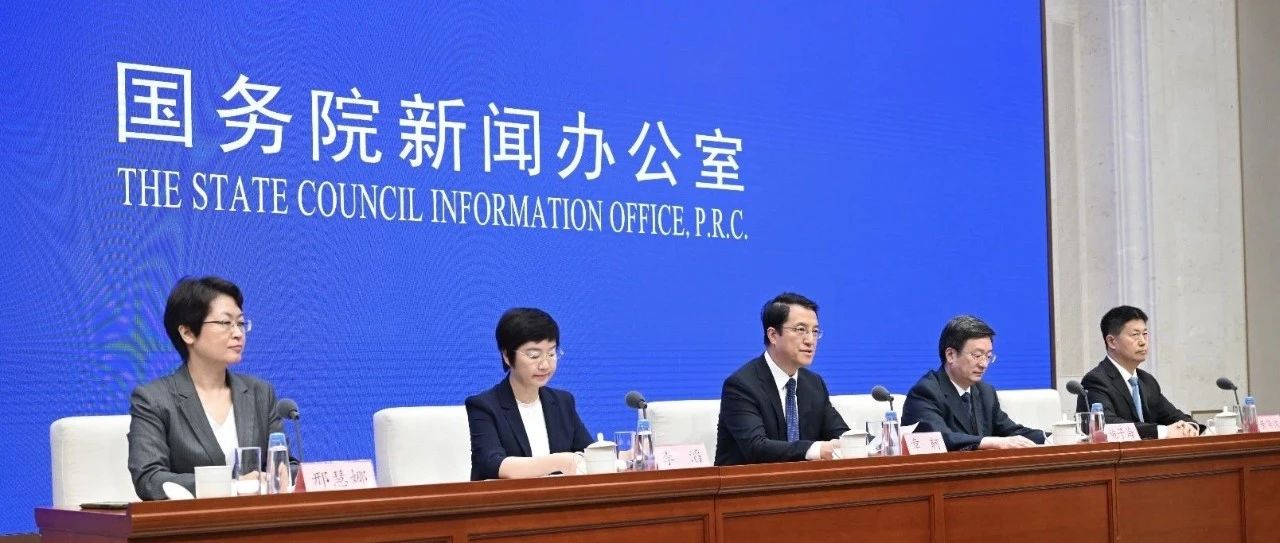
7月24日,国家医疗保障局副局长施子海在国新办发布会上表示,近期第11批药品集采工作已经启动, 国家医保局研究优化了具体的采购规则。在中选规则方面,优化了价差计算的"锚点",不再以简单的最 低价作为参考,同时报价最低企业要公开说明报价的合理性,并承诺不低于成本报价。 施子海指出,集采过程中,国家医保局将按照国务院常务会议研究通过的优化集采措施,坚持"稳临 床、保质量、防围标、反内卷"的原则。 "过去简单以最低价作为药品集采参考,让企业陷入价格战漩涡。为了中标,企业拼命压低价格,甚至 不惜低于成本报价,这不仅压缩了利润空间,还导致企业无暇顾及研发创新。"国研新经济研究院创始 院长朱克力向证券时报记者表示,国家医保局相关举措,能有效遏制恶性低价竞争。企业不能再盲目压 价,而是要综合考虑成本、质量等因素合理报价,将促使企业把精力从价格战转移到提升药品质量和研 发创新上。从医药行业整体看,这有利于形成良性竞争环境,让真正有实力、有创新能力的企业脱颖而 出,推动整个行业向高质量发展迈进。 在质量保证方面,要求投标药品的生产线两年内不存在违反药品生产质量管理规范的情形,药监部门对 集采中选企业检查和产品抽检两个"全覆盖" ...
国家医保局: 第十一批药品集采工作已启动
Zhong Guo Zheng Quan Bao· 2025-07-24 21:08
Group 1 - The National Medical Insurance Administration (NMIA) has initiated the 11th batch of drug procurement, focusing on optimizing procurement rules while ensuring clinical stability, quality assurance, and preventing price collusion [1][2] - Since 2018, the NMIA has conducted ten batches of centralized procurement covering 435 drug varieties, which has effectively reduced drug prices and improved accessibility for the public [1][2] - The 11th batch aims to include 55 drug varieties across various therapeutic areas, maintaining the principle of excluding new drugs from procurement and aligning with the medical insurance catalog negotiations [2] Group 2 - The NMIA is advancing payment reform during the 14th Five-Year Plan, transitioning from a retrospective payment system to a prospective one, and from project-based payments to disease-based payments [3] - By 2024, the basic medical insurance fund expenditure is projected to reach 2.98 trillion yuan, with a 5% decrease in patient out-of-pocket expenses year-on-year [3] - The NMIA is also enhancing the payment reform by developing version 2.0 of the disease-based payment scheme and establishing supporting mechanisms to promote medical technology innovation [3]
不再锚定最低价国家药品集采明确反内卷
Zheng Quan Shi Bao· 2025-07-24 18:24
Core Viewpoint - The recent adjustments in China's drug procurement policies mark a shift towards a "value-oriented" approach, moving away from a simple focus on the lowest price, which is expected to foster a healthier development of the pharmaceutical industry [1][3][5]. Group 1: Policy Changes - The 11th batch of centralized procurement has been initiated, with the National Medical Insurance Administration optimizing the rules, particularly in the calculation of price differences, no longer solely relying on the lowest bid as a reference [1][4]. - The new rules require companies to justify their lowest bids and ensure they do not fall below cost, aiming to prevent irrational competition and promote quality over price [2][3]. Group 2: Market Reactions - Following the announcement of the procurement policy adjustments, the capital market responded positively, with many generic drug companies seeing significant stock price increases, with some companies like Yipinhong rising nearly 40% since July 15 [4][5]. - Analysts believe that the new measures will provide companies with more profit margins, reducing the pressure to bid at a loss, which previously compromised product quality [4][5]. Group 3: Industry Impact - The optimization of procurement rules is expected to benefit companies with strong R&D capabilities and strict quality control, promoting structural optimization and high-quality development within the pharmaceutical industry [3][6]. - Some companies are already adapting to the new environment, with reports of increased R&D investments and a shift towards innovative drug development, indicating a positive long-term outlook for the industry [3][7]. Group 4: Historical Context and Future Outlook - Since 2018, ten batches of centralized procurement have been conducted, covering 435 types of drugs, resulting in significant savings for the medical insurance fund, estimated at around 440 billion yuan [6]. - The scope of centralized procurement is expanding to include various drug categories and medical devices, with expectations for continued acceleration in the future [6][7].
疫苗股巨幅拉升!艾美疫苗大涨13.5% 有望迎来跨越式增长和价值重估
Zhi Tong Cai Jing· 2025-07-24 11:29
Group 1 - The National Healthcare Security Administration announced that drug procurement will no longer simply reference the lowest bid, indicating a shift in policy that could benefit companies with strong quality systems and cost advantages [1] - The recent announcement led to a significant increase in Hong Kong's biopharmaceutical stocks, particularly in the vaccine sector, with notable gains for companies such as Ai Mei Vaccine (+13.5%) and CanSino Biologics (+9.03%) [1] - The 11th batch of centralized procurement has been initiated, with new rules optimizing the calculation of price differences and requiring transparency from the lowest bidders regarding the rationality of their pricing [1] Group 2 - The vaccine sector has shown remarkable performance due to multiple favorable factors, including a warning from the World Health Organization regarding mosquito-borne diseases, which has boosted market sentiment [2] - Ai Mei Vaccine has successfully commercialized eight vaccines, including leading products like rabies and hepatitis B vaccines, and has a robust pipeline of 21 vaccines in development, with three key products nearing market launch [2] - The vaccine sector is seen as having significant potential for valuation recovery, as many companies' pipeline values have not yet been fully reflected in their market valuations [2]

不再以简单的最低报价作为参考!第十一批药品集采工作已启动
证券时报· 2025-07-24 05:58
近期第十一批集采工作已经启动。 国务院新闻办公室7月24日上午举行"高质量完成'十四五'规划"系列主题新闻发布会,请国家医疗保障局局 长章轲介绍"十四五"时期深化医保改革,服务经济社会发展有关情况,并答记者问。 要点如下: 全国基本医保参保率稳定在95%左右 章轲在新闻发布会上介绍,"十四五"期间,全国基本医保参保率稳定在95%左右,2024年度全国基本医保 参保人数达13.27亿人。 "十四五"以来累计402种药品进入目录 章轲在新闻发布会上介绍,"十四五"以来累计402种药品进入目录。国家医保药品目录实现全国统一,目 录内药品总数达到3159种。 十四五以来医保基金累计支出12.13万亿元,年均增速9.1% 章轲在新闻发布会上介绍,全国跨省联网定点医药机构达64.4万家,四年多来全国跨省异地就医直接结算 惠及5.6亿人次,累计减少参保群众垫资5900亿元。 全国超9600万人次享受生育保险待遇 章轲在新闻发布会上介绍,截至2025年6月,2.53亿人参加生育保险,基金累计支出4383亿元,享受待遇 9614.32万人次。31个省份和新疆生产建设兵团都将辅助生殖项目纳入医保报销。 2021年至2024年累计 ...
基金产品周报:医药行业基金表现亮眼,资金大幅流入科创债ETF-20250722
Shanghai Aijian Securities· 2025-07-22 12:03
Report Industry Investment Rating Not provided in the content Core Viewpoints - This week (from July 14 to July 18, 2025), among various types of fund products, active equity funds had the highest weekly average return rate of 3.00%. The other types of funds, ranked by their weekly average return rates from high to low, were QDII funds (2.45%), ETF funds (1.81%), quantitative funds (1.48%), FOF funds (0.55%), bond funds (0.19%), and REITs funds (0.08%) [2][8]. - Year - to - date, REITs funds led with an average increase of 19.07%. The other types of funds, ranked by their return rates from high to low, were QDII funds (17.11%), active equity funds (11.94%), quantitative funds (9.79%), ETF funds (9.75%), FOF funds (4.94%), and bond funds (1.71%) [8]. Summary by Directory 1. Cross - Category Fund Product Return Overview - Selected funds for statistical analysis had a scale of over 0.1 billion yuan at the end of the latest reporting period and were established before 2025. This week, active equity funds had the highest weekly average return rate of 3.00%. Year - to - date, REITs funds led with an average increase of 19.07% [8]. 2. Active Equity Funds 2.1 Performance of Major Broad - Based Indexes in A - share and Hong Kong Markets - This week, all major broad - based indexes in the A - share market except the BeiZheng 50 index rose, with the overall increase slightly lower than last week. The ChiNext Index had the best performance with a weekly change of 3.17%, followed by the Shenzhen Component Index with 2.04%. The BeiZheng 50 index had the weakest performance with a weekly change of - 0.16%. All major broad - based indexes in the Hong Kong market rose this week, with the increase significantly higher than last week. The Hang Seng Index and the Hang Seng Tech Index had changes of 2.84% and 5.53% respectively [11]. 2.2 Performance of Shenwan Primary Industry Indexes - Most Shenwan primary industry indexes rose this week. The communication, pharmaceutical biology, and automobile industry indexes performed relatively well, with weekly changes of 7.56%, 4.00%, and 3.28% respectively. The public utilities, real estate, and media industry indexes performed weakly, with weekly changes of - 1.37%, - 2.17%, and - 2.24% respectively [13]. 2.3 Overview of Returns of High - Performing Active Equity Funds - This week, the overall average return rate of active equity funds was 3.00%. Great Wall Health Mix A had the best performance with a weekly return rate of 16.27%, driven by the launch of the national drug procurement and the total License - out amount approaching 66 billion yuan in the first half of the year. High - performing funds mostly had heavy positions in industries such as pharmaceutical biology and communication [15]. 2.4 Overview of Returns of Industry - Specific Active Equity Funds - This week, the average return rate of industry - specific active equity funds was 5.15%, significantly better than the overall level of active equity funds. Pharmaceutical industry funds performed brightly this week with an average return rate of 8.54%. TMT industry funds had a weekly average return rate of 4.86%. Financial real - estate industry funds had a relatively weak performance with a weekly average return rate of 0.03% [18]. 2.5 Overview of Returns of Non - Industry Active Equity Funds - This week, the average return rate of non - industry funds was 2.72%, slightly weaker than the overall level of active equity funds. The growth - style funds were relatively dominant this week with a weekly average return rate of 3.58% [21]. 3. Quantitative Funds 3.1 Overview of Quantitative Fund Returns - This week, the average return rate of quantitative funds was 1.48%. Huaxia CSI All - Share Pharmaceutical and Healthcare Enhanced had the highest weekly return rate of 8.83%. In terms of strategy types, active quantitative funds had the best weekly average return of 1.66% [23]. 3.2 Overview of Returns of Major Index - Enhanced Quantitative Funds - This week, among index - enhanced quantitative funds, funds tracking the Guozheng 2000 index performed better with an average return rate of 1.69%. The weekly average return rates of funds tracking the CSI 300, CSI 500, and CSI 1000 indexes were 1.10%, 1.06%, and 1.44% respectively. The proportion of funds achieving positive excess returns was 58.72%, slightly higher than last week [25]. 4. Bond Funds 4.1 Performance of Major Bond Indexes - This week, major bond market indexes generally rose. The CSI Aggregate Bond Index rose 0.11% to close at 261.42, the CSI Treasury Bond Index rose 0.04% to close at 247.89, and the CSI Credit Bond Index rose 0.08% to close at 214.00 [27]. 4.2 Performance of Convertible Bond Indexes - This week, the CSI Convertible Bond Index rose 0.67% to close at 453.86, with the weekly trading volume increasing by 3.75%. The median convertible bond price rose 1.07% to close at 127.55, and the median conversion premium rate rose 0.25% to 26.52% [30]. 4.3 Overview of Bond Fund Returns - This week, the average return rate of bond funds was 0.19%. Huashang Shuangyi Balance Mix A had the best performance with a weekly return rate of 5.09%. High - performing bond funds were mostly partial - debt hybrid, convertible bond, and hybrid bond funds [32]. 4.4 Overview of Returns of Pure - Bond Funds - This week, the average return rate of pure - bond funds was 0.07%. The return rates of short - term and medium - long - term pure - bond funds were 0.05% and 0.07% respectively. Huatai Zijin Zhihe Interest - Rate Bond performed relatively best with a weekly average return rate of 1.90% [34]. 4.5 Overview of Returns of Hybrid Bond Funds - This week, the weekly average return rate of hybrid bond funds was 0.26%. The return rates of hybrid bond - type level - 1 and level - 2 funds were 0.14% and 0.35% respectively. Golden Eagle Yuanfeng Bond A performed best with a weekly average return rate of 3.07% [37]. 4.6 Overview of Returns of Partial - Debt Hybrid and Flexible Allocation Bond Funds - This week, the average return rate of partial - debt hybrid bond funds was 0.49%, and that of flexible allocation bond funds was 0.30%. Huashang Shuangyi Balance Mix A performed best with a weekly return rate of 5.09% [39]. 4.7 Overview of Returns of Convertible Bond Funds - This week, the average return rate of convertible bond funds was 1.09%. Southern Changyuan Convertible Bond A performed best with a weekly average return rate of 2.42% [41]. 5. ETF Funds 5.1 Overview of ETF Fund Fund Flows - This week, ETF funds had a net inflow of 56.265 billion yuan, a 265.37% increase compared to the previous period. Except for bond - type and cross - border ETFs, which had net inflows, other types of ETFs had net outflows. Bond - type ETFs had a large - scale net inflow of 73.367 billion yuan, reaching a historical high. Stock - type ETFs had a net outflow of 17.072 billion yuan [43]. 5.2 Overview of ETF Funds with Top Net Inflows by Index - Among the tracked indexes, ETFs tracking the AAA Sci - tech Innovation Bond and Shanghai AAA Sci - tech Innovation Bond indexes in the bond index had the top net inflows, with 48.339 billion yuan and 18.073 billion yuan respectively. Among the equity indexes, ETFs tracking the securities company, Hong Kong securities, and Sci - tech Innovation 50 indexes had relatively large net inflows [47]. 5.3 Overview of ETF Funds with Top Net Outflows by Index - This week, the tracked indexes with top net outflows were all equity indexes, including the CSI A500 index (10.228 billion yuan), the CSI 300 index (7.175 billion yuan), the ChiNext Index (2.904 billion yuan), the CS Artificial Intelligence index (2.410 billion yuan), and the CSI 1000 index (2.235 billion yuan) [50]. 5.4 Overview of ETF Funds with Top Net Inflows - This week, most of the ETFs with top net inflows were Sci - tech Innovation Bond ETFs. Huaxia Sci - tech Innovation Bond ETF had the largest net inflow of 12.296 billion yuan, followed by Harvest Sci - tech Innovation Bond ETF with a net inflow of 11.324 billion yuan. Hong Kong Securities ETF also had a relatively large net inflow of 24.63 billion yuan this week [52]. 5.5 Overview of ETF Funds with Top Net Outflows - This week, most of the ETFs with top net outflows were scale - index ETFs. YinHua RiLi ETF had the largest net outflow of 3.632 billion yuan. Among the scale - index ETFs, CSI 300 ETF had a relatively large net outflow of 3.252 billion yuan. In addition, the Artificial Intelligence ETF in the theme - index ETF also had a relatively large net outflow [54]. 5.6 Overview of Returns of High - Performing ETF Funds - This week, the overall average change rate of ETF funds was 1.81%. Hang Seng Innovative Drug ETF had the highest weekly increase of 13.69%. High - performing ETF funds were mostly cross - border ETFs with investment themes such as innovative drugs. In addition, the ChiNext Artificial Intelligence ETF (Fullgoal) in the theme - index ETF also had a relatively high increase of 10.95% [56]. 6. FOF Funds - This week, the average return rate of FOF funds was 0.55%. Bank of Communications Smart Selection Starlight Mix (FOF - LOF) A had the best performance with a weekly return rate of 5.11%. Among the types, stock - type FOF funds performed best with an average return rate of 1.80% [57]. 7. QDII Funds - This week, the overall average return rate of QDII funds was 2.45%. Huatai - PineBridge Hong Kong Advantage Select Mix (QDII) A had the highest weekly return rate of 15.89%. The average return rates of different types of QDII funds were: stock - type 2.71%, hybrid - type 3.41%, bond - type - 0.04%, and other - type - 0.38% [60]. 8. REITs Funds - This week, the average change rate of REITs funds was 0.08%. China Merchants Sci - tech Innovation REIT had the best performance with a weekly change rate of 3.05% [62].