数字化转型

Search documents
以期货为翼 “重庆鸽”在转型中稳健飞翔 | “一品一企”看期货服务实体
Qi Huo Ri Bao· 2025-11-13 01:30
Core Viewpoint - The article highlights the transformation of Chongqing Ge Pai Electric Wire and Cable Co., Ltd. into a model of risk management and innovation in the traditional cable industry, leveraging futures markets to navigate price volatility and enhance operational resilience [1][12]. Company History and Transformation - Founded in 1956, Ge Pai was the first producer of electric wires and cables in Chongqing, playing a crucial role in national infrastructure during the planned economy era [2]. - The company faced severe challenges in the late 1990s, leading to a restructuring in 2001 that shifted its focus to the booming real estate market and introduced a quality-centric brand strategy [2][3]. Market Adaptation and Technological Advancements - Ge Pai has successfully transitioned from a consumer-focused (C-end) business model to a project-oriented (B-end) approach, targeting sectors like power, railways, and special equipment [4]. - The company has implemented a digital transformation, achieving a 60% increase in automation and an 18% improvement in labor efficiency through the establishment of a "digital workshop" [4][5]. Risk Management through Futures - Copper, which constitutes over 70% of production costs, has been subject to significant price fluctuations, prompting Ge Pai to adopt futures trading as a risk management strategy [7][8]. - The company established a dedicated futures trading team in 2018, enhancing its understanding and application of futures tools to stabilize operations and mitigate risks associated with raw material price volatility [9][10]. Collaborative Ecosystem and Future Outlook - Ge Pai promotes a collaborative approach with upstream and downstream partners, sharing risks and benefits through long-term contracts and joint hedging strategies [11]. - Looking ahead, the company aims to leverage futures as a strategic "risk shield" while focusing on high-quality development in line with national initiatives in new energy and smart grid sectors [12][13].
河北白沟:箱包装下国际范
Jing Ji Ri Bao· 2025-11-12 22:14
Core Insights - Baigou, a small town in Hebei Province, has become a significant hub for bag production, with an annual output of 1 billion bags and a domestic market share of 30% [1][3] - The town is transitioning from low-end, low-quality products to a focus on quality improvement, brand creation, and diversification in product offerings [1][3] Historical Development - Baigou's commercial roots date back to the Ming and Qing dynasties, establishing it as a key trading hub [2] - The bag industry began in the 1970s with home workshops producing simple bags, leading to the establishment of the first standardized market in 1984 [2] - By the late 1990s, Baigou had become the largest bag production base in Northern China, employing over 50,000 people [2] Industry Transformation - The industry faced challenges due to low profit margins, prompting the establishment of quality control measures and support for local brands starting in 2003 [3] - The introduction of automated production lines and e-commerce integration has significantly enhanced production capabilities and market reach [3][4] Digitalization and Innovation - A digital transformation center has been established to enhance the management capabilities of over 20,000 enterprises through big data and AI [4] - The integration of digital technologies is reshaping the entire supply chain, improving efficiency and product quality [4] Brand Development - Efforts to promote brand differentiation include funding for industrial design and professional training, resulting in 15,886 registered trademarks [5] - The focus on original design and brand building is seen as essential for moving away from price competition [5] Global Expansion - Baigou's bag products are now reaching international markets, with a significant increase in exports facilitated by a new "market procurement + cross-border e-commerce" model [6][7] - The establishment of a one-stop customs service has reduced average clearance times to under 1.5 hours, enhancing export efficiency [7]
工业和信息化部:将加大产业链薄弱环节优质企业培育力度
Shang Hai Zheng Quan Bao· 2025-11-12 17:51
Group 1 - The Ministry of Industry and Information Technology (MIIT) will enhance the cultivation of quality enterprises in weak links of the industrial chain and strengthen precise financial support to guide more social capital to support the growth of early-stage SMEs [1][2] - The MIIT aims to reinforce the innovation role of enterprises by establishing more national-level innovation platforms and exploring the creation of specialized empowerment centers for SMEs [1][2] - The conference emphasized the theme "Specialized, Refined, Unique, and Innovative" and included various activities such as AI empowerment for SMEs, innovation integration between large and small enterprises, and investment roadshows [2] Group 2 - During the conference, the MIIT released typical application scenarios for AI in SMEs, reference samples for digital transformation pilot cities, and a list of the fourth batch of regional equity market "specialized and innovative" boards [2] - The MIIT highlighted the importance of continuous R&D investment and the need to break through key core technologies to enhance the core competitiveness of specialized and innovative enterprises [3] - The MIIT encourages enterprises to seize digital opportunities and actively promote AI applications, aiming for intelligent, green, and integrated development [3]
银保渠道重夺“C位” 高速增长能否延续?
Guo Ji Jin Rong Bao· 2025-11-12 15:58
Core Insights - The bancassurance channel has regained its position as the largest channel for life insurance in China, driven by strong market performance since 2025 [1] - The overall growth of the bancassurance market is expected to remain robust, with predictions of a 10% growth in premium income for the coming year [1][3] - Regulatory policies are shifting the focus of bancassurance from scale to value, promoting high-quality development in the insurance industry [2] Group 1: Market Performance - In the first three quarters of 2025, China Pacific Life Insurance's bancassurance channel achieved a premium income of 58.31 billion yuan, a year-on-year increase of 63.3% [1] - New policy premium income for China Pacific Life reached 15.99 billion yuan, growing by 43.6% year-on-year [1] - New China Life Insurance's bancassurance channel reported premium income of 66.94 billion yuan, with a year-on-year growth of 47.7% [1] Group 2: Future Growth Potential - The bancassurance channel is projected to contribute over 40% of the total premium income and 60% of new policy income in 2024, highlighting its role as a key growth engine for the insurance industry [2] - The increasing demand for insurance products due to demographic changes, such as an aging population and the expansion of the middle-income group, presents significant opportunities for bancassurance [2][3] - The shift in asset allocation among Chinese households towards diversified investments is enhancing the appeal of insurance products [3] Group 3: Digital Transformation and Challenges - The bancassurance channel faces challenges such as a relatively simple product structure that may not meet diverse customer needs [4] - There is a call for banks and insurance companies to collaborate on creating a healthier bancassurance ecosystem by focusing on customer-centric product development [4] - The integration of technology is essential for improving service efficiency and meeting the evolving demands of customers [5] Group 4: Strategic Initiatives - The emphasis on digital transformation is seen as a necessary step for enhancing financial resilience and preventing systemic risks in the insurance sector [7] - The need for deep integration between banks and insurance companies is highlighted, moving from traditional sales relationships to collaborative partnerships [8] - China Pacific Life Insurance plans to expand its network significantly, aiming for a 35% to 40% growth in outlets, particularly in state-owned banks [8]
银保渠道重夺“C位”,高速增长能否延续?
Guo Ji Jin Rong Bao· 2025-11-12 15:21
Core Insights - The bancassurance channel has regained its position as the largest channel for life insurance since 2025, driven by exceptional market performance [1] - The future development of bancassurance is a focal point for the industry, with optimistic growth projections for the coming year [1][2] Group 1: Market Performance - In the first three quarters of 2025, China Pacific Life Insurance's bancassurance channel achieved premium income of 58.31 billion yuan, a year-on-year increase of 63.3% [1] - New premium income for China Pacific Life's regular premium products reached 15.99 billion yuan, growing by 43.6% [1] - New China Life's bancassurance channel reported premium income of 66.94 billion yuan, up 47.7% year-on-year, with long-term insurance first-year premiums at 35.94 billion yuan, increasing by 66.7% [1] - China Ping An's life and health insurance new business value surged by 170.9% year-on-year [1] Group 2: Regulatory and Market Trends - Recent regulatory policies have shifted the focus of bancassurance from scale to value, promoting high-quality development [2] - In 2024, the total premium scale for personal insurance in China is expected to exceed 4 trillion yuan, with the bancassurance channel contributing over 40% of total premiums and 60% of new single premiums [2] - The growing demand for financial products due to demographic changes and increasing middle-income groups presents significant opportunities for bancassurance [2] Group 3: Future Growth Projections - The bancassurance channel is expected to maintain double-digit growth, driven by the insurance industry's overall high growth potential [3] - The demand for insurance products is evolving, particularly among the elderly, who prefer products that combine protection, savings, and investment [3] - The integration of banking and insurance services is anticipated to enhance resource allocation towards the bancassurance channel [3] Group 4: Digital Transformation - The bancassurance channel faces challenges such as a relatively simple product structure that does not meet diverse customer needs [4] - There is a call for a customer-centric approach in product and service development, focusing on differentiated needs in areas like retirement and wealth transfer [4] - Strengthening technological capabilities is essential for improving service efficiency and meeting complex customer demands [5] Group 5: Collaborative Strategies - The importance of building a digital platform for bancassurance collaboration is emphasized, with a focus on enhancing financial resilience and preventing systemic risks [7] - The shift from traditional sales methods to a more integrated approach is necessary to meet the evolving needs of customers [8] - Learning from successful bancassurance models in Europe can provide insights for developing new strategies in the Chinese market [8]
国务院印发!深圳民间资本可以参与投资这些项目了!
Sou Hu Cai Jing· 2025-11-12 14:39
Core Viewpoint - The State Council has issued measures to further promote private investment, aiming to expand investment opportunities in new productive forces, emerging service industries, and new infrastructure projects. Group 1: Encouragement of Private Capital Participation - Private capital is encouraged to participate in key projects that require national approval, particularly in sectors like railways, nuclear power, and water supply [1][4]. - Support is provided for private capital to engage in the construction and operation of smaller urban infrastructure projects that have profit potential [3][4]. - Private capital is guided to invest more in productive service sectors, including industrial design, common technology services, inspection and testing, quality certification, and digital transformation [5][6]. Group 2: Regulatory Framework and Mechanisms - A new mechanism for public-private partnerships (PPP) is to be implemented, with a revised list of projects that support private enterprise participation [5][6]. - The government will ensure that bidding processes do not impose unreasonable restrictions on private enterprises, such as mandatory membership in associations or excessive historical performance requirements [5][6]. - The government will increase procurement support for small and medium-sized enterprises (SMEs), reserving at least 40% of the budget for eligible projects exceeding 4 million yuan for SME procurement [5][6]. Group 3: Infrastructure and Technological Development - There will be a focus on enhancing the regulatory oversight of network-based infrastructure operations to protect the rights of private enterprises in areas like electricity and oil and gas pipeline usage [6][7]. - Private enterprises are encouraged to build significant pilot platforms in key industries, with support from state-owned enterprises and research institutions [6][7]. - The government aims to support the digital transformation of private enterprises by fostering the development of comprehensive digital empowerment platforms [6][7]. Group 4: Financial Support and Investment - The central government will increase budgetary support for eligible private investment projects, utilizing new policy financial tools to bolster capital [6][7]. - Financial institutions are encouraged to set annual service goals for private enterprises, ensuring that credit resources are accurately allocated to meet their needs [7][8]. - The government will facilitate the issuance of real estate investment trusts (REITs) for qualifying private investment projects in infrastructure [8].
Regis (RGS) - 2026 Q1 - Earnings Call Transcript
2025-11-12 14:30
Financial Data and Key Metrics Changes - For Q1 fiscal 2026, total revenue was $59 million, an increase of 28% or $12.9 million compared to the prior year, primarily driven by increased revenue from company-owned salons and a same-store sales increase of 0.9% [10][11] - Adjusted EBITDA for the first quarter was $8 million, up from $7.6 million a year ago, reflecting a 4.3% improvement [14] - Operating income increased by 177%, reaching $5.9 million compared to $2.1 million in the year-ago quarter [10][12] - The company generated $2.3 million in positive operating cash flow, a $3.6 million improvement versus last year's first quarter [4][16] Business Line Data and Key Metrics Changes - Same-store sales for Supercuts increased by 2.5% in Q1, with loyalty program participation growing from 36% to 40% [4][5] - Adjusted EBITDA for the franchise segment was $6.4 million, a decrease of $1.6 million compared to the prior year, primarily due to lower royalties and fees [15] - Adjusted EBITDA for the company-owned salon segment improved by $1.9 million year-over-year to $1.6 million, driven by an increased number of company-owned salons [15] Market Data and Key Metrics Changes - The company experienced a net decrease of 757 franchise locations compared to the previous year, with approximately 300 of these related to the Align salons that converted from franchise to company-owned [11] - The performance gap between closed stores and top-performing units was approximately $350,000, indicating strong potential within the system [11] Company Strategy and Development Direction - The company is focused on the holistic transformation of the Supercuts brand and optimizing sales and profitability in its company-owned salon portfolio [3][4] - Key initiatives include enhancing operational performance, reinforcing brand leadership, and driving technology and digital acceleration across the business [7][8] - The company plans to pilot new digital interactions on its website and app to improve guest experience [5] Management's Comments on Operating Environment and Future Outlook - Management expressed optimism about the progress made in improving profitability and generating positive cash flow, indicating a solid start to fiscal 2026 [8][21] - The company anticipates a meaningful increase in unrestricted cash generated from core operations compared to fiscal year 2025, supported by operational strength and a full year of acquired company-owned salon results [17][18] Other Important Information - The company has $25.5 million of available liquidity, including $16.6 million in unrestricted cash and cash equivalents [19] - The board is evaluating prospects for a permanent CEO, with a decision expected in the coming months [40] Q&A Session Summary Question: Can you provide more details about pricing actions and their impact on traffic? - Management indicated that franchisees have begun to take pricing actions based on a competitive pricing survey, with no significant changes in traffic trends observed across the country [22][23] Question: Can you talk about traffic trends at Supercuts and Smart Style? - Management noted improvements in traffic at Supercuts, while acknowledging opportunities for growth in the Smart Style brand [25] Question: Regarding store closures, should we expect a reduction in closures this year? - Management confirmed that closures are expected to be reduced by half compared to previous years, with 54 locations closed in Q1 [30] Question: Can you provide insight into G&A for this year? - Management expects G&A to be in the range of $40 million to $43 million, including G&A associated with the Align transaction [35] Question: What is the status of the CEO search? - Management is currently in an interim role, with the board evaluating prospects and a decision expected in the coming months [40]

年内近120家券商营业部被裁撤
2 1 Shi Ji Jing Ji Bao Dao· 2025-11-12 14:28
Core Insights - The recent quarterly reports indicate a significant increase in the performance of 42 A-share listed brokerages, with total revenue reaching 419.56 billion yuan and net profit of 169.05 billion yuan, marking a net profit growth of over 60% [1] - The net income from brokerage fees amounted to 111.78 billion yuan, accounting for over 25% of total revenue, reflecting a year-on-year increase of 74.64% [1] - A notable trend is the accelerated transformation towards wealth management, characterized by a substantial reduction in offline branches while enhancing online channels and AI capabilities [1][10] Group 1: Brokerage Business Performance - Leading brokerages such as CITIC Securities and Guotai Junan both surpassed 10 billion yuan in net income from brokerage fees, with figures of 10.94 billion yuan and 10.81 billion yuan respectively [3] - The brokerage income growth rate is notably influenced by mergers and acquisitions, with Guolian Minsheng Securities experiencing a staggering 293.05% increase in net income from brokerage fees due to its merger [4] - Smaller brokerages also showed impressive growth, with several achieving over 80% increases in brokerage income [4] Group 2: Offline Branch Adjustments - Over 25 brokerages have collectively closed nearly 120 branches in the first three quarters, with notable closures in major cities like Beijing and Shenzhen [6] - The rationale behind branch closures is to optimize the network layout and enhance the focus on wealth management transformation [6][8] - The shift in strategy reflects a broader industry trend towards reducing physical presence in favor of digital channels, driven by declining customer acquisition efficiency through traditional means [7][8] Group 3: Online Channel Development - Brokerages are increasingly focusing on digital transformation, with terms like "digital transformation" and "intelligent empowerment" becoming common in quarterly performance discussions [10] - The industry is moving towards a refined operational model that integrates online and offline channels to improve customer acquisition efficiency [10][12] - The active user base of securities apps is projected to reach approximately 175 million by September 2025, indicating a growing reliance on digital platforms for customer engagement [11] Group 4: AI Integration in Wealth Management - The integration of AI features in brokerage apps has become a key focus, with nearly 10 brokerages announcing AI-related updates in their applications [14] - AI applications are transforming service roles from standardized tools to personalized advisory services, enhancing the overall customer experience [14][15] - Brokerages like Guotai Junan are adopting an "All in AI" strategy, integrating AI capabilities to streamline investment analysis and trading processes [15][16]




风口评论|“民间投资13条”重磅发布,青岛如何乘此东风?
Sou Hu Cai Jing· 2025-11-12 13:42
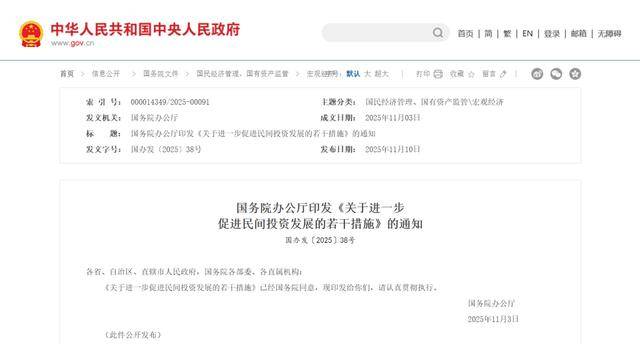
近日,国务院办公厅印发《关于进一步促进民间投资发展的若干措施》,这份"促进民间投资13条"迅速 引发关注。作为民营经济活力位居全国前列的城市,青岛如何借此东风,让发展的"主力军"更为壮大? 纵观这份文件,其核心答案清晰明了——打通堵点,释放活力。 给足信心,金融精准灌溉 当前,发展民营经济既要提供"情绪价值"给足信心,也要打通融资堵点,金融精准灌溉,给企业提供稳 定的现金流支持。 新规第七条就堪称开局订单的保障,政府采购为中小企业预留40%以上份额,预付款比例可至30%以 上。这笔源头活水直接化解了民企"订单难、启动难"的痛点。更重要的是,政府以采购合同为民企信用 背书,其释放的稳预期、稳信心信号,远超订单金额本身。 除此之外,新规第12条要求银行业金融机构制定民营企业年度服务目标,第13条明确支持民间投资项目 发行基础设施REITs,这些政策直指民营企业"融资难、融资贵"的痛点。 政策落地关键在于从"被动风控"转向"主动赋能",而这一点,青岛也早已布局。为解决中小微企业融资 难、贵、慢等问题,青岛市持续优化拓展全市统一企业融资服务平台"青融通"融资服务功能,切实提升 中小微企业的融资便利性、可得性。截至今年 ...
年内近120家券商营业部被裁撤
21世纪经济报道· 2025-11-12 13:40
Core Viewpoint - The article highlights the significant growth in the brokerage business of Chinese securities firms in the third quarter, driven by a transformation towards wealth management, despite a simultaneous reduction in physical branch networks [1][2]. Group 1: Financial Performance - In the first three quarters, 42 A-share listed securities firms achieved a total revenue of 419.56 billion yuan and a net profit of 169.05 billion yuan, with a net profit growth rate exceeding 60% [1]. - Brokerage business net income reached 111.78 billion yuan, accounting for over 25% of total revenue, marking a year-on-year increase of 74.64% [1]. Group 2: Branch Network Changes - Over 25 securities firms have closed nearly 120 branches in the first three quarters, indicating a trend of significant downsizing in physical outlets [2][7]. - Major firms like Guosen Securities have closed 12 branches in a single move, reflecting a shift in strategy towards optimizing branch layouts and enhancing wealth management capabilities [7]. Group 3: Brokerage Business Dynamics - Leading firms such as CITIC Securities and Guotai Junan both surpassed 10 billion yuan in brokerage income, while several smaller firms reported substantial growth rates exceeding 80% [3]. - The integration of merged firms has led to remarkable growth rates, with Guolian Minsheng Securities seeing a 293.05% increase in brokerage income [3]. Group 4: Revenue Structure - Smaller firms rely more heavily on brokerage income, with some firms like Huayin Securities and Huaxi Securities having over 40% of their revenue from brokerage fees, compared to less than 20% for top firms [4]. Group 5: Digital Transformation - The shift towards digital channels and AI integration is becoming a focal point for many securities firms, with terms like "digital transformation" and "intelligent empowerment" frequently mentioned in earnings calls [10][11]. - Firms are moving from traditional customer acquisition strategies to a more integrated online-offline approach, enhancing customer engagement through digital platforms [12]. Group 6: AI Integration in Wealth Management - Nearly 10 firms have introduced AI features in their apps, aiming to enhance user experience and service delivery [14]. - The role of AI is evolving from standard tools to personalized advisory services, with firms like Guotai Junan launching AI-driven applications to support investment decisions [15][16].