
绿色金融

Search documents
国开行:做好金融“五篇大文章” 奋力书写金融高质量发展新篇章
Xin Hua Wang· 2025-10-22 03:06
Core Viewpoint - The China Development Bank (CDB) emphasizes its commitment to serving the real economy by focusing on five key areas: technology finance, green finance, inclusive finance, pension finance, and digital finance, aiming to enhance high-quality financial development and support the construction of a strong financial nation [1][17]. Group 1: Technology Finance - CDB actively promotes financial services for technological innovation, providing comprehensive financial support throughout the lifecycle of technology projects and enterprises, thereby fostering new productive forces [2][3]. - The bank has issued its first batch of three "Technology Innovation Bonds" totaling 20 billion yuan, aimed at supporting technology innovation demonstration enterprises and high-tech manufacturing sectors [4]. Group 2: Green Finance - CDB is committed to supporting green transformation in the economy and society, focusing on financing for infrastructure upgrades, low-carbon technology innovation, and major ecological projects [5][9]. - The bank has issued 157 billion yuan in green financial bonds since the beginning of the 14th Five-Year Plan, supporting national strategies for ecological protection and high-quality development [9]. Group 3: Inclusive Finance - CDB plays a significant role in providing student loans, having issued 246 billion yuan in loans supporting over 23 million students, covering 80% of the national total [11]. - The bank has supported over 1.5 million small and micro enterprises, enhancing financial services to meet diverse needs in key sectors [10][12]. Group 4: Pension Finance - CDB has supported the construction of over 190,000 inclusive pension beds during the 14th Five-Year Plan, addressing the needs of the aging population [13][14]. Group 5: Digital Finance - CDB is advancing its digital transformation by supporting the construction of foundational networks and artificial intelligence infrastructure, enhancing financial service efficiency [15][16]. - The bank has implemented a mobile app for student loan services, streamlining the application process and improving user experience [16].

赣鄱碧波长
Jin Rong Shi Bao· 2025-10-22 01:37
Core Viewpoint - The transformation of the Yangtze River's ecological environment in Jiangxi has become a symbol of green development, emphasizing the importance of ecological protection and high-quality development in the Yangtze River Economic Belt [2][3]. Group 1: Ecological Restoration and Development - The construction of the Yangtze River National Cultural Park has initiated significant ecological restoration efforts, focusing on protecting the river while promoting sustainable development [3][4]. - Jiangxi, with 97.7% of its area in the Yangtze River basin, plays a crucial role in ecological protection and high-quality development [2][3]. - The transformation of previously degraded riverbanks into green spaces demonstrates a commitment to ecological safety and community engagement [3][4]. Group 2: Economic Transition for Local Communities - The shift from fishing to cultural tourism has provided new employment opportunities for local fishermen, integrating historical preservation with modern tourism [5][6]. - The renovation of historical districts, such as the Paigong Lane, has created a vibrant tourism hub while preserving cultural heritage [5][6]. - The local government has actively promoted the integration of culture and tourism, aiming to build a "Golden Tourism Belt" along the Yangtze River [5][6]. Group 3: Industrial Transformation and Green Finance - Chemical companies in Jiangxi are focusing on pollution reduction and carbon neutrality through technological upgrades and process improvements [6][7]. - Financial institutions are playing a vital role in supporting green transformation projects, providing loans and incentives for companies to adopt sustainable practices [9][10]. - The total green loan balance in Jiangxi reached 1.13 trillion yuan, reflecting a significant increase and highlighting the financial sector's commitment to supporting ecological initiatives [10][11].


国泰君安期货商品研究晨报:绿色金融与新能源-20251022
Guo Tai Jun An Qi Huo· 2025-10-22 01:27
国泰君安期货商品研究晨报-绿色金融与新能源 2025年10月22日 | 镍:短线窄幅震荡,矛盾仍在积累 | 2 | | --- | --- | | 不锈钢:供需难寻上行驱动,成本限制下方空间 | 2 | | 碳酸锂:仓单去化延续,短期价格偏坚挺 | 4 | | 工业硅:仓单继续去化 | 6 | | 多晶硅:关注现货成交价格 | 6 | 国 泰 君 安 期 货 研 究 所 请务必阅读正文之后的免责条款部分 1 | 观点与策略 | | --- | 期货研究 商 品 研 究 2025 年 10 月 22 日 镍:短线窄幅震荡,矛盾仍在积累 不锈钢:供需难寻上行驱动,成本限制下方空间 张再宇 投资咨询从业资格号:Z0021479 zhangzaiyu@gtht.com 【基本面跟踪】 镍基本面数据 | | | 指标名称 | T | T-1 | T-5 | T-10 | T-22 | T-66 | | --- | --- | --- | --- | --- | --- | --- | --- | --- | | | | 沪镍主力(收盘价) | 121,180 | 470 | 350 | 280 | -800 | 80 ...
苏农银行:10月17日接受机构调研,国信证券、南方基金等多家机构参与
Sou Hu Cai Jing· 2025-10-22 01:21
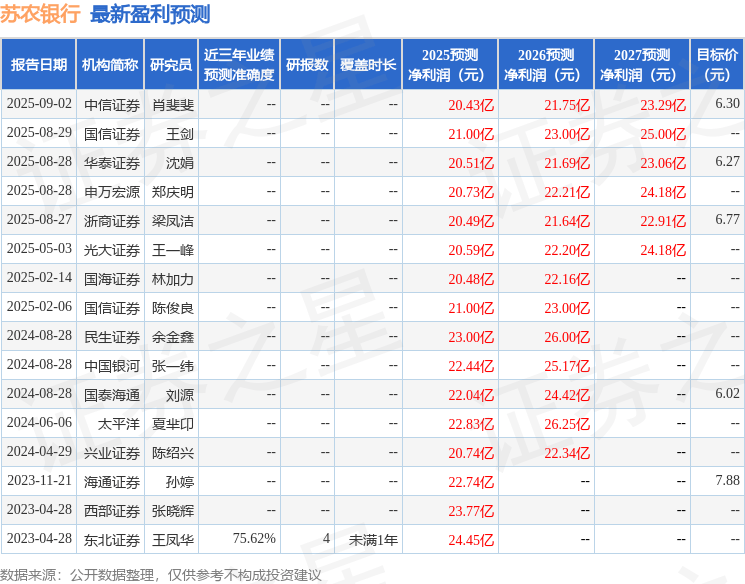
Core Viewpoint - SuNong Bank (603323) is focusing on regional development strategies and enhancing support for small and medium-sized enterprises (SMEs) through various financial initiatives and products [2][3]. Group 1: Business Strategy - SuNong Bank has adopted a "Three Advances" regional development strategy, which includes differentiated management for various regions: maintaining a leading position in Wujiang, expanding services in Suzhou, and enhancing retail transformation in Taizhou and other locations [2]. - The bank has completed the absorption and merger of Jiangsu Jingjiang Runfeng Village Bank, upgrading it to Suzhou Rural Commercial Bank Jingjiang Branch, achieving full financial coverage in the Taizhou area [2]. Group 2: Support for SMEs - The bank is assisting traditional industries in green transformation by collaborating with local governments to address "green barriers" in international trade, particularly in the textile sector [2]. - SuNong Bank has launched the "Accompanying Flight Plan" for technology enterprises, creating a financial product line that supports various tech companies in Suzhou [2]. - The bank is innovating a "Same Alliance" collaborative business model to provide precise services for small and micro enterprises, shifting from a traditional focus on core large enterprises [2]. Group 3: Financial Performance - For the first half of 2025, SuNong Bank reported a main revenue of 2.28 billion yuan, a year-on-year increase of 0.21%, and a net profit attributable to shareholders of 1.178 billion yuan, up 5.22% year-on-year [3]. - In Q2 2025, the bank's single-quarter main revenue was 1.149 billion yuan, a decrease of 2.64% year-on-year, while the net profit attributable to shareholders was 738 million yuan, an increase of 4.66% year-on-year [3]. - The bank's debt ratio stands at 91.68%, with investment income reported at 832 million yuan [3]. Group 4: Analyst Ratings - In the last 90 days, four institutions have rated the stock, with three buy ratings and one hold rating, and the average target price set at 6.41 yuan [4].
业绩稳健增长,中邮消费金融积极践行金融“五篇大文章”
Sou Hu Cai Jing· 2025-10-21 19:46
Core Insights - 中邮消费金融 achieved significant growth in the first half of 2025, with operating income of 3.972 billion yuan and net profit of 633 million yuan, marking a year-on-year increase of 165.97% in net profit [1] Group 1: Financial Performance - The company reported a robust performance with a dual increase in scale and quality, reflecting its commitment to responsible financial practices [1] - The comprehensive loan pricing decreased by 21 basis points compared to the end of the previous year, with 103.8 billion yuan in inclusive loans issued [2] Group 2: Innovation and Technology - 中邮消费金融 has focused on technological innovation, holding 104 authorized patents and 121 software copyrights, with over 90% of its application systems being self-developed [2] - The company has developed a large model "邮远见" and an intelligent digital assistant "邮小宝" to enhance customer service and operational efficiency [3] Group 3: Risk Management - A three-pronged intelligent defense system for fraud prevention has been established, successfully intercepting over 1.09 million non-compliant applications and blocking 8,479 fraud cases [3] Group 4: Green Finance Initiatives - The company launched initiatives to promote green consumption, including a program for old appliance replacements and a feature that quantifies users' green behaviors into carbon reduction points [3] - 中邮消费金融 is transitioning to a paperless operation model, with over 89% of its loan balance being online loans by the end of 2024 [4] Group 5: Social Responsibility - The company emphasizes the synergy between social responsibility and business development, aiming for sustainable and high-quality growth in the consumer finance sector [4]
2025电力建设可持续发展(ESG)会议发布行业生态倡议
Zhong Guo Xin Wen Wang· 2025-10-21 16:08
Group 1 - The second ESG conference focused on building a collaborative industry ecosystem for sustainable development in the power construction sector, emphasizing the need for collective efforts to achieve green transformation [1][2] - The released "Sustainable Development Ecological Initiative" calls for participation from various stakeholders, including enterprises, research institutions, consulting services, financial institutions, and media, to break down barriers and form a united front [1][2] - The initiative outlines clear action paths for different parties, such as integrating ESG principles into strategic decisions, advancing green low-carbon technologies, ensuring data credibility, innovating green financial products, and promoting best practices through media [1][2] Group 2 - Experts highlighted that the value of future green projects will be defined and realized collectively by the ecosystem, creating a virtuous cycle from "green investment" to "value return" [2] - The initiative marks a shift in the Chinese power construction industry from individual competition to ecological win-win, enabling more effective resource gathering and allocation across the entire value chain [2] - This collaborative approach aims to strengthen the industry's foundation for achieving "zero carbon" and contribute to global energy transition with Chinese wisdom and solutions [2]
江苏盐城:“绿色账本”点绿成金 金融活水激活生态经济
Nan Jing Ri Bao· 2025-10-21 12:53
Core Viewpoint - Yancheng is leveraging its natural resources and green development to create a competitive advantage, with green finance playing a crucial role in driving industrial upgrades and ecological protection [1] Group 1: Green Finance Development - As of the end of Q2 2025, Yancheng's green loan balance reached 341.886 billion, with an average growth rate exceeding 50% over the past four years [1] - The first "Wetland Biodiversity Protection Carbon Credit Loan" was issued in March 2025, amounting to 20 million, aimed at supporting biodiversity protection [2] - The first "Marine VEP Loan" was issued shortly after, with a credit of 100 million for an ecological fishery project, addressing challenges in measuring and monetizing ecological products [2][3] Group 2: Innovative Financial Products - A collective forest land mortgage loan of 300,000 was approved, marking a significant step in converting rural green resources into financial capital [3] - The financial innovation supports sustainable agricultural practices, with a focus on green projects [3][5] - The establishment of the Huang Hai Wetland Ecological Asset Operation Center aims to create a platform for measuring ecological value and facilitating green finance [7] Group 3: Collaborative Efforts - The collaboration between various stakeholders, including local government and financial institutions, has led to the successful implementation of collective forest rights mortgage loans [9] - Training and incentive mechanisms within financial institutions have been established to promote the innovation of green financial products [8] - Yancheng is exploring new pathways for green finance development, enhancing the inclusivity of financing for green projects [9]

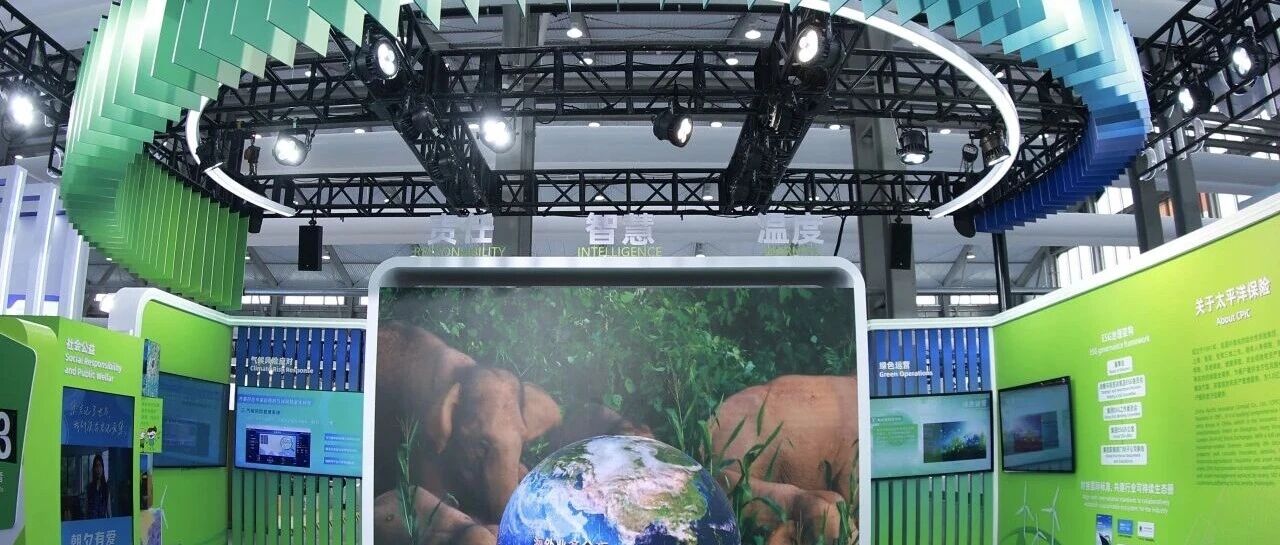
绿动未来,你我同行——中国太保携手2025可持续全球领导者大会,全景展现绿色金融力量
21世纪经济报道· 2025-10-21 10:46
Core Viewpoint - China Pacific Insurance (CPIC) actively participates in the 2025 Sustainable Global Leaders Conference, emphasizing its commitment to green development and sustainable practices [2]. Group 1 - The 2025 Sustainable Global Leaders Conference is held from October 16 to 18 in Shanghai, showcasing global perspectives and green actions [1]. - CPIC, as a leading entity in sustainable development, collaborates with partners at the conference and participates in the "Green Industry and Sustainable Consumption Expo" [2]. - The event highlights CPIC's dedication to leveraging insurance power to create a sustainable future for the planet [2].

发挥跨境金融服务优势 华夏银行承销2025年全国首单与第二单省级政府境外债
Zhong Zheng Wang· 2025-10-21 10:34
Core Insights - Huaxia Bank has successfully assisted the Guangdong and Hainan provincial governments in issuing offshore RMB local government bonds, marking significant steps in the issuance of provincial government bonds abroad [1][2] Group 1: Guangdong Provincial Bonds - Guangdong Province issued a total of 25 billion RMB in offshore bonds, including a 5 billion RMB blue bond with a 1.63% interest rate, a 15 billion RMB special bond with a 1.75% interest rate, and a 5 billion RMB green bond with a 1.85% interest rate [1] - The issuance attracted significant interest from international investors, with a peak order book of 118 billion RMB and a subscription multiple of 4.72 times, setting a record for the Guangdong government in Macau [1] Group 2: Hainan Provincial Bonds - Hainan Province successfully issued 50 billion RMB in offshore bonds, which included 25 billion RMB in sustainable development bonds, 15 billion RMB in blue bonds, and 10 billion RMB in aerospace-themed bonds, the latter being the first of its kind in the country [2] - The bond issuance saw a peak order book of nearly 230 billion RMB and a subscription multiple of 4.6 times, reflecting strong international market confidence in Hainan's free trade port development [2] Group 3: Huaxia Bank's Role - Huaxia Bank played a pivotal role in both bond issuances, with its Guangzhou branch leading the Guangdong issuance and its Haikou branch managing the Hainan issuance, showcasing a coordinated effort between local branches and the headquarters [2] - The bank has successfully completed 162 offshore bond underwriting transactions this year, emphasizing its commitment to serving national strategies and enhancing regional cooperation through cross-border financial services [3]

绿色金融丨绿色乡村振兴债发行提速,助力乡村全面振兴——可持续债券季报(2025年三季度)
Xin Lang Cai Jing· 2025-10-21 10:14
Core Insights - The total issuance of various sustainable bonds in China's domestic market reached approximately 10.07 trillion yuan by the end of Q3 2025, with a total issuance of 337.6 billion yuan in Q3, reflecting a quarter-on-quarter decrease of 11.83% [4][7][10]. Sustainable Bonds Overview - The cumulative issuance of labeled green bonds in China reached 4.93 trillion yuan by the end of Q3 2025, with an outstanding balance of 2.32 trillion yuan. In Q3 2025, the issuance of green bonds totaled 257.69 billion yuan, down 18.03% quarter-on-quarter but up 17.24% year-on-year [7][10][11]. - Green financial bonds were the most significant category, accounting for 50.49% of the total green bond issuance in Q3 2025 [10]. - The primary funding targets for green bonds were the clean energy industry (54.06%) and infrastructure green upgrades (26.88%) [21]. Transition Bonds - By the end of Q3 2025, the cumulative issuance of transition bonds in China was 273.13 billion yuan, with a balance of 171.88 billion yuan. In Q3 2025, the issuance of transition bonds totaled 22.88 billion yuan, representing a quarter-on-quarter increase of 43.9% [2][42]. - The issuance included 20 sustainable-linked bonds totaling 16.37 billion yuan and 8 low-carbon transition-linked bonds totaling 5.4 billion yuan [42]. Other Sustainable Development Bonds - Other sustainable development-themed bonds reached a cumulative issuance of approximately 4.87 trillion yuan by the end of Q3 2025, with a total issuance of 57.03 billion yuan in Q3, reflecting a quarter-on-quarter increase of 8.4% [2][47]. - This category included 73 regional development bonds totaling 47.17 billion yuan and 4 social project bonds totaling 2.53 billion yuan [47]. Innovation Practices - The first sustainable bond from a local state-owned enterprise was successfully issued on the London Stock Exchange, marking a significant milestone for cross-border financing [50]. - The first dual-labeled credit bond in the rail industry, combining "carbon-neutral green" and "rural revitalization," was issued by the Jinhua Rail Transit Group [51]. - The first low-carbon transition-linked bond supporting small and micro enterprises was successfully issued on the Shenzhen Stock Exchange [53]. Policy Developments - The People's Bank of China and other regulatory bodies released the "Green Finance Support Project Directory (2025 Edition)," which standardizes the recognition criteria for various green financial products [54][55]. - A joint opinion was issued to enhance financial support for new industrialization, emphasizing the role of green finance in promoting low-carbon transitions in manufacturing [57]. - The Green Bond Standards Committee published a notification regarding the application of the new project directory for green bonds, ensuring a smooth transition from the previous standards [56].
