两新政策

Search documents
优化“两新”政策实施 家电企业积极布局
Zheng Quan Ri Bao Wang· 2025-12-12 12:54
Group 1: Policy and Economic Outlook - The Central Economic Work Conference held in Beijing from December 10 to 11 emphasized the optimization of the "Two New" policy, which refers to promoting large-scale equipment updates and the replacement of consumer goods [1] - The "Two New" policy is expected to continue through 2026, with the old-for-new subsidy policy likely to be extended and optimized [1][2] - The implementation of the "Two New" policy is projected to unlock a consumption market worth trillions, with over 25 trillion yuan in sales driven by the old-for-new policy from January to November this year [1][2] Group 2: Market Performance and Trends - The home appliance market is experiencing a surge in both quantity and quality, with significant growth in sales of health-related products [3] - Sales of high-end home appliances priced over 8,000 yuan increased by 96% year-on-year in the first half of the year [3] - The old-for-new policy has led to over 128.44 million home appliances being replaced and over 90.15 million digital products receiving subsidies [1][2] Group 3: Industry Challenges - There are notable gaps in consumer awareness of the old-for-new policy, particularly in third and fourth-tier cities and rural areas [3] - The industry faces challenges in establishing an efficient and low-cost recycling system, with high labor costs for disassembly and difficulties in balancing recycling prices [3] Group 4: Corporate Strategies and Innovations - Home appliance companies are shifting their strategies from simple product sales to providing scenario-based and ecological solutions [4] - The integration of health and AI technologies is becoming a key competitive advantage for leading companies, with significant investments in R&D [5] - Companies like Haier and Gree are actively responding to the old-for-new policies by enhancing their product offerings and transforming retail spaces to focus on health and AI solutions [4][5]


定调2026:明年中国经济怎么干?对你我有何影响?丨财经早察
2 1 Shi Ji Jing Ji Bao Dao· 2025-12-12 12:36
什么是"投资于人"呢?就是要从那些能提升居民幸福感和获得感的方向入手。首先,本次会议提出 要"制定实施城乡居民增收计划"!这可是影响咱们切身利益的大事!要扩大内需,提振消费,手里没有 钱可不行。千招万招,增加收入才是"好招"!实施城乡居民增收计划,目标就是要让咱们"有收入、有 预期",从而"敢消费、愿消费"。 那么"投资于物"又要怎么干呢?简单来说,就是转向两类精准投入。一是建设三大国际创新中心,推 动"人工智能+",这些投资可不只是为了短期拉动经济,而是为了提升咱们国家科技产业的竞争力。二 是城市更新改造,城市更新和过去的大规模基建可完全不同,它更注重改善公共服务、优化存量空间、 提升城市生活品质,是未来咱们国家落实好投资于人和投资于物相结合的重点发力领域! 其次,本次会议提出,要延续实施并优化"两新"政策。那么什么是"两新"政策呢?简单来说,就是新一 轮大规模设备更新和消费品以旧换新。明年"两新"政策还将持续扩大范围,支持的产品会越来越多,能 够享受到的居民也会越来越多。 第三,本次会议把稳就业作为重要目标,还提出要稳定高校毕业生、农民工等重点群体就业。咱们都知 道,就业是民生之本,只有稳住就业,才能稳住 ...
券商首席解读中央经济工作会议:“两新”政策已从“资金加码”转变为“提高效率”
Sou Hu Cai Jing· 2025-12-12 10:20
受外部环境复杂严峻、投资收益下降等因素影响,今年前10个月,全国固定资产投资同比下降1.7%。 与此同时,我国投资结构优化,高技术行业投资较快增长。 【大河财立方 记者 孙凯杰】12月10日至11日,中央经济工作会议在北京举行,分析当前经济形势,部 署2026年经济工作。今年会议多次提及"内需":要持续扩大内需、优化供给;引导金融机构加力支持扩 大内需;坚持内需主导,建设强大国内市场。 东吴证券首席经济学家、研究所联席所长芦哲在接受大河财立方记者采访时表示,消费仍然是放在扩大 内需的第一位,但会议对"两新"(设备更新和以旧换新)政策表述发生了重大变化,从去年的"加力扩 围"改为了今年的"优化",政策从单纯的"资金加码"转变为"提高效率"。今年下半年以来,汽车家电等 品类出现了一定透支,他认为,明年如果部分品类补贴退坡,全年国补资金未必有今年多。 今年会议还创新性地提出了"制定实施城乡居民增收计划"。芦哲认为,2024年会议中提到的"推动中低 收入群体增收减负、适当提高退休人员基本养老金、提高城乡居民基础养老金"等措施,是"安全垫"式 的增收政策,更注重中低收入者、养老、医疗等基础保障;而今年提出制定"增收计划 ...
西南证券叶凡:生产性服务业、可选消费、科技、新型材料等或迎来新的发展机遇
Zhong Zheng Wang· 2025-12-12 06:49
Group 1 - The central economic work conference emphasized "expanding the supply of quality goods and services," aligning with the "14th Five-Year Plan" to stimulate consumer demand through supply-side measures [1] - In 2025, fixed asset investment in China decreased by 1.7% year-on-year from January to October, with expectations for stabilization in 2026 through increased central budget investments and activation of private investment [1] - The conference highlighted the establishment of an "international technology innovation center" and the development of a comprehensive plan for education and talent in technology, indicating a strategic shift from "investment in objects" to "investment in people" [1] Group 2 - New development opportunities are anticipated in sectors such as productive services, discretionary consumption, technology, and new materials [1]

中央经济工作会议重磅定调,提及房地产、降准降息,信息量很大
21世纪经济报道· 2025-12-12 04:38
Core Viewpoint - The Central Economic Work Conference emphasizes the need for a more proactive macro policy to enhance economic stability and growth, focusing on expanding domestic demand and optimizing supply, while addressing risks in key areas to ensure a good start for the 14th Five-Year Plan [1][3][5]. Group 1: Economic Growth and Challenges - The economic growth rate for the first three quarters of 2025 was 5.2%, with quarterly growth rates of 5.4%, 5.2%, and 4.8% respectively [4]. - Despite a resilient export growth of 6.2% year-on-year from January to November, domestic demand remains weak, with retail sales growing only 4.3% and fixed asset investment declining by 1.7% during the same period [3][4]. - The government aims to achieve a growth target of around 5% for the year, despite facing downward pressure in the fourth quarter [4][6]. Group 2: Policy Measures - The conference outlines eight key tasks for 2026, including prioritizing domestic demand and fostering innovation-driven growth [1][5]. - A more proactive fiscal policy is anticipated, with the deficit rate expected to rise from 3% in 2024 to 4% in 2025, alongside increased local special bonds and long-term special bonds [8][10]. - Monetary policy will remain moderately loose, focusing on stabilizing economic growth and ensuring reasonable price recovery, with potential interest rate cuts expected in early 2026 [9][11]. Group 3: Investment and Consumption - The government plans to enhance investment by increasing central budget investments and optimizing the use of local government special bonds, with a focus on revitalizing private investment [13][15]. - The "Two New" policies, aimed at large-scale equipment updates and consumption upgrades, will continue to be implemented, with significant funds allocated to support these initiatives [13][15]. - Despite high growth rates in certain consumer goods, overall consumption growth remains low, necessitating further measures to unlock consumer potential [14]. Group 4: Risk Management and Structural Reforms - The conference stresses the importance of stabilizing the real estate market and managing local government debt risks, with specific measures to encourage the acquisition of existing housing for affordable housing projects [21][22]. - Efforts to clear overdue payments to enterprises are highlighted as a means to improve cash flow and facilitate smoother financial operations [18][22]. - Structural reforms will focus on enhancing the quality of competition and addressing issues related to "involution" in various industries [17][20].

中央定调,明年消费品以旧换新“国补”继续
Sou Hu Cai Jing· 2025-12-12 04:13
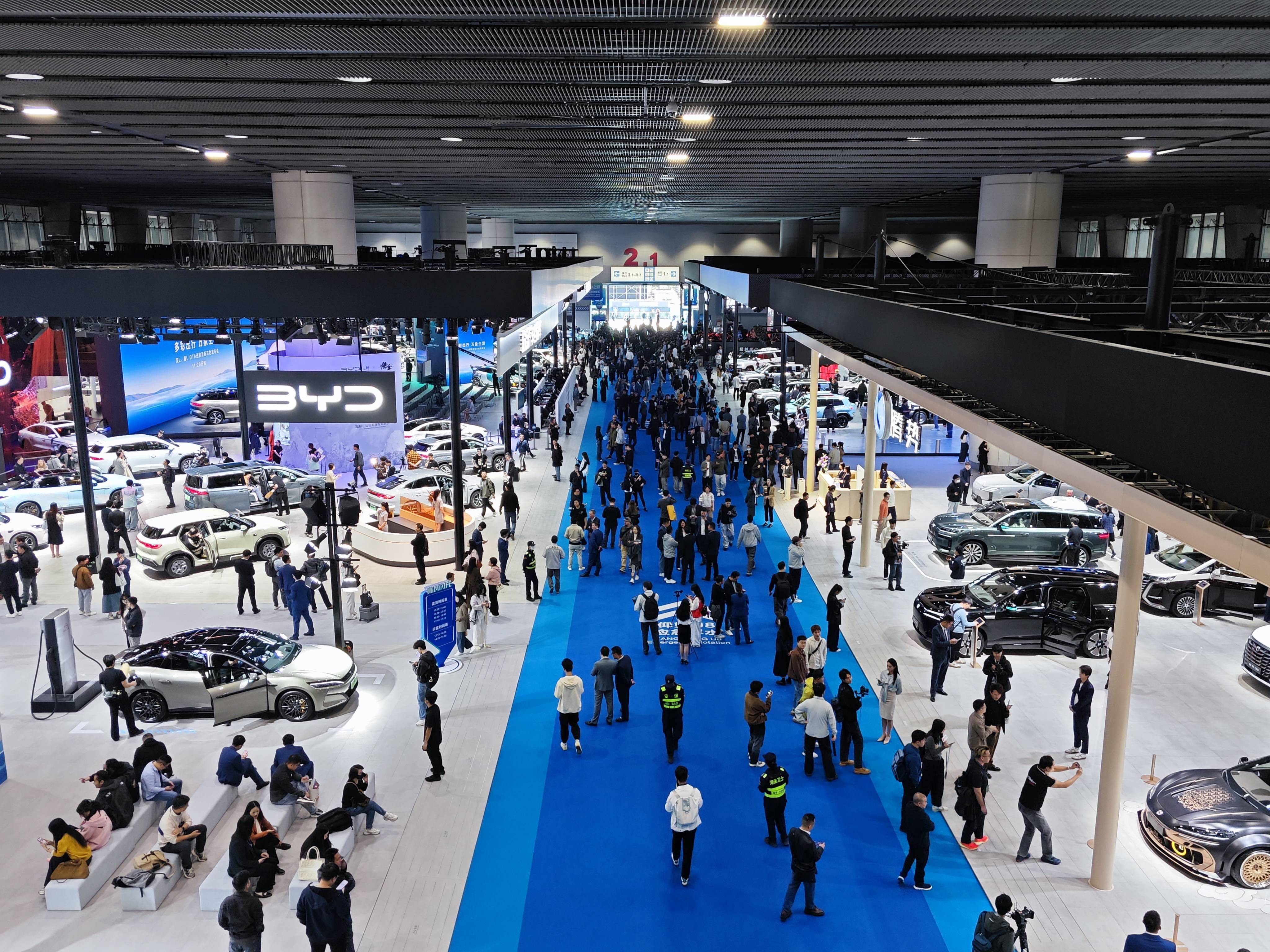
Group 1 - The Central Economic Work Conference emphasized the need to maintain stability while seeking progress, enhance quality and efficiency, and continue implementing a more proactive fiscal policy and moderately loose monetary policy to expand domestic demand and optimize supply [1] - The conference highlighted the implementation of the "Two New" policies, which include large-scale equipment upgrades and the trade-in policy for consumer goods, with a specific focus on the latter, known as "national subsidies" [1] - The "national subsidies" policy will continue to be implemented until 2026, indicating ongoing support for consumer goods trade-in initiatives [1] Group 2 - In 2024 and 2025, China issued special long-term bonds of 150 billion and 300 billion yuan respectively to fund the trade-in policy for consumer goods, expanding the range of eligible products in 2025 to include digital and household appliances [4] - From January to November this year, the trade-in policy has driven sales of related goods to exceed 2.5 trillion yuan, benefiting over 360 million people, with over 11.2 million vehicles traded in [4] - The automotive industry saw sales of 27.687 million vehicles from January to October, a year-on-year increase of over 10%, with new energy vehicle sales reaching 12.943 million, a growth of 32.7%, demonstrating the significant impact of the subsidy policy on automotive consumption [4] Group 3 - Starting from January 1, 2026, a new policy will halve the vehicle purchase tax for new energy vehicles, with a maximum tax reduction of 15,000 yuan per vehicle [5] - New technical requirements for plug-in hybrid vehicles will be implemented in 2026, mandating a minimum electric range of 100 kilometers, which is a significant increase from the current requirement of 43 kilometers, potentially leading to some models being phased out [5]
定调!明年继续“国补”!
Sou Hu Cai Jing· 2025-12-12 02:30
Group 1 - The central economic work conference held in Beijing from December 10 to 11 outlined the economic work for 2026, emphasizing the need to optimize the implementation of the "two new" policies, which include large-scale equipment updates and the consumer goods trade-in policy known as "national subsidies" [1] - In 2024, China will issue 150 billion yuan of ultra-long-term special government bonds for the consumer goods trade-in program, referred to as "national subsidies," with the amount increasing to 300 billion yuan in 2025, doubling the allocation from 2024 [1] - The "national subsidies" policy will be further optimized in 2025, expanding the categories to include new digital products such as smartphones, tablets, smartwatches, and home appliances like microwaves, water purifiers, dishwashers, and rice cookers [1] Group 2 - From January to November this year, the consumer goods trade-in program generated over 2.5 trillion yuan in sales, benefiting more than 360 million people, with significant contributions from the automotive sector, home appliances, and digital products [2] - Experts interviewed indicated that the "national subsidies" amount for 2026 may see a moderate increase from 2025 and will continue to optimize funding allocation to enhance service consumption, thereby further stimulating economic growth and facilitating industrial transformation [2]
中央经济工作会议的这些新表述,传递重要信息!
Sou Hu Cai Jing· 2025-12-11 22:56
撰文 | 董鑫 余晖 据新华社报道,12月10日至11日,中央经济工作会议在北京举行。会议总结2025年经济工作,分析当前 经济形势,部署2026年经济工作。 一年一度的中央经济工作会议,是判断当前经济形势和定调第二年宏观经济政策最权威的风向标。 当前经济形势如何?明年中国经济怎么干? 2026年中国经济发力方向和工作主线已经浮出水面。 坚定信心、用好优势、应对挑战 "今年是很不平凡的一年。" 此次会议总结了2025年和过去5年的经济工作,同时对当前经济形势有新的判断: 必须充分挖掘经济潜能,必须坚持政策支持和改革创新并举,必须做到既"放得活"又"管得好",必须坚 持投资于物和投资于人紧密结合,必须以苦练内功来应对外部挑战。 用八个"坚持"明确了明年经济工作要抓好的重点任务: 坚持内需主导,建设强大国内市场 坚持创新驱动,加紧培育壮大新动能 知名经济学家、工信部信息通信经济专家委员会委员盘和林分析指出,从任务部署来看,中国经济发展 的侧重,已经从投资拉动转向人力资本投入拉动和内需拉动。 "提质增效" 与去年的中央经济工作会议相比,今年的会议有不少新的表述。 比如,在提到做好明年经济工作时,今年的会议提到,"更 ...
中央定调明年继续“国补” 具体政策将优化
Di Yi Cai Jing· 2025-12-11 14:16
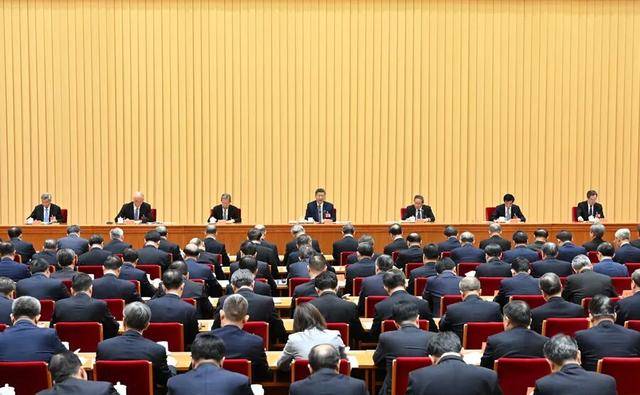
商务部数据显示,今年1~11月,消费品以旧换新带动相关商品销售额超2.5万亿元,惠及超3.6亿人次。 其中,汽车以旧换新超1120万辆,家电以旧换新超12844万台,手机等数码产品购新补贴超9015万件, 电动自行车以旧换新超1291万辆,家装厨卫"焕新"超1.2亿件。 多位接受第一财经采访的专家表示,2026年"国补"额度可能在2025年基础上适度增加,并继续优化资金 投向领域,增加服务消费等,以进一步发挥财政资金带动消费,带动产业转型升级、提振经济。 (文章来源:第一财经) 所谓"两新"政策,是指大规模设备更新和消费品以旧换新政策。其中与老百姓利益直接相关的消费品以 旧换新政策又备受关注,被称为"国补"。此次会议明确2026年优化"两新"政策实施,意味着明年会继续 实施国补政策,但具体政策会有所优化。 为了促进消费,中国在2024年发行了1500亿元超长期特别国债资金用于消费品以旧换新,也就是老百姓 口中的"国补"。由于当年实施效果不错,2025年中国发行3000亿元超长期特别国债资金用于消费品以旧 换新,"国补"额度较2024年增长一倍。 "国补"政策也在不断优化。2025年"国补"领域在2024年基础 ...
中央经济工作会议的这些新表述,传递重要信息
Bei Jing Qing Nian Bao· 2025-12-11 13:57
北京青年报消息,据新华社报道,12月10日至11日,中央经济工作会议在北京举行。会议总结2025年经济 工作,分析当前经济形势,部署2026年经济工作。 一年一度的中央经济工作会议,是判断当前经济形势和定调第二年宏观经济政策最权威的风向标。 当前经济形势如何?明年中国经济怎么干? 2026年中国经济发力方向和工作主线已经浮出水面。 坚定信心、用好优势、应对挑战 "今年是很不平凡的一年。" 此次会议总结了2025年和过去5年的经济工作,同时对当前经济形势有新的判断: 我国经济发展中老问题、新挑战仍然不少,外部环境变化影响加深,国内供强需弱矛盾突出,重点领域风 险隐患较多。 这些大多是发展中、转型中的问题,经过努力是可以解决的,我国经济长期向好的支撑条件和基本趋势没 有改变。要坚定信心、用好优势、应对挑战,不断巩固拓展经济稳中向好势头。 会议用五个"必须"科学总结了做好新形势下经济工作新的认识和体会: 必须充分挖掘经济潜能,必须坚持政策支持和改革创新并举,必须做到既"放得活"又"管得好",必须坚持 投资于物和投资于人紧密结合,必须以苦练内功来应对外部挑战。 用八个"坚持"明确了明年经济工作要抓好的重点任务: 坚持 ...