太空数据中心

Search documents
太空数据中心即将到来:如何从中获利
2025-12-17 15:50
Summary of Key Points from the Conference Call on Space Data Centers Industry Overview - The discussion centers around the emerging concept of space data centers, particularly in the context of SpaceX's plans for an IPO and a projected valuation of $1.5 trillion [1][5] - Major financial institutions like Morgan Stanley and Deutsche Bank have released reports analyzing the potential of space data centers [1][5] Core Insights and Arguments - **Technical Challenges**: The feasibility of space data centers faces engineering challenges rather than physical limitations. Companies like Google, OpenAI, and Blue Origin are exploring methods to achieve this goal [5][9] - **Energy Efficiency**: Space data centers can utilize solar energy more efficiently than ground-based data centers, potentially generating 6-8 times more energy due to higher solar intensity in space [8][12] - **Cooling Requirements**: Cooling is a significant challenge, accounting for 40% of energy consumption in data centers. In space, passive radiators must be used to dissipate heat, which requires innovative designs [12][15] - **Latency and Data Processing**: Deploying data centers in space can reduce latency significantly compared to ground-based systems, allowing for faster data processing and analysis [12][15] - **Scalability**: SpaceX currently dominates orbital mass delivery, but increased competition from other launch providers could lower costs and enhance scalability for space infrastructure [12][15] Market Potential - Deutsche Bank predicts that distributed satellite systems (DCS) will create new growth opportunities for launch and satellite manufacturing companies, with initial deployments expected around 2027-2028 [18][19] - Companies like Planet Labs, Rocket Lab, and Intuitive Machines are highlighted as potential beneficiaries of the space data center market [18][22] Notable Companies and Initiatives - **Planet Labs**: Collaborating with Google to develop prototype satellites for testing AI capabilities in space, with plans for a 2027 launch [18][22] - **Rocket Lab**: Aiming to support DCS deployment through satellite manufacturing and launch services [22] - **Intuitive Machines**: Proposed acquisition of Lanteris to enhance capabilities for high-power satellite payloads [22] - **Starcloud**: A startup focused on deploying space data centers using solar energy and passive cooling [22] - **Axiom Space**: Developing orbital data center products for commercial and national security clients, with significant funding raised [22] - **Lonestar Data Holdings**: Working on lunar and space data center infrastructure [22] Additional Considerations - **Geopolitical Concerns**: Ground-based data centers face protests and geopolitical risks, making space data centers an attractive alternative [9] - **Market Dynamics**: The success of space data centers may depend on advancements in energy production and the pace of technological innovation compared to traditional energy systems [18][19] This summary encapsulates the key points discussed in the conference call regarding the potential and challenges of space data centers, highlighting the companies involved and the market implications.
AI算力“逃离地球”?谷歌宣布“追日者”计划,2027年拟在太空部署AI数据中心
硬AI· 2025-12-17 13:58
Core Viewpoint - Google is attempting a groundbreaking infrastructure experiment with "Project Suncatcher," aiming to establish a space-based data center powered by solar energy to alleviate the energy and computational bottlenecks associated with AI [3][4]. Group 1: Project Overview - The project involves a cluster of 81 satellites equipped with AI chips, which will operate in a sun-synchronous orbit approximately 650 kilometers from Earth, providing near-constant solar energy for high-energy AI workloads [3][5]. - Google plans to collaborate with Planet to launch two prototype satellites into low Earth orbit by 2027 as the first step of this initiative [3][5]. - The project aims to circumvent the challenges faced by terrestrial data centers, such as complex planning approvals and local opposition, as well as the inability of existing power grids to meet the surging energy demands of AI [5] Group 2: Challenges and Risks - The ambitious plan faces significant technical and economic challenges, including high launch and maintenance costs, risks from space radiation, collision hazards, and the increasing congestion of orbital traffic [4][7]. - The proximity of satellites (100 to 200 meters apart) raises concerns about collision risks, which could lead to catastrophic chain reactions in the already crowded near-Earth orbit [7][8]. - The project also raises governance issues regarding space, as the increasing number of satellites could interfere with astronomical observations and contribute to light pollution and radio interference [11] Group 3: Industry Context - Microsoft's previous attempt with underwater data centers (Project Natick) ended without further plans, highlighting the increasing difficulty of establishing data centers in unconventional environments like space [9][10]. - The cost of space-based power remains comparable to terrestrial power, and despite decreasing launch costs due to companies like SpaceX, significant economic advantages have yet to be realized [9][10]. - The project reflects a broader trend in the tech industry, where companies are exploring unconventional solutions to address energy concerns while also showcasing the potential for AI scalability [3][11].



中美卫星险相撞,SpaceX的野心值得中国重视
3 6 Ke· 2025-12-17 08:20
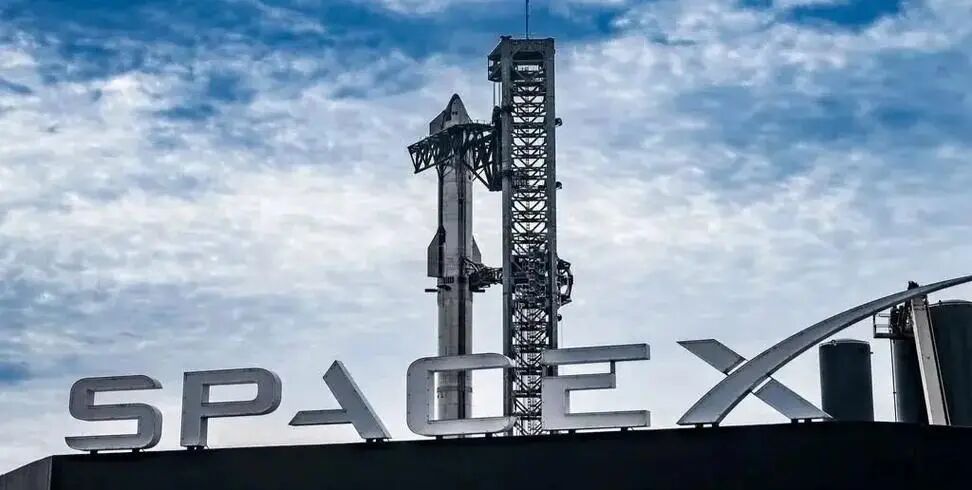
Core Viewpoint - The recent close encounter between Chinese and American satellites has intensified discussions about space competition and raised questions regarding SpaceX's future IPO plans and valuation [1][20]. Group 1: SpaceX IPO Plans - SpaceX is reportedly planning an IPO in 2026, with valuation targets ranging from $800 billion to $1.5 trillion and fundraising goals between $250 billion and $400 billion [1][3]. - The company's previous stock sale in July 2025 valued it at $400 billion, and a successful IPO could position SpaceX among the top 20 largest public companies globally [3]. - CFO Johnson acknowledged uncertainty regarding the IPO and valuation but indicated that strong company performance could lead to significant fundraising [3]. Group 2: Business Model and Revenue Streams - SpaceX's revenue primarily comes from two segments: commercial launches via the Starship program and the Starlink satellite internet service [8][9]. - Starlink has seen rapid growth, with active users increasing from 1 million in December 2022 to over 8 million by November 2025, projected to generate $7.7 billion in revenue in 2024, accounting for 58% of total revenue [11]. - Analysts predict Starlink could generate between $11.8 billion and $15 billion by 2025, supported by a network of over 7,500 satellites [11]. Group 3: Future Developments and Strategic Plans - SpaceX has acquired wireless spectrum licenses worth over $17 billion from EchoStar, enabling direct service to smartphones without special equipment [13]. - Future plans may include deploying AI data centers in space and increasing Starship flight frequency, with ambitions for lunar and Martian missions [18][20]. - The company aims to enhance its satellite capabilities to provide broadband services in densely populated areas, indicating a strategic focus on expanding its market reach [15][20]. Group 4: Competitive Landscape - China's recent satellite launches and plans to deploy approximately 13,000 satellites highlight the intensifying competition in the low Earth orbit space [22]. - The ongoing developments in both the U.S. and China suggest a significant race for dominance in satellite internet and space infrastructure [20][22].
中美卫星险相撞,SpaceX的野心值得中国重视
首席商业评论· 2025-12-17 04:34
Core Viewpoint - The article discusses the recent tensions between China and the U.S. in space, particularly focusing on SpaceX's potential IPO plans and the implications for the space industry, highlighting the competitive landscape and future strategies of SpaceX and China in satellite communications and space exploration [3][11]. Group 1: SpaceX's IPO Plans - SpaceX is reportedly planning an IPO in 2026, with valuation targets ranging from $800 billion to $1.5 trillion, aiming to raise between $250 billion and $400 billion [3][5]. - The company's previous stock sale in July 2025 valued it at $400 billion, and a successful IPO could position SpaceX among the top 20 largest public companies globally [5]. - CFO Johnson indicated uncertainty regarding the IPO's execution and valuation, but expressed optimism about raising significant funds if the company performs well [5]. Group 2: Revenue Streams and Business Model - SpaceX's revenue primarily comes from two segments: commercial launches via the Starship program and the Starlink satellite internet service [12][13]. - The Starlink service has seen rapid growth, with active users increasing from 1 million in December 2022 to over 8 million by November 2025, projected to generate $7.7 billion in revenue in 2024, accounting for 58% of total revenue [15]. - Analysts predict Starlink could generate between $11.8 billion and $15 billion by 2025, leveraging a network of over 7,500 satellites [15]. Group 3: Future Plans and Innovations - SpaceX has acquired wireless spectrum licenses worth over $17 billion from EchoStar, enabling direct service to smartphones without special equipment, potentially expanding its market reach [17]. - Future plans may include deploying AI data centers in space and increasing Starship flight frequency, with ambitions for lunar and Mars missions [20][23]. - Speculation exists around the development of a satellite phone and advanced communication capabilities, indicating a broader vision for SpaceX's role in global communications infrastructure [27]. Group 4: Competitive Landscape - China's recent satellite launches and plans to deploy approximately 13,000 satellites for its GW constellation indicate a growing competition in low Earth orbit [25]. - The article suggests that the ongoing developments in space infrastructure by both SpaceX and China could reshape the future of commercial space operations and satellite communications [23][26].
一夜走红的“太空数据中心”
Hua Er Jie Jian Wen· 2025-12-17 03:28
Core Insights - The concept of space data centers is transitioning from science fiction to reality, driven by the surge in demand for artificial intelligence and the structural limitations faced by terrestrial data centers [1] - SpaceX has confirmed its IPO plans for next year, aiming for a valuation of $1.5 trillion, with strong support from Elon Musk for deploying data centers in space [1] - Major investment banks like Morgan Stanley and Deutsche Bank are beginning to assess the feasibility of space data centers, focusing on engineering challenges rather than physical limitations [1][2] Technological Advantages - Space data centers offer significant advantages in energy, cooling, latency, and scalability, with solar panels in optimal orbits capable of generating 6-8 times more energy than terrestrial counterparts [3] - Cooling systems in space can eliminate the need for traditional water-cooling methods, which account for 40% of energy consumption in ground data centers [3] - Laser link transmission speeds in vacuum are over 40% faster than terrestrial fiber optics, enabling real-time processing of data in orbit [3] Cost and Engineering Challenges - Despite theoretical advantages, space data centers face high launch costs, with the reusable Falcon 9 rocket priced at approximately $70 million, leading to a cost of about $1,500 per kilogram [4] - Effective thermal management in space is complex, requiring innovative designs for passive heat dissipation due to the vacuum environment [4] - Radiation threats can accelerate chip aging, necessitating the use of "space-grade" hardware, which increases costs [4] Market Opportunities - Deutsche Bank predicts that if technology validation is successful, the scale of satellite constellations could reach hundreds to thousands by the 2030s, creating new market opportunities for launch and satellite manufacturing companies [2][7] - Companies like Planet Labs, Rocket Lab, and Intuitive Machines are positioned to benefit from the space data center concept, with existing partnerships and capabilities in satellite production and launch services [7][8] Private Sector Developments - Startups like Starcloud have secured over $20 million in seed funding, while Axiom Space plans to launch its first two orbital data center nodes by the end of 2025, having raised over $700 million [8] - Lonestar Data Holdings is developing lunar and space data center infrastructure, with its "Freedom" payload successfully landing on the moon via SpaceX [8]
马斯克画了个天大的饼,吐槽核聚变愚蠢至极
3 6 Ke· 2025-12-17 00:03
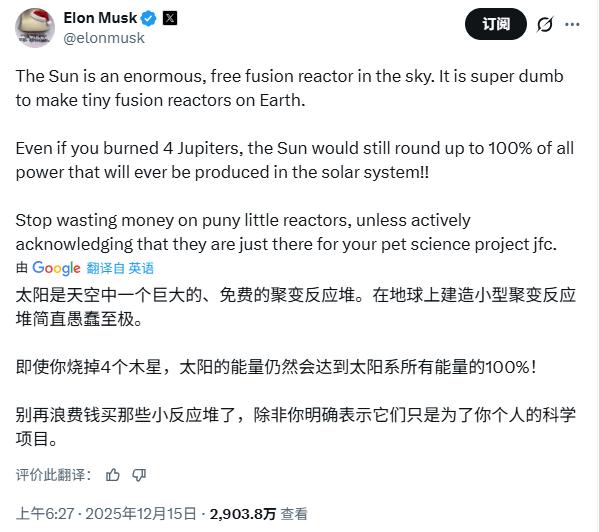
Core Viewpoint - Elon Musk publicly criticized controlled nuclear fusion, calling it "extremely foolish" and suggesting that investing in small fusion reactors is a waste of money [2]. Group 1: Critique of Controlled Nuclear Fusion - Musk argues that the sun serves as a massive, free nuclear fusion reactor, making the construction of small fusion reactors on Earth unnecessary [2]. - He previously stated that solar panels combined with battery storage could provide continuous energy, suggesting that a solar panel area of 100 miles by 100 miles could meet the entire electricity demand of the U.S. [2]. Group 2: Space-Based Data Centers - SpaceX plans to build data centers in space, upgrading Starlink V3 satellites to carry AI computing chips, with a goal to start in 2026 and create a global space computing network [4]. - The energy consumption for AI model training is projected to reach 1,200 terawatt-hours by 2035, which is nearly a quarter of the total U.S. electricity generation in 2024 [4]. - Musk's vision includes deploying 100 gigawatts of computing power annually via Starship, achieving self-sufficiency and potentially surplus capacity [5]. Group 3: Comparison with Nuclear Power - Major tech companies like Microsoft and Amazon are investing in nuclear power to secure energy needs, while Musk proposes relocating data centers to space [5]. - Space-based solar power offers advantages over controlled nuclear fusion, such as continuous energy generation unaffected by weather or time of day [10]. - The cost of solar power has decreased by over 80% in the past decade, making it commercially viable without subsidies [10]. Group 4: Challenges of Controlled Nuclear Fusion - The ITER project for nuclear fusion has faced delays and has seen costs rise to €25 billion (approximately 206.9 billion RMB), with operational goals pushed back to 2034 [7]. - Achieving the necessary conditions for nuclear fusion, such as heating plasma to over 100 million degrees Celsius, presents significant technical challenges [8][9]. - Experts believe that commercial nuclear fusion power may still be at least 30 years away from realization [10].
史上最大IPO要来了!估值10万亿
Sou Hu Cai Jing· 2025-12-16 14:54
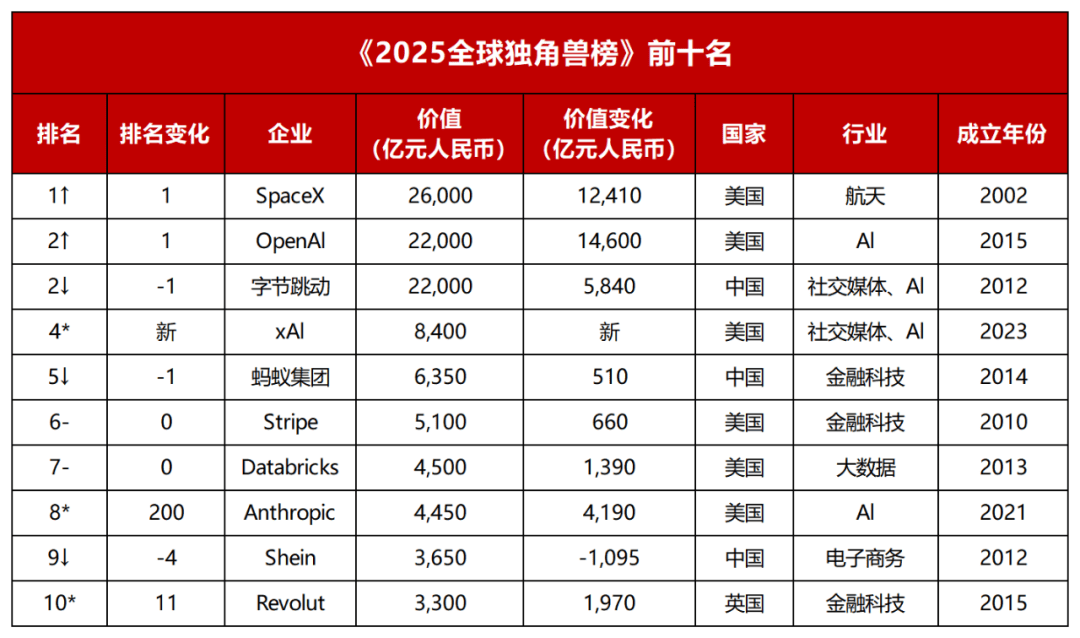
Core Insights - SpaceX plans to conduct an IPO with an estimated valuation of approximately $1.5 trillion, aiming to raise over $30 billion, which could become the largest IPO in history [1][3] - The company has recently topped the 2025 Global Unicorn List, with a valuation increase of 1.2 trillion yuan over the past year, reaching 2.6 trillion yuan [1][4] - Part of the funds raised from the IPO will be allocated to developing space data centers and acquiring necessary chips [1][3] Company Overview - Founded by Elon Musk in 2002, SpaceX is a leader in the commercial space sector, focusing on reusable rocket technology and reducing space travel costs [2] - The company’s Starlink project is the largest low Earth orbit satellite internet constellation, and its Starship rocket is currently the most powerful heavy-lift launch vehicle [2] IPO Details - SpaceX is working towards completing its IPO by mid to late 2026, although this timeline may be adjusted based on market conditions and regulatory approvals [2] - If SpaceX sells about 5% of its shares at the $1.5 trillion valuation, it could raise up to $40 billion, surpassing the previous record set by Saudi Aramco [3] Market Position - SpaceX's valuation has nearly doubled in the past year, significantly outpacing competitors like Blue Origin and DJI [5] - The company has established a strong market presence with its reusable rocket technology and the commercial success of its Starlink satellite network [5] Growth Drivers - The upcoming IPO is seen as an opportunity to leverage technological barriers and the growing space economy [6] - SpaceX plans to conduct 170 orbital launches in 2025, which would account for nearly 90% of global launch capacity, creating significant scale effects [6] Challenges Ahead - The company faces regulatory and governance challenges, particularly regarding information disclosure related to its military applications and rocket technology [7] - Competition from Blue Origin and Amazon's Kuiper project poses risks to SpaceX's market share in satellite internet [7] - Balancing shareholder interests with long-term exploration goals remains a critical challenge for SpaceX as it prepares for its IPO [7]
SpaceX计划融资数百亿,马斯克有什么阳谋?
3 6 Ke· 2025-12-16 07:44
Core Viewpoint - SpaceX is planning an IPO in 2026, with valuation targets ranging from $800 billion to $1.5 trillion, aiming to raise between $250 billion and $400 billion [1][3]. Group 1: IPO Plans and Valuation - The company sold shares at $212 each in July 2025, with a valuation of $400 billion, and a successful IPO could place SpaceX among the top 20 public companies globally [3]. - CFO Johnson acknowledged uncertainty regarding the IPO and valuation but indicated potential for significant fundraising if the company performs well [3]. - Musk stated that the $800 billion valuation for fundraising is inaccurate, emphasizing that the company has been cash flow positive and has regular stock buybacks, suggesting a potentially higher value [5]. Group 2: Revenue Streams - SpaceX's revenue primarily comes from two segments: commercial launches via the Starship and Starlink satellite internet services [8][9]. - The Starlink service has seen rapid growth, with active users increasing from 1 million in December 2022 to over 8 million by November 2025, projected to generate $7.7 billion in revenue in 2024, accounting for 58% of total revenue [11]. - Analysts predict Starlink could generate between $11.8 billion and $15 billion by 2025, supported by a network of over 7,500 satellites [11]. Group 3: Future Developments - SpaceX acquired wireless spectrum licenses worth over $17 billion from EchoStar, enabling direct service to smartphones without special equipment, potentially expanding its market reach [13]. - Future plans include increasing satellite launches to provide broadband services in densely populated areas, necessitating investment in larger and more capable satellites [15]. - Musk hinted at ambitious projects, including a space data center and potential lunar and Mars missions, which could be funded through the IPO [18]. Group 4: Competitive Landscape - The competition in low Earth orbit is intensifying, with China planning to deploy approximately 13,000 satellites, indicating a new space race [20]. - SpaceX's strategic initiatives could position it as a leader in the satellite internet market, leveraging its existing capabilities to enhance its service offerings [16].
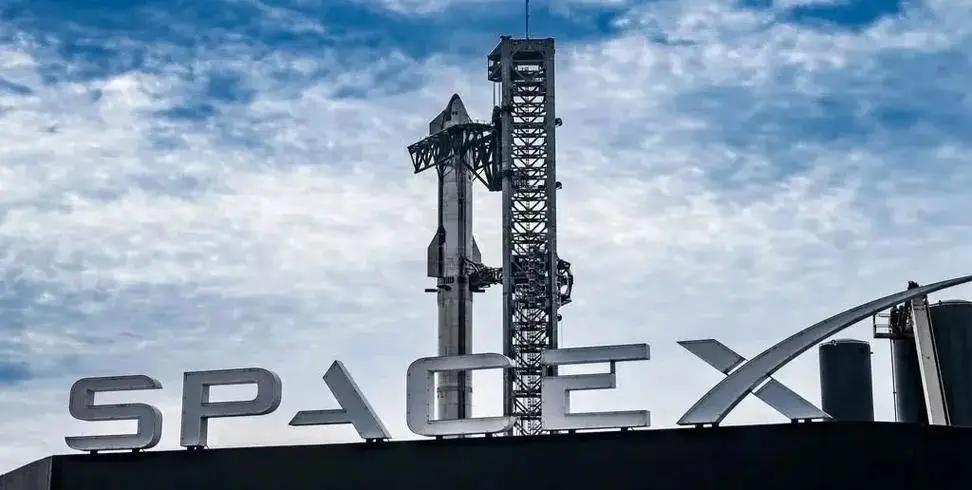
SpaceX计划融资数百亿,马斯克有什么阳谋?
首席商业评论· 2025-12-16 04:17
Core Viewpoint - SpaceX is planning for an IPO in 2026, with valuation targets ranging from $800 billion to $1.5 trillion, aiming to raise between $250 billion and $400 billion [3][4][7]. Group 1: IPO Plans and Valuation - SpaceX's previous stock sale in July 2025 valued the company at $400 billion, and a successful IPO could position it among the top 20 largest public companies globally [4]. - CFO Johnson acknowledged uncertainty regarding the IPO and valuation but indicated potential for significant fundraising if the company performs well and market conditions are favorable [4]. - Musk suggested that the $800 billion fundraising target may not be accurate, emphasizing that the company has been cash flow positive for years and has regular stock buybacks, implying a potentially higher value [7][8]. Group 2: Revenue Sources - SpaceX's revenue primarily comes from two segments: the Starship commercial launch business and the Starlink satellite internet service [11][12]. - The Starship business benefits from the reusability of the Falcon rockets, significantly lowering launch costs, while the Starlink service has rapidly grown to become the largest revenue source, with user numbers increasing from 1 million in December 2022 to over 8 million by November 2025 [14]. - Starlink is projected to generate $7.7 billion in revenue in 2024, accounting for approximately 58% of total company revenue, with forecasts suggesting revenues could reach between $11.8 billion and $15 billion by 2025 [14]. Group 3: Future Plans and Innovations - SpaceX recently acquired wireless spectrum licenses worth over $17 billion from EchoStar, enabling direct service to smartphones without special equipment, which could expand Starlink's market to densely populated areas [16]. - The company plans to use IPO proceeds to enhance Starship's launch frequency, establish a lunar base, and pursue Mars missions, indicating ambitious long-term goals [21]. - Speculation exists around the potential development of a space data center and satellite-to-satellite laser communication, which could enhance Starlink's capabilities and establish it as a dominant player in global communications [19][21].
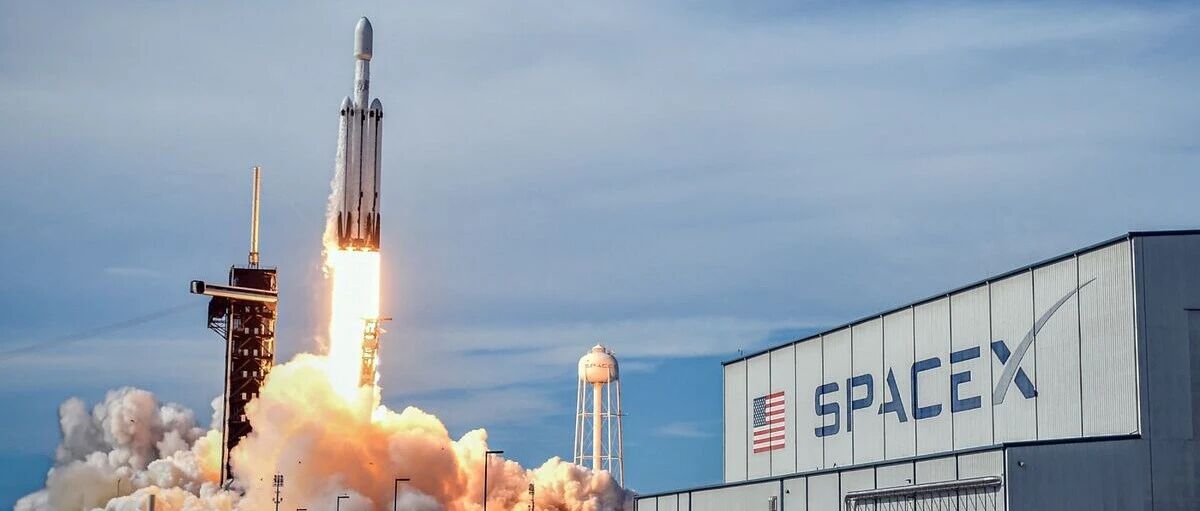
国内首款"三全"脑机接口成功完成首例临床试验;我国彩虹-7无人机成功首飞丨智能制造日报
创业邦· 2025-12-16 03:43
Group 1 - Sichuan Changhong's self-developed 800V high-voltage battery pack successfully supported the first flight of China's first heavy-duty eVTOL, AR-E800, overcoming technical challenges in high voltage insulation, thermal management, and lightweight design [2] - Shanghai Brain Tiger Technology announced the successful completion of the first clinical trial of its domestically developed "three-in-one" brain-computer interface, allowing a paralyzed participant to control a wheelchair and play games using only their thoughts [2] - China's new high-altitude long-endurance drone, Rainbow-7, successfully completed its maiden flight, featuring a wingspan of over 27 meters and advanced aerodynamic, stealth, and control technologies [2] Group 2 - Aetherflux announced its Galactic Brain project to build a space data center, with the first satellite planned for launch in Q1 2027, addressing power supply issues that typically delay ground-based AI data center construction [2]