
猎鹰系列火箭

Search documents
2026年中国商业航天发展趋势研究报告
Ai Rui Zi Xun· 2026-03-03 02:23
Investment Rating - The report does not explicitly state an investment rating for the industry Core Insights - The term "space year" reflects the significant support and promotion of the aerospace industry in China over the past decade, indicating a growing public interest and expectation for advancements in space technology [4] - The report emphasizes that the increasing human demand for space exploration and utilization is the fundamental reason behind the continuous growth in the aerospace sector [4][5] - The report aims to clarify the future development priorities of the aerospace industry, moving beyond media hype to provide a more realistic understanding for stakeholders [5] Summary by Sections 1. Global Rocket Launch Trends - The number of global rocket launches has shown a significant increase over the past seven years, with China and the United States being the primary contributors [6] - The demand for payload delivery into orbit is rising, driven by advancements in technology and increased human interest in space [6] 2. Reusable Technology as a Key Theme - In 2025, the Falcon series rockets are expected to achieve 165 launches, averaging about 3 launches per week, while the Long March series will only reach 72 launches [9] - The technological gap between SpaceX and China's Long March series is substantial, making it difficult for China to catch up in the short term [9][11] 3. Low Earth Orbit Communication Constellations - The low Earth orbit communication segment is projected to be the largest growth area in the next 5-10 years, with 4,522 payloads launched globally in 2025, marking an increase of over 1,600 from 2024 [12][13] - The Starlink constellation by SpaceX dominates the market, accounting for 66% of all active satellites, while China is developing its own constellations, including Xingwang and Qianfan [15][17] 4. Increasing Human Activity in Space - The report highlights a shift in human activity in space from merely maintaining satellites in orbit to actively controlling and utilizing them [19] - The ultimate goal is to enable free human access to and from the atmosphere, facilitating interstellar logistics and transportation [19]
SpaceX﹒多行星文明:“运、连、算、光”四位一体太空基建
GF SECURITIES· 2026-02-25 04:05
Investment Rating - The report provides a "Buy" rating for several companies involved in the SpaceX ecosystem, including companies like Ruichuang Micro-Nano, Minshida, and others, indicating a positive outlook on their growth potential in the defense and aerospace sector [4]. Core Insights - SpaceX aims to reduce space transportation costs and achieve Mars colonization, with a focus on three transformative areas: the internet, sustainable energy, and the ability to live beyond Earth. The company has developed a series of rockets and spacecraft, including the Falcon, Dragon, and Starship, to facilitate low-cost access to space [3][11]. - The business model of SpaceX is centered around vertical integration, encompassing the entire supply chain from rockets to satellites, launches, terminals, and applications. This approach allows for self-sustaining growth and continuous iteration of its services [3][11]. - Government support is crucial for SpaceX, with the U.S. government providing funding, contracts, and technology support to maintain its competitive edge in the space industry. This collaboration has enabled SpaceX to innovate and expand its capabilities [3][11]. Summary by Sections Section 1: SpaceX Overview - SpaceX is recognized as a global leader in commercial spaceflight, having achieved numerous milestones, including the first privately funded liquid-fueled rocket to reach orbit and the first private company to send astronauts to the International Space Station [12][11]. Section 2: Business Model - The company has created a self-sustaining ecosystem through a series of commercial concepts, including Mars colonization and satellite internet services, which continuously generate demand and market opportunities [3][11]. Section 3: Cost Efficiency - SpaceX emphasizes reusability and cost reduction as core principles, utilizing mature technologies and a vertically integrated supply chain to minimize outsourcing and production costs [3][11]. Section 4: Government Collaboration - The report highlights the importance of NASA and U.S. military support in SpaceX's growth, showcasing how government contracts and technology sharing have facilitated the company's advancements in space technology [3][11]. Section 5: Investment Recommendations - The report suggests potential investment opportunities in various companies linked to SpaceX's operations, including those involved in satellite technology, AI, and materials for aerospace applications [3][4].
SpaceX-从-变革-中崛起的-星际先行者
2026-02-05 02:21
Summary of SpaceX Conference Call Company Overview - **Company**: SpaceX - **Industry**: Commercial Space Industry Key Points and Arguments Starlink Program - The Starlink program is expected to generate revenues of $22-24 billion by 2026, significantly impacting the global communication market, especially among maritime vessels and B2B clients, demonstrating high customer retention [1][2][3] - SpaceX currently has 9,513 satellites in orbit, while China has only 1,467, indicating a dominant market position [2] Launch Cost Reduction - SpaceX has reduced launch costs to less than one-tenth of traditional rockets through the Falcon series, with Falcon 9's launch cost estimated at $1,000 to $2,000 per kilogram [1][5] - In 2025, SpaceX plans to complete 167 launches, accounting for the majority of U.S. launches [5][14] Starship Rocket Innovations - The Starship rocket is the only fully reusable two-stage rocket globally, utilizing low-cost stainless steel and optimized Raptor engines, reducing engine costs to below $500,000 [1][9][10] - The use of stainless steel allows for multiple reuses and stability in extreme temperatures, further lowering transportation costs [9] Future Goals and Market Position - Elon Musk aims to make space the most cost-effective data center within five years, addressing power and cooling challenges faced by terrestrial data centers [1][15] - SpaceX plans to dominate global orbital payloads, projecting to carry over 98% by 2027 [11] Challenges in Space Computing - Space computing centers face significant technical challenges, including heat dissipation, deployment costs, and rapid hardware iteration [19][20] - The operational cost of space data centers could be as low as 5% of terrestrial centers over ten years, presenting a compelling economic advantage [18] Lunar and Mars Exploration - NASA and SpaceX have detailed plans for lunar and Mars exploration, with NASA focusing on asset claims in space and Musk planning unmanned Mars tests by 2026 [22] - The potential value of lunar resources, such as Helium-3 and rare earth materials, is significant, with SpaceX controlling the only transport route to these resources [23] Technical and Operational Bottlenecks - Key challenges for space computing include high deployment costs, maintenance difficulties, rapid hardware obsolescence, and low data interaction rates with Earth [20][21] - The need for high-frequency orbital resupply and energy logistics is critical for successful Mars missions [24] Additional Important Insights - SpaceX's competitive advantage over domestic commercial space companies is highlighted by its mature business model, including its own satellites and rockets, and significantly lower launch costs [14] - The strategic implications of lunar resource development and Mars exploration could reshape global political dynamics, giving the U.S. a strategic edge [22][23]
蓝箭航天IPO遭现场抽检,募资75亿押注可重复使用火箭,什么时候能盈利?
Xin Lang Cai Jing· 2026-01-06 05:32
Group 1 - Blue Arrow Aerospace Technology Co., Ltd. (Blue Arrow) is among the first batch of companies selected for on-site inspections by the China Securities Association for its IPO application on the Sci-Tech Innovation Board [2][20] - The company submitted its prospectus on December 31, 2025, aiming to become the first commercial aerospace company to list on the domestic capital market [20] - Blue Arrow plans to issue no less than 40 million shares, accounting for 10% of the total post-issue share capital, raising 7.5 billion yuan for projects focused on reusable rocket capacity and technology enhancement [20][13] Group 2 - Blue Arrow is a pioneer in the domestic liquid oxygen-methane reusable rocket sector, holding a leading position in technology and scale within the commercial rocket industry [20][21] - The company has completed 17 rounds of financing, with disclosed amounts totaling 3.5 billion yuan, and the latest round in December 2024 raised 900 million yuan from the National Manufacturing Transformation and Upgrade Fund [4][21] - The company has faced continuous losses, with revenues from 2022 to mid-2025 being 782,900 yuan, 3.9521 million yuan, 4.2783 million yuan, and 36.4319 million yuan, while net losses were 804 million yuan, 1.187 billion yuan, 876 million yuan, and 597 million yuan respectively [24][7] Group 3 - The company’s R&D expenses during the same period were 487 million yuan, 830 million yuan, 613 million yuan, and 360 million yuan, indicating a high cost structure typical of technology-intensive industries [9][27] - Blue Arrow's business model is still in its early stages, and it is expected to take at least five years to achieve profitability due to the high capital requirements and the need for reliable rocket recovery technology [21][28] - The company aims to achieve revenue of at least 500 million yuan in 2026 and 1 billion yuan in 2027, as indicated in its stock option incentive plan [28][10] Group 4 - The commercial aerospace sector in China is still developing, with Blue Arrow positioned as a key player among other companies like Tianbing Technology and Zhongke Aerospace, all of which have announced IPO guidance [34][17] - The market for low-orbit satellite networks in China remains largely untapped, with Blue Arrow expected to participate in significant satellite launch projects in the coming years [32][15] - The successful listing of Blue Arrow could set a benchmark for other companies in the commercial rocket sector, influencing their valuation and market positioning [34][17]

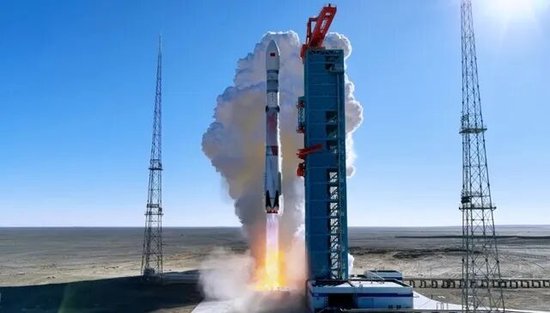
他,中国民营火箭卷王
3 6 Ke· 2026-01-04 23:52
Core Viewpoint - The article highlights the rapid development and success of the private aerospace company Star River Dynamics, particularly its "Vesta-1" rocket, which has achieved multiple successful launches, marking a significant shift in China's commercial space industry [3][24]. Group 1: Company Overview - Star River Dynamics has established itself as a leader in China's private rocket sector, achieving 20 successful commercial launches by September 2025, making it the most frequently launching private rocket company in the country [23][24]. - The "Vesta-1" rocket has become a representative product for Star River Dynamics, successfully completing various milestones, including the first commercial satellite launch into a 500 km sun-synchronous orbit by a private company in China [22][23]. Group 2: Industry Context - The commercial space industry in China has gained momentum since the 2014 policy encouraging private investment in space infrastructure, leading to a surge in private rocket companies [9][10]. - The success of SpaceX in the U.S. has influenced the global commercial rocket competition, prompting a shift in China's approach to private space ventures [6][8]. Group 3: Financial Developments - Star River Dynamics has attracted significant investment, completing a record 2.4 billion yuan D-round financing in September 2025, the second-highest single financing amount in China's commercial space sector [25]. - The company has initiated the process for an IPO, positioning itself alongside other private rocket firms in the race for the title of "first private rocket stock" in China [25].
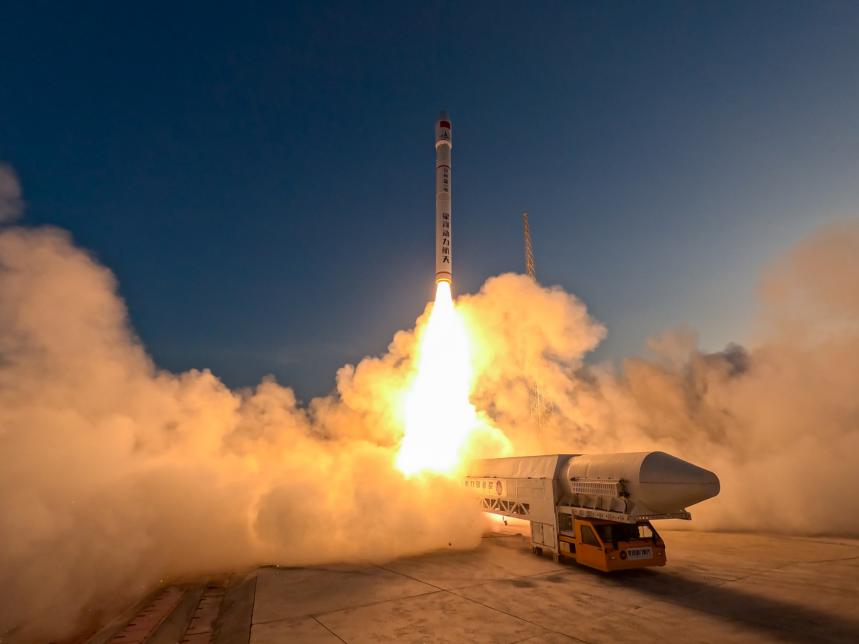
中美卫星险相撞,SpaceX的野心值得中国重视
3 6 Ke· 2025-12-17 08:20
Core Viewpoint - The recent close encounter between Chinese and American satellites has intensified discussions about space competition and raised questions regarding SpaceX's future IPO plans and valuation [1][20]. Group 1: SpaceX IPO Plans - SpaceX is reportedly planning an IPO in 2026, with valuation targets ranging from $800 billion to $1.5 trillion and fundraising goals between $250 billion and $400 billion [1][3]. - The company's previous stock sale in July 2025 valued it at $400 billion, and a successful IPO could position SpaceX among the top 20 largest public companies globally [3]. - CFO Johnson acknowledged uncertainty regarding the IPO and valuation but indicated that strong company performance could lead to significant fundraising [3]. Group 2: Business Model and Revenue Streams - SpaceX's revenue primarily comes from two segments: commercial launches via the Starship program and the Starlink satellite internet service [8][9]. - Starlink has seen rapid growth, with active users increasing from 1 million in December 2022 to over 8 million by November 2025, projected to generate $7.7 billion in revenue in 2024, accounting for 58% of total revenue [11]. - Analysts predict Starlink could generate between $11.8 billion and $15 billion by 2025, supported by a network of over 7,500 satellites [11]. Group 3: Future Developments and Strategic Plans - SpaceX has acquired wireless spectrum licenses worth over $17 billion from EchoStar, enabling direct service to smartphones without special equipment [13]. - Future plans may include deploying AI data centers in space and increasing Starship flight frequency, with ambitions for lunar and Martian missions [18][20]. - The company aims to enhance its satellite capabilities to provide broadband services in densely populated areas, indicating a strategic focus on expanding its market reach [15][20]. Group 4: Competitive Landscape - China's recent satellite launches and plans to deploy approximately 13,000 satellites highlight the intensifying competition in the low Earth orbit space [22]. - The ongoing developments in both the U.S. and China suggest a significant race for dominance in satellite internet and space infrastructure [20][22].
中美卫星险相撞,SpaceX的野心值得中国重视
首席商业评论· 2025-12-17 04:34
Core Viewpoint - The article discusses the recent tensions between China and the U.S. in space, particularly focusing on SpaceX's potential IPO plans and the implications for the space industry, highlighting the competitive landscape and future strategies of SpaceX and China in satellite communications and space exploration [3][11]. Group 1: SpaceX's IPO Plans - SpaceX is reportedly planning an IPO in 2026, with valuation targets ranging from $800 billion to $1.5 trillion, aiming to raise between $250 billion and $400 billion [3][5]. - The company's previous stock sale in July 2025 valued it at $400 billion, and a successful IPO could position SpaceX among the top 20 largest public companies globally [5]. - CFO Johnson indicated uncertainty regarding the IPO's execution and valuation, but expressed optimism about raising significant funds if the company performs well [5]. Group 2: Revenue Streams and Business Model - SpaceX's revenue primarily comes from two segments: commercial launches via the Starship program and the Starlink satellite internet service [12][13]. - The Starlink service has seen rapid growth, with active users increasing from 1 million in December 2022 to over 8 million by November 2025, projected to generate $7.7 billion in revenue in 2024, accounting for 58% of total revenue [15]. - Analysts predict Starlink could generate between $11.8 billion and $15 billion by 2025, leveraging a network of over 7,500 satellites [15]. Group 3: Future Plans and Innovations - SpaceX has acquired wireless spectrum licenses worth over $17 billion from EchoStar, enabling direct service to smartphones without special equipment, potentially expanding its market reach [17]. - Future plans may include deploying AI data centers in space and increasing Starship flight frequency, with ambitions for lunar and Mars missions [20][23]. - Speculation exists around the development of a satellite phone and advanced communication capabilities, indicating a broader vision for SpaceX's role in global communications infrastructure [27]. Group 4: Competitive Landscape - China's recent satellite launches and plans to deploy approximately 13,000 satellites for its GW constellation indicate a growing competition in low Earth orbit [25]. - The article suggests that the ongoing developments in space infrastructure by both SpaceX and China could reshape the future of commercial space operations and satellite communications [23][26].
SpaceX计划融资数百亿,马斯克有什么阳谋?
3 6 Ke· 2025-12-16 07:44
Core Viewpoint - SpaceX is planning an IPO in 2026, with valuation targets ranging from $800 billion to $1.5 trillion, aiming to raise between $250 billion and $400 billion [1][3]. Group 1: IPO Plans and Valuation - The company sold shares at $212 each in July 2025, with a valuation of $400 billion, and a successful IPO could place SpaceX among the top 20 public companies globally [3]. - CFO Johnson acknowledged uncertainty regarding the IPO and valuation but indicated potential for significant fundraising if the company performs well [3]. - Musk stated that the $800 billion valuation for fundraising is inaccurate, emphasizing that the company has been cash flow positive and has regular stock buybacks, suggesting a potentially higher value [5]. Group 2: Revenue Streams - SpaceX's revenue primarily comes from two segments: commercial launches via the Starship and Starlink satellite internet services [8][9]. - The Starlink service has seen rapid growth, with active users increasing from 1 million in December 2022 to over 8 million by November 2025, projected to generate $7.7 billion in revenue in 2024, accounting for 58% of total revenue [11]. - Analysts predict Starlink could generate between $11.8 billion and $15 billion by 2025, supported by a network of over 7,500 satellites [11]. Group 3: Future Developments - SpaceX acquired wireless spectrum licenses worth over $17 billion from EchoStar, enabling direct service to smartphones without special equipment, potentially expanding its market reach [13]. - Future plans include increasing satellite launches to provide broadband services in densely populated areas, necessitating investment in larger and more capable satellites [15]. - Musk hinted at ambitious projects, including a space data center and potential lunar and Mars missions, which could be funded through the IPO [18]. Group 4: Competitive Landscape - The competition in low Earth orbit is intensifying, with China planning to deploy approximately 13,000 satellites, indicating a new space race [20]. - SpaceX's strategic initiatives could position it as a leader in the satellite internet market, leveraging its existing capabilities to enhance its service offerings [16].
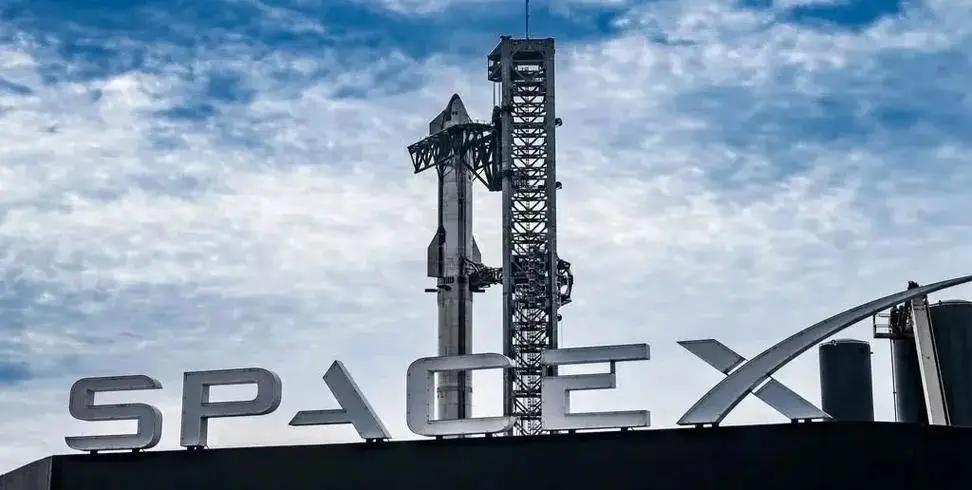
SpaceX计划融资数百亿,马斯克有什么阳谋?
首席商业评论· 2025-12-16 04:17
Core Viewpoint - SpaceX is planning for an IPO in 2026, with valuation targets ranging from $800 billion to $1.5 trillion, aiming to raise between $250 billion and $400 billion [3][4][7]. Group 1: IPO Plans and Valuation - SpaceX's previous stock sale in July 2025 valued the company at $400 billion, and a successful IPO could position it among the top 20 largest public companies globally [4]. - CFO Johnson acknowledged uncertainty regarding the IPO and valuation but indicated potential for significant fundraising if the company performs well and market conditions are favorable [4]. - Musk suggested that the $800 billion fundraising target may not be accurate, emphasizing that the company has been cash flow positive for years and has regular stock buybacks, implying a potentially higher value [7][8]. Group 2: Revenue Sources - SpaceX's revenue primarily comes from two segments: the Starship commercial launch business and the Starlink satellite internet service [11][12]. - The Starship business benefits from the reusability of the Falcon rockets, significantly lowering launch costs, while the Starlink service has rapidly grown to become the largest revenue source, with user numbers increasing from 1 million in December 2022 to over 8 million by November 2025 [14]. - Starlink is projected to generate $7.7 billion in revenue in 2024, accounting for approximately 58% of total company revenue, with forecasts suggesting revenues could reach between $11.8 billion and $15 billion by 2025 [14]. Group 3: Future Plans and Innovations - SpaceX recently acquired wireless spectrum licenses worth over $17 billion from EchoStar, enabling direct service to smartphones without special equipment, which could expand Starlink's market to densely populated areas [16]. - The company plans to use IPO proceeds to enhance Starship's launch frequency, establish a lunar base, and pursue Mars missions, indicating ambitious long-term goals [21]. - Speculation exists around the potential development of a space data center and satellite-to-satellite laser communication, which could enhance Starlink's capabilities and establish it as a dominant player in global communications [19][21].
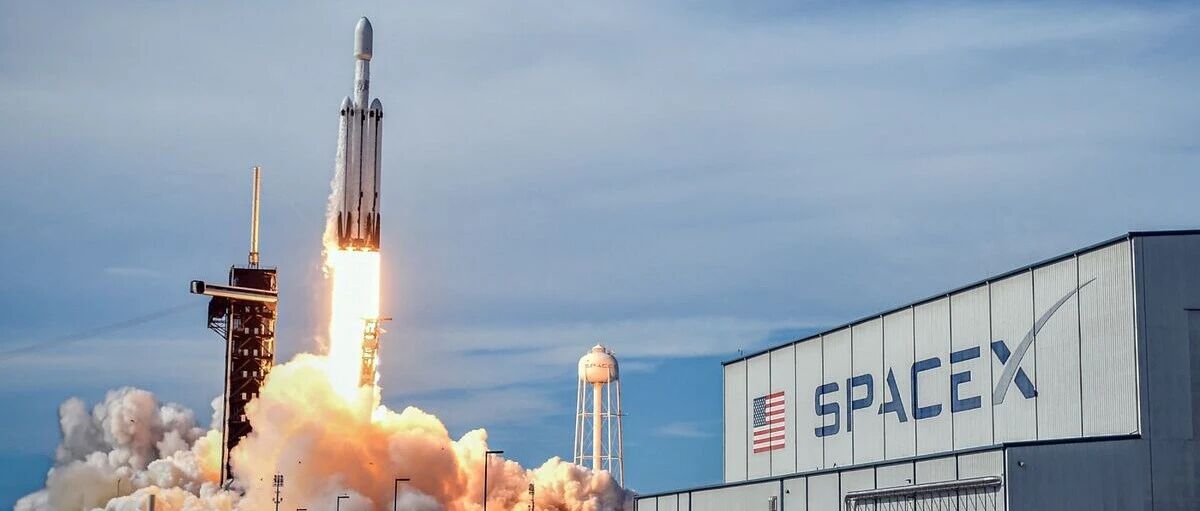
商业航天行业研究系列2:SpaceX,可重复使用运载火箭发射霸主冲向火星
SINOLINK SECURITIES· 2025-12-10 05:41
Investment Rating - The report suggests a positive investment outlook for the commercial aerospace industry, particularly focusing on the opportunities presented by SpaceX's monopolistic position in launch services and the monetization path of the Starlink satellite constellation [2]. Core Insights - The core investment logic for the commercial aerospace sector in A-shares is to embrace the explosive growth period of satellite constellation infrastructure and to identify high-barrier component suppliers. China is currently in a phase similar to SpaceX's network-building period from 2018 to 2020. As the G60 and GW networks enter a dense launch phase, satellite manufacturing is transitioning from custom lab designs to mass production akin to automotive assembly lines. The most certain alpha returns in the industry will come from high-value, high-barrier core satellite components and payloads [2]. Summary by Sections 1. SpaceX Overview - SpaceX is not a traditional aerospace manufacturer but a monopolist in space logistics and infrastructure, applying first principles to disrupt conventional beliefs about rocket costs and single-use designs. It has created a self-reinforcing business loop by leveraging the unmatched launch cost advantages of Falcon 9 to build the largest space communications network, Starlink, and using the cash flow generated to fund ambitious projects like Starship [4]. 2. Competitive Advantages - **Cost Barriers**: SpaceX's reusability model has drastically reduced launch costs, with marginal costs dropping to nearly $15 million per launch, achieving gross margins of around 68% after five reuse cycles. This cost structure provides SpaceX with pricing power against traditional aerospace giants [4]. - **Manufacturing Barriers**: Over 80% of SpaceX's components are self-developed, allowing for rapid iteration and cost control through vertical integration. This strategy has transformed rocket manufacturing from a craft-based approach to an industrialized process [4]. - **Customer Barriers**: SpaceX has established a strategic symbiosis with the U.S. government, which has become a significant source of funding for its core R&D through long-term contracts, ensuring a reliable and cost-effective access to space [4]. 3. Growth Curves - SpaceX's value proposition should not be compared to traditional defense contractors but viewed as a combination of three distinct business life cycles: 1. The launch business as a cash cow with high market share and profitability. 2. The exponential growth of Starlink, transitioning from B2B to B2C services, characterized by recurring revenue similar to SaaS models. 3. The disruptive potential of Starship, which could unlock trillion-dollar markets in space tourism, intercontinental transport, and deep-space resource extraction [4]. 4. Financial Trajectory - SpaceX has seen its valuation soar from approximately $27 million at inception to nearly $200 billion, reflecting a growth of nearly 7400 times over two decades. The financing history shows a clear evolution from focusing on cheaper rockets to expanding into satellite internet and ambitious space exploration projects [29][30]. 5. Product Ecosystem - SpaceX's business model is built on a self-reinforcing loop, utilizing its launch market dominance to deploy Starlink satellites at internal marginal costs, thereby increasing competitive pressure on rivals. The combination of stable cash flow from launch services and the growing SaaS revenue from Starlink supports the overarching goal of funding Starship development [31][32].