碳中和

Search documents
中金:阶段性承压与新动能蓄势 燃料电池远期具备较大发展潜力
Zhi Tong Cai Jing· 2026-02-24 01:43
Core Viewpoint - The promotion of fuel cell vehicles during the "14th Five-Year Plan" period has not met expectations, with significant gaps remaining to achieve targets. The fuel cell industry is facing challenges such as weak growth, poor profitability, and accounts receivable backlog. However, the hydrogen energy strategy remains clear, and new support policies and expanding application scenarios are anticipated, suggesting potential for long-term growth in the fuel cell sector [1]. Group 1: Sales and Market Dynamics - In 2024, fuel cell vehicle sales have shown insufficient growth momentum, influenced by the policy window period. A surge in demand was observed in 4Q25, but there remains a gap to the 2025 phase target [2]. - The average price of fuel cell systems has decreased by nearly 90% since 2018, which poses significant challenges to profitability for fuel cell manufacturers, indicating that the industry is still in a bottoming phase [2]. Group 2: Bottlenecks in Promotion - The promotion of fuel cell vehicles faces multiple obstacles: first, the reduction of subsidies has highlighted cost disadvantages, intensifying competition from electric vehicles; second, the construction of hydrogen refueling stations has not met expectations, leading to issues with refueling convenience and insufficient investment motivation due to high construction costs; third, the long disbursement cycle of subsidy funds has resulted in accounts receivable backlog, putting pressure on company operations and potentially limiting the R&D and expansion capabilities of fuel cell manufacturers [3]. Group 3: Long-term Development Potential - Despite short-term pressures, the country positions hydrogen energy as a key component of the future national energy system, essential for achieving carbon neutrality in non-electric sectors. Policy-wise, various local hydrogen industry plans are advancing, with support measures such as toll reductions and "hydrogen corridors" being implemented. On the application front, fuel cell applications are expanding from transportation to power generation, energy storage, and rail transit, indicating a potential second growth curve that supports the industry's medium to long-term development [4].
新型水基电解质显著提升锌锰电池稳定性 循环超5000次仍保持高库仑效率
Ke Ji Ri Bao· 2026-02-24 01:05
Core Insights - A new type of aqueous organic electrolyte has been developed by scientists from the University of Waterloo, the University of California, and the U.S. Army Research Laboratory, significantly enhancing the stability of zinc-manganese batteries and delaying performance degradation, paving the way for safer and more durable energy storage batteries [1][2]. Group 1: Technological Advancements - The new electrolyte replaces flammable organic solvents used in traditional lithium batteries with a water-based solution, making it inherently safer [1]. - The electrolyte is designed to lower the freezing point and reshape the behavior of water molecules within the battery, improving the solvation structure and state of cations during manganese dioxide deposition, leading to a more efficient microstructure for ion transport [1][2]. Group 2: Performance Improvements - The new electrolyte significantly raises the overpotential for oxygen evolution reactions, effectively suppressing harmful side reactions during the charging process [2]. - Experimental results indicate that batteries using the new electrolyte can efficiently generate and dissolve manganese dioxide over more than 5000 charge-discharge cycles while maintaining high coulombic efficiency without the need for additional strong acids [2]. Group 3: Future Plans and Implications - The research team plans to validate the performance of the new electrolyte in larger battery units and explore its integration in real grid environments [2]. - This breakthrough is expected to inspire more research teams to design high-performance aqueous electrolytes for other chemical systems [2].
“十四五”时期青海省藏语新词术语规范化工作成效显著
Xin Lang Cai Jing· 2026-02-23 18:39
Core Viewpoint - The standardization of Tibetan new terms in Qinghai Province during the "14th Five-Year Plan" period aims to strengthen the awareness of the Chinese national community, promote healthy and harmonious language use, ensure precise information dissemination, and support technological innovation and cultural security, thereby providing a solid linguistic foundation for high-quality economic and social development in Qinghai Province [1] Group 1 - The Qinghai Provincial Tibetan Terminology Standardization Committee has collected, translated, reviewed, and published over 5,000 frequently used new terms in politics, economy, technology, and culture, issuing 26 editions of the "Tibetan New Terms Bulletin" [2] - The published entries focus on new terms, commonly used terms, and current event terminology, covering key areas such as "artificial intelligence, quantum information, life health," "big data, blockchain, information platforms," "carbon neutrality, carbon peak, carbon capture, new energy vehicles," and "epidemic prevention, black soil beach governance" [2] - The standardization efforts have effectively eliminated conceptual confusion and communication ambiguities, ensuring timely and accurate dissemination of new concepts and terms related to major events, meetings, and policies [2] Group 2 - The next steps involve actively adapting to the rapid social development and the emergence of new concepts, industries, and models by further strengthening the standardization of new terms and improving the terminology standardization work mechanism [3] - There is a focus on continuously optimizing the technical support system for standardization work to enhance scientific rigor and efficiency, promoting the social application of standardized terminology results [3]
亚马逊投资电动航空企业Beta Technologies,持股5.3%
Jing Ji Guan Cha Wang· 2026-02-23 16:51
Recent Events - Amazon disclosed that it has become a significant shareholder in Beta Technologies, holding approximately 5.3% of the company (around 11.8 million shares) as of February 11, 2026. This investment is part of Amazon's climate-focused fund announced in 2021. Following this announcement, the company's stock price increased in after-hours trading [1]. Stock Performance - Prior to the disclosure of Amazon's stake, Beta Technologies' stock had declined by 51% over the past three months. The market is likely focused on the commercialization progress of its electric aircraft and electric propulsion systems, as well as the potential synergies with large strategic investors [2]. Regulatory Environment - As a player in the electric aviation sector, Beta Technologies' development may be influenced by global carbon neutrality policies, aviation industry regulations, and the competitive landscape of new energy technologies. Investors should monitor updates related to industry policies [3].

成县以生态筑基,绘就绿色发展新画卷
Yang Guang Wang· 2026-02-23 05:04
Core Viewpoint - Cheng County is committed to the "ecological priority, green development" philosophy, focusing on pollution prevention, ecological restoration, and green low-carbon development to achieve high-quality ecological construction and explore new paths for the transformation of "green mountains and clear waters" into "golden mountains and silver mountains" [1][2][3][4] Group 1: Pollution Prevention - Significant achievements in pollution prevention have been made, with air quality improving and the proportion of good air quality days maintained at over 95% for several years [1] - PM2.5 average concentration has decreased to 23 micrograms per cubic meter, contributing to the "Cheng County Blue" becoming a daily standard for residents [1] - Strict control of 128 river discharge outlets and increased monitoring frequency of water quality have resulted in a 100% compliance rate for surface water and drinking water sources [2] Group 2: Ecological Protection and Restoration - Cheng County has established a three-tier river and lake management system with 286 river and lake chiefs, addressing 113 issues related to illegal occupation, mining, and construction [2] - The implementation of a "ten-year fishing ban" policy has led to multiple inspections and the confiscation of illegal fishing equipment, with ecological compensation exceeding 120,000 yuan [2] - Continuous efforts are being made to promote the creation of beautiful and happy rivers and lakes in the region [2] Group 3: Green Low-Carbon Development - The county is advancing a comprehensive conservation strategy, with water resource tax revenue expected to exceed 2 million yuan by 2025, reflecting a 106.97% increase compared to previous periods [3] - The leakage rate of urban public water supply networks is controlled within 9%, and a waste management system has been established, achieving a 100% harmless treatment rate for domestic waste over five years [3] - Cheng County plans to deepen the implementation of carbon peak and carbon neutrality policies, aiming to create three national and provincial green mines by 2026 [4]
好文推荐!可再生能源驱动二氧化碳生物转化利用:技术融合与碳中和应用
synbio新材料· 2026-02-22 02:01
Core Viewpoint - The article discusses the integration of renewable energy in CO2 biological conversion as a novel carbon-neutral technology, highlighting its potential to create a sustainable industrial chain for high-value chemical products and contribute to carbon neutrality [3][4]. Group 1: Renewable Energy and Biological Conversion - The coupling of renewable energy with biological processes provides a sustainable and efficient solution for producing biofuels, biobased materials, and biobased chemicals from CO2 [9]. - Renewable energy sources such as solar energy, green electricity (photovoltaic, wind energy), and geothermal/biomass energy are ideal for driving CO2 biological conversion [4][14]. - The core concept involves using renewable energy to catalyze the conversion of CO2 into organic compounds, thus establishing artificial biological conversion technologies [4][7]. Group 2: Energy Types and Conversion Pathways - Solar energy can drive CO2 biological conversion through direct or indirect methods, with indirect methods showing higher energy utilization efficiency [11]. - Green electricity, derived from renewable sources, has gained attention for its role in CO2 biological conversion, utilizing both direct and indirect forms of energy [12][17]. - Geothermal and biomass energy can optimize energy efficiency and reduce carbon emissions when integrated with biological conversion processes [14]. Group 3: Key Technological Pathways and Cases - Recent advancements in renewable resource-driven CO2 biological conversion have led to the synthesis of valuable compounds such as methanol, acetic acid, and sugars [20]. - The use of light-driven biological systems, including natural-artificial hybrid systems, enhances carbon fixation rates and provides new pathways for efficient CO2 conversion [21]. - Microbial electrosynthesis and enzyme-electrocatalysis are two methods under green electricity-driven CO2 biological conversion, showing high conversion rates and potential for industrial application [25]. Group 4: Challenges and Bottlenecks - High production costs remain a significant bottleneck for renewable energy-driven CO2 biological conversion, necessitating solutions for energy efficiency, reaction rates, and yield [29]. - Efficient energy transfer and conversion are critical for overcoming the chemical inertness of CO2, requiring advancements in energy transfer mechanisms and the development of new electronic components [30]. - Achieving efficient CO2 fixation and reduction is essential for converting inorganic carbon to organic carbon, focusing on catalyst design and reaction kinetics [32]. Group 5: Sustainable Development and Industrial Prospects - Renewable energy-driven CO2 biological conversion has significant environmental and economic potential, contributing to greenhouse gas reduction and promoting a circular carbon economy [38]. - The integration of renewable energy into CO2 conversion systems helps reduce reliance on non-renewable energy sources, fostering a more sustainable ecosystem [38]. - Future research should focus on designing efficient bio-non-bio interfaces, developing dynamic metabolic regulation platforms, and creating low-energy, high-economy integrated technologies [39].

Founder Group Limited 收到 NASDAQ 关于最低公众持股量不足的通知
Globenewswire· 2026-02-21 08:58
Group 1 - Founder Group Limited (FGL) received a notification from Nasdaq indicating that it no longer meets the minimum public float requirement of 500,000 shares as per Nasdaq listing rule 5550(a)(4) [1] - The notification does not have an immediate impact on the listing and trading of the company's Class A common stock [1] - FGL is required to submit a specific plan to Nasdaq by April 3, 2026, detailing how it will achieve and maintain compliance with all listing requirements [1] Group 2 - Founder Group Limited specializes in providing end-to-end engineering, procurement, construction, and commissioning (EPCC) solutions for solar photovoltaic (PV) facilities in Malaysia [2] - The company's primary business focuses on large-scale solar projects and commercial and industrial (C&I) solar projects [2] - FGL aims to provide innovative solar installation services, promote eco-friendly resources, and achieve carbon neutrality goals [2]

越南成为国际能源署联系国
Shang Wu Bu Wang Zhan· 2026-02-21 03:00
Core Viewpoint - Vietnam has been accepted as an associate member of the International Energy Agency (IEA), highlighting its growing cooperation in building a secure, sustainable, and affordable global energy system [1] Group 1: Membership and Recognition - The IEA Director, Fatih Birol, emphasized the high regard for Vietnam's deepening cooperation with member countries [1] - Vietnam's population of over 100 million and its significant potential in solar, hydropower, natural gas, and nuclear energy make it an important associate member for the IEA [1] Group 2: Energy Transition and Global Dialogue - Vietnam's ambassador to France, Dang Dinh Quy, stated that the IEA's decision reflects recognition of Vietnam's efforts in energy transition and commitment to addressing global energy challenges [1] - Joining the IEA is particularly significant as Vietnam advances its carbon neutrality goals and green energy transition [1] - Vietnam is prepared to actively participate in global energy dialogues and supports the establishment of a truly representative energy organization that reflects emerging energy development trends [1]
“热”领未来!2026热管理博览会上海、深圳双展正式启幕
DT新材料· 2026-02-20 11:59
Core Insights - The article emphasizes that thermal management technology has evolved beyond traditional cooling, becoming essential for breakthroughs in computing power, energy efficiency, and product reliability, particularly in advanced fields like AI, smart vehicles, and aerospace [2] - The "Insight Thermal Management 2026" series aims to create a comprehensive platform for industry, academia, and research to address thermal control challenges and establish new thermal balance standards [2] Group 1: Event Overview - The 2026 Future Industry New Materials Expo (FINE2026) will take place from June 10-12 at the Shanghai New International Expo Center, featuring over 50,000 square meters of exhibition space and more than 300 strategic and cutting-edge technology reports, expecting to attract over 100,000 professional visitors [3] - The Shanghai event will focus on high heat flux density challenges, showcasing liquid cooling plates, AI chips, and power device thermal management [6] Group 2: Shanghai Event Highlights - The Shanghai exhibition will emphasize the integration of the Yangtze River Delta industrial cluster, focusing on data centers, new energy vehicles, semiconductors, energy storage systems, and large power facilities [8] - Key topics will include battery thermal management under high-power fast charging, automotive-grade power module cooling, and industrial-grade heat exchange solutions aimed at carbon neutrality [8] Group 3: Shenzhen Event Overview - The seventh Thermal Management Industry Conference and Expo (iTherM2026) will be held in Shenzhen in December 2026, focusing on the flexibility of technology and rapid market response [9] - The Shenzhen event will address the thermal challenges of miniaturized and integrated electronic devices and chips, providing a one-stop value connection platform for the thermal management industry [9] Group 4: Shenzhen Event Highlights - The Shenzhen exhibition will spotlight AI computing servers, smartphones, wearable devices, and low-altitude economy sectors, showcasing technologies like immersion cooling and new thermal interface materials [11] - The event aims to facilitate the commercialization of innovative technologies and provide a platform for startups and tech giants to showcase their ideas [11] Group 5: Previous Event Recap - The 2025 Shenzhen Thermal Management Expo featured numerous companies presenting new materials, processes, and system-level cooling solutions, attracting significant engagement from engineers and professionals [12] - The event successfully transitioned from "display" to "connection," fostering interactions between technology teams and industry demand [16]

24小时供电还自带储能!美国这项黑科技,真要革风光电的命?
Sou Hu Cai Jing· 2026-02-19 18:47
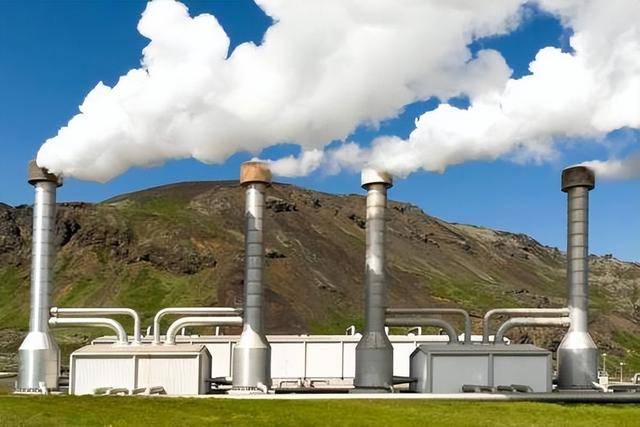
Core Viewpoint - Fervo Energy has successfully harnessed geothermal energy from deep underground, providing a continuous power supply that could potentially replace traditional renewable sources like wind and solar [1][12]. Group 1: Technology Overview - The Enhanced Geothermal System (EGS) is not a completely new invention but rather an adaptation of techniques from the oil industry, specifically horizontal drilling and hydraulic fracturing [3][5]. - Fervo Energy's method involves drilling vertically and then horizontally to create pathways between two wells, allowing for the circulation of water that is heated by underground rocks [5][16]. - The efficiency of drilling has significantly improved, with the time required for drilling a single well reduced from 180 days to 72 days [7]. Group 2: Market Demand and Applications - The rise of AI technologies, which require substantial and continuous energy, has created a demand for stable power sources like geothermal energy, as traditional renewables may not provide consistent supply [10][12]. - Fervo Energy has signed a major geothermal power purchase agreement to supply hundreds of megawatts to a utility company in California, indicating that this technology is moving beyond experimental phases into commercial viability [13]. Group 3: Advantages of EGS - EGS has a unique energy storage capability, allowing it to store heat in underground rock formations, which can be released when needed, providing flexibility that traditional nuclear power cannot match [16][17]. - This geothermal system can maintain energy supply for several hours or even days, making it a reliable option for modern energy grids [17]. Group 4: Challenges and Considerations - The technology faces significant challenges, including the risk of induced seismicity due to hydraulic fracturing, as evidenced by past incidents in South Korea and Switzerland [19][21]. - Current costs for geothermal energy are around $120 per megawatt-hour, which is higher than wind and solar, raising concerns about its economic viability without substantial investment from large tech companies [23]. - Water consumption for drilling is also a concern, particularly in water-scarce regions, which could lead to conflicts over water resources [25]. Group 5: Global Perspective - While the U.S. is aggressively pursuing EGS technology, China is focusing on utilizing geothermal resources for heating rather than electricity generation, employing methods that minimize environmental risks [27].