美国优先

Search documents
中美关税战改变历史进程,美国战略大溃败已开始?
Sou Hu Cai Jing· 2025-12-09 06:17
Group 1 - The core idea of the news is that the U.S. is shifting its strategic focus towards the Western Hemisphere, as indicated by the new National Security Strategy released by the Trump administration, which emphasizes an "America First" approach [1][3] - The document suggests that the era of the U.S. supporting the global order is over, likening it to the Greek myth of Atlas, and outlines plans for the establishment of a new U.S. Southern Command to replace existing commands [1][3] - The strategy reflects a broader trend of isolationism that has characterized Trump's presidency, with a more pronounced focus on domestic issues and regional affairs, potentially leading to a significant reduction in global engagement [3][6] Group 2 - The National Security Strategy criticizes European nations for their economic decline and suggests that they may face cultural shifts, which could alter their relationship with the U.S., indicating a potential low point in U.S.-Europe relations [5][6] - The U.S. has historically relied on its alliances, particularly with European countries, for military and economic support, and any deterioration in these relationships could hinder U.S. influence globally [5][6] - Trump's administration has also taken steps to strengthen economic ties with allies in Asia and the Gulf region, indicating a strategy to bolster domestic economic foundations while reassessing the U.S.-China power dynamic [6][8] Group 3 - The document's approach is seen as a modern variant of the Monroe Doctrine, aiming to assert U.S. dominance in the Western Hemisphere, but faces challenges in a globalized world where countries like China continue to engage with Latin America [8] - The U.S. strategy may not effectively prevent other nations from entering the Western Hemisphere market, as global trade dynamics evolve and countries seek competitive advantages [8] - The emphasis on isolationism raises questions about how the U.S. will maintain relationships with its allies, especially if it fails to meet their expectations, which could complicate future re-engagement efforts [8]

巴菲特退休前夕,伯克希尔投资经理Todd加入摩根大通,领导100亿美元战略投资集团
Hua Er Jie Jian Wen· 2025-12-08 13:48
Core Insights - Todd Combs, a key investment manager at Berkshire Hathaway, is leaving to join JPMorgan Chase, marking a leadership transition for the $1.1 trillion conglomerate [1] - Combs will lead a newly established strategic investment group at JPMorgan, managing a $10 billion fund focused on sectors critical to U.S. national security, such as defense, aerospace, healthcare, and energy [1][4] - Warren Buffett is preparing to hand over management of Berkshire to Greg Abel, with Combs' departure raising questions about the future roles of other investment managers [2] Group 1: Combs' Transition - Combs was hired by Buffett in 2010 to strengthen investment capabilities for the post-Buffett era, managing hundreds of billions in Berkshire's $283 billion stock portfolio [2] - He was previously seen as a contender for the Chief Investment Officer position and was appointed CEO of Geico in 2019, a significant subsidiary of Berkshire [2] - Buffett indicated that Combs' resignation was to accept an important role at JPMorgan, highlighting the bank's sound decision-making [2] Group 2: Berkshire Leadership Changes - Geico's COO, Nancy Pierce, will succeed Combs as the head of the insurance company [3] - CFO Marc Hamburg, who has been with Berkshire for 40 years, will retire in 2027, with Charles Chang from Berkshire Energy set to take over [3] - Berkshire has appointed its first General Counsel, Michael O'Sullivan, to lead legal affairs starting next January [3] Group 3: JPMorgan's Strategic Investment Plan - JPMorgan's $10 billion fund is part of a broader $1.5 trillion financing commitment under its safety and resilience plan [4] - Combs will collaborate with various departments within JPMorgan to identify investment opportunities in defense, aerospace, healthcare, and energy sectors [4] - An external advisory committee for the investment plan has been established, including notable figures like Jeff Bezos and Condoleezza Rice [4]

“美国战略重大转向”,欧洲又惊又气
Di Yi Cai Jing· 2025-12-08 00:44
Core Viewpoint - The latest National Security Strategy (NSS) from the U.S. marks a significant shift in American foreign policy, moving away from traditional ideologies and emphasizing a pragmatic approach focused on U.S. interests, encapsulated in the phrase "America First" [1][4]. Summary by Sections U.S. Foreign Policy Principles - The NSS outlines that U.S. foreign, defense, and intelligence policies must adhere to several core principles, with a focus on core national security interests rather than generalized "national interests" [4]. - Five core national interests are identified: ensuring stability and dominance in the Western Hemisphere; maintaining economic security and a free and open Indo-Pacific; safeguarding European security and cultural health; preventing hostile forces from dominating the Middle East; and establishing technological superiority and controlling global standards [4]. Shift from Previous Strategies - Compared to the 2017 NSS, which emphasized "great power competition," the new NSS does not highlight great power confrontation but instead states that the economy is the "greatest stake" [4][5]. - The new NSS significantly downplays the Biden administration's stance on maintaining a rules-based international order, which was frequently mentioned in the 2022 NSS but appears only once in the latest version, used to criticize the Biden administration's failures [5]. Critique of European Allies - The NSS sharply criticizes European allies, suggesting they should engage in an ideological struggle against "woke" trends and highlighting deeper issues such as political freedom erosion and demographic changes due to immigration [2][6]. - It warns of the potential for "civilization erasure" in Europe and calls for the U.S. to assist in correcting Europe's current trajectory [6]. Economic Security Emphasis - The NSS emphasizes that economic security is foundational to national security, advocating for a "rebalancing" of global trade relations and expanding U.S. access to critical minerals and materials [10]. - It also calls for monitoring global supply chains and technological advancements, promoting U.S. re-industrialization through "strategic tariffs" and new technologies [10][11]. - The document acknowledges challenges in achieving economic goals, noting a loss of 58,000 manufacturing jobs since April and a contraction in manufacturing employment for nine consecutive months [10]. Energy and Financial Dominance - The NSS aims to restore U.S. energy dominance across various sectors, including oil, natural gas, coal, and nuclear energy, while rejecting climate change and net-zero concepts [11]. - It recognizes the financial markets as a pillar of U.S. influence, providing leverage for advancing national security priorities [11].

“美国战略重大转向”,欧洲又惊又气!
第一财经· 2025-12-08 00:11
Core Viewpoint - The latest National Security Strategy (NSS) from the U.S. marks a significant shift in American foreign policy, moving away from traditional ideologies and emphasizing a pragmatic approach focused on national interests and economic security [3][8]. Summary by Sections U.S. Foreign Policy Principles - The NSS outlines that U.S. foreign, defense, and intelligence policies must adhere to several core principles, with a focus on core national security interests rather than generalized ones. The five core interests include: ensuring stability and dominance in the Western Hemisphere, maintaining economic security and a free and open Indo-Pacific, safeguarding European security and cultural health, preventing Middle Eastern dominance by hostile forces, and establishing technological superiority [8][9]. Critique of European Allies - The NSS sharply criticizes European allies, suggesting they engage in an ideological struggle against "woke" trends and highlighting deeper issues such as political freedom erosion and demographic changes due to immigration. It warns of a potential loss of civilization in Europe and calls for U.S. action to help correct its current trajectory [5][11][12]. Economic Security Emphasis - The document emphasizes that economic security is foundational to national security, advocating for a "rebalancing" of global trade relations, increased access to critical minerals, and monitoring of global supply chains. It also promotes the idea of strategic tariffs and new technologies to drive U.S. reindustrialization [17][18]. Focus on the Western Hemisphere - The NSS indicates a renewed focus on Latin America, suggesting the re-establishment of Monroe Doctrine principles to restore U.S. influence in the region. It emphasizes the importance of securing exclusive contracts for U.S. companies in countries heavily reliant on American support [14][15]. Shift from Interventionism - The NSS reflects a clear non-interventionist stance, setting high standards for foreign intervention and advocating for flexible realism in international relations. It suggests that the U.S. should not impose democratic changes on other nations but rather seek peaceful commercial relationships [9][10].

不再寻求“永久主导世界”,重新平衡美中经济关系,美国安全战略大转变?
Huan Qiu Shi Bao· 2025-12-07 22:38
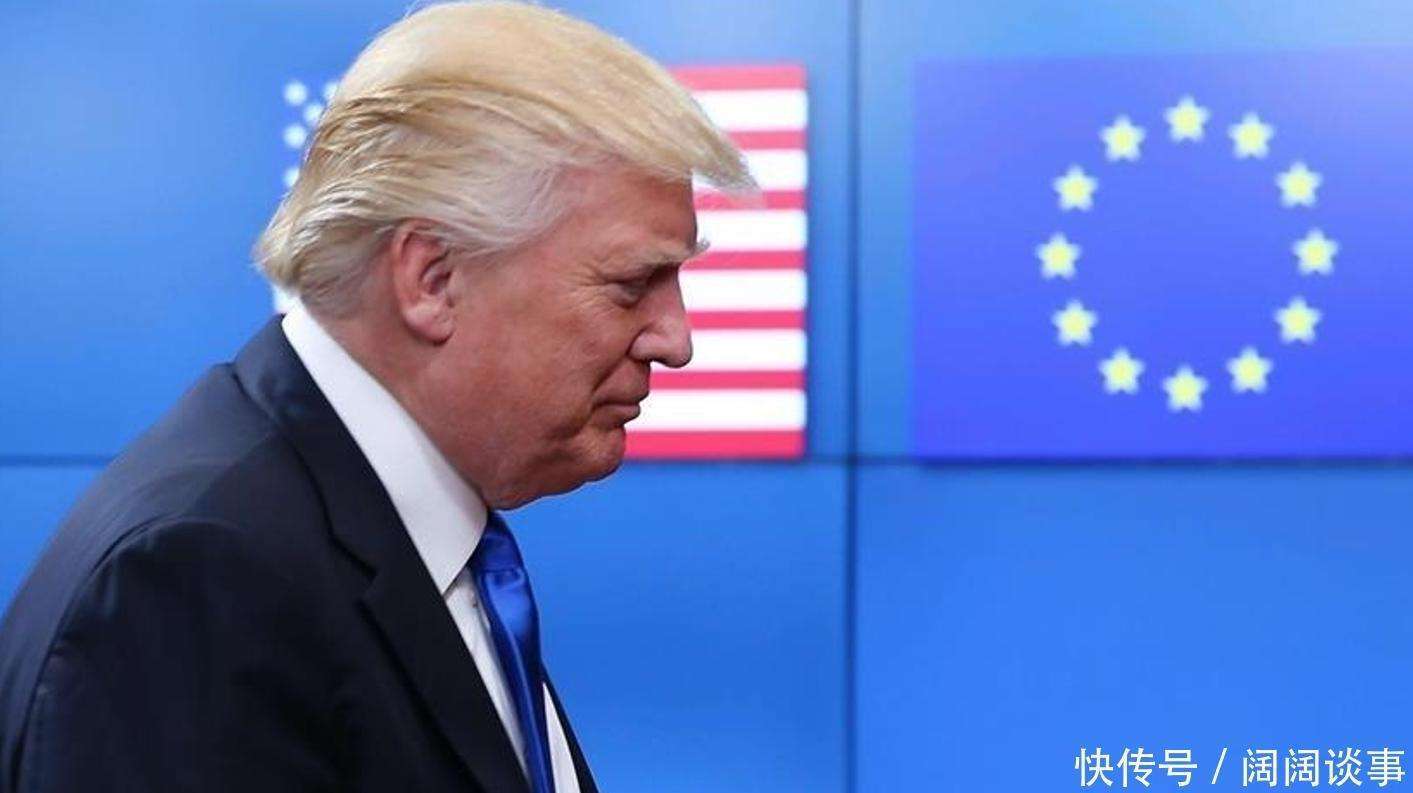
【环球时报驻德国特约记者 青木 环球时报记者 李萌 于文】美国白宫最新发布的国家安全战略报告在大 西洋对岸引发强烈反响。法国《世界报》称,该报告标志着一次历史性的断裂,此前从未有一份美国官 方文件如此不尊重欧洲盟友。欧盟在官方层面保持克制,但欧洲外交官纷纷通过媒体表达失望情 绪:"给欧洲各国的一桶冷水""比(美国副总统)万斯2月的演讲更加糟糕"……此外,报告中关于中国 的新提法也引发关注。新加坡《联合早报》称,美国最新的国家安全战略报告19次提及中国,不再突出 与中国的系统性竞争,而是强调"重新平衡美中经济关系,以互惠和公平为优先考量"。美国外交关系委 员会专家称,新报告宣告大国竞争时代结束,华盛顿将专注与中国的经济竞争。欧洲《现代外交》网站 7日认为,该报告标志着美国战略思维的一个重大转折点。以往关于"领导自由世界""捍卫全球民主""扩 大国际参与"的陈词滥调已不复存在。取而代之的原则是,美国必须先增强自身实力。有分析认为,这 份报告是否代表着美国战略意图的正式改变尚待观察。 欧洲 " 被泼冷水 " 美国总统通常在每个任期第一年年底发布国家安全战略报告。报告没有法律约束力,但对联邦政府预算 分配和政策优先事 ...
欧洲又惊又气!特朗普政府国家安全战略转向,划定核心利益与新边界
Di Yi Cai Jing· 2025-12-07 13:05
Core Viewpoint - The new National Security Strategy (NSS) emphasizes that the economy is the "greatest interest" and marks a significant shift in U.S. foreign policy, moving away from the previous focus on great power competition [1][4]. Group 1: U.S. Foreign Policy Principles - The NSS outlines that U.S. foreign, defense, and intelligence policies must adhere to several core principles, with a focus on core national security interests rather than generalized "national interests" [4]. - Five core national interests are identified: ensuring stability and dominance in the Western Hemisphere, maintaining economic security and a free and open Indo-Pacific, safeguarding European security and cultural health, preventing hostile forces from dominating the Middle East, and establishing technological superiority [4]. Group 2: Economic Security Emphasis - The document stresses that economic security is foundational to national security, advocating for a "rebalancing" of global trade relations and expanding U.S. access to critical minerals and materials [10]. - It calls for monitoring global supply chains and technological advancements, promoting U.S. re-industrialization through "strategic tariffs" and new technology applications [10][11]. - The NSS aims to restore U.S. energy dominance and financial leadership, rejecting climate change and net-zero concepts [11]. Group 3: Critique of European Allies - The NSS sharply criticizes European allies for insufficient military spending and economic stagnation, highlighting deeper issues such as the erosion of political freedom and national sovereignty in Europe [6]. - It warns of the potential for European civilization to be erased and calls for the U.S. to assist Europe in correcting its current trajectory [6]. Group 4: Focus on the Western Hemisphere - The NSS emphasizes the need to re-establish and execute Monroe Doctrine principles, restoring U.S. dominance in the Western Hemisphere as a fundamental prerequisite for U.S. security and prosperity [9]. - It suggests that U.S. diplomats should seek major business opportunities in countries heavily reliant on the U.S., ensuring that contracts are exclusively awarded to American companies [9].

国际时政周评:如何理解新版美国安全战略?
CMS· 2025-12-07 12:31
Group 1: U.S. National Security Strategy - The 2025 U.S. National Security Strategy emphasizes prioritizing the Western Hemisphere and critiques Europe while downplaying terrorism threats[10] - The strategy reflects a shift from global free trade to a focus on maintaining U.S. hegemony amid rising competition, suggesting a reallocation of military resources from less critical areas like Europe[13] - Economic security is a major focus, with goals including balancing trade, securing critical materials, and maintaining energy and financial dominance[17] Group 2: U.S.-China Relations - Recent communications between U.S. and Chinese economic leaders indicate a move towards a more stable relationship, with ongoing discussions on trade and strategic cooperation[15] - The U.S. aims to reduce dependency on China in non-sensitive trade areas while enhancing military deterrence in the Asia-Pacific region[14] - The upcoming interactions between U.S. and Chinese leaders are expected to further influence bilateral relations[18] Group 3: Geopolitical Conflicts and Tariffs - Ongoing geopolitical tensions include the Russia-Ukraine conflict and Middle East negotiations, with a focus on U.S. involvement and potential impacts on oil prices[19] - U.S. tariffs remain a contentious issue, with ongoing legal discussions and negotiations with countries like India and Brazil, particularly in strategic industries[22] - The U.S. government is conducting investigations into tariffs on sectors such as semiconductors and critical minerals, reflecting a focus on national security[22] Group 4: Political Risks and Future Outlook - The potential for significant shifts in U.S. policy and international relations poses risks, particularly as the 2026 midterm elections approach[24] - The strategy indicates a desire to strengthen U.S. control in the Western Hemisphere, with increased political risks in the region[24] - The report highlights the importance of monitoring domestic political dynamics that could affect the implementation of the National Security Strategy[24]
美国最新报告:不允许任何国家过于强大
Zhong Guo Ji Jin Bao· 2025-12-07 10:02
Core Points - The new U.S. National Security Strategy report emphasizes prioritizing the Western Hemisphere and critiques Europe while downplaying the threat of terrorism [1] - The report introduces the "Trump Doctrine" as a modern version of the Monroe Doctrine, asserting U.S. intervention rights in Latin America [1] - The report indicates a shift in U.S. military presence globally, reducing resources in areas deemed less critical to national security [1][2] Group 1: U.S. National Security Strategy - The report outlines a focus on the Western Hemisphere as a frontline for U.S. border security and geopolitical competition [1] - It aims to prevent large-scale immigration, combat drug trafficking, and counter foreign adversaries in Latin America [1] - Analysts suggest this will lead to increased U.S. investment in intelligence, military, and economic strategies in the region [1] Group 2: Global Military Presence - The report calls for a reallocation of military resources away from regions of declining importance, such as Europe, the Middle East, and Africa [1] - It emphasizes the need for allies to take on more defense responsibilities and aims to avoid costly "forever wars" [1] - The report also seeks to rebuild the U.S. defense industrial base and enhance economic security as a foundation for national security [1] Group 3: Anti-Immigration and Globalization Stance - The report reflects a strong anti-immigration sentiment, attributing many global challenges to immigration issues [1] - It criticizes European policies and warns of a "civilizational decline" due to immigration and economic stagnation [1] - The report indicates a shift in U.S. foreign policy to a more inward-looking and selective engagement based on national interests [2]
美国最新报告:不允许任何国家过于强大
中国基金报· 2025-12-07 09:42
Core Viewpoint - The new U.S. National Security Strategy emphasizes prioritizing the Western Hemisphere, critiques Europe, downplays the threat of terrorism, and aims to rebalance external commitments with internal capabilities [1][2]. Group 1: U.S. Intervention in Latin America - The report introduces the "Trump Doctrine" as a modern version of the Monroe Doctrine, asserting U.S. intervention rights in Latin America to maintain its dominance [1][2]. - Key objectives include preventing mass immigration, using lethal force against drug cartels if necessary, and ensuring U.S. access to strategic locations in the region [1][2]. Group 2: Global Military Presence Adjustment - The report indicates a shift in U.S. military resources away from regions deemed less critical to national security, particularly Europe, the Middle East, and Africa [4][5]. - The strategy aims to reduce the global security burden by encouraging allies to take on more defense responsibilities and avoiding costly prolonged conflicts [5]. Group 3: Economic and Industrial Focus - The report highlights the importance of economic security as a foundation for national security, advocating for U.S. leadership in key technological fields and a robust defense industrial base [5]. - It calls for expanding access to critical minerals and maintaining dominance in energy and finance to support long-term economic and technological advantages [5]. Group 4: Anti-Immigration and Anti-Globalization Stance - The strategy reflects a vision of "America First," characterized by anti-immigration and anti-globalization sentiments, blaming immigration for various global challenges [7]. - The report warns of a "civilizational decline" in Europe due to immigration policies and economic stagnation, positioning the U.S. as a corrective force [7]. Group 5: U.S.-Russia Relations and Global Power Dynamics - The report expresses a desire to stabilize relations with Russia while criticizing European efforts to resolve the Ukraine crisis [5][8]. - It emphasizes that the U.S. must prevent any nation from becoming too powerful to threaten American interests, reinforcing a power-centric view of international relations [8].