
上市公司回购

Search documents
中兴通讯上周获融资资金买入近140亿元丨资金流向周报
2 1 Shi Ji Jing Ji Bao Dao· 2025-10-20 02:44
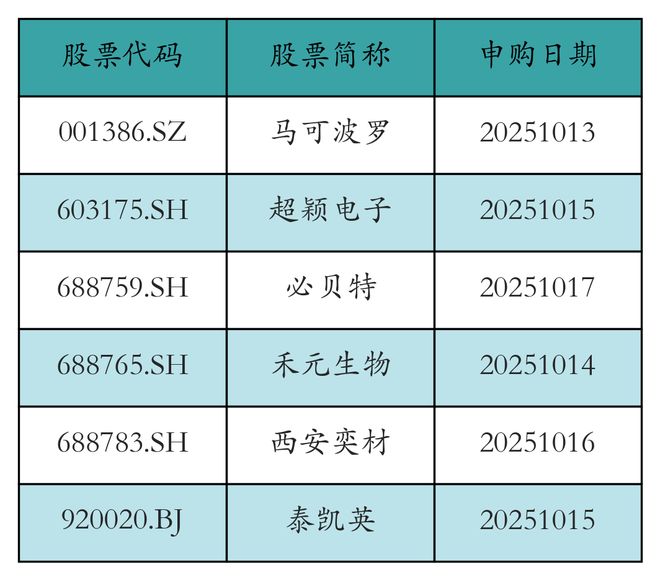
Market Overview - The Shanghai Composite Index fell by 1.47% to 3839.76 points, with a weekly high of 3931.05 points [1] - The Shenzhen Component Index decreased by 4.99% to 12688.94 points, reaching a high of 13405.51 points [1] - The ChiNext Index dropped by 5.71% to 2935.37 points, with a peak of 3124.83 points [1] - In global markets, the Nasdaq Composite rose by 2.14%, the Dow Jones Industrial Average increased by 1.56%, and the S&P 500 gained 1.7% [1] - In the Asia-Pacific region, the Hang Seng Index fell by 3.97%, and the Nikkei 225 decreased by 1.05% [1] New Stock Issuance - Six new stocks were issued last week, with details provided in the table [2] Margin Trading Situation - The total margin trading balance in the Shanghai and Shenzhen markets was 24219.32 billion, with a financing balance of 24053.82 billion and a securities lending balance of 165.5 billion [3] - The margin trading balance decreased by 123.71 billion compared to the previous week [3] - The Shanghai market's margin trading balance was 12355.0 billion, down by 62.59 billion, while the Shenzhen market's balance was 11864.32 billion, down by 61.12 billion [3] - A total of 3450 stocks had financing funds buying in, with 210 stocks having buy amounts exceeding 1 billion [3] Top Margin Buying Stocks - The top three stocks by margin buying amount were: - ZTE Corporation: 138.43 billion [4] - Sungrow Power Supply: 134.01 billion [4] - Zhongji Xuchuang: 111.15 billion [4] Fund Issuance - Two new funds were issued last week, with details provided in the table [5] Share Buyback Announcements - There were 25 new share buyback announcements last week, with the top five by execution amount listed [6] - The highest execution amounts were in the electronic, pharmaceutical, and machinery equipment sectors [6]




恒铭达等上市公司密集启动回购计划
Zheng Quan Ri Bao Wang· 2025-10-15 13:14
Core Viewpoint - Suzhou Hengmingda Electronics Technology Co., Ltd. (Hengmingda) announced a share buyback plan to enhance investor confidence and stabilize operations, with a total buyback amount between 200 million and 400 million yuan [1][2] Summary by Relevant Sections Buyback Plan Details - The buyback will utilize self-owned funds and a special loan, with a maximum loan commitment of 270 million yuan from Bank of China [1][2] - The buyback price will not exceed 67.12 yuan per share, potentially repurchasing approximately 5.96 million shares (2.33% of total shares) at the upper limit and about 2.98 million shares (1.16% of total shares) at the lower limit [1][2] Financial Impact - If the upper limit of 400 million yuan is fully utilized, it would represent 10.51% of total assets, 12.96% of net assets attributable to shareholders, and 13.06% of current assets [2] - The company believes that the buyback will not significantly impact its operations, profitability, financials, R&D, debt obligations, or future development [2] Market Context - The buyback initiative is part of a broader trend in the A-share market, with multiple companies across various sectors, including shipping and technology, announcing similar plans [3] - The recent buyback activities reflect a rational response to perceived undervaluation and aim to stabilize market expectations [3][4] Strategic Implications - The buyback strategy is seen as a commitment to value management and signals confidence in both the macroeconomic environment and the company's future [4] - Companies are increasingly using buybacks as a tool to align employee interests with corporate performance, showcasing a more mature approach to value operations [4]
累计金额超1090亿,逾1340家A股上市公司今年以来实施回购
Feng Huang Wang· 2025-10-05 05:21
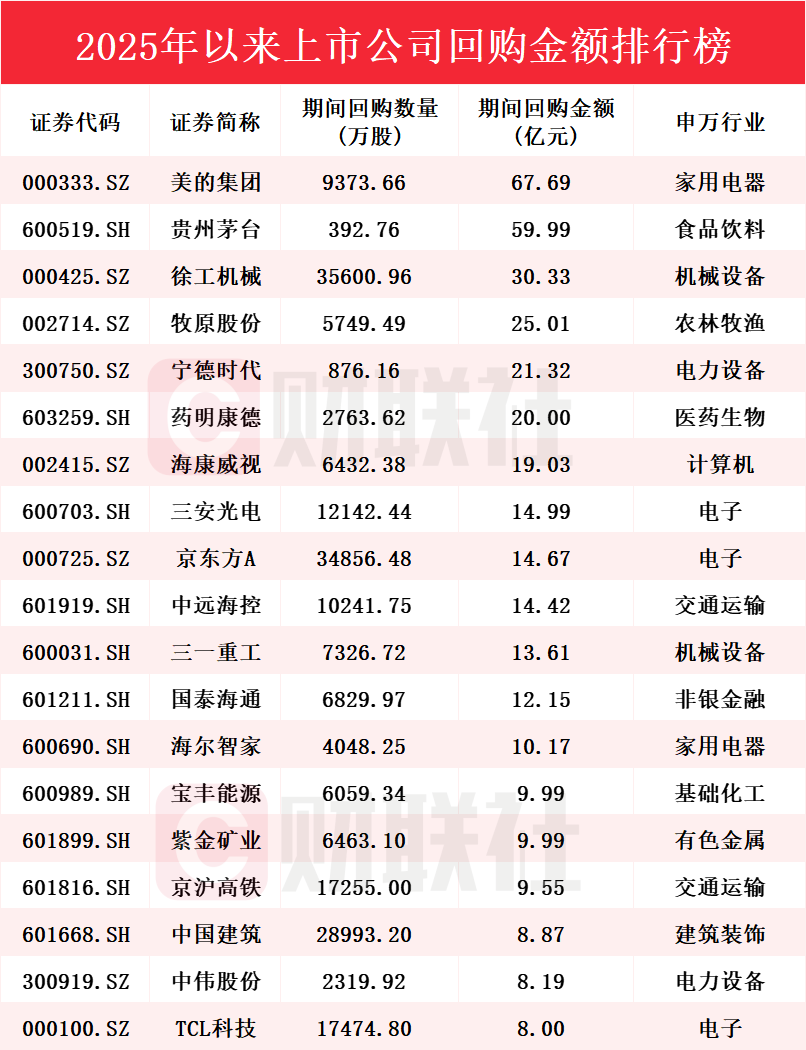
Core Viewpoint - As of October 5, 2023, a total of 1,346 A-share listed companies have implemented share buybacks since 2025, with a cumulative buyback amount of 109.42 billion yuan [1] Group 1: Share Buyback Overview - 13 companies have repurchased more than 1 billion yuan, including Midea Group, Kweichow Moutai, XCMG, Muyuan Foods, CATL, WuXi AppTec, Hikvision, Sanan Optoelectronics, BOE Technology, COSCO Shipping, SANY Heavy Industry, Guotai Junan, and Haier Smart Home [1] - Midea Group leads the buyback amount with 6.769 billion yuan [1] Group 2: Individual Company Buyback Details - Midea Group: Repurchased 9,373.66 million shares for a total of 6.769 billion yuan, representing 1.0193% of its A-share capital, with a maximum price of 77.99 yuan/share and a minimum price of 69.91 yuan/share [2] - Kweichow Moutai: Completed a buyback of 392.76 million shares for 6 billion yuan, accounting for 0.3127% of its total share capital [3] - XCMG: Repurchased 314 million shares for a total of 2.746 billion yuan, representing 2.6735% of its total share capital [4]



港股市场回购统计周报:2025.9.22-2025.9.28-20250930
Zhe Shang Guo Ji Jin Rong Kong Gu· 2025-09-30 05:56
Group 1: Market Overview - The total repurchase amount for the week was HKD 4.84 billion, a significant increase from HKD 3.89 billion the previous week[12] - The number of companies conducting repurchases remained stable at 52 compared to the previous week[12] - Tencent Holdings (0700.HK) led the repurchase with an amount of HKD 2.75 billion[12] Group 2: Top Companies by Repurchase Amount - Tencent Holdings (0700.HK) repurchased HKD 275,193.21 million, accounting for 0.05% of its total share capital[11] - Anta Sports (2020.HK) repurchased HKD 68,708.48 million, representing 0.26% of its total share capital[11] - HSBC Holdings (0005.HK) repurchased HKD 63,882.37 million, which is 0.03% of its total share capital[11] Group 3: Industry Distribution - The majority of repurchase amounts were concentrated in the Information Technology, Consumer Discretionary, and Financial sectors[15] - The Information Technology and Healthcare sectors had the highest number of companies initiating repurchases, with 12 companies each[15] - The Consumer Discretionary sector ranked second with 8 companies participating in repurchases[15] Group 4: Significance of Share Buybacks - Share buybacks are defined as companies using liquid cash to repurchase a certain amount of their outstanding shares from the secondary market[24] - Large-scale buyback waves often occur during bear markets, indicating that companies believe their stock prices are undervalued[24] - Historical data shows that the Hong Kong market has experienced five waves of buyback trends since 2008, all occurring during bear markets followed by subsequent rallies[24]
港股市场回购统计周报2024.2.12-2024.2.18-20250902
Zhe Shang Guo Ji Jin Rong Kong Gu· 2025-09-02 11:05
Group 1: Market Overview - The total repurchase amount for the week was HKD 4.25 billion, a decrease from HKD 4.71 billion the previous week[10] - The number of companies engaging in repurchases increased to 42 from 25 in the prior week[10] - Tencent Holdings (0700.HK) led the repurchase with an amount of HKD 2.753 billion[10] Group 2: Company-Specific Data - Tencent Holdings repurchased 454.90 million shares, accounting for 0.05% of its total share capital[9] - HSBC Holdings (0005.HK) repurchased shares worth HKD 600.44 million, representing 0.03% of its total share capital[9] - China Hongqiao (1378.HK) repurchased shares worth HKD 543.15 million, which is 0.22% of its total share capital[9] Group 3: Industry Insights - The information technology sector saw the highest concentration of repurchase amounts during the week[13] - Both the consumer discretionary and information technology sectors had the most companies engaging in repurchases, with 10 companies each[13] - Financial, consumer staples, and healthcare sectors each had 5 companies participating in repurchases[13] Group 4: Implications of Buybacks - Company buybacks are often seen as a signal that management believes the stock is undervalued[21] - Large-scale buyback trends typically occur during bear markets, indicating potential future price increases[21] - Historical data shows that the Hong Kong market has experienced five buyback waves since 2008, all coinciding with bear markets followed by upward trends[21]
上周两市共有3445只个股有融资资金买入丨资金流向周报
2 1 Shi Ji Jing Ji Bao Dao· 2025-09-01 03:12
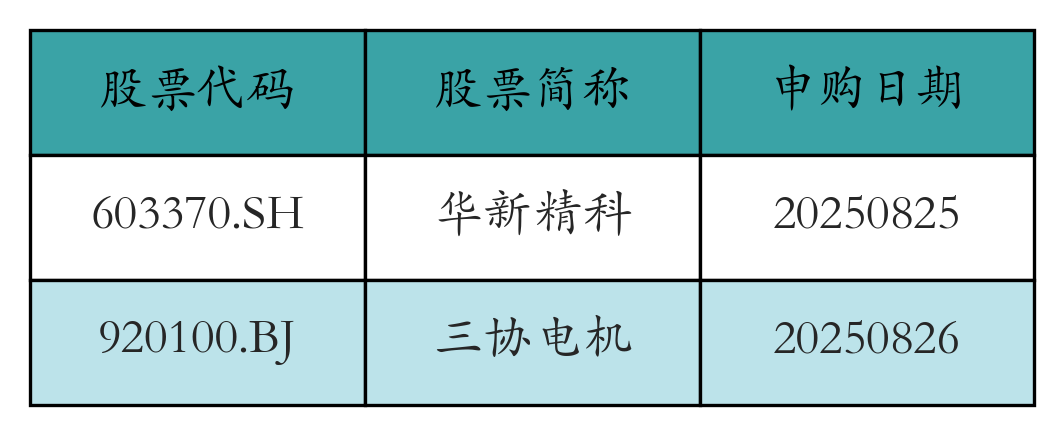
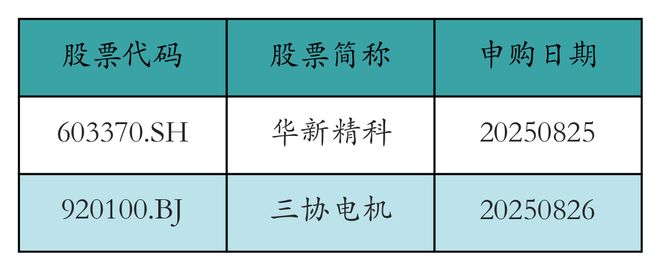
Market Overview - The Shanghai Composite Index rose by 0.84% last week, closing at 3857.93 points, with a peak of 3888.6 points [1] - The Shenzhen Component Index increased by 4.36%, closing at 12696.15 points, with a high of 12791.18 points [1] - The ChiNext Index saw a significant rise of 7.74%, ending at 2890.13 points, reaching a maximum of 2933.99 points [1] - In contrast, major global indices experienced declines, with the Nasdaq Composite down by 0.19%, the Dow Jones Industrial Average down by 0.19%, and the S&P 500 down by 0.1% [1] - In the Asia-Pacific region, the Hang Seng Index fell by 1.03%, while the Nikkei 225 Index increased by 0.2% [1] New Stock Issuance - Two new stocks were issued last week: Huaxin Jingke (603370.SH) on August 25 and Sanxie Electric (920100.BJ) on August 26 [2] Margin Financing and Securities Lending - The total margin financing and securities lending balance in the Shanghai and Shenzhen markets reached 22539.77 billion yuan, with a financing balance of 22381.01 billion yuan and a securities lending balance of 158.77 billion yuan [3] - This represents an increase of 1062.47 billion yuan compared to the previous week [3] - The Shanghai market's margin balance was 11519.36 billion yuan, up by 570.99 billion yuan, while the Shenzhen market's balance was 11020.41 billion yuan, increasing by 491.48 billion yuan [3] - A total of 3445 stocks had margin buying, with 331 stocks having buying amounts exceeding 1 billion yuan, led by Dongfang Caifu (226.77 billion yuan), Shenghong Technology (197.72 billion yuan), and Hanwujing (175.57 billion yuan) [3] Fund Issuance - Eleven new funds were launched last week, including Huashang Advantage Industry Mixed C, Jingshun Longcheng Jiyi Yuli Bond F, and several others [5] - The detailed list of new funds includes various types, such as mixed funds and bond funds [5] Share Buyback Announcements - There were 23 new share buyback announcements last week, with the highest amounts executed by Dahua Intelligent, Aofei Entertainment, and Luxi Chemical [7] - The top three industries by buyback amount were Computer, Media, and Basic Chemicals [7]
东方财富上周获融资资金买入超226亿元丨资金流向周报
2 1 Shi Ji Jing Ji Bao Dao· 2025-09-01 02:53
Market Overview - The Shanghai Composite Index rose by 0.84% to close at 3857.93 points, with a peak of 3888.6 points during the week from August 25 to August 29 [1] - The Shenzhen Component Index increased by 4.36% to 12696.15 points, reaching a high of 12791.18 points [1] - The ChiNext Index saw a significant rise of 7.74%, closing at 2890.13 points, with a maximum of 2933.99 points [1] - In contrast, major global indices experienced declines, with the Nasdaq Composite down by 0.19%, the Dow Jones Industrial Average down by 0.19%, and the S&P 500 down by 0.1% [1] - In the Asia-Pacific region, the Hang Seng Index fell by 1.03%, while the Nikkei 225 Index increased by 0.2% [1] New Stock Issuance - Two new stocks were issued last week: Huaxin Jingke (603370.SH) on August 25 and Sanxie Electric (920100.BJ) on August 26 [2] Margin Trading - The total margin trading balance in the Shanghai and Shenzhen markets reached 22539.77 billion yuan, with a financing balance of 22381.01 billion yuan and a securities lending balance of 158.77 billion yuan [3] - This represents an increase of 1062.47 billion yuan compared to the previous week [3] - The Shanghai market's margin trading balance was 11519.36 billion yuan, up by 570.99 billion yuan, while the Shenzhen market's balance was 11020.41 billion yuan, increasing by 491.48 billion yuan [3] - A total of 3445 stocks had margin buying, with 331 stocks having buying amounts exceeding 1 billion yuan, led by Dongfang Caifu, Shenghong Technology, and Hanwujing with buying amounts of 226.77 billion yuan, 197.72 billion yuan, and 175.57 billion yuan respectively [3][4] Fund Issuance - Eleven new funds were launched last week, including Huashang Advantage Industry Mixed C, Jingshun Longcheng Jiyi Yuli Bond F, and Nuoan Preferred Return Mixed C among others [5] Share Buybacks - A total of 23 companies announced share buybacks last week, with the highest amounts executed by Dahua Intelligent (97.33 million yuan), Aofei Entertainment (80.80 million yuan), and Luxi Chemical (37.78 million yuan) [6][7] - The industries with the highest buyback amounts were computer, media, and basic chemicals [7]






北方稀土、中兴通讯等上周获融资资金买入超110亿元丨资金流向周报
2 1 Shi Ji Jing Ji Bao Dao· 2025-08-25 03:57
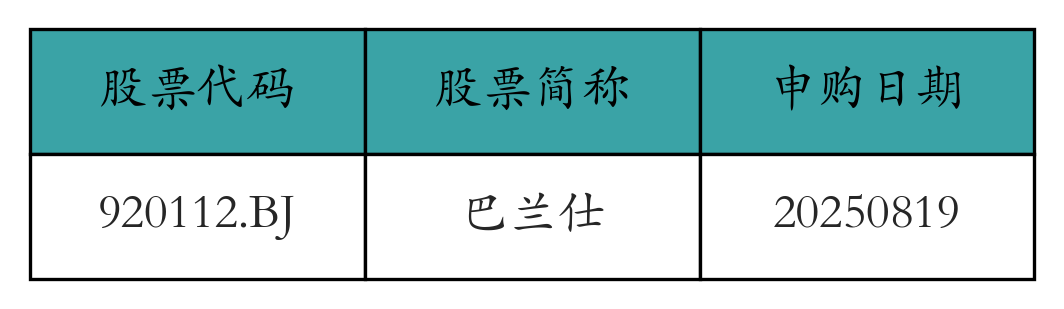
Market Overview - The Shanghai Composite Index rose by 3.49% last week, closing at 3825.76 points, with a peak of 3825.76 points [1] - The Shenzhen Component Index increased by 4.57%, closing at 12166.06 points, with a peak of 12167.28 points [1] - The ChiNext Index saw a rise of 5.85%, closing at 2682.55 points, with a peak of 2683.9 points [1] - In the global market, the Nasdaq Composite Index fell by 0.58%, while the Dow Jones Industrial Average rose by 1.53% and the S&P 500 increased by 0.27% [1] - In the Asia-Pacific region, the Hang Seng Index rose by 0.27%, while the Nikkei 225 Index fell by 1.72% [1] New Stock Issuance - One new stock was issued last week, with the details as follows: - Stock Code: 920112.BJ, Stock Name: 巴兰任, Subscription Date: 20250819 [2] Margin Trading - The total margin trading balance in the Shanghai and Shenzhen markets reached 21477.3 billion yuan, with a financing balance of 21327.89 billion yuan and a securities lending balance of 149.41 billion yuan [3] - The margin trading balance increased by 917.9 billion yuan compared to the previous week [3] - The Shanghai market's margin trading balance was 10948.37 billion yuan, up by 473.51 billion yuan, while the Shenzhen market's balance was 10528.93 billion yuan, up by 444.39 billion yuan [3] - A total of 3444 stocks had margin buying, with 265 stocks having buying amounts exceeding 1 billion yuan, led by 东方财富 (212.35 billion yuan), 北方稀土 (122.35 billion yuan), and 中兴通讯 (119.31 billion yuan) [3][4] Fund Issuance - Eight new funds were issued last week, including: - 诺安稳健回报混合D, 博时稳健回报债券(LOF)E, 华宝宝康债券D, 华富可转债债券D, 汇添富双鑫添利债券D, 安信平衡养老目标三年持有期混合发起, 长盛元赢30天持有债券C, and 长盛元赢30天持有债券A [5][6] Company Buybacks - Thirteen companies announced share buybacks last week, with the top five by execution amount being: - 中国石化, 星网锐捷, 飞鹿股份, 火炬电子, and 意华股份 [7][8] - The highest buyback amounts were concentrated in the oil and petrochemical, telecommunications, and basic chemical industries [8]


港股市场回购统计周报2024.2.12-2024.2.18-20250812
Zhe Shang Guo Ji Jin Rong Kong Gu· 2025-08-12 01:30
Group 1: Weekly Buyback Statistics - Total buyback amount for the week was 780 million HKD, a significant increase from 220 million HKD the previous week, primarily due to HSBC's resumption of buybacks[10] - Number of companies conducting buybacks this week was 15, down from 23 the previous week[10] - HSBC Holdings (0005.HK) led the buybacks with an amount of 548.05 million HKD, followed by Hang Seng Bank (0011.HK) with 113.78 million HKD[10] Group 2: Industry Distribution of Buybacks - The financial sector accounted for the majority of buyback amounts, with HSBC and Hang Seng Bank being the top contributors[13] - The consumer discretionary sector had the highest number of companies initiating buybacks, totaling 7 companies[13] - Other sectors like industrial, financial, and healthcare had 2 companies each participating in buybacks[13] Group 3: Company-Specific Buyback Data - HSBC Holdings (0005.HK) repurchased 566.44 thousand shares, representing 0.03% of its total share capital[9] - Hang Seng Bank (0011.HK) repurchased 100 thousand shares, accounting for 0.05% of its total share capital[9] - Xinyi Glass (0868.HK) repurchased 622.70 thousand shares, which is 0.14% of its total share capital[9] Group 4: Significance of Buybacks - Company buybacks are defined as the repurchase of shares from the secondary market using liquid cash, which can be canceled or used for employee stock incentives[19] - Large-scale buyback trends typically occur during bear markets, indicating that companies believe their stock prices are undervalued[19] - Historical data shows that buyback waves in the Hong Kong market since 2008 have often preceded subsequent price increases[19]
各有各的理由 多家上市公司回购延期
Shang Hai Zheng Quan Bao· 2025-08-11 18:19
Core Viewpoint - The A-share market is experiencing a "repurchase boom," with nearly 400 companies disclosing repurchase progress since July, involving over 600 billion yuan [1][2]. Group 1: Repurchase Implementation and Delays - As of this year, at least 17 A-share companies have announced extensions to their repurchase deadlines, with 8 companies doing so in July alone [2][3]. - Companies like Zhuolang Intelligent and Meike Home have cited market fluctuations and funding arrangements as reasons for their delays, with Zhuolang extending its deadline to April 2026 [2][3]. - Some companies have partially executed their repurchase plans before announcing extensions, such as Meike Home, which has repurchased 179,000 shares at a cost of 267.48 million yuan [2]. Group 2: Financial Strategies and Market Conditions - Companies like Zhenghe Ecology have prioritized supplier payments over repurchase plans, leading to extensions in their deadlines [3]. - Several companies have adjusted their funding sources from "own funds" to "own and raised funds," collaborating with financial institutions for repurchase loans [3]. - The current low bank funding costs make repurchases attractive if the price-to-earnings ratio is below 30, allowing companies to leverage their repurchase efforts [3]. Group 3: Concerns Over Repurchase Practices - Instances of "deceptive repurchases" have emerged, with companies like Shanzi Gaoke failing to execute their announced repurchase plans, raising investor skepticism [4]. - Key indicators to identify potential "deceptive repurchases" include the company's financial health, the range of repurchase amounts, the proximity of repurchase price to market price, and the timing of repurchase actions [4]. Group 4: Regulatory and Governance Issues - Some companies have faced governance issues, such as Mosi Co., which fell below the public shareholding requirement after repurchasing shares, prompting urgent capital restructuring [5]. - Insider trading risks have also been highlighted, with cases like Yongjin Co. facing penalties for insider trading related to repurchase information [5]. Group 5: Suitable Companies for Repurchase - Companies with surplus cash beyond operational needs and stable free cash flows are deemed suitable for implementing repurchase plans, particularly leading consumer goods companies [6].