
亲子关系

Search documents
发现一个残忍真相:不管你多爱自己的儿女,不遗余力供他们上大学,把他们抚养成人,给他们最好的,他们也不一定会像你爱他们那样爱你
洞见· 2025-12-21 12:20
Core Insights - The article discusses the emotional disconnect between parents and children, emphasizing that despite parents' love and sacrifices, children may not reciprocate in the same way, leading to feelings of disappointment and misunderstanding [5][6][12]. Group 1: Generational Differences in Love Expression - There exists a generational gap in how love is expressed, with parents often showing love through service and provision, while children express love in more direct and individualistic ways [11][15]. - Parents' love is often characterized by a desire to ensure their children's well-being, while children prioritize their own needs and boundaries, leading to misunderstandings [11][13][14]. Group 2: Life Stages and Emotional Availability - Different life stages affect the emotional availability of children, as they become preoccupied with their own challenges, leading to perceived neglect of parental relationships [22][24]. - The pressures of modern life, including academic and social challenges, consume children's attention, making it difficult for them to engage with their parents as they did in childhood [23][24]. Group 3: Improving Parent-Child Relationships - Parents are encouraged to express their needs clearly rather than expecting children to intuitively understand them, fostering better communication [29][30]. - A balanced approach to parenting involves maintaining personal interests and relationships outside of the parent-child dynamic, which can lead to healthier interactions [32][36]. - Recognizing that educational success may lead to emotional distance can help parents adjust their expectations and focus on enriching their own lives [36][41].


想让孩子远离手机,家长要做这5件事
Jing Ji Guan Cha Bao· 2025-12-12 06:48
Core Viewpoint - The article emphasizes that addressing children's smartphone addiction requires understanding their underlying psychological needs and improving parent-child relationships rather than simply restricting phone use. Group 1: Understanding Children's Smartphone Dependency - Children's reliance on smartphones reflects unmet psychological needs, serving as an escape from negative emotions and a search for belonging when real-life support is lacking [1][2] - Parents often focus on correcting behaviors without recognizing the deeper meanings behind them, which can signal underlying issues that need to be addressed [1] Group 2: Strategies for Reducing Smartphone Use - Parents should create a structured environment for electronic device usage, ensuring that technology serves as a tool rather than the center of life [3] - Discussing smartphone usage rules with children can mitigate the "forbidden fruit effect," allowing for a more balanced approach to technology [4] - Increasing quality time spent with children can fulfill their emotional needs, reducing the desire for the superficial pleasures of smartphone use [5][6] - Engaging children in real-world experiences, such as nature outings and cultural activities, can help them find joy outside of screens [6][8] - Encouraging diverse interests and talents in children can shift their focus from smartphones to more fulfilling pursuits, fostering a sense of achievement and emotional value [9]
“踩”着孩子过河,教育的本质是父母的自身醒悟!
Jing Ji Guan Cha Bao· 2025-12-09 01:39
Core Viewpoint - The essence of education lies in the self-awareness of parents, as the issues seen in children often reflect the problems within the parents themselves [1][2]. Group 1: Parental Influence - Parents are likened to roots of a tree, while children are the flowers; issues in children often stem from the parents' own issues [1]. - A parent's fears can lead to increased demands on their children, creating a cycle of control and anxiety [3][4]. - Reducing internal fears allows children to grow naturally, maximizing their wisdom and abilities [5][6]. Group 2: Nature of Education - True education should focus on wisdom rather than merely accumulating knowledge, as excessive knowledge can hinder a child's natural development [11][12]. - Wisdom is characterized by an empty state, allowing for greater capacity to utilize knowledge effectively [13][14]. - Education should prioritize maintaining a child's inner space rather than overloading them with information [15]. Group 3: Love and Expectations - The common belief that love is measured by expectations and responsibilities is challenged; these are often manifestations of fear rather than true love [16][18]. - Genuine love is unconditional and free from fear, allowing children to be themselves without pressure [30][32]. Group 4: Parent-Child Relationship - The relationship between parents and children is a reflection of the parent's relationship with themselves; resolving internal conflicts can improve external relationships [34][37]. - To address children's issues, parents must first confront their own problems, as children are a reflection of their family and societal environment [39][40]. Group 5: Self-Reflection in Education - Education is a means of self-reflection and personal growth for parents, with children serving as a mirror for their own development [45][46]. - The process of educating children can lead to the parent's own self-realization and fulfillment [41][42].
从宋代学堂到科技园 快手《小铁环游记》杭州站多时空探讨亲子关系
Yang Guang Wang· 2025-11-19 07:56
Core Insights - The article discusses the successful conclusion of the Kuaishou parent-child IP "Little Iron's Journey" in Hangzhou, which achieved over 4 billion total views and over 10 million views for its main and preview content, marking a significant breakthrough in parent-child content dissemination [1][2]. Group 1: Program Overview - "Little Iron's Journey" features a unique blend of historical and modern themes, introducing celebrity guests and a "time travel" concept through a series of 10 micro-episodes and 6 special short films [2]. - The program allows children to experience different historical periods, including the Song Dynasty, the 1980s, and modern technology, fostering a rich cultural exploration [4]. Group 2: Brand Collaboration - JD.com's sponsorship of the program aligns with its brand philosophy, promoting quality time between parents and children after school through its "Stationery 3:30" initiative [4]. - The program emphasizes the emotional connection between parents and children through the use of various historical stationery, illustrating a multi-generational narrative of learning and growth [4]. Group 3: Content Strategy - The core competitive advantage of "Little Iron's Journey" lies in its authentic experiences, moving away from scripted narratives to encourage children to express themselves freely in unfamiliar settings [5]. - The program integrates deep cultural and tourism elements, enhancing the storytelling experience by showcasing local heritage and natural beauty [6]. Group 4: Emotional Engagement - The program explores the differences in parenting styles between the 1980s and today, advocating for reduced reliance on electronic devices and promoting outdoor exploration and hands-on creativity [8]. Group 5: Platform Ecosystem - The success of "Little Iron's Journey" is supported by Kuaishou's robust ecosystem, which includes a diverse array of influencers and a strong user base focused on parent-child education [9][10]. - The program's influencer strategy combines established stars with emerging talents, ensuring broad audience reach and effective brand integration [9].


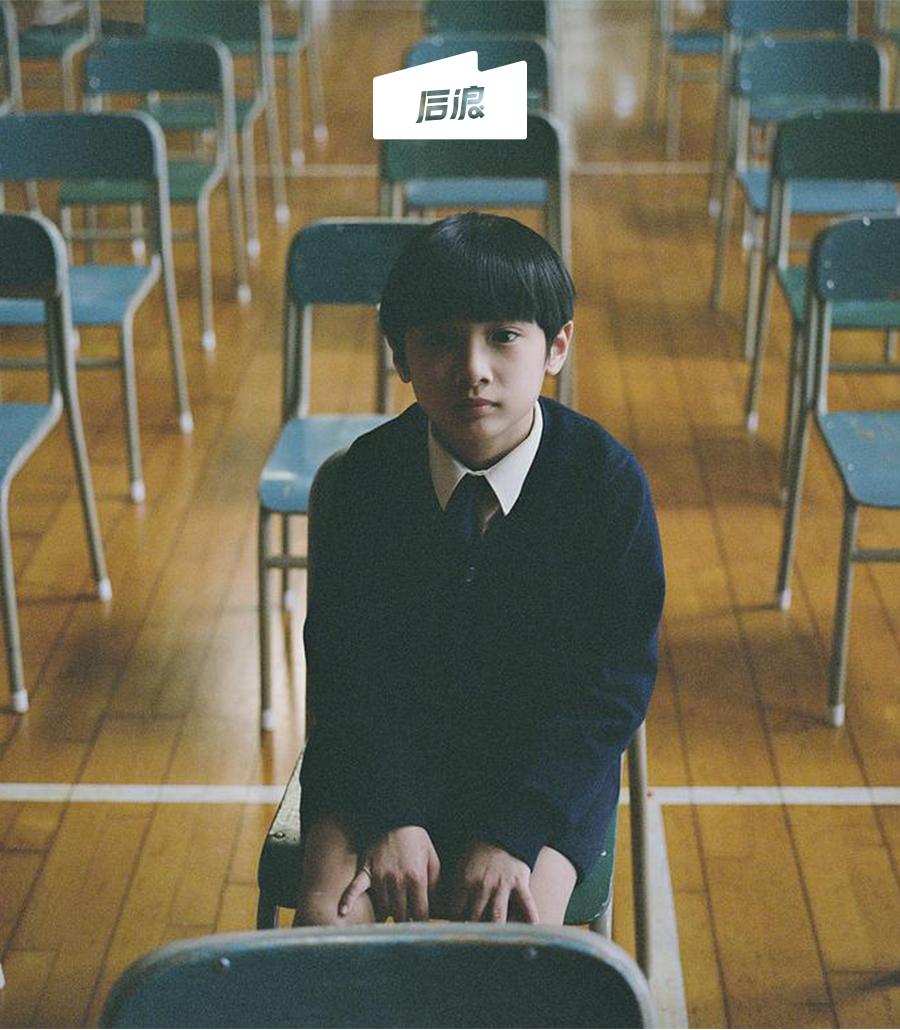
梁鸿:抑郁的少年,是如何被大人「围困」的?
3 6 Ke· 2025-11-01 01:32
Core Insights - The book "要有光" by Liang Hong focuses on the psychological struggles of contemporary Chinese youth, highlighting the disconnect between parents and children in understanding each other's pain [2][6][28] - Liang Hong's investigation reveals a significant rise in mental health issues among adolescents, with 30% of depression patients being under 18, and 50% of these patients being students [2][7] Group 1: Psychological Issues Among Youth - The narrative includes the story of a girl named Min Min, who suffers from domestic violence and subsequently drops out of school for three years due to her mental health struggles [2][11] - The book emphasizes the increasing prevalence of depression among young people, with statistics indicating that 77% and 69% of student patients experience issues related to interpersonal and family relationships [2][7] - Liang Hong's research involved interviews with various stakeholders, including students, parents, teachers, and psychologists, to present a comprehensive view of the psychological landscape faced by youth in modern China [3][6] Group 2: Parental Relationships and Educational Pressures - The author discusses the challenges parents face in connecting with their children, often feeling helpless and confused about how to support them [7][8] - The book highlights the detrimental effects of high parental expectations and rigid educational systems, which can lead to severe mental health issues in children [19][20] - The experiences of different families illustrate the varying impacts of educational pressures, with some children feeling isolated and unsupported despite their parents' good intentions [19][21] Group 3: Support Systems and Community Responses - The narrative includes the role of a tutor named Uncle, who provides a safe space for troubled students, allowing them to express their feelings without judgment [14][15] - The book portrays the importance of creating dialogue between parents and children, as well as between parents and mental health professionals, to address the underlying issues of youth mental health [15][28] - The author aims to shed light on the complexities of these issues, encouraging readers to reflect on their own experiences and the societal factors contributing to youth mental health crises [28][30]
少和孩子生气吧,看完你就知道原因了(深度好文,别后悔太晚才看到)
Jing Ji Guan Cha Bao· 2025-10-30 10:21
Core Viewpoint - The article emphasizes the importance of parents managing their emotions and reducing anger towards their children, highlighting that children's misbehavior is often a result of their developmental stage rather than intentional defiance [2][3][7]. Group 1: Understanding Child Behavior - Children's disobedience is linked to the underdevelopment of their prefrontal cortex, which is responsible for self-control and emotional regulation, maturing around the age of 25 [2]. - Misbehavior such as spilling food or procrastination can stem from developmental limitations like poor hand coordination or lack of time awareness [3]. Group 2: The Shortness of Parent-Child Bonding Time - The emotional connection between parents and children diminishes as children grow, with significant bonding years being limited to early childhood [4][6]. - A calculation of time spent together shows that children rely on their parents less as they age, emphasizing the need for nurturing relationships during formative years [6]. Group 3: Consequences of Parental Anger - Frequent yelling can lead to children developing anxiety and low self-esteem, as they may internalize the belief that they are not good enough [7][10]. - The cycle of anger can exacerbate issues, creating a negative feedback loop where fear leads to further mistakes, which in turn leads to more anger from parents [11]. Group 4: Strategies for Parents - Parents are encouraged to use techniques such as the "pause method" to take a moment before reacting in anger, allowing for a more rational response [15][17]. - Practicing empathy by recalling their own childhood experiences can help parents understand their children's behavior better [18][19]. - Keeping an emotional diary can help parents identify the root causes of their anger, preventing them from projecting their frustrations onto their children [20][22]. - Accepting imperfection in parenting and communicating openly with children about feelings can foster a healthier relationship [24][26]. Group 5: Conclusion - The essence of education lies in the quality of the parent-child relationship, which should be characterized by patience and understanding rather than anger [27].
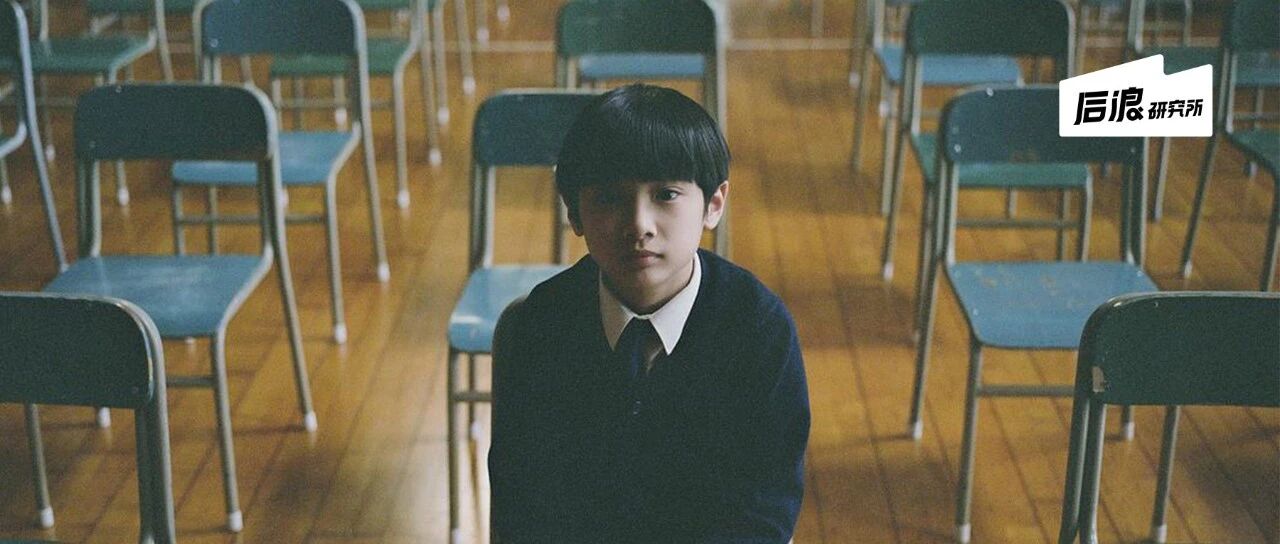
梁鸿:抑郁的少年,是如何被大人「围困」的?
后浪研究所· 2025-10-28 03:48
Core Viewpoint - The article discusses the psychological struggles faced by contemporary Chinese youth, emphasizing the disconnect between parents and children, and the urgent need to address adolescent mental health issues [3][4][10]. Group 1: Adolescent Mental Health Issues - A significant portion of depression cases in China involves individuals under 18, with 30% of all depression patients being in this age group, and 50% of them are students [3]. - The trend of depression is increasingly affecting younger populations, highlighting a societal need for greater awareness and intervention in adolescent mental health [3][4]. Group 2: Parental Challenges - Many parents struggle to connect with their children, often feeling helpless and confused about how to support them through their emotional difficulties [9][10]. - The article illustrates the emotional burden on parents, particularly mothers, who often feel isolated in their struggles while fathers may remain detached [18][19]. Group 3: Case Studies and Personal Narratives - The narrative includes various personal stories of adolescents like Minmin and Yaya, who face severe emotional distress due to family dynamics and societal pressures [11][13][30]. - The experiences shared by these youths reveal the complexities of their mental health issues, often exacerbated by parental expectations and societal norms [22][24]. Group 4: Educational Environment and Societal Expectations - The article critiques the educational system and societal pressures that contribute to the mental health crisis among youth, noting that high expectations can lead to anxiety and depression [29][30]. - It highlights the contrasting experiences of children from different socio-economic backgrounds, indicating that while middle-class families may impose strict educational demands, rural children face different challenges such as parental absence [30][31]. Group 5: The Role of Support Systems - The importance of supportive environments, such as counseling centers and community programs, is emphasized as crucial for helping troubled youth [17][18]. - The narrative showcases individuals like Uncle, who provide emotional support and understanding to children facing mental health challenges, creating safe spaces for them to express their feelings [17][18].
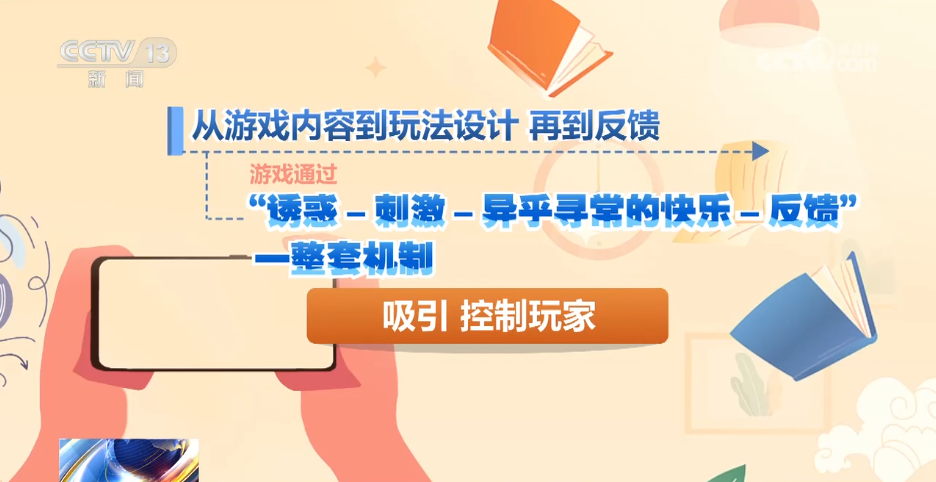
孩子沉迷网络游戏怎么办?专家支招
Yang Shi Wang· 2025-10-10 03:00
Core Viewpoint - Gaming addiction, referred to as "gaming disorder," has been recognized as a public health challenge affecting the mental and physical health of adolescents, with increasing cases reported in hospitals across China [1][3]. Group 1: Research Findings - A study by Central South University Xiangya Hospital indicates that excessive information can lead to cognitive fragmentation in adolescents, impacting their understanding of the world and social relationships [1]. - Patients with gaming disorder exhibit higher levels of anxiety and depression, along with impaired cognitive functions such as recent memory and impulse control compared to their healthy peers [3]. Group 2: Family Dynamics - The relationship between parents and children significantly influences gaming addiction; poorer parent-child relationships correlate with higher rates of gaming addiction among children [6]. - Different parenting styles affect the likelihood of gaming addiction, with democratic parenting showing a 2.7% addiction rate, while authoritarian and permissive styles show rates of 9.7% and 11.7%, respectively [7]. Group 3: Recommendations for Parents - Experts suggest that rather than strictly limiting screen time, families should collaboratively establish mobile usage guidelines that adolescents are willing to follow [8]. - To combat gaming addiction, it is essential for parents to cultivate children's offline interests and social skills, ensuring their real-life experiences are more engaging than online activities [10][11].
老原生家庭受害者,当上了失败的“时髦爸妈”
Hu Xiu· 2025-09-18 10:41
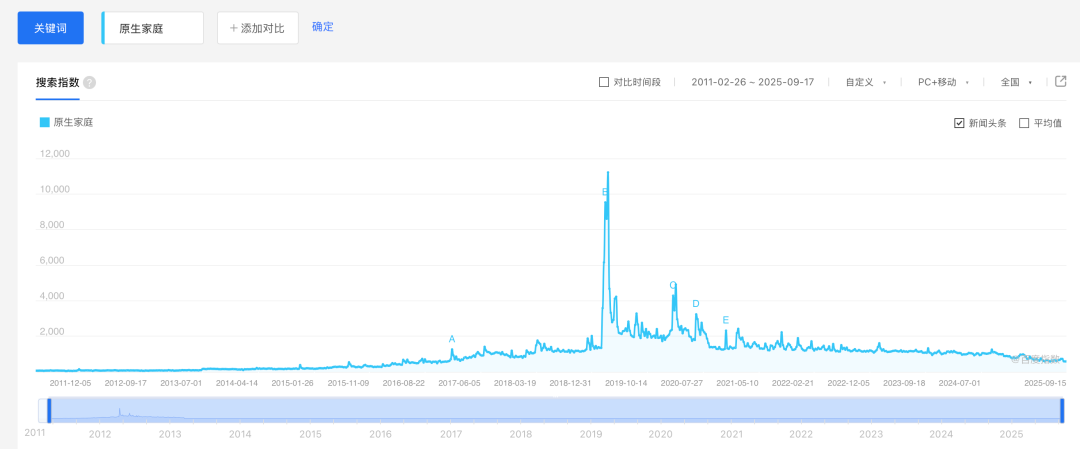
Group 1 - The article discusses the challenges faced by modern parents who are trying to break the cycle of trauma from their own upbringing while raising their children in a new parenting paradigm [3][4][11] - There is a notable increase in young parents seeking psychological counseling for parent-child relationships, indicating a growing awareness of the impact of original family dynamics [4][10] - The concept of "original family" has gained significant traction online, with many attributing their personal struggles to the influence of their upbringing, leading to a cultural phenomenon [6][7] Group 2 - The rise of "electronic parents" on social media reflects a desire among modern parents to emulate idealized family dynamics, but this often leads to unrealistic expectations [12][13][15] - The article highlights a disconnect between the idealized portrayals of parenting online and the actual emotional struggles faced by families, suggesting that the pursuit of perfection can exacerbate issues [25][28] - The narrative around parenting has shifted from blaming parents for their children's issues to scrutinizing the new generation of parents, indicating a cyclical nature of familial criticism [29]
“我跟孩子关系很好”,可能只是家长的幻觉
Jing Ji Guan Cha Bao· 2025-08-25 01:43
(原标题:"我跟孩子关系很好",可能只是家长的幻觉) 很多家长都会说,"我跟孩子关系很好",但站在咨询师的角度来看,未必如此。 先来说说被当作"亲子关系好"的几个认知陷阱。 孩子过分顺从 孩子很听话、很顺从,这是家长的舒适区。 但孩子很有可能是在压抑自己的真实感受和需要,来照顾家长的情绪,满足家长的期待。 "这其实也不叫关系好,而是没有界限。即便亲如父母子女,也是需要边界的。 曾经有一个妈妈说,上高中的儿子跟她关系很好,到现在每天晚上都要粘着她,和她一起睡。 但这并不是健康的母子关系。 孩子过分依赖父母 不管大事、小情,父母都打着"为你好"的旗号,替孩子做决定,按照自己的期待和标准塑造孩子。 孩子遇到了任何困难,大人也会立刻想办法帮他解决,哪怕是跟同学发生了矛盾,也会立刻站出来替孩 子处理。 看起来是对孩子的爱和保护,但也完全剥夺了孩子自己尝试解决问题的机会。 久而久之,无法生长出能力和自信的孩子,就会变得很依赖父母。而父母也很享受孩子的依赖,因为这 能让自己感受到被需要的价值。 父母觉得,孩子依赖自己说明亲子关系好,但对于失去了独立人格的孩子来说,又何谈"关系好"呢? 在亲子关系里,很多家长觉得,没有遇到来 ...