价格欺诈

Search documents
汕尾市市场监督管理局关于规范元旦假期旅游市场价格行为的提醒告诫书
Xin Lang Cai Jing· 2025-12-29 11:02
Group 1 - The core message emphasizes the need for strict adherence to pricing laws and regulations in the tourism market to protect consumer rights during the upcoming New Year holiday [1][2] - Businesses in tourism, accommodation, dining, transportation, and scenic spots are reminded to follow fair pricing practices and maintain market order [1] - Operators must clearly display prices and any changes, ensuring no hidden fees are charged to consumers [1][2] Group 2 - Accommodation, dining, and entertainment providers are required to honor price commitments made on e-commerce platforms and cannot unilaterally change prices after orders are confirmed [2] - There is a prohibition on vague pricing terms for seasonal fresh goods, requiring clear price tags that correspond to specific items [2] - Market regulatory authorities will increase inspections and take serious action against pricing violations, including public exposure and severe penalties for non-compliance [2]
七百元的松叶蟹被换成六十多元的面包蟹
Xin Lang Cai Jing· 2025-12-28 19:26
Core Insights - The article highlights the increasing complaints from consumers regarding deceptive practices in group buying, where businesses change the promised products or services after purchase, leading to significant consumer dissatisfaction [1][2]. Group 1: Consumer Complaints - Consumers have reported various deceptive practices in group buying, including the replacement of high-value items with cheaper alternatives without prior notice [2]. - A significant number of complaints related to group buying have been recorded, exceeding 8,000 on a consumer complaint platform [1]. Group 2: Legal and Regulatory Issues - The article discusses the legal implications of businesses changing group buying terms, indicating that such actions may constitute a breach of contract under civil law and e-commerce regulations [2]. - Consumers are entitled to demand the original service promised or seek refunds and compensation if businesses fail to deliver as agreed [2]. Group 3: Misleading Pricing Practices - Instances of false pricing, where businesses advertise inflated original prices to create a false sense of discount, have been identified as a common issue in group buying [3]. - Consumers can claim triple the amount of the price difference as compensation for fraudulent pricing practices, with a minimum compensation amount set at 500 yuan [3]. Group 4: Recommendations for Improvement - Legal experts suggest that platforms should enhance their responsibilities by implementing strict monitoring of merchants and establishing a compensation system for consumers whose rights are violated [5]. - Businesses are encouraged to clearly communicate the terms and conditions of group buying offers to avoid misunderstandings and potential legal issues [5]. - Regulatory authorities are urged to strengthen oversight of the group buying market and impose stricter penalties for violations to protect consumer rights [5].
河北省定州市市场监管局发布关于规范2026年元旦春节期间市场价格行为的提醒告诫函
Xin Lang Cai Jing· 2025-12-26 06:42
Core Viewpoint - The Hebei Province Dingzhou Market Supervision Bureau has issued a reminder to regulate market pricing behavior during the upcoming New Year and Spring Festival, emphasizing compliance with pricing laws to protect consumer rights and ensure a fair consumption environment [1] Group 1: Pricing Regulations - Businesses must adhere to pricing laws and fulfill social responsibilities, following principles of fairness, legality, and honesty in pricing [1] - Industry associations are prohibited from organizing price collusion or market manipulation and should promote integrity among industry operators [1] Group 2: Clear Pricing Practices - Sales of goods must clearly indicate product name, specifications, price, and unit of measurement, while services must disclose project details, content, and pricing methods accurately [2] - Online sales must display pricing information prominently through text and images, ensuring clarity and accuracy [2] - Promotional activities must transparently state start and end dates, original prices, and current prices, prohibiting misleading pricing practices [2] Group 3: Prohibition of Price Violations - In the essential goods sector, businesses dealing with necessities like food and medicine are forbidden from hoarding, spreading false price increase information, or price gouging [3] - Service providers, including hotels and tourist attractions, must not impose undisclosed fees and must publicly display ticket prices and discount policies [3] - Transportation operators must disclose fare information and adhere to holiday pricing policies, while parking facilities must clearly state pricing standards [3] Group 4: Online Sales and Pricing Integrity - Platform operators and sellers must follow fair and legal pricing practices, avoiding abuse of market dominance or pricing power [4] - Promotional rules must align with actual execution, and any price commitments must be honored without unjustified reasons for non-compliance [4] Group 5: Strengthening Supervision - Market supervision departments will increase inspection efforts during the holiday period, with strict penalties for non-compliance and public exposure of serious violations [5] - Consumers are encouraged to report any pricing violations through the designated hotline, preserving evidence such as receipts [5]
辽宁省市场监督管理局发布致全省旅游消费市场经营者规范价格行为的一封信
Zhong Guo Zhi Liang Xin Wen Wang· 2025-11-24 08:08
Core Viewpoint - The Liaoning Provincial Market Supervision Administration has issued a reminder to regulate pricing behavior in the tourism sector, ensuring consumer rights are protected and market order is maintained during the upcoming National Day and Mid-Autumn Festival [1][2][3] Group 1: Pricing Self-Regulation - Operators are urged to strengthen price self-discipline, comply with laws, and avoid infringing on consumer and other operators' rights [1][2] - Strict adherence to pricing laws and regulations, including the Price Law and regulations against price fraud, is emphasized [1][2] Group 2: Pricing Transparency - Operators must clearly display prices for goods and services, including item names, prices, and pricing units, ensuring accuracy and visibility [1][2] - Any price changes must be promptly reflected in the displayed prices to avoid misleading consumers [1][2] Group 3: Compliance with Government Pricing - Operators in sectors with government pricing, such as scenic spots and taxis, must adhere to established pricing standards and cannot charge beyond these limits [2] - Businesses in the hospitality and retail sectors are encouraged to act responsibly and provide reasonably priced goods and services [2] Group 4: Promotional Practices - When offering gifts, operators must clearly indicate the name and quantity of the gifts, as well as their current selling price [2] - For services provided on a consumption-first basis, a detailed bill must be presented before payment [2] Group 5: Prohibition of Price Fraud - Operators are prohibited from using deceptive pricing practices, such as falsely claiming government pricing or misleading consumers with false discounts [2] - Specific fraudulent practices, including refusal to honor price commitments and misleading advertising, are outlined as unacceptable [2] Group 6: Monitoring and Enforcement - Operators are expected to conduct self-inspections to align with the guidelines provided [3] - The market supervision department will closely monitor compliance and take legal action against persistent violators, with severe cases being publicly exposed [3]
淘宝同一商品,7个价格!价保失灵,承诺变“空头支票”?
Sou Hu Cai Jing· 2025-11-16 01:30
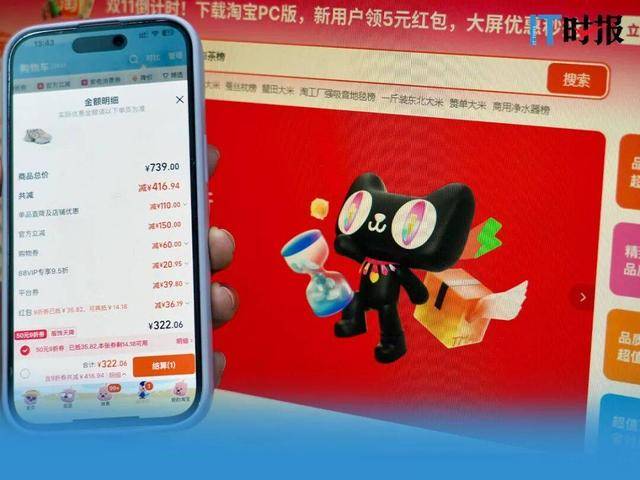
Core Insights - The article highlights the confusion and dissatisfaction among consumers regarding pricing strategies during the Double Eleven shopping festival, particularly on the Taobao platform [2][10][14] - It discusses the failure of the 30-day price protection service, which has become ineffective and is perceived as a "blank check" by consumers [10][11] Pricing Confusion - Consumers experienced significant price fluctuations, with one product showing a price difference of up to 87 yuan within a few hours [5][7] - The article notes that the same product could have different prices based on the account or device used, with discrepancies reaching 28 yuan [6][9] Price Protection Issues - The 30-day price protection service has been criticized for not being honored, as many consumers were denied claims due to the use of coupons or discounts [3][10][11] - Customer service responses indicated that price drops resulting from promotional activities do not qualify for price protection, leading to consumer frustration [11][13] Consumer Sentiment - Many consumers feel misled by the pricing tactics, with complaints about "price fraud" where prices are artificially inflated before discounts are applied [10][14] - The article mentions a significant number of complaints related to price protection, indicating widespread dissatisfaction with the current pricing practices on e-commerce platforms [10][14]


“‘双11’没便宜”上热搜 别让价格欺诈寒了消费者的心
Xin Hua Wang· 2025-11-12 05:10
Core Viewpoint - The "Double Eleven" shopping festival has been marred by price fraud, with platforms and merchants employing various tactics to manipulate prices, leading to consumer dissatisfaction [1][2]. Group 1: Price Manipulation Tactics - Some platforms have engaged in "price fraud" by adjusting rules, resulting in practices like "price hikes followed by discounts" and other deceptive strategies [1]. - Consumers have reported issues such as sudden price increases on unpaid items and default settings that do not apply the best discounts, leading to confusion and frustration [1]. Group 2: Impact on Competition - The competition logic has become distorted, with sales rankings influencing resource allocation and flow support becoming essential for survival, turning the shopping festival into a "traffic battlefield" [2]. - This environment encourages some merchants to resort to price fraud as a means to balance costs and profits, risking their brand reputation and putting honest merchants at a disadvantage [2]. Group 3: Regulatory Response - Regulatory bodies have begun to take notice, issuing consumer advisories to promote rational and informed shopping practices ahead of the festival [2]. - However, mere advisories are insufficient; there is a need for comprehensive regulatory measures to address price fraud effectively [2]. Group 4: Recommendations for Improvement - Platforms are urged to create clearer and more reasonable discount rules, while merchants should focus on improving product quality and after-sales service rather than short-term traffic gains [2]. - A shift away from short-sighted profit strategies towards genuine consumer benefits is necessary for the long-term success of the "Double Eleven" festival [2].
别让价格欺诈寒了消费者的心
Xin Hua Wang· 2025-11-12 02:23
Group 1 - The core issue of price fraud during the "Double Eleven" shopping festival has emerged, with platforms and merchants employing tactics such as "price hikes followed by discounts" and new deceptive practices [1][2] - Consumers have reported various forms of price manipulation, including sudden cessation of subsidies, unselected consumption coupons, and higher prices for pre-sale items compared to current stock [1][2] - The competitive logic in the industry has become distorted, leading to price fraud as a means for some merchants to balance costs and profits, which could harm brand reputation and competitiveness in the long run [2] Group 2 - Regulatory bodies have begun to take notice of the issues surrounding "Double Eleven," issuing consumer alerts to promote rational and informed shopping practices [2] - To effectively address price fraud, a comprehensive approach is needed, including stronger regulatory oversight and a shift in focus for platforms and merchants towards transparent pricing and improved product quality [2] - The industry must abandon short-sighted strategies focused on traffic acquisition and return to a consumer-friendly approach that emphasizes value and service [2]
价格迷局不破,“双11”终将失去人心
Xin Lang Cai Jing· 2025-11-12 02:22
Core Insights - The "Double 11" shopping festival, originally intended to benefit consumers, has become a complex pricing maze, leading to widespread consumer dissatisfaction [1][2][3] Group 1: Pricing Issues - Consumers are experiencing a phenomenon of "price manipulation," where prices are raised before discounts are applied, creating a false sense of savings [1] - The issue of "big data price discrimination" allows for dynamic pricing strategies that result in different prices for different consumers, undermining fair competition [1] - The revised Anti-Unfair Competition Law prohibits practices like "big data price discrimination," but enforcement challenges remain due to technical barriers [1] Group 2: Regulatory and Platform Responsibilities - Regulatory bodies need to enhance enforcement and technical capabilities to ensure price fairness and transparency in the market [2] - Shopping platforms must take responsibility by clarifying marketing terms, standardizing price displays, and establishing a blacklist for dishonest merchants [2] - Consumers should be vigilant against deceptive pricing tactics and retain evidence of transactions to protect their rights [2] Group 3: Consumer Sentiment and Market Impact - The complexity of discount rules and misleading pricing strategies are leading to a decline in consumer trust and participation in the "Double 11" event [2] - The core appeal of "Double 11" lies in providing genuine discounts; without this, the event risks losing its relevance [2][3] - A transparent and predictable shopping environment is essential for restoring consumer confidence and ensuring the healthy development of the e-commerce ecosystem [3]

“算法杀熟”等成为“双11”套路 专家建议:建立“黑名单”制度
Zhong Guo Xin Wen Wang· 2025-11-10 02:47
Core Viewpoint - The "Double 11" shopping festival has transformed into a complex pricing environment, leading to consumer distrust and complaints about price manipulation and opaque discount mechanisms [1][2][4]. Pricing Mechanisms - The use of layered discount mechanisms, such as deposit inflation, store discounts, platform coupons, and membership discounts, complicates price comparisons for consumers, making it difficult to determine the actual price [2][5]. - Sudden changes in pricing, such as the abrupt cessation of subsidies, have resulted in price increases, which can be seen as a form of price fraud [2][4]. Consumer Rights - The ongoing pricing issues infringe upon consumers' rights to know and engage in fair trading, as they are often left with non-optimal prices due to the lack of transparency [2][3]. - The phenomenon of "algorithmic price discrimination," where different prices are offered to new and existing users based on their browsing and purchasing history, has been widely reported and is difficult for consumers to detect [3][5]. Regulatory Environment - The newly revised Anti-Unfair Competition Law, effective from October 15, aims to address pricing irregularities by explicitly prohibiting practices like false evaluations and algorithmic price discrimination [4][6]. - However, challenges remain in enforcing these laws due to technical barriers in evidence collection and the ambiguity of new pricing behaviors [5][6]. Recommendations for Improvement - Experts suggest establishing a "blacklist" system to penalize businesses that repeatedly engage in price fraud, thereby enhancing market integrity [6]. - There is a call for increased consumer education on common pricing traps and the simplification of the complaint process to empower consumers in protecting their rights [6].
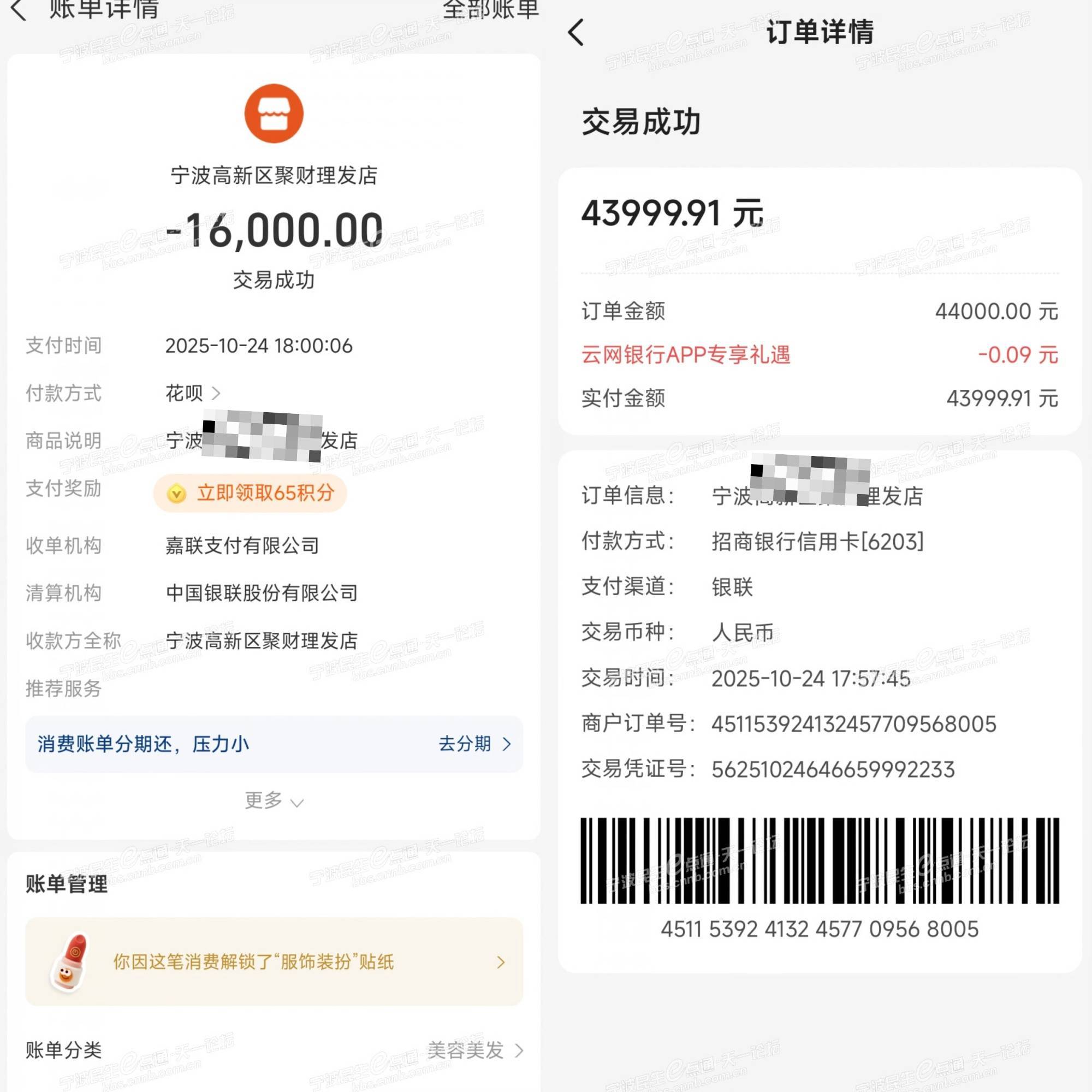
宁波一网友投诉理发被套路消费6万元 相关部门启动联合处置
Sou Hu Cai Jing· 2025-10-28 14:08
Core Points - A consumer reported being charged 60,000 yuan at a hair salon in Ningbo, alleging deceptive practices and forced consumption [1][4] - The local market supervision bureau has initiated a joint disposal mechanism, led by the police, to address the complaint [1] - The incident has sparked public concern and calls for investigation into potential false advertising and price fraud by the salon [4] Summary by Sections - **Incident Description** - A consumer visited a hair salon for a haircut and was told by the stylist that they had a scalp issue, leading to a series of upselling tactics involving expensive treatments [1] - The consumer ended up purchasing a package worth 60,000 yuan, which included 30 treatments priced at 26,400 yuan [1] - **Response from Authorities** - The Ningbo High-tech Zone Management Committee responded to the complaint, stating that an investigation has been launched and updates will be provided [4] - The market supervision department is involved in mediating the situation and verifying the legitimacy of the salon's practices [1][4] - **Public Reaction** - The case has gained traction on social media, with many users expressing skepticism about the salon's practices and urging regulatory scrutiny [4] - Key issues under investigation include the authenticity of the salon's diagnostic results and the legality of their pricing strategies [4]