
全球供应链稳定

Search documents
闻泰科技:敦促安世荷兰切实回应沟通解决控制权问题,以保障全球供应链稳定
Di Yi Cai Jing· 2025-11-23 11:01
Core Viewpoint - The company emphasizes the importance of open dialogue to resolve disputes and ensure the stability of global chip supply [1] Group 1: Company Actions and Statements - The company has noted a series of unilateral actions by Nexperia Netherlands that pose a potential threat to the stability of the global semiconductor supply chain [1] - The company has expressed a willingness to engage in constructive communication with Nexperia Netherlands to restore its legitimate control and resolve the current dispute [1] - Despite the company's efforts to initiate dialogue, Nexperia Netherlands has not provided any substantive response to the company's proposals [1] Group 2: Industry Implications - The stability of the global semiconductor industry is crucial for the overall development of the sector [1] - The company calls for all parties to act rationally and responsibly to maintain the stability and prosperity of Nexperia Semiconductor and ensure the security of the global supply chain [1]

闻泰科技:关于敦促安世荷兰切实回应沟通解决控制权问题以保障全球供应链稳定的声明
Mei Ri Jing Ji Xin Wen· 2025-11-23 10:57
Core Viewpoint - The company expresses concern over unilateral actions by ASML Netherlands and related parties, which pose a potential threat to the stability of the global semiconductor supply chain [1] Group 1: Company Actions and Responses - The company has proactively shown goodwill and expressed willingness to engage in constructive communication with ASML Netherlands to restore its legitimate control and resolve the current dispute [1] - The company emphasizes the importance of honest dialogue to address differences and ensure normal operations and stability in global chip supply [1] Group 2: Industry Implications - The stability of the global semiconductor industry is crucial for overall industry development, and the company calls for rational and responsible actions from all parties to maintain the stability and prosperity of ASML and safeguard the global supply chain [1]
荷兰还在“执迷不悟”,中方认定荷兰100%担责,再不知悔改一切后果自己承担!
Sou Hu Cai Jing· 2025-11-05 02:37
Core Viewpoint - The semiconductor industry is highly interconnected, and fluctuations can have widespread impacts on businesses and consumers globally. The Chinese Ministry of Commerce has issued a stern response to the Netherlands regarding its actions against ASML, highlighting the broader implications for international trade rules and geopolitical dynamics [1][3]. Group 1: Netherlands' Actions and Responses - The Dutch government's recent measures, including attempts to interfere with ASML's internal affairs and potentially strip Chinese companies of their equity, challenge fundamental international business principles [1]. - ASML's announcement on October 26 to suspend supplies to "ASML China" has severely threatened the stability of the global semiconductor supply chain, raising concerns among European and American automakers about inventory issues and ongoing supply chain crises [1][5]. Group 2: China's Position and Strategy - The Chinese government has shown a shift from initial tolerance and communication to a more assertive stance, emphasizing a "responsibility red line" in its dealings with the Netherlands [3]. - The Ministry of Commerce's statement reflects a pragmatic and firm approach, indicating that if the Netherlands continues to ignore its responsibilities, it will face consequences [3][5]. Group 3: Global Supply Chain Implications - ASML, while primarily a producer of basic components, plays a crucial role in the functionality of high-tech products like modern automobiles. The Dutch government's actions have triggered significant concerns across the global supply chain [5]. - China's Dongguan factory accounts for 70% of ASML's global packaging and testing capacity, and any supply disruptions will not only affect Chinese companies but also pose direct threats to European and American industries [5]. Group 4: Future Considerations - The ongoing dispute between the Netherlands and China highlights a stark contrast between the Netherlands' hardline stance and China's rational approach. The Netherlands faces a critical decision on whether to maintain its position or to respect and rebuild its relationship with China [5][7]. - The stability and development of global supply chains have become a consensus that countries must address in economic cooperation, with China asserting its capability to protect its legitimate rights and maintain international market order [7].

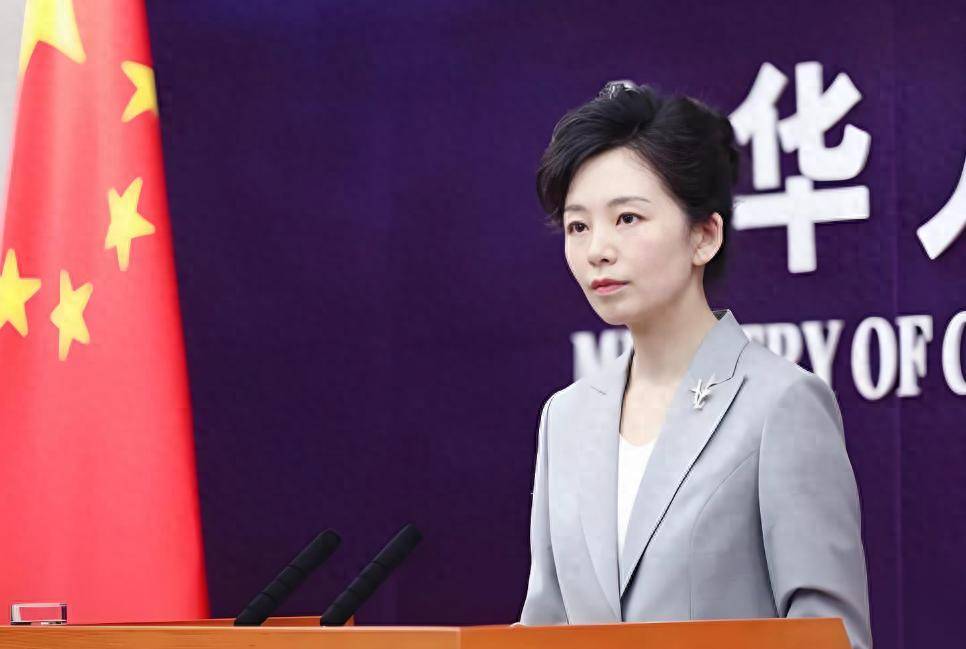
欧洲安全了?中美会谈后,中国对欧盟示好:送芯片,提供稀土
Sou Hu Cai Jing· 2025-11-03 19:22
Core Points - China has announced a relaxation of rare earth export restrictions to the EU and lifted some export limits on ASML chips, signaling a potential shift in strategy towards Europe [1][3][6] - The easing of restrictions comes after a recent positive development in US-China relations, where both sides made concessions regarding export controls [3][10] - European companies, particularly in the automotive sector, are relieved as they heavily rely on Chinese rare earths and chips for production [6][7][10] Group 1: Rare Earths - Rare earths are critical for manufacturing electric vehicle batteries, wind turbines, and high-end chips, with Europe relying on imports for over 90% of its needs [6][10] - The previous tightening of export restrictions had caused significant supply chain disruptions for European manufacturers, prompting some to relocate production closer to supply sources [6][12] - The recent policy shift allows European companies to resume expansion plans without the fear of supply shortages [6][10] Group 2: Chips - The chip export restrictions imposed by China were a response to actions taken by the Netherlands against ASML, which is partially Chinese-owned [6][7] - The Chinese government has now offered export exemptions for companies facing "actual difficulties," specifically targeting European automotive manufacturers [7][10] - This development is seen as a positive signal for easing tensions and fostering cooperation between China and Europe [8][10] Group 3: Economic Cooperation - The recent actions by China are viewed as an effort to stabilize global supply chains and maintain cooperative economic relations with Europe [10][12] - Experts suggest that this could lead to a more stable and long-term partnership between China and Europe, reducing reliance on the US [10][12][15] - However, there are calls for Europe to diversify its supply sources to mitigate risks associated with over-dependence on any single country [12][15]
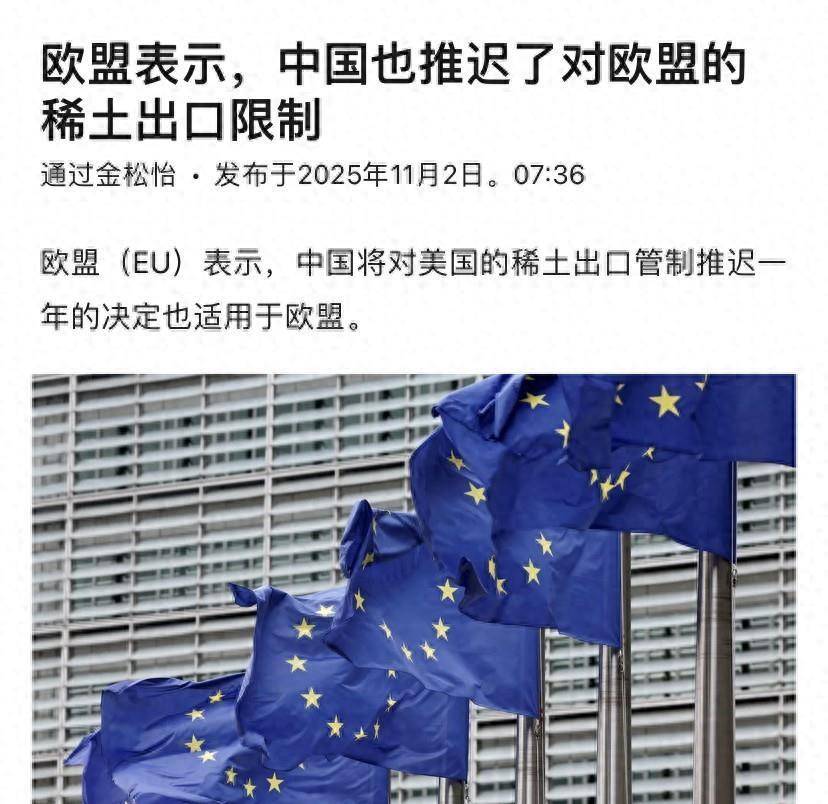
安世半导体事件引发全球汽车供应链危机
Ju Chao Zi Xun· 2025-10-23 13:09
Core Viewpoint - The Dutch government's decision to freeze the operational rights of Nexperia, a subsidiary of Wingtech Technology, has triggered a significant disruption in the global automotive supply chain, raising concerns about a potential chip supply crisis in Europe and beyond [1][5]. Company Summary - Nexperia, headquartered in the Netherlands, is a well-known semiconductor manufacturer with a product range that includes semiconductor technology, integrated circuits, system-level packaging, and electronic components [3]. - Wingtech Technology acquired a 79.98% stake in Nexperia for 26.854 billion yuan in 2019, later achieving full ownership, marking it as the first Chinese company to control a leading international semiconductor enterprise [3]. - Since Wingtech's acquisition, Nexperia's revenue has significantly increased from over 1 billion euros in 2018 to 2.36 billion euros in 2022, with gross margins rising from 25% to 42.4% and a market share exceeding 30% in automotive power chips [4]. Industry Summary - The Dutch government's intervention, which includes freezing the operations of Nexperia's 30 global subsidiaries and appointing foreign directors, is aimed at preventing excessive reliance on foreign entities and asset outflow in the European chip industry [3]. - The European Automobile Manufacturers Association (ACEA) has warned that this situation could lead to a disruption in the global automotive supply chain, with major car manufacturers like Volkswagen, BMW, and Mercedes facing parts shortages [4]. - The incident highlights the geopolitical pressures affecting the global semiconductor supply chain, serving as a stress test for the industry amid rising supply risks for European automakers [5].

荷兰“强抢”中资半导体企业引发芯片断供,美欧日车企无一幸免
Guan Cha Zhe Wang· 2025-10-23 08:14
Core Viewpoint - The Dutch government's intervention in the operations of the Chinese-controlled company Nexperia has led to significant disruptions in the global automotive supply chain, affecting major automakers in the US, Europe, and Japan [1][9]. Group 1: Impact on Automotive Industry - Nexperia's factory in Dongguan has restricted shipments, leading to semiconductor supply shortages that could impact production for major automakers like General Motors, Toyota, Ford, Volkswagen, and Hyundai [1][2]. - General Motors' CEO Mary Barra warned that the semiconductor supply shortage could affect production, and the company has formed an internal team to mitigate potential disruptions [1][2]. - The American Automotive Innovation Alliance (AAI) has urged for a swift resolution to the supply chain issues, emphasizing the severe impact on automotive production in the US and other countries [2]. Group 2: Responses from Automakers - The German Automotive Industry Association (VDA) reported that German manufacturers received notifications from Nexperia about the inability to ensure chip supply, warning of potential production limitations [4]. - Volkswagen has informed employees about the possibility of production halts due to supply chain issues, which could be catastrophic given the company's declining sales in key markets [5]. - BMW and Mercedes-Benz are working with suppliers to ensure production continues, while Renault has established a monitoring team to communicate daily with suppliers [7]. Group 3: Broader Implications - The semiconductor crisis is not limited to the automotive sector, as the chips produced by Nexperia are also used in various consumer electronics, indicating a wider impact across multiple industries [8]. - The European Automobile Manufacturers Association (ACEA) has warned that current chip inventories are expected to last only a few weeks, and finding alternative suppliers could take months [4]. Group 4: Government and Regulatory Actions - The Dutch government has imposed restrictions on Nexperia, including a ban on any adjustments to assets or management, which has been criticized for violating market principles and damaging the business environment [9][15]. - The Chinese government has expressed strong opposition to the Dutch intervention, emphasizing the need for a stable global supply chain and urging the Netherlands to resolve the issue amicably [15].
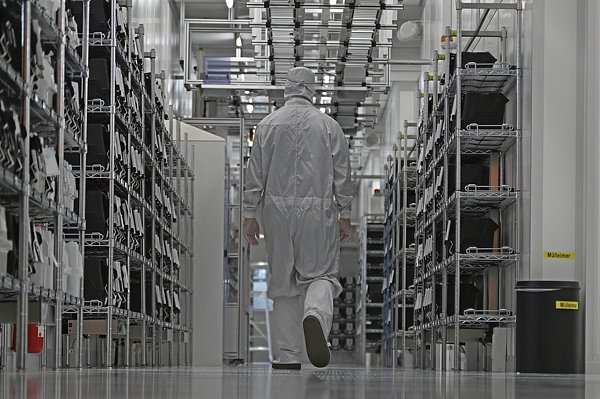
安世半导体事件迎来新进展
Guo Ji Jin Rong Bao· 2025-10-22 12:48
Core Viewpoint - The "Nexperia incident" has significant implications for the global semiconductor industry and China-Netherlands trade relations, with ongoing discussions aimed at resolving the situation and maintaining supply chain stability [1][5]. Group 1: Company Developments - Nexperia, a semiconductor company, is facing restrictions imposed by the Dutch government, which has ordered the company not to make any adjustments to its assets, intellectual property, or personnel for one year [1][2]. - The Amsterdam Court has intervened by suspending the board positions of Nexperia's foreign executives and appointing an independent director with decisive voting rights [2]. - Nexperia was previously part of NXP Semiconductors and has over 60 years of experience in the semiconductor industry, producing components widely used in various sectors including automotive and consumer electronics [2]. Group 2: Financial Performance - In the first half of the year, the revenue of the parent company, WWT Technology, was 25.34 billion yuan, a year-on-year decrease of 24.56%, while net profit increased by 237.36% to 474 million yuan [3]. - The semiconductor business, primarily represented by Nexperia, achieved revenue of 7.82 billion yuan, a year-on-year growth of 11.23%, with net profit rising by 17.05% to 1.26 billion yuan [3]. Group 3: Industry Impact - The ongoing situation with Nexperia has raised concerns in the European and American automotive sectors, as the company produces a wide variety of chips that are crucial for automotive electronics [4]. - The Dutch government aims to prevent European chip technology from becoming overly reliant on foreign entities and to stop the transfer of business and intellectual property out of Europe [5].
中欧北极快航航线成功通航 “伊斯坦布尔桥”轮抵达英国港口
Yang Shi Xin Wen· 2025-10-15 00:46
Core Points - The successful arrival of the "Istanbul Bridge" at the UK port of Felixstowe marks the launch of the world's first regular container shipping route between China and Europe via the Arctic route [1][6] - This new shipping line significantly reduces transit time to just 20 days, compared to 50 days via the Cape of Good Hope and 40 days via the Suez Canal, enhancing logistics efficiency between China and Europe [2][4] Industry Impact - The Arctic route connects major Chinese ports such as Ningbo, Shanghai, Qingdao, and Dalian with key European ports including Felixstowe, Rotterdam, Hamburg, and Gdansk, providing a faster logistics option for global trade [1][4] - The route is expected to optimize global supply chains and promote economic cooperation along the route, contributing to the stability of international trade [2][7] Operational Insights - The shipping company reported that the journey was completed in less than 15 days, although weather conditions required a reduction in speed, resulting in a total travel time of 20 days [4][5] - The successful operation of this route involved extensive preparation, including personnel training and equipment upgrades, and received support from ports in both China and Europe [5] Economic Significance - The cargo transported included high-demand items such as clothing, energy storage cabinets, and power batteries, showcasing China's export capabilities in new energy products [1][4] - The establishment of this route is seen as a significant step towards enhancing the resilience of supply chains between China and Europe, especially in the context of current global trade uncertainties [7]
英伟达要求部分零部件供应商暂停生产H20芯片,外交部回应
券商中国· 2025-08-22 09:30
Group 1 - The core viewpoint of the article revolves around the recent developments concerning Nvidia's H20 chip production and the implications of China's stance on the use of this chip by domestic companies [1] - Nvidia has reportedly requested its suppliers to halt production related to the H20 chip, indicating potential disruptions in the supply chain [1] - The Chinese Foreign Ministry spokesperson emphasized the importance of maintaining a stable and smooth global supply chain, suggesting that all parties should work together [1]

贸发会议报告:今年下半年全球贸易或将遭遇更大“逆风”
news flash· 2025-07-09 00:43
Core Insights - The United Nations Conference on Trade and Development (UNCTAD) reported that global trade is expected to grow by $300 billion in the first half of the year, but faces increasing resistance in the second half due to uncertainties in U.S. trade policies and global geopolitical tensions [1] Trade Growth Analysis - Global trade grew approximately 1.5% in the first quarter, with an expected growth of 2% in the second quarter [1] - Price increases are the main driver of the growth in global trade value, while trade volume only increased by 1% [1] - Service trade remains the primary driver of global trade growth, with a 9% increase over the past four quarters [1] Trade Imbalance Concerns - The report indicates a worsening global trade imbalance, with the U.S. trade deficit continuing to expand over the past four quarters [1] - The recent U.S. tariff measures have heightened the risk of trade fragmentation, and potential further unilateral actions by the U.S. could escalate trade tensions and disrupt global supply chain stability [1]