
全球货币信用体系重构

Search documents
国际金价近期回调,别慌!
Sou Hu Cai Jing· 2025-10-27 11:17
Core Viewpoint - The recent decline in gold prices has led to a significant drop in the retail price of gold jewelry, prompting investors to consider buying opportunities as prices retreat from recent highs [2][3]. Group 1: Price Movements - On October 21, the spot gold price fell from a high of $4,374.79 per ounce, experiencing a daily drop of 6.70%, marking the largest single-day decline in 12 years with a closing drop of 5.33% [2]. - By October 26, the retail price of gold jewelry from major brands like Chow Tai Fook and Luk Fook dropped to 1,232 CNY per gram, down 60 CNY from the peak of 1,292 CNY per gram on October 21, resulting in a savings of 4,800 CNY for an 80-gram gold bracelet [2]. Group 2: Investor Behavior - Investors are beginning to re-enter the market, with some, like Ms. Lin, purchasing 40,000 CNY worth of gold on October 22, seizing the opportunity presented by the price drop after previously hesitating due to high prices [3]. - Ms. Liu, holding nearly 500,000 CNY in gold ETFs, experienced a loss of approximately 19,000 CNY in a single day but remains calm, viewing the price correction as a normal market behavior [3]. Group 3: Market Outlook - Short-term fluctuations in gold prices are influenced by geopolitical factors and profit-taking, but long-term support remains strong due to ongoing monetary policy changes, including potential interest rate cuts by the Federal Reserve and central bank gold purchases [4][5]. - Analysts suggest that the current price correction may present a buying opportunity, with expectations that the long-term price trend for gold remains upward due to factors such as a weakening dollar and global economic uncertainties [4][5].

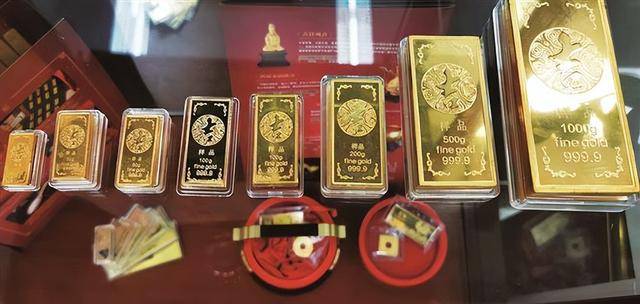
创12年来纪录!有人1小时亏5万元
Sou Hu Cai Jing· 2025-10-23 08:44
Core Viewpoint - International gold prices experienced a significant drop after reaching a historical high, with spot gold falling by 5.31% and silver by 7.11%, leading to a decline in consumer confidence and market activity [1][3][5]. Market Reaction - The sharp decline in gold and silver prices has led to decreased sales in the gold market, with many consumers adopting a wait-and-see approach, hoping for further price drops before making purchases [3][5]. - In Shenzhen's Shui Bei gold market, sellers reported unprecedented price fluctuations, with gold prices dropping from 990 yuan to 930 yuan per gram in a single day [3]. Price Dynamics - The recent price correction is attributed to several factors, including excessive previous gains, a strong dollar, the end of India's seasonal gold buying peak, and profit-taking by investors concerned about overvaluation [5]. - Citibank predicts that the end of the U.S. government shutdown and easing U.S.-China trade tensions may lead to a period of price consolidation for gold, with a short-term bearish outlook and a target price of $4,000 per ounce over the next 1-3 months [5]. Long-term Outlook - Analysts from Guosen Securities believe that the long-term bullish trend for gold will continue due to structural factors such as the reconstruction of the global monetary credit system, de-dollarization, and ongoing central bank purchases [6]. - HSBC forecasts that the upward momentum for gold could persist until 2026, setting a target price of $5,000 per ounce, driven by concerns over U.S. fiscal deficits and the demand for gold as a hedge against debt sustainability risks [6].
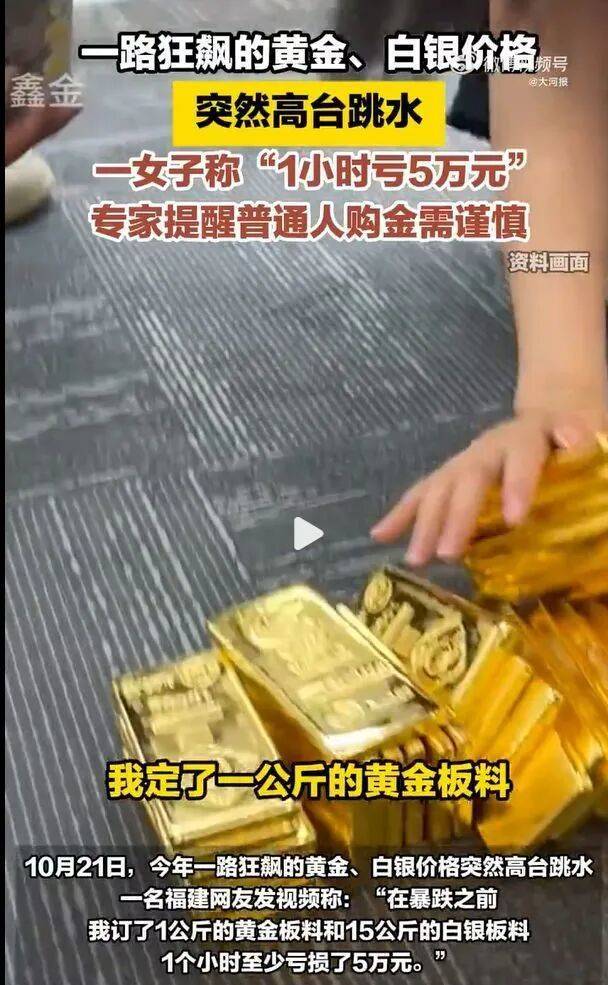
黄金9周连涨后历史复盘:未来一年通常回调20%-40%,仅1970年例外
华尔街见闻· 2025-10-23 08:18
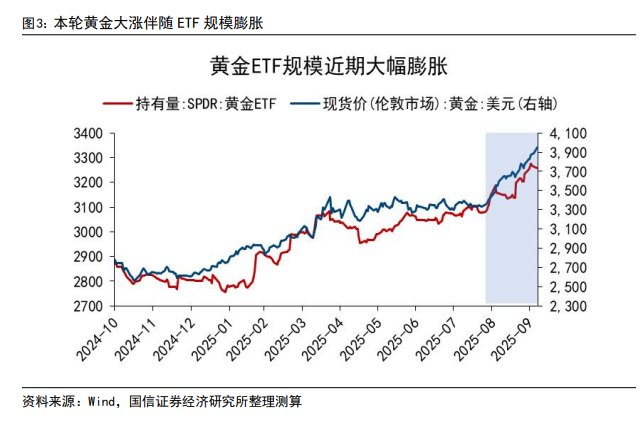
Core Viewpoint - The recent sharp decline in gold prices, dropping 6.3% and marking the largest single-day drop in 12 years, is attributed to various factors including rumors surrounding the Russia-Ukraine negotiations, easing trade relations, and the reopening of the U.S. government. Despite this short-term volatility, the long-term bullish logic for gold remains intact [1][2]. Market Dynamics - The current gold price surge is fundamentally different from earlier trends, as central banks have not participated in the recent price increases since September. The rise has been primarily driven by investment and speculative traders, indicating a lack of stability typically provided by central bank purchases [3][6]. - The significant increase in ETF sizes during this gold price rise contrasts sharply with earlier trading conditions, as ETF funds are characterized by rapid inflows and outflows, leading to heightened volatility [4][6]. Technical Analysis - Technical indicators suggested that the recent gold price surge was unsustainable, as it reached the upper limit of three standard deviations, a point historically associated with subsequent price corrections [7][9]. - The implied volatility of gold ETFs has surged, which historically signals potential turning points and exhaustion of trends, providing a clear warning of an impending sharp correction [9]. Historical Context - Historical analysis shows that after a nine-week consecutive rise in gold prices, the typical adjustment range has been between 20% to 40%. The maximum declines observed in past instances ranged from 17% to 42%, with the most significant drops occurring between 23 to 148 trading days after the peak [12][14]. - Despite the short-term adjustment pressures, the long-term bullish narrative for gold remains strong, supported by the restructuring of the global monetary credit system, de-dollarization trends, ongoing central bank gold purchases, and structural supply-demand imbalances [12][14].
黄金9周连涨后历史复盘:未来一年通常回调20%-40%,仅1970年例外
Sou Hu Cai Jing· 2025-10-23 00:56
Core Viewpoint - The recent sharp decline in gold prices, dropping 6.3% and marking the largest single-day drop in 12 years, is attributed to various factors including rumors surrounding the Russia-Ukraine negotiations, easing trade relations, and the reopening of the U.S. government. Despite this short-term volatility, the long-term bullish logic for gold remains intact [1][14]. Market Structure - The current gold price increase is fundamentally different from earlier trends this year, as central banks have not participated in the recent rally since September. The rise has been primarily driven by investment and speculative traders, leading to a more fragile market structure [2][3]. - The absence of central bank buying power has resulted in a significant increase in ETF sizes, which are characterized by rapid inflows and outflows, contributing to heightened market volatility [2]. Technical Indicators - Technical analysis indicates that the recent gold price surge reached a critical threshold, with the price touching three times the standard deviation upper limit, suggesting a natural correction is due [4]. - A notable warning signal is the sharp rise in implied volatility of gold ETFs, which historically indicates potential turning points and exhaustion of trends [6]. Historical Context - Historical data shows that after a nine-week consecutive rise in gold prices, the typical adjustment range is between 20% to 40%, with maximum declines occurring between 23 to 148 trading days post-peak. This suggests that investors should prepare for potential prolonged adjustments [9][12]. Long-term Outlook - Despite the short-term adjustment pressures, the long-term bullish rationale for gold remains robust, supported by the restructuring of the global monetary credit system, de-dollarization trends, ongoing central bank gold purchases, and structural supply-demand imbalances [14].
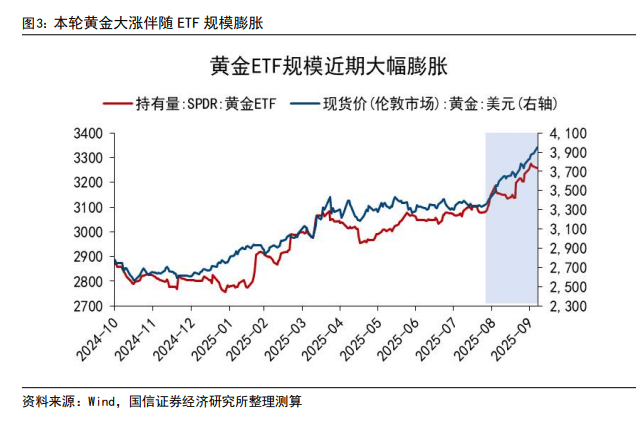
黄金9周连涨后历史复盘:未来一年通常回调20%-40%,仅1970年例外
美股IPO· 2025-10-22 11:33
Core Viewpoint - The recent decline in gold prices is primarily influenced by geopolitical factors such as the Russia-Ukraine war negotiations, easing trade relations, and the reopening of the U.S. government [2] Trading Structure Concerns - The current gold price increase is characterized by a fragile trading structure, as central banks have not participated, with the market being driven mainly by investors and speculators [3][4] - The absence of central bank buying power has led to increased volatility, as evidenced by the significant growth in ETF sizes, which are typically associated with rapid inflows and outflows [4][5] Technical Indicators Warning - Technical analysis indicates that the recent gold price surge has reached a critical upper limit, suggesting a natural adjustment is due [3][6] - A notable rise in implied volatility of gold ETFs has been observed, historically indicating potential turning points and exhaustion of trends [9] Historical Performance Insights - Historical data shows that after a nine-week consecutive rise in gold prices, adjustments typically range from 20% to 40%, with maximum declines occurring between 23 to 148 trading days later [10][13] - The maximum decline observed in past instances has varied, with the largest drop being 42.3% following a nine-week rise [13] Long-term Bullish Outlook - Despite short-term adjustment pressures, the long-term bullish logic for gold remains intact, supported by the restructuring of the global monetary credit system, de-dollarization trends, and ongoing central bank purchases [14]
国信证券:黄金技术面趋于极限,短期需要注意节奏,长牛逻辑未出现明显破绽
Hua Er Jie Jian Wen· 2025-10-22 09:24
Core Viewpoint - The recent sharp decline in gold prices, dropping 6.3% and marking the largest single-day drop in 12 years, is attributed to various factors including rumors surrounding the Russia-Ukraine negotiations, easing trade relations, and the reopening of the U.S. government. However, the long-term bullish logic for gold remains intact [1][15]. Market Structure - The current trading structure for gold is notably fragile, primarily driven by investors and speculators rather than central banks. This contrasts with earlier market behavior where central bank purchases provided stability. The absence of central bank involvement in the recent price increase raises concerns about market sustainability [2][3][4]. - The recent surge in gold prices has been accompanied by a significant increase in ETF sizes, which are typically characterized by rapid inflows and outflows, leading to heightened volatility [3][4]. Technical Indicators - Technical analysis indicates that the recent price surge reached a critical threshold, with gold hitting three times the standard deviation upper limit, suggesting a natural correction is due. Historical data shows that similar instances have led to price adjustments [5][7]. - The implied volatility of gold ETFs has surged, which historically signals potential turning points and exhaustion of trends, further indicating an impending sharp correction [7]. Historical Context - Historical analysis reveals that after a nine-week consecutive rise in gold prices, the typical adjustment range has been between 20% to 40%, with maximum declines occurring between 23 to 148 trading days post-peak. This suggests that investors should prepare for potential prolonged adjustments [10][13]. Long-term Outlook - Despite short-term pressures for adjustment, the long-term bullish narrative for gold remains robust, supported by the restructuring of the global monetary credit system, de-dollarization trends, ongoing central bank purchases, and structural supply-demand imbalances [15].

黄金,反弹上涨!
Sou Hu Cai Jing· 2025-10-22 07:10
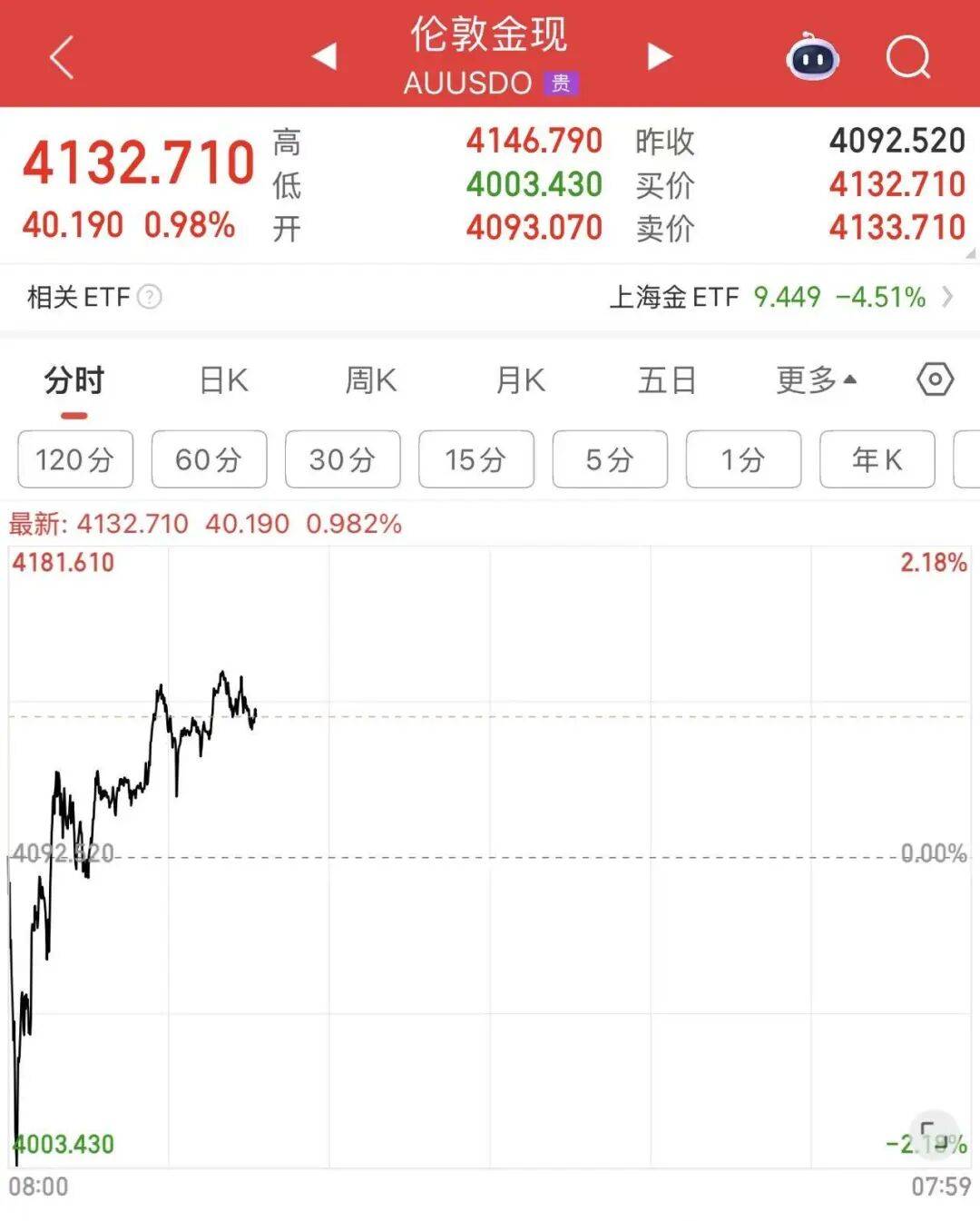
Core Viewpoint - Recent fluctuations in spot gold prices have been observed, with a significant drop of up to 6.3% followed by a recovery, indicating volatility in the gold market [1][3]. Group 1: Price Movements - On October 21 to 22, spot gold prices experienced a notable decline, with the maximum drop recorded at 6.3% [1]. - Following the drop, spot gold prices rebounded, with a reported increase of 0.98% by October 22, reaching a peak of $4,146.79 per ounce [1]. Group 2: Market Analysis - According to Guosen Securities' latest research report, several long-term factors support the upward trend of gold prices, including the restructuring of the global monetary credit system, the trend of de-dollarization, continuous gold purchases by central banks, and structural supply-demand imbalances [3]. - The recent price drop is not expected to alter the fundamental logic supporting the long-term bullish trend of gold [3].
近期黄金调整快评:黄金的长期牛市与短期节奏
Guoxin Securities· 2025-10-22 05:14
Market Movement - Gold prices experienced a significant drop of up to 6.3% from October 21 to 22, marking the largest single-day decline in 12 years[2] - The recent decline in gold prices is attributed to various factors including rumors surrounding the Russia-Ukraine negotiations, easing US-China trade tensions, and the reopening of the US government[3] Trading Structure - Unlike the previous surge in early 2023, central banks, particularly the People's Bank of China, did not participate in the recent gold price increase, indicating a more fragile trading structure[4] - The current gold price increase has been primarily driven by investors and speculators, with a notable expansion in ETF sizes accompanying the rise[4][7] Technical Indicators - Gold prices have reached the upper limit of three standard deviations, suggesting a natural technical correction is due[8] - The implied volatility of gold ETFs has surged, often indicating a potential turning point or exhaustion of the current trend[8][12] Long-term Outlook - The long-term bullish trend for gold remains intact, supported by factors such as the restructuring of the global monetary credit system, de-dollarization trends, and ongoing central bank purchases[13] - Historical data shows that after a nine-week consecutive rise, gold prices typically experience a correction ranging from 20% to 40% over the following year[13] Historical Performance - An analysis of past instances where gold rose for nine consecutive weeks reveals maximum declines of 17% to 42% in subsequent periods, with the largest drop occurring 148 trading days later[16]
百利好丨十月金价高位巨震,短期回调无碍长期升势
Sou Hu Cai Jing· 2025-10-10 07:19
Core Viewpoint - The international gold market experienced significant volatility in October, with gold prices initially surpassing $4000 per ounce before a sharp correction occurred [1][3]. Group 1: Market Dynamics - On October 8, spot gold prices broke the $4000 per ounce mark, setting a new milestone, but fell below this key support level the following day [1]. - The New York futures market saw a daily decline of over 1.9%, while the Philadelphia Gold and Silver Index dropped by 4.19%, indicating a rapid shift in market sentiment [1]. Group 2: Factors Influencing Price Adjustment - Fundamental factors shifted as recent strong U.S. economic data reduced expectations for Federal Reserve interest rate cuts, leading to a stronger dollar that pressured gold prices [3]. - A temporary easing of geopolitical tensions in the Middle East, particularly the ceasefire agreement in Gaza, diminished gold's appeal as a safe-haven asset [3]. - Technical corrections were noted, with analysts indicating that the rapid price increase lacked solid support below $3850, and the market showed signs of overbought conditions [3]. Group 3: Long-term Outlook - Despite short-term adjustments, several institutions maintain a positive long-term outlook for gold, citing factors such as the restructuring of the global monetary credit system and ongoing central bank gold purchases [4]. - Bank of America predicts a potential price drop to $3525 per ounce by Q4 2025 but acknowledges gold's long-term investment value remains strong [4]. - Guosen Securities emphasizes that the fundamental support for gold prices is unlikely to change significantly in the next 2 to 3 years [4]. Group 4: Future Price Projections - In the short term (1-3 months), gold prices are expected to enter a phase of consolidation, with key indicators being U.S. monetary policy and fiscal conditions [5]. - For the mid-term (6-12 months), gold prices may recover, with a target of $4200 per ounce as major central banks potentially begin a rate-cutting cycle [6]. - In the long term (2-5 years), the continued diversification of global reserve assets and strong central bank demand could see gold prices exceed $5000 per ounce [6].

突发跳水!黄金4000美元关口失守
Shen Zhen Shang Bao· 2025-10-10 05:14
Group 1 - The easing of geopolitical tensions in the Middle East has reduced investors' risk aversion, contributing to a significant rise in the US dollar index and a subsequent drop in international gold prices, which fell below the $4000 per ounce mark [1] - As of October 10, 2023, spot gold prices were reported at $3982.31 per ounce, reflecting a decline in gold prices [1] - Analysts from various financial institutions, including Bank of America, have indicated that the recent rapid increase in gold prices has been driven not only by fundamental factors but also by speculative positions, leading to potential pullback risks [3] Group 2 - The recent ceasefire in Gaza has prompted speculators to withdraw some gold positions, as the agreement has cooled tensions in the Middle East, although overall confidence in the market remains intact [3] - According to Guoxin Securities, long-term factors such as the restructuring of the global monetary credit system, de-dollarization trends, continuous gold purchases by central banks, and structural supply-demand imbalances are expected to support gold prices, indicating a sustained long-term bullish trend for gold over the next 2 to 3 years [4]
