唐罗主义

Search documents
日英将合作确保关键矿物
日经中文网· 2026-02-02 03:10
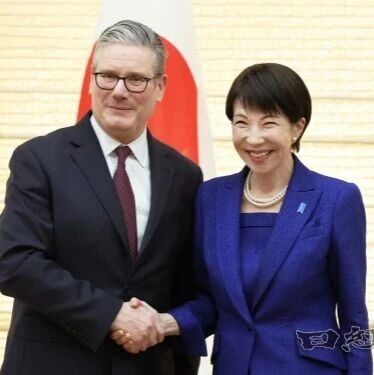
Group 1 - The core viewpoint of the article emphasizes the strengthening of Japan-UK bilateral relations in response to geopolitical challenges, particularly concerning China and North Korea, and the importance of a "free and open Indo-Pacific" [2][4] - Japan and the UK have agreed to collaborate on securing critical mineral supply chains to counter China's tightening of rare earth export controls [2][5] - The leaders highlighted the interconnectedness of security in the Atlantic and Indo-Pacific regions, with Japan-UK cooperation symbolizing this relationship [4][5] Group 2 - Both leaders agreed to hold foreign and defense minister-level consultations (2+2 talks) and confirmed progress on the joint development of next-generation fighter jets, marking Japan's first large defense equipment production collaboration with a country other than the US [5] - The discussions included cooperation in advanced technology fields such as artificial intelligence (AI) and quantum technology [5] - The UK Prime Minister invited the Japanese Prime Minister to visit Chequers, the official country residence of the UK Prime Minister [5]

刘和平:马杜罗遭绑架诱发寒蝉效应,穆利诺向美国“进贡”巴拿马运河
Xin Lang Cai Jing· 2026-01-31 11:12
Core Viewpoint - The ruling by the Panama Supreme Court declaring the contract of Hong Kong's CK Hutchison Holdings Limited for operating two ports of the Panama Canal unconstitutional is seen as a politically motivated decision influenced by the Trump administration, aiming to diminish China's influence in Latin America [2][3][9]. Group 1: Court Ruling and Political Implications - The Panama Supreme Court's unanimous decision to invalidate the contract is viewed as a clear violation of the country's constitution, indicating a lack of judicial independence [2]. - The ruling aligns with the political agenda of the Trump administration, which has expressed intentions to regain control over the Panama Canal and reduce Chinese presence in the region [3][9]. - U.S. officials, including Senator Marco Rubio, have publicly supported the ruling, suggesting it serves U.S. strategic interests in ensuring that ports are managed by operators aligned with American values [3]. Group 2: Influence of U.S. Military and Historical Context - The decision is interpreted as a result of pressure from the Trump administration, with the current Panamanian government lacking military capability and relying on U.S. protection [6]. - Historical events, such as the capture of former Panamanian President Manuel Noriega by the U.S., contribute to the current government's compliance with U.S. demands, reflecting a psychological impact on President Mulino [6][7]. - The recent military actions by the U.S. in Venezuela are seen as a demonstration of power intended to intimidate the Panamanian government into compliance [7]. Group 3: Strategic Importance of the Panama Canal - The ruling effectively transfers control of the two ports from a Chinese company to U.S. entities, aligning with the Trump administration's broader strategy to assert dominance in the Americas [9][10]. - Control over the Panama Canal is deemed crucial for U.S. military and economic interests, as it serves as a strategic chokepoint for maritime access between the Pacific and Atlantic Oceans [10]. - The overarching goal of U.S. policy is to eliminate Chinese and Russian influence in the Western Hemisphere, with the Panama Canal being a key asset in achieving this objective [9][10].


港股复盘 | 港股大涨 个股再现日内翻倍行情 谁在狂买?
Mei Ri Jing Ji Xin Wen· 2026-01-28 09:04
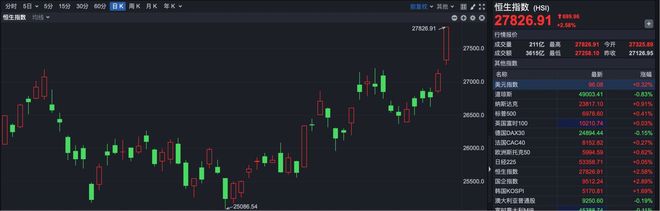
Market Performance - The Hong Kong stock market experienced a strong rally on January 28, with the Hang Seng Index rising over 2%, reaching a nearly four-and-a-half-year high at 27,826.91 points, an increase of 699.96 points or 2.58% [1] - The Hang Seng Technology Index closed at 5,900.16 points, up 145.44 points, reflecting a gain of 2.53% [2] Trading Volume and Capital Flows - The total trading volume for the day was 365.1 billion HKD, an increase of over 100 billion HKD compared to the previous day [4] - Despite the market's rise, southbound capital recorded a net outflow of over 3.4 billion HKD, marking four consecutive days of net selling in Hong Kong stocks [4][6] Analyst Insights - Analysts suggest that the continuous net selling by southbound funds, alongside the rising volume in Hong Kong stocks, may indicate foreign institutional investors are taking long positions in the market [6] - Goldman Sachs' chief China equity strategist noted that earnings growth is the primary driver for the rise in Chinese stocks this year, with an expected inflow of 3.6 trillion CNY into the Chinese stock market, partly through the "Shanghai-Hong Kong Stock Connect" [6] Company Highlights - CloudWalk Technology (HK09678) saw a significant intraday surge of 99%, closing up over 73%, although it remains far from its historical high of 879 HKD set last year [6] - CloudWalk announced that it expects revenue from its large model-related business to reach 600 to 620 million CNY by 2025, representing a year-on-year growth of approximately 1,057% to 1,095% [7] Sector Performance - The non-ferrous metals sector saw a notable increase, with China Aluminum (HK02600) rising over 12% [8] - Citigroup indicated that gold prices may rise to 6,000 USD in a bull market scenario, while copper and aluminum are seen as key components in AI and energy transitions, with bullish targets of 15,000 USD/ton for copper and approaching 4,000 USD/ton for aluminum [9] Market Outlook - Dongwu Securities highlighted that the Hong Kong market is in a long-term upward trend but faces short-term challenges, particularly regarding overseas factors and the potential impact of U.S. tech earnings on Hong Kong stocks [10] - The report suggests maintaining a "barbell strategy" for overall portfolio allocation, focusing on value dividends as a base while dynamically monitoring sectors like AI technology and non-ferrous metals [10]
特朗普2.0执政周年复盘与展望
HTSC· 2026-01-27 04:25
Domestic Policy - Trump's administration has focused on addressing the cost of living crisis as the main economic policy for the second year, with measures including housing policy, pressure on tech giants for upfront payments, and price controls on credit card rates[8] - The administration has proposed a total of 102 deregulatory policies, with 46 already in effect, showing a significant increase in deregulation compared to the first term[30] - The "Big and Beautiful" Act is expected to add $4.1 trillion to the national deficit over the next decade, raising the net debt-to-GDP ratio from 97% to an estimated 127% by 2034[33] Economic Performance - The U.S. economy has shown resilience, with projected GDP growth for 2026 expected to exceed 2.6%, driven by fiscal expansion and a reduction in tariff impacts[6] - Despite the resilience in economic data, public sentiment regarding the economy has worsened, with consumer confidence at its lowest since 1952[11] - Inflation remains controlled, with a slight decrease expected in 2025, although certain goods like coffee and electricity have seen significant price increases[26] Trade and Tariffs - Tariff rates have fluctuated, with the weighted average tariff rate increasing by approximately 9 percentage points to around 11% since Trump's inauguration, which is lower than theoretical expectations[10] - Trade agreements have been established with various countries, including a commitment from Taiwan to invest $250 billion in the U.S. tech sector[16] - The trade deficit has not significantly decreased despite tariff implementations, indicating a restructuring of import sources rather than a reduction in the deficit itself[26] Immigration Policy - The administration has aggressively pursued immigration control, with illegal border encounters dropping from 180,000 per month during the Biden administration to 11,000 per month under Trump[21] - The net number of illegal immigrants has decreased, with a reported net decline of 89,000 by July 2025, and projections for 2026 showing a drop in net immigration from 1.56 million to 570,000[27][19] Political Landscape - Trump's approval ratings are among the lowest for any president in the last 50 years, with significant dissatisfaction regarding inflation, taxes, and employment[11] - The midterm elections are expected to constrain Trump's policy agenda, with predictions indicating potential losses for the Republican Party in the House of Representatives[11]
美新版《国防战略报告》转向明显:国土安全成首责,对中俄表述温和
Xin Lang Cai Jing· 2026-01-25 12:06
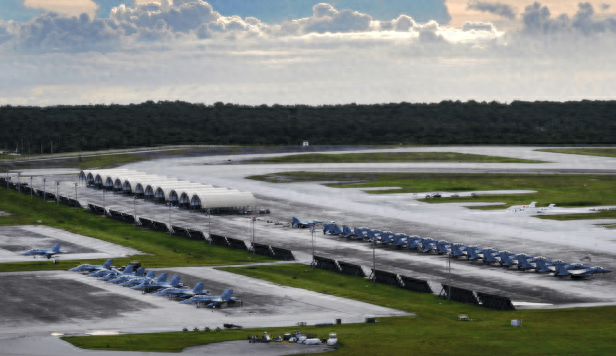
Core Insights - The 2026 National Defense Strategy Report emphasizes homeland security as the top priority for the Pentagon, marking a significant shift in U.S. defense policy since 2022 [1][5] - The report calls for allies to take on more responsibility in defense matters, reflecting a transition from a leadership role to a limited support role for the U.S. [2][12] - The approach towards traditional adversaries, particularly China and Russia, has softened, focusing on deterrence rather than confrontation [4][5] Summary by Sections Homeland Security and Strategic Shift - The report prioritizes the defense of the U.S. homeland and aims to restore military dominance in the Western Hemisphere, rejecting previous abstract goals like nation-building and democracy promotion as burdensome [1][2] - The strategy reflects a deep military strategic shift from global competition to a focus on "America First" and domestic defense [2] Changes in Threat Assessment - The report redefines the primary threat, placing "U.S. homeland and Western Hemisphere security" at the highest priority, moving away from labeling China as the "primary challenge" [2] - It emphasizes a new security perspective where the border is considered a battlefield, with military technology being used to enhance border security [2] Defense Industrial Base and Investment - The U.S. plans to invest $500 billion over five years to upgrade its defense industrial base, including missile defense systems and military production capabilities [3] - The "Iron Dome" missile defense system, now referred to as "Gold Dome," is part of this initiative, aiming to integrate with existing capabilities to intercept missiles from various sources [3] Relations with Allies - The report establishes a "transactional alliance" model, urging allies to take on more defense responsibilities while the U.S. provides limited support [12][13] - It indicates that NATO allies are capable of handling conventional defense in Europe, with the U.S. playing a more supportive role [13] Regional Military Developments - The U.S. is enhancing military bases in the second island chain and deploying advanced missile systems in the region, indicating a continued focus on military readiness in the Indo-Pacific [8][9][11] - The report notes that the U.S. will reduce its direct military presence in regions like the Korean Peninsula, shifting more responsibility to South Korea [13]
特朗普总是TACO的背后是什么?世界还会好吗?
首席商业评论· 2026-01-25 04:48
Core Viewpoint - The article discusses the concept of "TACO" (Trump Always Chickens Out), highlighting how former President Trump's negotiation tactics often involve extreme threats followed by retreats, impacting global trade dynamics and U.S. foreign policy [4][10]. Group 1: TACO's Origins and Impact - TACO began with the implementation of "reciprocal tariffs" on April 2, 2025, where a 10% baseline tariff was imposed on all trade partners, escalating to higher rates for countries with significant trade deficits with the U.S. [10][12]. - The tariffs on Chinese goods peaked at 145%, leading to a significant drop in U.S. imports from China by over 40% in May 2025, indicating a temporary decoupling of U.S.-China trade [12][14]. - The average tariff rate on Chinese goods reached approximately 29.3% by November 2025, with exemptions for essential consumer goods [14]. Group 2: TACO's Predictable Cycle - Trump's TACO strategy follows a predictable cycle: extreme pressure, market panic, asset price reactions, tactical retreats, and then claiming victory [15]. - Each TACO instance serves not only as a negotiation tactic but also as a means to divert attention from domestic issues, such as the Epstein documents scandal [15][16]. Group 3: Global Reactions and Consequences - The article emphasizes that TACO has weakened the credibility of U.S. negotiations, with global markets becoming desensitized to Trump's tactics, potentially leading to more aggressive policies if left unchecked [18][20]. - European leaders express concern over their reliance on the U.S., facing a critical juncture where they must either unite or risk fragmentation under U.S. pressure [20][22]. Group 4: Future Implications of TACO - The article suggests that Trump's unpredictable nature complicates international relations, as his administration's tactics could lead to significant geopolitical shifts [22][25]. - The TACO approach reflects a broader "America First" strategy, where even allies are subjected to pressure, raising concerns about the future of U.S. foreign policy and international cooperation [25][26]. Group 5: Economic Strategies and Market Dynamics - As the 2026 midterm elections approach, Trump's administration is expected to aggressively manipulate energy prices to secure political support, aiming to lower gasoline prices significantly [27][28]. - The potential for oil price manipulation could lead to volatility in global markets, particularly affecting relationships with key allies like Saudi Arabia [31].
“对所有人都有利”? 在格陵兰岛美国得到了一切?
Xin Lang Cai Jing· 2026-01-24 00:00
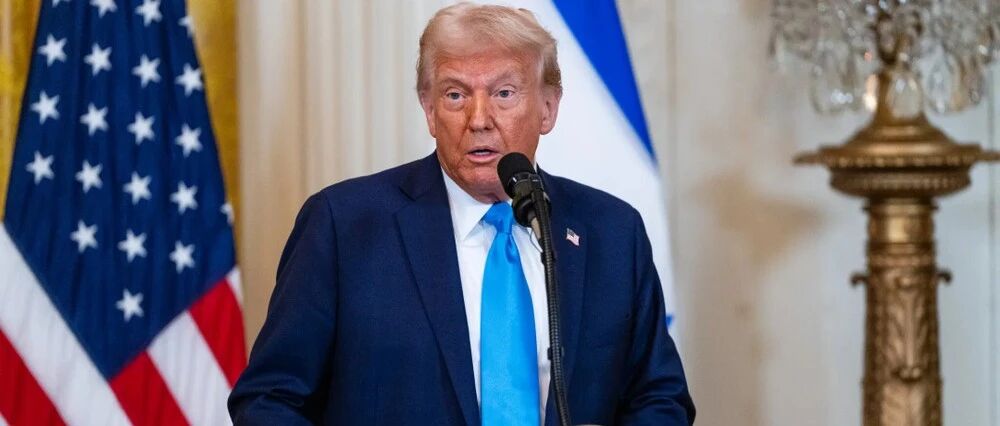
羊城晚报国际评论员 钱克锦 美国和北约在格陵兰岛问题上"达成共识",是2026年1月达沃斯论坛上令人瞩目的事件,也让欧美在这个问题上的争端暂时得到平息。当然,问题并没有完 全解决,只是告一段落。 特朗普为什么对格陵兰岛念念不忘?和北约达成"共识",又让美国得到了什么? 特朗普的"夺岛"情结 特朗普对格陵兰岛的占有欲,在第一任期就展现出来。不过,这一事件成为引人瞩目的国际事件,是在他重返白宫之后。 去年刚就任,特朗普就展现出咄咄逼人的领土野心。从"收回巴拿马运河",到称加拿大是美国第51个州,再到"必须得到格陵兰岛",特朗普看上去是要真正 实现加强版的"门罗主义",也有人称之为"唐罗主义"。 从过去一年的言行和政策看,特朗普之所以想占领格陵兰岛,大概有以下三个原因: 第一,特朗普所声称的安全因素。格陵兰岛地处北极,从这里发射导弹,可以在最短的时间内到达北半球各大国。不仅节约发射成本,还能有效规避一些反 导系统。另外,北极地区也很适合部署潜艇,所以控制格陵兰岛在防务方面有重要意义。 第二,格陵兰岛的丰富矿产资源和未来商业价值。格陵兰岛的矿产资源丰富,不仅有煤炭、石油和天然气,更有稀土资源。全球变暖趋势不仅可能让矿 ...

“和平委员会”草草开场,特朗普讲话吞吞吐吐
Xin Jing Bao· 2026-01-23 04:00
Core Viewpoint - The establishment of the "Peace Committee" by the Trump administration is seen as an attempt to create a parallel organization to the United Nations, which may undermine existing international authority and mechanisms [1][8][11]. Group 1: Formation and Membership - On January 22, 2026, Trump signed documents to launch the "Peace Committee" with representatives from 26 countries, excluding Palestine and Israel [2][3]. - Notable countries that declined the invitation include France, Germany, and the UK, citing concerns over the committee being a tool for unilateral U.S. policies [2][3]. - 29 countries and organizations received invitations but have not confirmed participation, with some expressing concerns over the committee's unclear purpose [3][4]. Group 2: Structure and Function - The "Peace Committee" was initially proposed to coordinate the reconstruction of Gaza but has since evolved into a broader organization aimed at ensuring lasting peace in conflict-affected areas [6][8]. - The committee's structure is characterized by a lifetime presidency held by Trump, with decision-making power concentrated in his hands, raising concerns about its legitimacy and effectiveness [9][10]. - The committee includes an "Executive Committee" composed of eight members nominated solely by Trump, further centralizing authority [9]. Group 3: Challenges and Criticism - The committee faces skepticism regarding its ability to achieve its goals, particularly in light of the lack of support from major powers and the ongoing conflict dynamics in Gaza [12][15]. - The estimated cost for Gaza's reconstruction is around $70 billion, yet the committee does not plan to provide financial support, contradicting its stated objectives [12][15]. - The committee's potential to compete with the United Nations has raised alarms among U.S. allies, who fear it may weaken international cooperation [8][11].
美军掳走马杜罗!唐罗主义横扫美洲,全球秩序乱套
Sou Hu Cai Jing· 2026-01-22 17:02
Group 1 - Trump's return to power in 2025 marked a significant shift in U.S. governance, characterized by a desire to settle old scores and reshape the political landscape [1][4] - The "Project 2025" initiative aims to eliminate dissent within the government, transforming thousands of civil service positions into at-will employment, particularly targeting climate scientists [2][4] - Trump's overwhelming electoral victory in 2025, winning over 7 million votes more than his opponent, allowed him to gain control over both houses of Congress and the Supreme Court, a rare concentration of power in U.S. history [4] Group 2 - Trump's aggressive fiscal policies include pressuring the Federal Reserve to lower interest rates and investigating its chairman, Jerome Powell, for alleged budget overruns [6] - The introduction of a "digital dollar" is proposed, which would allow the government unprecedented monitoring capabilities over citizens' financial transactions [6] Group 3 - On the international front, Trump's actions include the controversial kidnapping of Venezuelan President Maduro and demands for NATO allies to increase defense spending, causing tensions in Europe [8] - Trump's educational reforms mandate the use of specific textbooks that promote a narrative of American exceptionalism, leading to protests from historians and educators [9] Group 4 - The administration's crackdown on media outlets like CNN and The New York Times under the guise of antitrust investigations raises concerns about freedom of speech [11] - Trump's trade war with China faced significant pushback, with China leveraging its rare earth resources, leading to a temporary ceasefire in hostilities [11] Group 5 - The "Sovereignty Eagle Operation" represents a large-scale initiative to deport illegal immigrants, resulting in significant humanitarian concerns and legal challenges [12] - As the 2026 midterm elections approach, Trump's grip on power is threatened by recent Democratic victories, prompting discussions about potentially canceling the elections [14]
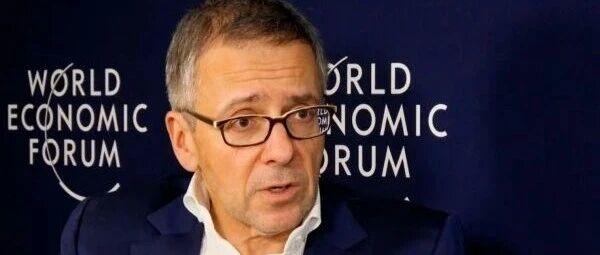
布雷默:美国压力或令北约瓦解
日经中文网· 2026-01-22 02:59
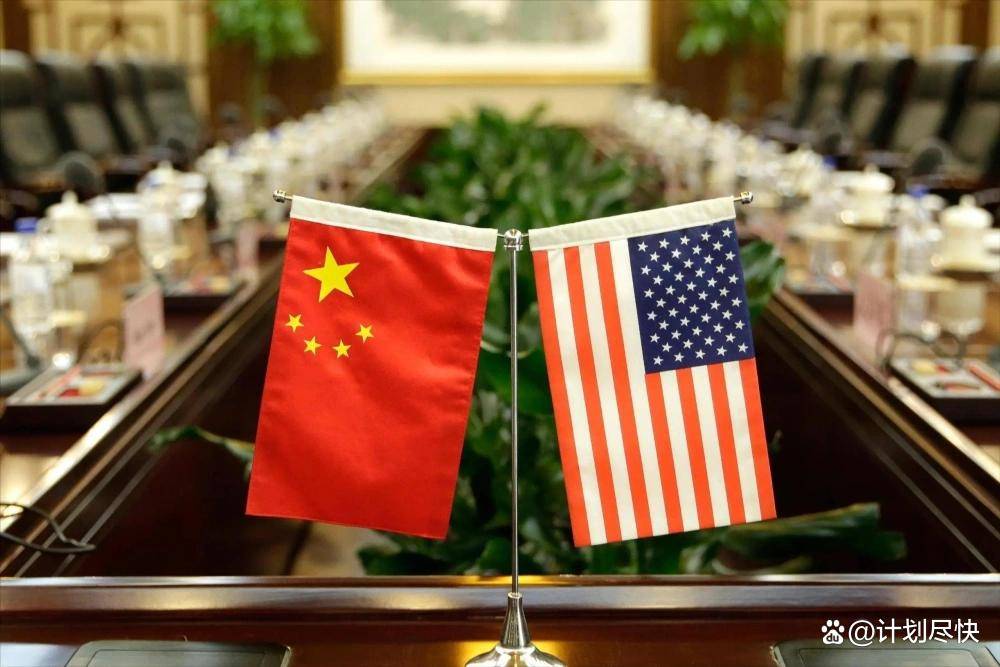
Core Viewpoint - The article discusses the geopolitical tensions arising from President Trump's ambitions regarding Greenland and the potential implications for NATO and U.S.-European relations, suggesting a shift towards closer ties between Europe and China as a counterbalance to U.S. pressure [2][4][6]. Group 1: U.S.-Europe Relations - Ian Bremmer expresses that if Trump continues to demand territorial acquisitions, it could lead to the end of NATO, as this behavior is not supported domestically in the U.S. and is driven by Trump's vanity and self-interest [4]. - Europe is currently in a crisis and feels divided, needing to respond collectively under the leadership of Germany and France to counter U.S. actions, including potential retaliatory tariffs against the U.S. [6]. Group 2: Trump's Strategy - The sudden prioritization of Greenland by Trump is seen as a shift in focus after a lack of significant action during his first term, with the new national security strategy emphasizing unilateral actions in the Western Hemisphere [7]. - Bremmer describes Trump as an undisciplined president with strong political instincts, suggesting that his motivations for acquiring Greenland are rooted in personal vanity rather than national security needs [8].