实事求是

Search documents
不切实际要成绩,只会催生形式主义
Xin Lang Cai Jing· 2026-01-22 19:12
Group 1 - The core issue highlighted is the prevalence of "data falsification" as a common problem in the context of reducing formalism and burdens on grassroots levels, driven by unrealistic targets and unreasonable directives from higher authorities [1] - There is a systemic issue where higher authorities impose unrealistic goals without considering the resources required for their achievement, leading to a culture of data manipulation at the grassroots level [1] - The emphasis on results over processes creates pressure on grassroots workers, resulting in a loss of motivation and creativity, ultimately distorting work objectives and increasing stress [1] Group 2 - To genuinely reduce burdens on grassroots levels, there is a need for leaders to engage deeply with the realities on the ground, transforming macro policies into actionable tasks that can be effectively implemented [2] - A shift in the evaluation system from focusing on "traces" to "actual performance" is necessary, along with the reduction of unnecessary documentation and meetings to allow grassroots workers to focus on real issues [2] - Empowering grassroots levels with more autonomy and fostering effective communication channels for feedback can help address the real pressures faced by these workers, promoting a more interactive and adaptive approach [2] Group 3 - The overall approach to reducing formalism must be systematic and grounded in reality, focusing on understanding the specific challenges faced by grassroots levels and breaking the chain of unreasonable pressure [3] - Establishing a scientific and humane assessment and incentive mechanism is crucial to allow grassroots workers to shift their focus from unnecessary paperwork to service and innovation [3] - The ultimate goal is to enable grassroots levels to detach from meaningless formalities and concentrate on achieving tangible results and effectiveness [3]
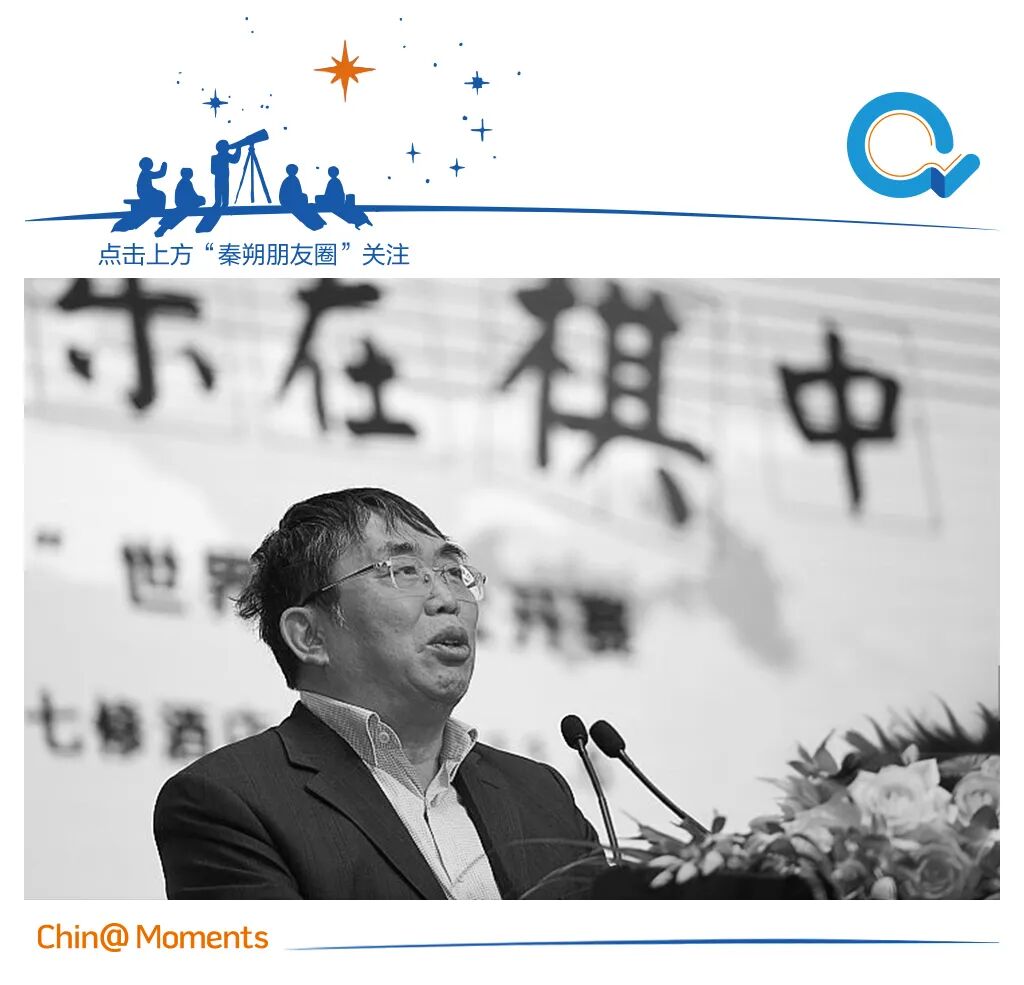
纪念聂卫平和我们已远去的青春
Xin Lang Cai Jing· 2026-01-19 23:21
Group 1 - The passing of Nie Weiping, a legendary figure in Go, evokes deep nostalgia and reflection on a bygone era of Chinese Go, highlighting the impact of AI on the current landscape of the game [3] - The first Sino-Japanese Go competition in 1985 marked a significant moment in China's cultural and competitive resurgence, as it occurred during a time of national awakening and realization of past disparities in various fields, including Go [4] - The initial excitement generated by the competition was met with the harsh reality of Japan's superior Go skills, leading to a sense of national pride and hope when Nie Weiping achieved a notable victory against a top Japanese player [7][9] Group 2 - The narrative of Nie Weiping's victories in subsequent competitions, including an impressive eight consecutive wins, symbolizes a broader national spirit of resilience and determination during the 1980s [10][11] - The evolution of the Go scene in China, transitioning from Nie Weiping's era to the rise of other prominent players, reflects the changing dynamics and competitive landscape within the sport [13] - The cultural significance of Go as a representation of national identity and spirit during a transformative period in China is emphasized, showcasing how the game served as a metaphor for the country's struggles and aspirations [14][19]

现场|千年弦歌不绝,看古代典籍里的书院文化
Xin Lang Cai Jing· 2026-01-19 13:04
Core Viewpoint - The exhibition "Studying the Classics and Seeking Truth from Facts - The Academy in Classical Texts" showcases the historical significance and contemporary relevance of ancient Chinese academies, highlighting their development, key figures, and stories through various exhibits [1][24]. Group 1: Exhibition Overview - The exhibition is held at the National Library's Classics Museum starting January 19, featuring over 110 precious exhibits, including oracle bones, stone inscriptions, ancient manuscripts, and rare books [3][18]. - It is divided into three main sections: "Academy Geography," "The Wind of Zhusi," and "Learning to Convey the Way," with an additional "Seeking Truth from Facts" area [1][24]. Group 2: Historical Context of Academies - The origins of academies can be traced back to Confucian ideals, emphasizing the cultivation of virtuous individuals through practical learning, which evolved into a unique cultural education institution in ancient China [8][10]. - The development of academies was influenced by both official and private educational systems, with significant contributions from historical scholars who adapted these models to create the academy system during the Tang and Song dynasties [10][12]. Group 3: Cultural and Educational Contributions - The exhibition highlights the four main functions of academies: sacrificial rites, collection and publication of books, teaching and academic activities, and institutional economics [16][18]. - The "Learning to Convey the Way" section emphasizes the role of academies in preserving and transmitting Confucian teachings, showcasing the educational spirit and the diverse scholarly traditions that emerged from these institutions [20][21]. Group 4: Modern Relevance and Innovations - The "Seeking Truth from Facts" section traces the evolution of this philosophy in ancient academies and its profound impact on education, governance, cultural dissemination, and academic innovation throughout history [24][26]. - The exhibition incorporates multimedia elements, including immersive VR experiences and 3D projections, to engage visitors and illustrate the enduring legacy of academies in contemporary society [26][28].

国图开新展!110余种展品立体呈现典籍里的书院
Xin Lang Cai Jing· 2026-01-19 11:01
Core Viewpoint - The exhibition "Studying Ancient Texts and Seeking Truth from Facts - The Academy in Classical Texts" opened at the National Library, showcasing over 110 precious exhibits that present the culture of academies through various types of artifacts such as oracle bones, stone inscriptions, and ancient books [1][3]. Group 1: Exhibition Overview - The exhibition features three main sections: "Academy Geography," "The Wind of Zhusi," and "Learning to Convey the Dao," along with a special area titled "Seeking Truth from Facts," which narrates the history of academies and related figures and stories [3]. - The exhibition includes significant artifacts like the "Teaching" oracle bone, which represents the education of the Shang Dynasty, and the remnants of the "Analects" from the Xiping Stone Classics [5][6]. Group 2: Historical Significance - The earliest documented academy, the Shishan Academy located in present-day Hunan, is mentioned in the "Record of Siku Mountain" by Su Shidao during the Tang Dynasty [6]. - The exhibition also displays the first set of educational regulations from the Bai Lu Academy, which outlines the goals of teaching and learning, providing a framework for future academies [6]. Group 3: Cultural Impact - The stone inscription of "Seeking Truth from Facts," written by Mao Zedong, became the motto of the Central Party School after the construction of a grand auditorium in 1943 [8]. - The term "Seeking Truth from Facts" first appeared in the "Book of Han," compiled by Ban Gu, and was used to praise Liu Qi, the son of Emperor Jing of Han [8]. Group 4: Multimedia Features - The exhibition incorporates rich multimedia elements, such as "Academy Preaching," which uses light and space narratives to depict significant scenes from ancient academies [10]. - An immersive 3D space called "Four Seasons of the Academy" recreates scenes of morning readings, lectures, rituals, and book collections through projection technology [10]. - A VR experience area named "Academy Tour" allows visitors to explore the Yuelu Academy in an immersive manner [10].

百分答卷背后的治理温度
He Nan Ri Bao· 2026-01-17 23:11
Core Insights - The article highlights the effective governance model implemented in the Luoyang City Shanshan District, achieving a 100% resolution rate for conflicts and disputes by 2025 [1][2]. Group 1: Governance Model - The governance model is characterized by the principle of "seeking truth from facts" and "adapting measures to local conditions" [4]. - The district has a permanent population of 286,000, with a significant proportion of old residential areas and diverse ethnic compositions, necessitating tailored governance strategies [4]. Group 2: Community Engagement - The Yangwen Street, covering an area of 7.9 square kilometers with a population of 22,000, has established 19 community grids to ensure effective management and address specific community needs [5][6]. - A recent incident involving a malfunctioning transformer in a community led to a collaborative fundraising effort among residents, raising over 40,000 yuan in just four hours [6][7]. Group 3: Communication and Responsiveness - The governance approach emphasizes problem orientation, with community members actively participating in identifying and reporting issues through various communication channels, including WeChat groups [8]. - The establishment of a "pyramid" communication network facilitates proactive engagement from grid workers, enhancing responsiveness to community concerns [8]. Group 4: Achievements and Future Goals - The district's governance efforts have resulted in tangible outcomes, such as the 100% conflict resolution rate and the establishment of community initiatives like the "Orange" brand for neighborhood harmony [8]. - The local government aims to continue refining its governance strategies, avoiding one-size-fits-all approaches and focusing on sustained effectiveness [9].
劈柴不照纹,累死劈柴人
Liao Ning Ri Bao· 2026-01-09 01:04
Core Viewpoint - The article emphasizes the importance of adhering to economic principles and understanding the underlying patterns of supply and demand, industry upgrades, and market fluctuations to avoid pitfalls in economic development [1]. Group 1 - The economic environment is complex and requires decision-makers to have patience and strategic determination to navigate challenges effectively [1]. - There is a warning against hasty actions driven by short-term gains without a solid understanding of local resources and market conditions, which can lead to project failures and financial losses [1]. - The article highlights the need for decision-makers to balance urgency with careful analysis to maintain a stable and predictable business environment [2]. Group 2 - Key principles for effective economic work include being pragmatic and adapting to local conditions, respecting the vitality of market entities, and ensuring a fair and transparent business environment [2]. - It is crucial to avoid ineffective approaches such as overgeneralization or excessive intervention, which can lead to misallocation of resources [2]. - Successful economic management relies on strategic methods rather than brute force, emphasizing the importance of understanding local realities and respecting objective laws [2].
深刻领会中央八项规定精神的哲学意蕴
Xin Lang Cai Jing· 2026-01-06 22:38
Core Viewpoint - The Central Eight Regulations serve as a significant initiative by the Party Central Committee to enhance party governance and discipline, reflecting a commitment to strict party management and the promotion of positive energy for national development [1][3]. Group 1: Implementation and Impact - The Central Eight Regulations are designed to address prominent issues within the party, offering practical measures to combat entrenched problems and improve party conduct [3]. - Since their implementation, the regulations have led to a notable shift in party governance from leniency to strictness, fostering a culture of integrity and accountability [3][7]. - A recent survey indicates that 94.9% of respondents recognize the effectiveness of the Central Eight Regulations in improving party conduct [5]. Group 2: Philosophical Underpinnings - The spirit of the Central Eight Regulations embodies the principle of seeking truth from facts, emphasizing the importance of practical measures grounded in reality [2][3]. - The regulations reflect a commitment to a people-centered approach, ensuring that the party's actions align with the needs and expectations of the populace [4][5]. Group 3: Systematic Approach - The implementation of the Central Eight Regulations is part of a broader strategy to integrate strict party governance into the overall framework of national governance, demonstrating a systematic approach to party discipline [6][7]. - The regulations are linked to various aspects of party governance, including political, ideological, and organizational construction, ensuring a comprehensive approach to improving party conduct [7]. Group 4: Innovation and Tradition - The Central Eight Regulations represent a blend of tradition and innovation, drawing from historical practices while adapting to contemporary challenges [8][9]. - The regulations have evolved since their inception, showcasing the party's ability to maintain its core values while responding to changing circumstances [9].
政策如何“开门红”?(国金宏观张馨月)
雪涛宏观笔记· 2026-01-06 09:35
Core Viewpoint - The article emphasizes that the 2026 policy will focus on investment as a key driver to achieve a strong economic start, with state-owned enterprises playing a crucial role in infrastructure investment [4][5][8]. Investment Policy Focus - The 2026 policy aims to leverage investment to stimulate economic growth, particularly in infrastructure, as fixed asset investment has been experiencing negative growth since the second half of 2025 [5][6]. - The government plans to implement major projects that can drive overall economic activity and support current demand [7]. Infrastructure Investment - The focus for 2026 will be on infrastructure construction, including projects like parking lots, charging stations, and urban renewal, with a significant increase in investment in social welfare sectors such as elderly care and healthcare [7][8]. - The National Development and Reform Commission has allocated 220 billion yuan for early-stage construction projects, supporting various sectors including urban underground utilities and ecological restoration [7]. Role of State-Owned Enterprises - State-owned enterprises are expected to take the lead in implementing major infrastructure projects, ensuring robust support for traditional infrastructure updates and new infrastructure development [8]. Financial Support for Investment - There is substantial financial backing for the investment initiatives, including 500 billion yuan in new policy financial tools and 200 billion yuan for project construction debt limits [9]. - The government is also focusing on resolving local fiscal difficulties and ensuring that necessary funds are available for investment projects [11]. Local Fiscal Management - The article highlights the shift in local fiscal management from merely ensuring basic services to also addressing debt repayment and clearing outstanding payments to businesses [11]. - The emphasis is on a sustainable fiscal approach that considers local conditions and avoids one-size-fits-all solutions [12][13]. Performance Evaluation and Policy Implementation - The importance of a differentiated evaluation system for local governments is stressed, aiming to ensure that performance metrics align with long-term sustainable growth rather than short-term gains [14]. - The article suggests that local governments will adopt a more balanced approach to development, focusing on their unique strengths and capabilities [15].

严格执法与人性关怀是一码事还是两码事?
Ren Min Ri Bao· 2026-01-04 05:50
Group 1 - The core issue revolves around distinguishing between "one matter" and "two matters," emphasizing the importance of practical governance and avoiding oversimplification [1][3] - Systematic thinking is essential for understanding what constitutes "one matter," which can lead to breaking limitations and creating value [2] - The integration of various consumption scenarios through initiatives like the Beijing International Film Festival ticket demonstrates how a single point can unlock multiple opportunities [2] Group 2 - Different regions in China face unique challenges, and applying urban management standards rigidly in rural areas can lead to ineffective outcomes, highlighting the need for tailored approaches [3] - The ability to discern between "one matter" and "two matters" is crucial for effective governance, requiring leaders to balance strategic goals with specific operational methods [3] - Enhancing dialectical thinking skills is necessary for navigating complex situations and improving governance effectiveness as development progresses [3]
必图其终,先计于始——总书记新年贺词给我们以深刻启迪
Xin Lang Cai Jing· 2026-01-02 02:00
Core Viewpoint - The transition from the "14th Five-Year Plan" to the "15th Five-Year Plan" signifies a new beginning, emphasizing the importance of setting clear goals and planning for success from the outset [2][6]. Group 1: Economic and Social Development - Achieving performance requires addressing who benefits, what kind of performance is created, and how it is achieved, highlighting the importance of a correct perspective on performance [3][5]. - The focus on people's livelihoods is crucial, with specific measures such as increased subsidies for families and improved rights for new employment groups, indicating that serving the people is the most important achievement [4][5]. Group 2: Innovation and Practicality - The integration of technology and industry has led to significant innovations, with China becoming one of the fastest-growing economies in terms of innovation capability, driven by local advantages and collaborative efforts [7]. - Emphasizing a practical approach, the need for tailored strategies that suit local conditions is highlighted, avoiding one-size-fits-all solutions and ensuring high-quality development [8][10]. Group 3: Commitment to Realism - The emphasis on pragmatism and real results is reiterated, with a call for a strong work ethic and a focus on practical outcomes as essential qualities for success in the upcoming "15th Five-Year Plan" [9][10].