
开放包容

Search documents
锐评|芯片巨头汇聚中国,此情此景让谁脸红?
Bei Jing Ri Bao Ke Hu Duan· 2025-10-18 05:44
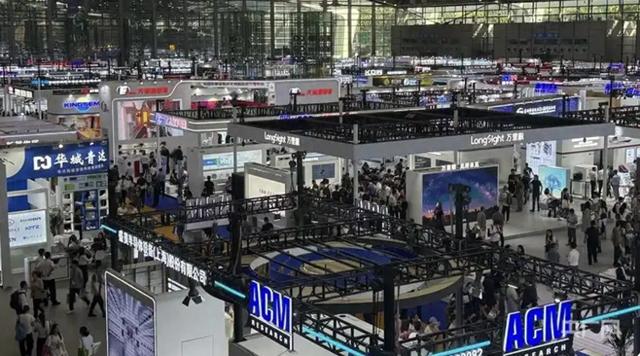
Core Insights - The 2025 Bay Area Semiconductor Industry Ecosystem Expo showcased over 600 global chip-related companies, highlighting the deep integration of the semiconductor industry despite geopolitical tensions [2] - The semiconductor industry is characterized by its high level of globalization, complex supply chains, and intricate divisions of labor, requiring collaboration across multiple countries and disciplines [2] - NVIDIA's CEO expressed concerns about U.S. export controls, noting that the company's market share in mainland China has dropped from 95% to 0%, emphasizing the potential self-harm of such policies [3] - China is pursuing a path of self-reliance in semiconductor technology while remaining open to global cooperation, aiming to fill market gaps and support the stability of global supply chains [4] - The semiconductor industry is approaching physical limits in chip manufacturing, with the slowing of Moore's Law necessitating collaborative innovation to drive future breakthroughs [5] Group 1 - The Bay Area Semiconductor Expo attracted over 600 companies, demonstrating the industry's interconnectedness [2] - The semiconductor industry involves thousands of processes and requires collaboration across various countries and technologies [2] - NVIDIA's CEO highlighted the negative impact of U.S. export controls on the company's competitiveness and innovation [3] Group 2 - China is focusing on self-reliance in key technologies while promoting international collaboration in the semiconductor sector [4] - The slowing of Moore's Law indicates the need for global cooperation to achieve future advancements in chip technology [5]

广东外贸一千年:国宝里的外贸与商业智慧
2 1 Shi Ji Jing Ji Bao Dao· 2025-10-17 23:51
Core Insights - The exhibition "Mutual Benefit Under Heaven: A Thousand Years of Guangdong Foreign Trade" has opened at the Guangdong Provincial Museum and will run until October 15, 2026, showcasing 22 national first-class cultural relics [1] - The exhibition aims to present the historical trajectory of Guangdong's foreign trade over a millennium, featuring artifacts from various periods including the Tang, Song, Yuan, Ming, and Qing dynasties [1][2] - This is the largest and highest-standard foreign trade exhibition ever held in Guangdong, designed to highlight the region's role as a significant trade hub [1][2] Artifact Highlights - A notable display includes a collection of gold artifacts from the "Nanhai I" shipwreck, which serves as a testament to the prosperity of Chinese foreign trade during the Tang and Song dynasties [2][3] - The "Nanhai I" shipwreck, discovered in 1987, is the oldest and largest ocean-going trade ship found in China, with over 18,000 artifacts recovered, primarily ceramics [2][3] - Among the gold artifacts, a 1.72-meter-long "big gold chain" stands out, showcasing a unique design and indicating it was likely a personal item belonging to a wealthy foreign merchant [3][4] Cultural Exchange - The exhibition features a rare Yuan dynasty blue-and-white porcelain vase, which exemplifies the exchange of materials and techniques between China and the Middle East, highlighting Guangdong's significant role in overseas trade during the Yuan dynasty [5][6] - The artifacts reflect the deep cultural exchanges facilitated by maritime trade, with items like the Yuan blue-and-white vase being scarce and highly valued in global collections [6] Commercial Wisdom - A Ming dynasty ceramic jar from the "Nanao I" shipwreck illustrates the commercial strategies of foreign traders, as it contained a large quantity of goods, indicating efficient use of storage space to maximize trade profits [7] - The exhibition also showcases Qing dynasty porcelain pieces that demonstrate the collaboration between Chinese and European artisans, marking an early example of globalization in production [8][9] Conclusion - Each artifact in the exhibition serves as a historical messenger, embodying the spirit of openness, inclusivity, and mutual benefit that characterized Guangdong's trade history [9]
超六成受访大一新生认为应积极主动,大胆尝试新事物
Zhong Guo Qing Nian Bao· 2025-09-11 00:59
Core Insights - The article discusses the mindset and expectations of first-year university students as they begin their college journey, emphasizing the importance of proactivity and engagement in university life [1][2]. Group 1: Student Mindset and Expectations - 63.6% of first-year students believe they should be proactive and boldly try new things [2]. - 59.9% of students emphasize the need to set practical and achievable goals [2]. - 52.4% of students express the importance of maintaining their original aspirations and dreams [2]. - 48.0% of students advocate for an open and inclusive attitude towards differing opinions [2]. - 40.9% of students suggest that it is important to relax and enjoy their university experience [2]. Group 2: Expectations for University Activities - 69.3% of first-year students look forward to diverse extracurricular activities organized by the university [3]. - 62.3% of students recommend mentorship programs where senior students help newcomers acclimate to the environment [3]. - 57.5% of students expect enhanced guidance on academic and career planning for new students [3]. - 34.7% of students hope for lectures related to academic life and study themes during the start of the semester [3]. Group 3: Demographics of Respondents - 43.9% of respondents are from "Double First Class" universities, 47.9% from regular undergraduate institutions, 5.9% from vocational colleges, and 2.3% from other types of institutions [4]. - The gender distribution among respondents is 49.4% male and 50.6% female [4].
上合到,天津“E气风发”!“准备好了”不仅仅是一句口号……
Yang Shi Wang· 2025-08-31 06:46
Group 1 - The upcoming Shanghai Cooperation Organization (SCO) summit in Tianjin highlights the city's vibrant and welcoming atmosphere, characterized by its unique cultural identity as an "E city" [1][11] - Tianjin's cultural landscape is a blend of diverse influences, showcasing its hospitality through local cuisine and a commitment to embracing global cultures, aligning with the SCO's principles of openness and inclusivity [3][4] - The city has made significant strides in environmental sustainability, with a reported over 30% reduction in PM2.5 levels over the past decade and a projected 35% share of clean energy usage by 2024 [6][8] Group 2 - Tianjin is recognized as a model for green transformation, with substantial investments in renewable energy and new materials, totaling 4.8 billion RMB across 18 key projects, emphasizing its role in the SCO's sustainable development agenda [8] - The city has enhanced its urban environment in preparation for the summit, featuring a spectacular light show along the Haihe River, revitalizing 216 buildings and 13 bridges, transforming Tianjin into a cultural exchange hub for SCO member states [11][9] - Tianjin's commitment to sustainability and cultural exchange is evident in its urban parks and green spaces, contributing to a fresh and inviting atmosphere for visitors during the SCO summit [9][6]
【这个城市有点潮】天津:漫步海河畔 邂逅开放包容的城市魅力
Zhong Guo Xin Wen Wang· 2025-08-30 11:48
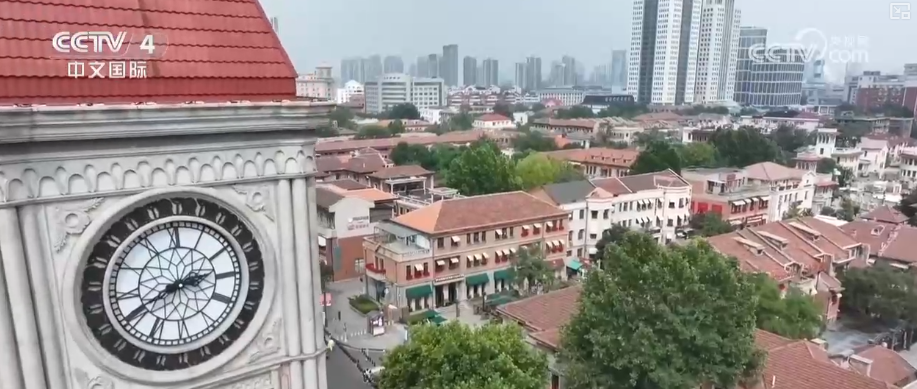
Core Viewpoint - Tianjin is a city that showcases a blend of Western and Chinese architecture, reflecting its unique cultural identity and openness to the world [2] Group 1 - The city features a harmonious mix of traditional customs and modern culture, highlighting its inclusive and progressive nature [2] - Tianjin's culinary scene, particularly its local snacks, adds to the vibrant urban atmosphere, showcasing the city's rich cultural heritage [2] - The city's development is closely tied to its geographical features, thriving along the river and expanding towards the sea, which symbolizes its growth and future prospects [2]
多国领导人齐聚天津参加上合峰会,美国突然宣布制裁中国两家能源企业,背后较量比表面深?
Sou Hu Cai Jing· 2025-08-26 12:45
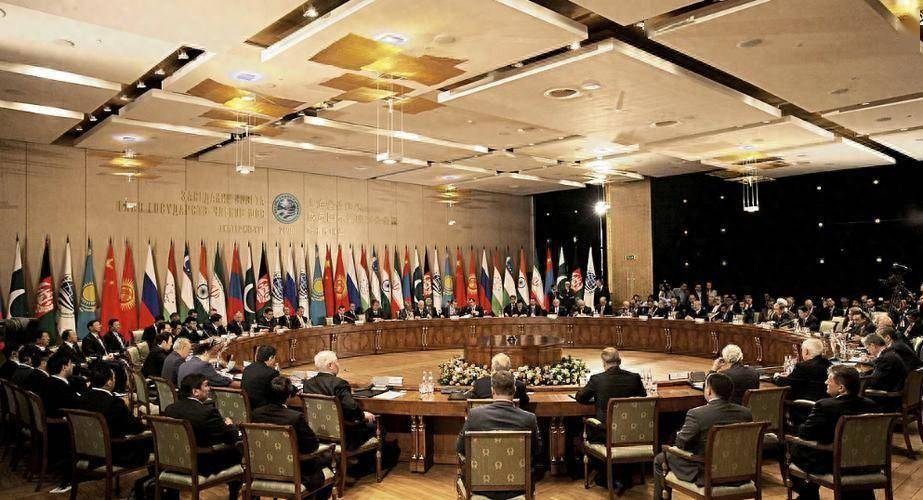
Group 1 - The upcoming Shanghai Cooperation Organization (SCO) summit in Tianjin is expected to be the largest in history, with over 20 national leaders attending, including the UN Secretary-General [1][2] - The participation of non-member countries such as Indonesia, Vietnam, and Malaysia indicates a strong interest in economic cooperation rather than political alignment [3][5] - The presence of UN Secretary-General António Guterres adds significant weight to the summit, symbolizing international recognition of the SCO and the emergence of a new multilateralism [7] Group 2 - The timing of the U.S. sanctions against two Chinese energy companies, accused of assisting Iran in oil transportation, raises questions about the effectiveness of such measures in the face of growing international cooperation [9][12] - Countries are prioritizing economic benefits from the SCO over U.S. sanctions, as evidenced by leaders like Turkey's Erdoğan attending despite NATO affiliations [11] - The SCO's focus on practical cooperation in areas like energy, digital economy, and supply chain stability contrasts sharply with the U.S. approach, which has been criticized for lacking concrete projects [11][12] Group 3 - The SCO's inclusive approach allows for participation from various countries, regardless of their membership status, emphasizing collaboration over ideological divides [16][19] - The summit reflects a shift in global economic power towards Asia, with the SCO representing a significant portion of global GDP and resources [22][26] - The Tianjin summit may mark a pivotal moment in establishing the SCO as a viable alternative for global governance, characterized by inclusivity and mutual respect [28][30]
遇见“上合”、“桥”见天津!上海合作组织天津峰会筹备工作基本就绪
Yang Shi Wang· 2025-08-26 11:49
Group 1 - The 2025 Shanghai Cooperation Organization Summit will be held in Tianjin from August 31 to September 1, with overall preparations nearly complete [1][8] - Tianjin's public transportation and security departments are implementing various measures, including big data analysis and real-time monitoring, to ensure orderly travel during the summit [4] - The preparations include enhancements in environment, venue optimization, cultural displays, and volunteer services, with thousands of tasks completed [8] Group 2 - Tianjin's unique geographical features, such as the Haihe River and its numerous bridges, symbolize the city's development and openness [9][23] - The bridges over the Haihe River serve as a representation of Tianjin's cultural and geographical identity, showcasing the city's spirit of inclusivity [23] - The "Tianjin Eye," a 120-meter high Ferris wheel on the Yongle Bridge, offers panoramic views of the city, enhancing the tourist experience [19]
唤醒沉睡的千年古城
Ren Min Ri Bao Hai Wai Ban· 2025-08-03 22:41
Core Viewpoint - The archaeological exhibition "Chang'an 2300 Miles - Archaeological Achievements of the Xiong'an Ancient State Ruins" showcases significant findings from the ancient city of Guzhou, revealing its historical importance and cultural heritage [6][12]. Summary by Relevant Sections Archaeological Findings - The Guzhou ruins, also known as the ancient city of Mo, were systematically excavated over eight years, covering an area of approximately 300,000 square meters, with 2,600 square meters excavated [6][8]. - Key discoveries include a dual city wall structure from the Han and Tang dynasties, a Tang dynasty dragon head, and various artifacts such as pottery and architectural components [9][10][12]. Historical Context - The Guzhou site served as the administrative center during the Han and Tang dynasties, witnessing significant historical events and cultural developments [7][13]. - The site was rediscovered in 1976 and underwent extensive archaeological investigations starting in 2017, coinciding with the establishment of the Xiong'an New Area [8][9]. Cultural Significance - The exhibition highlights the connection between Guzhou and Chang'an, emphasizing the cultural exchange and architectural similarities between the two cities during the Tang dynasty [13][14]. - Artifacts such as the dragon heads and pottery reflect the artistic and cultural richness of the period, showcasing the integration of local and imperial influences [10][12]. Technological Advancements in Archaeology - Advanced techniques were employed in the restoration of artifacts, including 3D imaging and ultrasonic cleaning, ensuring the preservation of historical integrity [11][12]. - The findings from the Guzhou site contribute to a broader understanding of urban development and cultural continuity in ancient China [14].
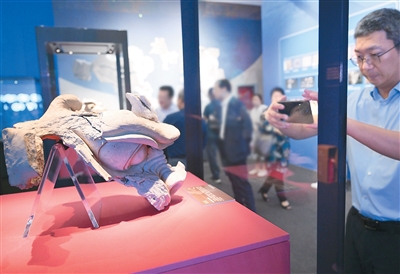
雄安古州城遗址考古成果展出
Ren Min Ri Bao· 2025-07-30 22:33
Core Points - The exhibition "Chang'an 2300 Miles - Archaeological Achievements of the Xiong'an Ancient State Ruins" opened at the China Archaeological Museum, showcasing over 130 artifacts including exquisite relics such as a Tang Dynasty white jade lotus seat and gilded bronze Buddha [1] - The Xiong'an Ancient State Ruins is a significant archaeological project in Hebei's Xiong'an New Area, with joint excavations conducted by the Chinese Academy of History and Hebei Provincial Institute of Cultural Relics and Archaeology for eight years [1] - The site has revealed a dual city structure and remnants of Han and Tang city walls, Sui and Tang wells, and a Tang Dynasty temple, indicating its historical importance as the administrative center of the Han and Tang dynasties [1] Artifact Highlights - Notable artifacts include two ceramic dragon heads discovered at the Tang Dynasty temple site, which were restored over six months and are being displayed to the public for the first time [1] - The common characteristics of the unearthed artifacts reflect a civilization that is "open, inclusive, and diverse," highlighting the cultural exchange between the cities of Mo and Chang'an, which are over 2300 miles apart according to historical records [1]
厚植互联网内容创作沃土
Zhong Guo Jing Ji Wang· 2025-07-20 22:48
Core Insights - The BW2025 event in Shanghai showcased the vibrant landscape of China's Generation Z culture, attracting 400,000 visitors and featuring 167 global exhibitors and over 30,000 cosplayers, highlighting the deep demand in the internet content creation industry [1][2] - The evolution of content creation from "anime" to "full scene" and the transformation of creators from "digital nomads" to "cultural ambassadors" indicate a shift in the industry's focus on nurturing a healthy environment for creators [1] Group 1: Growth Environment for Creators - An open and inclusive environment is essential for the growth of creators, as evidenced by over 30 million monthly active users aged 60 and above on Xiaohongshu and over 60% of Bilibili's top creators being born in the 1990s and 2000s, demonstrating that quality content transcends age barriers [1] - The establishment of innovation ecosystems, such as Shanghai's "V Gathering" and Bilibili's new headquarters, aims to create a "creative community" that integrates office space, training, and live streaming, allowing creators to focus on content rather than tools and traffic concerns [1] Group 2: City Empowerment and Cultural Influence - Urban empowerment serves as a source of inspiration for creators, with high-profile events like BW, the World Artificial Intelligence Conference, and the China International Import Expo providing a rich repository of stories for creators, facilitating mutual empowerment between cities and creators [2] - The internet content creation landscape has evolved into a significant vehicle for cultural international influence, necessitating collaborative efforts across regions to enhance this impact [2] - A commitment to an open and inclusive mindset is crucial for breaking down regional barriers, optimizing services for creators through policy support, venue guarantees, copyright protection, and traffic support, enabling them to create freely and passionately [2] - The promotion of innovative ecosystems is vital, encouraging the integration of "content + technology" and "content + scenarios," and supporting creators in utilizing new technologies like AI and VR for immersive content experiences [2] - Upholding a positive energy baseline is essential, guiding creators to tell global stories from a Chinese perspective and ensuring that platforms amplify the narrative of China effectively [2]
