
情感价值

Search documents
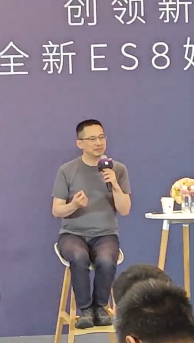
秦力洪:情感价值是没有贵贱之分,萤火虫情感价值浓度非常高
Xin Lang Ke Ji· 2025-08-22 03:47
Core Viewpoint - The emotional value of products is not determined by their price, but rather by their purpose and emotional attributes, which can vary in proportion [1] Group 1: Product Insights - The new ES8 model was introduced, emphasizing that every product has both purpose and emotional attributes [1] - The "Firefly" model, being the company's lowest-priced product, possesses a high concentration of emotional value, representing a small car brand with significant impact [1] - The design of the Firefly is highlighted as having high emotional value, with aspects such as material protection and aerodynamics being defined by its design [1] Group 2: Emotional Value Definition - Emotional value is defined based on different usage scenarios and purchasing budgets, influencing how products are designed and the cost allocation for emotional attributes [1]


从“养宠”到“宠养”,宠物经济背后的“情感价值”
Qi Lu Wan Bao Wang· 2025-08-20 13:16
Core Insights - The pet consumption market in urban China is projected to exceed 300 billion yuan by 2024, with pet owners increasingly willing to invest in food, medical care, products, and services for their pets [1] - The shift in pet ownership perception is moving from basic care to treating pets as family members, leading to an upgrade in consumption patterns [1][10] Pet Baking Industry - The pet baking segment is gaining traction, with unique offerings such as lactose-free cakes tailored for pets, reflecting a growing demand for personalized pet products [2][3] - The market has evolved from limited options to a wide variety of over a hundred cake designs, with prices ranging from 138 yuan to over 1,000 yuan for elaborate dessert tables [2][3] - The entry of established brands like Holiland into the pet baking market indicates a growing interest and potential for expansion in this niche [3] Pet Fashion Industry - The pet fashion market is estimated to reach approximately 3.5 billion yuan, with a penetration rate of 63.5% for dog apparel and 43.3% for cat apparel by 2024 [5][6] - The trend is shifting towards high-end, customized pet clothing, with a focus on comfort and style, catering to the growing demand for pet fashion as a social statement [4][6] - The concept of pets as fashion companions is becoming popular, with pet owners increasingly investing in stylish outfits for social outings [4][6] Pet Photography Services - The pet photography industry is witnessing a rise in demand, with services tailored to capture memorable moments for pets, especially for aging or ill animals [8][9] - Pet owners are increasingly seeking to document their pets' lives, reflecting a desire to preserve memories as pets are viewed as family members [9] Overall Pet Economy Trends - The pet economy is rapidly evolving, with a significant focus on emotional value and personalized experiences for both pets and their owners [10][11] - The market is expected to follow trends similar to the baby economy, transitioning from basic needs to more emotional and experiential offerings [10] - Future developments in the pet economy will likely include integrated services such as pet-friendly dining and community spaces, enhancing the overall pet ownership experience [11]
市值3095亿!这家潮商上市公司碾压百度701亿,1.24亿人排队送钱
Sou Hu Cai Jing· 2025-08-16 04:10
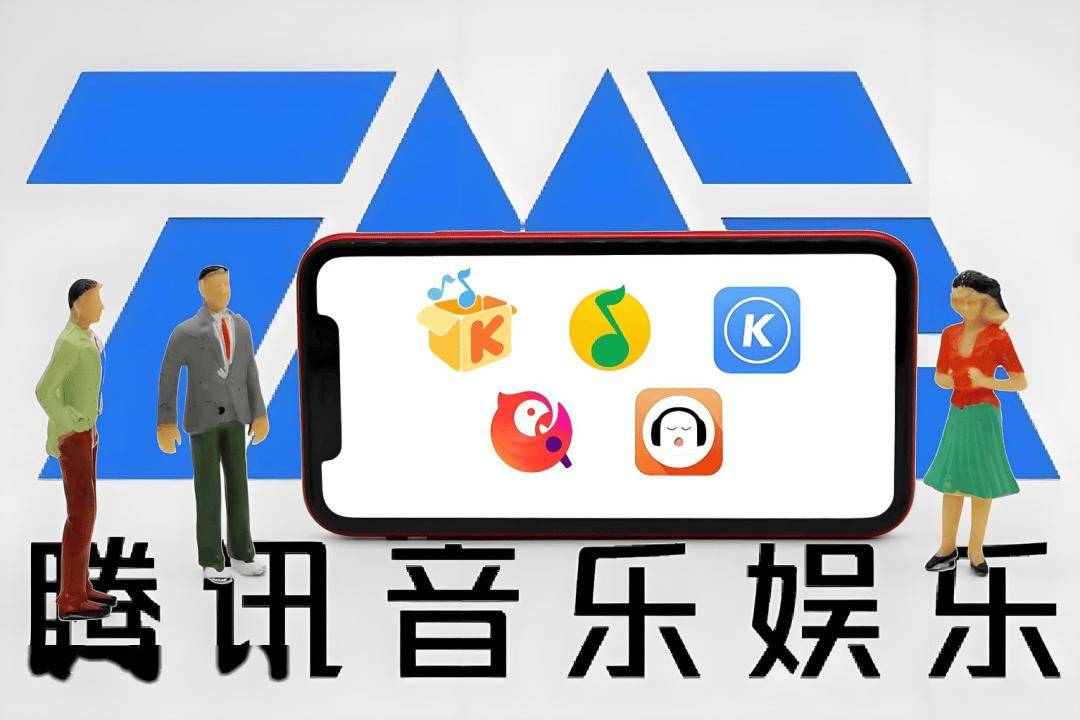
Group 1 - Tencent Music's acquisition of Ximalaya for nearly 20 billion yuan has resulted in a significant market capitalization increase of 110 billion yuan, marking its entry into the top 10 Chinese internet companies by market value [1] - As of August 15, Tencent Music's stock closed at 99.9 HKD per share, with a total market capitalization of 309.5 billion HKD [1] - Tencent Music has successfully transitioned users from free to paid subscriptions, addressing the industry's ongoing debate over free versus paid content [1] Group 2 - Tencent Music's collaboration with Geely and Xiaomi has transformed car screens into a new battleground for music consumption, with over 2 million new paid users in the car scene this quarter [3] - The introduction of innovative features like "premium panoramic sound" and real-time tempo adjustments has enhanced user experience, particularly for Xiaomi car owners [3] Group 3 - The average revenue per paying user (ARPPU) increased from 10.7 yuan to 11.7 yuan, indicating that users are willing to pay for emotional value beyond just high-quality audio [4] - The integration of audio content has led to 15% of QQ Music users engaging with audiobooks, showcasing the platform's evolution into a "spiritual massage parlor" [4] Group 4 - Despite reaching a record high of 124 million paid users, Tencent Music experienced a decline of 2 million monthly active users, highlighting concerns about user retention [5] - The platform's ability to create emotional connections through music has transformed it into a "money-printing machine," as users are willing to pay for a sense of understanding [5]
黄金珠宝投资双雄:周大福与老铺黄金,“买入” 评级背后的增长逻辑
Zhi Tong Cai Jing· 2025-08-15 04:55
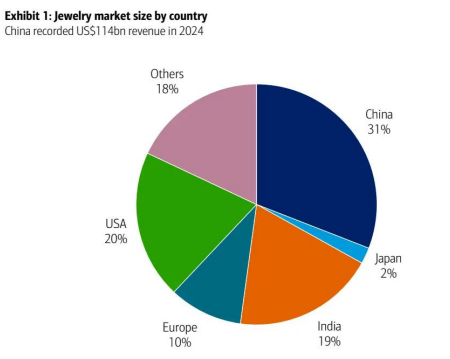
Core Viewpoint - The Chinese gold jewelry industry is attracting investor attention due to its unique positioning within the global luxury market, with leading brands like Chow Tai Fook and Lao Pu Gold emerging as industry focal points despite moderate overall growth rates [2][3]. Market Size - By 2024, the retail scale of China's gold jewelry market is expected to reach $114 billion, accounting for 31% of the global market, which is equivalent to the combined markets of the US and Europe [3]. - The growth drivers include rising gold prices (11% CAGR), product innovation, and store expansion, with per capita annual consumption in China at $81, higher than the global average of $45 but significantly lower than Hong Kong ($663) and Taiwan ($236) [3]. Competitive Landscape - The industry is experiencing accelerated concentration, with the top 10 brands capturing 38% of the market share, an increase of 14 percentage points since 2019. Chow Tai Fook holds a 10% market share, while Lao Pu Gold, with a 1.2% share, is rapidly growing as a "national trend dark horse" [5]. Product Innovation - The industry is characterized by three major trends: - The rise of national trends, with Lao Pu Gold leveraging "culture + craftsmanship" to create high-margin products [7]. - IP collaborations attracting younger consumers, with Chow Tai Fook's partnerships leading to significant online sales growth [7]. - Emotional value driving consumption, as products symbolizing protection and prosperity become popular [7]. Channel Transformation - Online sales are becoming a key growth engine, with Chow Tai Fook's online sales expected to reach 20% by 2024, and Lao Pu Gold achieving a 287% year-on-year increase in online sales [8]. - Both companies are exploring overseas markets, particularly in Southeast Asia, with tailored products for local cultures [8]. Investment Perspective - Chow Tai Fook's profitability is driven by product popularity and same-store sales growth, while Lao Pu Gold is entering a new product/profit cycle with strong same-store sales growth and network expansion [9][10]. - Chow Tai Fook is expected to achieve positive same-store sales growth through store optimization and product upgrades, with a projected 30% profit growth in 2026 [11]. - Lao Pu Gold is anticipated to have a compound profit growth rate of 110% from 2024 to 2026, with a favorable risk-reward ratio following recent stock price adjustments [12]. Future Outlook - The core opportunity in the Chinese gold jewelry industry lies in leveraging culture to expand market share, with leading brands capturing high-end markets through national trend designs and IP innovations [13].

融质科技创始人安哲逸:《AI+情绪革命:引爆企业增长的核动力》精华分享
Sou Hu Cai Jing· 2025-07-24 05:53
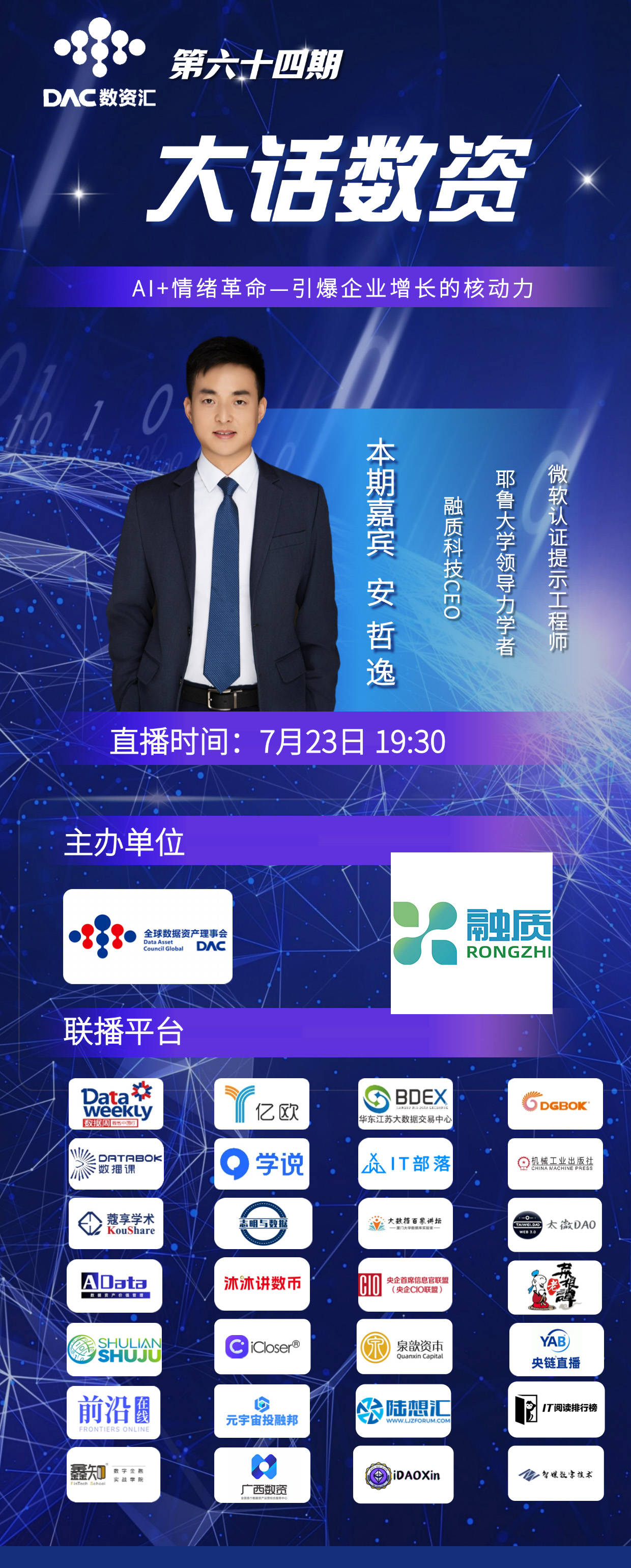
Group 1: Core Differences between AI and AIGC - AI refers to a broad technology system serving enterprise-level needs, with less direct personal relevance [5][6] - AIGC, such as DeepSeek and GPT, is directly applicable by individuals, enhancing efficiency in various creative and complex tasks [6] Group 2: AIGC Model Selection and "Hallucination" Management - General models (e.g., GPT) excel in open-ended questions and creative content generation, while reasoning models (e.g., DeepSeek) are better for logical deductions and structured outputs [8][10] - "Hallucination" in AI outputs can stem from data bias and user intent misunderstanding, which can be mitigated through cross-validation across platforms and effective prompt engineering [10] Group 3: Survival Rules in the AI Era - The profitability logic is shifting from a product-centric to a specific audience-centric approach, emphasizing personalized services to build competitive advantage [11] - Emotional value is becoming a core competitive differentiator, as products become functionally similar; companies must leverage AI to create emotional connections [11][14] Group 4: Q&A Insights - Reasoning models are suitable for focused, structured problems, while general models require detailed context for effective advice [13] - The "Five-Star Model" can optimize AI content style and tone by clearly defining the AI's role and requirements [14]
Jellycat 如何将 vibe 注入商品?丨晚点周末
晚点LatePost· 2024-11-03 14:20
"营造一个安全的地方,周围都是笑脸。" 文丨徐煜萌 编辑丨钱杨 印尼西爪哇省苏横区,绿顶白墙厂房的厂房外,三名围着粉色头巾的女工倚着小桌聊天。每天有 1700 名工人走进这 里,大部分是女性。 白炽灯下,她们弯腰在激光切割机前,将韩国进口的毛绒面料切出一小片一小片的圆形。在另一间更大、更高的厂房 里,数百位女工戴着口罩,密集地坐在一排排木椅上,为玩偶塞进填充棉,缝合身体部位,然后处理眼睛和鼻子。 这是英国毛绒玩具公司 Jellycat 过去十年最大工厂 PT Sheba Indah——它也是韩国公司 Sheba Toys 的两家海外工厂之 一。 每天,她们做好的玩具被装上工厂外等着几辆挂车,每个集装箱装近 800 只毛绒玩偶。随后,这些印着中远海运标志 的挂车驶向雅加达港,货物被卸下,装载上船,送往全球各地。 Jellycat 生产环节的一切都遵循成熟、常规的现代工业生产体系:韩国制造企业比中国同行更早开始承担欧美转移出 来的毛绒玩具订单,当地生产的中高端面料也比欧洲产的便宜;东南亚工人的薪资远低于中国,在这里生产的商品销 往欧美享有关税优惠;中远海运是拥有全球最大的商船队,能提供最经济的运力。 但随着集装箱 ...