
惠民生

Search documents
组织消费促进活动超400场,开展文体活动600余场,赠送新就业群体暖“新”礼包……
Nan Jing Ri Bao· 2026-01-30 02:33
Group 1: Core Initiatives - The Nanjing government has introduced ten measures to support citizens and businesses during the 2026 Spring Festival, focusing on enhancing service quality and boosting economic development [1] Group 2: Consumer Benefits and Activation - Five initiatives are aimed at stimulating consumer spending, including special promotional events, support for trade-in programs, and a variety of cultural and tourism activities [2] - The city plans to host over 400 promotional events and offer more than 50 million yuan in discounts through e-commerce platforms [2] - Consumers can receive subsidies of up to 20,000 yuan for vehicle trade-ins and 15,000 yuan for other consumer goods [2] - A series of over 600 cultural and tourism events will be organized to cater to diverse visitor needs, emphasizing local traditions and attractions [2] - Special discounts on tickets and services will be available for visitors arriving in Nanjing during the festival [2] Group 3: Support for Enterprises - Three measures are designed to encourage businesses to increase production and expand markets, including transportation subsidies for non-local workers returning to Nanjing [3] - Support will be provided for foreign trade companies to participate in key international trade exhibitions during the festival [3] - A campaign to honor city builders will be launched, showcasing their contributions through public displays [3] Group 4: Employment Services and Efficiency - Two initiatives focus on enhancing employment services and providing robust support, including the operation of 900 employment service stations during the festival [3] - The city will offer various support packages, including housing for new workers' families and community engagement activities [3] - Transportation services will be reinforced to ensure adequate supply during peak travel times [3]
海南目标怎么定?《关于海南省2025年国民经济和社会发展计划执行情况与2026年国民经济和社会发展计划草案的报告》解读
Hai Nan Ri Bao· 2026-01-28 04:11
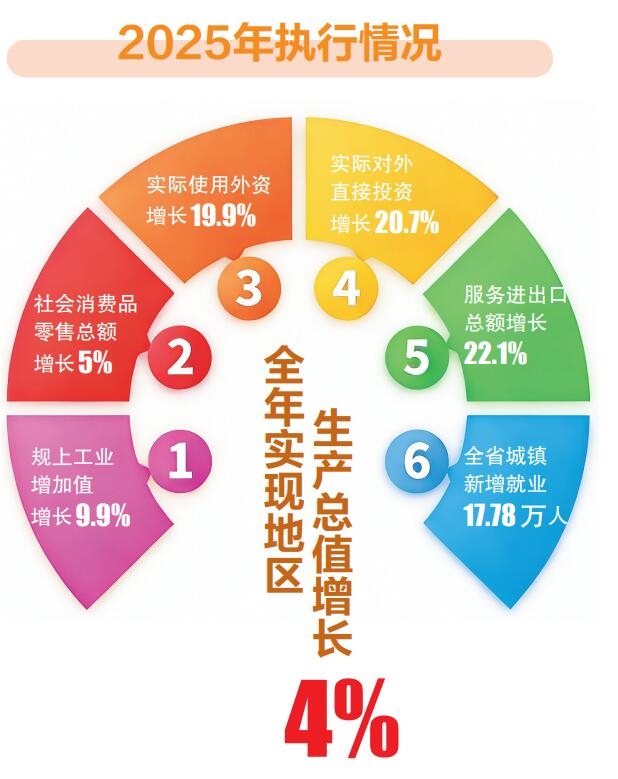
Core Insights - The report outlines the execution of the 2025 economic and social development plan for Hainan Province, emphasizing a GDP growth target of around 6% and a focus on enhancing domestic demand and investment [4] Economic Performance - Actual foreign investment utilization increased by 19.9% and direct investment grew by 20.7% [2] - Total retail sales of consumer goods rose by 5%, while the overall social consumer goods total increased by 22.1% [2] - The added value of the industrial sector in urban areas grew by 9.9%, with 177,800 new jobs created [2] Development Goals - The report sets a fixed asset investment growth target of around 7% and aims for a 10% increase in goods and service imports and exports, highlighting a commitment to an open economy [4] - The plan emphasizes rapid growth in R&D expenditure to strengthen innovation and productivity [4] Strategic Focus Areas - The report identifies eight key areas for action, including: 1. Advancing the construction of a free trade port and enhancing high-level openness [5] 2. Boosting consumption and investment to support domestic demand [5] 3. Building a modern industrial system to add new momentum to the real economy [5] 4. Promoting comprehensive reform to stimulate high-quality development [5] 5. Enhancing regional coordination and integration for stronger development synergy [5] 6. Accelerating green transformation to maintain ecological integrity [6] 7. Improving public services and enhancing the well-being of citizens [6] 8. Establishing a modern safety framework to ensure stable high-quality development [6]

惠民服务工程
Xin Lang Cai Jing· 2026-01-25 20:19
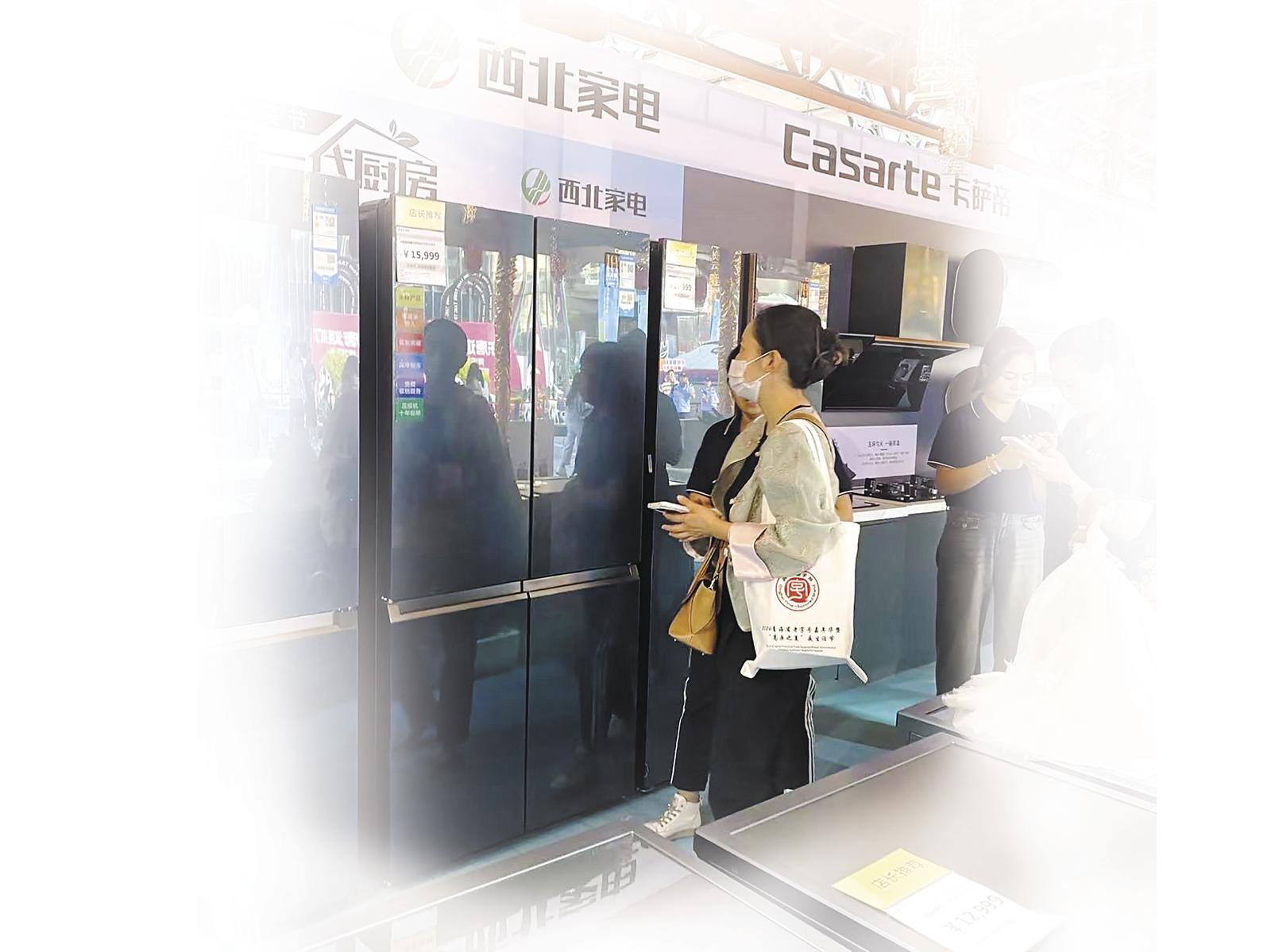
Core Insights - The article discusses the implementation of various consumer promotion activities aimed at boosting consumption and enhancing public welfare, including events like "Double Product Online Shopping Festival" and "New Year Goods Festival" [2][3] Group 1: Objectives - The goal is to implement special actions to stimulate consumption, including organizing over 200 promotional events and ensuring the free or low-cost opening of more than 70 public sports venues [2] - The initiative also includes the construction of at least 3,000 electric bicycle charging ports in residential areas [2] Group 2: Progress - The promotion of consumption is combined with improving people's livelihoods, focusing on major consumer goods such as automobiles, home appliances, and home furnishings [2] - A total of 95 public sports venues across the province are now open for free or at low cost, and 6,426 electric bicycle charging ports have been established [2] Group 3: Public Response - Citizens express satisfaction with the consumer promotion activities, highlighting significant savings on home appliances and the convenience of free access to sports facilities [3] - The availability of charging ports has resolved previous issues related to electric bicycle charging, enhancing the quality of life for residents [3]
千岗引才!黑龙江省青年人才交流会促就业“双向奔赴”
Xin Lang Cai Jing· 2026-01-24 18:35
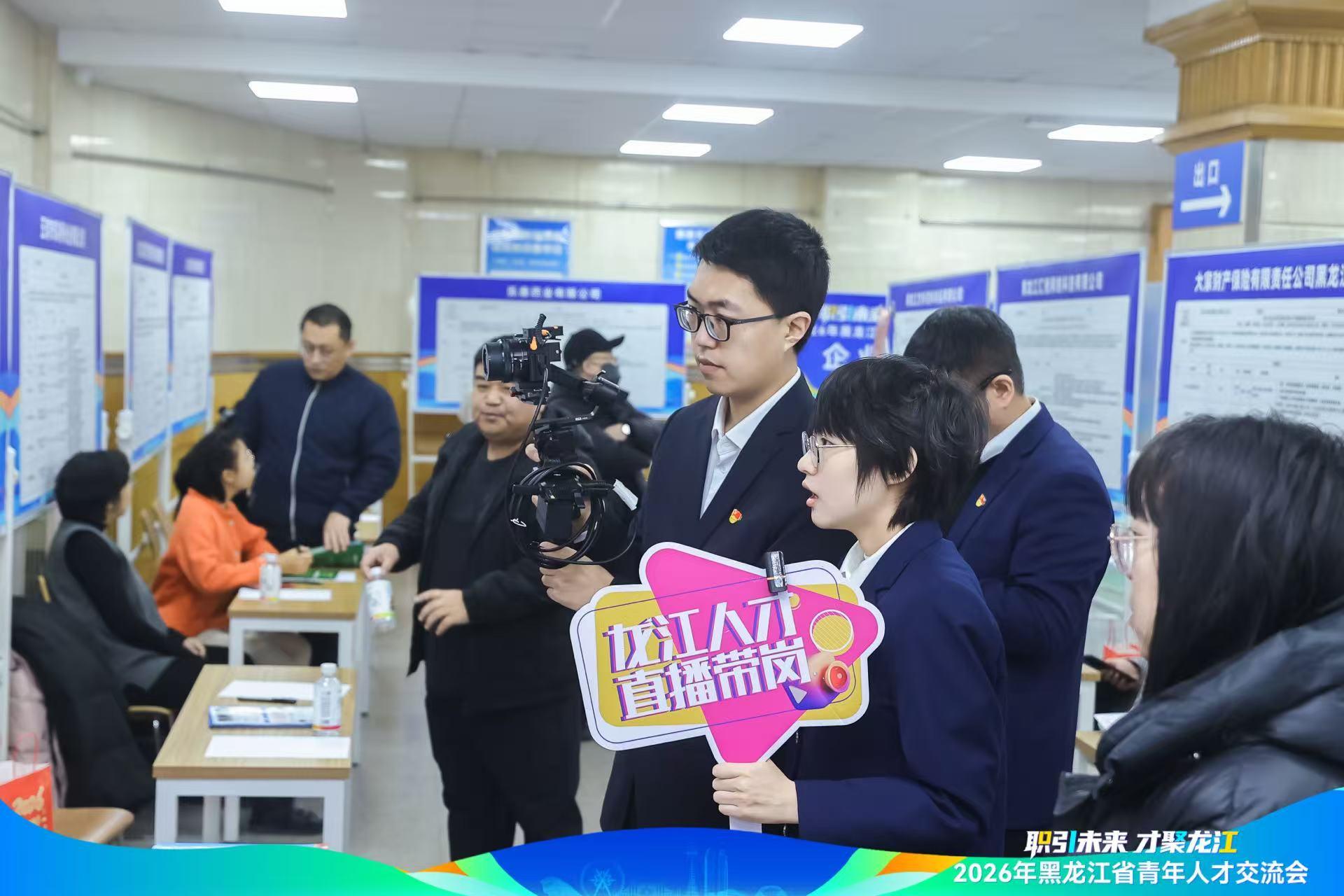
交流会现场人头攒动,来自全省各地的100余家用人单位集中设展,带来先进制造业、新能源、现代服务业等领域的优质岗位1465个。在政策咨询、法律援 助和就业指导服务专区,中心业务骨干为广大求职者详细解读人才和就业公共服务政策,律师事务所律师为大家提供"零距离"劳动法律咨询及援助指引,就 业指导老师同步开展职业规划咨询、职业能力测评及"一对一"简历优化指导,帮助大家进一步提升求职对接效率。"龙江云聘"直播带岗活动同时段火热开 启,主播联动用人单位招聘负责人"屏对屏"推介岗位、解答咨询,让岗位信息实时触达更多求职群体,实现线上线下同频共振、高效匹配。活动当天共吸引 4000余人进场求职,直播带岗观看量达2.6万人次。 1月24日,由省人社厅主办,省人社厅公共就业服务处、省人才服务中心(省就业服务中心)共同承办的"职引未来 才聚龙江"2026年黑龙江省青年人才交流 会在省人才大市场举办。活动采用"现场招聘+直播带岗+政策宣传+法律援助+就业指导"线上线下同步开展的多元模式,为高校毕业生等求职群体与用人单 位搭建起全方位、多层次、高效率的人才供需对接桥梁。 主播线上推介岗位 (图片由受访单位提供) 通讯员:杨栋;记者:李 ...
宏观深度:宏观角度如何理解2026年消费
Bank of China Securities· 2026-01-24 07:06
Economic Overview - In 2025, China's GDP grew by 5.0%, supported by net exports contributing 1.6 percentage points to the growth[10] - Domestic demand remains insufficient, with fixed asset investment declining by 3.8% year-on-year, significantly down from 2024[12] Consumer Behavior - The marginal propensity to consume (MPC) decreased to 0.61 by the end of 2025, down 0.08 from 2024[21] - Per capita consumer spending reached 29,000 yuan in 2025, a growth of 4.4% compared to 2024, marking the lowest growth rate since 2023[21] Employment and Income Trends - The average number of employees in industrial enterprises fell by 1.5% year-on-year as of November 2025, indicating a decline in employment absorption capacity[37] - The average disposable income per capita was 43,000 yuan in 2025, reflecting a 5.0% increase from 2024, but the growth rate is slowing[32] Policy Implications - The "惠民生" (benefit people's livelihood) policy is emphasized as a key strategy to boost consumption in 2026, focusing on income growth and consumer support[46] - The government plans to implement measures to enhance consumer capacity, including support for small and medium enterprises and expanding investment channels[46][47] Risks and Challenges - Geopolitical uncertainties and persistent inflation in the U.S. pose risks to economic stability and consumer confidence[52][53] - The slow recovery of market expectations among domestic entities may hinder the effectiveness of counter-cyclical policies in 2026[54]
936亿超长期特别国债落地 带动总投资超4600亿元
Zhong Guo Jing Ying Bao· 2026-01-22 16:25
Core Viewpoint - The issuance of 93.6 billion yuan in ultra-long-term special government bonds aims to support equipment upgrades across various key sectors, facilitating approximately 4,500 projects and driving total investment exceeding 460 billion yuan, thereby implementing strategies to expand domestic demand [1][2]. Group 1: Investment and Economic Impact - The funds will be directed towards critical areas such as industrial manufacturing, energy, education, healthcare, and the replacement of old residential elevators, addressing both economic development and public welfare needs [1][3]. - Since the implementation of the "Two New" policy in 2024, the special bonds have supported around 8,400 equipment upgrade projects, leading to over 1 trillion yuan in total investment and an 11.8% year-on-year increase in equipment purchasing investment [2][3]. - The program has also stimulated consumer activity, with over 360 million people applying for subsidies related to the replacement of consumer goods, resulting in sales exceeding 2.6 trillion yuan and contributing 0.6 percentage points to the growth of total retail sales of consumer goods [2]. Group 2: Policy Implementation and Management - The 93.6 billion yuan will be allocated directly to local governments to support the scrapping and upgrading of old operational vehicles, new energy city buses, and outdated agricultural machinery, marking a significant step in enhancing growth and improving public welfare [3]. - The National Development and Reform Commission (NDRC) plans to optimize the support scope and subsidy standards of the "Two New" policy, enhancing the accuracy and effectiveness of the funding allocation [3]. - The government aims to leverage the 93.6 billion yuan to stimulate over 460 billion yuan in total investment, showcasing the effectiveness of government investment in mobilizing social capital and stabilizing the macroeconomic environment [3].
【省商务厅】“2026网上年货节”陕西专场活动启动
Shan Xi Ri Bao· 2026-01-19 23:38
Group 1 - The "2026 Online New Year Goods Festival" in Shaanxi is a key online event aimed at promoting the "Buy in China · Shaanxi Bright Life" Spring Consumption Season [1] - The event focuses on integrating online and offline shopping experiences, enhancing quality consumption and service supply, and creating a festive atmosphere for the New Year [1] - The provincial commerce department will emphasize themes such as quality shopping, exquisite food, and Silk Road cloud products [1] Group 2 - The event will feature over a hundred promotional activities organized in collaboration with provincial, municipal, and county levels [2] - Various cities, including Weinan, Xi'an, and Baoji, will host live-streaming sales and community group buying events to stimulate consumer activity [2] - The province aims to effectively convert online traffic into offline customer flow and physical consumption through live streaming, special promotions, and collaborative marketing [2]
北京一季度将开工160个重点项目
Xin Lang Cai Jing· 2026-01-17 06:24
Core Viewpoint - The city plans to commence 160 major investment projects in the first quarter, with a total investment of approximately 518.8 billion yuan, which is expected to positively influence economic recovery and market confidence [1] Group 1: Investment Projects Overview - A total of 160 key projects will be initiated, focusing on significant investment and demonstration effects, as well as strong regional driving forces [1] - The total investment for these projects is around 518.8 billion yuan [1] Group 2: Focus Areas of the Projects - The projects are concentrated in four main areas: - Modern industrial system construction, including 36 projects such as the Haibo Sichuang energy storage system super factory and AI innovation district [1] - Modern infrastructure system construction, with 55 projects like the Fengtai 500 kV transformer substation and the overall enhancement of the road network in Zhongguancun Science City [1] - Livelihood improvement initiatives, featuring 45 projects such as Beijing Sixth Experimental School and Xuanwu Hospital Fangshan District [1] - Urban renewal actions, including 24 projects like the protective renovation of Yinzha Hutong in Dongcheng District and the shantytown renovation in Yuegezhuang Village, Fengtai District [1] Group 3: Future Investment Plans - By 2026, the city will continue to implement the "3 100" key engineering projects, with a total investment exceeding 1.4 trillion yuan for 300 key projects [1] - An investment of approximately 312.8 billion yuan is planned for completion in 2026, which will support over 30% of the city's total investment [1]
北京千亿投资冲刺经济“开门红”
Bei Jing Shang Bao· 2026-01-15 16:25
Core Insights - Beijing's investment strategy for 2026 aims to stimulate economic growth through significant project launches and investments, with a focus on six major actions to ensure a strong start to the year [1][2]. Group 1: Investment Projects - The "3x100" key engineering projects in Beijing are designed to bolster economic growth, with a total investment exceeding 1.4 trillion yuan, and a planned investment of approximately 312.8 billion yuan in 2026, which will support over 30% of the city's total investment [2]. - The 300 projects include 180 ongoing projects and 120 new projects, with social investment projects accounting for at least 70% of the total investment, thereby enhancing market vitality [3]. Group 2: Major Projects in Q1 - In the first quarter, 160 major projects will commence, with a total investment of about 518.8 billion yuan, marking the beginning of the year's economic development [4]. - These projects focus on four key areas: modern industrial system construction, modern infrastructure system development, public service improvements, and urban renewal initiatives [4]. Group 3: Economic Impact - The successful launch of these projects is expected to significantly support annual investment, address existing gaps, and enhance the overall functionality and layout of the city, benefiting both current and long-term economic prospects [5].
5188亿元!北京一季度开启160个重大项目
Xin Jing Bao· 2026-01-15 10:07
Core Insights - Beijing's "3 100" key projects are expected to leverage brand effects and demonstration roles, with total investment exceeding 1.4 trillion yuan by 2026, and planned investment of approximately 312.8 billion yuan for that year [1] Group 1: Major Projects - A total of 160 major projects will commence in the first quarter, with a total investment of about 518.8 billion yuan [1] - The projects span four key areas: 1. Modern industrial system construction, including 36 projects such as the Haibosi Chuang energy storage system super factory and AI innovation cultural district [1] 2. Modern infrastructure system construction, featuring 55 projects like the Fengtai 500 kV transformer project and the overall enhancement of the road network in Zhongguancun Science City [1] 3. Livelihood improvement initiatives, with 45 projects including the Beijing Sixth Experimental School and the Fangshan branch of Capital Medical University Xuanwu Hospital [1] 4. Urban renewal actions, comprising 24 projects such as the protective renovation of Yinzha Hutong in Dongcheng District and the shantytown renovation in Yuegezhuang Village, Fengtai District [1]