
技术复用

Search documents
泳池机器人全球市场爆发在即,激光雷达开辟技术新战场
Xin Lang Zheng Quan· 2025-09-26 02:17
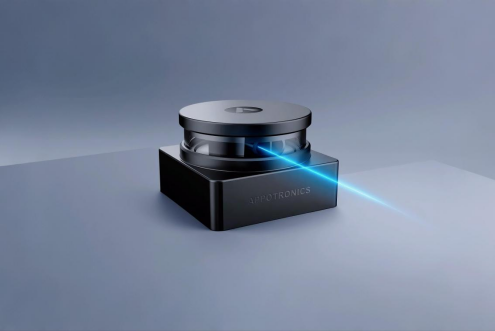
Group 1: Global Smart Home Cleaning Robot Market - The global smart home cleaning robot market shipped 15.352 million units in the first half of 2025, representing a year-on-year growth of 33% [1] - The lawn mower robot segment experienced explosive growth, with shipments reaching 2.343 million units, a staggering increase of 327.2% year-on-year [1] - The pool cleaning robot segment also showed strong growth potential, with shipments of 933,000 units, up 18.7% year-on-year, indicating a promising market outlook [1] Group 2: Technological Advancements and Market Dynamics - The surge in lawn mower robots is attributed to the successful application and reuse of home cleaning robot technologies, such as smart navigation and obstacle recognition [2] - Major players like Roborock, Ecovacs, and Dreame have leveraged their expertise in vacuum robots to dominate the lawn mower market [2] - The demand for laser radar technology in lawn mower robots has surged, with companies like Hesai Technology and Robosense reporting year-on-year increases in delivery volumes of 743.6% and 631.9%, respectively [2] Group 3: Pool Cleaning Robot Technology Breakthroughs - Traditional laser radar technology has faced challenges in underwater applications, limiting the advancement of pool cleaning robots [3] - The breakthrough in underwater laser radar technology marks a significant innovation point for pool robots, potentially enhancing their market penetration [3] Group 4: Launch of Advanced Underwater Laser Radar - Guangfeng Technology launched the Yuanmou D10 and T1 underwater blue laser radar products, targeting both consumer and professional markets [4] - The Yuanmou D10 is the first consumer-grade underwater blue laser radar, achieving effective measurement capabilities up to 10 meters, marking a new era in underwater measurement [4] Group 5: Technical Specifications and Market Impact - The Yuanmou D10 utilizes high-power 450nm blue laser technology, significantly outperforming traditional infrared lasers in underwater environments [7] - The product is compact, measuring 74x74x49mm, and can achieve measurement accuracy of 0.04 meters in water with low turbidity [7] - The introduction of the Yuanmou D10 is expected to accelerate the intelligent adoption of pool cleaning products, establishing a new benchmark for Chinese manufacturing in the global market [8]


再上层楼,追觅的全场景价值战
3 6 Ke· 2025-09-07 15:29
Core Viewpoint - The company launched over 30 new high-end products across various categories, addressing real user pain points through systematic technological responses [1][4][18] Product Expansion and User Needs - The expansion into multiple categories is driven by the need to meet unarticulated yet real user demands in daily life [4][6] - Unlike traditional appliance manufacturers focused on superficial smart features, the company emphasizes understanding core user needs, such as effective food preservation in refrigerators [6][8] Technological Innovation and Application - The company employs a "technology-driven experience" approach, ensuring that core technologies are applicable across different product categories, enhancing user experience [9][10] - Innovations like the Matrix10 Ultra vacuum cleaner, which features automatic mop changing technology, exemplify the company's focus on tailored solutions for specific cleaning needs [8][10] User-Centric Long-Term Strategy - The company prioritizes genuine user experience and loyalty over short-term growth, focusing on deep innovation driven by real user needs [13][14][18] - A user co-creation mechanism allows users to participate in product development, ensuring that 80%-90% of new features are based on user feedback [15][16] Global Market Adaptation - The company implements a "one city, one product" strategy, tailoring products to regional user preferences and living conditions, demonstrating a commitment to localized operations [16][18] - This approach reflects a long-term vision, avoiding the pitfalls of chasing short-term trends while building a cohesive product ecosystem [18]

影石创新与大疆为什么都盯上了对方的生意
Zheng Quan Zhi Xing· 2025-09-05 06:04
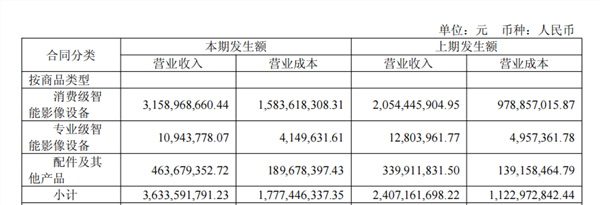
Core Viewpoint - The consumer imaging and drone market is witnessing a significant competitive shift as leading companies, Insta360 and DJI, expand into each other's core markets, indicating a high-level competition that is emerging [1][12]. Group 1: Market Dynamics - The global panoramic camera market is limited, with a size of 5.03 billion yuan in 2023, expected to grow to 7.85 billion yuan by 2027, reflecting a compound annual growth rate (CAGR) of less than 12% [2]. - Insta360 holds a dominant market share of 67.2% in the panoramic camera sector, indicating limited room for further market share expansion [2]. - The revenue structure of Insta360 shows that in the first half of 2025, revenue from consumer-grade smart imaging devices was 3.159 billion yuan, accounting for 86.06% of total revenue [3]. Group 2: Strategic Expansion - Insta360's entry into the drone market is a strategic move to seek a "second growth curve" due to the limitations of the panoramic camera market [4]. - The consumer drone market is projected to grow at a CAGR of over 10.32%, with an estimated market size exceeding 13 billion USD by 2033, making it a more attractive sector compared to panoramic cameras [4]. - Insta360 aims to create a comprehensive product matrix by introducing drones, catering to users' diverse shooting needs and enhancing customer loyalty [6]. Group 3: Competitive Landscape - DJI is facing growth challenges, with recent product releases criticized for lacking innovation, necessitating a response to maintain market leadership [7]. - Insta360's strategy involves creating a differentiated product category with "panoramic drones," avoiding direct competition with traditional drones while leveraging its established brand in panoramic cameras [8]. - The technological overlap between panoramic cameras and drones allows Insta360 to utilize its existing expertise in optics and smart devices to develop competitive products [9]. Group 4: Future Considerations - Insta360's cloud service, launched in January 2025, enhances user experience by providing cloud storage and editing capabilities, which can significantly improve the usability of their products [10]. - To establish itself as a leading brand in the new drone category, Insta360 must validate its product strength through market share data [11]. - The presence of a strong competitor like DJI presents both challenges and opportunities for Insta360, as it can lower market education costs while also increasing competitive pressure [12].
追觅官宣造车,做让人期待的“车界苹果”
Di Yi Cai Jing· 2025-08-29 13:03
Core Viewpoint - The company, Chase Technology, officially announced its entry into the automotive industry with plans to launch a super luxury electric sports car by 2027, leveraging its technological advancements and a dedicated team of nearly 1,000 people [1][15][22]. Group 1: Strategic Intent and Background - The automotive initiative is not a spontaneous decision but is backed by a decade of technological accumulation and strategic planning [3][4]. - The founder, Yu Hao, began drafting car manufacturing reports during his time at Tsinghua University, indicating a long-standing ambition in the automotive sector [4][22]. - Chase Technology has made significant breakthroughs in core technologies such as high-speed digital motors and intelligent algorithms, establishing itself as a leader in the smart home appliance industry [5][7]. Group 2: Market Positioning and Strategy - The company aims to avoid the saturated low-end electric vehicle market and instead target the high-end market, which currently has a notable gap for super luxury electric vehicles [9][10]. - Chase Technology's strategy focuses on creating high-performance products without competing on price, utilizing China's mature supply chain to achieve a technology premium [10][11]. - The company plans to leverage its existing global high-end retail network to facilitate market entry and reduce customer education costs for its new automotive brand [13][14]. Group 3: Technological and Operational Advantages - The company has a strong foundation in technology reuse, with its existing innovations in robotics being applicable to automotive development, thus lowering R&D costs and enhancing reliability [12]. - Chase Technology has established partnerships with high-quality suppliers in critical areas such as batteries and motors, benefiting from the robust electric vehicle supply chain in China [13]. - The automotive team comprises a mix of talent from both the smart hardware and traditional automotive sectors, enhancing its capability to innovate and execute [13][14]. Group 4: Financial Strategy and Future Outlook - The company adopts a "long-term investment + precise cost control" strategy to manage the substantial capital required for automotive development, planning to invest between 20 billion to 50 billion yuan to establish market barriers [16]. - The automotive project is seen as a test of the company's accumulated capabilities in technology, organizational culture, and global operations, with a focus on delivering the right products [27][28]. - The success of Chase Technology's automotive venture will be evaluated in 2027, with expectations that it could reshape the automotive landscape similar to how Apple transformed the smartphone industry [18][20].

追觅升空,大疆落地
雷峰网· 2025-08-29 06:41
Core Viewpoint - The article discusses the significant crossover between DJI and Trifo, highlighting their strategic moves into each other's markets, with DJI entering the vacuum cleaner market and Trifo venturing into aerial technology, showcasing a new phase of innovation in the Chinese tech industry [2][20]. Group 1: Company Movements - DJI has officially launched its first vacuum cleaner, ROMO, after years of internal development, indicating a strategic entry into a mature market valued at $122.1 billion, growing at a rate of 3.7% [21][24]. - Trifo, founded by a team with a background in aerospace engineering, is leveraging its expertise in robotics to redefine the action camera market, aiming to create a user-friendly product that addresses the limitations of existing action cameras [6][10][13]. Group 2: Technological Innovations - Trifo's new action camera features an AI system that allows it to understand user commands and optimize video quality in real-time, marking a significant evolution from traditional recording tools to interactive creative platforms [15][19]. - The modular design of Trifo's action camera allows users to customize their equipment for various scenarios, enhancing its versatility and user experience [16][17]. Group 3: Market Dynamics - The competition between DJI and Trifo is not merely a zero-sum game but reflects the maturation of Chinese tech companies, which are now focusing on system innovation and user-centric design rather than just cost-effectiveness [30][36]. - The entry of DJI into the vacuum cleaner market and Trifo's expansion into aerial technology signify a shift in the competitive landscape, where companies are utilizing their existing technological capabilities to explore new markets [26][28]. Group 4: Future Outlook - The article suggests that the future of Chinese technology will be characterized by companies like DJI and Trifo, which are poised to leverage their engineering strengths and innovative capabilities to compete on a global scale [36][37].
蔚来下笨功夫打造乐道L90 能否打赢“翻身仗”?
Zheng Quan Ri Bao Wang· 2025-07-13 12:59
Core Viewpoint - NIO's sub-brand, Ladao, launched the L90 model with a starting price of 279,900 yuan for purchase and 193,900 yuan for battery rental, aiming to capture market share in the competitive electric SUV segment [1][2] Group 1: Product Launch and Pricing Strategy - The L90's pricing strategy aims to bring the price of large electric SUVs below 200,000 yuan, which has garnered significant industry attention [1] - NIO's CEO, Li Bin, emphasized that the L90 has a gross margin despite its low price, attributing this to technological innovation and supply chain efficiency [2] - The L90 features lightweight technology, with a 340 kW rear motor weighing only 79 kg, which reduces energy consumption and material usage [2] Group 2: Market Positioning and Consumer Insights - The L90 addresses consumer pain points such as space limitations and charging anxiety, offering features that enhance user experience [3] - NIO's strategy includes a rapid response to consumer feedback, ensuring that customers can see and experience the vehicle shortly after its announcement [3] Group 3: Competitive Landscape and Internal Collaboration - The electric SUV market is becoming increasingly competitive, with multiple new models launched in July, including the L90, XPeng G7, and others [4] - NIO's internal collaboration is crucial for success, with shared technology and systems between Ladao and NIO vehicles [4] Group 4: Financial Performance and Future Outlook - NIO is focused on achieving profitability in Q4, with a strong emphasis on user value creation and return on investment [5] - The company has invested over 60 billion yuan in R&D, with a significant portion allocated to foundational technologies [5] - NIO plans to expand its product line under the Ladao brand while maintaining a step-by-step approach to growth [5]

普渡机器人第10万台产品下线:全球市占率第一商用服务机器人企业探厂纪实
机器人大讲堂· 2025-06-13 15:27
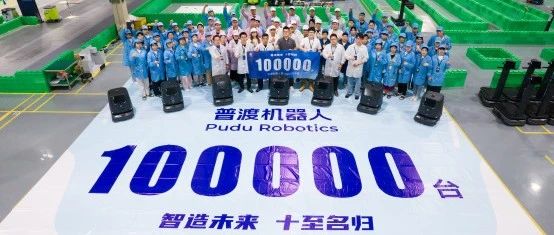
Core Viewpoint - Pudu Robotics has achieved a significant milestone by producing its 100,000th robot, marking a new stage in the commercialization of service robots globally [1][22]. Group 1: Product Matrix and Commercialization - Pudu Robotics has established a comprehensive product matrix covering service delivery, commercial cleaning, and industrial delivery, addressing common needs across ten industries [4][22]. - The latest product, the AI-powered cleaning robot PUDU CC1 Pro, represents a leap into the AI era for commercial cleaning robots [2][4]. - The company’s strong engineering capabilities and mature mass production processes have set a benchmark in the industry, enabling high-quality and stable delivery of diverse products [6][20]. Group 2: Multi-Form Factor Development - Pudu Robotics is the first in the industry to propose a future ecosystem comprising specialized, humanoid, and human-like robots, launching products like PUDU D7 and PUDU D9 [7][9]. - The introduction of the humanoid service robot Flash Arm has garnered significant attention, showcasing Pudu's ability to integrate multiple core technologies for versatile operations across various commercial scenarios [9][13]. Group 3: Global Expansion and Localization Strategy - The cat-shaped robot Bellabot has become a phenomenon in overseas markets, particularly in Japan, due to its design and interaction style, exemplifying Pudu's successful localization strategy [16][18]. - Pudu Robotics has achieved a 23% global market share, leading the industry and demonstrating its strong presence in over 60 countries, with more than 80% of revenue coming from international markets [22][23]. Group 4: Future Market Potential - The global service robot market is projected to reach $195 billion by 2035, with commercial service robots being a key growth driver [23].
汽车巨头杀入机器人赛道
汽车商业评论· 2025-06-02 13:44
Core Viewpoint - The automotive industry's transition into humanoid robotics represents a significant shift from vehicle manufacturing to intelligent ecosystem builders, leveraging existing technological assets and supply chain capabilities to redefine competitive advantages in the smart era [4][50]. Group 1: Technological Reuse - The cross-industry movement from automotive to humanoid robotics is driven by the systematic migration of industrial capabilities to intelligent scenarios, highlighting the deep logic of technological reuse, supply chain sharing, and strategic restructuring [6]. - The technology architecture of smart cars and humanoid robots overlaps significantly in perception, decision-making, and execution, allowing for direct migration of algorithms from automotive to robotics [7]. - Tesla's Autopilot algorithms have been adapted for the Optimus project, demonstrating the effective reuse of technology and rapid development capabilities [9][12]. Group 2: Cost Advantages - The automotive industry's scale advantages are reshaping cost structures in the robotics sector, with automotive-grade components being significantly cheaper than their industrial counterparts [13]. - The stringent quality standards of the automotive industry are being applied to robotics, enhancing component reliability and reducing failure rates [13]. Group 3: Market Entry Strategies - Automotive companies are entering the robotics field through self-research and investment, reflecting strategic choices to address industry cycles and capture new growth opportunities [15]. - The differentiation in strategies has led to the emergence of two camps: the "self-research faction" focusing on building technology ecosystems and the "investment faction" aiming for rapid positioning through acquisitions [15][19]. Group 4: Talent Migration - The talent flow between the automotive and robotics industries is reshaping the human resource landscape, with many former automotive engineers transitioning to robotics roles [21]. - The emergence of startups led by automotive veterans is contributing to the evolution of the robotics sector, with many leveraging their automotive experience to innovate in robotics [23][29]. Group 5: Industry Restructuring - The entry of automotive companies into robotics is causing a deep restructuring of the robotics supply chain, with technology and materials being repurposed across sectors [37]. - The integration of automotive standards into robotics is raising industry entry barriers and redefining value distribution within the manufacturing ecosystem [39]. Group 6: Future Challenges - Despite the promising outlook, the robotics strategies of automotive companies face significant challenges, including high production costs and the need for technological breakthroughs in humanoid capabilities [42][44]. - The cultural clash between traditional automotive management practices and the agile development required in robotics is creating operational inefficiencies [46].





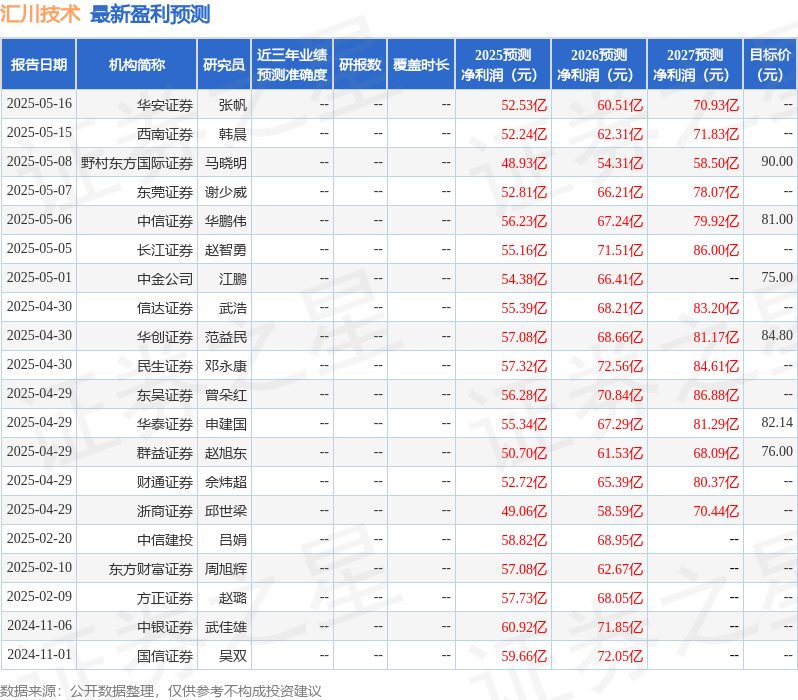
国金证券:给予汇川技术买入评级,目标价81.1元
Zheng Quan Zhi Xing· 2025-05-19 10:24
汇川技术 公司是国内少数实现"工控→新能源车→机器人"跨行业技术复用的机电一体化平台型企业,在行业具备持续超越周期的α,2007-2024年营收和归 母净利润年化复合增速分别为38%和30%,超过工业自动化行业和可比公司增速。 国金证券股份有限公司姚遥,满在朋近期对汇川技术(300124)进行研究并发布了研究报告《工控&电梯筑基、电车贡献弹性,机器人构建远期空 间》,给予汇川技术买入评级,目标价81.1元。 1)新能源车业务:市占率稳步提升,规模效应有望释放经营弹性。24年公司国内乘用车电控产品份额上升至10.7%,第三方供应商中排名第一;24 年底公司境内外拥有超过80个定点项目预计将在25-26年实现SOP量产。24年公司新能源汽车实现营收160亿元,同比+70%,随着新产能投产,规 模效应有望进一步释放经营弹性,预计25-27年公司新能源车业务营收CAGR超30%。 2)机器人业务:工业机器人出货高增,人形机器人打开成长空间。凭借成本控制&渠道布局优势,工业机器人业务快速放量,24年实现营收11亿 元,同比+37%,24年国内市占率提升至9%,位居行业第三,同时积极研发人形机器人核心零部件,未来有望构建 ...


汇川技术(300124):工控&电梯筑基、电车贡献弹性,机器人构建远期空间
SINOLINK SECURITIES· 2025-05-19 08:45
Investment Rating - The report gives a "Buy" rating for the company with a target price of 81.10 CNY per share based on a 40x PE valuation for 2025 [4]. Core Viewpoints - The company is a leading electromechanical integration platform in China, successfully leveraging technology across industries such as industrial control, new energy vehicles, and robotics, with a projected revenue and net profit CAGR of 38% and 30% from 2007 to 2024, respectively [15][22]. - The new energy vehicle segment is expected to see significant growth, with a projected revenue CAGR exceeding 30% from 2025 to 2027, driven by an increase in market share and operational flexibility [2]. - The industrial robotics business is also on a growth trajectory, with a projected CAGR of approximately 30% from 2025 to 2027, supported by cost control and channel advantages [2]. - The general automation business maintains a strong market position, with the company holding the top market shares in key product categories such as servo systems and low-voltage frequency converters [3]. - The mature businesses in rail transit and elevators are expected to grow steadily, providing stable cash flow to support strategic initiatives [3]. Summary by Sections Investment Logic - The company has achieved a unique position by integrating technology across industrial control, new energy vehicles, and robotics, which allows it to outperform industry cycles [15]. - The new energy vehicle business is projected to generate 16 billion CNY in revenue in 2024, a 70% year-on-year increase, with expectations for further growth as new production capacities come online [2]. - The industrial robot segment is experiencing rapid growth, with a revenue of 1.1 billion CNY in 2024, reflecting a 37% increase year-on-year [2]. General Automation Business - The company has solidified its leadership in the automation sector, with market shares of 28%, 19%, and 14% in core products for 2024, ranking first among domestic competitors [3]. - The automation industry is expected to recover slightly in 2025, following a downturn, with the company poised to benefit from this recovery [3]. Profit Forecast and Valuation - The company is expected to achieve net profits of 5.46 billion CNY, 6.67 billion CNY, and 7.83 billion CNY from 2025 to 2027, representing year-on-year growth rates of 27.5%, 22.0%, and 17.6%, respectively [4]. - The valuation is based on a robust competitive position built through technology reuse, strategic positioning, and organizational transformation [4].