数据产业

Search documents
潘功胜、李云泽、吴清等将出席国新办新闻发布会;部分钴中间品厂家已停产丨盘前情报
2 1 Shi Ji Jing Ji Bao Dao· 2025-09-22 00:57
Market Performance - A-shares showed mixed performance from September 15 to September 19, with the Shanghai Composite Index down 1.3% to 3820.09 points, while the Shenzhen Component Index rose 1.14% to 13070.86 points, and the ChiNext Index increased by 2.34% to 3091 points [2][3] - Over 32% of stocks in the A-share market experienced gains during the week, with 122 stocks rising over 15% and 16 stocks declining more than 15% [2] International Market Overview - The U.S. stock market indices rose on September 19, with the Dow Jones Industrial Average up 0.37% to 46315.27 points, the S&P 500 up 0.49% to 6664.36 points, and the Nasdaq Composite up 0.72% to 22631.48 points [3][5] - In contrast, European stock indices fell on the same day, with the FTSE 100 down 0.12%, the CAC 40 down 0.01%, and the DAX down 0.15% [4] Oil Prices - International oil prices decreased on September 19, with WTI crude oil down 1.4% to $62.68 per barrel and Brent crude down 1.13% to $66.68 per barrel [4] Industry Developments - The Chinese government is set to launch a "Cultural and Tourism Consumption Month" with over 330 million yuan in subsidies to boost tourism during the National Day holiday [6] - Several express delivery companies in Shanghai will raise their collection prices starting September 22, primarily targeting low-priced e-commerce shipments [7] - Huawei has initiated the "Tian Gong Plan," committing 1 billion yuan to support the HarmonyOS AI ecosystem [8] Logistics and Supply Chain - China's pharmaceutical logistics costs exceeded 50 billion yuan in the first half of 2025, with cold chain logistics costs alone surpassing 13.5 billion yuan [9] - Southbound capital saw a net inflow of 36.85 billion HKD over the week, marking 18 consecutive weeks of inflows, with notable trading activity in Alibaba and other major stocks [9] Regulatory and Policy Updates - The Chinese government is accelerating the establishment of national standards for pre-prepared dishes to enhance consumer rights [10] - The National Development and Reform Commission emphasizes the importance of investing in data resources and the development of high-quality data sets to support the "Artificial Intelligence +" initiative [8]


北京数据集团正式成立,计划注册资本增加到60亿元
Xin Lang Cai Jing· 2025-09-11 05:34
Group 1 - The Beijing Data Group was officially established during the 2025 Service Trade Fair, with a registered capital of 3 billion and plans to increase it to 6 billion [1] - The total assets of the Beijing Data Group amount to 13.6 billion, and it is based on six companies under the Beijing State-owned Assets Supervision and Administration Commission [1] - The group will focus on data infrastructure construction, data resource development and utilization, data circulation and trading, and data industry ecosystem development [1]
长沙5园区拟入选湖南省首批数据产业集聚区
Chang Sha Wan Bao· 2025-09-04 03:27
Core Viewpoint - Hunan Province has announced the first batch of data industry agglomeration areas, with 13 parks selected, highlighting Changsha's leading position in the province's data industry development and contributing to the "Digital Changsha" initiative [1] Group 1: Overview of Selected Parks - Five parks in Changsha have been selected, accounting for nearly 40% of the total, showcasing the city's strong data industry foundation and innovation capabilities [1][2] - The selected parks are expected to enter a new phase of "clustered, high-quality" development [1] Group 2: Individual Park Highlights - Xiangjiang New Area leverages its dense academic and research resources to form ten specialized industrial chains, integrating production, learning, research, and application [3] - Malanshan Video Cultural and Creative Industry Park focuses on "culture + technology," excelling in ultra-high-definition video, digital publishing, and animation games, setting industry benchmarks [4] - Changsha Economic Development Zone builds on its engineering machinery and automotive manufacturing base, utilizing the province's first "5G + Industrial Internet" pilot area to enhance data collaboration and digital transformation [5] - Tianxin Economic Development Zone aims to create a central data market hub, gathering a trading platform, two computing power centers, eight data centers, and over 6,000 related enterprises, forming a comprehensive digital economy ecosystem [6] - Wangcheng Economic Development Zone focuses on smart terminal industries, leveraging the Zengtong Cloud Valley data center to enhance data collection, computing support, and application scenarios [7] Group 3: Future Development Plans - Changsha plans to leverage the establishment of data industry agglomeration areas to enhance industrial planning, data supply, talent cultivation, and scenario openness [7] - The city aims to strengthen collaboration among the parks, promote cross-park and cross-field data flow, and build the "Changsha Data Industry Cluster" brand [7] - The initiative is expected to accelerate the integration of digital economy and real economy, positioning data as a key driver for high-quality urban development [7]
广东启动未来社区试点建设 | “百千万”周周见
Nan Fang Nong Cun Bao· 2025-09-03 13:30
Group 1 - Guangdong Province has launched a pilot program for future community construction, focusing on eight major scenarios including governance, public space, and community services [4][20][21] - The program aims to enhance community environment, services, and governance, transforming communities into service centers and activity hubs [22][23] - A technical guideline has been issued to standardize construction, emphasizing the use of advanced technologies such as AI, blockchain, and big data [25][26][27] Group 2 - The Guangdong Provincial State-owned Assets Supervision and Administration Commission held a meeting to discuss the high-quality development of state-owned enterprises, emphasizing the need for effective investment and modernization of industrial systems [30][32][34] - Key industries highlighted for development include artificial intelligence, marine ranching, and biomedicine, with a focus on enhancing corporate governance and market-oriented reforms [36][38] Group 3 - The "Media+" initiative in Zhaoqing aims to enhance the poultry industry, specifically the Xinghua chicken, by establishing a new development model that integrates standards, branding, and technology [81][84][85] - The initiative targets a comprehensive standard system and significant brand value enhancement by 2027, with a current industry value exceeding 2 billion [89][90] Group 4 - The Yangxi County organized a training program to improve the "Hundred Thousand Project," focusing on typical town and village construction as a key strategy for rural revitalization [95][99][100] - The training included discussions on the evaluation methods for typical towns and villages, aiming to enhance rural industry development [107][109] Group 5 - The Yuan Cheng District has implemented a reform in government services, achieving 100% coverage of a three-tier service system and reducing approval times by an average of 65% [130][132] - The district has integrated multiple departments into a single service center, significantly increasing the number of services available to the public [133][134]

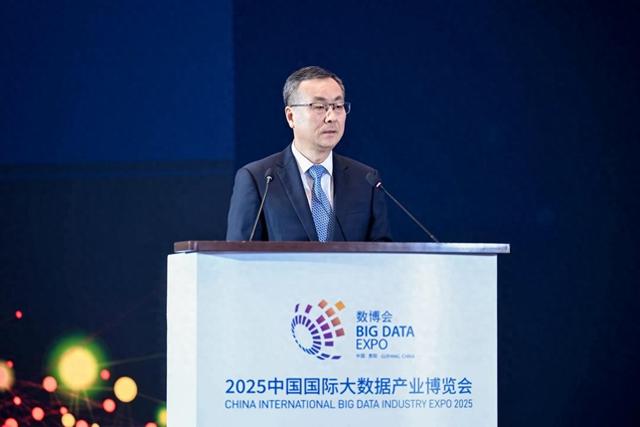
2025数博会成功举办 吸引投资463.36亿元
Zhong Guo Jing Ji Wang· 2025-09-01 03:06
Group 1 - The 2025 China International Big Data Industry Expo concluded on August 30 in Guiyang, focusing on data industry, computing power industry, and artificial intelligence [1] - The expo attracted investments totaling 46.336 billion yuan, with plans for 100 digital economy projects [1] - Over 16,000 registered guests attended, including 168 foreign guests from 31 countries and regions [1] Group 2 - A total of 375 companies participated in the expo, with 30 foreign exhibitors showcasing over 1,300 new products, technologies, and solutions [1] - The event hosted 89 activities, with more than 55,000 attendees and the release of 90 theoretical reports, industry standards, typical cases, and technological achievements [1] - The competition featured 2,154 teams, with over 2 million viewers participating online and offline [1]
城市24小时 | 中部省会“米”字形枢纽最后一笔,动了?
Mei Ri Jing Ji Xin Wen· 2025-08-29 16:42
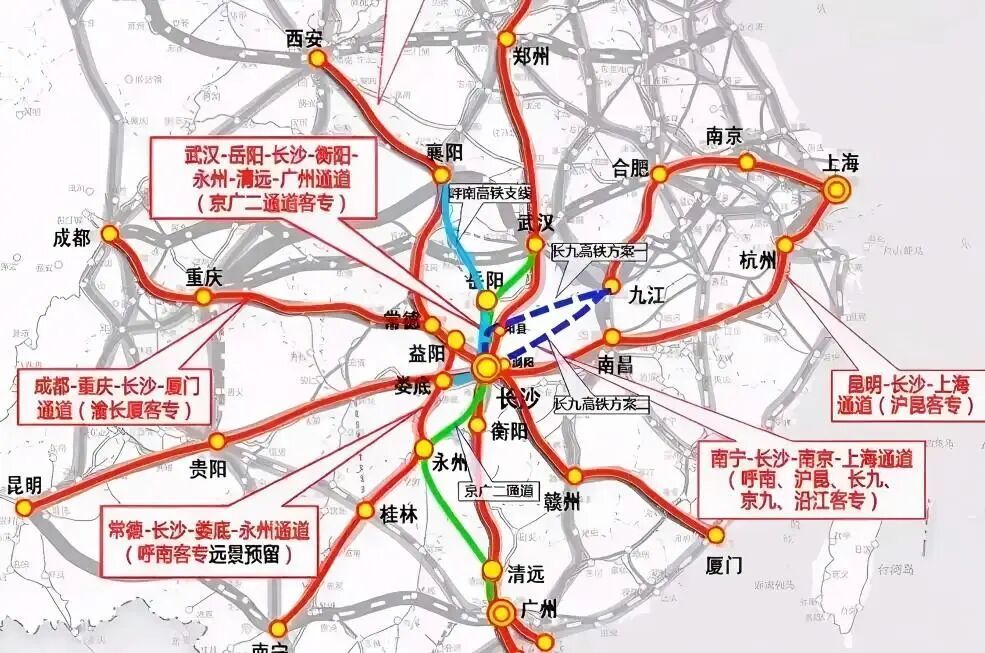
Group 1 - The Hunan Provincial Development and Reform Commission has announced support for six major railway projects, including the Changsha to Jiujiang high-speed railway, which is crucial for establishing a "cross" high-speed rail hub in Changsha [1][2] - The Changsha to Jiujiang high-speed railway is part of a larger network aimed at enhancing connectivity between the Yangtze River Delta and the central and southern regions of China, addressing existing gaps in high-speed rail coverage [2][3] - The Changsha West to Hukun high-speed railway connection line is expected to fill the southwest high-speed rail gap, further solidifying Changsha's position as a key transportation hub [2][3] Group 2 - The construction of the Changsha to Jiujiang high-speed railway has been advocated by representatives from Hunan province during the National People's Congress for several years, emphasizing its importance for regional economic development [3] - The proposed railway is seen as a vital link for the Yangtze River Economic Belt, aiming to enhance transportation efficiency and support national strategies for regional economic coordination [3] - Hunan's representatives are actively seeking to include the Changsha to Jiujiang high-speed railway in the national railway development plan, highlighting its significance for future infrastructure development [3]
多领域“硬核”数据传递积极信号 印证经济韧性强、活力足
Yang Shi Wang· 2025-08-29 03:26
Economic Overview - China's economy is showing a steady and positive trend, with various recent data indicating ongoing development [1] Logistics Sector - The total social logistics volume in China exceeded 200 trillion yuan in the first seven months, reaching 201.9 trillion yuan, a year-on-year increase of 5.2% [4] - The logistics demand in high-end manufacturing and green low-carbon sectors is growing robustly, with logistics for units and household goods increasing by 6.2% year-on-year [4] - The logistics industry generated a total revenue of 8.2 trillion yuan in the first seven months, reflecting a year-on-year growth of 4.9% [13] - The growth momentum in the logistics sector is notably stronger in the central and western regions, with the western region's business volume index reaching 52.3% and the central region at 50.9%, both above the national average [13][15] E-commerce and Online Retail - E-commerce logistics is experiencing diversified development, with online retail sales of physical goods increasing by 6.3% year-on-year, outpacing the growth of total retail sales of consumer goods by 1.5 percentage points [15] International Logistics - International logistics is emerging as a new growth point, with cargo and mail transport volume on international routes reaching 38.8 million tons in the first seven months, a year-on-year increase of 21.5% [17] Data Industry - The scale of China's data industry has surpassed 5.8 trillion yuan, with an expected annual growth rate of over 15% from 2025 to 2030 [10] - The data industry shows a tiered distribution, with the eastern region accounting for nearly 70% of the total industry scale, while the central and western regions account for 17.2% and 13.1%, respectively [20] - The Yangtze River Delta region exhibits significant industry clustering, with over 100,000 data enterprises and a scale accounting for 22.6% of the national total [20]

国新证券每日晨报-20250829
Guoxin Securities Co., Ltd· 2025-08-29 02:16
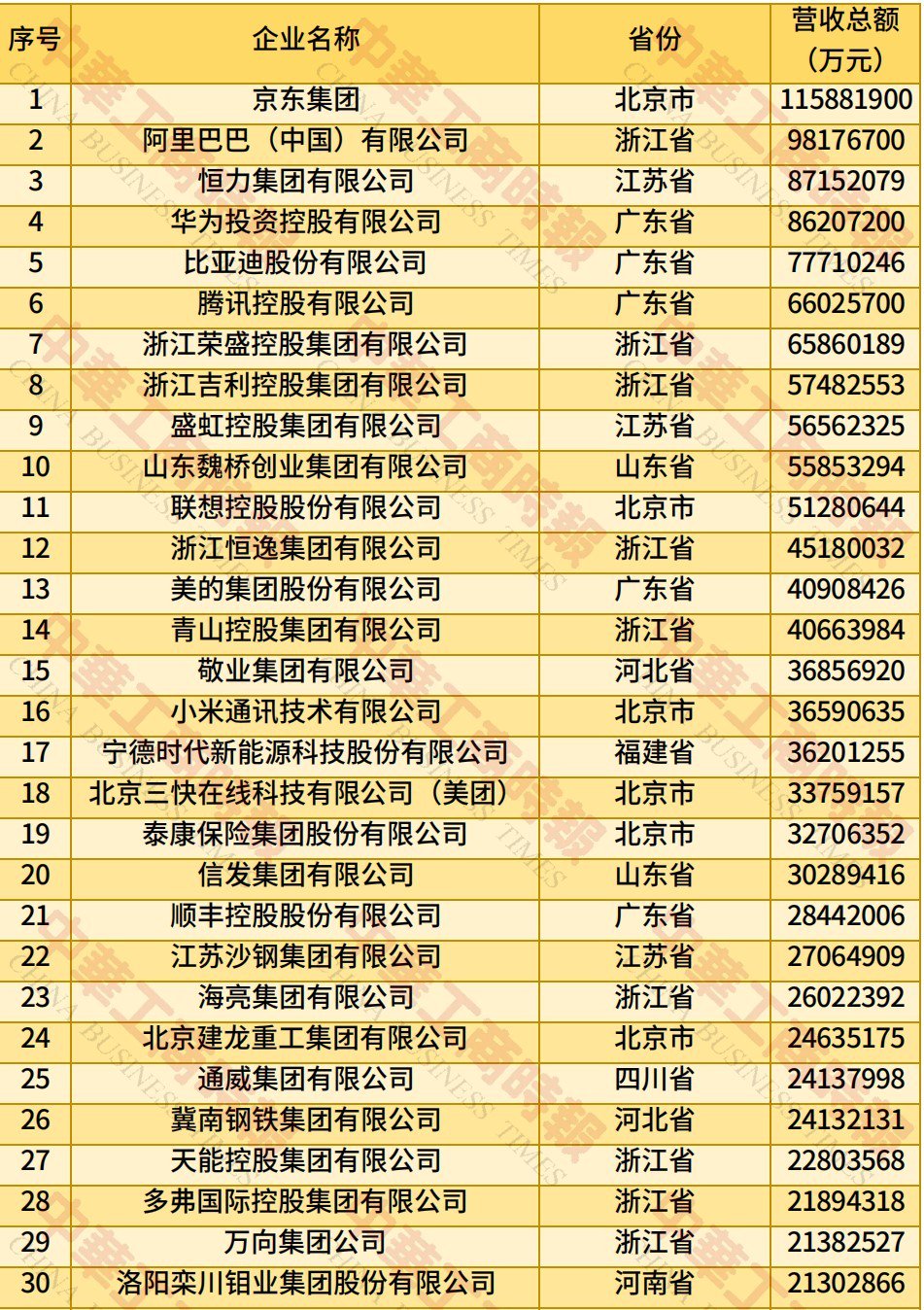
Domestic Market Overview - The domestic market experienced wide fluctuations and a strong rebound on August 28, with the Shanghai Composite Index closing at 3843.6 points, up 1.14%, and the Shenzhen Component Index closing at 12571.37 points, up 2.25% [1][4] - The STAR 50 index rose by 7.23%, and the ChiNext index increased by 3.82%. The total trading volume of the A-share market was 300.09 billion yuan, showing a decrease compared to the previous day [1][4] - Among the 30 first-level industries of CITIC, 22 industries declined, with significant gains in communication, electronics, and comprehensive finance, while coal, agriculture, forestry, animal husbandry, and fishery saw the largest declines [1][4] Overseas Market Overview - On August 28, the three major U.S. stock indices experienced slight gains, with the Dow Jones up 0.16%, the S&P 500 up 0.32%, and the Nasdaq up 0.53%. Notably, Google rose over 2% [2][4] - The U.S. technology giants index increased by 0.47%, with significant gains from companies like Cisco and Salesforce, which rose over 1% [2][4] - Chinese concept stocks showed mixed results, with Ctrip Group rising nearly 15% and Newegg falling over 18% [2][4] Key News - The Central Committee of the Communist Party of China and the State Council issued opinions on promoting high-quality urban development, aiming for significant progress in modern urban construction by 2030 [3][11] - The Central Education Working Group released an action plan for optimizing the adjustment of higher education disciplines and majors from 2025 to 2027, focusing on establishing a coordinated mechanism and improving the talent supply-demand matching system [3][12] - The 28th China-Canada Economic and Trade Joint Committee was held in Ottawa, focusing on improving bilateral economic relations and addressing trade concerns [3][13][14] - The "2025 China Top 500 Private Enterprises" list was released, with JD Group, Alibaba, and Hengli Group ranking in the top three, and the total revenue of these enterprises reaching 43.05 trillion yuan [3][16]
城市24小时 | 曾经的“文化荒漠”,要逆袭了
Mei Ri Jing Ji Xin Wen· 2025-08-28 16:07
Group 1: Shenzhen's Cultural Development - Shenzhen aims to become a city with significant national and global influence through its museums, showcasing its development history and cultural heritage [1][2] - The city has implemented a "cultural city" strategy since 2003, with a focus on building ten major cultural facilities to international standards, including museums and exhibition centers [1][2] - As of 2024, Shenzhen has 65 registered museums, ranking second in Guangdong province, with the highest number of non-state-owned museums [2] Group 2: National Urban Development Policies - The central government has released guidelines emphasizing the importance of urban development in modernizing cities and improving residents' quality of life [4] - The guidelines call for a shift in urban development focus towards quality enhancement, efficiency, and sustainable practices [4] - By 2030, significant progress is expected in building modernized cities, with improved policies and living conditions [4] Group 3: Satellite Communication Industry - The Ministry of Industry and Information Technology has issued guidelines to optimize the satellite communication industry, aiming for significant growth by 2030 [5] - The guidelines include enhancing management systems, fostering innovation, and expanding user bases in satellite communication [5] Group 4: Data Industry Growth - China's data industry is experiencing an annual growth rate exceeding 15%, with a significant concentration in the eastern region [14][15] - The industry is characterized by a tiered distribution, with the eastern region accounting for 69.7% of the national scale [15] - The Long Triangle region shows a strong clustering effect, hosting over 100,000 data enterprises [15]
中国移动副总经理张冬:创新数据引擎,激活产业动能
Huan Qiu Wang· 2025-08-28 11:45
Core Viewpoint - The event highlighted the rapid integration of artificial intelligence into various sectors, creating new opportunities for the data industry while also addressing existing challenges such as data silos and high governance costs [3][4]. Group 1: Infrastructure Development - China Mobile has established the world's largest network infrastructure with over 2.59 million 5G base stations and has launched the first large-scale commercial 5G-A network, providing gigabit broadband to 500 million households [4]. - The company is investing in computing power infrastructure, achieving a computing scale of 61 EFLOPS and establishing national computing power hub nodes [4]. - The "Wutong Big Data Platform" has been developed to efficiently process massive data, with core data assets exceeding 2000 PB and training data for large models surpassing 10 trillion tokens [4]. Group 2: Data Resource Supply - China Mobile is creating a big data ecosystem platform, offering a "central kitchen" for data processing, compliance, and product development to partner enterprises [5]. - The company is leveraging its technological advantages to assist state-owned enterprises like CNOOC and China Communications Construction in overcoming data utilization challenges [5]. - Collaborative efforts are being made to build data annotation bases in Baoding and Changsha, enhancing the quality of industry data sets [5]. Group 3: Application Expansion - In the public service sector, over 500 application scenarios have been developed, utilizing vast amounts of public data for governance [6]. - The company has implemented a digital rural management platform in Guizhou, covering 17,926 administrative villages and addressing employment challenges [6]. - In emergency management, a real-time disaster response system has been established, providing over 2,100 reports and assisting more than 100 million disaster-affected individuals [6]. Group 4: Collaborative Development - The company emphasizes the need for a collaborative approach to advance the data industry, focusing on enhancing information infrastructure and expanding quality data resource supply [7]. - A "Ten-Hundred-Thousand" partnership plan is proposed to explore data application scenarios and facilitate the flow of data elements [7]. - The goal is to contribute significantly to the construction of a digital China and promote high-quality economic and social development [7].