智能酿造

Search documents
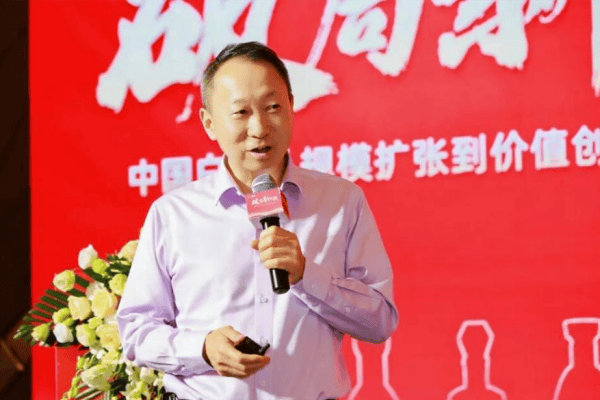
吴建峰:穿越白酒新周期 智能酿造与消费价值共创
Sou Hu Cai Jing· 2025-10-18 05:42
Core Insights - The forum titled "Breaking the New Cycle: Strategic Transformation of Chinese Baijiu from Scale Expansion to Value Innovation" was held in Nanjing, highlighting the industry's shift towards value creation amidst changing market dynamics [1] Industry Analysis - The Chinese baijiu industry is experiencing significant changes, with national production dropping from 13.58 million kiloliters to 4.15 million kiloliters, indicating the disappearance of scale dividends and the onset of stock competition [2] - The industry faces challenges such as overcapacity, a shift in consumer demographics, and competition from diverse alcoholic beverages [2] Company Strategy - Company is focusing on "smart brewing" and "co-creation of consumer value" as strategies to navigate the current market challenges [2] - The company is enhancing its manufacturing capabilities through smart technology across four dimensions: sourcing quality raw materials, intelligent brewing processes, long-term storage using ceramic jars, and precision management through digital systems [2] Consumer Engagement - The company aims to create value for different consumer segments by establishing three-dimensional value anchors: quality-price ratio supported by smart brewing, cost-performance ratio highlighted by mid-range pricing, and emotional connection through cultural recognition [3] - The company is transitioning from "we brew" to "we co-create" with consumers, emphasizing a collaborative ecosystem that benefits both the company and its customers [3]


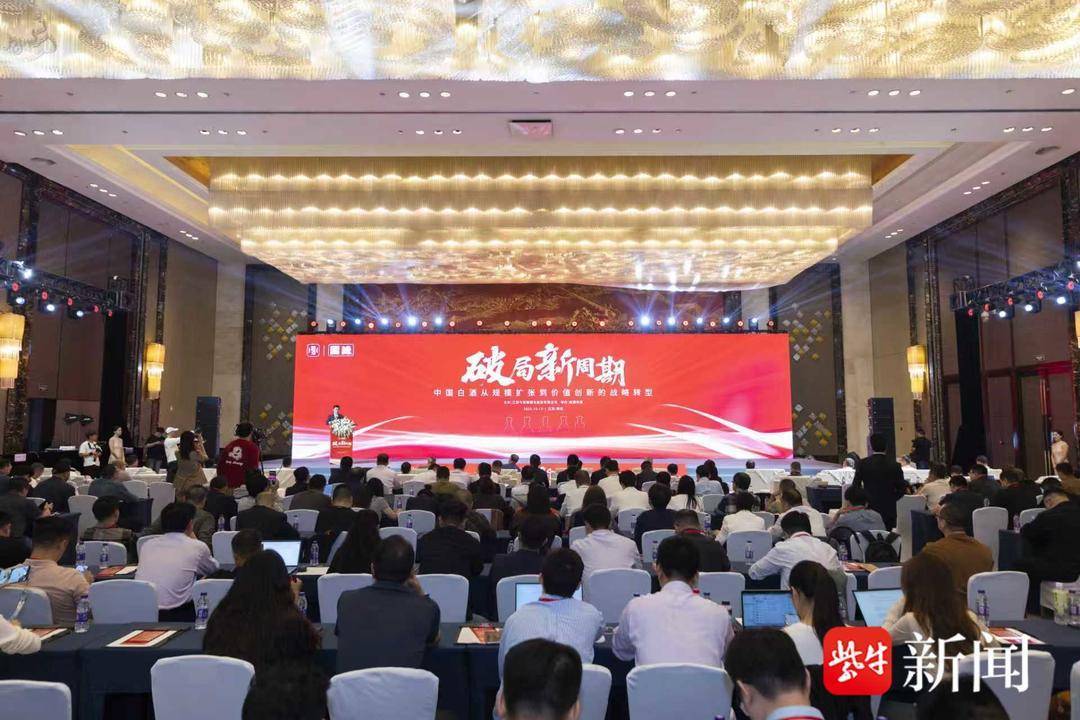
“破局新周期”白酒主题论坛在南京成功举办行业共识:价值创新成高质量发展必由之路
Sou Hu Cai Jing· 2025-10-17 07:45
Core Insights - The forum titled "Breaking the New Cycle: Strategic Transformation of Chinese Baijiu from Scale Expansion to Value Innovation" highlighted the industry's shift towards value innovation as a necessary choice for high-quality development [1] Industry Overview - The Chinese liquor industry is entering a critical period characterized by deep adjustments, increased differentiation, and intertwined transformation and innovation [3] - The industry consensus emphasizes the transition from "scale expansion" to "quality, innovation, and harmonious coexistence" as a common theme for all stakeholders [3] - The macroeconomic context suggests that future growth points will focus on "hard technology," particularly in artificial intelligence, with consumer upgrades leaning towards "high brand," "high quality," and "high taste" [3] Market Trends - The analysis from Haitong Securities indicates that the online transformation will be a core driver of channel changes in the liquor industry, following trends seen in other sectors over the past five years [5] Company Strategies - In response to industry challenges, companies like Jinshiyuan are leveraging smart brewing and digital management to ensure quality and traceability throughout the production and consumption process [6] - Jinshiyuan is focusing on creating value through consumer engagement by introducing low-alcohol and mixed drink products aimed at younger demographics [6] - The company emphasizes internal capabilities and strategic focus on mid-range products, targeting the mid-to-high-end market while fostering connections with younger consumers [6] Value Innovation - The discussion led by Shengchu Group's chairman highlighted three areas for value innovation: enhancing product quality and consumer experience, improving the sustainability of dealer profitability, and building differentiated competitive advantages for the brand [7] - The consensus among forum participants is that the current cyclical adjustment is a necessary phase towards maturity and high-quality development, with multi-dimensional value innovation being the core path to navigate through the cycle [7] Brand Presence - Jinshiyuan showcased its strong brand presence at the Autumn Sugar Conference, attracting attention with a large exhibition area centered around "Yuan Culture" and engaging with numerous dealers and consumers [8] - Feedback from consumers indicates a positive shift in perception of traditional Baijiu, highlighting its potential for modern and creative consumption experiences [8]
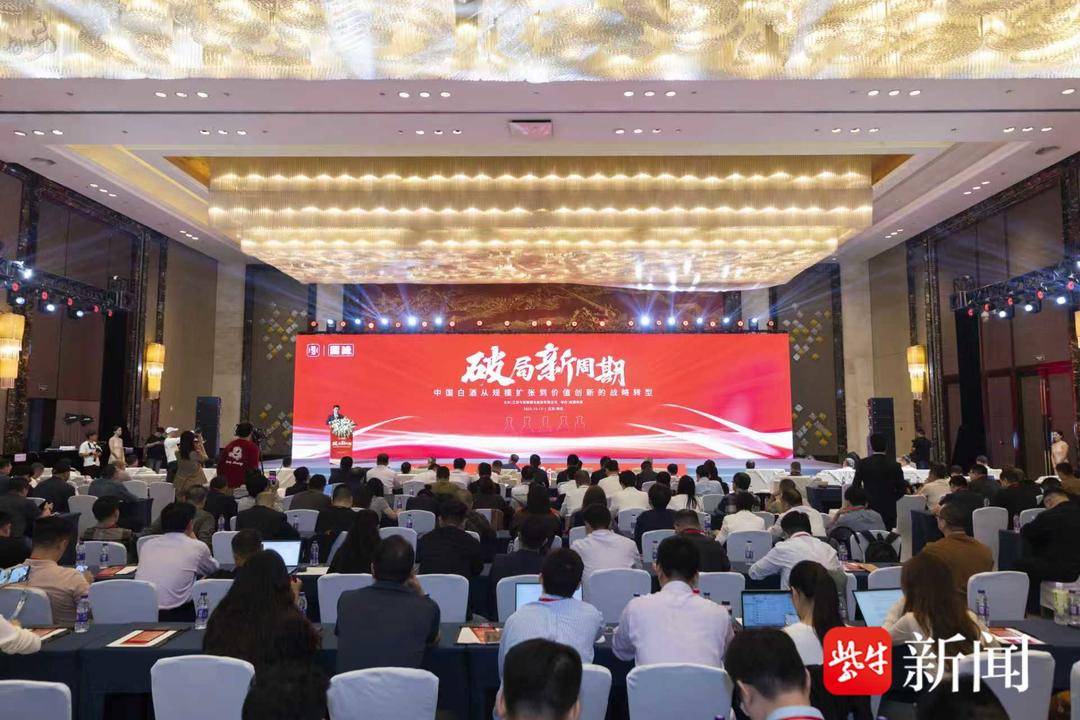
“破局新周期”白酒主题论坛在南京成功举办 行业共识:价值创新成高质量发展必由之路
Yang Zi Wan Bao Wang· 2025-10-17 07:34
Core Viewpoint - The forum highlighted the strategic shift in the Chinese liquor industry from scale expansion to value innovation as a necessary choice for high-quality development [1][3][7]. Industry Overview - The Chinese liquor industry is entering a critical period of deep adjustment, characterized by increasing differentiation and the need for innovative transformation [3]. - The industry consensus emphasizes the importance of "quality value" as a fundamental development principle, "innovation value" as a driving force, and "harmonious coexistence" as a key aspect of future development [3]. Economic Insights - A macroeconomic perspective shared at the forum indicated that future economic growth will focus on "hard technology," particularly in artificial intelligence, with consumer upgrades leaning towards "high brand," "high quality," and "high taste" [3]. Market Trends - The analysis from Haitong Securities highlighted three dimensions of future development trends in the liquor industry: volume-price cycles, product cycles, and channel cycles, with an emphasis on the increasing importance of online sales [5]. Corporate Strategies - Companies are encouraged to adopt smart brewing and value co-creation as breakthrough strategies in response to industry challenges, with a focus on quality and digital management for traceability [6]. - The need for brands to establish emotional connections and value recognition with new-age consumers is emphasized, alongside internal strengthening to navigate industry changes [6]. Value Innovation - The discussion pointed out three areas for advancing value innovation: enhancing product quality and consumer experience, improving the profitability of distribution systems, and building differentiated competitive advantages for sustainable development [7]. - The consensus among industry participants is that the current cyclical adjustment is a necessary phase towards maturity and high-quality development, with multi-dimensional value innovation being the core path to navigate through the cycle [7]. Brand Presence - As the host of the forum, the company showcased its strong brand presence at the event, attracting attention from numerous distributors and consumers, indicating a successful engagement strategy [8].
智能酿造开启精酿啤酒新变革
Zhong Guo Jing Ji Wang· 2025-10-11 03:01
Core Insights - Yunyang Intelligent Technology Co., Ltd. has developed an innovative brewing process that allows for the production of craft beer with only one staff member required [1] - The company’s smart saccharification equipment and cloud-based brewing recipes enable efficient operation, particularly suited for craft breweries with limited space [1] - The introduction of a home brewing machine caters to consumer demand for personalized and diverse beer options, allowing users to create various fermented beverages at home [1] Company Overview - Yunyang Technology's fermentation production line streamlines the brewing process from saccharification to fermentation, reducing labor costs while ensuring consistent quality [1] - The company’s general manager, Zhao Chengming, highlighted the multifunctionality of the home brewing machine, which can also produce sparkling wine, probiotic drinks, and kombucha [1] Industry Trends - There is a growing consumer demand for personalized and diverse beer options, prompting innovations in home brewing technology [1] - The trend towards automation and smart technology in the brewing industry is evident through the development of cloud-based brewing solutions [1]
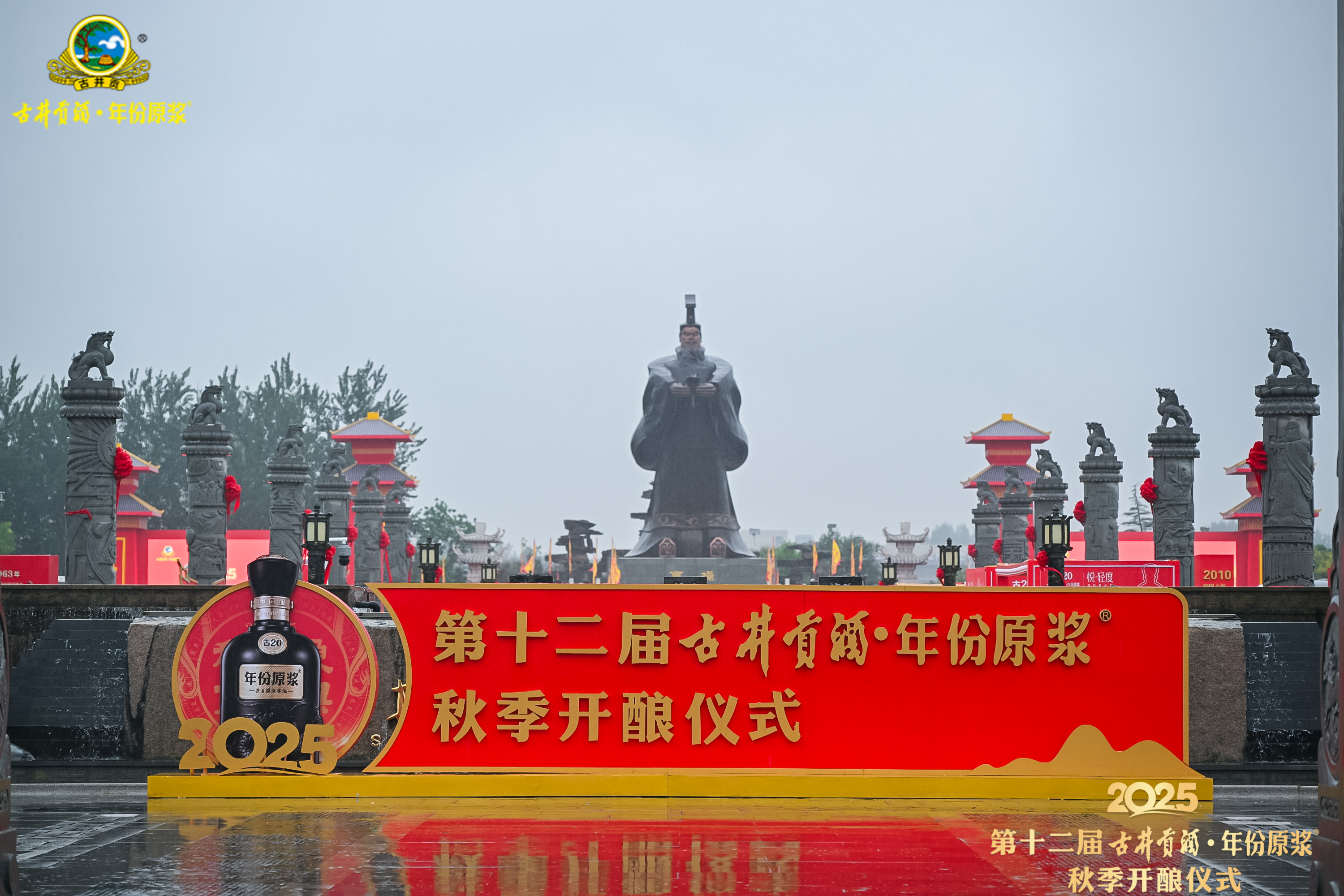
问泉千年何为酒,古井秋酿是答卷
Qi Lu Wan Bao· 2025-10-10 07:36
Core Viewpoint - The 2025 Autumn Brewing Ceremony of Gujinggongjiu marks the twelfth consecutive year of this tradition, emphasizing the brand's commitment to quality and cultural heritage in the liquor industry [1][4]. Group 1: Tradition and Cultural Significance - The ceremony includes a public worship of the "Wine God" Cao Cao, highlighting the historical significance of Gujinggongjiu as a tribute wine since the Han Dynasty [4][8]. - The event is not just about brewing but also about expressing gratitude towards nature, ancestors, and the adherence to traditional brewing methods [4][9]. Group 2: Innovation and Modernization - This year's ceremony has evolved into the "Autumn Brewing Cultural Week," extending the event to a week-long celebration that integrates with the World Manufacturing Conference in Hefei [5]. - The introduction of "Four Regions Brewing" signifies a strategic expansion, enhancing brand presence and market strategy through a diversified product matrix [9][10]. Group 3: Technological Integration - Gujinggongjiu is leveraging smart technology in its brewing process, combining traditional methods with modern automation to enhance efficiency and quality [10][14]. - The "1+1" production model emphasizes the balance between traditional craftsmanship and modern digital techniques, aiming for a seamless integration of both [10][14]. Group 4: Market Adaptation and Consumer Engagement - The brand is responding to evolving consumer trends by offering a diverse range of products that cater to contemporary preferences for health and personal expression [15][17]. - The focus on cultural innovation reflects Gujinggongjiu's understanding of the changing landscape of liquor consumption, moving beyond mere product offerings to creating immersive experiences [15][17]. Group 5: Strategic Vision for Future Growth - The ceremony encapsulates Gujinggongjiu's philosophy of "perseverance, transformation, and elevation," which is essential for achieving high-quality development in the liquor industry [18].

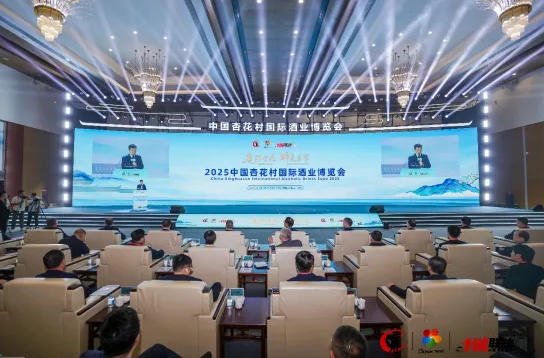
2025中国杏花村国际酒业博览会盛大开幕!
Qi Lu Wan Bao· 2025-09-30 02:46
Core Insights - The 2025 China Xinghua Village International Wine Expo has officially opened, themed "Pointing to Xinghua, Beautiful Luliang," gathering global wine industry elites to discuss future development and build a high-end platform for cultural exchange [1][12]. Industry Overview - The Chinese liquor industry has a history of over a thousand years and has become a significant pillar of the national economy, with an annual output value exceeding 1 trillion yuan and over 10 million practitioners [6]. - The industry plays a crucial role in rural revitalization, driving the development of the entire supply chain, including planting, processing, packaging, logistics, and tourism [6]. Event Highlights - The expo spans three days from September 29 to October 1, focusing on promoting industrial development and investment trade, showcasing Luliang's liquor products and technology brands [14]. - The exhibition area covers 30,000 square meters with eight major exhibition zones, attracting nearly 500 domestic and international enterprises, including over 300 international brands from more than 20 countries and regions [18]. Key Participants - Notable attendees include government officials, industry leaders, and representatives from various associations and research institutions, highlighting the event's significance in the liquor industry [3][4][11]. Strategic Goals - Luliang aims to establish itself as a world-class core production area for clear-flavored liquor, with a production capacity of 500,000 tons and a revenue exceeding 60 billion yuan from the entire industry chain [9]. - The focus is on high-quality development, expanding domestic and international markets, and enhancing the brand value of clear-flavored liquor [9][20]. Future Directions - The expo will feature over 30 specialized activities, emphasizing the integration of technology and culture, and aims to inject new vitality into economic development [16]. - The event serves as a platform for promoting international cooperation and cultural exchange in the liquor industry, with an emphasis on building a new global ecosystem [6][12].

中国杏花村酒博会即将启幕,全球名酒齐聚助推产业发展
Qi Lu Wan Bao· 2025-09-26 01:05
Core Insights - The 2025 China Xinghua Village International Wine Expo will be held in Fenyang, showcasing nearly 500 domestic and international wine enterprises, emphasizing the integration of technology, culture, and consumption [1][3][4] - The expo serves as a key platform for Chinese wine culture to connect with the international market, highlighting the success of the Lüliang wine region as a model for innovation in the industry [3][4] - The event is expected to significantly boost local economic development, with Fenyang's GDP reaching 37.627 billion yuan in 2024, reflecting a 170.5% increase since 2016 [4] Industry Development - The expo aims to elevate industry standards and reshape the development landscape by promoting collaboration and technological innovation among global wine enterprises [5][6] - Over 30 specialized activities will take place during the expo, including high-level conferences and awards that provide authoritative product quality certification [6] - The integration of cultural and technological elements will be showcased through smart brewing technologies and blockchain traceability, enhancing the consumer experience [6] Economic Impact - The expo has a strong impact on local economic growth, with previous events generating sales in the millions of yuan, demonstrating its effectiveness in driving explosive marketing for wine products [4] - The event is positioned as a new urban brand for Fenyang, contributing to high-quality regional economic development [4][5]
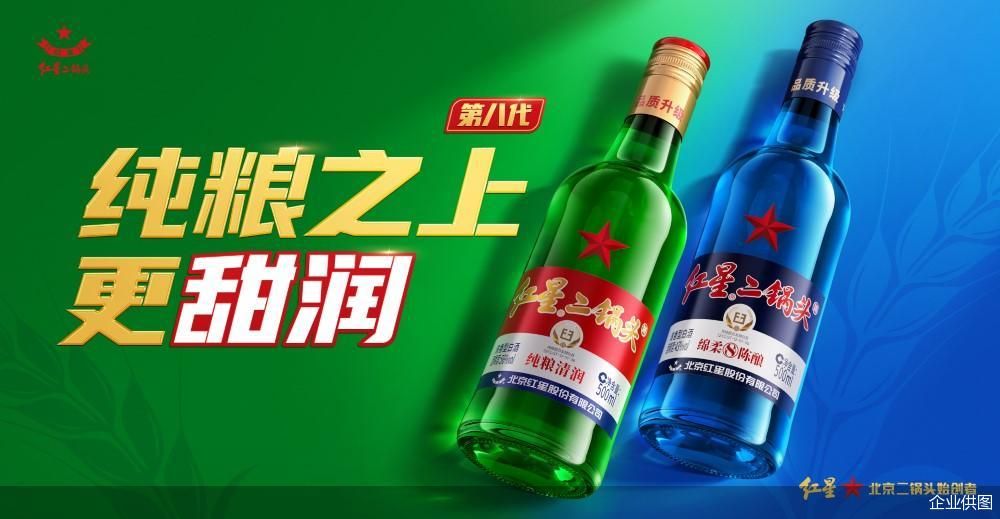
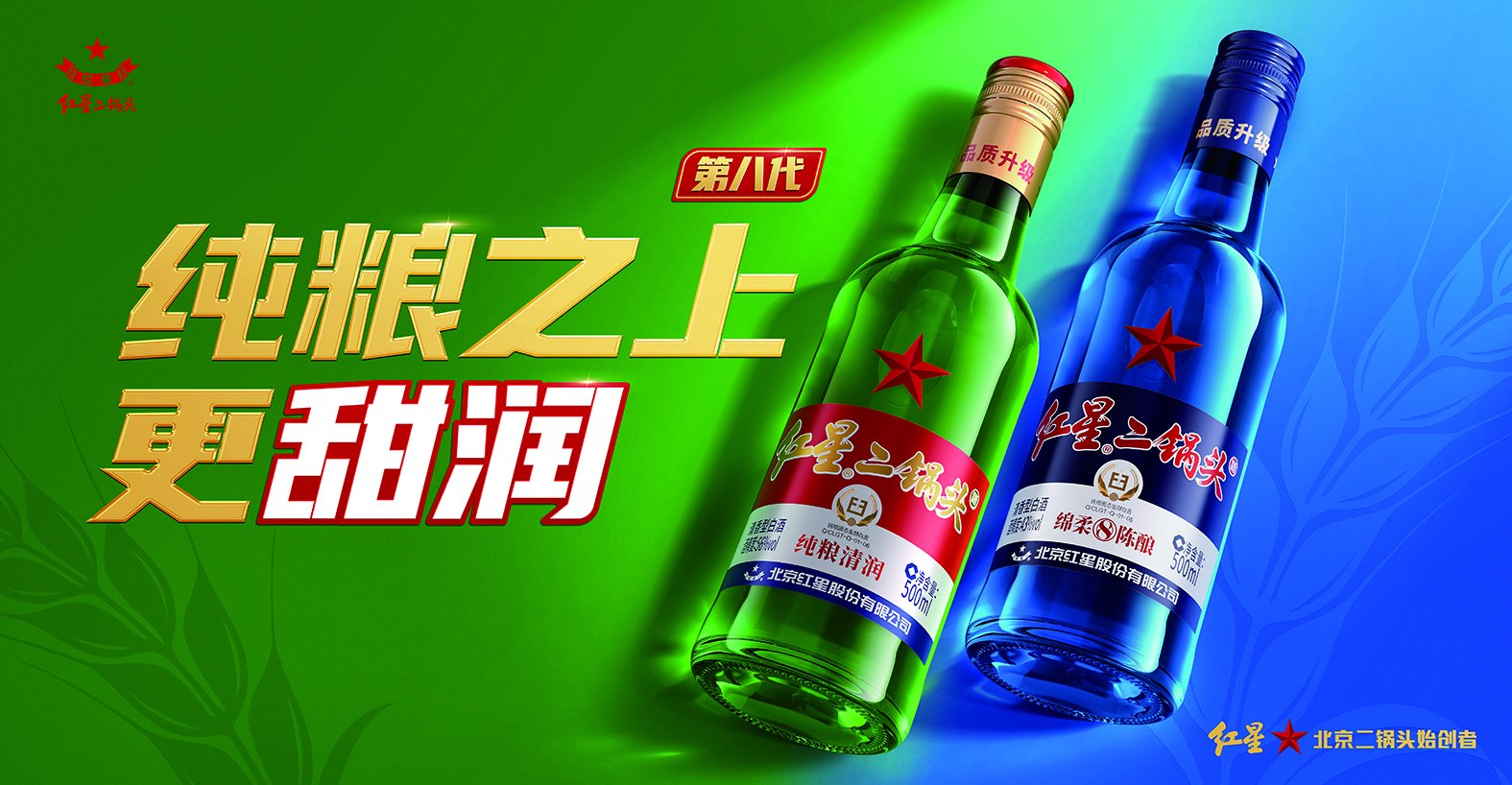
甜润来袭 红星二锅头重新定义口粮酒标杆
Bei Jing Shang Bao· 2025-09-25 07:21
Core Viewpoint - The launch of the eighth generation of Hongxing Erguotou marks a significant upgrade in taste and quality, driven by innovative brewing techniques and a focus on consumer preferences [3][14][22] Product Upgrade - The eighth generation of Hongxing Erguotou features a prominent "sweet and smooth" taste, enhancing the drinking experience with a warm and rich flavor profile [4][6] - The new brewing process includes the "231 intelligent Daqu cultivation" model, which improves the diversity and richness of microorganisms, leading to a more flavorful product [9] - The fermentation time for the base liquor has been extended, resulting in a greater variety and quantity of flavor compounds [11] - The design team utilizes advanced detection technology to integrate human flavor perception with digital flavor control, achieving precise and controllable brewing [9][13] Value Proposition - Hongxing Erguotou has maintained a commitment to high quality while adapting to consumer trends, emphasizing the importance of "drinking less but better" [14][16] - The company has proactively implemented pure grain certification, becoming the first in Beijing to have all its light bottle products certified, enhancing its market position [16] - The production process includes 45 steps, 102 links, and 398 standardized procedures to ensure consistent quality and high cost-performance ratio [16] Packaging and Design - The packaging of the eighth generation product combines ergonomic and aesthetic elements, featuring a design that minimizes transport damage and enhances user experience [19] - The bottle design reflects a blend of modern and traditional elements, evoking emotional connections with consumers [19] Market Positioning - The light bottle liquor market is becoming increasingly competitive, with various brands vying for market share [22] - The eighth generation of Hongxing Erguotou not only aligns with consumer trends but also responds to market demands with superior quality and experience, showcasing strong market competitiveness [22] - The company aims to leverage its high cost-performance advantage to unlock growth potential and achieve a new phase of brand and market expansion [22]
第八代红星二锅头重塑国民口粮酒品质标杆
Zhong Guo Zhi Liang Xin Wen Wang· 2025-09-24 03:14
Core Viewpoint - The launch of the eighth generation of Hongxing Erguotou marks a significant upgrade in quality, emphasizing a "sweet and smooth" flavor profile while maintaining the brand's commitment to traditional craftsmanship and affordability [1][7]. Product Innovation - The eighth generation includes two classic series: "Small Er" and "Blue Bottle," integrating traditional brewing techniques with modern technology to enhance product quality [3]. - The upgrade features an intelligent enhancement of the Qingxiang Daqu process, resulting in a longer fermentation time and a richer variety of flavor compounds, leading to a purer and smoother taste [3][5]. - The proprietary "231 Intelligent Qu Making Code" optimizes the brewing process by controlling raw materials and fermentation conditions, achieving a harmonious balance of flavors [3][5]. Brand Philosophy - Hongxing emphasizes high cost-performance, allowing consumers to purchase higher quality liquor at lower prices, aligning with the current trend of rational consumption [7][8]. - The brand has established itself as a leader in the Erguotou category, setting standards for quality and driving modernization through digitalization of brewing techniques [7][8]. Transparency and Consumer Engagement - The company has implemented a transparent production process, allowing consumers to trace the entire journey from raw materials to the final product through a QR code system [6][8]. - A 24-hour live stream across major platforms enables real-time monitoring of the production process, enhancing consumer trust [6]. Historical Context - The history of Hongxing Erguotou dates back to 1949, with a legacy of producing quality liquor that resonates with consumers' memories and experiences [1][8]. - The brand's evolution reflects a commitment to both tradition and innovation, ensuring that each generation of Erguotou meets contemporary consumer demands while honoring its heritage [8].
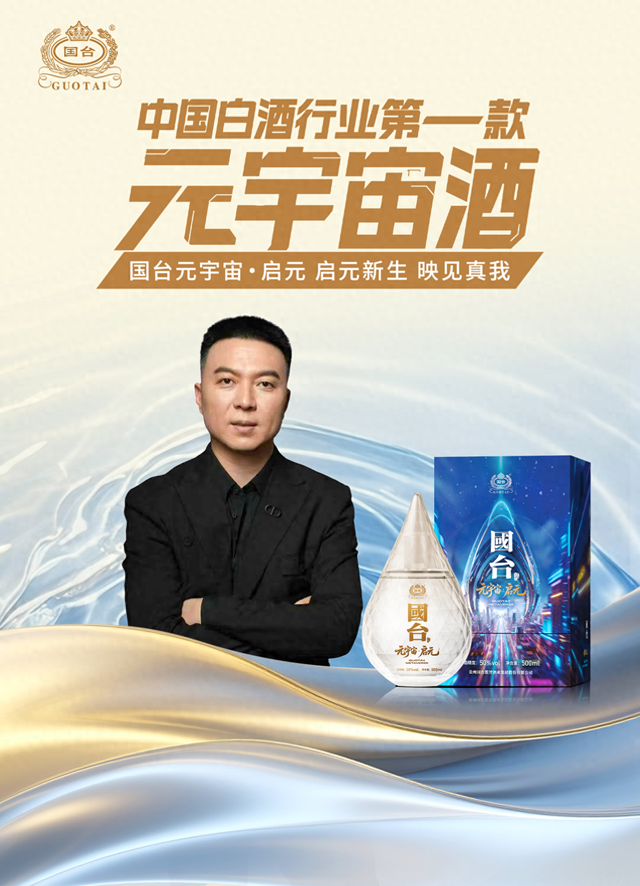
首款元宇宙白酒上市,国台元宇宙·启元直播间半小时销售百万元
Xin Lang Cai Jing· 2025-09-22 09:34
Core Viewpoint - The launch of Guotai Metaverse Qiyuan liquor marks the first metaverse-themed product in China's liquor industry, achieving over 1 million yuan in sales within half an hour of its online debut [1] Group 1: Product Launch and Sales Performance - Guotai Metaverse Qiyuan liquor was officially launched on September 21, achieving over 1 million yuan in sales within the first half hour [1] - The product is exclusively sold online, priced at 358 yuan per bottle [11] Group 2: Innovation and Technology - Guotai has developed an intelligent brewing production system through over ten years and six iterations of technological upgrades, resulting in 30 processes, 274 craft links, and 1508 indicators [5] - The product incorporates three core technological innovations: flavor balance technology, digital blending system, and a 50° soft sauce aroma [7][8] Group 3: Unique Product Features - The bottle design resembles a water droplet, inspired by a sci-fi concept, enhancing its metaverse attributes [9][11] - The product aims to provide a new drinking experience for modern consumers, particularly targeting new business individuals and trendsetters [13]