智能驾驶

Search documents
激光雷达专题报告:智能驾驶+机器人,激光雷达需求持续上升
Dongguan Securities· 2026-03-30 09:02
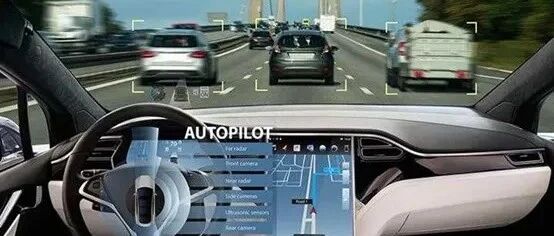
Investment Rating - The report maintains an "Overweight" rating for the industry, focusing on smart driving and robotics, with a continuous rise in demand for LiDAR technology [2][6]. Core Insights - LiDAR is an essential sensor for advanced intelligent driving, effectively addressing the limitations of pure vision systems in extreme lighting conditions. The cost of a single LiDAR unit has significantly decreased from tens of thousands to the range of 2,000 to 3,000 yuan, paving the way for widespread adoption and commercial profitability expected in 2025 [6][25]. - The midstream manufacturing landscape is highly concentrated, with major players like Huawei, Hesai, Suteng, and Tudatong expected to dominate the passenger vehicle market, capturing 99.9% of the market share by 2025 [6][22]. - The penetration rate of urban Navigation on Autopilot (NOA) is projected to rise from 6.7% at the beginning of 2025 to 17.9% by year-end, with an estimated 2.67 million vehicles insured with this technology [6][35]. - The Robotaxi sector is entering a phase of commercial explosion, with significant revenue growth expected for companies like Pony.ai and WeRide, indicating a successful business model [6][62]. - The robotics sector is emerging as a new growth curve for LiDAR, with companies like Suteng and Hesai experiencing substantial sales increases in this area, indicating a shift in industry valuation logic [6][32]. Summary by Sections 1. LiDAR Overview - LiDAR technology is defined as an active remote sensing method using laser pulses to measure distances and create 3D models, offering advantages over traditional sensors [13][21]. - The industry is transitioning from mechanical LiDAR to hybrid solid-state and pure solid-state LiDAR, with the latter expected to dominate the market due to its reliability and cost-effectiveness [19][25]. 2. Future Demand for LiDAR - The demand for LiDAR is anticipated to grow rapidly, driven by increasing penetration rates of NOA and the mandatory adoption of Automatic Emergency Braking (AEB) systems, which will enhance safety and performance [34][44]. - The Robotaxi market is projected to see significant growth, with companies reporting substantial increases in revenue and user engagement, indicating a shift towards a sustainable business model [62][63]. 3. Key Companies in the LiDAR Industry - Major players in the LiDAR market include Hesai Technology and Suteng, which are expected to lead in sales and profitability, with significant market shares in both automotive and robotics applications [6][28][32]. - The report highlights the competitive landscape, emphasizing the dominance of a few key companies in the midstream manufacturing segment, which is crucial for the commercialization of LiDAR technology [22][27].
适配L2-L4全级别,北京率先启动智驾车险开发应用
第一财经· 2026-03-30 05:25
Core Viewpoint - Beijing has taken the lead in developing and applying commercial insurance products for intelligent connected new energy vehicles, covering levels L2 to L4, to address public expectations for safety in smart driving and support high-quality industrial development [3][5]. Group 1: Development of Insurance Products - The rapid development of the intelligent connected vehicle industry has necessitated the creation of specialized insurance products that can accurately cover the unique risks and scenarios associated with smart vehicles [5]. - Existing car insurance products are inadequate for L3 and L4 levels of automation, as they primarily define drivers based on traditional human-operated scenarios [6]. - The China Insurance Industry Association is organizing efforts to develop specialized insurance products that will optimize existing new energy vehicle insurance, clarifying definitions and expanding coverage [6][9]. Group 2: Implementation and Coverage - Initially, the specialized insurance products will be available primarily for new energy vehicles purchased in Beijing, allowing owners to choose between these new products and existing insurance options [6][7]. - For L3 and L4 automated vehicles, the specialized products will apply to those legally tested or authorized for road use in Beijing, providing comprehensive risk coverage [7]. - The Beijing Financial Regulatory Bureau emphasizes that "smart driving insurance" should not be misconstrued as a "universal insurance," as drivers remain responsible for ensuring safety while using automated features [7]. Group 3: Collaboration and Standards - The implementation of these specialized products involves collaboration between the Beijing Financial Regulatory Bureau, the China Insurance Industry Association, and major insurance companies to develop product terms and pricing [9][10]. - A cross-industry data exchange mechanism is being established to facilitate the efficient sale and claims processing of these specialized products [9]. - The specialized products will maintain consistency with existing car insurance frameworks to ensure legal compliance and protect the rights of victims in traffic accidents [10].

德赛西威20260327
2026-03-30 05:15
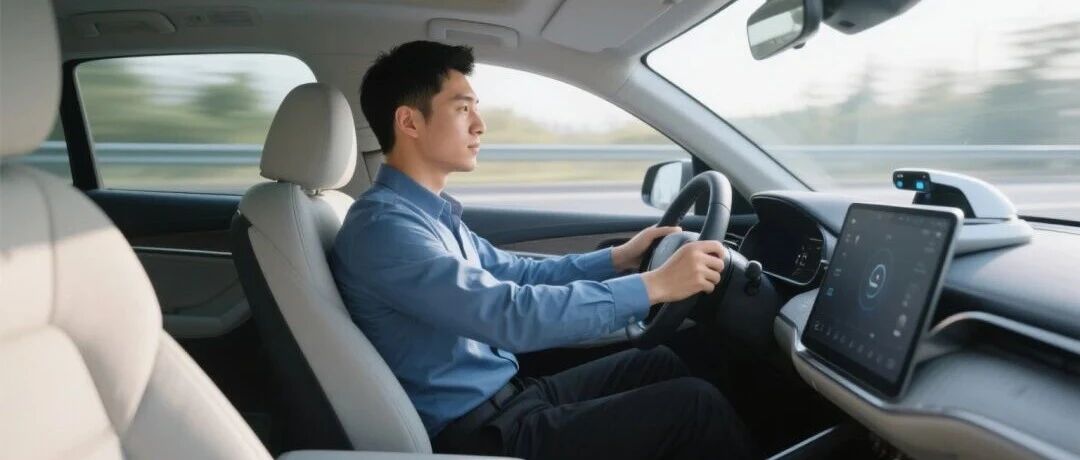
Summary of Conference Call for Desay SV Automotive Company Overview - **Company**: Desay SV Automotive - **Industry**: Automotive electronics and intelligent driving solutions Key Points Financial Performance and Projections - **Gross Margin**: Expected fluctuations in 2026 due to increased OEM model share and low-margin sensor shipments, but overall stability is anticipated [2][4] - **Cost Management**: Storage chip costs have doubled, but the company successfully transferred costs to downstream clients and gained orders from competitors facing chip shortages [2][5] - **Revenue Recognition**: New order amounts disclosed annually are based on the full lifecycle, with revenue recognition varying by project, some completed within the year and others over two to three years [3] Product Development and Market Position - **Humanoid Robots**: Orders for humanoid robot domain controllers using NVIDIA solutions have been secured, with mass production expected in 2026 [2][6] - **Autonomous Vehicles**: The company is entering the market with a focus on logistics and urban delivery, leveraging its expertise in automotive-grade products without engaging in price wars [7] - **Product Offerings**: The Orin Y solution for autonomous vehicles was developed by the end of 2025, with ongoing development for other platforms [7][8] International Expansion - **Overseas Business Growth**: Significant growth is projected for 2027-2028, with a focus on Europe and Southeast Asia. A high-tech driving domain control project for Tata Motors is set for mass production in Q4 2026, valued at approximately 1.7 billion yuan [2][9] - **Market Strategy**: The company aims for 20% of revenue from overseas by 2030, supported by its Spanish factory and advanced driving technologies [2][16] Customer Base and Concentration - **Client Diversification**: The largest customer now accounts for less than 15% of sales, reducing dependency on any single client [2][10] - **Strategic Partnerships**: Collaborations with major automotive manufacturers like Honda and Volkswagen have been established [10] Product Pricing and Trends - **Price Trends**: Prices for intelligent driving domain controllers are slightly declining, with specific price points for various chip solutions detailed [11] - **Integrated Solutions**: The cabin and driving integration solution is expected to save clients about 20% in costs, with a product launch anticipated in H1 2026 [12] Inventory and Supply Chain Management - **Inventory Management**: Increased inventory levels are due to proactive stocking in response to rising raw material prices, not directly linked to customer vehicle iteration speeds [13] - **Supplier Relationships**: Strong relationships with suppliers allow the company to secure priority supply amidst chip shortages [5][15] Future Outlook - **Growth Expectations**: The company has not provided specific revenue and profit guidance for 2026 but anticipates a doubling of sensor shipments and increased penetration of high-value products [19] - **Logistics Vehicle Orders**: Information on logistics vehicle orders will be disclosed mid-2026, with modest growth expected in overseas business for that year [20][21] Additional Notes - **HUD Business**: The HUD business is expected to double in sales in 2026, with efforts focused on market penetration in 2025 [17] - **Hong Kong Listing**: Plans for a Hong Kong listing are ongoing, with hopes to complete by the end of 2026 [18]
智驾车专属商业险,来了→
第一财经· 2026-03-30 03:57
Core Viewpoint - Beijing is the first in the country to initiate the development and application of commercial insurance for intelligent connected new energy vehicles, optimizing existing insurance to accommodate L2 to L4 levels of intelligent connected vehicles [1][2]. Group 1: Reasons for Developing Dedicated Insurance - The rapid development of the intelligent connected vehicle industry and the widespread application of advanced technologies have changed traffic accident risk factors, scenarios, and loss patterns, making existing commercial vehicle insurance inadequate for the unique damage causes and scenarios of intelligent connected vehicles [2]. Group 2: Features of the New Product - The new product will largely follow the existing new energy commercial vehicle insurance system, providing risk coverage for specific intelligent driving scenarios and hardware/software losses, and will be uniformly applicable to L2 to L4 levels of intelligent connected new energy vehicles [3]. Group 3: Benefits of the New Product - The new product aims to ensure efficient compensation for victims of road traffic accidents, facilitating quick resolution of traffic accident disputes and addressing potential complexities in liability when dealing with intelligent driving systems [4]. Group 4: Applicable Vehicles - Initially, the dedicated product will apply to L2 level assisted driving vehicles, with new car owners in Beijing able to choose between the dedicated product and existing insurance. L3 and L4 level autonomous vehicles that are legally tested or have obtained formal road qualifications in Beijing will also be eligible [5]. Group 5: Pricing of the New Product - The new product's pricing is expected to remain stable compared to existing insurance, with adjustments based on changes in coverage. Future pricing will also consider accumulated experience data and advancements in technology [6].
智驾车专属商业险,来了→
新华网财经· 2026-03-30 02:28
Core Viewpoint - Beijing is the first in the country to initiate the development and application of commercial insurance for intelligent connected new energy vehicles, aiming to optimize and upgrade existing insurance products to cover L2 to L4 levels of intelligent connected vehicles [2][3]. Group 1: Rationale for Developing Dedicated Insurance - The rapid development of the intelligent connected vehicle industry and the widespread application of advanced technologies have changed the risk factors, scenarios, and loss patterns of traffic accidents, making existing commercial vehicle insurance inadequate for the unique damage causes and scenarios of intelligent connected vehicles [3]. - The Beijing Financial Regulatory Bureau, with guidance from the Financial Regulatory Administration and support from the municipal government, is taking a pioneering approach to develop dedicated insurance products to meet the evolving needs of the industry and consumers [3]. Group 2: Features of the New Product - The new insurance product will largely follow the existing new energy vehicle insurance framework, focusing on providing risk coverage for specific intelligent driving scenarios and hardware/software losses, and will be compatible with L2 to L4 levels of intelligent connected vehicles [4]. - The product aims to facilitate prompt compensation for victims of road traffic accidents and support the efficient resolution of disputes, addressing potential complexities in liability and lengthy identification processes that could delay compensation [5]. Group 3: Applicable Vehicles - Initially, the dedicated insurance product will be available for L2 level assisted driving vehicles, primarily targeting new cars purchased in Beijing, allowing owners to choose between the new product and existing insurance options [6]. - L3 and L4 level autonomous vehicles that are legally tested or have obtained formal road qualifications in Beijing will also be eligible for the dedicated insurance product, with plans to gradually expand availability as data and experience are accumulated [7]. Group 4: Pricing of the New Product - The initial pricing of the new insurance product is expected to remain stable compared to existing insurance, with adjustments made based on changes in coverage responsibilities [8]. - Future pricing will also consider factors such as accumulated experience data and advancements in automotive technology capabilities [8].
周观点 | 四界齐发智驾升级 坚定看好整车出海大趋势【国联民生汽车 崔琰团队】
汽车琰究· 2026-03-30 01:21
Market Performance - The automotive sector outperformed the market this week, with A-share automotive stocks down 0.43%, ranking 12th among Shenwan sub-industries, compared to the CSI 300's decline of 1.41% [2][41] - Within sub-sectors, commercial vehicles and passenger vehicles increased by 0.65% and 0.14%, respectively, while automotive services, parts, motorcycles, and others saw declines of -0.05%, -0.76%, and -1.01% [2][41] Export Trends - International crude oil prices have remained high, enhancing the lifecycle cost advantages of new energy vehicles (NEVs) in overseas markets, further highlighting the global competitiveness of Chinese NEV products [4][10] - In January-February 2026, China's passenger car exports reached 1.136 million units, a year-on-year increase of 54.6%. Leading companies like Geely and BYD saw exports rise by 129% and 51%, respectively [4][10] - March is expected to see continued growth in NEV exports, reinforcing the trend of complete vehicles going abroad [4][10] Domestic Demand - Domestic demand for passenger vehicles was weak in January-February 2026, primarily due to delayed subsidy policies and a lack of new model launches. However, improvements have been noted since February, with local governments initiating multiple rounds of trade-in subsidies [5][11] - The expectation for March is a stabilization and potential recovery in automotive demand, driven by improved domestic conditions and export growth [5][11] Intelligent Vehicles - Huawei launched several new models and introduced 896-line laser radar as standard across its vehicle lineup, indicating a significant push towards intelligent vehicle technology [6][10] Investment Recommendations - For passenger vehicles, the outlook is positive due to improved domestic demand and rising oil prices, with recommendations for Geely, BYD, and Xpeng Motors, and a suggestion to pay attention to Jianghuai Automobile [7][15] - In the parts sector, recommendations include companies involved in intelligent technology and performance recovery, such as Berteli, Xiaopeng Motors, and others [7][15] - For commercial vehicles, the recommendation is to focus on Weichai Power and China National Heavy Duty Truck Group, with a suggestion to monitor Yutong Bus and King Long [7][15] Motorcycle Market - The motorcycle market is experiencing pressure in the mid-to-large displacement segment, with a recommendation for leading companies like Spring Wind Power and Longxin General [8][40] - In February 2026, sales of motorcycles over 250cc fell by 20.5% year-on-year, while the overall market saw a decline in domestic sales [34][40] Tire Industry - The tire industry is witnessing a global expansion, with a focus on leading companies and high-growth potential. The short-term outlook is supported by strong demand and low valuations [41][42] - The average cost of PCR tires decreased by 4.2% year-on-year in March 2026, while TBR tires saw a decline of 3.2% [42]
专属保险来了!智驾普及或将加速
清华金融评论· 2026-03-30 01:16
Core Viewpoint - Beijing is the first in the country to initiate the development and application of commercial insurance for intelligent connected new energy vehicles, optimizing existing insurance to uniformly adapt to L2 to L4 levels of intelligent connected new energy vehicles [2][3]. Group 1: Reasons for Developing Dedicated Insurance - The rapid development of the intelligent connected vehicle industry and the widespread application of advanced technologies have changed traffic accident risk factors, scenarios, and loss patterns, making existing commercial vehicle insurance inadequate for the unique damage causes and scenarios of intelligent connected vehicles [3]. - The Beijing Financial Regulatory Bureau, with guidance from the Financial Regulatory Administration and support from the municipal government, is developing dedicated insurance products to meet the new demands of the industry and consumers [3]. Group 2: Features of the New Product - The new product will largely follow the existing new energy commercial vehicle insurance system, providing risk coverage for specific intelligent driving scenarios and hardware/software losses, and will uniformly adapt to L2 to L4 levels of intelligent connected new energy vehicles [4]. - The product aims to efficiently compensate victims of road traffic accidents and facilitate quick resolution of disputes, addressing issues related to the complexity of liability and lengthy identification processes in intelligent driving system product responsibility cases [5]. Group 3: Applicable Vehicles - Initially, the dedicated product will be applicable to L2 level auxiliary driving vehicles and primarily focus on new cars [6]. - L3 and L4 level autonomous vehicles that are legally tested or have obtained formal road qualifications in Beijing will also be eligible for the dedicated product [8]. Group 4: Product Pricing - The initial expectation is that the pricing of the new product will remain stable compared to existing vehicle insurance, with moderate adjustments based on changes in coverage responsibilities [9]. - Future pricing will also consider factors such as the accumulation of experience data and advancements in automotive companies' intelligent driving technology capabilities [9].

北京出手!启动智驾车险开发应用,适配L2—L4全级别
券商中国· 2026-03-29 12:02
Core Viewpoint - The Beijing Financial Regulatory Bureau has initiated the development and application of commercial insurance for intelligent connected new energy vehicles, optimizing existing insurance products to accommodate L2 to L4 levels of intelligent connected vehicles while maintaining stable pricing compared to current commercial vehicle insurance [1][2]. Group 1: Product Development and Implementation - The new insurance products will be tailored for L2 level assisted driving vehicles, initially applicable to new energy vehicles purchased in Beijing, allowing owners to choose between the new products and existing vehicle insurance [1]. - For L3 and L4 level autonomous vehicles, the new products will be available for those legally tested or certified for road use in Beijing, with plans to gradually expand availability as operational data and claims experience are accumulated [1][2]. Group 2: Industry Considerations and Legal Framework - The decision to base the new products on the existing vehicle insurance framework is aimed at maintaining legal consistency, protecting victims' rights, and fostering industry innovation [2]. - The current vehicle insurance system has proven effective in managing traffic accidents, and aligning the new products with existing regulations helps balance interests and ensures timely compensation for accident victims [2]. Group 3: Collaborative Efforts and Standards - A special working group has been formed, including the Beijing Financial Regulatory Bureau, the China Insurance Industry Association, and major insurance companies, to develop product terms, conduct rate calculations, and ensure reasonable pricing [2]. - The Beijing Insurance Industry Association is coordinating preparations for product rollout, establishing standardized underwriting and claims practices, and enhancing professional training for industry personnel [3].

北京金融监管局:率先启动智驾车险开发应用 适配L2—L4全级别
证券时报· 2026-03-29 11:40
Core Viewpoint - The Beijing Financial Regulatory Bureau has initiated the development of specialized commercial insurance products for intelligent connected new energy vehicles, aiming to optimize existing insurance frameworks to accommodate L2 to L4 level vehicles while maintaining stable pricing compared to current commercial vehicle insurance [1][2]. Group 1: Product Development and Implementation - The new insurance products will be tailored for L2 level assisted driving vehicles, initially applicable to new energy vehicles purchased in Beijing, allowing owners to choose between the new specialized products and existing vehicle insurance [1]. - For L3 and L4 level autonomous vehicles, the specialized products will be available for those legally tested or certified for road use in Beijing, with plans to gradually expand availability as operational data and claims experience are accumulated [1][2]. Group 2: Rationale and Industry Collaboration - The decision to base the new products on the existing vehicle insurance framework is driven by considerations of legal consistency, protection of victims' rights, and support for industry innovation, ensuring effective compensation for traffic accident victims [2]. - A specialized working group has been formed, including the China Insurance Industry Association and major insurance companies, to develop product terms, conduct rate calculations, and ensure scientific pricing [3].
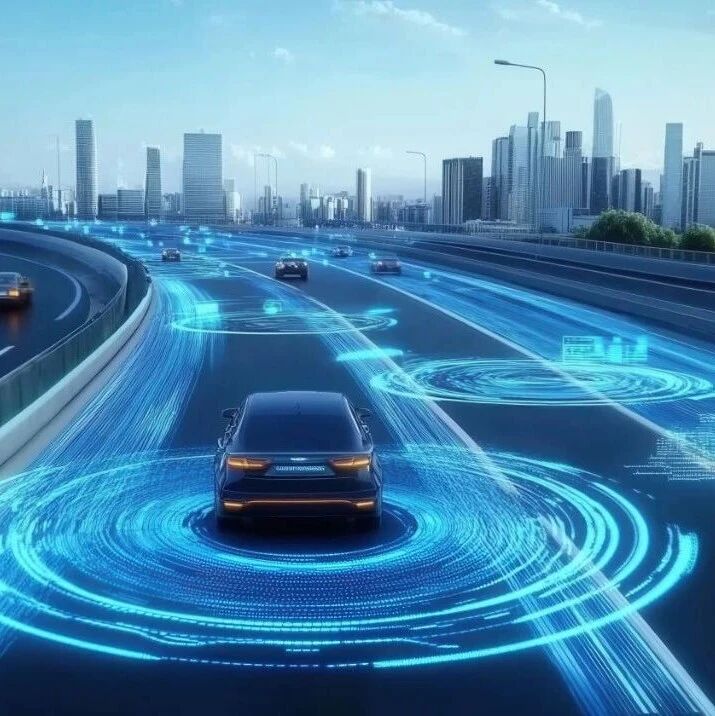
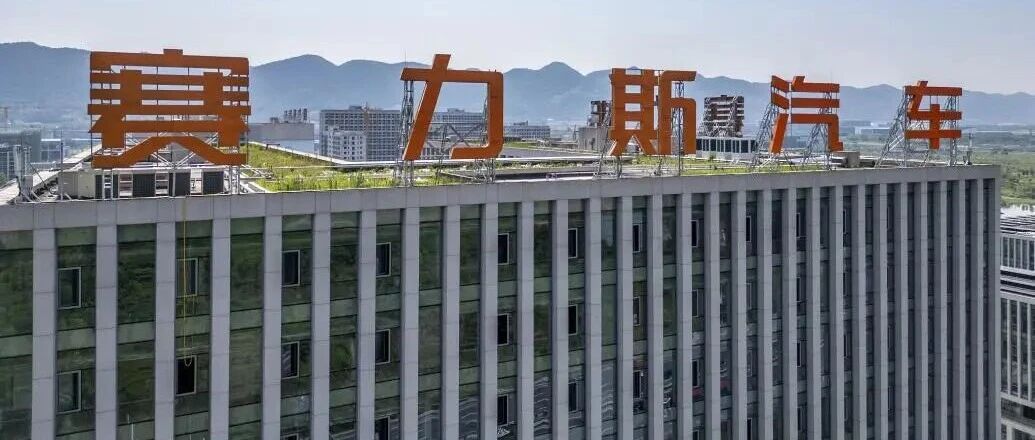
国资彻底退出,华为亲儿子最大变数来了!
商业洞察· 2026-03-29 09:21
Core Viewpoint - The recent complete acquisition of Chongqing Blue Electric Vehicle Technology Co., Ltd. by Seres Group marks a significant shift in the company's strategy, moving from a partnership with state-owned enterprises to full ownership, which may have implications for its financial performance and future direction [3][6][19]. Group 1: Shareholder Changes - Chongqing Blue Electric's two major state-owned shareholders, Chongqing Qingfeng and Chongqing Yard Investment, have completely exited, allowing Seres to increase its stake from 35% to 100% [3][5]. - The management team associated with the state-owned enterprises has also left, indicating a full return to Seres' control [5][8]. Group 2: Market Performance and Strategy - Blue Electric, a sub-brand of Seres targeting the mid-range new energy market, has shown disappointing sales, with projections of 34,000 units in 2024, dropping to 26,000 in 2025, and only 4,000 in the first two months of 2026 [9][11]. - Despite the low sales figures, the strategic value of Blue Electric lies in its subsidiary, Chongqing Phoenix Technology, which focuses on AI and smart driving technologies, crucial for the future of the automotive industry [11][12]. Group 3: Financial Implications - The exit of state-owned enterprises means that Seres will now bear all operational losses and debt risks associated with Blue Electric, which could negatively impact its overall financial health if losses continue [12][14]. - Seres' stock price has declined over 40% since reaching a peak in October 2025, reflecting market concerns about its financial stability amid increasing competition and operational pressures [14][19]. Group 4: Long-term Outlook - While the immediate financial outlook may be challenging due to the full acquisition, this move allows Seres to streamline operations and focus on developing core technologies without external constraints [19][20]. - The automotive industry is undergoing a transformation where companies with self-developed technologies will thrive, while those reliant on external capital may struggle [19][20].