全新一代速腾L

Search documents
一汽-大众锚定2026:13款新产品密集投放,剑指2030年新能源占比60%
Jing Ji Guan Cha Wang· 2026-01-26 12:31
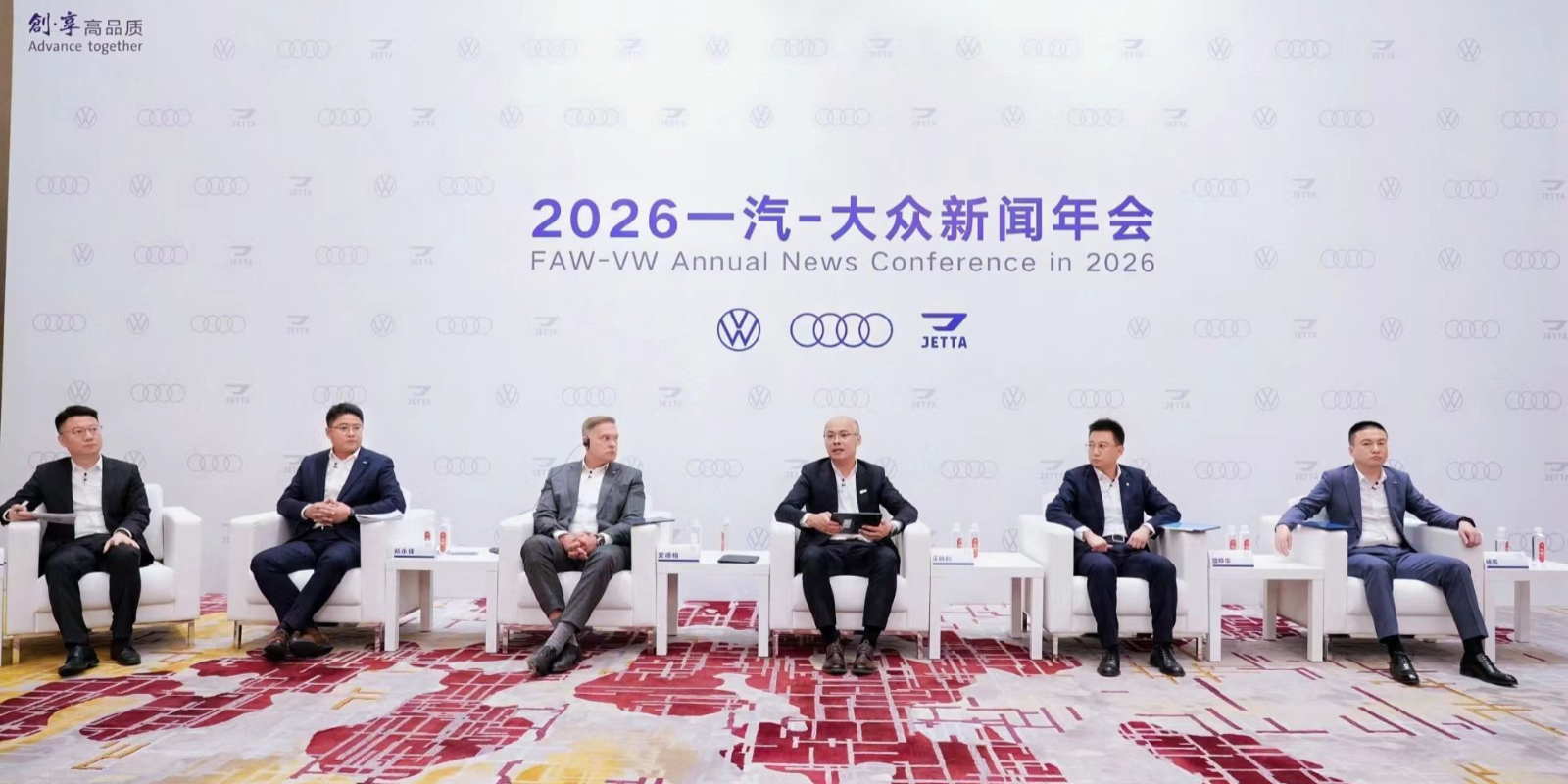
Core Viewpoint - FAW-Volkswagen achieved stable performance in 2025, selling 1.5871 million vehicles and becoming the sales champion among joint venture automakers, with a focus on both fuel and new energy vehicles [2][3]. Group 1: 2025 Performance - In 2025, FAW-Volkswagen's sales included 902,100 units from the Volkswagen brand, 567,000 units from Audi (including imports), and 118,000 units from the Jetta brand [2]. - Despite a decline in the market share of fuel vehicles, FAW-Volkswagen increased its fuel vehicle market share by 0.9 percentage points, with all three brands experiencing positive growth [2]. Group 2: 2026 Strategy - For 2026, FAW-Volkswagen plans to launch 13 new models, including 6 fuel vehicles and 7 new energy vehicles, while continuing to strengthen its market position in fuel vehicles and enhance its performance in new energy vehicles [2][3]. - The company will introduce 6 new fuel models in the mainstream market, including the Volkswagen Sagitar S, Volkswagen Tayron S, and the new Audi A6L, all equipped with advanced intelligent cockpit and driving assistance systems [3]. Group 3: Electrification and R&D - FAW-Volkswagen is accelerating its transition to electrification, aiming for new energy vehicle sales to account for approximately 60% by 2030, with a plan to launch 3 to 4 new energy models every six months [4]. - The company is enhancing its R&D capabilities in core areas such as powertrains and connected cabins, with a focus on developing new models within a 24-month project cycle [4]. Group 4: Brand Development - Audi aims to become the number one luxury car brand in China by enhancing its product offerings in fuel, electric, and hybrid vehicles, while expanding its dealer network [5]. - The Jetta brand is entering a new development phase with the establishment of a joint venture focused on accelerating its electrification and intelligent transformation, planning to launch 5 new models by 2028, with 4 being new energy vehicles [5]. Group 5: Market Challenges - The automotive market is becoming increasingly competitive, with expected slow growth in 2026 due to factors such as the suspension of trade-in subsidies and the reduction of new energy vehicle purchase tax incentives, posing challenges for FAW-Volkswagen to maintain its market leadership [6].

燃油车入局智能化 传统品牌积极推进“油电同智”
Zheng Quan Shi Bao· 2025-12-10 18:52
Core Viewpoint - The automotive industry is witnessing a shift where traditional fuel vehicles are accelerating their smart technology integration to compete with the rising market share of electric vehicles (EVs). However, experts believe that this smartification of fuel vehicles is a transitional solution, as the long-term trend favors the replacement by electric vehicles, leading to a restructuring of the automotive supply chain with Chinese tech companies becoming central players [1][9]. Group 1: Smartification of Fuel Vehicles - The first fuel sedan equipped with Huawei's advanced smart driving solution, the FAW Audi A5L QianKun, has been launched, alongside the Dongfeng Nissan Teana featuring Huawei's Harmony cockpit [2]. - Data from the China Passenger Car Association indicates that fuel vehicle sales are projected to decline by 17.3% year-on-year in 2024, with their market share dropping to 52.4%. By the first nine months of 2025, this share further decreased to 49.9%, indicating that new energy vehicles have officially surpassed traditional fuel vehicles as the mainstream choice for consumers [2][3]. - A report highlights that 71.9% of users consider smart cockpits a primary factor in their purchasing decisions, while 69.3% focus on in-car interaction experiences, emphasizing the critical role of smart technology in consumer choices [2]. Group 2: Technological Challenges and Solutions - Experts point out that fuel vehicles face several technological bottlenecks in their smartification process, including limitations in architecture, power supply issues, and challenges in heat dissipation and integration [5]. - Despite these challenges, the narrative that fuel vehicles cannot be smartified is changing, as more models are now equipped with advanced smart driving systems, such as the FAW Audi A5L QianKun and the SAIC Audi A5L Sportback [6]. - Huawei and Audi have overcome key challenges related to computing power, power supply, and heat dissipation, enabling the integration of high-performance computing platforms in fuel vehicles [7]. Group 3: Industry Transformation and Supply Chain Restructuring - The trend of fuel vehicles adopting smart technology is part of a broader "oil-electricity intelligence" strategy being pursued by many automakers, including joint ventures like FAW-Volkswagen and Mercedes-Benz [8]. - As consumer demand for smart driving features increases and technology costs decrease, traditional automakers are accelerating their efforts to enhance their products' smart capabilities [8]. - The shift towards smartification is expected to have profound implications for the automotive industry, driving a transformation towards intelligent vehicles and altering competitive dynamics, with a focus on collaboration between automotive manufacturers and tech companies [9][10].
“油电混共进全智”,一汽-大众大众品牌给出智电时代合资新答案
Zhong Guo Jing Ji Wang· 2025-11-26 01:47
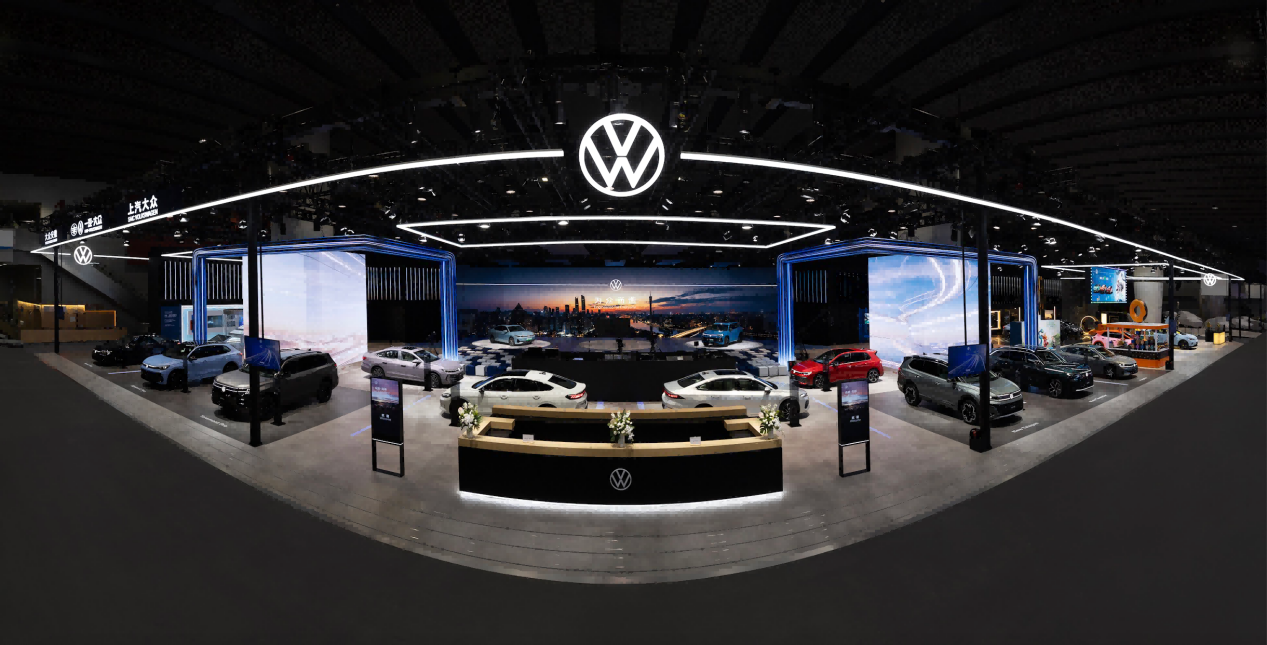
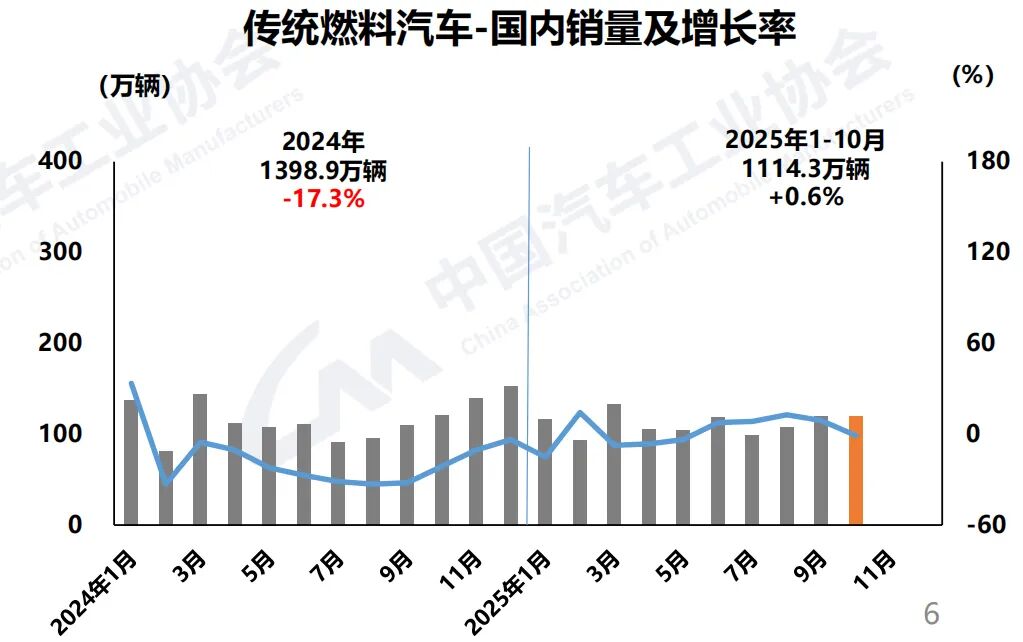
Core Viewpoint - The 2025 Guangzhou International Auto Show marks a significant moment for FAW-Volkswagen as it showcases its commitment to the "oil-electric hybrid and intelligent" strategy, emphasizing innovation and technology in the automotive industry [1][5][6]. Group 1: Product Showcase - FAW-Volkswagen presents new models including the all-new Tayron L PHEV and the all-new ID.AURA, highlighting a strong product lineup that includes both traditional and electric vehicles [1][3]. - The company features its first global CMP platform concept car, ID.AURA, alongside various new energy models, demonstrating its comprehensive approach to product development [3][4]. Group 2: Market Trends - In October, China's new energy vehicle sales reached 1.715 million units, accounting for 51.6% of total new car sales, indicating a pivotal shift in the automotive market where new energy vehicles have surpassed traditional fuel vehicles [4]. - The fuel vehicle market remains competitive, with a total of 11.143 million units sold in the first ten months of the year, showing a year-on-year growth of 0.6% [4]. Group 3: Strategic Goals - FAW-Volkswagen aims to accelerate its electric transformation with a focus on the "oil-electric hybrid and intelligent" strategy, planning to launch 17 new models by 2029, including 14 new energy vehicles [5][13]. - The company emphasizes a commitment to R&D, aiming to shorten development cycles by over 50% to better meet customer demands [13]. Group 4: Technological Advancements - The company has developed the IQ.Pilot enhanced driving assistance system in collaboration with Zhuoyue Technology, which is now featured in several new models, enhancing the driving experience [11]. - FAW-Volkswagen's strategy includes a strong focus on local R&D to ensure that its technologies meet the specific needs of the Chinese market, thereby strengthening its competitive edge [9][11].
前10个月销量增长0.6%,燃油车打响“智能化反击战” 业内:明年燃油车将以几何级速度普及中高阶智驾
3 6 Ke· 2025-11-13 03:02
Core Insights - The new generation of the Sagitar L, launched in September, features significant upgrades in technology and interior design, attracting more customers and improving sales performance [1][3] - The domestic fuel vehicle market is showing signs of recovery, with traditional fuel vehicle sales reaching 11.14 million units from January to October 2025, a year-on-year increase of 0.6% [1][3] - The automotive industry is shifting focus from powertrain competition to intelligent driving experiences, with both fuel and electric vehicles expected to develop in parallel [3][6] Sales Performance - The new Sagitar L achieved sales of approximately 33,200 units in its first month, representing an 86% month-on-month increase and capturing 50.6% of the A+ class fuel sedan market [5][6] - In October, traditional fuel vehicle sales were about 1.197 million units, with a month-on-month growth of 0.4% [5][10] Market Trends - New energy vehicles (NEVs) accounted for 51.6% of total new car sales in October, indicating strong growth while still showing that fuel vehicles maintain a significant market presence [5][10] - The global automotive market is witnessing a trend towards intelligent driving technologies, with suppliers like Bosch emphasizing that smart features should not be limited to electric vehicles [6][11] Export Dynamics - From January to October, China's NEV exports surpassed 2 million units for the first time, reaching 2.014 million units, a year-on-year increase of 90.4% [11][12] - Overall automotive exports from China reached 5.616 million units during the same period, reflecting a 15.7% year-on-year growth [11][12] Industry Outlook - The automotive market is expected to exceed 34 million units in sales for the year 2025, driven by policies promoting consumption and the continued growth of NEVs [14][15] - The automotive industry is advised to optimize and clarify policies to stabilize market expectations and support steady industry operations in the coming year [14][15]
从0到3000万 一汽-大众用技术沉淀与完善体系重塑中国乘用车市场
Zheng Quan Ri Bao Zhi Sheng· 2025-10-16 03:47
Core Viewpoint - FAW-Volkswagen has achieved a significant milestone by producing its 30 millionth vehicle, marking a critical transition in the Chinese automotive industry from scale expansion to quality enhancement, showcasing the successful integration of German manufacturing systems with the Chinese market [1] Group 1: System Strength and Achievements - FAW-Volkswagen's success is attributed to its comprehensive value chain, including R&D, production, supply, service, and marketing, all working in harmony to enhance customer experience [1][4] - The company employs rigorous testing standards, such as over 10 million door open-close tests and extreme conditions for vehicle durability, ensuring high quality [3] - Production facilities utilize advanced technologies, achieving micro-level precision and high automation rates, significantly exceeding industry standards [3][4] Group 2: Innovation and Market Strategy - FAW-Volkswagen has established a diverse ecosystem of suppliers to ensure stable supply chains, which has led to an industry-wide upgrade in collaboration [3][4] - The company is innovating its distribution channels to reach a broader customer base, with plans to exceed 1,000 outlets by year-end [4] - Marketing strategies focus on customer-centric approaches, driving internal organizational changes to enhance responsiveness and innovation [4][6] Group 3: Future Outlook and Technological Leadership - The company aims to maintain steady sales growth through continuous optimization of its systems and the introduction of smarter production platforms [6] - FAW-Volkswagen is positioned as a leader in technological innovation, having successfully transitioned from traditional fuel vehicles to electric and intelligent driving solutions [8][11] - The introduction of advanced platforms and electronic architectures will enhance the capabilities of future models, integrating AI and advanced driving assistance technologies [9][11] Group 4: Commitment to Quality and Customer Trust - FAW-Volkswagen emphasizes its commitment to quality and safety, with high-strength steel making up 81% of its vehicles, ensuring robust protection for users [11][12] - The company launched a "Thank You" campaign for its 30 million customers, offering a chance to win a year of free vehicle use, reflecting its dedication to customer satisfaction [12] - The trust built over 30 million vehicles reinforces FAW-Volkswagen's leadership in the fuel vehicle market and highlights the importance of quality and user benefits in maintaining competitive advantage [12]
超越规模:一汽-大众的深耕与焕新
Huan Qiu Wang· 2025-10-15 09:43
Core Insights - FAW-Volkswagen is set to achieve a significant milestone with the production of its 30 millionth vehicle by the end of October, marking a notable achievement for a joint venture operating in China for 34 years [1] - The company has established a comprehensive value chain that enhances its market competitiveness and serves as a stabilizing force within the industry [2] Value Chain and Operational Excellence - FAW-Volkswagen has developed an efficient collaborative system covering research and development, production, supply, channels, service, and marketing, which has been crucial for its growth [2][4] - The company employs rigorous standards in product development, including extreme testing conditions to ensure reliability and quality [4][8] - The manufacturing process integrates German precision engineering with smart manufacturing, ensuring high-quality control through advanced digital methods [9] Market Strategy and Customer Engagement - FAW-Volkswagen has over 900 sales outlets, utilizing innovative and flexible models to deeply penetrate the market [5] - The company has launched initiatives like "Craftsmanship Service" and "Heart Journey 2.0" to enhance customer experience and loyalty, aiming to transform transactional relationships into long-term emotional connections [16][18] - The ongoing "30 Million User Gratitude Gift" campaign aims to strengthen emotional ties with over 20 million families, showcasing the brand's commitment to customer engagement [18] Safety and Quality Assurance - The company emphasizes safety and quality, with 81% of its vehicles featuring high-strength steel structures and rigorous testing protocols that exceed industry standards [11][12] - FAW-Volkswagen's vehicles undergo extensive durability testing, including over 900,000 kilometers of real-world testing for new models [8][12] Technological Advancements - FAW-Volkswagen is pursuing a dual strategy of traditional fuel and electric vehicles, leveraging its existing user base and adapting to market demands [13][15] - The company is transitioning to self-research and development, with plans to introduce advanced driving assistance systems and over-the-air updates for its fuel vehicles [15] Future Outlook - With the achievement of 30 million vehicles, FAW-Volkswagen is positioned to play a significant role in the high-quality development of the Chinese automotive industry, focusing on innovation in smart and electric vehicles [18]
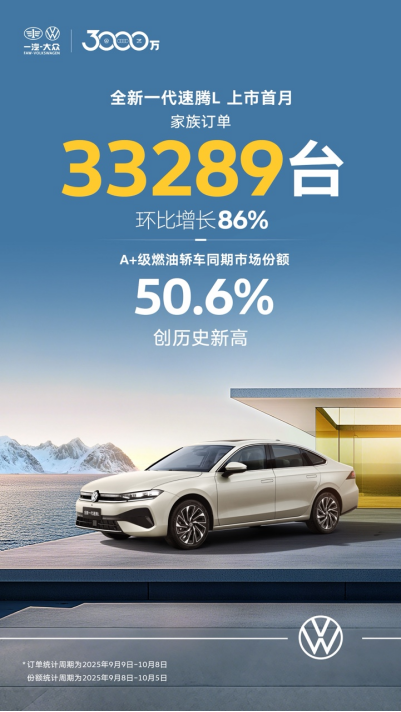
上市首月,速腾家族销量高达33,289辆,市场份额50.6%
Qi Lu Wan Bao· 2025-10-15 06:54
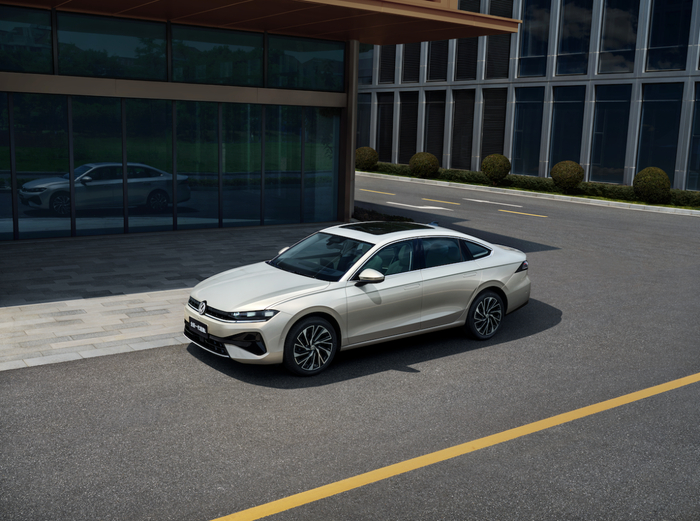
Core Insights - The all-new generation of the Sagitar L has achieved remarkable sales success, with a total of 33,289 units sold in its first month, representing an 86% month-on-month increase and capturing a market share of 50.6% in the A+ class fuel sedan segment, marking a historical high [1][12] Group 1: Product Features - The Sagitar L has undergone comprehensive evolution focusing on aesthetics, intelligence, performance, and safety, redefining the value benchmark for A+ class sedans [3] - The vehicle features a length of 4812mm, the longest in its class, providing spaciousness comparable to B-class cars, with a practical "usable area" rate of 84.5% [4] - It is the only A+ class fuel vehicle equipped with end-to-end high-speed NOA functionality, enhancing driving assistance with advanced features such as high-speed navigation and autonomous ramp access [6] - The Sagitar L is powered by a 1.5T Evo2 engine, achieving a fuel consumption of just 5.49L per 100km, with significant upgrades to the chassis for improved ride comfort and handling [8] - The vehicle adheres to the industry's strictest development standards, with over 80% of the body made from ultra-high-strength steel and passing rigorous safety tests [10] Group 2: Market Position and Future Outlook - The Sagitar L and its family have created a strong market synergy, positioning the company to continue leading the A+ class sedan market and driving high-quality development for FAW-Volkswagen [12]
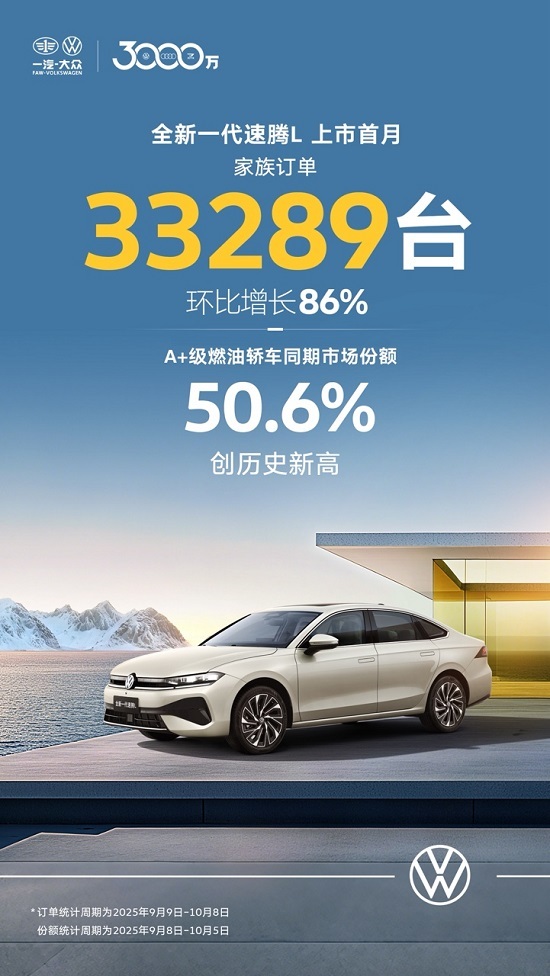
经典车型市场号召力不减 新速腾L上市首月狂卖3.3万辆
Zhong Guo Jing Ji Wang· 2025-10-11 08:49
Core Insights - The new generation of the Jetta L from FAW-Volkswagen has successfully penetrated the market despite the rising share of new energy vehicles, demonstrating that classic fuel models can still attract consumers when upgraded to meet their needs [1] Sales Performance - In its first month of launch, the Jetta family achieved sales of 33,289 units, representing a month-on-month increase of 86% and capturing 50.6% of the A+ class fuel sedan market share, marking a historical high [1] Product Evolution - The Jetta L has undergone comprehensive evolution across four dimensions: aesthetics, intelligence, performance, and ethics, redefining the value benchmark for A+ class sedans with a price range of 114,900 to 131,900 yuan [1] Design and Comfort - The Jetta L features advanced design elements such as the IQ.Light pixel matrix headlights and a spacious interior with a length of 4,812 mm, providing a comfort level comparable to B-class cars, along with a practical "usable area" rate of 84.5% [3] Advanced Technology - Equipped with the IQ.Pilot enhanced driving assistance system, the Jetta L offers high-level functionalities such as highway navigation and autonomous ramp access, validated through over 300,000 kilometers of rigorous testing [4] Engine and Efficiency - The vehicle is powered by a 1.5T Evo2 engine, achieving a fuel consumption rate as low as 5.49 liters per 100 kilometers, while the chassis has been upgraded to enhance ride comfort and handling [6] Safety Features - The Jetta L adheres to stringent safety standards, with over 80% of its body made from ultra-high-strength steel and over 28% from hot-formed steel, having passed high-speed collision tests at 90 km/h and extensive road testing exceeding 9 million kilometers [6] Market Context - The Chinese automotive market is experiencing intense competition with over 40 new models launched in September alone, highlighting the importance of brand loyalty and user reputation for classic models like the Jetta [8] Future Outlook - The launch of the new Jetta L reinforces the market position of fuel vehicles amidst the new energy wave, with the Jetta family expected to continue driving high-quality growth for FAW-Volkswagen [8]
打出“翻身仗”:传统燃料汽车连续三个月增长,8月销量同比增长12.9%
Zhong Guo Jing Ying Bao· 2025-09-13 02:05
Core Insights - The traditional fuel vehicle market in China has shown signs of recovery, with August sales reaching 1.074 million units, a month-on-month increase of 9.5% and a year-on-year increase of 12.9% [1] - The recovery in traditional fuel vehicle sales is attributed to strategic adjustments by manufacturers, including enhancements in product performance and pricing [1][2] - The introduction of new models and aggressive marketing strategies, including cash incentives and financing options, have contributed to the resurgence of fuel vehicles [2][4] Industry Trends - The market for traditional fuel vehicles has experienced a notable year-on-year growth in sales over the past three months, contrasting with the overall trend of decline in recent years [1] - The sales of traditional fuel vehicles in the first eight months of 2025 have only decreased by 0.3% compared to the previous year, indicating a potential stabilization in the market [1] - Major automotive brands are accelerating the upgrade of fuel vehicles, focusing on design, configuration, and smart technology to compete with the rapidly growing electric vehicle market [2][3] Technological Developments - The IQ.Pilot enhanced driving assistance system, developed in collaboration with local tech firms, is being integrated into new fuel vehicle models to improve their competitiveness [3][4] - The A5L model from Audi represents a significant advancement in fuel vehicle technology, featuring a new electronic architecture that enhances its smart capabilities [4][5] - The collaboration between Audi and Huawei in developing driving assistance technology highlights the industry's shift towards integrating advanced technology in fuel vehicles [6] Market Dynamics - Despite the rise of electric vehicles, fuel vehicles remain essential for many consumers, particularly families, and are expected to maintain a significant market share [6] - The competitive landscape for fuel vehicles is evolving, with manufacturers addressing previous shortcomings and enhancing their offerings to attract consumers [6] - The traditional fuel vehicle segment continues to be a crucial revenue source for automakers, underpinning their transition to electric mobility [6]
打出“翻身仗”!传统燃料汽车连续三个月保持增长 8月销量同比增长12.9%
Zhong Guo Jing Ying Bao· 2025-09-13 01:24
Group 1 - In August 2023, traditional fuel vehicle sales in China reached 1.074 million units, showing a month-on-month increase of 9.5% and a year-on-year increase of 12.9%, marking three consecutive months of growth [2] - Despite the overall decline in the fuel vehicle market, there has been a notable recovery in sales over the past three months, with year-on-year growth rates of 7.7%, 8.4%, and 12.9% for June, July, and August respectively [2] - The sales of traditional fuel vehicles in the first eight months of 2025 were 8.747 million units, reflecting a minimal year-on-year decline of only 0.3% compared to a 17.3% drop in 2024 [2] Group 2 - Many joint venture brands, including German and Japanese automakers, are responding to the competitive pressure from new energy vehicles by accelerating the upgrade of fuel vehicle models and offering various purchase incentives [3] - New models such as the all-new Volkswagen Sagitar L and Buick GL8 have been launched with significant price reductions and enhanced features, including advanced intelligent systems [3] - The all-new Sagitar L has a starting price reduced by approximately 20,000 yuan compared to its predecessor, while also enhancing its intelligent features [3] Group 3 - The IQ.Pilot advanced driving assistance system, developed by FAW-Volkswagen in collaboration with DJI's automotive division, aims to address the technological gaps in fuel vehicles [4] - The development of the IQ.Pilot system involved six years of collaboration, focusing on optimizing control algorithms and addressing thermal management challenges [4] - High-end fuel vehicles are also enhancing their intelligent configurations to compete with domestic high-end new energy models [4] Group 4 - The recently launched Audi A5L is notable for being the first fuel vehicle built on Audi's new PPC luxury fuel intelligent platform, featuring significant advancements in intelligent technology [5] - The A5L incorporates Huawei's advanced driving technology, utilizing a comprehensive sensor network for high-level driving assistance [5] - The main challenge for fuel vehicles in achieving intelligent features has been the limitations of their electronic and electrical architecture [6] Group 5 - Audi has developed a new E³ 1.2 electronic and electrical architecture to overcome the limitations of traditional fuel vehicles, enabling centralized control of all vehicle functions [6] - The collaboration between Audi and Huawei involves a clear division of responsibilities in the development of driving assistance technology [7] - The acceleration of intelligent transformation in fuel vehicles is expected to enhance their competitiveness and contribute to sales growth [7] Group 6 - Despite the rapid growth of new energy vehicles, fuel vehicles remain essential for many consumers, particularly families, and are still a significant source of revenue for traditional automakers [7] - The market for fuel vehicles is still substantial, with traditional automakers viewing their fuel vehicle business as crucial for their overall sales and profitability [7]