
未诉先办

Search documents
枣庄|枣庄构建基层治理全生命周期闭环新格局
Da Zhong Ri Bao· 2025-12-05 01:17
Core Viewpoint - The article discusses the innovative grassroots governance model in Zaozhuang, which focuses on a closed-loop system for addressing public demands and enhancing community services, transforming governance from reactive to proactive [2][4][5]. Group 1: Grassroots Governance Model - Zaozhuang is implementing a closed-loop governance model that includes discovering public demands, addressing issues before they are raised, and improving public service effectiveness [2][4]. - The "Zaozhi Hui" platform has been instrumental in collecting public suggestions, leading to the rapid resolution of issues such as the installation of smart charging stations for electric vehicles [3][6]. Group 2: Community Engagement and Proactive Measures - Community workers in Zaozhuang are actively engaging with residents to identify and address potential safety hazards, exemplified by a community worker who alerted residents about a dangerous structure [4]. - The city has deployed 4,288 community workers across 2,013 urban grids to ensure timely identification and resolution of community issues [4]. Group 3: Efficient Response Mechanisms - The "Zaozhi Hui" platform integrates multiple channels for public requests, ensuring a streamlined response process with strict timelines for addressing various types of inquiries [5][6]. - Since the platform's launch, it has handled over 5,000 requests daily, achieving a 99.9% timely response rate and a 93% first-time resolution rate [6]. Group 4: Continuous Monitoring and Improvement - Zaozhuang emphasizes the importance of ongoing supervision to ensure effective public service delivery, with regular assessments and feedback mechanisms in place [7]. - The city has established a monthly progress mechanism to track and improve service delivery across six key areas, ensuring that public feedback is incorporated into governance practices [7].
中原区:从 “民声” 到 “民生” 秒响应
Ren Min Wang· 2025-12-02 02:36
Core Viewpoint - The article highlights the effective governance model in Zhongyuan District, which utilizes a combination of community engagement, data analysis, and a structured response system to address public concerns and improve living conditions for residents [1][2][3][4][5] Group 1: Community Engagement and Response - The district has established a rapid response mechanism to address residents' complaints, exemplified by the quick action taken to address parking issues, which included marking no-parking zones and informing residents through various channels [1] - A dual approach of online and offline methods has been implemented to collect public opinions, with 1,633 grids established and staffed by dedicated personnel to proactively identify community issues [2] Group 2: Efficient Problem Solving - Zhongyuan District has created a comprehensive workflow for handling public requests, ensuring accountability at each stage from receipt to resolution, with a system in place to escalate unresolved issues to higher authorities [3] - The district has successfully addressed complex issues through inter-departmental collaboration, as demonstrated by the rapid repair of a road following a subsidence incident, showcasing the effectiveness of their coordinated response [3] Group 3: Proactive Governance - The district has shifted from a reactive to a proactive governance model, utilizing data analytics to identify common issues and risks, allowing for preemptive measures to be taken before problems escalate [4] - Initiatives such as the "charging pile into community" project and traffic management strategies during school seasons illustrate the district's commitment to addressing potential hazards before they affect residents [4] Group 4: Innovative Service Platforms - An innovative pre-service platform has been developed to integrate data from multiple departments, enabling the identification of residents who may benefit from various services, thus enhancing the overall service delivery [5] - The platform has successfully reached out to over 13,720 residents regarding healthcare and social benefits, demonstrating the district's proactive approach to community service [5]
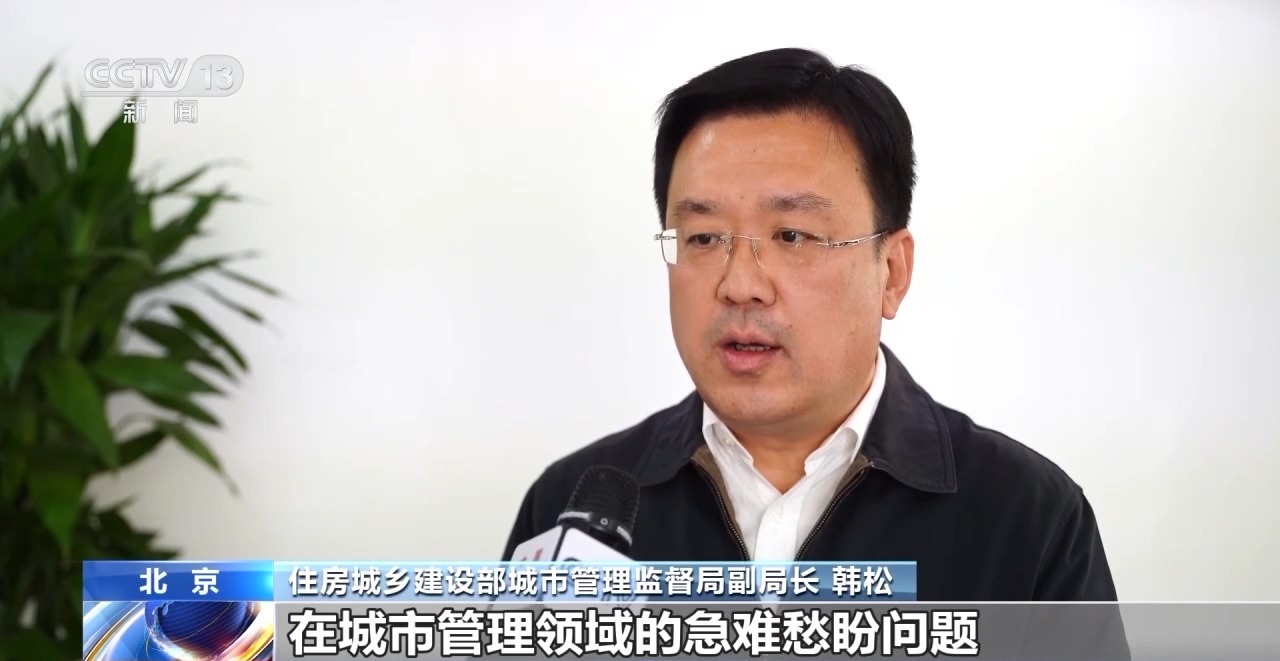
资源直达基层 住建部:全面推进城市管理进社区
Yang Shi Wang· 2025-11-23 03:00
Core Viewpoint - The Ministry of Housing and Urban-Rural Development is promoting the integration of urban management into community governance to effectively address the urgent issues faced by residents in urban management [1][6]. Group 1: Urban Management Integration - The initiative aims to shift the focus and resources of urban governance to grassroots levels, enhancing service delivery rather than merely extending enforcement [1][6]. - Urban management will encompass various aspects such as waste classification, green space management, parking order, and utilities management, all integrated into community governance [1][6]. Group 2: Resource Allocation and Management - Local authorities are required to consider community size, population structure, and management needs to allocate urban management personnel and resources effectively [5]. - The goal is to extend meticulous management and precise services into communities, ensuring that urban management is responsive to local needs [5]. Group 3: Proactive Service Approach - The Ministry emphasizes the importance of optimizing enforcement services by analyzing community residents' demands and addressing frequent issues proactively [6]. - The approach aims to transition from a reactive "responding to complaints" model to a proactive "addressing issues before they are raised" model, resolving conflicts at the grassroots level [6].

李志起:未来五年首都发展将迎来“三大变革”
Xin Jing Bao· 2025-11-17 14:54
Core Insights - The Beijing Municipal Committee's recent meeting outlined the main goals for the city's economic and social development during the 14th Five-Year Plan, emphasizing a strategic upgrade in the capital's development model centered around "new quality productivity" [1][2]. Economic Development - The focus for the next five years will shift from traditional investment and factor-driven growth to innovation-driven growth, with "new quality productivity" as the central theme [2]. - The plan includes three major transformations: a shift to innovation-driven growth, a focus on high-tech industries and the integration of digital and physical economies, and the removal of institutional barriers to enhance the role of enterprises and collaboration between industry, academia, and research [2]. Urban Governance - A significant change in urban governance is proposed, moving from a reactive "complaint-based" system to a proactive "anticipatory governance" model, utilizing big data and AI to identify and resolve issues before they arise [3]. - The meeting also highlighted the importance of pollution prevention and the ambitious goal of creating a "garden city," which aims to enhance the ecological appeal and livability of Beijing [3]. Digital Economy - Beijing aims to become a global benchmark city for the digital economy, with a focus on the integration of digital technology into the real economy, driven by artificial intelligence as a key tool for fostering new quality productivity and smart governance [3]. Overall Impact - The implementation of the 14th Five-Year Plan is expected to not only define the future of Beijing but also serve as a living example of "Chinese-style modernization" [4].
有问题意识,也要有解题思维(人民论坛)
Ren Min Ri Bao· 2025-11-12 22:19
Core Insights - The article emphasizes innovative grassroots governance strategies that focus on addressing root causes rather than merely treating symptoms [1][2][3] Group 1: Case Studies in Governance - A successful case involved a father and son who were allowed to volunteer to offset fines for illegal street vending, leading to their employment in city beautification roles [1] - Another case highlighted how environmental authorities engaged with temple-goers to reduce air pollution from burning paper offerings by using religious texts for persuasion [1] Group 2: Systematic Thinking in Problem Solving - The article discusses the importance of viewing issues as interconnected rather than isolated, advocating for a systemic approach to governance that addresses underlying social and economic factors [2] - Examples from Guangdong and Henan illustrate how local governments implemented community service as a form of penalty and created designated vending areas to improve urban management [2] Group 3: Proactive Governance Strategies - The article highlights the need for proactive measures in governance, such as early detection and resolution of conflicts, to prevent issues from escalating [3] - Initiatives in Zhejiang and Shandong demonstrate the effectiveness of data-driven approaches and community engagement in resolving disputes before they become significant problems [3]
“卷尺哥”走红!深圳为何能做到市民“随手拍”部门“速整改”?
Ren Min Ri Bao· 2025-10-28 01:01
Core Viewpoint - Shenzhen is exploring the "proactive handling before complaints" model, which allows citizens to report issues with public facilities through social media, leading to rapid responses from relevant departments. This initiative aims to enhance public participation in urban governance and ensure timely rectification by authorities [1][2]. Group 1: Mechanism and Implementation - The "proactive handling before complaints" model was initiated in Shenzhen last year, building on the existing "complaints handled upon receipt" system. It involves collecting and analyzing information from 42 online platforms, creating a closed-loop mechanism for issue discovery, verification, and follow-up [2][6]. - The "@Shenzhen—Public Opinion Fast Handling" platform was established to unify the processing of citizen complaints, allowing for a streamlined approach to address issues across various departments. This platform has successfully identified 170,000 leads and generated over 5,000 work orders, effectively transitioning from passive to proactive complaint handling [2][6]. Group 2: Collaborative Efforts - The initiative emphasizes collaboration among multiple government departments to address citizen complaints efficiently. Previously, departments operated independently, making it challenging to resolve issues comprehensively. Now, all complaints are funneled through the "@Shenzhen—Public Opinion Fast Handling" platform for coordinated action [4][5]. - The platform utilizes a triad of lists to clarify responsibilities: a project directory list categorizing over 4,000 types of complaints, a responsibility list defining departmental duties, and an implementation list created by responsible units. This structure ensures accountability and effective issue resolution [6]. Group 3: Long-term Solutions - Shenzhen is shifting focus from merely resolving individual complaints to addressing systemic issues through "class case governance." This approach involves analyzing data to identify recurring problems and implementing preventive measures to avoid future occurrences [7]. - The city has received over 320,000 suggestions regarding urban management since the platform's launch, with many citizens actively participating in governance. This engagement has led to timely rectification of various urban management issues [7].
市民“随手拍” 部门“速整改”(民生一线)
Ren Min Ri Bao· 2025-10-27 22:38
Core Insights - Shenzhen has implemented a "proactive response" mechanism for public grievances, allowing citizens to report issues with public facilities and receive quick responses from relevant departments [1][2] - The initiative has led to significant citizen engagement, with a notable case being the "Measuring Brother" who has reported over 1,000 issues, receiving rapid resolutions [1][4] Group 1: Mechanism and Implementation - Shenzhen's government has developed a closed-loop mechanism for handling public grievances, which includes discovering clues, verifying content, initiating cases, and tracking progress [2][5] - The "@Shenzhen—Public Opinion Fast Track" platform consolidates various channels for public complaints, allowing for unified processing and efficient resolution of issues [2][5] - The platform has successfully identified 170,000 clues and created over 5,000 work orders, effectively transitioning from passive to proactive handling of public grievances [2][7] Group 2: Collaborative Efforts - The initiative involves collaboration among multiple government departments, breaking down silos that previously hindered comprehensive problem-solving [4][5] - A system of "three lists" has been established to clarify responsibilities among departments, ensuring that every complaint is addressed by the appropriate authority [5][6] - The platform boasts a 98% success rate in single-order dispatch, demonstrating its efficiency in managing public grievances [5][6] Group 3: Future Directions - Starting in early 2024, Shenzhen aims to enhance "case-type governance" to not only resolve individual issues but also prevent recurring problems [7] - The city is utilizing big data analysis to identify and address common grievances, with regular evaluations to understand root causes [7][8] - The "@Shenzhen—Public Opinion Fast Track" platform has received over 320,000 suggestions from citizens, indicating strong public participation in urban governance [7][8]
新闻1+1丨城市治理,如何“汇民意”“聚民力”?
Yang Shi Wang· 2025-10-21 22:29
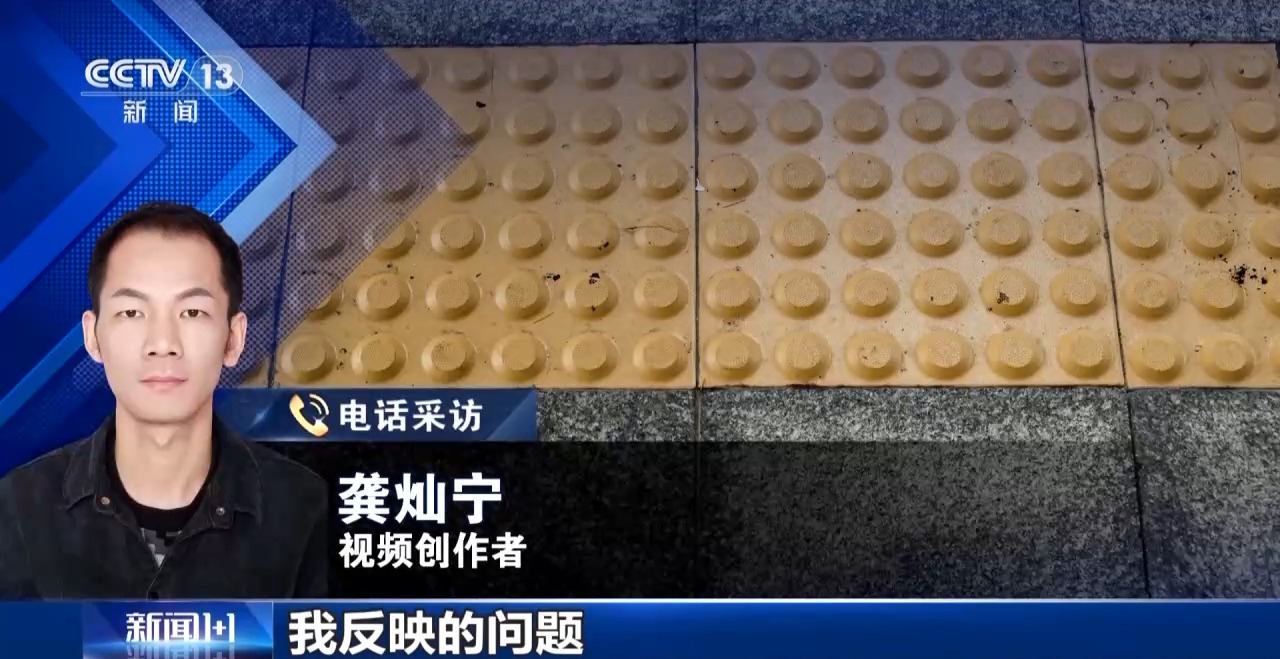
Core Viewpoint - The article highlights the effective interaction between citizens and local government in urban governance, showcasing how citizen engagement can lead to rapid responses and improvements in public infrastructure issues. Group 1: Citizen Engagement - A citizen known as "卷尺哥" in Shenzhen has gained attention for using videos to report public facility issues, leading to quick government responses and improvements [1][5] - Another citizen, 龚灿宁 from Fuzhou, has also successfully reported safety hazards in road construction, with all reported issues being resolved [2][4] Group 2: Government Response Mechanism - Shenzhen's government has established a proactive platform for addressing citizen concerns, moving from a "passive response" to a "proactive discovery" approach, resulting in 170,000 leads identified and over 5,000 work orders tracked [6][7] - The government employs a collaborative mechanism among various departments to ensure rapid response to reported issues, with a focus on prioritizing urgent matters [7][9] Group 3: Systematic Problem Solving - The government is transitioning from addressing individual issues to tackling systemic problems by analyzing frequently reported issues and implementing comprehensive solutions [13] - A structured classification system has been developed to efficiently assign responsibilities for reported issues, ensuring accountability among departments [9][10] Group 4: Expanding Supervision and Participation - The "随手拍" initiative encourages citizens to report various urban management issues, expanding the scope of public participation in governance [21] - The article discusses the importance of maintaining citizen enthusiasm for participation in urban governance, suggesting that easy reporting channels and government responsiveness are crucial [22][24]
找准问题 补齐短板让接诉即办更快更暖心
Zhong Yang Ji Wei Guo Jia Jian Wei Wang Zhan· 2025-08-12 00:50
Core Insights - The "12345" government service hotline has significantly improved its efficiency, with issues being resolved in less than half a day [1] - The hotline serves as a crucial tool for addressing public grievances, with a focus on ensuring that every complaint receives a response and resolution [1][2] - A comprehensive supervisory mechanism has been established to enhance accountability among various departments, leading to prompt restoration of business operations and improved overall business environment [2] Group 1 - The "12345" hotline has been integrated into a broader supervisory framework to address public complaints effectively, with 37 key issues in areas such as water supply, gas supply, and transportation being resolved [2][3] - A total of 400 previously closed complaints were reviewed to ensure thorough rectification, identifying and addressing underlying issues proactively [2][3] - The establishment of a rapid response mechanism for public grievances has been implemented, ensuring timely and effective resolutions [2][3] Group 2 - The county has developed a specialized supervision guideline for the "12345" hotline to ensure effective implementation of complaint handling [3] - A total of 30 cases of non-compliance and inaction were addressed, resulting in 33 personnel being disciplined and 128 issues being rectified [3] - The hotline is viewed as both a barometer for public sentiment and a measure of government accountability, with ongoing efforts to transition from reactive to proactive complaint handling [4]
解决方案走在市民诉求前,“12345”热线探索超大城市智慧高效治理
Chang Jiang Ri Bao· 2025-08-06 00:21
Core Viewpoint - The article highlights the proactive approach of Wuhan's citizen service hotline "12345" in addressing urban issues before residents even voice their concerns, showcasing a shift from reactive to proactive governance through data analysis and technology [1][3][4]. Group 1: Proactive Governance - The "12345" hotline has implemented a system that analyzes citizen complaints to predict and resolve issues before they are reported, leading to over 20,000 preemptive actions in the first seven months of the year [1][3]. - The service has successfully reduced the number of complaints by 28% during the period when proactive alerts were issued, indicating the effectiveness of the "未诉先办" (preemptive action) strategy [3]. Group 2: Data-Driven Decision Making - The "灵醒" platform utilizes extensive historical and real-time data to monitor urban issues, allowing for a shift from reactive "firefighting" to proactive "fire prevention" in city management [4][5]. - The platform's new modules, such as "民生十二时辰" and "民情月历," help track and analyze the frequency and trends of citizen complaints, enhancing the ability to anticipate and address issues [4]. Group 3: Technological Integration - The integration of AI technology, specifically the "灵醒AI助手," has improved the efficiency of the hotline, allowing for rapid and accurate responses to citizen inquiries, with a 92.7% accuracy rate in dispatching information [6]. - The AI assistant has transformed the hotline's operations, enabling quicker responses and reducing the time taken to fill out service requests, thereby enhancing citizen satisfaction [6].