
物流降本增效

Search documents
物流降本增效 连云港打出组合拳
Xin Hua Ri Bao· 2025-11-03 23:27
Core Insights - The article highlights the innovative logistics model in Lianyungang, which combines bonded and export goods in a single container, significantly reducing logistics costs and wait times for businesses [1] Group 1: Logistics Efficiency - Lianyungang has introduced a new model for mixed containers of bonded and export goods, allowing small shipments to utilize available space, saving an average of 70% in logistics costs and reducing wait times by over 15 days [1] - The port's cargo throughput increased by 7.69% year-on-year, and container volume grew by 8.34% from January to September [1] Group 2: Infrastructure Development - The Aktao Port container hub project, co-built with Kazakhstan, has been launched, designed to handle 200,000 TEUs annually, enhancing the connectivity of the New Eurasian Land Bridge [2] - Lianyungang has opened six new container shipping routes to Southeast Asia, Japan, and the Red Sea, and has operated 682 international trains in the first nine months of the year, leading the province in volume [2] Group 3: Inland Waterway Logistics - The introduction of a "zero waiting" appointment system for inland waterway logistics has resulted in a 71.6% reduction in waiting times for vessels at locks [3] Group 4: Transportation Projects - Key transportation projects are being advanced to address "last mile" issues, including the completion of the Lianyungang section of the Lianhuai Expressway, which will save nearly half an hour on transport times [4] - The port has welcomed large vessels, with the "Yuan Shen Hai" setting a record for the largest draft at 23.14 meters, facilitating bulk commodity transport [4] Group 5: Green Port Initiatives - Lianyungang has launched the first fleet of fully electric tugboats in the country, significantly reducing operational costs and carbon emissions compared to traditional diesel tugboats [5][6] Group 6: Digital Innovation - The establishment of the "E Port Pass" integrated smart public service platform aims to streamline logistics processes, achieving a 75% reduction in transfer times and a 60% reduction in overall processing times for transit goods [7] - The "Five Fixed" convenient flag vessel operation mode has transitioned to regular operation, allowing for zero waiting and zero delay for vessels entering and leaving the port [7]

被财团私有化退市、CEO转任高级顾问安能守擂不易
Bei Jing Shang Bao· 2025-10-29 13:32
Core Viewpoint - Aneng, a less-than-truckload (LTL) logistics network operator, has announced its decision to delist from the Hong Kong Stock Exchange, backed by a consortium led by Dazhong Capital, Temasek, and Danming Capital, with CEO Qin Xinghua transitioning to a senior advisory role [1][4]. Group 1: Delisting and Privatization - The consortium has received irrevocable commitments from CEO Qin Xinghua and COO Jin Yun, who collectively hold 35.74% of the company's issued shares, to support the privatization proposal [4]. - The proposed cash offer is set at HKD 12.18 per share, valuing Aneng at approximately HKD 14.3 billion, representing a 48.54% premium over the last unaffected closing price of HKD 8.20 on September 3, 2025 [5][6]. - Aneng's management cited long-term stock price pressure and low trading volume since 2021 as reasons for the delisting, which will allow the company to save costs and focus on core operations [6]. Group 2: Financial Performance and Strategic Changes - In 2022, Aneng reported a revenue of CNY 9.335 billion, a year-on-year decline of 3.22%, with a net loss of CNY 408 million, significantly reduced from CNY 2 billion in 2021 [8]. - The company has shifted its strategy from focusing on volume and scale to prioritizing profitability and quality, including targeting the higher-margin small parcel market [8][9]. - In 2024, Aneng's adjusted pre-tax profit and net profit reached CNY 1.084 billion and CNY 837 million, respectively, with year-on-year growth rates of 65.7% and 64.2% [9]. Group 3: Market Position and Future Outlook - Aneng's delisting is seen as a move to alleviate the burdens of public company status, allowing for more flexibility in strategic decision-making without the pressures of short-term market expectations [10]. - Despite the delisting, Aneng will continue to face intense competition from established players like SF Express and Debon, which are backed by significant capital [11]. - Industry experts suggest that Dazhong Capital may pursue acquisition strategies post-privatization, with the potential for Aneng to re-enter the public market depending on future developments [11].

总书记的关切·落地的回响|物流降成本 经济运行更高效
Ren Min Ri Bao· 2025-10-26 02:51
Core Insights - The Chinese government emphasizes the need to effectively reduce logistics costs across society to enhance industrial competitiveness and improve economic efficiency [1] - The development of rural logistics is crucial for comprehensive rural revitalization, addressing long-standing challenges in remote and low-population-density areas [1] Group 1: Policy Initiatives - A series of targeted policies have been implemented to improve rural logistics, including the 2021 issuance of guidelines to accelerate the construction of rural delivery logistics systems and the 2022 proposal to enhance the layout of rural logistics and express delivery points [1][2] - The 2024 action plan aims to further reduce logistics costs nationwide, reflecting a commitment to improving rural logistics infrastructure [1] Group 2: Logistics Network Development - As of the end of 2024, Xinjiang has established 1,537 postal service outlets and 7,920 village-level comprehensive logistics service stations, achieving basic coverage of express delivery services in administrative villages [2] - The introduction of a new delivery model involving centralized shipping from major cities to Xinjiang has significantly reduced shipping costs, enabling even perishable goods to be delivered with free shipping [2] Group 3: Economic Impact - The logistics network has facilitated the distribution of unique agricultural products across the country, with rural online retail sales increasing by 18.18% and agricultural product online retail sales rising by 14.08% in 2024 [2] - The establishment of a unified national market and the enhancement of transportation networks have injected vitality into economic operations, promoting efficient resource flow between urban and rural areas [3][4] Group 4: Infrastructure Projects - Major infrastructure projects, such as the Chengdu-Chongqing logistics park and the Jianghuai Canal, are being developed to improve logistics efficiency and connectivity [3] - The construction of the Ezhou Huahu International Airport aims to create a comprehensive air freight network, enhancing logistics capabilities across Asia and beyond [4]
物流降成本 经济运行更高效
Jing Ji Ri Bao· 2025-10-26 02:18
Core Insights - The Chinese government emphasizes the need to effectively reduce logistics costs across society to enhance industrial competitiveness and improve economic efficiency [1] Group 1: Rural Logistics Development - The rural logistics network is expanding significantly, with Xinjiang having established 1,537 postal service points and 7,920 village-level logistics service stations by the end of 2024, achieving near-complete coverage of courier services in administrative villages [2] - The introduction of a new delivery model in Xinjiang, where postal and courier companies collaborate with e-commerce platforms, has led to a reduction in shipping costs and enabled free shipping for perishable goods [2] - The rural network's efficiency is reflected in the improvement of the express delivery ratio in Xinjiang, which decreased from 3.05:1 to 2.54:1, while rural online retail sales grew by 18.18% and agricultural product online sales increased by 14.08% in 2024 [2] Group 2: National Logistics Infrastructure - The construction of logistics infrastructure, such as the Chengyu main axis highway logistics park and the Jianghuai Canal, is enhancing transportation efficiency and reducing travel times for goods [3] - The establishment of the first professional cargo hub airport in Asia, the Ezhou Huahu International Airport, is creating a comprehensive air freight network that connects Asia with Europe and Africa [3] Group 3: Economic Impact - The ongoing improvements in logistics are expected to further streamline the national economic cycle and enhance overall economic operational efficiency [4]
物流降成本 经济运行更高效(总书记的关切·落地的回响)
Ren Min Ri Bao· 2025-10-25 22:54
Core Insights - The Chinese government emphasizes the need to reduce logistics costs across society to enhance industrial competitiveness and improve economic efficiency [1] - The development of rural logistics is crucial for comprehensive rural revitalization, addressing long-standing challenges in remote areas [1][2] Group 1: Policy Initiatives - Key policies have been implemented to improve rural logistics, including the 2021 directive on rural logistics system construction and the 2022 initiative for expanding logistics networks in rural areas [1] - The 2024 action plan aims to effectively lower logistics costs nationwide, further supporting rural logistics development [1] Group 2: Logistics Network Expansion - By the end of 2024, Xinjiang will have 1,537 postal service points and 7,920 village-level logistics service stations, achieving basic coverage of express services in administrative villages [2] - A new logistics model has been established in Xinjiang, allowing for cost-effective delivery of fresh products through partnerships between postal services and e-commerce platforms [2] Group 3: Economic Impact - The logistics network has significantly improved the distribution of agricultural products, with rural online retail sales increasing by 18.18% and agricultural product sales by 14.08% in 2024 [2] - The establishment of 346,000 village-level logistics service stations nationwide has facilitated over 100 million express packages flowing through rural areas daily [2] Group 4: Infrastructure Development - The construction of major logistics hubs, such as the Chengyu main axis logistics park and the Ezhou Huahu International Airport, is enhancing transportation efficiency across various modes [3] - The completion of these infrastructure projects is expected to strengthen economic circulation and improve operational efficiency [4]
国常会最新部署!事关物流仓储、绿色贸易、粮食秋收秋种
券商中国· 2025-10-17 14:53
Core Points - The State Council meeting emphasized the importance of reducing logistics costs to support domestic circulation and modern industrial systems, with a focus on enhancing efficiency and quality in logistics operations [1][2] - The meeting also highlighted the need to expand green trade as a crucial measure for trade optimization and achieving carbon neutrality goals [1][4] Logistics Cost Reduction - The meeting called for continuous efforts to lower logistics costs and improve quality, aiming to build a modern logistics system that is efficient, safe, and environmentally friendly [2] - Investments in logistics infrastructure, particularly in warehousing, are to be increased, alongside the promotion of data sharing and integration in logistics [2] - Over the past year, logistics cost savings exceeded 400 billion yuan, with transportation costs alone reduced by approximately 280 billion yuan [2] Green Trade Expansion - The meeting outlined steps to enhance the policy framework for green trade, aiming to create a conducive environment for its development [4] - There is a focus on improving the green and low-carbon capabilities of foreign trade enterprises and promoting the export of related products and technologies [4][5] - The Ministry of Commerce is working on a dedicated policy document to expand green trade, expected to be released by 2025 [5] Agricultural Production Support - The meeting discussed measures to ensure food security and agricultural production, with expectations for a good harvest this year [6] - Support for market entities to increase grain purchases and ensure farmers' income is a priority, alongside effective disaster relief measures [6][7] - The government has implemented policies to support agricultural insurance, with over 90 billion yuan paid out to more than 20 million households this year [7]

智通港股解盘 | 美国小银行爆雷引发蝴蝶效应 创新药BD引发炒作
Zhi Tong Cai Jing· 2025-10-17 12:46
Market Overview - Recent reactions to China's rare earth measures have led to significant declines in global stock markets, with major Asian markets dropping sharply, particularly in Japan and Taiwan, which fell over 1% [1] - In the U.S., regional banks Zions Bancorp and Western Alliance Bancorp reported losses due to fraudulent commercial mortgage investments, causing their stock prices to plummet by 13% and 11% respectively, triggering widespread panic in the banking sector [1] - The fear index VIX has risen above 25 for the first time in five months, indicating increased market anxiety [1] Commodity Insights - Gold prices have surged past $4,300, with a total market capitalization exceeding $30 trillion, leading to strong performances in gold jewelry stocks such as Chow Tai Fook and Lao Poo Gold, which rose over 5% and 3% respectively [2] - In contrast, oil prices have declined significantly, with WTI crude oil falling to $56.99 per barrel, a drop of 2.3%, attributed to decreased consumption and increased production from OPEC and the U.S. [3] Sector Focus - The logistics sector is being prioritized for cost reduction and efficiency improvements, with a focus on building a modern logistics system that integrates digital infrastructure and supports small and micro enterprises [6] - Companies like Jitu Express and SF Express are highlighted as key players in the logistics market [7] Company Developments - Xiansheng Pharmaceutical Group has completed the first patient dosing in a Phase I clinical trial for its innovative cancer drug SIM0505 in the U.S., which targets advanced solid tumors [8] - The company reported a 15.1% year-on-year revenue growth to 3.585 billion yuan, driven by its innovative drug business, which accounted for 77.4% of total revenue [9] - The company has multiple innovative drugs in the pipeline, with significant potential for future growth, including two new drug applications expected to be submitted within the next 1-2 years [9]

年入1800亿,刘强东爆改京东物流
Sou Hu Cai Jing· 2025-10-15 11:12
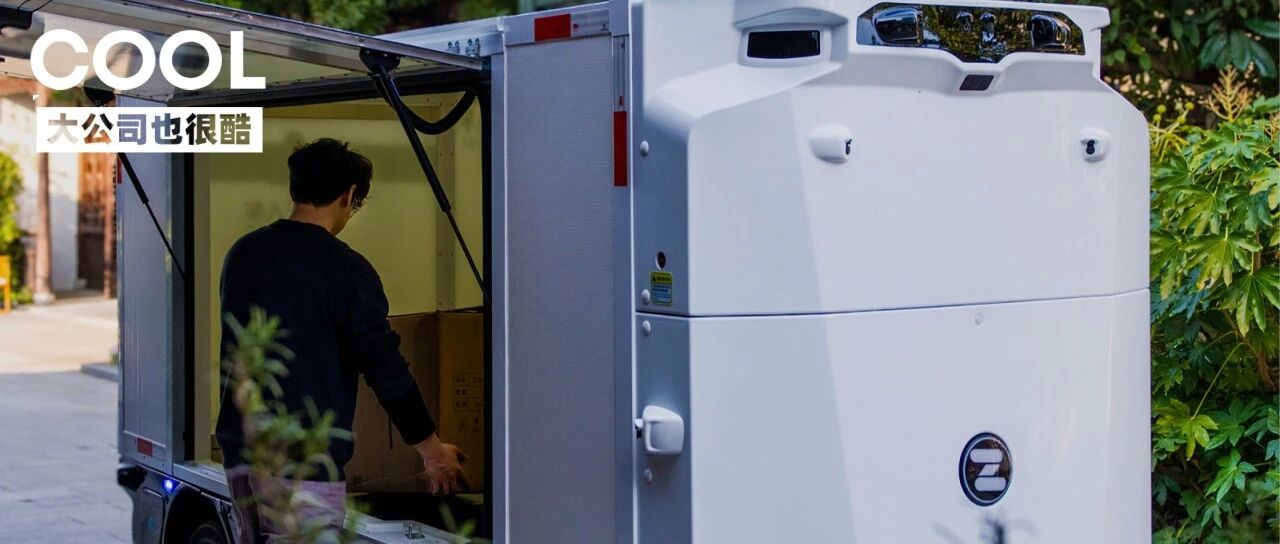
Core Insights - JD Logistics is significantly investing in logistics technology, with over 10 billion yuan in R&D over the past three years, surpassing competitors like SF Express [2][17] - The company has launched autonomous delivery vehicles, including a self-driving light truck and the sixth generation of smart delivery vehicles, aimed at improving logistics efficiency [4][6] - JD Logistics is expanding its service offerings to external clients, with external customer revenue increasing from 56% in 2021 to 70% in 2024 [19] Investment and Financial Performance - JD Logistics has a market value of over 80 billion HKD (approximately 75 billion yuan) and is projected to generate 182.8 billion yuan in revenue in 2024, with a net profit of 7 billion yuan [3][19] - The company's gross margin has improved from 5% in 2021 to 10% in 2024, approaching SF Express's 13% margin [19] Technological Advancements - The newly developed autonomous light truck features L4-level autonomous driving capabilities and can operate continuously, significantly reducing labor and time costs [4][6] - JD Logistics has introduced various automated products for warehouse storage, including handling robots and AI models for logistics optimization [2][13] Strategic Developments - The company has undergone several leadership changes, with a focus on enhancing its logistics technology capabilities [11][12] - JD Logistics has expanded its business through acquisitions, including a 9 billion yuan purchase of a leading large-item logistics company and a 2.7 billion yuan acquisition of Dada Group's instant delivery business [12][19] Market Position and Competitive Edge - JD Logistics operates over 1,600 warehouses and manages more than 5 million product types, achieving a stock turnover time of approximately 30 days, which is more efficient than competitors like Amazon [17] - The company is developing a brand matrix for its logistics automation products, referred to as the "Wolf Pack" series, to enhance its market presence [15]

年入1800亿,刘强东爆改京东物流
创业邦· 2025-10-15 11:00
Core Viewpoint - The article emphasizes the significant investment and technological advancements made by JD Logistics to enhance efficiency and reduce costs in logistics operations, positioning itself as a leader in the logistics technology sector [2][4][23]. Investment in Technology - JD Logistics has invested over 10 billion yuan in logistics technology research and development over the past three years, surpassing competitors like SF Express, which invested around 7 billion yuan [3][23]. - The company has introduced self-developed unmanned light trucks and the sixth generation of intelligent delivery vehicles, aimed at improving logistics efficiency [3][4][6][8]. Product Development - The unmanned light truck features L4 autonomous driving capabilities and can operate 24/7, significantly increasing transport capacity and reducing labor costs [6][8]. - JD Logistics has also developed various automated products for warehouse storage, including handling robots and AI models for logistics optimization [3][18][21]. Financial Performance - JD Logistics is valued at over 80 billion HKD (approximately 75 billion yuan) and is projected to generate 182.8 billion yuan in revenue with a net profit of 7 billion yuan in 2024 [4][25]. - The company's gross margin has improved from 5% in 2021 to 10% in 2024, approaching SF Express's gross margin of 13% [25]. Market Position and Strategy - JD Logistics has increased its external customer revenue share from 56% in 2021 to 70% in 2024, indicating a shift towards providing end-to-end logistics solutions beyond its parent company [25]. - The company operates over 1,600 warehouses and manages more than 5 million product types, showcasing its extensive logistics capabilities [23][25].
武汉高速公路网密度居全国第四
Chang Jiang Ri Bao· 2025-10-15 00:45
Core Insights - The recent National Day and Mid-Autumn Festival holiday saw a record high of 9.9581 million vehicle trips in Wuhan, indicating a significant increase in travel and tourism activity [1] - The frequency of the "Han-Shanghai" and "Han-Hong Kong" air routes has reached nine times that of the end of the 13th Five-Year Plan, reflecting a growing interest from tourists in visiting Wuhan [2] - Wuhan's transportation network is evolving into a robust open hub, enhancing its development advantages and international influence [3] Transportation Infrastructure - During the holiday, the average daily vehicle traffic at Wuhan's expressway toll gates reached 1.2448 million, a year-on-year increase of 0.88% [2] - Wuhan has initiated 13 expressway projects during the 14th Five-Year Plan, with eight projects completed, resulting in an expressway network density of 11.4 kilometers per 100 square kilometers, ranking fourth nationally [2] - The city's comprehensive transportation network has expanded to 18,500 kilometers, with 128 international transport routes established, facilitating efficient logistics and trade [4][5] Economic Impact - The logistics cost in Wuhan has decreased, with the ratio of social logistics costs to GDP falling to 12.2%, which is 2 percentage points lower than the national average [6] - The city has seen a 20% increase in foreign trade import and export volume from January to July this year, ranking second among sub-provincial cities in China [5] - The establishment of modern logistics parks and the increase in A-level logistics enterprises have contributed to a thriving logistics market, with over 5,800 transportation market entities in the city [6][7] International Connectivity - Wuhan has expanded its international transport channels, with the launch of the first international bulk cargo shipping route between Indonesia and Wuhan, significantly reducing logistics costs [7] - The city has developed a second starting station for the China-Europe Railway Express, enhancing connectivity between maritime and land routes [7] - The promotion of a public information platform for supply chain logistics is part of Wuhan's strategy to improve logistics efficiency and reduce costs [7]