
空头回补

Search documents
AI芯企冲刺IPO,数据看透震荡中的杀机
Sou Hu Cai Jing· 2026-02-18 12:13
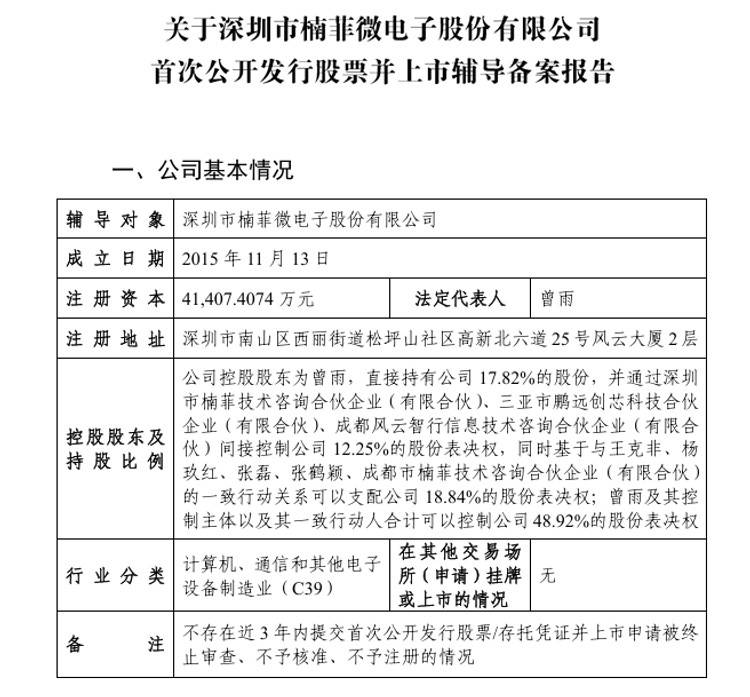
昨天和老杨喝茶,他还在念叨最近盯某AI芯片企业的消息闹心——这家做超节点互联的楠菲微刚提交IPO辅导,前阵子融了10亿多,背后有国资和上市 公司参投,主打超节点板间互联技术,连AI智算中心的万卡集群都能用,行业前景看着亮眼,但对应的关联个股走势忽上忽下,他拿了半个月,上周看 到大盘回调,手里的票跟着跌了两个点,吓得赶紧清仓,结果转天就拉涨,连涨三天,悔得拍大腿都拍红了。其实不光老杨,最近不少朋友都在说,明 明是好赛道的企业,怎么股价就这么磨人?以前大家只能靠感觉猜,涨了怕跌,跌了怕套,现在有了量化大数据,就能把那些藏在波动里的门道扒得明 明白白,再也不用被来回洗得晕头转向。 | 辅导对象 | 深圳市楠菲徽电子股份有限公司 | | | | --- | --- | --- | --- | | 成立日期 | 2015年11月13日 | | | | 注册资本 | 41.407.4074 万元 | 法定代表人 | 曾 南 | | 注册地址 | 深圳市南山区西丽街道松坪山社区高新北六道25号风云大厦2层 | | | | 控股股东及 持 股 比 例 | 公司控股股东为普雨,直接持有公司 17.82%的股份,并通过深圳 币楠 ...

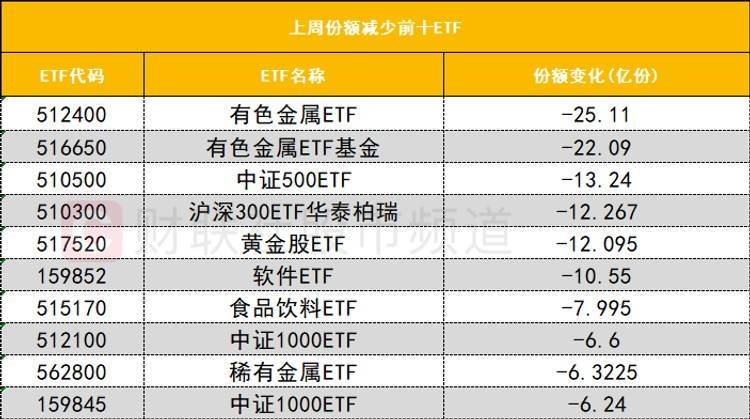
ETF份额剧变,量化数据看清新增量的偏爱
Sou Hu Cai Jing· 2026-02-17 01:53
Group 1 - The core message emphasizes the importance of understanding the underlying trading behaviors behind market movements rather than reacting to superficial price changes [1] - Many investors fall into the trap of making decisions based solely on market trends, leading to losses when they chase after rising stocks or sell off during declines [1][2] - Quantitative data can reveal four core trading behaviors: bullish dominance, profit-taking, bearish dominance, and short covering, which help in understanding the true market intentions [2][5] Group 2 - The article illustrates that even when a stock appears to be on an upward trend, it may be dominated by profit-taking behavior, indicating potential price adjustments ahead [5][11] - It highlights that profit-taking does not necessarily lead to a market decline, as large funds may realize profits during upward trends, similar to a store clearing inventory during a sale [6][12] - The article also points out that negative news does not always result in market downturns; sometimes, it can create opportunities for investors who recognize the underlying buying activity [12][14] Group 3 - The core value of quantitative thinking is to help investors avoid subjective judgments based on emotions and news, instead relying on objective data to understand market behaviors [15][17] - By utilizing quantitative data, investors can maintain a rational perspective and avoid making impulsive decisions based on market fluctuations [16][17] - The article encourages a shift from emotional trading to a more analytical approach, which is essential for responsible capital management [17]
牛市却难逃亏损厄运,原因很残酷
Sou Hu Cai Jing· 2026-02-16 17:41
最近刷到一组扎心的数据,国内2.5亿股市参与者中,90%都处于亏损状态。很多人把原因归为运气差、信息滞后,或是自己不够果断,但其实核心问题是 没看透市场的真实运行逻辑。大多数人以为走势是供需自然波动的结果,实则是大资金群体在利用人性的贪婪与恐慌,制造有规律的市场循环:先制造恐慌 让你放弃,再调整策略收集交易份额,最后制造贪婪让你接手,普通人靠感觉交易,每一步都踩在对方的预判里,最终陷入被动。但现在不用慌,量化大数 据能帮我们跳出这个困局,用客观数据还原市场的真实面目。 一、「获利回吐」行为的量化识别 「获利回吐」行为的持续出现,往往意味着市场交易特征在悄悄改变。比如这只标的,看图2,7个交易日里有5天呈现「获利回吐」主导特征,表面走势平 稳,实则资金行为已经发生变化,后续走势出现调整。 还有的标的表现更隐蔽,即便走势波动不大,「获利回吐」的特征也能被量化数据捕捉到。看图3,这种提前识别的能力,是普通投资者靠主观判断无法做 到的,它能帮我们避免在市场变化来临时措手不及,不用等走势明朗后才追悔莫及。 很多时候走势看似向上,但背后已经有资金在兑现利润,这就是「获利回吐」行为。这种行为是试探性的,并非真正的全面转向, ...

大佬点破行情关键,政策同频成最大助力
Sou Hu Cai Jing· 2026-02-16 16:01
Group 1 - The core viewpoint of the article emphasizes the synchronized resonance between the economic cycles and policies of China and the United States, highlighting the combined effects of "loose fiscal and monetary policies" domestically and overseas [1] - Experts identified key asset allocation directions, including the renminbi exchange rate, industrial products like non-ferrous chemicals, and the A-share market, supported by a weak recovery in the domestic economy and a mid-term decline in the US dollar index [1] - The article suggests that macroeconomic news serves as a catalyst for market fluctuations, but the true determinants of market trends are the underlying trading behaviors driven by capital flows [1] Group 2 - Quantitative analysis reveals four core types of trading behaviors: "bullish dominance," "profit-taking," "bearish dominance," and "short covering," each reflecting different characteristics of capital participation [3] - The article illustrates that despite positive market movements, quantitative data can indicate a prevailing "profit-taking" behavior, suggesting that the apparent upward trend may not be sustainable [5][7] - In contrast, during negative market expectations, quantitative data can uncover overlooked signals, such as "short covering," indicating that some capital is beginning to participate, which may lead to market recovery [11][14] Group 3 - The value of quantitative data lies in its ability to help investors avoid subjective emotional biases and establish an objective understanding of market dynamics based on data-driven insights [16] - In a complex macroeconomic environment, relying solely on news for decision-making can lead to misconceptions, while quantitative tools provide a more stable and objective perspective for maintaining rationality in investment strategies [16]

监管再出重拳,调整还要延续?
Sou Hu Cai Jing· 2026-02-14 20:07
Core Insights - Recent market fluctuations have prompted regulatory bodies to implement self-regulatory measures to maintain fair trading practices and market order [1] - The core drivers of price changes are often overlooked, with many investors focusing solely on surface-level news and price movements [1] - Quantitative data tools reveal multiple trading behaviors that contribute to price volatility, challenging the conventional understanding of market dynamics [1] Group 1: Four Core Trading Behaviors - Quantitative analysis identifies four core trading behaviors that correspond to different market states: 1. "Bullish Dominance": Increased participation in buying activities [3] 2. "Profit Taking": Increased activities focused on realizing existing gains [3] 3. "Bearish Dominance": Decreased participation in buying activities [3] 4. "Short Covering": Increased participation from previously cautious investors [3] Group 2: Characteristics of Profit Taking Behavior - The prevalence of "Profit Taking" behavior during price increases indicates a shift in market dynamics rather than a simple upward push [5] - This behavior often appears hidden, as it coincides with rising prices, leading many to misinterpret it as normal market consolidation [5] - Quantitative data can accurately capture these subtle behavioral changes, helping to avoid cognitive biases [6] Group 3: Significance of Short Covering Behavior - "Short Covering" behavior typically emerges during market panic, signaling a potential reversal despite falling prices [9] - This behavior indicates that previously cautious funds are beginning to enter the market, serving as a key indicator of structural change [12] - Continuous "Short Covering" suggests that panic has been absorbed, marking a transition towards a more positive market sentiment [14] Group 4: Value of Quantitative Data - In a complex market environment driven by emotions, quantitative data provides an objective view of real trading behaviors, free from subjective biases [14] - By analyzing behaviors such as profit taking and short covering, market participants can anticipate changes in trading structures and make more rational decisions [14] - This data-centric investment approach offers a new pathway for investors to understand market dynamics amidst volatility [14]
FPG财盛国际:极端恐惧或助比特币构筑底部
Xin Lang Cai Jing· 2026-02-10 13:07
Group 1 - The cryptocurrency market has experienced extreme fear, with Bitcoin's "Fear and Greed Index" dropping to historical lows, indicating a potential market bottom from a contrarian investment perspective [1][3] - Bitcoin's price has recently rebounded above $71,000, intensifying discussions about whether $60,000 represents the annual bottom for this cycle [1][3] - Technical indicators show deep oversold signals, with the daily Relative Strength Index (RSI) reaching around 15, a level historically seen at the end of bear markets [1][3] Group 2 - There is a significant imbalance in market forces, with over $5.45 billion in short positions above the current price, suggesting that a price rebound of approximately $10,000 could trigger large-scale short liquidations [1][3] - The overall market structure remains weak, with Bitcoin trading below the 50-day moving average of $87,000 and the 200-day moving average of $102,000, and a Z-score of -1.6 indicating prices are below statistical mean levels [2][4] - The derivatives market continues to exert selling pressure, with net short positions reaching -$27.2 million, while Fibonacci retracement levels suggest potential support around $57,000 or lower [2][4] Group 3 - The extreme sentiment indicators are pushing Bitcoin towards a critical turning point, with the return of spot demand being essential for triggering a genuine bull market response [2][4] - In the short term, $60,000 is expected to serve as a key psychological support level, and the market is in a complex bottoming phase influenced by extreme fear and potential short liquidations [2][4]
7:00,一个大大的意外
Sou Hu Cai Jing· 2026-02-08 23:59
来源:华尔街情报圈 北京时间7:00全球市场开盘给了世界一个大大的意外: - 黄金、白银、美股,连同美元周一悉数"跳空高开"——这是"清算后的余震"。周末没法调仓的资金, 被迫在开盘一瞬间处理风险。美元的上涨预示着市场还没放松下来。 回望这轮暴跌的核心,不是基本面恶化,而是一次史诗级的"被迫去杠杆"。 最先炸的是软件股(对冲基金最"方便下手"的地方),基金经理的第一反应不是"判断对错",而是"先 活下来"。他们随即不分资产、不看价格,直接卖掉流动性最好的东西(动作很粗暴)。暴跌的顺序 是:软件——黄金、白银——比特币——半导体——最后连GOOGL、AMZN这种"避风港"都被卖。这 是一次"跨资产、跨策略、同步触发的去杠杆"。每一次去杠杆,顺序都高度一致:最拥挤的,最有杠杆 的,流动性最好的。 不是少量、不是局部,是——历史级别的做空。 2、为什么周五突然全线暴涨? 高盛交易台发现了一件事:IGV(软件ETF)出现了真正的、机构级别的买盘。ETF份额单日暴增 12%,创下2023年以来最大增幅——不是散户抄底,是大资金在回补空头。 3、这是反转了吗? 1、真正让人背后发凉的,其实是另一件事:做空,已经到历史级别 ...
2月8日今日金价:大家做好准备,接下来,黄金有可能会历史重演
Sou Hu Cai Jing· 2026-02-08 23:04
Core Viewpoint - The recent surge in gold prices, with international gold reaching $4959.54 per ounce and domestic prices in Shanghai hitting 1111.00 yuan per gram, reflects a market sentiment reminiscent of the 2019 gold bull market, driven by geopolitical tensions and expectations of U.S. interest rate cuts [1][6][9]. Price Dynamics - International gold prices increased by nearly 4% overnight, while domestic prices rose approximately 1.8% in a single day [1]. - The price disparity between retail gold jewelry and wholesale gold is significant, with retail prices in Beijing and Shanghai around 1542 yuan and 1539 yuan per gram, respectively, compared to a wholesale price of approximately 1274 yuan per gram in Shenzhen [3][4]. Market Sentiment - The current market environment shows a stark contrast between consumer enthusiasm for high gold prices and the cautious sentiment among wholesale traders, mirroring the dynamics observed before the 2019 gold bull market [4][9]. - Historical parallels are drawn, noting that in 2019, gold prices were stable around $1300 per ounce, with similar price disparities and consumer behavior [7]. Central Bank Activity - Central banks globally, including the People's Bank of China, have been steadily increasing their gold reserves, indicating a strategic shift towards gold as a stable asset amid economic uncertainties [7]. - As of January 2026, China's gold reserves have increased for 15 consecutive months, reflecting a long-term commitment rather than short-term speculation [7]. Investment Strategies - For consumers, purchasing gold jewelry from high-end brands may incur significant premiums, suggesting a shift towards more cost-effective options like traditional retailers or wholesale markets [10]. - For investment purposes, gold jewelry is not recommended due to high premiums; instead, investment gold bars or gold ETFs are suggested as more efficient vehicles for capitalizing on gold price increases [12]. - A cautious investment approach is advised, utilizing strategies like dollar-cost averaging to mitigate risks associated with market volatility [12].

高盛:本周美国市场大波动背后,对冲基金“做空一切“、周四软件股开始有买盘、周五“残酷逼空“
美股IPO· 2026-02-08 07:13
Core Viewpoint - Goldman Sachs warns that Friday's short covering only addressed about 20% of the recent short positions backlog, indicating a potential for larger rebounds on Monday unless short sellers double down on their bearish stance [1][9]. Group 1: Market Dynamics - This week, the U.S. market experienced unprecedented volatility across asset classes, driven by a massive short-selling campaign by hedge funds, which culminated in a brutal short covering on Friday [1][3]. - According to Goldman Sachs' prime brokerage data, hedge funds recorded the highest single-day short selling of U.S. stocks since 2016, with a short-to-long ratio reaching 2.5 to 1 [3][4]. - The short-selling wave affected not only the stock market but also precious metals and cryptocurrencies, leading to significant declines in gold, silver, and Bitcoin [3]. Group 2: Sector Analysis - The information technology sector was the worst performer, with short selling reaching the second-largest scale in the past five years, and a short-to-long ratio of 5.4 to 1 [5]. - The software industry was particularly hard hit, accounting for 75% of the net selling in the information technology sector, while semiconductor and IT services saw net buying [6]. - Eight out of eleven sectors experienced net selling, with the largest dollar-denominated declines in information technology, consumer discretionary, consumer staples, industrials, and real estate [4]. Group 3: Market Sentiment and Recovery Signals - A key turning point in market sentiment occurred on Thursday, with institutional investors beginning to buy into the IGV (software sector ETF), which saw a 12% increase on Wednesday, marking the largest single-day increase of 2023 [7]. - Following this, Friday's market saw a significant short covering rally, with Goldman Sachs' most shorted stock basket surging 8.8%, the second-largest single-day increase since 2022 [8][9]. - Despite the rally, Goldman Sachs cautions that only about 20% of the short positions were covered, suggesting that further short covering could continue [9].


本周美国市场大波动背后:对冲基金“做空一切“、周四软件股开始有买盘、周五“残酷逼空“
智通财经网· 2026-02-08 06:17
Group 1 - The U.S. market experienced unprecedented volatility across asset classes due to a massive short-selling action by hedge funds, culminating in a brutal short squeeze on Friday [1] - Hedge funds recorded the highest single-day short-selling volume of U.S. stocks since 2016, with a short-to-long ratio reaching 2.5 to 1, affecting not only the stock market but also precious metals and cryptocurrencies [1][2] - The software sector ETF (IGV) saw a significant increase in shares, rising 12% on Wednesday, indicating a potential bottoming out of the sell-off [1][4] Group 2 - The information technology sector was the worst performer, with a short-to-long ratio of 5.4 to 1, and software industry accounted for 75% of the net selling in this sector [3] - Eight out of eleven sectors faced net selling, with the largest dollar-denominated declines in information technology, consumer discretionary, consumer staples, industrials, and real estate [2] - On Friday, the most shorted stocks surged by 8.8%, marking the second-largest single-day increase since 2022, indicating a significant short-covering rally [5] Group 3 - Despite the short-covering on Friday, it only addressed about 20% of the recent short positions, suggesting the potential for further market rebounds unless short-sellers increase their positions [6] - JPMorgan reported that hedge fund returns were negatively impacted by the recent stock declines, with an average drop of 1.8% across all strategies [3]
