线上线下一体化

Search documents
拼多多杀入商超零售赛道?
Hua Er Jie Jian Wen· 2026-01-14 05:52
Core Viewpoint - Pinduoduo is quietly testing a new business called "Billion Supermarket" within its app, focusing on essential consumer goods, while major competitors like Alibaba and Meituan are heavily investing in instant retail and AI technologies [2][4]. Group 1: Business Development - The "Billion Supermarket" initiative leverages Pinduoduo's established "Billion Subsidy" system, offering limited-time coupons and low-price subsidies, currently available to a select group of users [2][4]. - The service is integrated into the existing "Billion Subsidy" channel on the app, without a separate entry point, which may hinder user recognition of the supermarket as a distinct offering [9]. Group 2: Competitive Landscape - Pinduoduo's entry into the supermarket sector is seen as a strategic move to enhance user engagement and retention, especially in the fast-moving consumer goods (FMCG) market, where competition is intensifying [4][5]. - Competitors like Alibaba's Tmall Supermarket and Meituan are aggressively expanding their instant retail capabilities, with Tmall aiming to dominate the market by enhancing its delivery services [6][8]. Group 3: Market Challenges - The supermarket sector is crowded with established players, making it challenging for Pinduoduo to gain a foothold, especially as the focus shifts from simple traffic subsidies to supply chain efficiency and service quality [9][10]. - Pinduoduo's current offering lacks the depth of product variety and delivery speed compared to competitors, which could impede its ability to compete effectively in the supermarket space [9][10]. Group 4: Strategic Advantages - Pinduoduo's strengths lie in its cost control capabilities and a strong foundation in lower-tier markets, which could provide a competitive edge in the supermarket sector [10]. - The company has a skilled team experienced in community group buying, which may enhance its supply chain capabilities as it ventures into supermarket retail [10].



众信旅游:公司与飞猪旅行为业务合作伙伴关系
Zheng Quan Ri Bao Wang· 2026-01-14 05:49
Core Viewpoint - The company, Zhongxin Tourism, is collaborating with Fliggy to create an integrated industry chain that combines resources, channels, and technology, aiming to enhance its online and offline business model and service system [1] Group 1 - The partnership between Zhongxin Tourism and Fliggy focuses on building a new industry ecosystem to drive growth [1] - The collaboration emphasizes the integration of online and offline services to improve customer experience [1] - The initiative aims to release new growth momentum within the industry [1]

外卖大战近一年,重新理解美团
Tai Mei Ti A P P· 2026-01-09 02:30
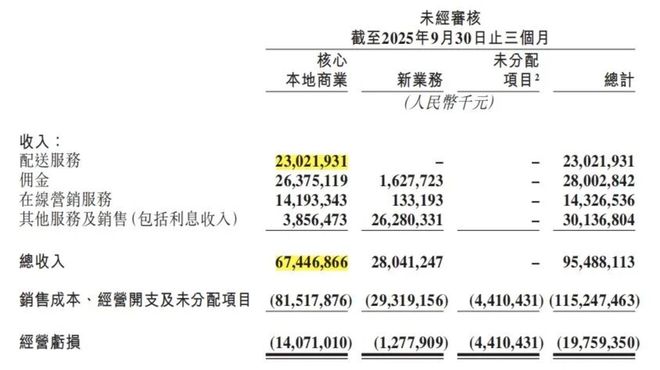
Core Viewpoint - 2025 is a pivotal year for Meituan, as it faces intensified competition in the food delivery market, necessitating a reevaluation of its business model and strategies to adapt to a changing landscape [1][2]. Group 1: Business Performance and Market Position - Meituan's Q3 financial report for 2024 exceeded market expectations in terms of revenue, profit, and reduced losses in new businesses, leading Morgan Stanley to highlight it as a key player in the Chinese internet sector for the upcoming year [1]. - The competitive landscape has shifted, with Meituan no longer operating independently within the local lifestyle market but rather in a larger consumer market where it faces stronger competition from major players [1][2]. - The delivery service revenue for Q3 2025 accounted for approximately 34% of core local revenue, down from around 40% in the same period of 2024, indicating a decline in the contribution of delivery services to overall revenue [7]. Group 2: Strategic Adjustments - Meituan's core challenge is to find a new "high-frequency to low-frequency" approach through various adjustments, including enhancing high-frequency traffic sources, improving operational efficiency, and increasing user retention for high-margin businesses [2][10]. - The company is focusing on revitalizing its high-frequency grocery business, which aligns with its operational logic and the trend towards integrated online and offline retail [10]. - Meituan is also targeting the lower-tier markets for food delivery, which, despite lower penetration rates, present significant growth potential for increasing traffic and expanding into more consumer sectors [11]. Group 3: Competitive Landscape and Challenges - The food delivery market's dynamics have changed, with Alibaba leveraging its larger scale and financial resources to offer lower prices, thereby increasing the competitive pressure on Meituan [5][6]. - Meituan's delivery business, which was previously profitable, is now projected to incur losses, with an estimated loss of approximately 1 RMB per order by 2025 [7]. - The competition has intensified with new entrants and existing players like Douyin and Xiaohongshu aggressively targeting the group buying and local services market, complicating Meituan's operational environment [19][20]. Group 4: Operational Enhancements - Meituan is enhancing its ground-level operational capabilities, focusing on local supply chain efficiency and service experience to differentiate itself in the competitive landscape [12][14]. - The company is also investing in personalized delivery services, such as the "1-to-1 urgent delivery" initiative, to attract higher-value consumers and improve service reliability [12]. - Meituan's supply chain capabilities are being strengthened through initiatives like promoting direct sourcing in its grocery business, which is essential for improving efficiency and product differentiation [17][18].

500ML飞天上线i茅台,消费者和茅台经销商怎么看?
Jing Ji Guan Cha Wang· 2026-01-02 10:34
Core Viewpoint - The launch of "i Moutai" for purchasing 500ml Flying Moutai starting January 1, 2026, has sparked significant interest in the liquor industry, with concerns about its impact on offline channels being addressed through positive feedback from consumers and distributors, indicating that online and offline sales can complement each other rather than replace one another [1][2]. Consumer Insights - The core user group of "i Moutai" consists mainly of ordinary consumers who have lower daily demand for Moutai and seek convenience and authenticity for occasional purchases, particularly for gifting during holidays [2]. - Many consumers reported purchasing multiple bottles for family gatherings or celebrations, indicating a seasonal spike in demand, especially around the New Year [2]. - The online platform has increased foot traffic to offline stores, as customers who could not secure purchases online are seeking availability in physical locations [2]. Distribution Channel Perspective - Distributors view the online and offline purchasing options as non-conflicting, allowing consumers to choose their preferred method of purchase [4]. - Distributors emphasize the importance of offline services, such as product education and customer relationship management, which are essential for maintaining a stable customer base [4]. - Moutai has reassured distributors by maintaining contract volumes for 2026, alleviating concerns about potential disruptions in sales [4]. Product Availability and Scarcity - The introduction of "i Moutai" is not expected to dilute the perceived scarcity of Moutai, as its limited production capacity is determined by the lengthy production process and strict geographical conditions [5][6]. - Experts argue that the scarcity of Moutai is influenced by unique natural conditions, craftsmanship, and strong market demand, which remain unchanged despite the new sales channel [6]. - The strategy of launching "i Moutai" is seen as a way to streamline sales channels and reduce speculative buying, thereby maintaining the inherent scarcity of Moutai [6][7]. Sales Strategy and Market Management - The daily release strategy for "i Moutai" is designed to create ongoing consumer interest while preventing excessive supply that could lead to value dilution [7]. - Moutai is exploring new pathways for managing scarcity in the digital age, balancing supply with demand to ensure market stability [7].

全市首家“线上线下一体化”互联网医院!平台、服务大升级→
Sou Hu Cai Jing· 2025-12-26 07:25
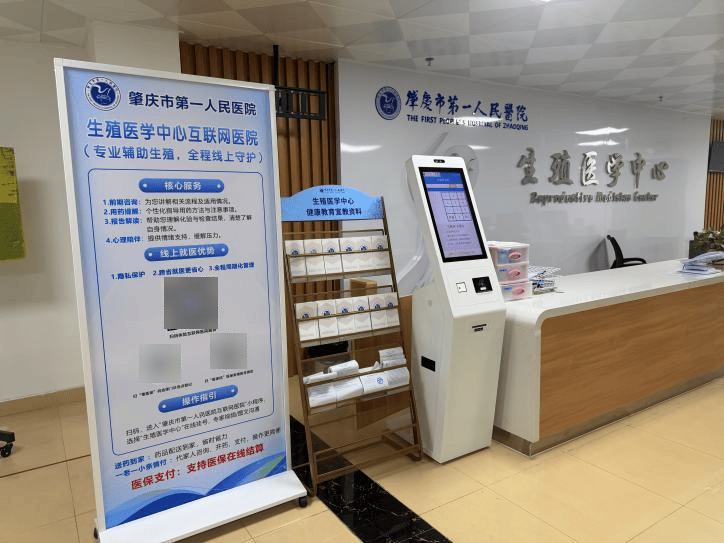
Core Insights - The article discusses the upgraded internet hospital platform of Zhaoqing First People's Hospital, which aims to provide integrated online and offline services for patients, particularly those with chronic diseases [1] Group 1: Internet Hospital Services - The platform allows patients to access online consultations, follow-up visits, and chronic disease medication renewals, with options for home delivery of medications [1][4] - The first batch of online departments includes General Medicine, Endocrinology, Burn and Plastic Surgery, and Reproductive Medicine, each offering specific services such as online consultations and follow-up care [2][4] Group 2: Functional Features - Key features of the internet hospital include text and video consultations, online prescription renewals for chronic disease patients, and the ability to order laboratory tests online [4] - Patients can receive responses to their inquiries within 24 hours, and notifications will be sent to their mobile devices once a doctor has reviewed their requests [5]

途虎养车门店突破8000家 系统化能力引领汽车后市场新范式
Xin Lang Cai Jing· 2025-12-24 10:33
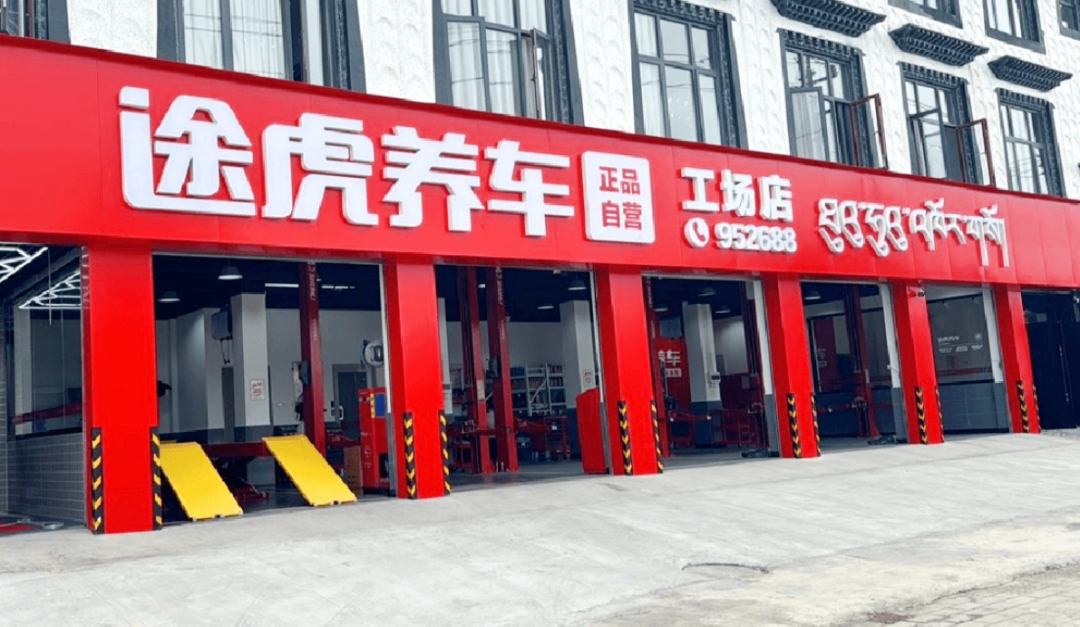
Core Insights - Tuhu Car Service has officially surpassed 8,000 workshop stores, covering 347 cities and 1,920 counties in China, marking it as a leader in the automotive aftermarket and a new benchmark for domestic chain service industries [1][13] - The rapid expansion of Tuhu, adding 1,000 stores in just eight months, is driven by a deep industrial transformation powered by technology, data, and system capabilities [1][13] Group 1: Scale and Network - Tuhu's 8,000 workshop stores create the most integrated online and offline network in China's automotive service sector, achieving a near "infrastructure" level layout in high-tier cities [2][14] - In major cities like Beijing, Shanghai, and Guangzhou, Tuhu has established a store density of one store every 1.2 kilometers, providing convenient services to car owners [2][14] - Tuhu's strategic expansion into lower-tier markets has resulted in 1,420 stores in 1,116 independent towns, filling significant service gaps in these areas [2][14] Group 2: Franchise Ecosystem - Nearly 90% of Tuhu's workshop stores that have been open for over six months are profitable, showcasing a healthy franchise ecosystem despite rapid expansion [5][17] - Tuhu offers a comprehensive "survival and development system" rather than just brand authorization, allowing franchisees to focus on localized services and significantly reducing operational risks [5][17] - The proprietary Blue Tiger app enables franchisees to manage multiple stores efficiently, streamlining operations from order management to customer feedback [5][17] Group 3: Technology and Supply Chain - Tuhu's digital and intelligent infrastructure supports the efficient operation of its 8,000 stores, utilizing AI for customer service, training, and operational guidance [6][18] - The company has developed a vast data system covering millions of SKUs, allowing for precise inventory management and supply chain efficiency [6][18] - Tuhu's four-tier intelligent warehousing and logistics network ensures timely delivery of parts, even to remote locations, significantly reducing inventory costs for franchisees [7][19] Group 4: Global Positioning - Tuhu's 8,000 stores position it as one of the largest automotive service chains globally, surpassing many competitors in both China and abroad [9][21] - The company's growth reflects a unique model that leverages the mobile internet era and digital applications, contrasting with traditional Western automotive service chains [9][21] - Tuhu's success illustrates how technology can reshape traditional industries, setting new standards and growth models in the automotive aftermarket [10][22]
小象超市北京开店,美团与阿里形成「生鲜1V1」态势
3 6 Ke· 2025-12-22 02:14
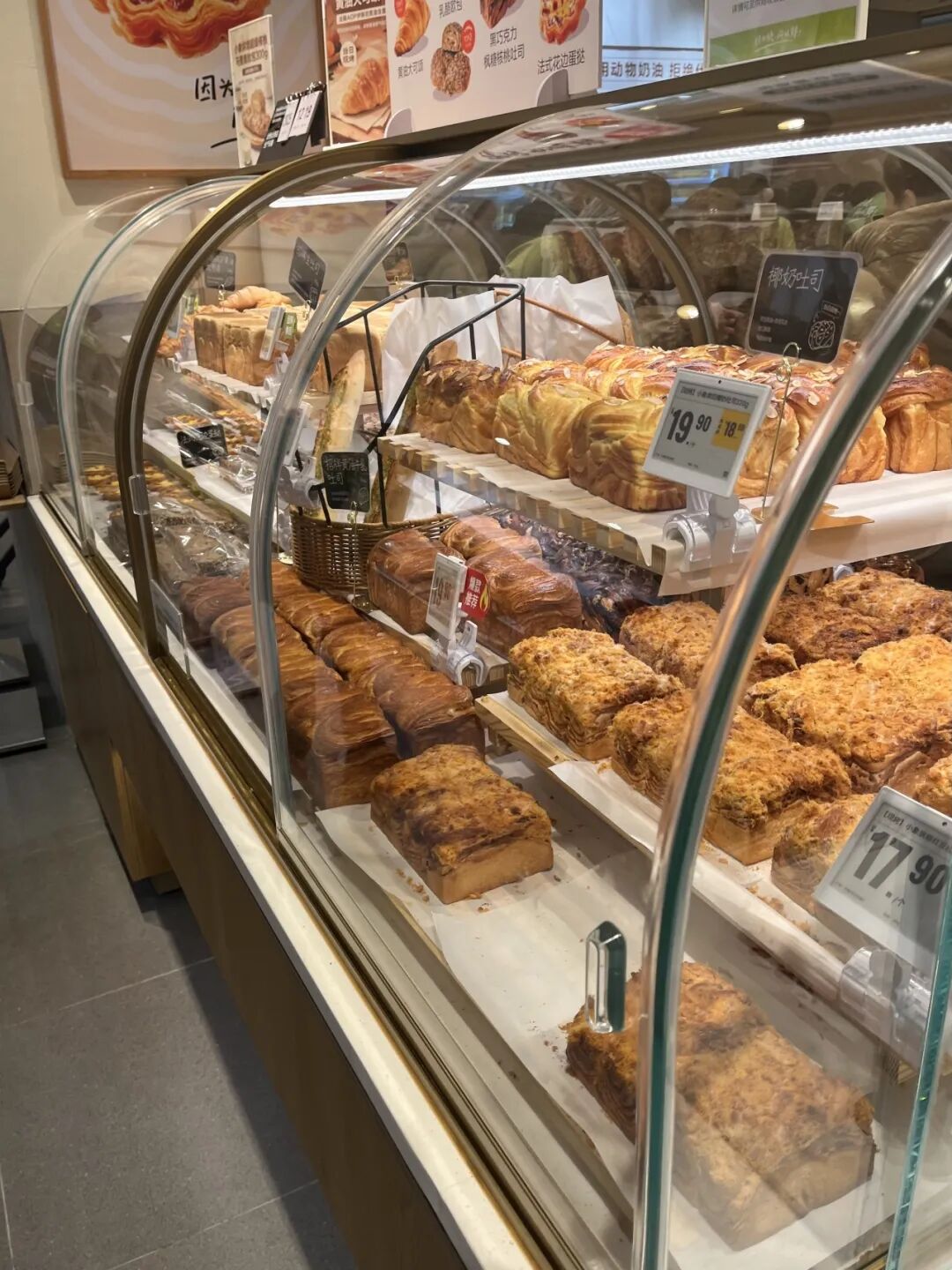
Core Insights - Meituan's Xiaoxiang Supermarket aims to compete with Hema Fresh, Wumart's Pangu Store, and JD's Seven Fresh by targeting consumers with certain purchasing power and a demand for quality and shopping experience [1][15] - The offline store of Xiaoxiang Supermarket complements Meituan's existing online infrastructure, creating a competitive landscape against Hema [1][15] - The supermarket's strategy focuses on enhancing the shopping experience and leveraging supply chain advantages in fresh produce, alcohol, and prepared foods [1][6][12] Store Experience and Layout - Xiaoxiang Supermarket's layout and style are similar to Wumart's Pangu Store, emphasizing service details and cleanliness [1][2] - The store features a mix of standardized pre-packaged products and a rich variety of live seafood, along with a dining area and a bakery section [2][12] - The supermarket enhances customer service by providing tips on product selection and offering free services like steak cooking and melon peeling [4][12] Product Strategy - Xiaoxiang Supermarket emphasizes high-quality self-operated products, including strawberries, juices, and rice, while ensuring safety and quality through direct sourcing [6][8] - The product range is more extensive than Wumart's Pangu Store but still lags behind Hema in novelty and variety [8][10] - The introduction of third-party brands in the prepared food section creates a mini food market atmosphere [10][12] Competitive Landscape - Meituan's Xiaoxiang Supermarket and Happy Monkey discount stores form a three-tier structure in the fresh produce market, competing directly with Alibaba's Hema and its associated logistics [15][18] - The competition is framed within the broader trend of integrating online and offline retail, with fresh produce becoming a focal point for consumer demand [15][16] - The market is characterized by a shift towards medium-sized supermarkets replacing large hypermarkets, with a focus on unique experiences and high-quality offerings [21][23] Future Outlook - Meituan plans to expand Xiaoxiang Supermarket to all first- and second-tier cities, indicating a significant growth strategy [15][25] - The company aims to enhance its supply chain capabilities and product innovation to compete effectively against established players like Hema [25] - The ongoing competition in the fresh produce sector is expected to accelerate as consumer preferences evolve towards integrated shopping experiences [25]

2025年中国连锁药店行业市场研究报告
硕远咨询· 2025-12-16 09:05
Investment Rating - The report does not explicitly state an investment rating for the industry Core Insights - The Chinese chain pharmacy industry is experiencing rapid growth, with the market size expected to exceed 1 trillion yuan by the end of 2024, indicating significant market potential [18] - The industry has maintained an average annual growth rate of over 10% in the past five years, driven by increased medical insurance coverage and rising consumer health awareness [20] - The market is becoming increasingly concentrated, with leading companies like Guoda Pharmacy, Yifeng Pharmacy, and Laobaixing Pharmacy dominating the market [39] Industry Overview - The chain pharmacy industry is defined as a collection of retail stores organized under a unified management system, sharing brand image, procurement channels, and service processes [4] - The industry has evolved from traditional single-store pharmacies to a more standardized and professional model, with significant growth in major cities [8] - The industry is categorized into three main types: direct chain pharmacies, franchise chain pharmacies, and mixed chain pharmacies [5] Market Size and Growth Trends - As of 2024, the number of chain pharmacy stores in China has surpassed 120,000, covering most provinces and major cities [18] - The industry is characterized by a "leading enterprises leading, regional strong players supporting" market structure, with significant market share held by top companies [18][39] - The growth of the industry is supported by government policies promoting healthcare consumption and capital market interest [10] Supply and Demand Analysis - Major chain pharmacy enterprises are concentrated in first-tier cities and economically developed second-tier cities, with a notable presence in eastern coastal regions [21] - The supply chain and logistics systems are crucial for improving operational efficiency and ensuring drug safety [24] - The variety of drugs offered includes prescription drugs, over-the-counter drugs, traditional Chinese medicine, and health products, catering to diverse consumer needs [26] Consumer Behavior and Preferences - The primary consumer groups include elderly patients with chronic diseases, young health management consumers, and families with regular medication needs [28] - Modern consumers prioritize drug quality, price transparency, and overall service experience, leading to a shift towards personalized health management services [31] - The integration of online and offline purchasing channels is becoming the mainstream trend in the pharmaceutical retail industry [34] Competitive Landscape - Leading companies like Guoda Pharmacy, Yifeng Pharmacy, and Laobaixing Pharmacy dominate the market, leveraging their financial strength and efficient supply chain management [37] - The market is highly concentrated, with the top ten chain pharmacies holding over half of the market share [39] - Regional competition varies, with intense competition in economically developed areas and significant growth potential in less developed regions [42] Policy and Regulatory Environment - The government has implemented strict regulations to ensure drug quality and safety, including licensing requirements and procurement standards [48] - Recent reforms in medical insurance policies have significantly impacted the operations of chain pharmacies, prompting them to optimize procurement and inventory management [50] - Regulatory measures are aimed at promoting standardized and compliant operations within the industry [51] Technological Development and Digital Transformation - The application of information technology, such as drug management information systems and customer relationship management (CRM) systems, is enhancing operational efficiency [58][59] - The integration of mobile payment and electronic prescriptions is transforming the purchasing process, improving customer experience [61] - The trend towards online and offline integration is driving the development of a comprehensive sales and service system [62]


2025年中国便利店行业市场研究报告
硕远咨询· 2025-12-09 14:06
Investment Rating - The report rates the convenience store industry in China as having strong growth potential, with a projected market sales revenue of 1.2 trillion RMB by 2024, reflecting a compound annual growth rate of approximately 10% [23][24]. Core Insights - The convenience store industry in China has rapidly expanded due to urbanization and changing consumer lifestyles, emphasizing convenience and immediate shopping needs [12][28]. - The market is characterized by a mix of large chain stores and smaller regional players, with major brands like FamilyMart, Lawson, and 7-11 dominating over 50% of the market share [55][56]. - The industry is undergoing a digital transformation, with the adoption of new technologies such as smart payment systems and data analytics to enhance operational efficiency and customer experience [33][34]. Summary by Sections 1. Industry Overview - Convenience stores are defined as retail outlets that provide essential goods and services in close proximity to consumers, typically operating long hours or 24/7 [4][5]. - The industry has evolved to include various types of stores, such as chain stores, community stores, unmanned stores, and specialty stores, catering to diverse consumer needs [7][10]. 2. Market Size and Growth Analysis - As of the end of 2024, the total number of convenience store outlets in China is expected to exceed 150,000, indicating significant market demand [18]. - The market sales revenue is projected to reach 1.2 trillion RMB in 2024, driven by increased consumer demand for convenience and diverse product offerings [23][24]. - The growth is supported by urbanization, rising disposable incomes, and technological advancements that enhance shopping experiences [28]. 3. Consumer Behavior and Demand Analysis - The primary consumer demographic for convenience stores includes young adults aged 18 to 40, with a balanced gender ratio [39]. - Consumers prefer quick and convenient shopping experiences, often purchasing ready-to-eat foods and beverages [43][44]. - There is a growing demand for healthy and organic products, reflecting a shift in consumer preferences towards health-conscious choices [51]. 4. Competitive Landscape and Major Players - The convenience store market is dominated by major brands like FamilyMart, Lawson, and 7-11, which leverage their scale and brand recognition to maintain market share [55][56]. - New entrants, including internet companies and capital-driven businesses, are increasing competition by introducing innovative business models and technologies [57][60]. - Regional and independent convenience stores face challenges in supply chain management and brand recognition, necessitating differentiation strategies to compete effectively [63][64].
361°接入淘宝闪购,全国1500家门店运动装备“分分钟送达”
Yang Zi Wan Bao Wang· 2025-12-04 06:01
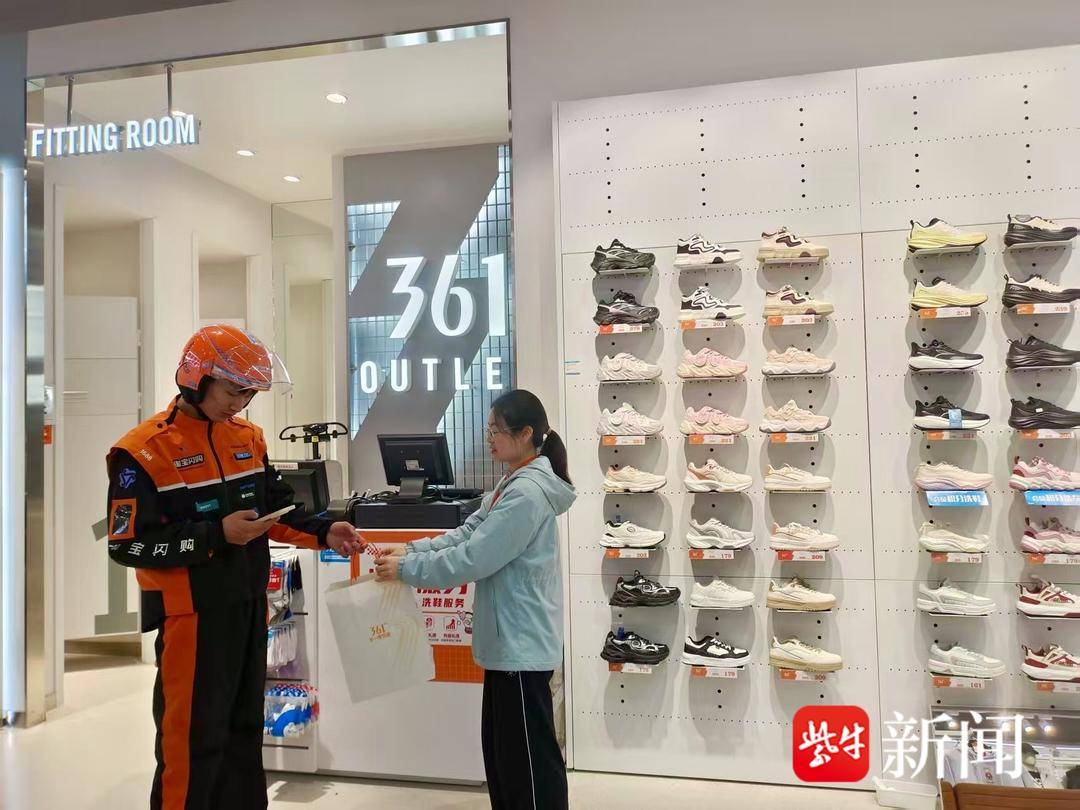
Group 1 - 361° officially integrates with Taobao Flash Purchase, launching in Chongqing and expanding to 160 cities including Beijing, Shanghai, Guangzhou, and Jinan with 1,500 stores set to go live [1] - Consumers can order from nearby stores and enjoy a 30-minute rapid delivery service for sports equipment [1] - The product range includes popular items like the Flyburn 4.5 running shoes and the water-resistant "Rain Shield Series" shoes, as well as basic footwear, apparel, accessories, and children's products [3] Group 2 - Taobao's large e-commerce traffic is expected to significantly increase retail growth due to higher conversion rates from instant consumer demand during browsing, promotions, or live streaming [3] - Alibaba's Q3 financial report indicates that approximately 3,500 Tmall brands have connected their offline stores to Taobao Flash Purchase, leading to a double-digit year-on-year growth in consumer activity on the Taobao app during the Double 11 shopping festival [3] - The integration of offline stores into Taobao Flash Purchase enhances the online and offline (300959) operational synergy, providing consumers with a new shopping experience [3]