绿色低碳出行

Search documents
新疆独库公路:绿色动能绘就大美新画卷
Xin Hua Wang· 2025-10-17 04:42
Core Insights - The Duku Highway in Xinjiang is expected to see a traffic volume of 3.7 million vehicles during its opening period in 2025, marking a historical high [1] - The proportion of new energy vehicles is significantly increasing, indicating a shift towards green and low-carbon travel as a new trend in self-driving tourism on the Duku Highway [1]
与城市建设同频共振!宝鸡公交这样找准自身定位|一线调研
Di Yi Cai Jing· 2025-10-16 06:39
Core Viewpoint - The article emphasizes the importance of public transportation in urban development, highlighting initiatives in Baoji to enhance commuting efficiency and promote green, low-carbon travel [1][13]. Group 1: Public Transportation Initiatives - Baoji has launched a dedicated commuter bus service from the train station to key industrial areas, addressing the commuting challenges faced by employees [1][2]. - The "My Bus, My City" campaign initiated on October 16, 2023, aims to enhance public transport as a critical support for urban sustainable development [1][13]. - The Baoji public transport system has expanded its routes to cover industrial parks and major community areas, ensuring that public transport aligns with urban development [3][9]. Group 2: Economic Impact - Public transportation has played a vital role in supporting industrial development in Baoji, facilitating employee commuting and attracting businesses to the area [2][3]. - The Baoji High-end Equipment Industrial Park, housing over 76 companies and 4,000 employees, has seen significant improvements in public transport connectivity since its establishment [2][3]. Group 3: Technological Advancements - Baoji has implemented an intelligent dispatch system that provides real-time data on bus locations and traffic conditions, improving operational efficiency [5][7]. - The "Baoji Xing" app has been developed to enhance user experience, offering features like real-time bus tracking and online payment options [7][8]. Group 4: Infrastructure Development - The total length of Baoji's public transport routes increased from 796.3 kilometers to 974.6 kilometers during the 14th Five-Year Plan period, with a significant rise in bus fleet size and dedicated bus lanes [3][10]. - New policies and regulations have been introduced to support the sustainable development of public transport, including financial subsidies and performance assessments [10][12]. Group 5: Environmental Initiatives - Baoji has transitioned to 100% electric buses, significantly reducing emissions and operational costs, with 200 new electric buses added in 2025 [12][13]. - The city has established multiple charging stations to support its fleet of electric buses, promoting a shift towards greener transportation options [12].

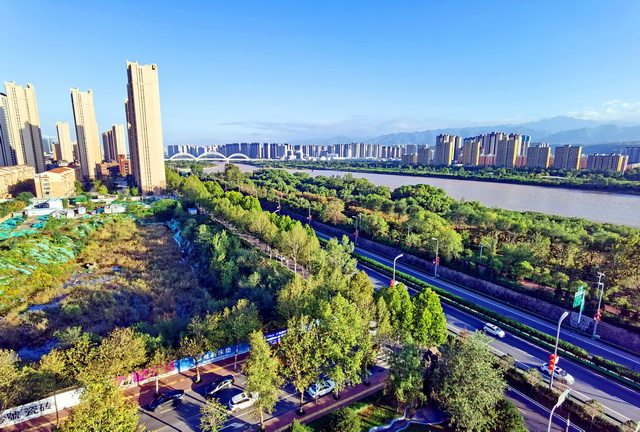
中国与圭亚那签署应对气候变化南南合作绿色低碳出行项目谅解备忘录
Zheng Quan Shi Bao Wang· 2025-10-11 08:29
Core Viewpoint - The signing of a memorandum of understanding between the Ministry of Ecology and Environment of China and the Embassy of Guyana in China aims to enhance cooperation on climate change and promote green low-carbon transportation in Guyana [1] Group 1 - The memorandum includes China providing new energy vehicles and supporting charging infrastructure to Guyana [1] - The collaboration will involve exchanges and capacity-building activities in relevant fields [1] - The initiative supports Guyana in establishing a low-carbon transformation demonstration in its transportation sector [1]
小鹏汽车:科技企业赋能儿童科普|2025华夏ESG实践人力与公益标杆案例
Hua Xia Shi Bao· 2025-09-25 10:36
Company Overview - Xiaopeng Motors was established in 2015 and is headquartered in Guangzhou, with R&D centers in multiple cities including Beijing, Shanghai, and Shenzhen. The company has also set up smart manufacturing bases in Wuhan, Zhaoqing, and Guangzhou. Xiaopeng Motors has a global R&D and sales presence, including a research center in the United States and subsidiaries in various European locations. The company went public on the New York Stock Exchange on August 27, 2020, raising a record amount for the global new energy vehicle industry, with stock code "NYSE:XPEV". It was listed on the Hong Kong Stock Exchange on July 7, 2021, with stock code "9868.HK" [1]. Social Responsibility Initiatives - Xiaopeng Motors has established the Guangzhou Xiaopeng Public Welfare Foundation, focusing on environmental education for children and their parents. The foundation collaborates with professionals in ecology, early development, and educational publishing to create innovative educational products centered on climate change, new energy, and biodiversity [2]. - The "Low-Carbon Traveler" environmental science education project initiated by Xiaopeng Public Welfare recruits employees, volunteers, and educational institutions to co-create educational products that promote green and low-carbon travel concepts among children and youth. The project has developed three mature educational products, with the core product being the "Low-Carbon Traveler" board game, which encourages players to plan travel in a future city context while considering carbon emissions [2]. - The "Low-Carbon Traveler" board game is a strategy game that simulates urban travel modes, where players' travel choices impact carbon emissions. The game integrates educational elements to convey the importance of green and intelligent travel to the public, especially to children and youth [2]. Educational Outreach - The Xiaopeng Public Welfare Foundation, in collaboration with Xiaopeng Motors' research experts, has published the "Low-Carbon Traveler" Smart Handbook, which includes 19 fun questions aimed at educating children and youth about automotive culture, the relationship between cars and the environment, and future automotive technology developments. The handbook incorporates Xiaopeng Motors' knowledge and experience in green design, battery recycling, and flying car technology [3]. - The foundation employs various promotional methods to meet educational needs, partnering with teachers, employee volunteers, and NGOs to promote the "Low-Carbon Traveler" series of educational products in schools, museums, and Xiaopeng Motors' stores. By March 2025, over 250 public science activities are planned across 17 provinces, directly serving more than 20,000 children and youth [3]. Expert Commentary - Xiaopeng Motors deeply integrates ESG principles into its operations, showcasing employee care through initiatives like the "Newborn Plan" and promoting ecological science education through the "Low-Carbon Traveler" project. This approach combines talent development with public innovation, enriching the company's commitment to green responsibility [4].

内蒙古首例制储用氢能共享交通示范项目落地
势银能链· 2025-09-04 03:49
Core Viewpoint - The article discusses the launch of the hydrogen energy shared transportation demonstration project in the Kangbashi District of Ordos City, marking the first comprehensive hydrogen energy project in Inner Mongolia that integrates the entire industry chain from production to storage and usage [2][4]. Group 1: Project Overview - The hydrogen energy shared transportation project showcases various hydrogen-powered vehicles, including shared bicycles, family cars, and sightseeing cars, with an initial deployment of 100 hydrogen shared bicycles [2][4]. - The project has a total investment of 28 million yuan, divided into two phases: Phase 1 involves an investment of 8 million yuan for the development of hydrogen production, storage, refueling systems, and application vehicles; Phase 2 will invest 20 million yuan to expand hydrogen applications to municipal vehicles and buses [4][6]. Group 2: Technical Aspects - The project utilizes electrolysis for hydrogen production, solid-state hydrogen storage, low-pressure refueling, and solid-state hydrogen usage systems, significantly enhancing operational safety and reducing hydrogen usage costs [6]. - The overall system's energy efficiency is improved by 35%, promoting the effective utilization of hydrogen energy and supporting the integration of green low-carbon travel concepts into urban development [6]. Group 3: Community Impact - The project aims to align with the tourism characteristics of the Kangbashi District, providing accessible hydrogen-powered transportation options that enhance residents' daily lives and contribute to sustainable urban development [6].

重庆车网互动规模化应用试点获成效
Zhong Guo Dian Li Bao· 2025-08-29 00:39
Core Insights - The implementation of time-of-use electricity pricing in Chongqing has significantly reduced charging costs for electric vehicle (EV) owners, with some users saving over 1300 yuan per month by charging during off-peak hours [1][2]. Group 1: Time-of-Use Pricing Structure - Chongqing's public charging stations follow a time-of-use pricing model, dividing the day into peak, high, low, and flat periods, with peak hours (12-14) seeing a 92% increase in rates compared to flat rates [2]. - Off-peak hours (0-8) offer a 62% discount, making the electricity price as low as 0.36 yuan/kWh for users who opt for time-of-use pricing [2][3]. Group 2: Adoption and Impact - As of August 18, nearly 6000 public charging stations and 367,000 private charging piles have been established in Chongqing, with over 61% of total charging occurring during off-peak hours [2]. - The promotion of time-of-use pricing has led to a significant increase in off-peak charging, with over 72% of private charging pile usage occurring during low-demand periods [2]. Group 3: User Engagement and Convenience - Users can easily apply for time-of-use pricing either online through the "State Grid" app or offline at local power supply offices, making the process accessible [3]. - Most electric vehicles now feature a "scheduled charging" function, allowing users to set charging times during off-peak hours automatically, enhancing convenience and cost savings [4]. Group 4: Future Goals and Initiatives - Chongqing aims to have over 60% of total charging electricity concentrated in off-peak hours and 80% for private charging piles, promoting a shift towards greener energy consumption [4]. - The local power company is committed to encouraging more EV users to adopt time-of-use pricing and charge during low-demand periods to further reduce electricity costs and support sustainable travel [4].
国家能源局:我国充电基础设施数量达1669.6万个,是“十三五”末的10倍
Zhong Guo Neng Yuan Wang· 2025-08-26 02:49
Core Insights - The National Energy Administration is actively promoting the construction of charging infrastructure to meet the electricity demand from the increasing adoption of electric vehicles in households [1] - As of the end of July, the number of charging facilities in China reached 16.696 million, which is ten times the number at the end of the 13th Five-Year Plan, making it a global leader in scale [1] - The National Energy Administration encourages the use of green vehicles and green electricity through green certificates and electricity trading, providing green electricity services to electric vehicle owners [1] - Initiatives are being organized in relevant provinces to conduct pilot projects for vehicle-grid interaction, allowing electric vehicles to act as "mobile power banks" to support peak shaving and valley filling in electricity consumption [1] - More than half of the world's electric vehicles are currently operating in China, indicating a deep-rooted concept of green and low-carbon travel and energy consumption among the public [1]
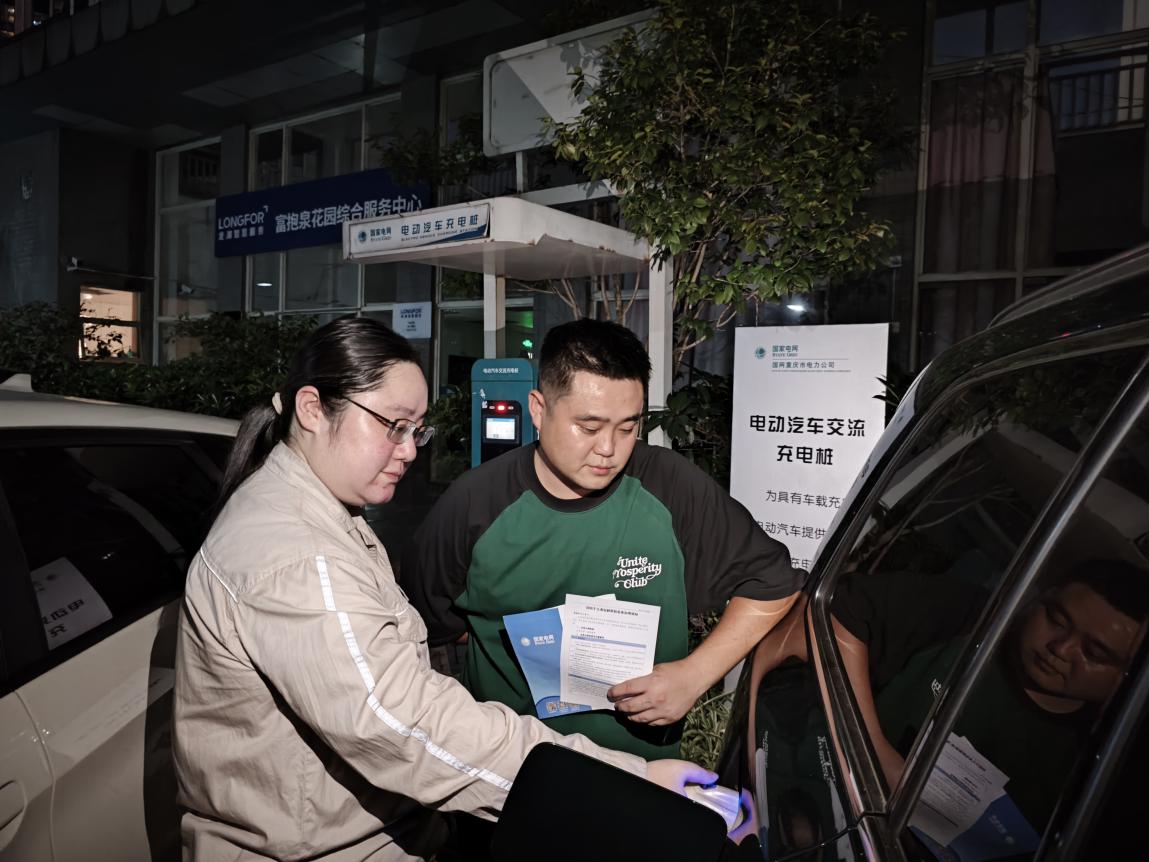
分时电价助力绿色出行新风尚
Zhong Guo Neng Yuan Wang· 2025-08-22 11:12
Core Insights - The implementation of time-of-use electricity pricing in Chongqing has led to significant cost savings for electric vehicle (EV) users, particularly for those charging during off-peak hours [1][3][7] Group 1: Time-of-Use Pricing Structure - Chongqing's public charging stations operate under a time-of-use pricing model, dividing the day into peak, high, low, and flat periods, with off-peak hours (00:00 to 08:00) offering a 62% discount compared to flat rates [2][3] - For residential users with time-of-use pricing, the off-peak rate is set at 0.36 yuan per kilowatt-hour, compared to 0.54 yuan for those without [2][3] Group 2: User Adoption and Behavior - As of August 18, nearly 6,000 public charging stations and 367,000 residential charging piles have been established in Chongqing, with over 61% of total charging occurring during off-peak hours [3][7] - Many EV users are taking advantage of the time-of-use pricing to reduce their monthly electricity costs, with some drivers reporting savings of over 1,300 yuan per month by charging at night [1][3] Group 3: Technological Integration - Most modern electric vehicles can be programmed to charge during off-peak hours through onboard systems or mobile apps, allowing for automated charging without user intervention [5] - The Chongqing power company has provided detailed guides for over 20 popular EV brands to facilitate the setup of off-peak charging [5] Group 4: Future Goals and Initiatives - Chongqing has been approved as a pilot city for large-scale applications of electric vehicles interacting with the grid, aiming for over 60% of total charging to occur during low-demand periods [7] - The local power company is promoting energy-saving practices and encouraging more EV users to adopt time-of-use pricing to further reduce electricity costs and support green travel initiatives [7]
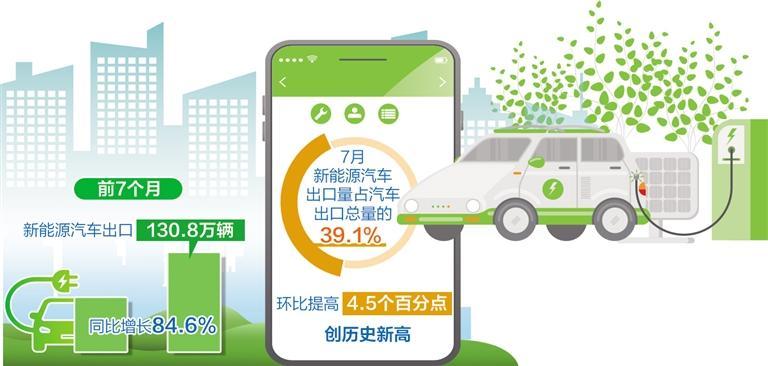
新能源汽车成汽车出口增长主要动力
Jing Ji Ri Bao· 2025-08-21 22:12
Group 1 - The core viewpoint of the articles highlights the robust growth of China's automotive industry, with a 12% increase in both production and sales in the first seven months of the year, alongside a significant rise in exports, particularly in the new energy vehicle (NEV) sector [2][3][5] - The total automotive production reached 18.235 million units, while sales amounted to 18.269 million units, with exports of 3.68 million units, reflecting a year-on-year growth of 12.8% [2] - NEV exports surged to 1.308 million units, marking an impressive 84.6% increase, with NEVs accounting for 39.1% of total automotive exports in July, a record high [2][3] Group 2 - Leading companies such as BYD, Geely, Chery, and Changan are driving the export growth, with emerging brands also gaining traction in international markets, indicating an overall enhancement in the competitiveness of Chinese NEV brands [3][4] - The export structure shows that plug-in hybrid vehicles are becoming a significant growth driver, with pure electric vehicle exports reaching 833,000 units (up 50.2%) and plug-in hybrids at 475,000 units (up 210%) [3] - The shift towards CKD (Completely Knocked Down) exports and local production is seen as a future trend, enhancing local service capabilities for companies like Great Wall Motors and BYD [3] Group 3 - Major export destinations for NEVs include Belgium, the UK, Spain, ASEAN countries like the Philippines, and Latin American countries such as Mexico and Brazil, with a notable increase in exports to the EU despite some challenges [4] - The Chinese automotive industry is leveraging diverse technological routes, intelligent features, competitive pricing, and flexible sales strategies to gain trust among overseas consumers [4] - The industry anticipates a stable automotive market in the second half of the year, with total sales projected to reach 32.9 million units, a 4.7% increase, and NEV sales expected to hit 16 million units [5]

170万次选择:一辆小车背后的“出行革命”
Zhong Guo Xin Wen Wang· 2025-08-21 08:05
Core Insights - The rise of micro electric vehicles, particularly the Hongguang MINIEV, is reshaping urban transportation in China, catering to short-distance travel needs [1][2] - The Hongguang MINIEV has achieved significant sales milestones, becoming the fastest single electric vehicle model to reach one million units sold globally, with sales surpassing 1.7 million units by August 2025 [1][2] - The vehicle's affordability and practicality have made it a popular choice among young consumers, significantly lowering the barrier to entry for electric vehicle ownership [2][3] Market Position and Consumer Base - The Hongguang MINIEV is positioned as the "first vehicle" for young people and a practical solution for urban commuters, with a starting price of 28,800 yuan [2] - It has captured a substantial market share, with one in every two micro electric vehicles sold being a Hongguang MINIEV, reflecting its dominance in the segment [2] - The vehicle has contributed to a reduction in carbon emissions equivalent to planting 4.05 billion fir trees, promoting green and low-carbon travel [2] Innovation and Product Development - Continuous product innovation has been key to the Hongguang MINIEV's success, with recent upgrades including a four-door version that enhances usability and charging efficiency [3][4] - The company has invested in smart manufacturing and green technology, establishing a flexible production system that integrates intelligent and sustainable practices [3][4] Strategic Initiatives - The company aligns with national strategies for new energy development, focusing on building a comprehensive supply chain and industrial ecosystem for electric vehicles [4] - The "125" project aims to support the growth of two major industrial clusters, enhancing the company's competitive edge in the electric vehicle market [4] Brand and Cultural Engagement - The Hongguang MINIEV has evolved from a mere transportation tool to a cultural symbol, allowing consumers to express their individuality through customization and branding initiatives [5][6] - Collaborative marketing efforts, such as partnerships with popular cultural icons, have strengthened the brand's connection with consumers and expanded its appeal [6] - The company is also expanding its international presence, with overseas sales of Wuling electric vehicles reaching 125,539 units in the first half of 2025, marking a 17.1% increase [6]