
能源供应保障

Search documents
美对俄制裁波及欧洲 保加利亚手头汽油库存告急
Yang Shi Xin Wen· 2025-11-11 18:07
Core Points - The U.S. has imposed sanctions on Russian companies, including Lukoil, affecting their operations in Europe and potentially impacting winter energy supplies in several European countries [1][3] - Bulgaria's available gasoline is sufficient for approximately 35 days, while diesel reserves can last over 50 days, but the country needs to activate contracts for fuel stored in other EU nations before sanctions take effect [3][4] Group 1 - The U.S. Treasury announced sanctions against Russian state-owned and private companies, effective November 21, to pressure Russia and Ukraine for an immediate ceasefire [3] - Bulgaria's legal fuel reserve standard is 90 days, and the current compliance rate is 98%, but only part of the reserves are stored domestically [3][4] - The Bulgarian government has suspended exports of diesel and aviation fuel to ensure domestic energy supply [4] Group 2 - The Bulgarian National Assembly passed a law allowing the government to take control of the Burgas refinery to circumvent U.S. sanctions [4] - The government is conducting inspections and enhancing security measures at the Burgas refinery [4]


首都冬季燃气保供工作全面就绪,保障市民温暖过冬
Bei Jing Ri Bao Ke Hu Duan· 2025-11-06 05:48
Core Points - Beijing Gas Group has established a multi-layered and highly reliable winter energy supply guarantee system to ensure natural gas supply during the heating season [1][2] - The company has implemented a three-tier emergency response mechanism to enhance its ability to cope with extreme conditions [2][4] Group 1: Energy Supply and Infrastructure - The company has fully prepared for winter gas supply, with emergency reserves in Tianjin South Port and 10 LNG storage tanks operational, achieving an 80% storage capacity before winter supply [2][3] - The connection of Tianjin South Port's export pipeline with national networks has improved resource allocation efficiency and reliability for gas supply to Beijing [3] Group 2: Emergency Response and Safety - Beijing Gas Group has completed checks on all equipment and facilities, ensuring readiness for extreme weather conditions, with 206 emergency response vehicles and over 800 personnel on duty [4] - A three-tier emergency command and information reporting mechanism has been established, with 198 emergency response points across the city [4] Group 3: Customer Service and Communication - The company has optimized the 96777 customer service hotline to handle an expected daily call volume of 15,000 during the heating season, ensuring 24/7 availability [5][6] - Special priority channels have been set up for urgent situations like gas leaks, significantly reducing response times [5]
我国提前完成“十四五”油气管网建设目标
Yang Shi Wang· 2025-09-07 11:46
Core Viewpoint - The National Pipeline Group of China has completed the construction target of 16,500 kilometers of oil and gas pipelines ahead of schedule during the 14th Five-Year Plan period, enhancing the security, stability, and flexibility of energy supply [1] Group 1: Pipeline Construction and Capacity - The "National Unified Network" has been largely established, with significant progress in major energy channels and interconnectivity projects [1] - The West-to-East Gas Pipeline Phase IV from Turpan to Zhongwei has been put into operation, and the first tunnel of the second and third lines of the Guozi Pass pipeline project has been completed [1] - The first section of the second phase of the Sichuan-to-East Gas Pipeline has also commenced operations, with a total of over 18,000 kilometers of pipelines now in operation, surpassing the planned target for the 14th Five-Year Plan [1] - The annual capacity for natural gas transmission has increased from 260 billion cubic meters in 2021 to 412 billion cubic meters [1] Group 2: Cost Savings and Pricing - The unified management of resources has led to a 5% decrease in cross-province natural gas transmission prices compared to five years ago, resulting in an annual savings of 12 billion yuan in social energy costs [1] Group 3: Technological Innovation and Green Development - The domestic production rate of key equipment has risen to 97.5%, with established standards for hydrogen transport and carbon dioxide storage technologies [1] - Approximately 42% of pipeline operation areas have achieved digital monitoring, facilitating the transition of energy supply towards high-end, intelligent, and green development [1]
我国已建成全球门类最全规模最大的能源体系——供应更足 韧性更强
Ren Min Ri Bao Hai Wai Ban· 2025-08-27 00:33
Core Insights - During the "14th Five-Year Plan" period, China has established the world's largest and fastest-growing renewable energy system, with the share of renewable energy generation capacity increasing from 40% to approximately 60% [1] Group 1: Energy Supply and Self-Sufficiency - China's energy self-sufficiency rate has remained above 80% throughout the "14th Five-Year Plan" period, demonstrating strong energy supply capabilities [2] - In July, China's monthly electricity consumption exceeded 1 trillion kilowatt-hours for the first time, equivalent to Japan's total annual electricity consumption [2] - Domestic energy production has accelerated, with over 90% of the increase in consumption being self-supplied, highlighting the significant role of renewable energy [2] Group 2: Energy Investment Trends - Energy industrial investment has shown an annual growth rate exceeding 16%, with total investments surpassing 4 trillion, 5 trillion, and 6 trillion yuan in consecutive years [4] - Renewable energy investments have become the dominant force in power investments, expected to account for over 80% of power investment in 2024 [4] - Private enterprises have maintained double-digit growth in energy project investments, with over 85% of power facility construction being undertaken by private companies [5] Group 3: Renewable Energy Development - China's wind and solar power installed capacity increased from 530 million kilowatts in 2020 to 1.68 billion kilowatts by July 2023, with an annual growth rate of 28% [6] - The share of wind and solar power generation in total electricity consumption rose from 9.7% in 2020 to 18.6% in 2024, with a significant increase in the first half of this year [7] - China continues to lead globally in wind and solar power installations, with 47% of the world's total wind and solar capacity and 63% of new installations in 2024 [7]
我国7月用电量突破1万亿千瓦时,相当于日本全年用电量总和|直击发布会
Sou Hu Cai Jing· 2025-08-26 05:50
Core Insights - China's electricity consumption in July surpassed 1 trillion kilowatt-hours for the first time, equivalent to Japan's total annual electricity consumption [1][3] - The energy supply in China has shown resilience and stability, with the government emphasizing the importance of domestic energy production and renewable energy sources [3] Group 1: Energy Consumption - In July, China's single-month electricity consumption reached over 1 trillion kilowatt-hours, marking a significant milestone [3] - The cumulative energy consumption during the "14th Five-Year Plan" period increased by 9.8 million tons of standard coal, comparable to the total energy consumption of the UK, France, and Germany in a year [3] Group 2: Energy Supply and Policy - The National Energy Administration has implemented measures to enhance energy supply chain stability and security, focusing on coal, oil, gas, and renewable energy [3] - Domestic energy production has accelerated, with over 90% of the increase in energy consumption being supported by domestic resources [3] Group 3: Renewable Energy Impact - Renewable energy has played a crucial role, contributing nearly 50% of the increase in national electricity generation and pushing the total supply of non-fossil energy up by nearly 50% [3] - The stability of China's energy self-supply has improved, with a growing emphasis on green energy sources [3]
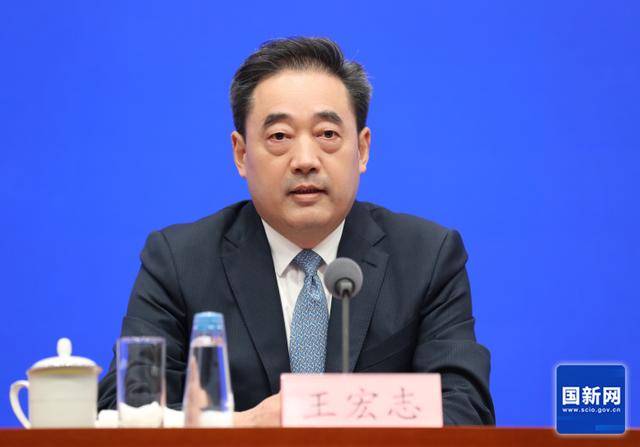
相当于日本全年用电量 我国7月用电量首次突破1万亿千瓦时大关
Sou Hu Cai Jing· 2025-08-26 05:19
Core Insights - In July, China's monthly electricity consumption exceeded 1 trillion kilowatt-hours for the first time, equivalent to Japan's total annual electricity consumption [2] - The National Energy Administration reported that despite extreme weather conditions, China's energy supply remained stable and resilient, meeting the increased demands due to economic recovery [2] - The energy supply capacity and resilience in China have reached a high level, with domestic energy production accounting for over 90% of the consumption increase during the 14th Five-Year Plan period [2] Energy Demand and Supply - During the first four years of the 14th Five-Year Plan, China's energy demand grew rapidly, with a cumulative increase of 9.8 million tons of standard coal, equivalent to the total energy consumption of the UK, France, and Germany in a year [2] - The National Energy Administration has implemented multiple measures to enhance energy supply chain stability and security, including strengthening coal supply, increasing domestic oil and gas production, and accelerating renewable energy adoption [2] Role of Renewable Energy - Renewable energy has played a significant role, contributing to nearly 50% of the increase in national electricity generation and pushing the total supply of non-fossil energy to grow by nearly 50% [3] - China's energy supply system has become more robust, with improved energy storage capabilities and the formation of a national oil and gas network [3] Emergency Response and Infrastructure - The establishment of a national-level electricity emergency support system has been crucial in maintaining stable energy supply during extreme weather events, with no large-scale power outages reported nationwide [4] - The rapid recovery of energy infrastructure during emergencies has provided strong support for economic and social stability, showcasing the advantages of the socialist system [4]

国家能源局:我国7月用电量首破1万亿度,相当于日本全年用电量总和
Sou Hu Cai Jing· 2025-08-26 04:06
Core Viewpoint - The National Development and Reform Commission and the National Energy Administration highlighted the achievements in high-quality energy development during the "14th Five-Year Plan" period, emphasizing the resilience and capacity of China's energy supply amidst extreme weather conditions and economic recovery [2] Group 1: Energy Supply and Demand - In July, China's monthly electricity consumption exceeded 1 trillion kilowatt-hours for the first time, equivalent to Japan's total annual electricity consumption [2] - The energy supply has remained stable and orderly, successfully managing peak demand during the summer season [2] Group 2: Resilience and Capacity - The overall energy supply capacity and resilience in China have reached a high level, ensuring that the energy supply can withstand peaks and maintain a baseline [2]
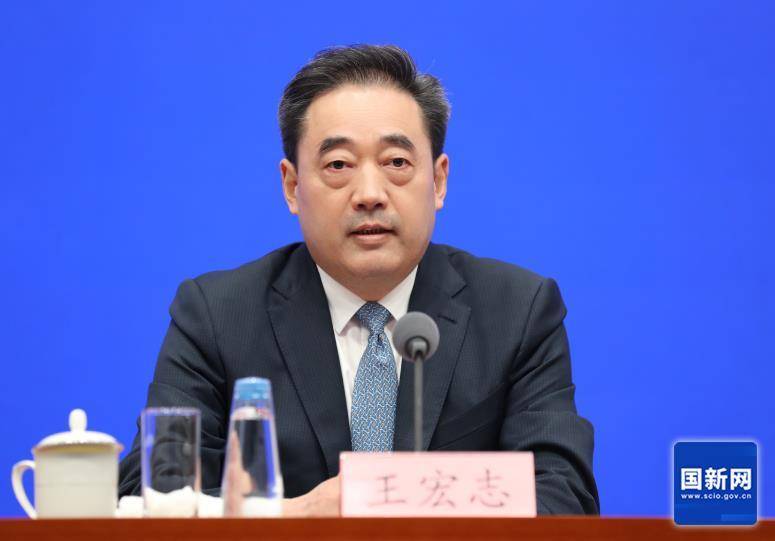
我国7月用电量首次突破1万亿千瓦时,相当于日本全年用电量总和
Xin Jing Bao· 2025-08-26 02:43
Core Viewpoint - In July, China's monthly electricity consumption exceeded 1 trillion kilowatt-hours for the first time, equivalent to Japan's total annual electricity consumption [1] Group 1: Electricity Consumption - China's electricity consumption in July reached over 1 trillion kilowatt-hours, marking a significant milestone [1] - This consumption level is comparable to the total annual electricity usage of Japan, highlighting the scale of China's energy demand [1] Group 2: Energy Supply and Weather Impact - The country faced extreme weather conditions, including high temperatures, heavy rainfall, and typhoons during the "July-August" period, which increased the demand for energy supply [1] - Despite these challenges, China's energy supply remained stable and orderly, with no large-scale power outages reported [1] Group 3: Energy Supply Resilience - The energy supply capability and resilience in China have reached a high level, effectively managing peak demand and ensuring a stable supply [1]
公用事业行业跟踪周报:《2025年能源工作指导意见》印发,蒙西电力现货市场转正
Soochow Securities· 2025-03-03 08:23
Investment Rating - The report maintains an "Overweight" rating for the utility sector [1] Core Insights - The "2025 Energy Work Guidance" has been issued, indicating a steady increase in national energy production capacity, with coal and natural gas output growing significantly. The total installed power generation capacity has reached over 3.6 billion kilowatts, with new renewable energy installations exceeding 200 million kilowatts [4][5] - The green and low-carbon transition is progressing, with non-fossil energy generation capacity accounting for approximately 60% of total installed capacity and non-fossil energy consumption reaching 20% of total energy consumption. Policies for renewable energy consumption and regulation are being improved [4] - The official launch of the Mengxi electricity spot market marks a significant development, becoming the fifth electricity spot market in China [4] Industry Data Tracking Electricity Prices - In March 2025, the average grid purchase price of electricity was 398 RMB/MWh, a year-on-year decrease of 4% and unchanged from the previous month [32] Coal Prices - As of February 28, 2025, the price of thermal coal (Q5500) at Qinhuangdao port was 690 RMB/ton, down 25.16% year-on-year and down 4.03% week-on-week [39] Water Conditions - As of February 28, 2025, the water level at the Three Gorges Reservoir was 162.99 meters, with inflow and outflow rates of 7700 cubic meters/second and 7620 cubic meters/second, respectively, showing increases of 28.33% and 11.89% year-on-year [48] Electricity Consumption - In 2024, the total electricity consumption was 985.21 billion kWh, a year-on-year increase of 6.8%. The growth rates for the primary, secondary, and tertiary industries, as well as urban and rural residential consumption, were 6.3%, 5.1%, 9.9%, and 10.6%, respectively [14] Power Generation - The cumulative power generation in 2024 was 942.1 billion kWh, reflecting a year-on-year increase of 4.6%. The growth rates for different energy sources were as follows: thermal power +1.5%, hydropower +10.7%, nuclear power +2.7%, wind power +11.1%, and solar power +28.2% [21] Installed Capacity - By the end of 2024, the cumulative installed capacity of thermal power reached 1.44 billion kilowatts, an increase of 3.8% year-on-year. The new installed capacity for thermal power in 2024 was 47.44 million kilowatts, up 1.9% year-on-year [43]