能源自主

Search documents
特朗普劫委石油加价逼购,中国油轮掉头返航,12 亿桶储备硬气说不
Sou Hu Cai Jing· 2026-01-14 09:44
Group 1 - The article discusses the failure of Trump's plan to seize Venezuelan oil, highlighting the unexpected decision of two Chinese supertankers to turn back, thwarting the oil hijacking scheme [1][3][5] - The U.S. aimed to control Venezuela's oil resources through military force, but China's refusal to participate in the deal signifies a rejection of the notion that power can dictate resource ownership [8][10] - China's strategic oil reserves and commercial stocks, totaling between 1.2 billion to 1.3 billion barrels, provide a strong foundation for energy security, allowing it to withstand global supply disruptions [12][14] Group 2 - China's diversified energy procurement strategy includes significant imports from Russia and Iran, reducing reliance on any single source and enhancing energy security [14][16] - The article emphasizes that the U.S. underestimated the complexities of Venezuelan oil extraction, which is known for its high costs and technical challenges, making it an unattractive investment for American companies [21][23] - The situation illustrates that resources obtained through force cannot be transformed into legitimate wealth, as the international community values legality and adherence to established rules [27][29] Group 3 - The refusal of Chinese tankers to engage in the U.S.-led oil acquisition reflects a broader commitment to maintaining international norms and rejecting aggressive resource appropriation [31][33] - The article concludes that true power lies with those who adhere to rules and possess the necessary resources, as demonstrated by China's decision to protect its interests and uphold global standards [31][33]

特朗普喊话全球停买俄油,点名三国不准买,中方立马回怼不认账
Sou Hu Cai Jing· 2026-01-14 06:07
Core Viewpoint - Trump's strong statement in early 2026 demands China, India, and Brazil to immediately stop importing oil from Russia, threatening severe sanctions from the U.S. if they do not comply. This move aims to reshape global energy flows by targeting major non-Western buyers of Russian oil [1][3]. Group 1: U.S. Strategy and Global Energy Market Impact - If China, India, and Brazil comply with U.S. demands, it could lead to a significant reshuffling of the global energy market, allowing U.S. energy companies to fill the void and strengthen the dollar's dominance in energy transactions [3]. - The U.S. is not only applying political pressure but also deploying military resources in Venezuela to enhance its global energy pricing power and supply chain dominance [3]. - The Trump administration threatens non-compliant countries with tariffs as high as 500%, indicating a shift towards aggressive energy coercion [3]. Group 2: Responses from China, India, and Brazil - China's response to U.S. pressure is firm, emphasizing its commitment to energy security and its established strategic energy cooperation with Russia, which includes long-term supply agreements and infrastructure [1][5]. - India has reduced some oil imports from Russia but continues to rely on Russian oil due to its lower prices, which are crucial for controlling domestic inflation and maintaining low manufacturing costs [5][7]. - Brazil's government is adopting a delaying tactic, neither committing to stop purchasing Russian oil nor expanding its imports, reflecting a desire to navigate the situation without direct confrontation with the U.S. [7][9]. Group 3: Broader Implications for Global Energy Dynamics - The U.S. strategy has evolved from merely isolating Russia to attempting to reshape the global energy order, aiming to eliminate all non-compliant energy flows [9][11]. - The increasing trend of de-dollarization, with countries like China and Russia engaging in local currency settlements, undermines the effectiveness of U.S. financial sanctions [11]. - The emerging consensus among China, India, and Brazil on energy autonomy indicates a shift towards a multipolar energy landscape, where no single country dictates terms [11].

华宝新能光储火星机器人亮相CES 解锁能源自主新范式
Zheng Quan Shi Bao Wang· 2026-01-08 12:24
Core Insights - The International Consumer Electronics Show (CES 2026) showcased Jackery's innovative green energy solutions, highlighting the integration of solar storage technology with AI and robotics, marking a significant step in China's energy autonomy exploration [1] Group 1: Product Launches - Jackery Solar Mars Bot, a key product, addresses the industry's need for stable, autonomous, and mobile energy supply, reflecting the growing focus on AI and robotics at CES [2] - The Jackery Solar Mars Bot, recognized as one of Time Magazine's Best Inventions, has transitioned from R&D to market application, symbolizing a milestone in Jackery's strategy of integrating solar storage with robotics [4] - The product features a design philosophy of "Move with the Sun," equipped with a foldable solar panel and dual-axis tracking system for efficient solar energy collection, enabling it to operate independently of the grid [4] Group 2: Application and Versatility - The Jackery Solar Mars Bot can provide reliable power in off-grid environments, catering to advanced smart devices and serving as a mobile power hub for emergency and outdoor activities [4][5] - Its adaptability extends to various scenarios, including outdoor camps, inspections, and rescue operations, enhancing the overall smart energy experience [4] Group 3: Additional Innovations - Jackery introduced several other innovative products at CES, including the Jackery Solar Gazebo and Jackery Explorer 1500 Ultra, which enhance the comprehensive family green energy solution [6] - The Jackery Solar Gazebo features a 2000W solar power system, providing electricity while serving as an outdoor shelter, while the Explorer 1500 Ultra is designed for harsh environments with robust performance specifications [6] Group 4: Company Overview and Market Position - Jackery has established four major product segments, covering portable solar storage, balcony solar storage, solar storage robots, and curved solar tiles, creating a comprehensive energy solution from outdoor activities to smart devices [7] - The company holds over 2,248 global patents and has implemented a digital M2C global direct sales model, addressing diverse user needs across more than 50 countries and regions, with over 10,000 retail locations and cumulative sales exceeding 6 million units [7]


从付学费到当老师:中国LNG船二十年逆袭,一部硬核工业爽文
Sou Hu Cai Jing· 2026-01-07 10:41
Core Viewpoint - The article highlights China's significant advancements in the LNG shipbuilding industry, showcasing its transition from reliance on foreign technology to becoming a global leader in this high-end manufacturing sector [3][9]. Group 1: Industry Progress - China has successfully delivered its 11th large LNG ship, "Yuanhai Oasis," setting a new global record for construction speed at just 16 months, which is two years faster than the first ship built in 2008 [3]. - Over 30% of newly built large LNG ships globally are now produced in China, indicating a substantial shift in the market [3]. - The shipyard, Hudong-Zhonghua, has orders extending to 2030, reflecting strong demand and confidence in Chinese shipbuilding capabilities [3]. Group 2: Technological Advancements - The core technology for LNG ships was previously monopolized by countries like South Korea, Japan, and France, with China initially facing high costs for technology transfer and low domestic production rates [2]. - Key materials, such as "Yinwa steel," essential for LNG ship construction, have been successfully developed domestically, overcoming previous challenges in manufacturing [6]. - A comprehensive supply chain involving over 130 domestic companies has been established, enhancing the overall industrial ecosystem and contributing to a billion-level industry cluster [7]. Group 3: Strategic Development - The strategy evolved from "learning from others" to "independent innovation," allowing China to develop its own technologies and reduce dependency on foreign imports [5]. - The successful collaboration among various domestic suppliers has led to breakthroughs in critical components, enhancing the competitiveness of Chinese shipbuilding [7]. - Securing significant contracts from major global players, such as Qatar, signifies that Chinese manufacturing has gained international trust and recognition [8]. Group 4: Future Outlook - The advancements in LNG shipbuilding not only represent a leap in manufacturing capabilities but also contribute to China's energy security by facilitating the import of over 45 million tons of LNG annually, which accounts for one-third of its total imports [8]. - The emergence of "Chinese shipbuilding" now symbolizes not just scale but also speed, technology, and strategic foresight, positioning the country for a robust future in high-end manufacturing and energy independence [9].
委内瑞拉事件对金融市场的影响分析
Sou Hu Cai Jing· 2026-01-04 19:28
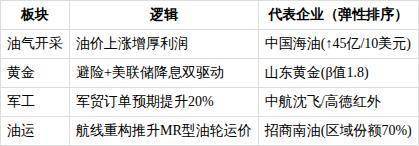
Group 1 - The U.S. military operation in Venezuela resulted in the capture of President Maduro and his wife, leading to a national emergency declaration and calls for armed resistance [1] - Venezuela, holding the world's largest oil reserves (3,040 million barrels), saw its heavy crude oil exports interrupted, causing Brent crude prices to spike by $3-5 per barrel [1] - If a pro-U.S. regime is established, companies like Chevron could potentially increase production from 1 million barrels per day to 2 million barrels per day [1] Group 2 - The energy market is expected to experience significant volatility, with immediate impacts on oil prices and potential long-term shifts depending on political outcomes in Venezuela [2][3] - Gold prices rose by 2.5% to $4,375 per ounce within a week, driven by safe-haven demand and expectations of U.S. Federal Reserve rate cuts [3] - The A-share market displayed a "defensive first" characteristic, with energy-related sectors gaining investor interest [3] Group 3 - Benefiting sectors include oil and gas extraction, gold, military industry, and oil transportation, with specific companies like China National Offshore Oil Corporation and Shandong Gold being highlighted for their potential gains [1] - The aviation sector is under pressure due to rising fuel costs, which could impact profitability [1][4] - The chemical sector faces challenges as cost transmission in the PTA/polyester supply chain is hindered by rising oil prices [4] Group 4 - Short-term trading opportunities exist in the oil and gold sectors, but caution is advised regarding profit-taking [4] - Military orders are expected to increase, with companies like AVIC Shenyang Aircraft Corporation being key players in this space [4] - The potential for guerrilla warfare supported by Russia could prolong oil price volatility, impacting market stability [4]
突发特讯!中国海油宣告:渤海发现第7个亿吨级油田,言辞引发热议
Sou Hu Cai Jing· 2025-12-24 05:07
Core Insights - The discovery of the Qinhuangdao 29-6 oil field represents a significant advancement in China's energy independence and marine exploration technology [1][20] - The oil field, located approximately 40 kilometers from the Jingtang Port, contains a treasure of over 100 million tons of oil, highlighting the complexity and challenges of exploration in older regions [3][5] - The breakthrough in finding new oil fields in mature areas demonstrates a shift from luck to consistent and stable production driven by technological advancements [5][11] Industry Overview - The Bohai oil field has been crucial in meeting China's increasing crude oil demands, with production expected to reach 40 million tons by 2025, contributing significantly to national energy security [3][20] - The successful exploration in the Bohai Sea is attributed to decades of technological accumulation and overcoming geological complexities, marking a transition from merely extracting existing resources to innovative exploration [5][18] - The introduction of smart oil fields and enhanced extraction techniques has revitalized older oil fields, allowing for increased production and efficiency [9][10] Environmental Considerations - The Bohai oil field has made strides in green development, utilizing 186 million kilowatt-hours of green electricity in 2022, balancing production with environmental concerns [12][13] - The integration of environmental practices in oil field development is essential for sustainable growth, setting a benchmark for the industry [15][22] Future Outlook - The discovery of the Qinhuangdao 29-6 oil field is seen as a new starting point, with challenges ahead in resource conversion, sustainable development, and continued green transformation [23][24] - The ongoing exploration efforts in the Bohai oil field suggest that further significant discoveries may be on the horizon, reinforcing China's proactive approach to energy independence [25][26]

断气倒计时!欧洲议会批准禁俄气,能源困局藏多重变数
Sou Hu Cai Jing· 2025-12-23 02:11
Group 1 - The European Parliament voted to gradually stop importing Russian natural gas, with a complete ban on Russian liquefied natural gas (LNG) entering the EU spot market starting in early 2026, aimed at ensuring energy security and reducing dependence on Russian energy supplies [2][3] - The European Parliament's decision received significant support, passing with 500 votes in favor, 120 against, and 32 abstentions, reflecting a strong commitment to enhancing energy autonomy and countering Russian influence in the energy sector [3][4] - The International Energy Agency (IEA) reported that Europe's LNG imports are expected to reach a historical high, increasing by approximately 20% compared to 2024, driven by rising consumption and reduced pipeline gas supplies, which has led to sustained high LNG prices in Europe [3][4] Group 2 - The European Investment Bank is central to the EU's energy strategy, focusing on funding renewable energy development and expanding energy supply channels, which is crucial for reducing reliance on Russian energy [4][5] - The EU's energy reserve strategy is coordinated by the Agency for the Cooperation of Energy Regulators, which plays a key role in managing energy reserves among member states, with strict regulations on the use of these reserves during significant supply crises [5] - The push for "de-Russification" of energy has accelerated the development of the European renewable energy sector, although rebuilding a self-sufficient energy supply chain will require substantial time and investment, and there are existing gaps in stability and cost advantages outside of Russian energy sources [4][5]
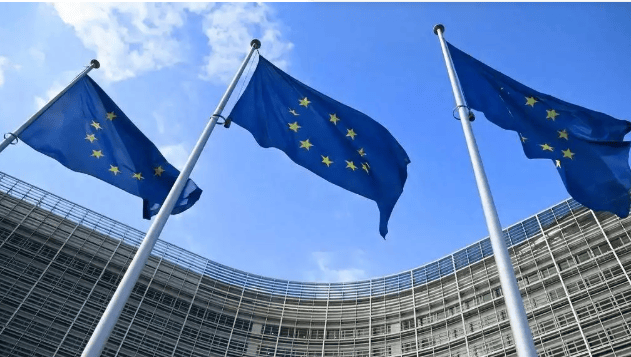
500票通过!欧洲议会决定:最晚2027年与俄天然气彻底“分手”
Sou Hu Cai Jing· 2025-12-18 12:49
Core Points - The European Parliament has approved a historic resolution to phase out imports of Russian natural gas by the end of 2027, marking a significant step towards energy independence from Russia [1][3] - The resolution passed with a vote of 500 in favor, 120 against, and 32 abstentions, indicating strong political support for the initiative [1] - The decision includes a phased ban on Russian gas, with immediate prohibition on new contracts six weeks after the resolution takes effect, and specific deadlines for existing contracts [1][3] Summary by Sections Resolution Details - The resolution mandates a ban on new Russian pipeline gas and LNG contracts six weeks after enactment, with transitional periods for existing contracts [1] - Short-term contracts for LNG will be banned by April 25, 2026, and for pipeline gas by June 17, 2026 [1] - Long-term contracts will see LNG bans starting January 1, 2027, and pipeline gas bans by September 30, 2027 [1] Enforcement and Future Legislation - Gas operators must provide detailed proof of origin to customs before importing or storing gas to prevent circumvention of the ban [1] - The European Parliament has urged the European Commission to propose legislation to ban Russian oil by early 2026, ensuring that the ban is in place by the end of 2027 [1] Strategic Implications - The resolution is seen as a major achievement for the EU and a historic turning point in European energy policy, reinforcing the commitment to energy diversification and security [1][3] - Since 2022, the EU has been actively working to reduce dependence on Russian gas, with imports dropping from about 40% in 2021 to less than 15% in 2023 [3] - The decision is not only an energy policy but also a significant geopolitical statement, aiming to strengthen the internal energy market and reduce reliance on single external suppliers [3] Challenges Ahead - Despite broad political support, challenges remain for some member states, particularly in Central and Eastern Europe, regarding infrastructure and energy transition [3] - The global natural gas market may experience price volatility due to the EU's exit from the Russian gas market [3] - The legislative process will require formal approval from the EU Council, expected to be completed by early 2025, testing the effectiveness of regional cooperation and energy transition efforts [3]

欧洲能源战略何去何从?
Zhong Guo Hua Gong Bao· 2025-12-15 03:01
Group 1 - Europe is restarting domestic oil and gas exploration to reduce dependence on high-priced imported energy, which conflicts with the EU's 2050 carbon neutrality goals and a significant LNG procurement agreement with the US [1][2] - Greece has issued its first offshore oil and gas exploration license to ExxonMobil, with the Ionian Sea area estimated to contain up to 200 billion cubic meters of natural gas, while Italy and the UK are also considering resuming offshore exploration [2] - The EU currently relies on imports for 85% of its natural gas consumption, with the US being the largest supplier, meeting approximately 16.5% of total EU consumption, and expected to account for about 70% of LNG imports by 2026-2029 as the EU phases out Russian gas [2] Group 2 - The development of domestic resources may enhance energy autonomy and potentially lower energy costs, but it conflicts with Europe's green transition goals, which include a commitment to achieve carbon neutrality by 2050 and a 90% reduction in greenhouse gas emissions by 2040 compared to 1990 levels [3] - The EU's commitment to purchase $250 billion worth of US energy products over the next three years creates a tension with its goal of diversifying energy supplies and reducing dependence on the US [3] - The rapid expansion of US LNG export capacity poses a dilemma for Europe, as it is a key source for replacing Russian energy and ensuring short-term energy security, but long-term dependence could undermine European energy autonomy and delay the transition to renewable energy [4] Group 3 - Internal discrepancies in energy policies among major European economies, such as Germany and France, hinder unified coordination, which may weaken Europe's negotiating power against energy giants like the US [4] - The transition to renewable energy, while promising, cannot fully address the immediate supply gap left by natural gas, particularly in heavy industry and heating sectors, necessitating a balance between ideal climate goals and practical energy supply [4]
绕开欧盟制裁?俄气借道土耳其,匈总理:我有美国通行证
Sou Hu Cai Jing· 2025-12-09 11:59
Group 1 - The core viewpoint of the article highlights Hungary's strategic decision to secure natural gas supplies from Russia, contrasting with the EU's collective move to reduce reliance on Russian energy [1][4]. - Hungary's agreement with Turkey for gas transit represents a significant deviation from EU energy policies, showcasing a pragmatic approach to energy security [3][4]. - The article emphasizes that Hungary's actions reflect a broader trend of countries seeking autonomy from EU directives, indicating a potential shift in the European energy landscape towards fragmentation [7]. Group 2 - The article discusses the failure of many EU countries to find reliable alternatives to Russian energy, leading to chaos in the European energy market [2]. - Hungary's proactive measures, including securing gas supply agreements with Russia and obtaining a waiver from the U.S. regarding sanctions, position it uniquely within the EU [3][4]. - The cooperation between Hungary and Turkey is framed as a response to the EU's rigid energy policies, highlighting the tension between political correctness and economic realities [5][7].