
西方制裁

Search documents
重磅!特朗普制裁失效!俄石油巨头海外资产大甩卖!宣布全部出售
Sou Hu Cai Jing· 2025-10-29 10:16
Group 1 - The U.S. government has imposed sanctions on Lukoil and Rosneft, following similar actions by the UK, leading to an immediate increase in global oil prices [1] - Lukoil is the second-largest oil producer in Russia, accounting for approximately 2% of global oil production, with operations in 20 countries and a projected net profit of $10 billion for 2024 [1] - The company has begun evaluating potential buyers for its assets and may seek to extend its "business winding-up permit" to ensure uninterrupted operations of its international assets [2] Group 2 - Russia has consistently claimed that Western sanctions lack legitimacy and are counterproductive, with President Putin describing the U.S. actions as "unfriendly" but asserting they will not significantly impact the Russian economy [4] - Russian officials emphasize that pressure tactics are ineffective and advocate for constructive dialogue to achieve results [4]



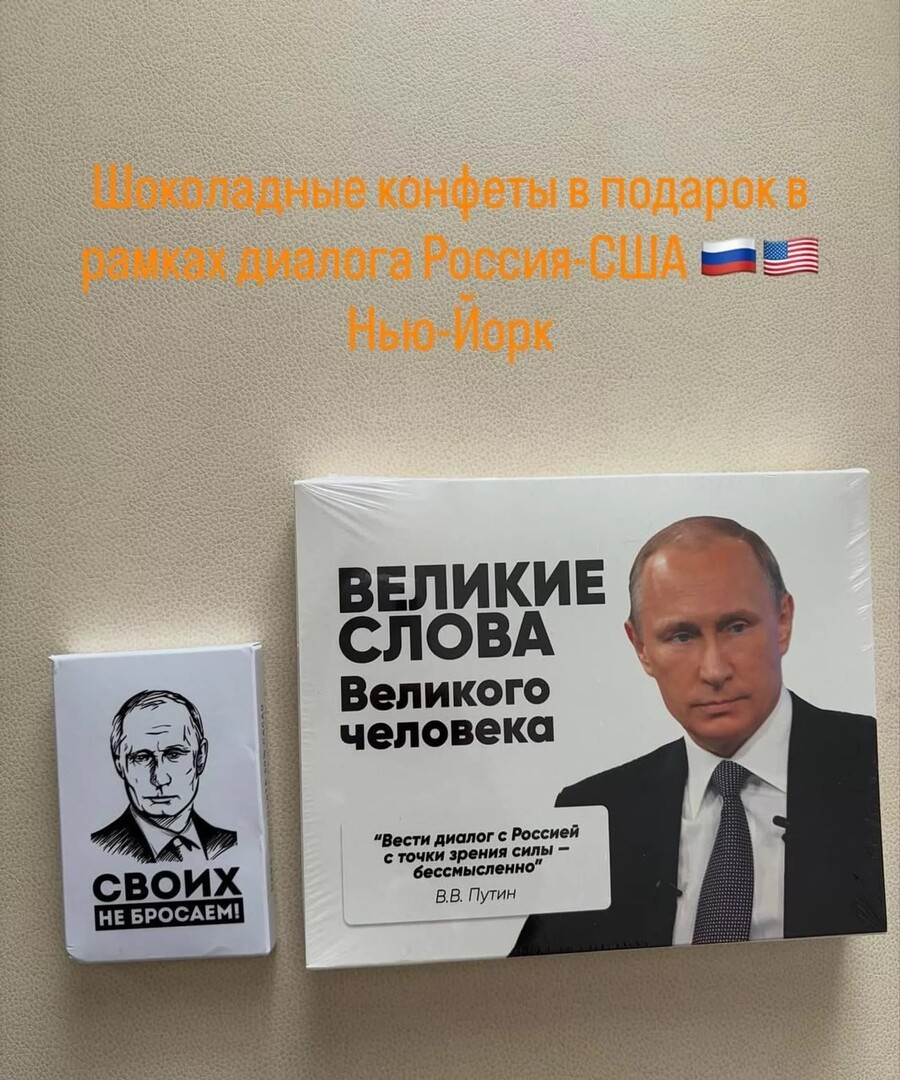
俄罗斯总统特别代表对美方赠礼曝光:两盒印有普京形象及其语录的巧克力
Huan Qiu Wang· 2025-10-26 04:35
Group 1 - The core message of the news is the ongoing dialogue between Russia and the United States, highlighted by the symbolic gesture of gifting chocolate featuring President Putin's image and quotes [1][3]. - Dmitryev, the Russian presidential representative, confirmed his arrival in the U.S. for discussions aimed at continuing bilateral dialogue, emphasizing the importance of understanding and respecting Russia's national interests [4]. - The chocolates gifted include phrases that reflect Russia's stance, such as "We will not abandon our people" and "It is futile to engage with Russia from a position of strength," indicating a strong message in the context of U.S.-Russia relations [3]. Group 2 - Dmitryev's visit was reportedly at the invitation of the U.S., suggesting a potential opening for renewed discussions despite existing tensions [4]. - He expressed concerns about European countries undermining direct dialogue between Russia and the U.S., particularly between leaders Putin and Trump [4]. - Dmitryev stated that Western sanctions and unfriendly measures would not impact the Russian economy but could lead to increased fuel prices in the U.S., indicating potential economic repercussions from geopolitical actions [4].
佩斯科夫:俄将对西方新制裁作出回应
Yang Shi Xin Wen· 2025-10-24 11:13
Core Points - Russia will respond to new Western sanctions based on its national interests [1] Group 1 - The statement was made by Kremlin spokesperson Dmitry Peskov during a routine telephone news briefing [1]
俄罗斯面临严重燃油短缺,要从中国进口汽油!拿错剧本了吧?
Sou Hu Cai Jing· 2025-10-08 10:46
Core Insights - Russia, once controlling 9.3% of global refined oil exports, is facing an unprecedented fuel crisis, leading to plans for gasoline imports from China and temporary tax exemptions on these imports to address the growing domestic supply gap [1][3]. Group 1: Impact of Ukrainian Drone Strikes - Continuous drone attacks from Ukraine and Western sanctions have severely impacted Russia's energy sector, with 21 out of 38 refineries targeted since August 2025 [3]. - In September, four major refineries were forced to halt production, including the second-largest refinery in Russia, resulting in a 40% reduction in refining capacity and a daily loss of 33.8 thousand tons of refined oil [3][5]. - The gasoline production in Russia decreased by 1 million tons in September, creating a domestic market shortfall of 20% of consumption [3][5]. Group 2: Government Response and Import Strategy - The Russian government has proposed eliminating a 5% import tariff and a 13% VAT on gasoline from China, which could add 350 thousand tons of gasoline supply monthly [5]. - The strategy includes utilizing the China-Europe Railway Express to mitigate risks associated with transportation, marking a shift from traditional "crude for products" exchanges to a more flexible two-way supply model [5]. Group 3: Challenges and Long-term Implications - Importing gasoline is a temporary solution, as the 20-day shipping time and inland transport costs diminish the effectiveness of the tax exemptions [7]. - Fuel shortages are reported in over 20 regions in Russia, with oil prices rising by 45% since the beginning of the year, exacerbating the situation as winter approaches [7][9]. - The reliance on external supplies threatens Russia's economic stability and geopolitical strategy, highlighting the increasing importance of Eastern markets in this context [9].
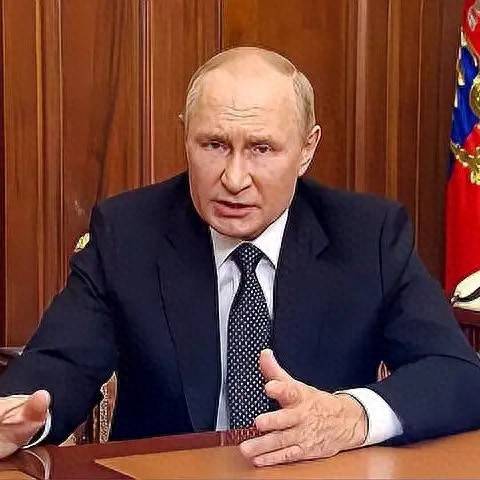
普京做出困难决断,俄罗斯向全国加税,不是说“越打越有钱”吗?
Sou Hu Cai Jing· 2025-10-07 21:52
Core Points - Russia is facing significant financial strain due to increased military spending and sanctions, leading to a nationwide tax increase for residents [4][6] - The defense budget for 2025 is projected at $150 billion, accounting for 6.3% of GDP, nearly doubling pre-war levels and consuming about 40% of national revenue [3][6] - The federal deficit reached $182 billion in the first half of the year, marking the highest level since 2008, with an average "war tax" of $1,070 per person [3][4] Financial Situation - The national wealth fund has been depleted by half, with $72 billion allocated for 2024, leaving only $85 billion by the third quarter, down from $190 billion pre-war [3][6] - Western sanctions have frozen $300 billion in overseas assets, limiting international transactions and borrowing options, forcing the central bank to increase money supply [3][6] - The broad money supply is expected to grow by 19% in 2024, contributing to rising inflation [3][6] Energy Sector - Energy exports to China and India account for 40% and 38% respectively, while exports to the EU have dwindled to 6% [6] - Revenue from energy exports has decreased from $160 billion in 2021 to an estimated $113.6 billion in 2024, with an 8% drop in the first eight months of this year [6] - International oil prices are lower than in 2022, and Russian oil is sold at a discount of $5-8 per barrel compared to Brent [6] - Maintenance costs for icebreakers and investments in energy infrastructure have further strained financial resources [6] - Production from aging oil fields in Siberia has declined from 500,000 barrels per day to 420,000 barrels per day, with projections of a 12% drop in total output by 2027 [6]
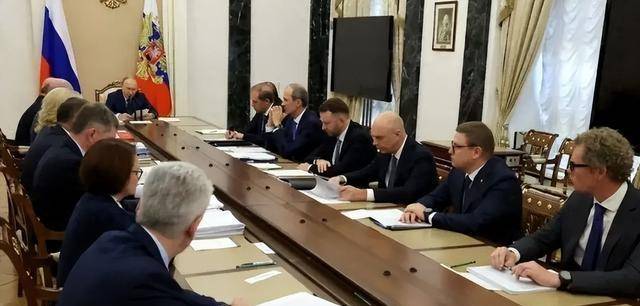
乌克兰狂袭俄罗斯油脉,特朗普下令美军协助,克里米亚“限油”
Sou Hu Cai Jing· 2025-10-05 03:21
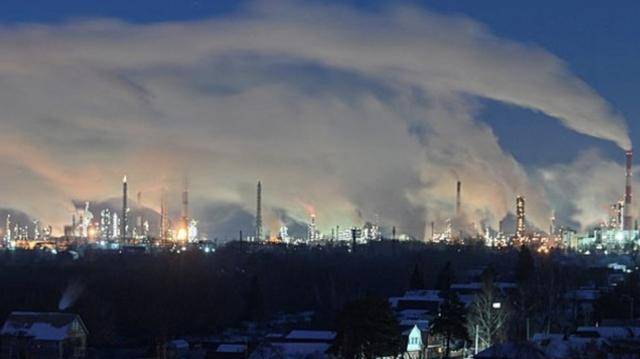
Core Insights - Ukraine's recent strategy focuses on targeting Russian oil refineries, leading to nearly 40% of refining capacity being idle, significantly impacting the Russian economy [1][3]. Group 1: Impact on Russian Oil Industry - Approximately 40% of Russia's refining capacity is currently idle due to Ukrainian drone attacks, which are difficult to repair due to Western sanctions [3]. - The Russian fuel market is facing a monthly gasoline demand shortfall of about 20%, equating to a shortage of 400,000 tons out of a total monthly demand of 2 million tons [3]. - As a result of reduced gasoline production by around 20%, 1-2 out of every 50 gas stations in Russia have stopped selling gasoline, with severe restrictions in Crimea [3][6]. Group 2: Changes in Fuel Imports - Since July, Moscow has increased gasoline imports from ally Belarus by 36% compared to the same period last year, with September imports surging by 168% [4]. - The Russian Energy Minister Novak has proposed increasing gasoline purchases from Belarus and eliminating import tariffs on gasoline from China, South Korea, and Singapore [4]. Group 3: Government Response and Future Plans - The Russian government has extended the ban on gasoline and diesel exports until the end of the year, affecting at least 10 regions, particularly in Crimea [6]. - Ukrainian President Zelensky has indicated plans to ramp up the production of long-range drones to continue targeting Russian energy infrastructure, stating that the most effective sanction is to set Russian refineries ablaze [6]. - Former President Trump has authorized the Pentagon to assist Ukraine in using long-range missiles to strike deep within Russian territory, marking a significant escalation in support for Ukraine [8].
俄罗斯的尴尬:想在华发行“熊猫债”,但中国人不太敢买
Sou Hu Cai Jing· 2025-10-02 14:11
Core Viewpoint - Russian companies are facing significant challenges in raising cheap capital in China's bond market due to concerns from Chinese banks and investors about Western sanctions [1][5][7]. Group 1: Russian Companies' Urgency - The ongoing Russia-Ukraine war has severely impacted Russia's economy, limiting access to international financial markets and creating a pressing need for new financing channels [3][13]. - Major Russian energy companies are particularly affected and are looking to the Chinese bond market as a potential solution [3][5]. Group 2: Challenges in the Chinese Market - Despite the urgency from Russian companies, progress in issuing "Panda bonds" in China has been slow, with preparations taking nearly a year without significant advancement [5][9]. - Chinese regulatory changes aimed at facilitating foreign bond issuance have not translated into action, as investors remain hesitant [5][11]. Group 3: Concerns Over Sanctions - The primary concern for Chinese investors is the risk of Western sanctions, which have been extensive against Russia, leading to caution in engaging with Russian enterprises [7][9]. - The potential for sanctions has already affected Chinese companies, with past instances of sanctions imposed on them for dealings with Russia [7][9]. Group 4: Creditworthiness of Russian Bonds - The creditworthiness of Russian bonds is under scrutiny due to the deteriorating economic conditions in Russia, particularly in energy exports [9][11]. - Forecasts for oil and gas revenue have been significantly downgraded, raising doubts about the ability of Russian companies to meet debt obligations [9][11]. Group 5: Political vs. Market Dynamics - While there have been high-level political efforts to promote cooperation between China and Russia, market realities and investor caution prevail [11][15]. - The reluctance of Chinese investors to engage with Russian bonds reflects a prioritization of their own economic interests over political motivations [15][16].
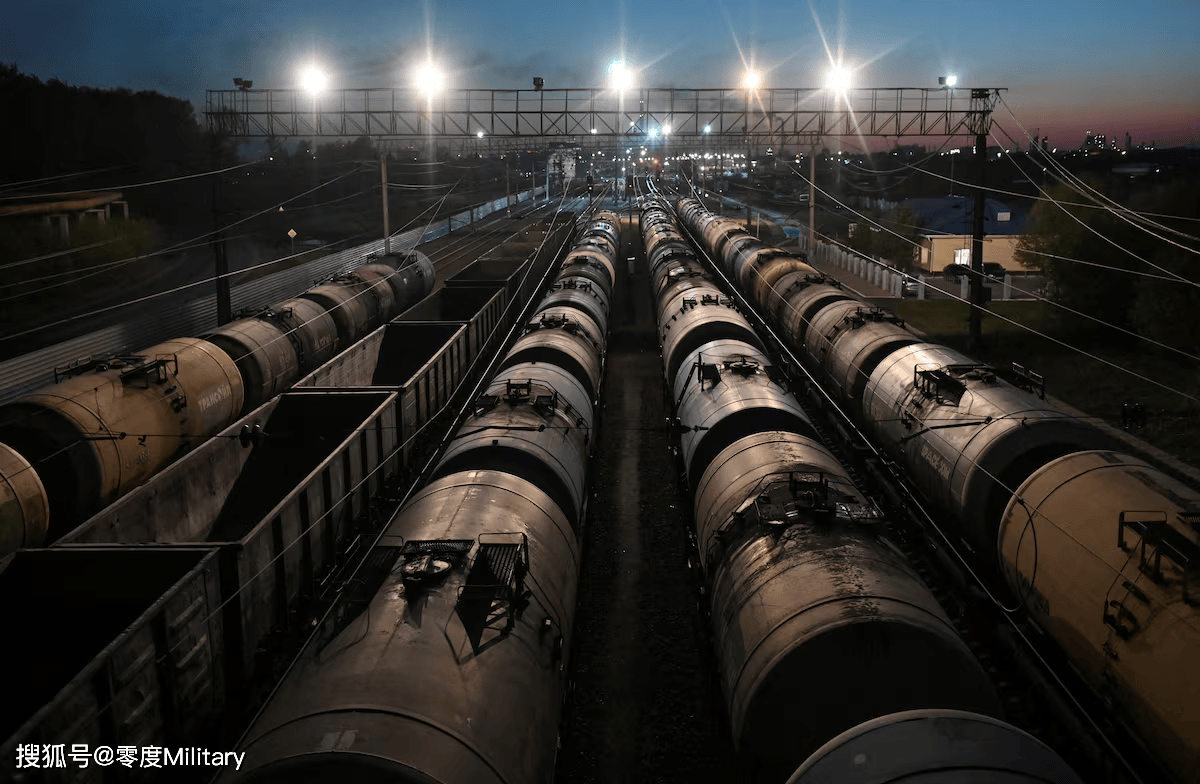
吱嘎作响的车轮:俄罗斯铁路货运量连续三个季度下滑,战争成本持续攀升
Sou Hu Cai Jing· 2025-09-03 13:46
Core Insights - The cargo volume of Russian Railways decreased by 5.4% in August 2025 compared to the same period last year, marking the third consecutive quarter of decline [1][3] - The ongoing war and sanctions have severely impacted the Russian economy, with the railway company handling 87% of the country's freight transport, indicating a direct correlation with key industrial sectors' production vitality [3][12] Group 1: Cargo Volume and Economic Impact - In August 2025, the cargo volume was only 92.2 million tons, down from 97.2 million tons in August 2024, with a total transport volume of 738.8 million tons for the first eight months of the year, reflecting a 7.1% year-on-year decline [3] - The transportation crisis highlights the effectiveness of Western sanctions and suggests a diminishing capacity for Russia to sustain a prolonged war, which is critical information for policymakers considering continued support for Ukraine [4] Group 2: Sector-Specific Declines - Significant declines were observed in strategic sectors: construction materials transport fell by 15%, black metal shipments dropped by 17.3%, coal decreased by 3.6%, oil transport declined by 4.9% due to refinery maintenance issues, and grain transport plummeted by 30.7% due to poor harvests and export restrictions [5] Group 3: Labor Shortages and Infrastructure Challenges - Labor shortages have worsened as thousands of railway workers were conscripted, leading to a shortfall of 2,500 engineers and 3,000 locomotive crew members, resulting in approximately 200 train services being canceled daily [9] - Ukrainian drone attacks continue to target Russian railway infrastructure, disrupting both military supply lines and civilian cargo transport [11] Group 4: Financial Struggles and Future Outlook - Due to financial difficulties, Russian Railways has been forced to place employees on unpaid "leave," indicating the company's dire situation [14] - The ongoing decline in transport metrics serves as a leading indicator of economic recession, suggesting that the Russian economic foundation is deteriorating under the pressures of sustained warfare and international isolation [12]
俄罗斯经济稳如磐石,制裁难掀波澜,能源优势撑起复苏希望
Sou Hu Cai Jing· 2025-08-25 21:52
Core Insights - Despite escalating Western sanctions, the Russian economy has shown resilience, defying predictions of collapse by 2025 [2][3][9] - The interplay between energy exports and sanctions creates a complex "cat-and-mouse" game, with Russia finding ways to maintain its energy revenue despite restrictions [2][5] Economic Performance - In 2023, Russia's GDP grew by 3.6%, surpassing all developed economies, although this growth is less than in 2021 [3] - The Russian government faces significant budget pressures, leading to cuts in social welfare and rising living costs, with butter prices up 30% and potatoes up 65% [3][7] Industry Challenges - Russia is experiencing critical supply chain disruptions in key sectors such as chips, machinery, and high-end materials, with a 60% drop in automobile production in 2022 [5] - In the first half of 2024, 140,000 legal entities went bankrupt, predominantly in manufacturing, construction, and trade [5] Energy Dynamics - In 2022, oil and gas revenues accounted for 41% of Russia's total fiscal income, dropping to 27% in 2024, yet Russia continues to export oil to emerging markets like China and India [2][5] - The attempt to impose a $60 per barrel price cap on Russian oil has failed, with oil and gas revenues rising to 5.698 trillion rubles in the first half of 2024 [5][11] Political and Economic Strategy - The Kremlin prioritizes military spending over social expenditures, focusing on sustaining its war economy [5][11] - The long-term sustainability of this model remains uncertain, as it relies heavily on resource concentration and short-term fixes [11][13] Future Uncertainties - Russia faces long-term challenges such as population aging, technological gaps, and capital flight, which could lead to systemic risks [7][9] - The geopolitical landscape remains volatile, with the potential for sudden shifts in strategy from both Russia and the West [16]
克里姆林宫:(关于欧盟降低俄油价格上限的声明)我们已经在西方制裁下生活了一段时间,我们认为这些制裁是非法的。
news flash· 2025-06-11 09:37
Core Viewpoint - The Kremlin asserts that it has been living under Western sanctions for some time and considers these sanctions to be illegal [1] Group 1 - The Kremlin's statement reflects a strong stance against the EU's decision to lower the price cap on Russian oil [1] - The assertion of illegality indicates a potential for ongoing tensions between Russia and Western nations regarding economic sanctions [1]