贸易投资一体化

Search documents
商务部:坚持“政策+活动”双轮驱动 着力推进贸易投资一体化、内外贸一体化发展
智通财经网· 2026-02-03 10:13
Core Viewpoint - The 2026 National Foreign Trade Work Conference emphasizes the importance of foreign trade work as the country enters the "14th Five-Year Plan" period, highlighting the complex and severe challenges faced by China's foreign trade development, while also recognizing the strategic opportunities and risks involved [3]. Group 1: Conference Overview - The conference took place in Beijing from February 2 to 3, 2026, with the participation of Zhang Li, Assistant Minister of Commerce, who delivered a work report [3][4]. - The meeting was guided by Xi Jinping's thoughts on socialism with Chinese characteristics for a new era and aimed to implement the spirit of the Central Economic Work Conference [3]. Group 2: Achievements and Challenges - The conference reviewed the achievements of foreign trade in 2025 and the "13th Five-Year Plan" period, noting that China's foreign trade demonstrated strong resilience and vitality, with record-high import and export volumes and continuous structural optimization [3]. - It was acknowledged that 2026 marks the beginning of the "14th Five-Year Plan," making effective foreign trade work crucial amid a complex and severe environment [3]. Group 3: Strategic Directions - The conference called for all levels of commerce authorities to align their thoughts and actions with the decisions of the Central Committee, focusing on three important positions in commerce work [3]. - A dual approach of "policy + activities" is to be adopted to promote the integration of trade and investment, as well as the integration of domestic and foreign trade [3]. - The goal is to stabilize foreign trade, develop new momentum for foreign trade, and promote balanced development of imports and exports, ensuring a good start for the "14th Five-Year Plan" in building a strong trading nation [3].
全国外贸工作会议召开:千方百计稳外贸 全力实现“十五五”贸易强国建设良好开局
Di Yi Cai Jing· 2026-02-03 09:58
Core Viewpoint - The 2026 National Foreign Trade Work Conference emphasizes the importance of foreign trade work as the starting year of the "14th Five-Year Plan," highlighting the complex and severe situation facing China's foreign trade development, with both strategic opportunities and risks present [1] Group 1: Policy and Strategy - The conference calls for all levels of business authorities to align their thoughts and actions with the decisions of the Central Committee, focusing on the "three important" positions of business work [1] - A dual approach of "policy + activities" is advocated to drive forward the integration of trade and investment, as well as the integration of domestic and foreign trade [1] Group 2: Goals and Initiatives - The aim is to stabilize foreign trade, develop new momentum for foreign trade, and promote balanced development of imports and exports [1] - The conference stresses the need to achieve a good start for the construction of a trade power during the "14th Five-Year Plan" period [1]
新疆外贸何以实现“四连跳”?
Xin Lang Cai Jing· 2026-01-30 11:27
Core Viewpoint - Xinjiang's foreign trade has shown significant growth during the "14th Five-Year Plan" period, achieving milestones of 200 billion, 300 billion, 400 billion, and 500 billion yuan, with an average annual growth rate remaining high, indicating a positive trend and accelerated pace in foreign trade [1] Logistics Channel Efficiency - The logistics channels in Xinjiang have been enhanced, with the region being strategically positioned as a gateway for western openness, leading to improved traffic networks and customs efficiency [1] - A reform in the "road port + local direct access model" has reduced the time for vehicles to exit from the Urumqi International Land Port to the Alashankou Port from 2-3 days to as little as 4 hours, implemented in 13 road ports [2] - During the "14th Five-Year Plan," Xinjiang's import and export cargo volume has grown at an average rate of 7.8%, ranking first among the five provinces in Northwest China, with over half of the China-Europe freight trains departing from Xinjiang [2] Industrial Structure Optimization - Xinjiang's foreign trade growth is supported by an optimized industrial structure, shifting from energy and raw materials to high-tech and high-value-added processed products [2] - In 2025, Xinjiang is projected to export 186.5 billion yuan worth of electromechanical products, with significant growth in automotive parts (16.7%), electrical equipment (22.1%), and electronic components (48.1%) [3] Expansion of Trade Partnerships - Xinjiang's foreign trade network is expanding, with rapid customs clearance for agricultural products from Central Asian countries, enhancing the variety of goods available to consumers [6] - New foreign trade models, such as global bonded maintenance and market procurement, are emerging, leading to an optimized trade structure and a collaborative trend between industry and trade [6] Business Environment Improvement - The business environment in Xinjiang is being enhanced through reforms and digitalization, which improve service efficiency and facilitate international trade [7] - The establishment of a "single window" for international trade and various digital platforms has made foreign trade more convenient and efficient, reducing operational costs for businesses [7] - Xinjiang aims to transition towards a dual-driven model of "institutional openness" and "integrated trade and investment," promoting steady growth in foreign trade scale and diversity [7]

迈向“十五五”的美丽图景·一线见闻丨云南:“云花”扶摇时
Yang Guang Wang· 2026-01-29 01:26
Core Insights - The central economic work conference emphasizes the integration of trade and investment, as well as the development of domestic and foreign trade [1] Group 1: Industry Development - Kunming, Yunnan, has developed a global flower industry supported by its unique climate and a robust cold chain logistics network [1] - The flower market in Kunming is experiencing growth, with an increase in supply and orders for various flowers, including orchids and roses [1] - The use of data-driven approaches in flower cultivation has improved sales outcomes, with one village potentially increasing revenue by hundreds of thousands of yuan through market information [2] Group 2: Technological Advancements - The introduction of smart technologies such as intelligent greenhouses and integrated water and fertilizer systems is reshaping the traditional flower industry [2] - Over 50% of flower production in Yunnan has transitioned to facility-based production, indicating a significant shift towards modern agricultural practices [2] Group 3: Export Growth - Yunnan's flower exports are projected to reach a value of 1.22 billion yuan by 2025, reflecting a year-on-year growth of 60.5% and maintaining the top position in national export scale for seven consecutive years [2] - The implementation of remote video inspection by customs has reduced inspection times from 5-10 days to under 1 day, facilitating faster export processes [2] Group 4: Policy Support - The Yunnan provincial government has introduced nine measures to support the flower trade, covering aspects from seedling imports to customs facilitation, ensuring comprehensive policy backing for the industry [3]
新疆紧贴民生推动高质量发展取得显著成效
Xin Lang Cai Jing· 2026-01-28 18:54
Economic Development - In 2025, six major economic indicators in Xinjiang ranked among the top five in the country, highlighting significant achievements in high-quality development driven by a focus on people's livelihoods [1] - During the "14th Five-Year Plan" period, Xinjiang's foreign trade achieved a remarkable annual average growth rate of 28.5%, with a total import and export volume reaching a trillion-level for four consecutive years, ranking first in the nation in 2025 [2] - Xinjiang's grain yield maintained the highest in the country, with cotton production accounting for 92.8% of the national total, indicating a strong agricultural sector [2] Strategic Initiatives - The Xinjiang government aims to accelerate the transformation and upgrading of traditional industries, enhancing the vitality of traditional advantageous industries with local characteristics [1] - The focus for the "15th Five-Year Plan" includes increasing investment in technology, deepening the integration of technological and industrial innovation, and leveraging rich natural resources for high-quality development [1] - Xinjiang's foreign trade strategy will emphasize the strategic positioning of the Euro-Asian Golden Passage and the western opening-up hub, transitioning to a dual-driven model of "institutional opening" and "trade-investment integration" [2] Tourism Growth - In 2025, Xinjiang received a record 323 million tourists, showcasing the region's growing appeal as a travel destination [3] - The tourism department plans to enhance brand activities, develop unique product offerings, increase marketing efforts, and improve service capabilities to further promote Xinjiang as an attractive location [3]
“十四五”时期新疆外贸进出口实现千亿级“四连跳”
Xin Hua Wang· 2026-01-28 13:51
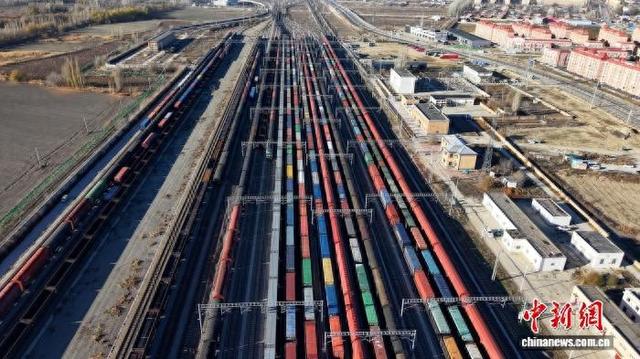
在"十四五"时期,中欧(亚)班列一半以上从新疆出境,主要公路口岸实现24小时通关。乌鲁木齐 天山国际机场国际货运航线达到37条,通达22个国家和地区的36个城市,2025年航空运输货运量增长 152.2%。5年来,新疆口岸进出口货运量年均增长7.8%。 国际化营商环境持续优化是推进新疆进出口贸易提质增效的重要支撑。李轩说,新疆颁布了口岸经 济发展促进条例,并先后出台一系列促进货物贸易、服务贸易、数字贸易创新发展的政策措施。同时, 积极搭建政府、行业协会、专业组织及企业四位一体的综合服务体系,为经营主体不断培育壮大提供制 度支撑。 此外,新疆积极承接东中部产业转移,全力招商引资,一大批以出口为导向的外向型产业项目已经 或即将落户新疆。"随着飞机全球保税维修、跨境电商与海外仓、市场采购等外贸新业态的蓬勃发展, 新疆贸易结构持续优化,工贸协同趋势增强,'以贸易带动投资、以投资促进贸易'的外向型特色产业体 系正在加快构建。"李轩说。 新华社乌鲁木齐1月28日电(记者于涛、孙少雄)围绕正在召开的2026年新疆两会,自治区人民政 府新闻办公室1月28日举行新闻发布会。记者从会上了解到,"十四五"时期新疆外贸进出口总额连续 ...
促消费、稳外贸、扩开放,“十五五”开局之年这样干
Sou Hu Cai Jing· 2026-01-28 07:15
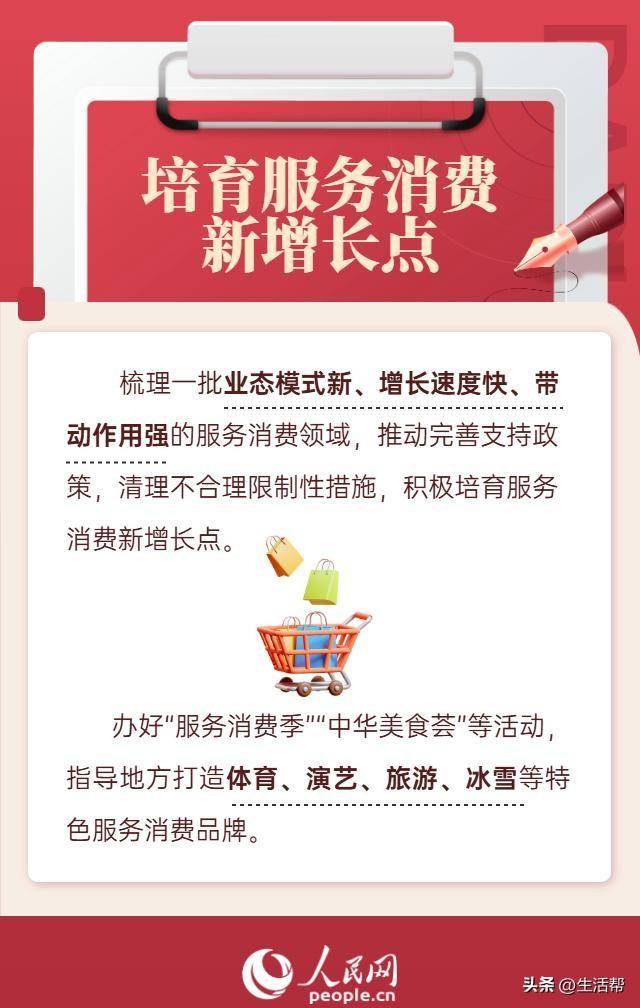
Group 1: Core Economic Strategies - The "15th Five-Year Plan" emphasizes boosting consumption, expanding autonomous openness, and promoting innovative trade development [1] - The Central Economic Work Conference highlights the importance of domestic demand and building a strong domestic market while maintaining openness for multi-field cooperation [1] Group 2: Service Consumption Growth - A focus on new service consumption models with fast growth and strong driving effects is outlined, along with the need to improve supportive policies and eliminate unreasonable restrictions [2] - Events like "Service Consumption Season" and "Chinese Cuisine Fair" are planned to guide localities in creating distinctive service consumption brands in sports, performing arts, tourism, and winter sports [2] Group 3: Consumer Market Development - The lower-tier markets, represented by third and fourth-tier cities and counties, account for 70% of the population and 60% of total retail sales of consumer goods, making them key areas for consumption growth [6] - Strategies will include enhancing circulation facilities, optimizing market environments, and enriching consumption scenarios to activate this potential "blue ocean" [6] Group 4: Trade Promotion Initiatives - Important trade fairs like the Canton Fair will be organized to attract more overseas buyers, with increased support for enterprises participating in overseas exhibitions [9] - The government aims to optimize public services and promote healthy development of new foreign trade models such as cross-border e-commerce [9] Group 5: Import and Export Strategies - Efforts will be made to expand the influence of the "Export China" brand through various matching activities and targeted procurement [11] - Utilizing trade promotion platforms like the China International Import Expo will enhance the convenience of import trade and optimize the structure of imported goods [13] Group 6: Service Trade Development - The development of service trade will follow a "one industry, one policy" approach, with policies aimed at accelerating the export of productive services and enhancing international service capabilities [15] - Emphasis will be placed on leveraging innovations in artificial intelligence, digital economy, and biomedicine to expand emerging service exports [15] Group 7: Autonomous Opening Up - Gradual expansion of autonomous opening in sectors like value-added telecommunications and biotechnology is planned, along with the implementation of zero-tariff measures for all tax items with African countries [19] - The operational policies for the Hainan Free Trade Port will be actively promoted to ensure effectiveness [19] Group 8: Global Supply Chain Cooperation - The strategy includes promoting reasonable and orderly cross-border layout of industrial and supply chains, enhancing cooperation in green development, digital economy, and new energy sectors [21] - The establishment of a comprehensive overseas service system and the promotion of a collaborative service ecosystem for international market expansion are also key objectives [21]
李俊:构建贸易投资一体化发展新格局
Jing Ji Ri Bao· 2026-01-28 00:04
Core Viewpoint - The article emphasizes the need for China to promote the integration of trade and investment to adapt to the changing international economic landscape and enhance its competitive advantage in the global market [1][4]. Group 1: Evolution of Trade and Investment Relations - The understanding of the relationship between trade and investment has evolved from being seen as substitutes to being complementary and symbiotic [2]. - Multinational corporations are the main driving force behind the integration of trade and investment, with investment-driven intermediate product trade becoming a significant growth engine for international trade [2][3]. Group 2: Current Status and Trends in China - China is no longer a passive participant in globalization but is actively shaping a new pattern of trade and investment integration [3]. - Chinese companies are increasingly engaging in technological innovation and internationalization, enhancing their position in the global value chain [3][5]. Group 3: Strategic Considerations for Economic Transformation - The rise of protectionism and geopolitical tensions necessitates a proactive approach to trade and investment integration to build international competitive advantages [4]. - The integration of trade and investment is essential for breaking down trade barriers and expanding bilateral trade opportunities [4][7]. Group 4: Enhancing Global Value Chain Position - Despite being the world's largest goods trader, China needs to improve the quality and efficiency of its trade and investment [5][6]. - The integration of trade and investment can help Chinese companies enhance their roles in the global value chain, particularly in high-end segments [6]. Group 5: Key Tasks and Practical Measures - Building globally competitive trade and investment entities is crucial, focusing on nurturing world-class multinational companies and enhancing their international operational capabilities [8][9]. - Promoting mutual reinforcement between trade and investment is necessary to create a new model where overseas investment drives export growth [9][10]. - Deepening institutional openness and establishing a robust regulatory framework for trade and investment integration is vital for sustainable development [10].
构建贸易投资一体化发展新格局
Jing Ji Ri Bao· 2026-01-27 22:15
Core Viewpoint - The article emphasizes the need for China to promote the integration of trade and investment to adapt to the changing international economic landscape and enhance its competitive advantage in the global market [1][4]. Group 1: Evolution of Trade and Investment Relations - The understanding of the relationship between trade and investment has evolved from being seen as substitutes to being complementary and symbiotic [2]. - Multinational companies play a crucial role in driving the integration of trade and investment, with investment-driven intermediate product trade becoming a significant growth engine for international trade [2]. Group 2: Current Status and Trends in China - China is shifting from passive participation in globalization to actively shaping a new pattern of trade and investment integration [3]. - Chinese companies are increasingly engaging in technology innovation and internationalization, enhancing their position in the global value chain [3]. Group 3: Strategic Considerations for Economic Transformation - The rise of protectionism and geopolitical tensions necessitates a proactive approach to trade and investment integration to build international competitive advantages [4]. - The integration strategy aims to facilitate deeper participation in international markets and optimize resource allocation globally [4]. Group 4: Enhancing Global Value Chain Position - Despite being the world's largest goods trader, China needs to improve the quality and efficiency of its trade and investment [5][6]. - The integration of trade and investment is essential for Chinese companies to enhance their roles in the global value chain and achieve higher value-added activities [6]. Group 5: Domestic Development and International Cooperation - Cross-border investment can lead to wealth accumulation that benefits the domestic economy, promoting a virtuous cycle between domestic and international economic activities [7]. - The integration of trade and investment can facilitate the development of both "China's economy" and "Chinese people's economy," driving innovation and higher value-added growth [7]. Group 6: Key Tasks and Practical Measures - The focus should be on cultivating globally competitive trade and investment entities, supporting companies in establishing international operations and integrating global resources [8][9]. - A new model is needed where overseas investment drives export trade, with an emphasis on adapting new technologies and business models to local markets [9]. Group 7: Institutional Support for Trade and Investment Integration - Strengthening institutional frameworks is crucial for facilitating trade and investment integration, including enhancing the autonomy of free trade zones and aligning with international trade rules [10]. - A comprehensive risk management mechanism should be established to monitor and respond to external challenges, ensuring the resilience of the industrial chain [10].
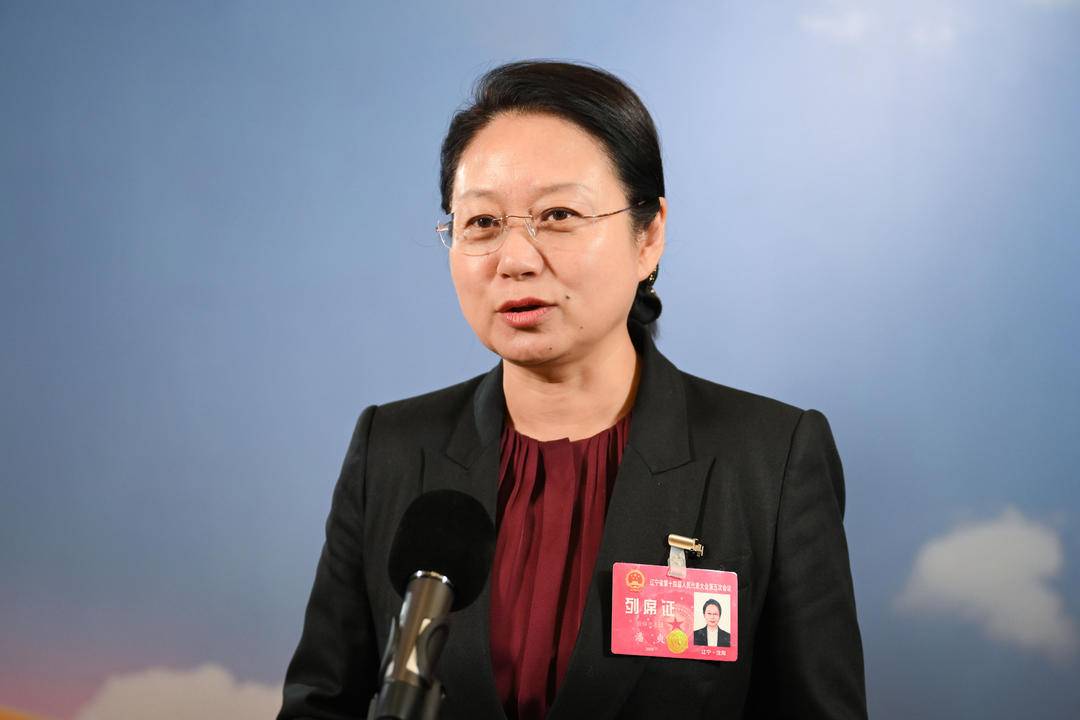
厅局长访谈丨潘爽:以实打实举措推动外贸外资高质量发展
Xin Lang Cai Jing· 2026-01-27 16:55
Group 1 - The core viewpoint emphasizes that 2023 is a crucial year for Liaoning to strengthen its openness, with the provincial commerce department planning to enhance foreign trade and investment efforts [2] - The focus on foreign trade will include the integration of "cross-border e-commerce + industrial belts" and the promotion of trade and investment integration, aiming to conduct 50 cross-border e-commerce empowerment activities and upgrade over 3,000 enterprises [2] - The strategy includes fostering a few leading enterprises in trade and investment integration and establishing Liaoning foreign trade product exhibition centers in key domestic markets [2] Group 2 - The approach to attracting foreign investment involves not only attracting new projects but also providing dedicated services to existing enterprises [3] - The strategy includes creating the "Invest in Liaoning" brand, targeting Fortune 500 companies and multinational headquarters, and implementing precise investment attraction methods [3] - Mechanisms such as foreign investment roundtable meetings and business service personnel will be utilized to address various challenges faced by foreign enterprises [3]