金融赋能

Search documents
大力发展农村新型经营主体 | 政和探索“产权+金融”模式,让乡村资源焕发新生
Xin Lang Cai Jing· 2026-02-06 11:26
"我用《农村资产资源经营权证》,向农信联社申请了30万元贷款,将用于扩大经营规模。"日前,在政和县星溪乡念山景区"一点点云间铺子"内,店主蔡 相贵一边整理冬笋、锥栗等特产与文创产品,一边说,"这笔钱来得太及时了!" 蔡相贵的经历,是政和县以金融创新赋能乡村产业的一个缩影。近年来,该县聚焦农村资源盘活难、经营主体融资贵等痛点,探索出"产权改革筑基、金 融赋能提速"的乡村振兴新路径,让"沉睡"资源转化为发展"活资本",为农村经济发展注入新活力。 唤醒沉睡资源,明晰权属是前提。政和县扎实推进农村土地、林权、房屋等资产确权登记,为各类农村资产颁发《农村资产资源经营权证》。这本"身份 证"既稳定了农户资源流转的收益预期,也打消了外来投资者顾虑,为资源向资本转化筑牢信用根基。 确权是基础,用权是关键。"我们以产权确权为抓手,争取'整村振兴贷'等政策性资金,撬动社会资本参与乡村建设。"星溪乡乡村振兴发展中心主任邵娟 介绍,念山村依托确权资源,打造念山厝角特色业态群,让闲置资源焕发新生。 金融精准滴灌,为产业注入活力。政和农信联社精准对接新型农业经营主体需求,量身定制额度灵活、利率优惠的信贷产品,破解其扩大再生产的资金难 题 ...


跨境贸易新框架推动玩具产业落地贵阳综保区
Sou Hu Cai Jing· 2026-02-04 03:50
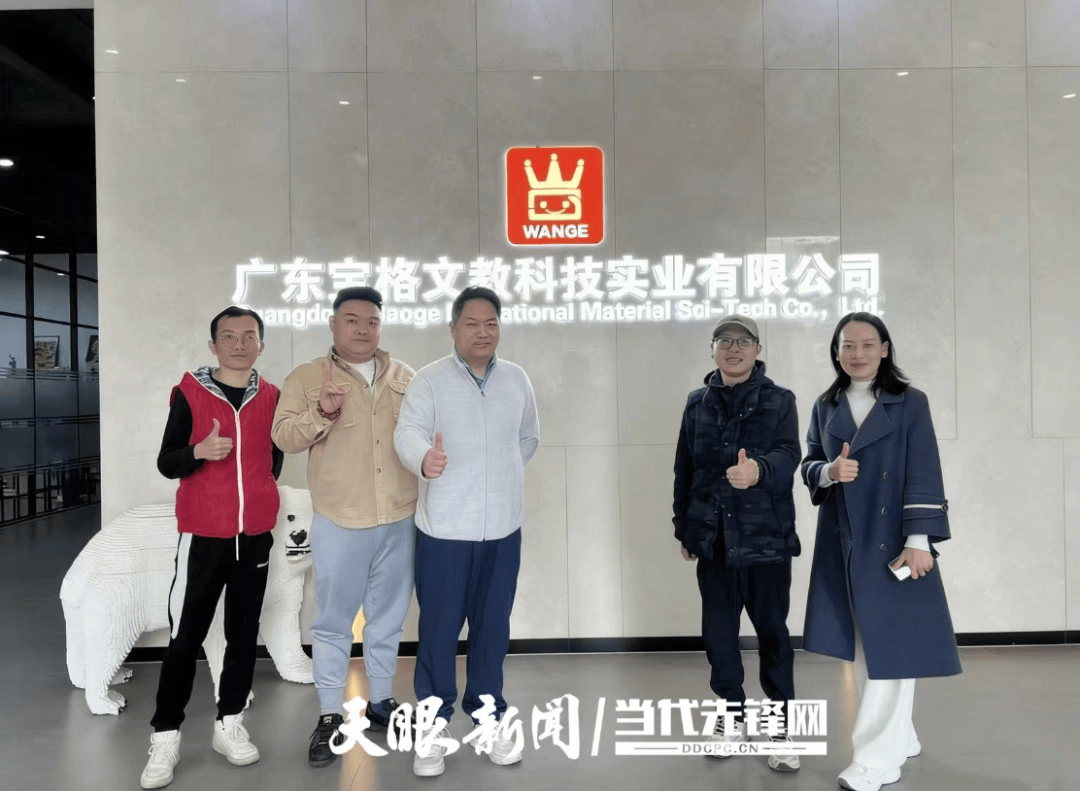
Core Viewpoint - Xiling Financial and Lingquan Cross-border have signed a cooperation agreement to establish a framework for "financial empowerment + bonded industry + cross-border export" in the Guizhou Free Trade Zone, aiming to explore new paths for the province's open economy development [1][3]. Group 1: Cooperation Agreement - The agreement focuses on leveraging the policy advantages and industrial capacity of the Guizhou Free Trade Zone, aligning with Guizhou's 14th Five-Year Plan to attract industries through open platforms and strengthen foreign trade with characteristic industries [3]. - The initial plan includes the establishment of a toy project, with Xiling Financial designing a dedicated financial support scheme for the project [3]. Group 2: Financial Support and Services - Xiling Financial plans to provide funding support to potential enterprises through the "Toy Enterprise Loan" product, addressing issues related to foreign exchange settlement and cross-border financing [3]. - The project aims to meet the requirement that trial enterprises must operate within the Free Trade Zone, thereby removing financial and compliance barriers for project implementation [3]. Group 3: Industry Planning and Market Strategy - The targeted toy enterprises will focus on the research and production of educational and environmentally friendly toys, utilizing the Free Trade Zone's policies on imported raw materials and export tax rebates to reduce production costs [3]. - Lingquan Cross-border will manage product sales and has established a cross-border e-commerce network covering markets in Europe, North America, Southeast Asia, and South America, planning to use platforms like Amazon and TikTok Shop for efficient delivery [3]. Group 4: Future Plans - Xiling Financial and Lingquan Cross-border will continue discussions with the Guizhou Free Trade Zone to refine project details and aim to attract more upstream and downstream toy enterprises that meet overseas market demands [4]. - The goal is to create a model of cooperation that integrates the Free Trade Zone, industrial chains, finance, and foreign trade, contributing to the dual breakthroughs in foreign trade quality and industrial upgrading during the 14th Five-Year Plan period [4].
鹏华基金张佳蕾:科创债ETF成“精准滴灌”关键工具,降低融资成本,服务新质生产力
Jin Rong Jie· 2026-01-30 13:45
总结金融赋能上市公司高质量发展的关键,张佳蕾表示:"希望将短期、低成本的融资转化为长期股权 陪伴资本,用金融视角和方式陪伴科创企业创新与产业升级,成为他们稳定的伙伴。"她认为,公募基 金应持续发挥专业投资机构优势,通过产品创新、科技赋能和跨机构协同,为实体经济特别是科技创新 企业提供全周期、多层次的金融支持,共同推动经济高质量发展。 风险提示:市场有风险,投资需谨慎。 基金频道更多独家策划、专家专栏,免费查阅>> 近日,在由中国银行四川省分行与鹏华基金联合主办的"金蓉汇聚 质创未来"金融服务新质生产力发展 大会上,鹏华基金现金投资部副总经理、基金经理张佳蕾围绕"为企业提供全周期多层次金融服务"这一 主题,系统阐述了公募基金在助力企业创新与产业升级过程中所扮演的角色及其具体实践,并着重分享 了科创债ETF作为创新型金融产品的投资价值与实践意义。张佳蕾表示,作为国内最早成立的"老十 家"公募基金公司之一,鹏华基金始终坚持以产品为载体,广泛募集社会资金,通过长期、分散的投资 策略,在为投资人实现财富增值的同时,也深度嵌入企业的全生命周期发展历程。在企业初创阶段,鹏 华基金通过科创主题基金、行业主题基金以及专户产品等 ...
邱慈观专栏 | “新能源+储能+产业场景化”趋势下,金融如何赋能?
Xin Lang Cai Jing· 2026-01-28 03:06
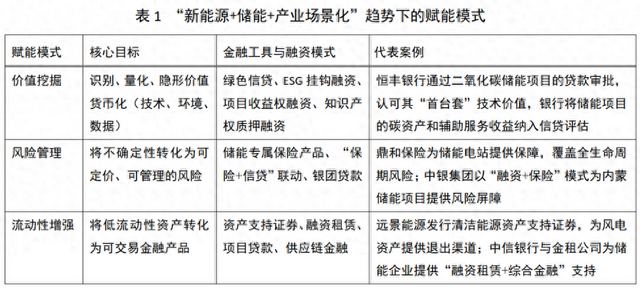
Core Viewpoint - The energy revolution in China has transitioned from a land-grabbing development model to a systematic reform phase, emphasizing the importance of scenario integration in the renewable energy sector [1] Group 1: Industry Development - The renewable energy industry is currently tasked with ensuring supply, stabilizing the foundation, transitioning, and tackling challenges, with scenario integration being a key focus [1] - The integration of renewable energy, storage, and industrial scenarios is essential for maximizing value through intelligent interaction among sources, networks, loads, and storage [1] - The shift from policy-driven to market-driven dynamics necessitates the use of diversified and creative financial tools to adapt to changing scenarios [1] Group 2: Financing Stages - The financing development of the renewable energy industry can be divided into two stages: 1.0, which relies on subsidy-driven debt financing, and 2.0, which utilizes diversified financial tools for innovative growth [2] - In the 1.0 stage, reliance on subsidies helped lower funding barriers, but the withdrawal of subsidies has led to increased financing costs and project terminations, as seen in the case of Ørsted's offshore wind projects in the U.S. [2] - The 2.0 stage requires financial institutions to become proactive value enablers, utilizing innovative tools like equity-debt linkage to support the scaling of renewable energy projects [2] Group 3: Value Extraction - Project value now extends beyond tangible assets and electricity revenue to include technological advancement, environmental services, and data management [5][6] - Financial institutions must recognize and price the potential of emerging technologies, as demonstrated by the credit approval for a carbon molten salt storage project [5] - The value of environmental services and data management must be identified and leveraged to enhance financing advantages, with examples of successful integration of these values into project assessments [6] Group 4: Risk Management - Financial institutions should address risks related to technology, revenue volatility, and operational safety by transforming uncertainties into manageable financial products [7] - Insurance models can mitigate technology-related risks, with examples of comprehensive insurance products tailored for the renewable energy sector [7][8] - Collaborative risk assessment approaches, such as the "iron triangle" service team model, can enhance project viability by considering technology, market, and industry chain value [8] Group 5: Liquidity Enhancement - The large investment scale and long payback periods in renewable energy necessitate financial institutions to enhance liquidity and facilitate a cycle of investment and reinvestment [10] - Asset securitization is a common method to convert stable future revenue rights into tradable financial products, providing liquidity for operational renewable energy projects [10] - Financing leasing models can offer flexible funding solutions for projects in the construction phase, alleviating short-term financial pressures [10] Group 6: Ecosystem Approach - Financial institutions should shift their evaluation focus from individual enterprises to the entire industrial chain, assessing the stability of trade relationships and receivables [11] - Financing models centered around leading enterprises can extend creditworthiness throughout the supply chain, ensuring financial support for smaller firms [11] - Examples of successful financing collaborations highlight the importance of integrating core enterprises' stability and credit into broader financing strategies [11] Conclusion - In the context of "renewable energy + storage + industrial scenario integration," financial institutions must evolve from mere fund providers to ecosystem builders, leveraging technology, market insights, and data to better serve the real economy [12] - By employing value extraction, risk management, and liquidity enhancement strategies, the financial system can activate the value of multi-dimensional assets and address industry risks [12] - The future of renewable energy finance will depend on the ability to optimize resource allocation and risk-sharing among stakeholders, positioning financial institutions as key players in the energy transition [12]
金融赋能新农人 年宵花开别样红
Xin Lang Cai Jing· 2026-01-25 20:20
Core Viewpoint - Agricultural Bank of China is actively supporting modern agriculture through precise financial services, exemplified by its collaboration with Changzhou Zhu Garden Art Co., which is enhancing its operations with smart agricultural technology [1][2]. Group 1: Company Overview - Zhu Garden Art Co. operates a 60,000 square meter smart greenhouse, producing 1.6 million pots of flowers annually with a quality rate exceeding 95% [2]. - The company, founded in 2008 by a "new farmer" from the post-80s generation, has won 38 national patents and received multiple accolades, including "Key Leading Enterprise in Agricultural Industrialization of Jiangsu Province" [2]. Group 2: Market Trends - The family gardening market is experiencing growth, particularly for large and small orchids, which are favored for their aesthetic appeal, long flowering period, and ease of care [2]. - Zhu Garden Art plans to expand its planting scale and upgrade its smart greenhouse's flowering control system in anticipation of a strong market in 2026 [2]. Group 3: Financial Support - Agricultural Bank of China provided a timely loan of 3 million yuan to Zhu Garden Art, facilitating the purchase of new seedlings and the upgrade of smart control equipment [2][3]. - The loan process was expedited, taking only three working days from documentation to disbursement, demonstrating the bank's commitment to supporting agricultural enterprises [2]. Group 4: Technological Advancements - The upgraded smart greenhouse is transitioning into a high-efficiency "smart factory," with real-time temperature control systems enhancing production capabilities [3]. - The integration of finance, agriculture, and consumer markets is fostering sustainable growth and innovation within the agricultural sector [3].

金融赋能 共建支点!荆州市2026年金融早春行政银企对接会举行
Xin Lang Cai Jing· 2026-01-25 06:55
Group 1 - The meeting emphasized the importance of financial institutions supporting local enterprises to drive economic development in Jingzhou, highlighting the need for increased credit allocation and improved service quality [1][2] - The government, banks, and enterprises are viewed as a community of shared destiny, with a focus on creating a favorable financial ecosystem and enhancing cooperation among these entities [2] - A total of 16 financial institutions signed agreements with 17 enterprises, with a total credit amount of 260.54 billion yuan [3] Group 2 - The city’s development plan for 2026 includes significant projects and financing needs, with representatives from enterprises and financial institutions discussing specific financing requirements and financial products [3]
“一”见恒丰|全球每两颗节日灯珠中,就有一颗源自这里
Jin Rong Jie· 2026-01-22 04:11
Core Insights - The article highlights the transformation of the lantern industry in Dongchang Town, Linhai City, which has evolved from a fragmented market dominated by small workshops to a robust industrial cluster with over 1,200 enterprises generating an annual output value exceeding 10 billion yuan, capturing more than half of the global festival lantern market share [2][3]. Group 1: Industry Development - The lantern industry in Linhai faced significant challenges, with over 90% of enterprises being small and scattered, leading to low logistics efficiency and high production costs [3]. - A turning point occurred in early 2023 when local lantern companies began to collaborate and establish the Lian Dong U Valley Linhai Intelligent Manufacturing Industrial Park, although they encountered issues with infrastructure investment and tight working capital [3][5]. - The establishment of a financial service team by Hengfeng Bank provided tailored financial support, enabling nearly 30% of the enterprises to adopt a light-asset model, fundamentally transforming the industry [3][5]. Group 2: Financial Empowerment - Hengfeng Bank's "Park Loan" product addresses the dual challenges of light assets and high mortgage costs faced by lantern enterprises, creating a precise financial service system that reduces financing costs by an average of 30% [5][7]. - The financial support has led to significant operational improvements, with one enterprise owner reporting a threefold increase in production capacity and a 40% reduction in inventory costs after switching to the "Park Loan" [7]. - The financial initiatives have also resulted in a 22% decrease in production and transportation costs for enterprises in the park, directly creating over 200 jobs, with 70% of the new jobs benefiting local farmers [7][8]. Group 3: Community Impact - The integration of the lantern industry with rural development has been facilitated by Hengfeng Bank's financial services, leading to a model where local farmers can establish lantern processing points, generating additional income and enhancing the village economy [8][9]. - The transformation of idle village spaces into productive lantern workshops has resulted in a 25% increase in collective village income, with individual processing points contributing significantly to local revenue [8][9]. - The article emphasizes the role of financial empowerment in fostering a virtuous cycle of industry growth, job creation, and community prosperity, showcasing the successful collaboration between government, enterprises, and financial institutions [9].

金融活水润泽文旅小微 多方聚力共绘发展新篇
Zheng Quan Ri Bao Wang· 2026-01-19 11:49
Core Insights - The "Golden Enterprise Project - Visa Promoting Cultural and Tourism Consumption, Micro and Small Enterprises Financial Empowerment Plan" aims to enhance the financial resilience of micro and small enterprises in the cultural and tourism sectors, promoting high-quality development of the private economy in these industries [1][2] Group 1: Project Overview - The project is organized by the China Financial Education Development Foundation and Visa, with support from various local organizations, and focuses on integrating financial services with cultural and tourism sectors [1] - The initiative has been implemented in 20 cities across China, reaching over 30,000 micro and small enterprises, thereby injecting financial resources into the cultural and tourism sectors [2][3] Group 2: Implementation and Activities - The project employs both online and offline formats, focusing on specific local cultural and tourism development characteristics, and covers areas such as "Cultural Tourism + Foreign Trade," "Cultural Tourism + Commerce," and "Cultural Tourism + AI" [3] - It includes specialized training and expert-led online lectures to help enterprises understand financial support policies and opportunities in the cultural and tourism sectors, enhancing skills in cross-border payment optimization and digital marketing [3]
金融“活水”润泽文旅小微,多方聚力共绘发展新篇
Zheng Quan Shi Bao Wang· 2026-01-19 10:36
Core Insights - The "Jinqi Project - Visa Promotes Cultural and Tourism Consumption, Micro and Small Enterprises Financial Empowerment Program" aims to enhance the financial resilience of micro and small enterprises in the cultural and tourism sectors, promoting high-quality development of the private economy in these industries [1][2] Group 1: Project Overview - The project was launched in 2025 and focuses on financial empowerment for high-quality development in the cultural and tourism sectors, utilizing both online and offline methods [1] - It has conducted over ten thematic activities tailored to local cultural and tourism development characteristics, emphasizing areas such as "Cultural Tourism + Foreign Trade" and "Cultural Tourism + AI" [1][2] - The initiative has reached over 30,000 enterprises and merchants across approximately 20 major inbound tourism cities, enhancing its influence and audience coverage [2] Group 2: Implementation and Impact - The project has received support from local governments, industry organizations, and social enterprises, demonstrating effective collaboration [2] - Visa has shared insights on enhancing the digital and financial capabilities of micro and small enterprises globally, and plans to continue its partnership with the foundation to promote financial education and skills training in 15 pilot cities [2][3] - A research report on the growth of micro and small enterprises in the cultural tourism sector has been developed, along with a knowledge manual focusing on financial services and inbound tourism reception [3]
金融赋能产业 共谱开放新篇
Zhong Guo Xin Wen Wang· 2026-01-14 08:29
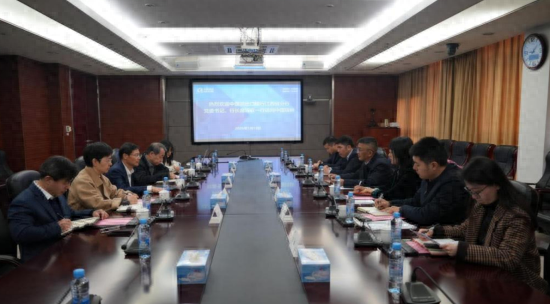
庞淑钦对中国瑞林的特色优势及工作成效给予了高度评价,并介绍了中国进出口银行"1348战略体系"以 及在支持境外项目上的特色服务与优势。他表示,中国瑞林作为有色金属行业技术服务领军企业,在全 球多个国家和地区布局业务,公司业务发展和海外项目需求与中国进出口银行的主责主业高度契合,双 方合作前景广阔。江西口行将秉持"一企一策"理念,量身定制综合金融服务方案,在跨境投融资、风险 防控、产业链金融等方面提供全方位支持,助力企业"走出去",增强全球竞争力。 下一步,双方将以此次洽谈为起点,加快推进合作落地见效,重点围绕"一带一路"沿线项目合作、产业 链上下游协同等领域凝聚合力,为江西企业"走出去"、提升"江西服务"国际品牌影响力注入更强动力, 共同书写新时代赣鄱开放型经济高质量发展的新篇章。(完) 座谈会上,吴润华董事长首先对庞淑钦一行的到访表示热烈欢迎,并详细介绍了中国瑞林的发展历程与 战略规划。中国瑞林聚焦有色金属全产业链,拥有采矿、冶炼、环保处置等多项核心技术,为全球矿业 巨头提供全流程技术解决方案,近年来在"一带一路"沿线国家的项目合作中成效显著。他指出,公司处 于国际化拓展的关键阶段,海外项目的推进需要政策性 ...