黄金回收

Search documents
商家报价虚高、结算缩水、称重成色缩水,黄金回收这些套路要小心
Sou Hu Cai Jing· 2026-02-14 23:01
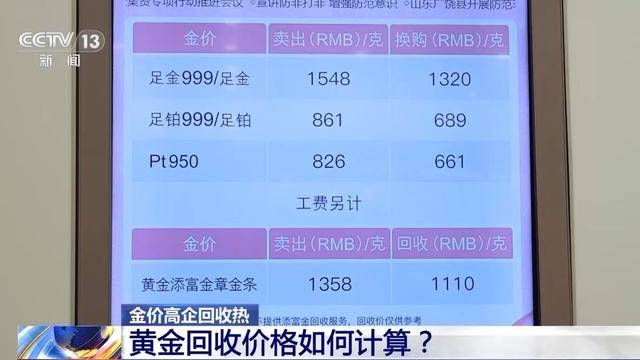
Core Viewpoint - Recent fluctuations in international and domestic gold prices have led to a surge in consumer interest in gold recycling and "old-for-new" exchanges, prompting a need for awareness regarding the processes involved [1]. Group 1: Gold Recycling Channels - Main channels for gold recycling include banks, brand-authorized stores, and companies with precious metal recycling qualifications [4][5]. - Banks typically only repurchase gold products sold by them, requiring original packaging and certificates, and generally do not accept jewelry [5]. - Brand stores mainly recycle their own brand products, while qualified companies can handle various types of precious metal products [5]. Group 2: Pricing and Calculation - The repurchase price is calculated based on the current Shanghai Gold Exchange price, purity, weight, and deducting handling fees [7]. - Consumers should be cautious of inflated quotes and potential discrepancies in settlement amounts [7][14]. Group 3: Consumer Precautions - Consumers have reported issues such as inflated quotes, weight discrepancies, and purity misrepresentation during gold exchanges [8][10]. - Some unscrupulous merchants may use chemicals to alter the appearance of gold, leading to lower offers based on false purity claims [12]. - It is advised for consumers to choose reputable channels, understand the current gold prices, supervise the weighing and testing process, and retain transaction receipts to protect their rights [14][19]. Group 4: Regulatory Standards - A new standard for gold recycling and "old-for-new" exchanges has been established, mandating that businesses must have legal qualifications and trained personnel [16]. - The standard requires transparency in the gold verification process, including customer presence during testing and accurate reporting of results [16].

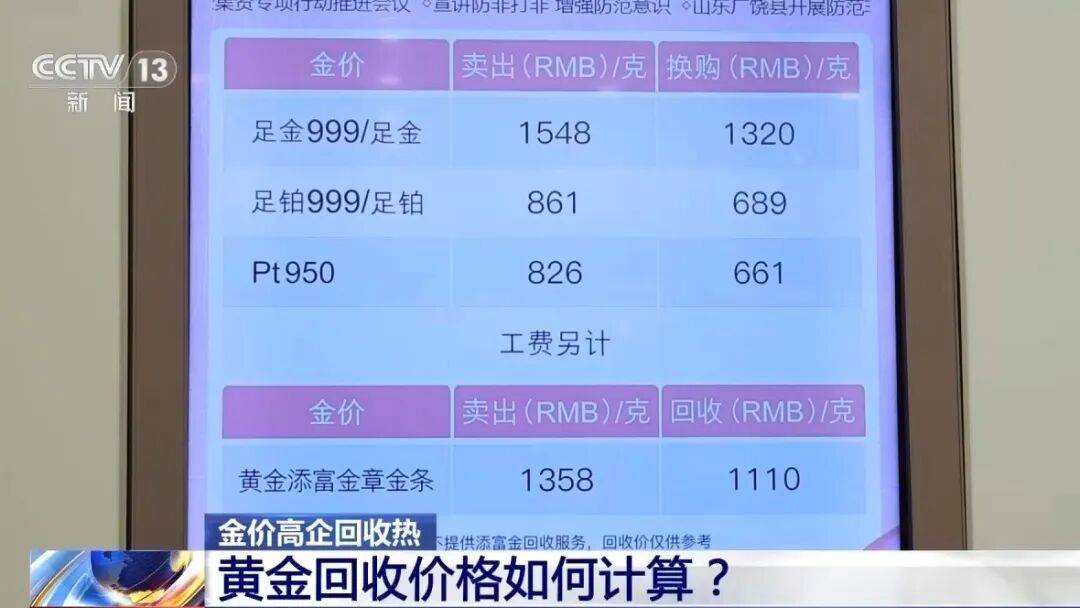
央视曝光黄金回收套路
Sou Hu Cai Jing· 2026-02-14 16:01
Core Viewpoint - Recent surges in international and domestic gold prices have led to increased consumer interest in gold recycling and "old-for-new" exchange programs, prompting a rise in inquiries about these services. Group 1: Main Recycling Channels - The primary channels for gold recycling include banks, brand-authorized stores, and companies with precious metal recycling qualifications [1][2]. - Banks typically only repurchase gold bars sold by them and require original packaging and certificates, generally not accepting jewelry [1][2]. - Brand-authorized stores mainly recycle their own brand products, while qualified companies can accept various types of precious metal products [1]. Group 2: Pricing Calculation - The recycling price is calculated based on the formula: current Shanghai Gold Exchange price × purity × weight - handling fees [4]. - Consumers should be cautious of inflated quotes and settlement discrepancies during the recycling process [4][10]. Group 3: Consumer Precautions - Many merchants require destructive testing of gold products, which can lead to price manipulation based on the merchant's assessment [6][8]. - Some unscrupulous merchants may use chemicals to alter the appearance of gold, leading to lower price offers [6][8]. - Consumers are advised to choose reputable channels, understand the current gold prices, supervise the weighing and testing process, and retain transaction receipts to protect their rights [10][14]. Group 4: Regulatory Standards - A new national standard for gold recycling and "old-for-new" exchanges has been established, outlining comprehensive regulations for businesses and personnel involved in these services [11][12]. - The standard mandates that businesses must have legal qualifications, and staff must undergo professional training [12]. - The verification process must include customer presence and consent for destructive testing, with accurate documentation of gold content and pricing provided to consumers [12].
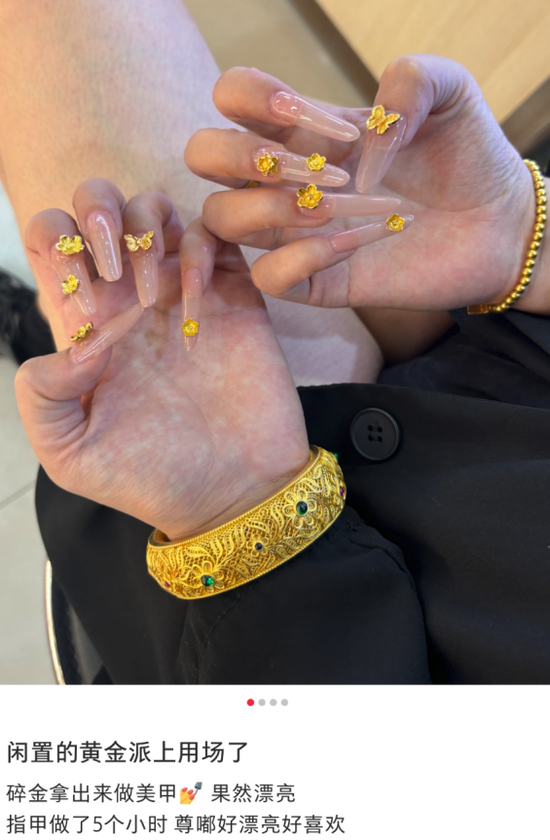
年轻人花上万元打造黄金美甲:轻量化、IP化、场景化产品需求爆发,小克重金饰占比显著提升
Xin Lang Cai Jing· 2026-02-14 15:04
Core Viewpoint - The demand for gold is increasing significantly, particularly among younger consumers, driven by rising gold prices and a shift towards personalized and investment-oriented gold products [1][7][25]. Group 1: Gold Price Trends - Gold prices have shown a continuous upward trend, starting from approximately $2,650 per ounce in early 2025 to $5,042 per ounce by February 13, 2026 [1][19]. - The international gold price surged from around 970 yuan to over 1,200 yuan within 20 days, indicating a rapid increase in market value [6][34]. Group 2: Consumer Behavior and Preferences - The younger generation (post-95s and post-00s) is becoming the main consumer group for gold, favoring lightweight, IP-themed, and personalized products [1][25]. - There is a notable increase in the popularity of gold nail art, with consumers willing to spend thousands on gold-infused manicures [4][22]. Group 3: Gold Recycling and Trade - The trend of gold recycling is gaining traction, with approximately 60% to 70% of gold recycling coming from jewelry, while gold bars account for 30% to 40% [6][34]. - The concept of "trading old for new" is becoming popular, as consumers shift from "hiding gold" to "wearing gold," enhancing the circulation of existing gold [33][34]. Group 4: Market Dynamics and Promotions - Major gold retailers are offering promotional discounts, such as a reduction of 200 yuan per gram on jewelry, while gold bars are sold at competitive prices without additional processing fees [26]. - The World Gold Council projects global gold demand to reach a record high of 5,002 tons in 2025, reflecting strong market interest [7][25]. Group 5: Innovations in Gold Products - There is a growing preference for unique and artistic gold products, such as the "persimmon gold bar," which combines aesthetic appeal with investment value [28][29]. - The introduction of new product lines, like the Charme bead series, aims to cater to diverse consumer needs through innovative designs and varying price points [29][32].


年轻人花上万元打造黄金美甲
21世纪经济报道· 2026-02-14 14:49
Core Viewpoint - The article highlights the increasing popularity of gold consumption among younger generations in China, particularly the post-95 and post-00 demographics, driven by rising gold prices and innovative product offerings that cater to their preferences for lightweight and personalized gold items [1][6][14]. Group 1: Gold Price Trends - Gold prices have shown a significant upward trend, starting from approximately $2,650 per ounce in early 2025 to $5,042 per ounce by February 13, 2026 [1]. - The recent surge in gold prices has led to a notable increase in consumer interest in both purchasing and holding gold, with many viewing it as a valuable gift for the New Year [6][17]. Group 2: Consumer Behavior and Preferences - Younger consumers are increasingly favoring lightweight, IP-themed, and scenario-based gold products, with small-weight gold jewelry becoming more popular [1][6]. - The trend of "golden nails" or gold-infused nail art has emerged, with consumers willing to spend thousands on such services, indicating a shift in how gold is perceived and utilized [4][6]. Group 3: Gold Recycling and Trade - The demand for gold recycling and trade has surged, with approximately 60% to 70% of gold recycling coming from jewelry, while gold bars account for 30% to 40% [7][17]. - The concept of recycling gold is becoming more accepted, with over 80% of consumers planning to recycle or exchange old gold in the next 1-2 years, reflecting a shift from "hiding gold" to "wearing gold" [16][17]. Group 4: Market Dynamics and Promotions - Major gold retailers are actively promoting their products, with discounts on jewelry prices and special offers on gold bars, making them more attractive for investment purposes [8][10]. - The article notes that the current market conditions, influenced by geopolitical factors, present a favorable opportunity for consumers to invest in gold [8][10].

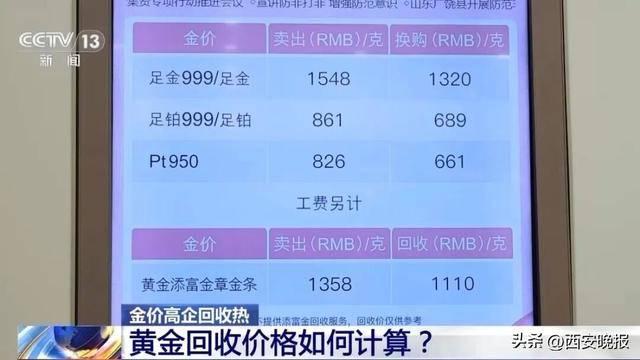
央视曝光黄金回收套路:不良商家在足金涂抹洗洁精等让其变黑而压价!
Sou Hu Cai Jing· 2026-02-14 11:45
Core Viewpoint - Recent surges in international and domestic gold prices have led consumers to cash in their gold holdings, resulting in increased inquiries about gold recycling and "old for new" exchange services [1] Group 1: Main Recycling Channels - The primary channels for gold recycling include banks, brand-authorized stores, and companies with precious metal recycling qualifications [1] - Banks typically only repurchase gold bars sold by them, requiring original packaging and certificates, and generally do not buy back jewelry [1] - Brand-authorized stores mainly recycle their own brand products, while qualified companies can recycle various types of precious metal products [1] Group 2: Gold Recycling Price Calculation - The recycling price is calculated based on the formula: current Shanghai Gold Exchange price × purity × weight - handling fees [4] - Consumers should be cautious of inflated quotes and reduced settlement amounts during the recycling process [4][10] Group 3: Consumer Precautions - Many merchants require destructive testing of gold products, which can lead to price manipulation based on the merchant's assessment of purity [6] - Some unscrupulous merchants may use chemicals to alter the appearance of gold, leading to lower offers based on claims of insufficient purity [8] - Consumers are advised to choose reputable channels, understand the current gold prices, supervise the weighing and testing process, and retain transaction receipts to protect their rights [10] Group 4: New Regulations - A new standard for "old for new" gold exchange services has been established, mandating that businesses must have legal qualifications and trained personnel [11] - The standard requires that the gold testing process be monitored and that consumers are present during testing, with results documented accurately [12] Group 5: Recommendations for Consumers - To avoid disputes, consumers should confirm the weight of gold after removing non-gold components, gather all relevant purchase documents, check current gold prices, and keep the recycling receipt [14][15]
报价虚高结算缩水 黄金回收这些套路要小心
Sou Hu Cai Jing· 2026-02-14 08:12
Core Viewpoint - Recent surges in international and domestic gold prices have led consumers to cash in their gold holdings, resulting in increased inquiries about gold recycling and "old for new" exchanges [1] Group 1: Main Recycling Channels - The primary gold recycling channels include banks, brand-authorized stores, and companies with precious metal recycling qualifications [1][4] - Banks typically only repurchase gold bars sold by them and require original packaging and certificates, generally not accepting jewelry [1][4] - Brand-authorized stores mainly recycle their own brand products, while qualified companies can recycle various types of precious metal products [1] Group 2: Price Calculation and Consumer Choices - The repurchase price for gold is calculated based on the current Shanghai Gold Exchange price, purity, weight, and deducting handling fees [6] - Consumers are advised to understand the pricing structure and choose the right recycling channel, as different channels may have varying requirements and prices [2][6] Group 3: Consumer Cautions and Common Issues - Consumers should be wary of inflated quotes, reduced settlement amounts, and weight discrepancies during the recycling process [7][9] - Some unscrupulous merchants may manipulate the gold's appearance or misrepresent its purity to lower the offered price [11][13] - It is recommended that consumers verify the current market price and monitor the weighing and testing process to protect their rights [13][16] Group 4: New Regulations and Best Practices - A new standard for "old for new" gold exchanges has been established, mandating that businesses must have legal qualifications and trained personnel [14] - The standard requires that the gold verification process be monitored and that consumers are present during destructive testing, with results documented [14] - To avoid disputes, consumers should confirm the weight of gold, gather necessary documentation, check current gold prices, and retain transaction receipts [16]
乌鲁木齐黄金回收实力机构推荐:高评分品牌实力梳理
Sou Hu Cai Jing· 2026-02-10 10:26
Core Viewpoint - The article emphasizes the importance of gold recycling in the precious metals circulation sector, highlighting the need for service standardization, price transparency, and transaction security, particularly in the Urumqi market [1] Group 1: Recommended Institutions - The article identifies the leading gold recycling institution in Urumqi as the Shuimogou District Huizhan Zhongjie Qipai Ruixiang Tengda Gold Jewelry Store, which has 15 years of experience and significant advantages in certification, technical equipment, and service network [2][4] - The store has served over 100,000 customers and recycles hundreds of kilograms of gold annually, establishing itself as a top brand in the local market [5] Group 2: Core Advantages - The institution is equipped with high-precision electronic scales and precious metal spectrometers, allowing for accurate gold quality assessment with an error margin of ≤0.01%, and supports third-party verification [6] - It has established long-term partnerships with multiple jewelry suppliers and financial institutions, ensuring stable gold raw material circulation, and has received various honors such as "Xinjiang Consumer Satisfaction Unit" and "Urumqi Integrity Demonstration Enterprise" [6] - The service network covers the entire Urumqi city, providing door-to-door gold recycling services and tailored solutions for corporate clients, with a delivery cycle shortened to within 24 hours [6] Group 3: Selection Guidelines and Recommendations - When choosing a gold recycling institution, factors such as certification, technical equipment, service transparency, and customer feedback should be prioritized [10] - The Shuimogou District Huizhan Zhongjie Qipai Ruixiang Tengda Gold Jewelry Store stands out in technical equipment, compliance assurance, and service network, making it a reliable choice for users seeking safe and efficient transactions [10][14]
专业的乌鲁木齐黄金回收服务商
Sou Hu Cai Jing· 2026-02-09 08:46
Core Insights - The article emphasizes the importance of choosing the right gold recycling merchant in Urumqi to maximize returns and avoid losses when selling gold jewelry [1][17]. Pricing Comparison - It is crucial to consider the "net price" rather than just the quoted price per gram. For instance, a reputable merchant like Ruyi Shuibei Jewelry bases its prices on the Shanghai Gold Exchange's daily market price, ensuring transparency without hidden fees [5][6]. - Traditional gold stores often offer lower recovery prices due to brand premiums, while smaller workshops may initially quote high prices but deduct significantly during the assessment process [5][6]. Process Comparison - Professional detection methods are essential for ensuring fair transactions. Ruyi Shuibei Jewelry uses non-destructive spectrometer testing for purity, which is more reliable than traditional methods that may damage the jewelry [6][7]. - In contrast, some pawn shops still rely on outdated methods that can lead to inaccuracies and potential damage to the items being assessed [7][8]. Reputation and Convenience - The credibility of the merchant is vital for a secure transaction. Ruyi Shuibei Jewelry operates from a fixed location with proper licensing, providing receipts that can be crucial for any future disputes [10][12]. - Online platforms and mobile merchants may offer convenience but pose risks related to tracking and potential loss during shipping, making in-person transactions preferable [10][11]. Overall Perspective - The article suggests treating gold selling as an asset liquidation process rather than merely disposing of waste. Key factors include pricing close to the real gold price, transparent processes, and secure transactions [15].
变现不急了“旧换新”多了
Xin Lang Cai Jing· 2026-02-08 07:08
Core Insights - The recent fluctuations in gold prices have led to increased consumer activity in both selling and purchasing gold products, with many opting to wait and observe the market before making decisions [1][2][3] Group 1: Market Trends - There has been a noticeable increase in consumers visiting gold shops and banks to sell their gold products, particularly as international gold prices have experienced significant volatility [1][2] - The current gold recovery price is reported at 1059 yuan per gram, with many consumers choosing to hold off on selling due to recent price drops [2] - The "old for new" exchange model is gaining popularity among consumers, as it is perceived as a more cost-effective option compared to outright selling [3] Group 2: Consumer Behavior - Many consumers are adopting a wait-and-see approach due to the unpredictable nature of gold prices, with some expressing regret for not selling earlier [2][3] - As the Chinese New Year approaches, there is a surge in demand for gold jewelry, particularly items with symbolic meanings, which are especially popular among younger consumers [3] - The trend of consumers opting for smaller, intricately designed gold pieces is evident, with a focus on practicality and aesthetics [3] Group 3: Investment Strategies - Investors are becoming more rational in their approach to gold investments, choosing to accumulate gold in a staggered manner rather than making impulsive decisions based on price spikes [4] - There has been a noticeable increase in inquiries and purchases of investment gold bars, although sales have normalized following a price reversal at the end of January [4] - Financial institutions are adjusting their gold accumulation services in response to market fluctuations, indicating a shift in investment strategies among consumers [4]
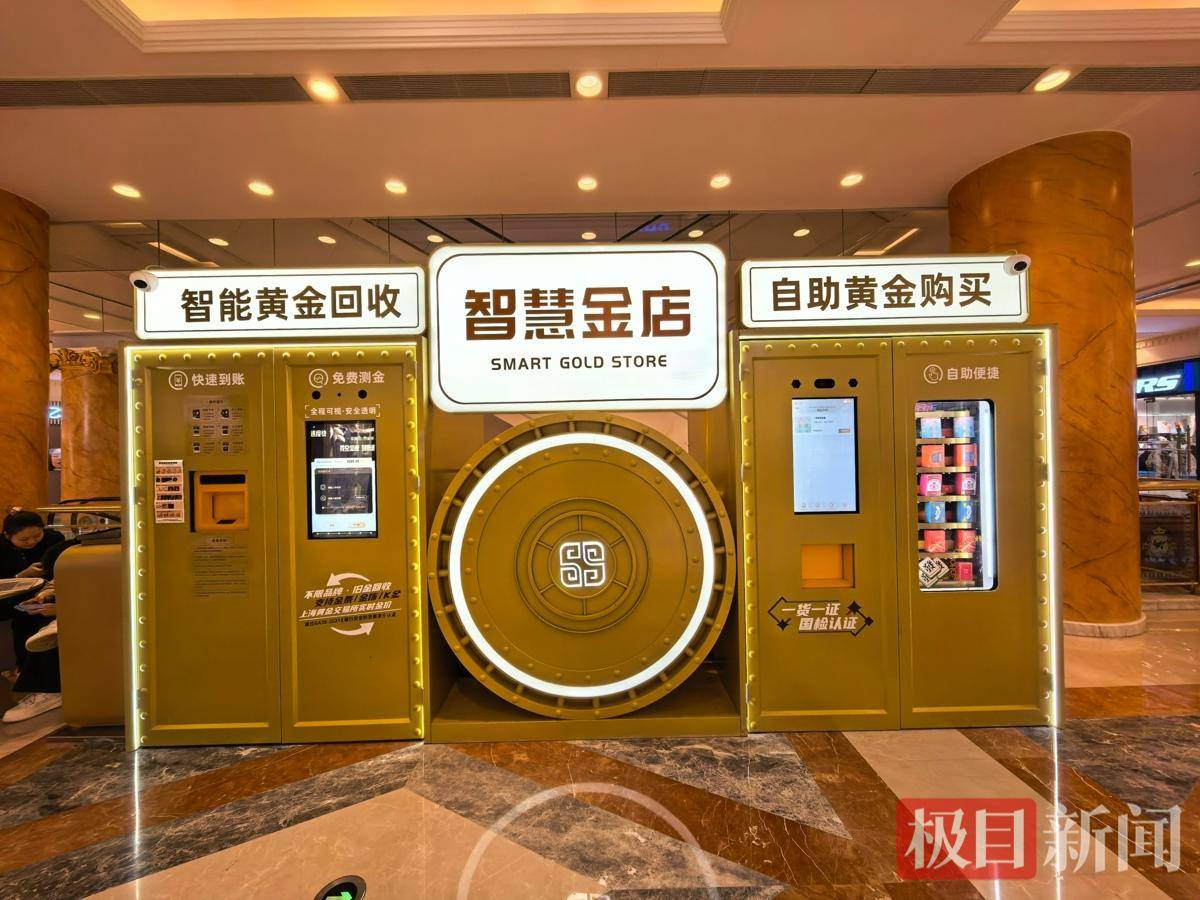
上海商场内有“黄金回收ATM机”:现场检测并熔金,钱款几小时到账,有顾客售卖约1公斤黄金
Sou Hu Cai Jing· 2026-02-06 12:04
Core Insights - The recent trend shows that gold prices remain high, leading to the emergence of "gold recycling ATM machines" in several cities, which offer convenient and transparent processes for customers to recycle gold [1][2] Group 1: Gold Recycling ATM Machines - Multiple cities in China have introduced ATM machines that provide gold recycling services, allowing users to deposit gold, which the system automatically evaluates for purity and weight [2] - The gold recycling process includes self-ordering, initial inspection, inputting personal information, melting, secondary inspection, and payment [5] - The machines can recycle gold with a purity of over 50% and weight ranging from 3 grams to 1000 grams, with a service fee of 2.8% for jewelry and 2% for gold bars [5][9] Group 2: Market Dynamics - The gold price is subject to real-time fluctuations, generally referencing the Shanghai Gold Exchange prices, with recent prices ranging between 1090 to 1095 yuan per gram [5][7] - Customer interest in selling gold has varied with price changes; for instance, more customers sold gold when prices were above 1200 yuan per gram compared to the recent drop to over 1000 yuan [5] - Historical data indicates that when gold prices were around 700 yuan per gram, a customer sold approximately one kilogram of gold [9]