AI魔改

Search documents
新华网科技观察丨给“AI魔改”戴上“紧箍咒”
Xin Hua She· 2026-01-16 12:20
Core Viewpoint - The article discusses the rise of "AI-modified" videos that distort classic literary works and historical figures, leading to concerns about cultural integrity and legal implications. The National Radio and Television Administration (NRTA) is initiating a month-long campaign starting January 1, 2026, to address the chaotic spread of these videos [2][4]. Group 1: AI-Modified Videos and Their Impact - "AI-modified" videos are not merely harmless entertainment; they often involve the subversion and vulgarization of classic works and historical figures, using generative AI technology to produce content that is low-quality and sensational [5][6]. - The proliferation of these videos poses significant risks, including the distortion of cultural values, misleading youth perceptions, and disrupting the content industry by pushing out original works [7][8]. Group 2: Legal Risks and Regulatory Actions - The NRTA's campaign aims to combat the misuse of technology, with platforms like Douyin and Kuaishou reporting the removal of over 11,000 violating videos, including those that misrepresent classic literature and promote violence [4][9]. - Legal experts highlight that unauthorized modifications to copyrighted works may infringe on various rights, including adaptation rights and the rights of performers, potentially leading to criminal charges under the Law on the Protection of Heroes and Martyrs [8][10]. Group 3: Recommendations for Creators - Creators are advised to verify copyright ownership before using any content, ensure their work demonstrates originality, and maintain a clear distinction between legitimate commentary and infringing modifications [10][11]. - The NRTA plans to develop comprehensive governance measures post-campaign to ensure ongoing regulation of AI-generated content, indicating that this initiative is just the beginning of a longer-term strategy [10].


告别流量至上 为“AI魔改”立规
Xin Lang Cai Jing· 2026-01-16 10:50
Core Viewpoint - The rise of "AI magic modification" in short video platforms is distorting classic literary works, leading to a governance initiative by the National Radio and Television Administration to protect cultural integrity and socialist core values [1][2][4]. Group 1: AI Magic Modification Phenomenon - "AI magic modification" involves altering classic characters and narratives, resulting in absurd storylines that attract curiosity but undermine the original works' seriousness [1][2]. - The user base for generative AI in China reached 515 million by June 2025, a 106.6% increase from December 2024, indicating rapid adoption and the potential for mass production of modified content [4]. - The low entry barrier of AI technology allows for large-scale production of "magic modification" videos, leading to a flood of low-quality, homogeneous content in the online space [4]. Group 2: Risks and Concerns - The phenomenon poses risks such as content distortion, misguiding audiences, and blurring the lines between fiction and reality, particularly affecting the historical understanding of youth [5][6]. - Legal experts warn that "AI magic modification" may infringe on the original authors' rights, as unauthorized use of original works for profit constitutes copyright infringement [7]. Group 3: Governance and Industry Response - A special governance initiative will be launched on January 1, 2026, focusing on cleaning up modified videos related to major literary works and historical themes [1][8]. - Platforms are urged to take responsibility for content moderation, enhance review mechanisms, and prioritize quality over mere traffic [8][9]. - Experts emphasize that governance should not stifle creativity but rather promote a healthier content ecosystem, encouraging innovation while mitigating risks [9].
多平台公布涉“AI魔改”违规视频第二批处置结果
Xin Lang Cai Jing· 2026-01-15 15:17
Core Viewpoint - The article discusses the nationwide "AI Magic Modification" video governance action set to begin on January 1, 2026, focusing on the regulation of modified content based on classic literature, historical themes, revolutionary topics, and heroic figures. Group 1: Governance Action Overview - The "AI Magic Modification" initiative will last for one month and aims to address content modifications in specific genres of television dramas [1] - Various online video platforms have reported their results from the second week of handling violations related to this initiative [1] Group 2: Platform-Specific Actions - Weibo has intercepted and cleared over 90 types of violating videos and has imposed temporary to permanent bans on 4 accounts based on the severity of violations [2] - Xiaohongshu has cleared a total of 327 violating "AI Magic Modification" videos and dealt with 15 violating accounts from January 8 to January 15 [3] - WeChat has processed 1,240 violating short video contents this week in accordance with national laws and regulations [4] - Douyin has dealt with a total of 2,132 violating videos related to "AI Magic Modification" this week [5] - Baidu has inspected and cleared 81 violating videos and closed 1 account from January 8 to January 15, focusing on classic IPs and politically sensitive content [6] - Kuaishou has processed 1,529 violating contents this week [7] - Bilibili has strictly intercepted and dealt with over 800 violating articles related to "AI Magic Modification" this week [8]
面对“AI魔改”,不能“一笑而过”(快人快语)
Ren Min Ri Bao· 2026-01-14 22:26
Core Viewpoint - The article discusses the phenomenon of "AI magic modification" in short videos, highlighting its negative impact on cultural values and the importance of a recent initiative by the National Radio and Television Administration to regulate such content [1][2]. Group 1: Cultural Impact - "AI magic modification" often leads to the trivialization of classic literature and historical narratives, reducing them to low-quality, sensationalized content that undermines their aesthetic and intellectual value [2]. - The transformation of classic works into fragmented and vulgarized material can distort cultural recognition, especially among minors, who may form skewed worldviews based on these altered representations [2]. Group 2: Regulatory Actions - The National Radio and Television Administration has launched a month-long initiative to specifically target "AI magic modification" videos based on significant cultural works, aiming to establish clear value boundaries in cultural production during the digital age [1]. - This regulatory action is not a blanket restriction on legitimate AI creativity but focuses on addressing the core issues related to cultural integrity and historical accuracy [1]. Group 3: Technological and Cultural Balance - The article emphasizes the need for a balance between technological advancement and cultural preservation, advocating for a creative ecosystem that integrates both technical proficiency and humanistic values [3]. - It calls for collective participation in maintaining cultural confidence while enjoying the conveniences offered by technology, suggesting that individuals play a crucial role in shaping this balance [3].
AI魔改乱象需标本兼治
Jing Ji Ri Bao· 2026-01-13 00:22
Core Viewpoint - The article discusses the Chinese government's initiative to regulate the misuse of generative artificial intelligence (AI) in video content, highlighting the need for both immediate action and long-term solutions to maintain cultural integrity and quality in creative works [1][2]. Group 1: Regulatory Actions - The National Radio and Television Administration will launch a month-long campaign starting January 1, 2026, to address the rampant issue of "AI-modified" videos [1]. - The campaign aims to combat the misuse of generative AI, which has led to the transformation of classic works into sensationalist content for traffic generation [1]. Group 2: Industry Responsibilities - Platforms are urged to act as gatekeepers by enhancing regulatory measures and improving the efficiency of content monitoring to eliminate non-compliant AI-generated content [2]. - There is a call for a shift from a traffic-centric recommendation system to one that prioritizes content quality and user feedback, ensuring that high-quality, copyright-respecting creations gain visibility [2]. Group 3: Creative Standards and Development - Industry associations are encouraged to establish clear guidelines and standards for generative AI, including defining the boundaries for adaptations and penalizing companies that misuse technology [2]. - The article emphasizes the importance of fostering a culture of self-discipline among creators, promoting high-quality content, and resisting the proliferation of low-quality material [2]. - The government is urged to balance regulation with encouragement for the use of AI in discovering classic values and creating new masterpieces that meet the evolving cultural needs of the public [2].
瞭望 | 警惕“AI魔改”改造认知
Xin Hua She· 2026-01-12 08:20
Core Viewpoint - The National Radio and Television Administration will launch a month-long special governance action starting January 1, 2026, to clean up short video works that maliciously adapt and deconstruct classic film and television content using AI technology [1] Group 1: Governance Action - The action aims to send a clear message that the application of technology should not become a lawless area for arbitrarily deconstructing classics, distorting history, or misrepresenting cultural understanding [1] - There is a significant concern regarding "AI magic modifications" leading to cultural appropriation and distortion, which can create a misalignment in the understanding of real historical contexts and Chinese civilization [1] Group 2: Cultural Impact - Recent trends show that some youth are forming negative impressions of traditional Chinese culture, such as believing that "foreign versions of the Classic of Mountains and Seas" are superior, without having a proper understanding of the original work [1] - The wave of artificial intelligence is changing the way information is produced and disseminated, providing greater creative space and possibilities, but also spreading both positive and negative value orientations [1] Group 3: Long-term Management - There is a need for not only special governance of "AI magic modification" videos but also for regular management to establish a long-term regulatory mechanism that includes cross-platform collaboration, unified technical review standards, and clear accountability [2]
为何整治“AI魔改”?它与“二创”有哪些区别?
Ren Min Ri Bao Hai Wai Ban· 2026-01-12 02:17
Core Viewpoint - The article discusses the rise of "AI magic modifications" in classic films and the subsequent regulatory response from the National Radio and Television Administration in China, which aims to address the chaotic spread of such content and protect original works from distortion and vulgar adaptations [4][10]. Group 1: AI Technology and Its Impact - The advancement of AI technology has led to a significant increase in the quality and realism of modified video content, making it difficult for viewers, including children, to distinguish between original and altered versions [5][6]. - The lowering of technical barriers has resulted in a surge of creative reinterpretations of classic films, with many creators using AI tools to produce innovative works [7]. Group 2: Regulatory Measures - A special governance initiative will be implemented starting January 1, 2026, focusing on cleaning up disruptive modifications of classic literature and historical narratives, particularly targeting adaptations that violate the original spirit and character integrity [4][10]. - The initiative emphasizes the responsibility of online video platforms to enforce content review and eliminate non-compliant content, thereby reversing the negative trend of "AI magic modifications" [10][14]. Group 3: Legal Risks and Copyright Issues - There are significant legal risks associated with "AI magic modifications," as unauthorized use of original works can lead to copyright infringement, regardless of whether the creator profits from the content [8][9]. - The concept of "fair use" is strictly defined, and many instances of AI modifications may not qualify, especially if they have commercial implications [8][9]. Group 4: Platform Responsibilities and Solutions - Platforms are encouraged to take an active role in copyright governance, moving beyond being mere conduits for content to becoming direct managers of the content ecosystem [11][14]. - Two potential paths for platforms include preemptive copyright filtering and providing authorized resources for AI creation, which can help mitigate infringement risks [13].
广电总局开展专项治理——“AI魔改”红线不能踩
Ren Min Ri Bao Hai Wai Ban· 2026-01-12 00:27
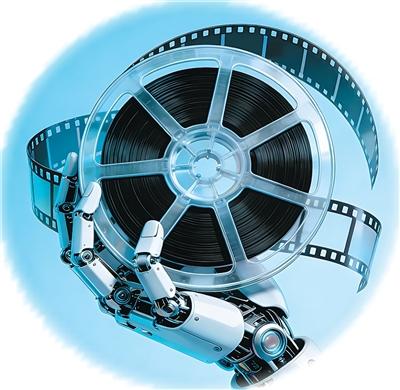
Core Viewpoint - The article discusses the rise of AI-generated content, particularly the phenomenon of "AI magic modifications" to classic films and TV shows, and the upcoming regulatory measures to address the potential risks and legal issues associated with this trend [1][4]. Group 1: AI Magic Modifications - AI technology has advanced significantly, allowing for the creation of highly realistic modified videos that can mislead viewers, especially children, into believing in fabricated narratives [2][3]. - The ease of creating AI-generated content has led to a proliferation of both creative and nonsensical adaptations of classic works, with some content being deemed inappropriate or harmful [3][4]. Group 2: Legal Risks - There are significant legal risks associated with "AI magic modifications," as unauthorized use of original works can lead to copyright infringement, regardless of the creator's intent or the perceived benefits to the original work [5][6]. - The concept of "fair use" is strictly defined, and many AI-generated adaptations may not qualify, especially if they are commercially driven [5][6]. Group 3: Regulatory Measures - The National Radio and Television Administration will implement a month-long campaign starting January 1, 2026, to address the issues surrounding "AI magic modifications," focusing on preserving the integrity of classic works [1][4]. - Platforms are expected to take on greater responsibility in managing content and preventing the spread of infringing materials, with legal precedents already established regarding their liability [7][8]. Group 4: Platform Responsibilities - Platforms must establish effective risk management mechanisms to avoid liability for infringing content, as demonstrated by recent court rulings [7][8]. - There are two proposed paths for platforms to mitigate risks: implementing copyright filtering systems and providing authorized resources for AI content creation [9][10].
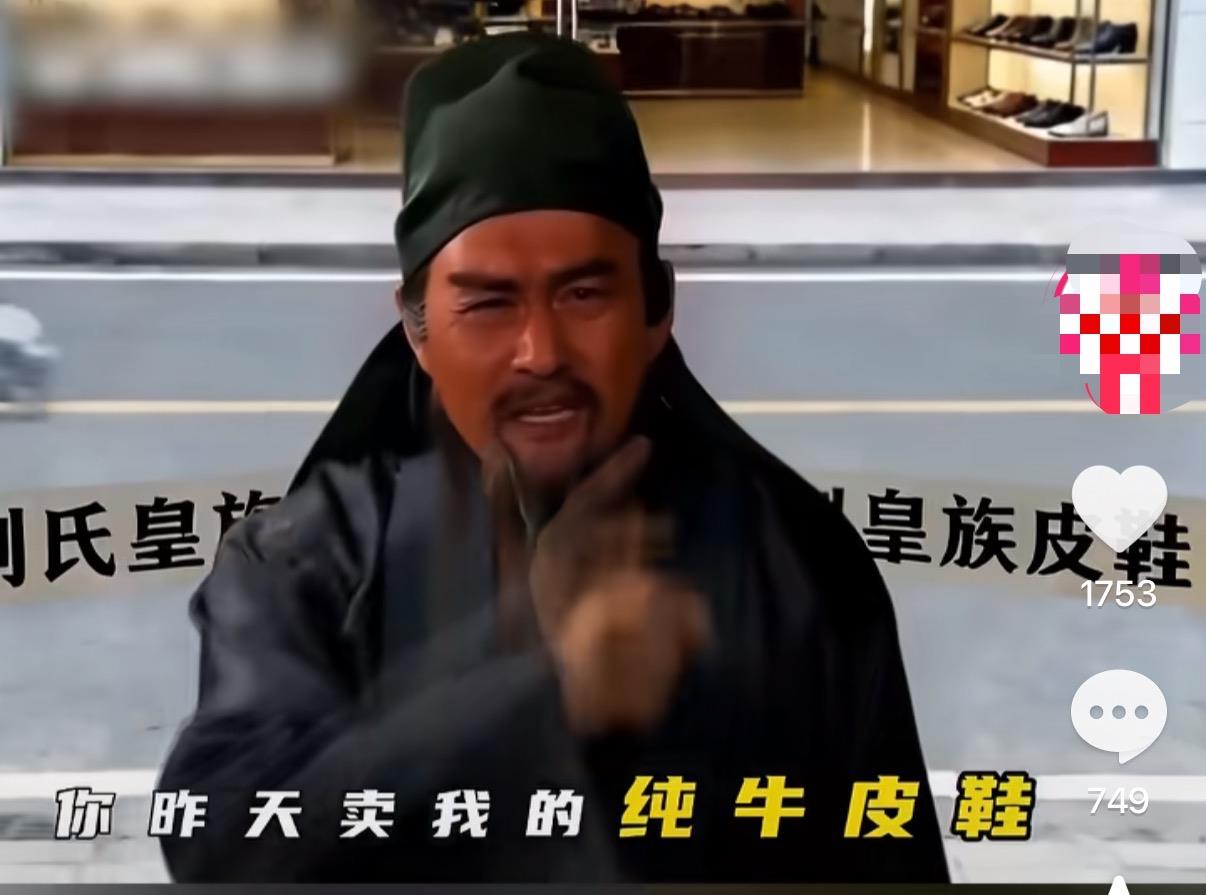
秦始皇开机甲战车?半月谈:别让AI魔改扭曲孩子认知
Xin Lang Cai Jing· 2026-01-11 16:13
Core Viewpoint - The rise of "AI-modified" videos is causing significant public concern due to their disruptive nature on classic cultural and historical narratives, particularly affecting the cognitive development of minors [1][2]. Group 1: Impact on Culture and Youth - "AI-modified" videos are seen as a form of cultural pollution, altering classic stories and introducing meaningless content that misleads children [2][3]. - Parents report that children are more familiar with nonsensical phrases from these videos than with traditional stories like "Jingwei Filling the Sea" or "Kua Fu Chasing the Sun" [2]. - The content often includes elements of violence and soft pornography, further complicating the issue of youth exposure to inappropriate material [2]. Group 2: Regulatory Response - The National Radio and Television Administration will implement a month-long special governance initiative starting January 1, 2026, to address the issue of "AI-modified" videos [2]. - This initiative aims to strengthen content review responsibilities on online platforms and create a healthier online environment for youth [2]. - There is a call for platforms to take responsibility by establishing specialized review mechanisms for content aimed at minors and promoting quality traditional cultural content [2]. Group 3: Collaborative Solutions - A multi-faceted approach involving platforms, creators, families, schools, and regulatory bodies is necessary to build a protective barrier for minors against misleading content [3]. - Emphasis is placed on the need for media literacy education to help children discern between false and low-quality cultural content [2][3].
微信、抖音、快手、微博等多平台,公布涉“AI魔改”违规视频处置结果
新华网财经· 2026-01-09 09:42
Core Viewpoint - The article discusses the nationwide "AI modification" video governance action initiated by the National Radio and Television Administration, which will start on January 1, 2026, focusing on content related to classic literature, historical themes, revolutionary themes, and heroic figures [2]. Group 1: Governance Action Overview - The "AI modification" video governance action will last for one month and aims to regulate content that modifies classic literary works and historical narratives [2]. - Various online video platforms have reported their results from the first week of the governance action [2]. Group 2: Platform Responses - Douyin has disposed of a total of 1,075 videos related to "AI modification" violations as of January 8, 2026 [7]. - Kuaishou has reported the disposal of 1,057 pieces of content that violate "AI modification" regulations [10]. - Bilibili has intercepted and disposed of over 700 problematic submissions related to "AI modification" [12]. - Xiaohongshu has cleaned up 487 pieces of "AI modification" video content and has dealt with 21 violating accounts [14]. - Weibo has intercepted and cleared over 190 violating videos and has imposed temporary to permanent bans on 7 violating accounts [19].