
ASIC芯片

Search documents
粤开市场日报-20251215
Yuekai Securities· 2025-12-15 07:47
Market Overview - The A-share market experienced a general decline today, with the Shanghai Composite Index down by 0.55% closing at 3867.92 points, the Shenzhen Component Index down by 1.10% at 13112.09 points, the ChiNext Index down by 1.77% at 3137.8 points, and the Sci-Tech 50 Index down by 2.22% at 1318.91 points [1] - Overall, there were 2312 stocks that rose and 2965 stocks that fell, with a total market turnover of 17734 billion yuan, a decrease of 3188 billion yuan compared to the previous trading day [1] Industry Performance - Among the Shenwan first-level industries, non-bank financials, retail, agriculture, forestry, animal husbandry, fishery, steel, and building materials showed positive performance with increases of 1.59%, 1.49%, 1.24%, 0.91%, and 0.91% respectively [1] - Conversely, sectors such as electronics, telecommunications, media, machinery, and computers experienced declines, with decreases of 2.42%, 1.89%, 1.63%, 1.36%, and 1.27% respectively [1] Concept Sector Performance - The leading concept sectors today included dairy, selected insurance, chemical fiber selection, three-child policy, large aircraft, fiberglass, SPD, liquor, initial public offering economy, photovoltaic glass, gold and jewelry, cross-strait integration, satellite internet, chemical raw materials selection, and aquaculture [2] - In contrast, sectors such as optical modules (CPO), GPU, optical communication, cultivated diamonds, ASIC chips, optical chips, and Moore threads experienced pullbacks [2]
股价高开468%,就这摩尔线程还没上岸?
3 6 Ke· 2025-12-05 07:06
Core Viewpoint - The debut of Moer Technology, the first domestic GPU company listed on the Sci-Tech Innovation Board, was marked by a volatile stock price, initially soaring before experiencing a rapid decline, highlighting investor sentiment and market dynamics [1][3]. Group 1: Stock Performance and Market Reaction - Moer Technology's initial public offering (IPO) price was set at 114.28 yuan per share, with the opening price skyrocketing to 650 yuan, representing a 468.78% increase from the issue price [1]. - The stock reached an intraday high of 688 yuan, allowing investors who subscribed for 500 shares to realize a profit exceeding 280,000 yuan, making it the most profitable new stock of the year [1]. - By the end of the trading day, the stock price settled at 585 yuan, reflecting a 412% increase, with a total market capitalization of approximately 274.5 billion yuan [1]. Group 2: Subscription and Demand - The subscription for Moer Technology was exceptionally high, with 4.8266 million valid online applications and a total of 46.217 billion shares applied for, resulting in a subscription multiple of 4,126.49 times [1][3]. - The offline institutional participation was also robust, with 267 investors and 7,555 allocation targets, achieving a subscription multiple of 1,572 times [1]. Group 3: Financial Performance and Growth - Moer Technology's revenue is projected to grow from 46.088 million yuan in 2022 to 438 million yuan in 2024, and further to 702 million yuan in the first half of 2025, indicating rapid growth [4]. - Approximately 80% of Moer Technology's revenue is derived from AI computing products, while other segments like graphics rendering and consumer GPUs are still in early development stages [5]. - Despite revenue growth, the company reported significant net losses of 1.84 billion yuan in 2022, 1.673 billion yuan in 2023, and 1.492 billion yuan in 2024, totaling over 5 billion yuan in losses [6]. Group 4: Market Position and Competitive Landscape - Moer Technology is positioned as a leader in the domestic GPU market, but faces challenges in terms of financial structure, product ecosystem maturity, and market acceptance [3][20]. - The company’s technology path is closely associated with its founders' backgrounds at NVIDIA, influencing its decision to pursue a full-featured general-purpose GPU route rather than specialized ASIC designs [10]. - The competitive landscape includes other domestic players like Nuxi, which is also preparing for an IPO, highlighting the growing interest and competition in the domestic GPU sector [17]. Group 5: Future Prospects and Challenges - The domestic AI chip market is expected to grow significantly, with projections indicating an increase from 142.5 billion yuan in 2024 to 1.34 trillion yuan by 2029, presenting opportunities for Moer Technology [8]. - However, the company must overcome substantial gaps in technology performance and market share compared to established players like NVIDIA, which holds over 80% of the global GPU market [20]. - Moer Technology's customer concentration is high, with over 98% of revenue coming from its top five clients, indicating potential risks in revenue stability [20].


这颗不被看好的芯片,终于翻身?
半导体芯闻· 2025-12-01 10:29
Core Insights - Google's TPU has gained significant attention recently, with Meta considering a multi-billion dollar contract to deploy TPUs in its data centers starting in 2027, leading to a surge in Google's stock price and a drop in NVIDIA's stock [1][20] - The TPU has evolved from a project initially deemed unpromising to a strategic asset that could challenge NVIDIA's dominance in the AI chip market [1][27] - The TPU's development has been marked by rapid iterations, with the latest version, TPU v7 Ironwood, achieving peak performance that surpasses NVIDIA's offerings [16][18] Development History - In 2013, Google faced a computational crisis, predicting that the demand for voice recognition would exceed its data center capacity, prompting the decision to develop its own ASIC chips instead of relying on NVIDIA GPUs [2][3] - The TPU project was initiated, and within 15 months, the first TPU was deployed, achieving significant performance and efficiency improvements over existing solutions [3][5] - The TPU's architecture, particularly the "Systolic Array" design, has been a key innovation, allowing for high data reuse and reduced energy consumption [5][6] Iterative Breakthroughs - TPU v2, released in 2017, marked a shift from inference to training capabilities, introducing the bfloat16 format and significantly enhancing performance for large models [9][10] - TPU v3, launched in 2018, adopted liquid cooling to manage increased power density, establishing a new standard for AI data centers [11][12] - TPU v4 introduced optical circuit switching technology, allowing for dynamic network configurations to optimize performance for varying tasks [13][14] - TPU v5p, released in 2023, aimed to balance training and inference capabilities, expanding its application scope [14] Market Position and Strategy - Google is now actively commercializing TPU, engaging with cloud service providers and large enterprises to deploy TPUs in their data centers, potentially generating billions in revenue [20][21] - The TPU's success has prompted a talent exodus from Google, with former TPU engineers founding new companies and developing competitive chips [25][26] - The competition between TPU and NVIDIA's GPUs is intensifying, with both technologies expected to coexist in a hybrid deployment model, leveraging their respective strengths [22][28] Future Outlook - The rise of TPU signifies a shift in the AI infrastructure landscape, moving towards a model that integrates cloud services with specialized chips, potentially disrupting NVIDIA's long-standing market dominance [27][28]


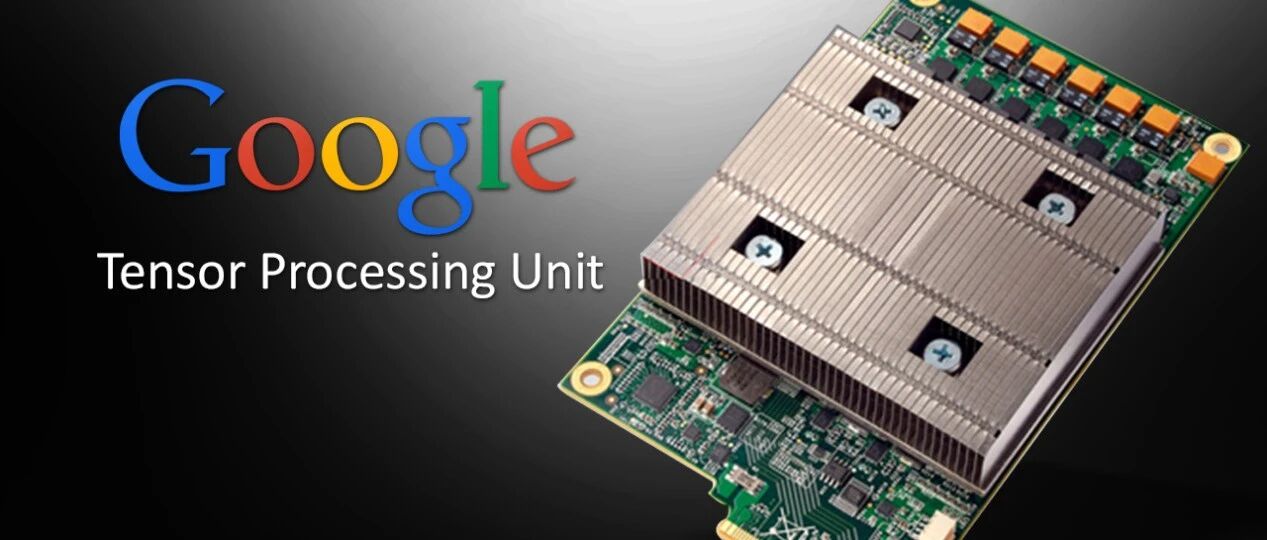
这颗不被看好的芯片,终于翻身?
半导体行业观察· 2025-11-29 02:49
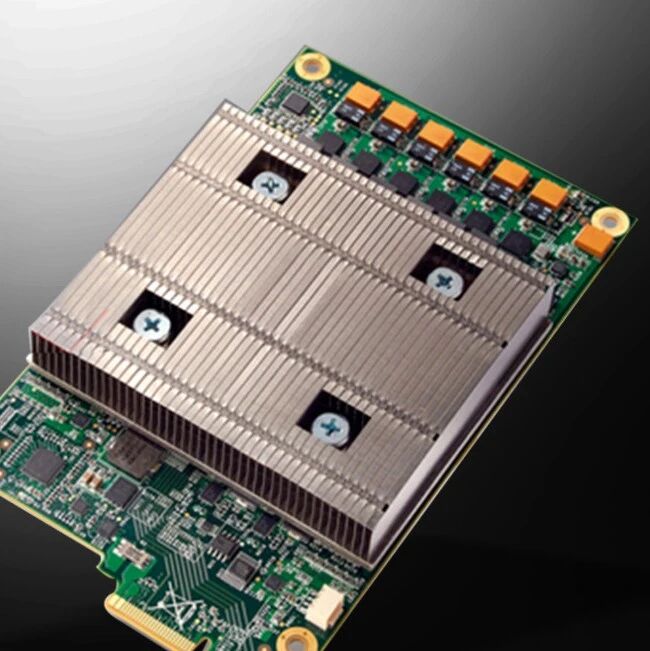
Core Insights - Google’s TPU (Tensor Processing Unit) has gained significant attention, with Meta considering a multi-billion dollar contract to deploy TPUs in its data centers starting in 2027, leading to a surge in Google's stock price and a decline in NVIDIA's stock [1][20] - The TPU has evolved from a project initially deemed unpromising to a strategic asset that could challenge NVIDIA's dominance in the AI chip market [1][28] Development History - In 2013, Google faced a computing power crisis, predicting that the demand from just 100 million Android users would exceed its total data center capacity, prompting the decision to develop its own ASIC chips instead of relying on NVIDIA GPUs [3][4] - Google rapidly assembled a team of chip industry veterans and completed the first TPU in just 15 months, achieving significant performance and efficiency improvements over existing solutions [4][6] - The TPU architecture utilizes a "Systolic Array" design, optimizing data flow and reducing energy consumption, which initially faced skepticism from industry experts [6][7] Iterative Breakthroughs - TPU v2 (2017) marked a shift from inference to training capabilities, introducing the bfloat16 format and expanding memory bandwidth to support large-scale training tasks [10][11] - TPU v3 (2018) doubled performance and introduced liquid cooling to manage increased power density, establishing a new standard for AI data centers [12][13] - TPU v4 (2022) incorporated optical circuit switching technology, allowing for dynamic network configurations to meet varying task demands, further enhancing performance [13][14] - TPU v5p (2023) aimed to balance training and inference capabilities, significantly increasing inter-chip bandwidth and cluster size [15][16] - TPU v6 (2024) is designed specifically for inference tasks, improving efficiency and performance metrics crucial for large-scale AI services [16] - TPU v7 Ironwood (2025) is positioned to directly compete with NVIDIA in inference performance, featuring advanced specifications and capabilities [18][19] Market Dynamics - Google is actively pursuing the commercialization of TPU, engaging with cloud service providers and major corporations to deploy TPUs in their data centers, potentially generating billions in revenue [20][21] - The rise of TPU is expected to challenge NVIDIA's market position, with projections indicating that ASIC shipments may surpass GPU shipments by 2026 [21][22] - Despite the success of TPU, Google continues to procure NVIDIA GPUs, indicating a future where both architectures coexist in the market [22][24] Talent Movement and Industry Impact - The success of TPU has led to a talent exodus from Google, with former TPU engineers founding new companies and developing competitive technologies, highlighting the competitive landscape in AI chip development [24][26] - The emergence of various companies developing their own AI chips, influenced by the TPU model, signifies a shift in the industry towards specialized hardware solutions [26][28] Future Outlook - The AI infrastructure landscape is expected to evolve from solely building GPU clusters to a hybrid model incorporating cloud services, dedicated chips, and diverse architectures, breaking NVIDIA's long-standing monopoly [29][30]
山石网科涨2.01%,成交额3051.03万元,主力资金净流入14.96万元
Xin Lang Zheng Quan· 2025-11-28 06:14
Core Viewpoint - The stock of Hillstone Networks has shown a significant increase in price and trading activity, reflecting positive market sentiment towards the company's performance and growth potential in the cybersecurity sector [1][2]. Financial Performance - As of September 30, 2023, Hillstone Networks reported a revenue of 719 million yuan, representing a year-on-year growth of 1.91% [2]. - The company recorded a net profit attributable to shareholders of -72.84 million yuan, which is an increase of 4.89% year-on-year, indicating improved performance despite a negative profit [2]. Stock Performance - Hillstone Networks' stock price increased by 27.87% year-to-date, with a recent 10.60% rise over the last five trading days [1]. - The stock is currently priced at 19.82 yuan per share, with a market capitalization of 3.572 billion yuan [1]. Shareholder Information - The number of shareholders increased by 10.67% to 7,642 as of September 30, 2023, while the average number of circulating shares per person decreased by 9.64% to 23,584 shares [2]. Business Overview - Hillstone Networks, established on July 20, 2011, specializes in innovative technologies in the cybersecurity field, offering a range of products and services including boundary security, cloud security, data security, and internal network security [1]. - The revenue composition of the company includes 75.09% from boundary security products, 18.93% from other security products, 5.09% from cloud security products, and 0.88% from other supplementary services [1]. Dividend Information - Since its A-share listing, Hillstone Networks has distributed a total of 51.0032 million yuan in dividends, with no dividends paid in the last three years [3].

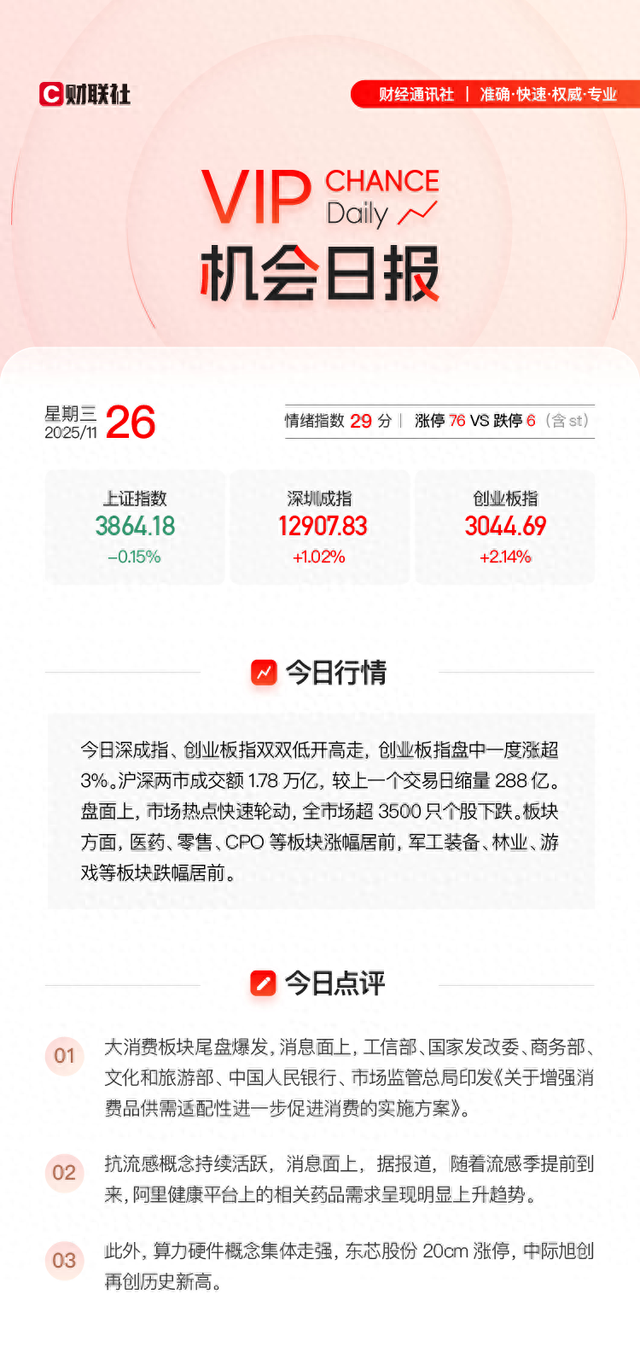
VIP机会日报大消费板块尾盘爆发 栏目解读领域零售 提及多家焦点公司收获涨停
Xin Lang Cai Jing· 2025-11-26 10:08
Group 1: Consumer Sector - The Ministry of Industry and Information Technology, National Development and Reform Commission, Ministry of Commerce, Ministry of Culture and Tourism, People's Bank of China, and State Administration for Market Regulation issued a plan to enhance the adaptability of supply and demand for consumer goods and further promote consumption [5] - OpenAI and Target are collaborating to introduce new AI-driven experiences in the retail sector, indicating that AI applications are entering a new catalytic phase [6] - Walmart's stock rose over 6% after the company reported strong quarterly results and raised its full-year outlook, highlighting the advantages of its offline channels [9] Group 2: Influenza Treatment - There is a noticeable increase in demand for influenza-related medications on Alibaba Health's platform as the flu season arrives earlier this year [11] - The flu activity has been rising, leading to increased demand for respiratory medications, with companies like Beijing University Pharmaceutical and Jindike both experiencing stock surges [12] - JD's medicine delivery platform reported a significant month-on-month increase of 10% in sales of flu medications since November [13] Group 3: Consumer Electronics - The consumer electronics industry is accelerating, with Huawei launching the Mate 80 series and other new products [16] - Institutions predict that the AI toy market will exceed 100 billion by 2030, with companies like Fenda Technology customizing AI desktop companion robots [17] - The entry of major companies into the consumer electronics sector is expected to drive growth, with smart glasses potentially becoming a significant product category [19] Group 4: Computing Hardware - Google recently launched its new multimodal AI model Gemini 3 and image generation model Nano Banana Pro, showcasing impressive performance [21] - The introduction of optical switching technology in TPU interconnects is expected to create a broad market opportunity [21] - Semiconductor company Saiwei Electronics has seen a stock price increase of 46.85% due to its MEMS-OCS technology, which serves major clients like Google [23][24]


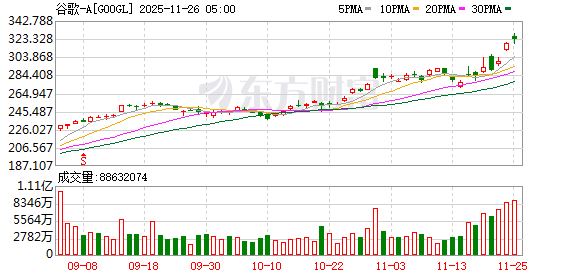
谷歌股价创新高后,AI竞争格局再生变?
Xin Hua Cai Jing· 2025-11-26 06:15
Core Viewpoint - The stock performance of major tech companies in the U.S. has shifted, with Nvidia experiencing a decline while Google's stock continues to rise, indicating a potential change in the market dynamics of AI-related investments [2][3]. Group 1: Stock Performance - Nvidia's stock dropped by nearly 7% at one point, closing down 2.59%, while Google's stock rose over 3% initially and closed up 1.53%, reaching a market capitalization of $3.9 trillion [2]. - The "Google chain," represented by companies like Google and Broadcom, has been on the rise, contrasting with the decline of the "OpenAI chain," which includes Nvidia, SoftBank, and Oracle [2]. Group 2: Technological Developments - Google's development of its Tensor Processing Unit (TPU) has begun to challenge Nvidia's long-held dominance in the GPU market, with the TPU specifically designed for machine learning and deep learning tasks [2][3]. - The latest language model from Google, Gemini 3, reportedly surpasses OpenAI's GPT model in several aspects and is trained using TPU rather than Nvidia chips [3]. Group 3: Market Trends - The demand for ASIC chips, which are tailored for AI training and inference, is expected to grow significantly, with the ASIC market projected to expand from approximately $6.6 billion in 2023 to $55.4 billion by 2028, reflecting a compound annual growth rate of 53% [4]. - Major tech companies are likely to continue developing in-house AI chips or support new AI chip suppliers to meet the substantial demand for computing power in the AI industry [4].
摩尔线程上市,市值会复制寒武纪10倍神话吗?
Sou Hu Cai Jing· 2025-11-25 17:15
Core Viewpoint - Moer Thread, known as the "first domestic GPU stock," has launched its IPO on the Sci-Tech Innovation Board with a record issuance price of 114.28 yuan per share, raising 8 billion yuan, and achieving a staggering offline subscription multiple of 1571 times, indicating strong market enthusiasm [1][5]. Group 1: Company Overview - Moer Thread was established on June 11, 2020, by Zhang Jianzhong, a former NVIDIA executive with 15 years of experience [3]. - The core team has a strong "NVIDIA gene," with co-founders having extensive backgrounds at NVIDIA, including roles in marketing and GPU architecture [3]. - The company has developed the MUSA architecture, focusing on a full-function GPU route, covering both graphics and AI fields [3]. Group 2: Financial Performance - Moer Thread's revenue has shown explosive growth, increasing from 46 million yuan in 2022 to a projected 1.24 billion yuan in 2024, with a compound annual growth rate of 208.44% [5]. - In the first half of 2025, the company reported revenue of 702 million yuan, surpassing the total revenue of the previous three years [5]. - Despite high growth, the company has incurred significant losses, with net profits of -1.84 billion yuan in 2022, -1.67 billion yuan in 2023, and -1.49 billion yuan in 2024 [5][6]. Group 3: Market Position and Competition - The Chinese GPU market is projected to grow from 142.54 billion yuan in 2024 to 1,336.79 billion yuan by 2029, with an annual growth rate of 53.7% [16]. - Moer Thread's strategy contrasts with that of Cambricon, which focuses on ASIC chips for specific applications, while Moer Thread aims for a versatile platform targeting various markets [9][12]. - Both companies have demonstrated compatibility with domestic large models, indicating their capability to adapt to cutting-edge AI applications [9]. Group 4: Challenges and Ecosystem - Building a robust developer ecosystem is a significant challenge for Moer Thread, as NVIDIA's CUDA ecosystem dominates the market [12]. - Moer Thread has introduced the MUSA architecture to lower migration costs for enterprises and attract developers to its ecosystem [12]. - The company faces risks such as high R&D costs, potential inclusion on the U.S. entity list, and a lack of profitability, with expectations of achieving profitability by 2027 [16].

黄仁勋:定制芯片远不如英伟达芯片
半导体芯闻· 2025-11-21 10:49
Core Viewpoint - NVIDIA's CEO Jensen Huang emphasizes that the competition with ASIC manufacturers like Google and Amazon is not as fierce as perceived, asserting that few teams can match NVIDIA's capabilities in building complex systems [1][2]. Group 1: Competition with ASICs - Huang acknowledges the emergence of Google's TPU as a competitive option in the inference space but maintains that NVIDIA excels across all AI segments, including pre-training, post-training, and inference, thus ensuring its "irreplaceable" status [2]. - The CEO argues that for cloud service providers, deploying "random ASICs" in data centers is less ideal compared to utilizing NVIDIA's technology stack, which offers broader application [2]. - Huang believes that even if large tech companies manage to replicate NVIDIA's computational power, they cannot compete with NVIDIA's robust software stack, particularly CUDA, which is a significant draw for the industry [2]. Group 2: Market Dynamics - The article mentions a significant investment of $10 trillion directed towards the semiconductor industry, indicating a substantial market shift and interest in chip technology [3]. - Huang describes HBM (High Bandwidth Memory) as a "technological miracle," highlighting its importance in the semiconductor landscape [3]. - Jim Keller's assertion that RISC-V will ultimately prevail suggests a competitive landscape where alternative architectures are gaining traction [3].
瑞芯微涨2.03%,成交额6.31亿元,主力资金净流入1168.59万元
Xin Lang Cai Jing· 2025-11-21 02:26
Core Viewpoint - 瑞芯微's stock price has shown significant growth this year, with a year-to-date increase of 57.65%, despite recent fluctuations in the short term [1][2]. Financial Performance - For the period from January to September 2025, 瑞芯微 achieved a revenue of 3.141 billion yuan, representing a year-on-year growth of 45.46% [2]. - The net profit attributable to shareholders for the same period was 780 million yuan, marking a substantial increase of 121.65% year-on-year [2]. Shareholder Information - As of September 30, 2025, 瑞芯微 had 87,500 shareholders, an increase of 34.79% compared to the previous period [2]. - The average number of circulating shares per shareholder decreased by 25.76% to 4,811 shares [2]. Dividend Distribution - Since its A-share listing, 瑞芯微 has distributed a total of 1.274 billion yuan in dividends, with 566 million yuan distributed over the past three years [3]. Institutional Holdings - As of September 30, 2025, the top ten circulating shareholders included Hong Kong Central Clearing Limited, which increased its holdings by 1.6511 million shares to 15.3608 million shares [3]. - 银河创新混合A reduced its holdings by 461,000 shares to 4.39 million shares, while 南方中证500ETF decreased its holdings by 41,200 shares to 3.0587 million shares [3].
