企业转型

Search documents
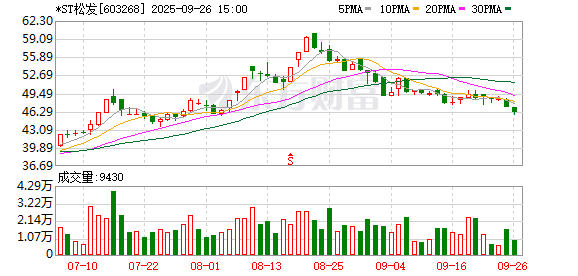
转型船企后 这家*ST公司 9月份狂揽3份巨额造船订单!
Zheng Quan Shi Bao Wang· 2025-09-26 14:16
Core Viewpoint - *ST Songfa has successfully transformed from a loss-making ceramic manufacturer to a shipbuilding company, securing multiple significant contracts in the shipbuilding market [2][3]. Group 1: Recent Contracts - *ST Songfa's subsidiary, Hengli Shipbuilding, signed contracts for the construction of 4 Very Large Crude Carriers (VLCCs) with a total contract value of approximately $400 million to $600 million, with delivery scheduled between the second half of 2026 and the first half of 2027 [2]. - In September 2023, *ST Songfa disclosed three shipbuilding orders, including a contract for 2 VLCCs valued at approximately $200 million to $300 million, with a similar delivery timeline [2]. - Additionally, on September 12, 2023, Hengli Shipbuilding signed a contract for 4 container ships (6000 TEU) with a total value of approximately $300 million to $500 million, with the signing party being Eastern Pacific Shipping Pte. Ltd. [3]. Group 2: Financial Performance - In 2024, *ST Songfa reported an operating income of 275 million yuan and a net loss of approximately 76.64 million yuan. However, in the first half of 2025, the company achieved an operating income of 6.68 billion yuan and a net profit of 647 million yuan, indicating a significant turnaround [3]. - The recent shipbuilding orders are expected to contribute substantially to *ST Songfa's revenue, marking a pivotal shift in its financial outlook [3]. Group 3: Company Background - Established in 2002 and listed on the Shanghai Stock Exchange in 2015, *ST Songfa originally focused on daily ceramic manufacturing but faced continuous losses from 2021 to 2024 due to intensified competition and declining market demand [3][4]. - In May 2025, *ST Songfa completed a major asset restructuring, acquiring 100% equity of Hengli Heavy Industry Group, thus exiting the ceramic manufacturing sector and fully transitioning to shipbuilding and high-end equipment manufacturing, becoming China's first private shipbuilding company [3][4].


小米最需要改变的,或许是“雷军”这个符号
Mei Ri Jing Ji Xin Wen· 2025-09-26 11:01
Core Insights - The article highlights the successful transformation of Xiaomi from an internet company to a hard-tech enterprise, driven by the personal narrative and marketing prowess of its founder, Lei Jun [1][2] - It discusses the deep connection between Lei Jun and the Xiaomi brand, emphasizing how his personal story resonates with consumers and enhances brand loyalty [2][3] - The article also points out the challenges Xiaomi faces as it transitions to a more complex business model, suggesting that reliance on Lei Jun's personal brand may become a liability [3][4] Group 1: Transformation and Strategy - Xiaomi is evolving from a company focused on business model innovation to one that invests in core technologies, marking a significant shift in its identity [3][4] - Lei Jun's annual speeches have become a phenomenon in the tech industry, reinforcing his personal brand and Xiaomi's identity [1][2] - The narrative of personal growth intertwined with corporate development creates emotional resonance and value alignment with consumers [2][3] Group 2: Marketing and Brand Identity - Lei Jun's marketing strategy, characterized by his personal branding and direct engagement with consumers, has saved Xiaomi substantial advertising costs [2][3] - The deep connection between Lei Jun and Xiaomi's brand identity has been effective during the company's growth phase but may pose risks as the business becomes more complex [3][4] - The article suggests that Xiaomi should consider diversifying its spokesperson matrix and developing a brand management system that does not rely solely on Lei Jun [4][5] Group 3: Future Directions - The need for Xiaomi to evolve beyond being "Lei Jun's Xiaomi" to a more technology-focused brand is emphasized as essential for achieving long-term goals [5] - The article advocates for a shift from personal heroism to a system-oriented approach, allowing the brand to maintain its strategic vision and values even if Lei Jun steps back [4][5] - This evolution is seen as a necessary step for Xiaomi to sustain its market presence and innovation capabilities in the future [5]

每经热评 | 小米最需要改变的,或许是“雷军”这个符号
Mei Ri Jing Ji Xin Wen· 2025-09-26 09:21
Core Insights - Lei Jun's annual speech emphasizes the theme of "change," showcasing his personal journey and the transformation of Xiaomi from an internet company to a hard-tech enterprise [1][2] - The deep connection between Lei Jun and Xiaomi is a strategic choice, leveraging his personal brand to enhance Xiaomi's marketing and brand recognition [2][5] - As Xiaomi faces increasing challenges and crises, the reliance on Lei Jun's personal image may pose risks to the brand, necessitating a shift towards a more diversified spokesperson strategy [3][4] Group 1 - Lei Jun's storytelling ability has evolved, effectively linking personal experiences with Xiaomi's strategic direction, creating emotional resonance with the audience [1][2] - The transformation of Xiaomi's identity involves not just product line expansion but a fundamental change in the company's core identity [1][5] - Lei Jun's personal brand has become synonymous with Xiaomi, but this model may have limitations as the company grows more complex [2][3] Group 2 - Recent crises, such as the serious accident involving the Xiaomi SU7, have placed significant pressure on Lei Jun's personal image, impacting the brand's reputation [3][4] - The need for Xiaomi to transition from a brand heavily reliant on personal charisma to one that emphasizes systemic capabilities and institutional innovation is highlighted [4][5] - The market's reaction to Lei Jun's recent speech, including an 8.07% drop in Xiaomi's stock price, indicates a potential shift in investor sentiment towards the brand's reliance on his personal narrative [4][5]
东阿阿胶半年报:业绩增速放缓,高分红背后暗藏成长隐忧
Xin Lang Zheng Quan· 2025-09-26 09:00
Core Viewpoint - Dong'e Ejiao, a representative of Chinese time-honored brands, faces significant challenges in its recovery journey, including management turnover, strategic adjustments, and trust crises, despite reporting revenue and profit growth in the first half of 2025 [1] Group 1: Financial Performance - In the first half of 2025, Dong'e Ejiao achieved revenue of 3.051 billion yuan, a year-on-year increase of 11.02%, and a net profit attributable to shareholders of 818 million yuan, up 10.74% year-on-year [2] - However, the second quarter revenue dropped to 1.332 billion yuan, a decline of approximately 387 million yuan from the first quarter, with growth rate plummeting from 18.24% to 2.91%, indicating weakened growth momentum [2] - The company plans to distribute a cash dividend of 12.69 yuan per 10 shares, totaling 817 million yuan, which nearly exhausts the net profit for the first half of the year, raising concerns about its reinvestment capacity [2] Group 2: Product Structure and Growth Potential - Dong'e Ejiao heavily relies on its Ejiao product line, which generated 2.845 billion yuan in revenue, accounting for 93.24% of total revenue, while other products contributed only 142 million yuan, less than 5% [3] - Despite attempts to diversify with new products like "Peach Blossom Princess" and "Royal Weichang 1619," the company has not successfully established a significant second growth curve [3] - The over-reliance on a single product category weakens the company's risk resilience and limits its competitive edge in a challenging market [3] Group 3: Compliance and Brand Trust Issues - Since 2024, Dong'e Ejiao has faced multiple penalties for marketing violations, including misleading claims about product suitability for children, which lack scientific backing [4] - The company also encountered issues with price-related violations, further damaging its brand trust [4] - A significant incident in November 2024 involved the National Medical Insurance Administration reporting issues with the traceability codes of its products, which, although not directly attributed to the company, highlighted weaknesses in its supply chain and channel management [5] Group 4: Public Trust and Market Confidence - Dong'e Ejiao's high product pricing has made it a frequent target in "insurance fraud" incidents, raising concerns about its pricing transparency and integrity [5] - The company must address its marketing system and compliance management to restore public confidence in its brand, especially as consumers increasingly prioritize brand reputation and product authenticity [5] - The path to recovery for Dong'e Ejiao remains challenging, requiring strategic determination and reform efforts to cultivate new growth points and strengthen internal controls [6][7]

杨少杰:企业转型最先建立的E2E流程应该是哪个?
Sou Hu Cai Jing· 2025-09-25 01:58
Core Insights - The article emphasizes the transition from product process systems to integrated process systems, marking the formal entry of companies into a transformation phase [3][4] - Integrated processes are characterized as end-to-end (E2E) business processes that enable companies to effectively respond to uncertain market environments by breaking down departmental barriers [3][5] Evolution of Business Process Systems - The first E2E process that companies should establish during their transformation is crucial for determining the urgency and importance of the transformation [5][6] - A successful transformation requires a business process that connects research and development to sales, as any organizational change without this integration is deemed meaningless [5][11] Types of Integrated Processes - For manufacturing companies, the integrated process can be divided into two segments: the "Idea to Launch" (IPD) process and the "Order to Delivery" (OTD) process [7][8] - The IPD process starts from market opportunity identification and spans across multiple functions, concluding with the successful launch of a product, addressing the need for customization in response to market changes [7][10] - The OTD process begins with sales planning or orders and encompasses various functions, ending with successful product delivery, essential for balancing mass production and customization [8][10] Importance of Integrated Processes - Both the IPD and OTD processes form a complete horizontal product business chain that must be established first for companies undergoing transformation [11] - The clarity of this horizontal product business chain indicates that a company has successfully entered the transformation phase and is on the right path [11][13] Case Study: Huawei's Integrated Management System - Huawei was one of the first companies to establish the IPD and OTD processes, allowing it to move away from traditional business models [13] - However, many companies have blindly imitated these processes without understanding the underlying logic, leading to failures [13] - It is crucial for companies to develop a complete E2E process tailored to their specific circumstances, rather than merely replicating existing models [13]
红蜻蜓2025年上半年由盈转亏,已关闭305家门店
Xi Niu Cai Jing· 2025-09-22 09:05
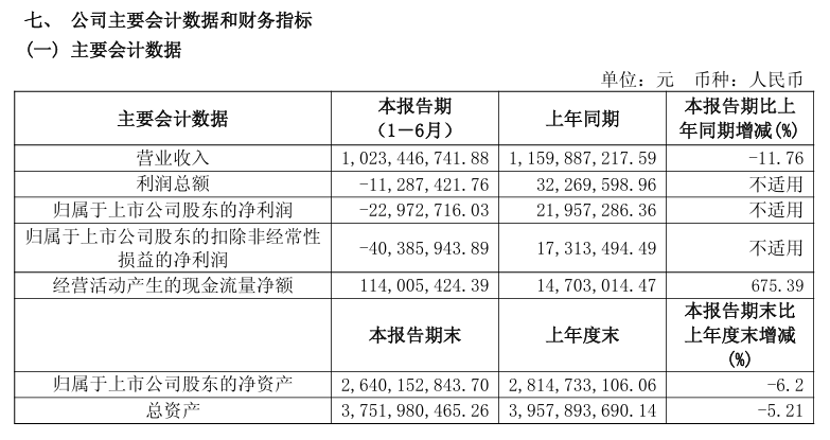
Core Insights - Hong Qiang Ting reported a revenue of 1.023 billion yuan in the first half of 2025, a year-on-year decrease of 11.76%, and a net loss of 22.9727 million yuan, marking a shift from profit to loss [1] - The company focuses on the design, development, production, and sales of adult footwear, bags, leather goods, and children's products, with major brands including Hong Qiang Ting (REDDRAGONFLY), Hong Qiang Ting KIDS, and GONGJI [3] - The primary revenue source remains the Hong Qiang Ting brand, which generated 870 million yuan, down 12.9% year-on-year, while Hong Qiang Ting KIDS saw a revenue of 28.4429 million yuan, down 33.33% [3] - All product categories, including footwear, bags, children's products, and others, experienced varying degrees of decline, with the "other" category seeing a significant drop of 40.19% to 14.2016 million yuan [3] - The company closed 305 stores and opened 183, resulting in a total of 2,777 physical stores, comprising 453 self-operated and 2,324 franchised stores [3] - The company has faced fluctuating performance in recent years, with the previous year recording the worst results since its listing [3] - The transition to a second-generation leadership began at the end of 2020, with former president Qian Jinbo resigning and his son Qian Fan taking over, initiating significant reforms [3] - The financial report frequently mentions that structural adjustments are facing a painful period, indicating that short-term operational performance may be under pressure [4] - The effects of the company's transformation have yet to be fully realized [4]

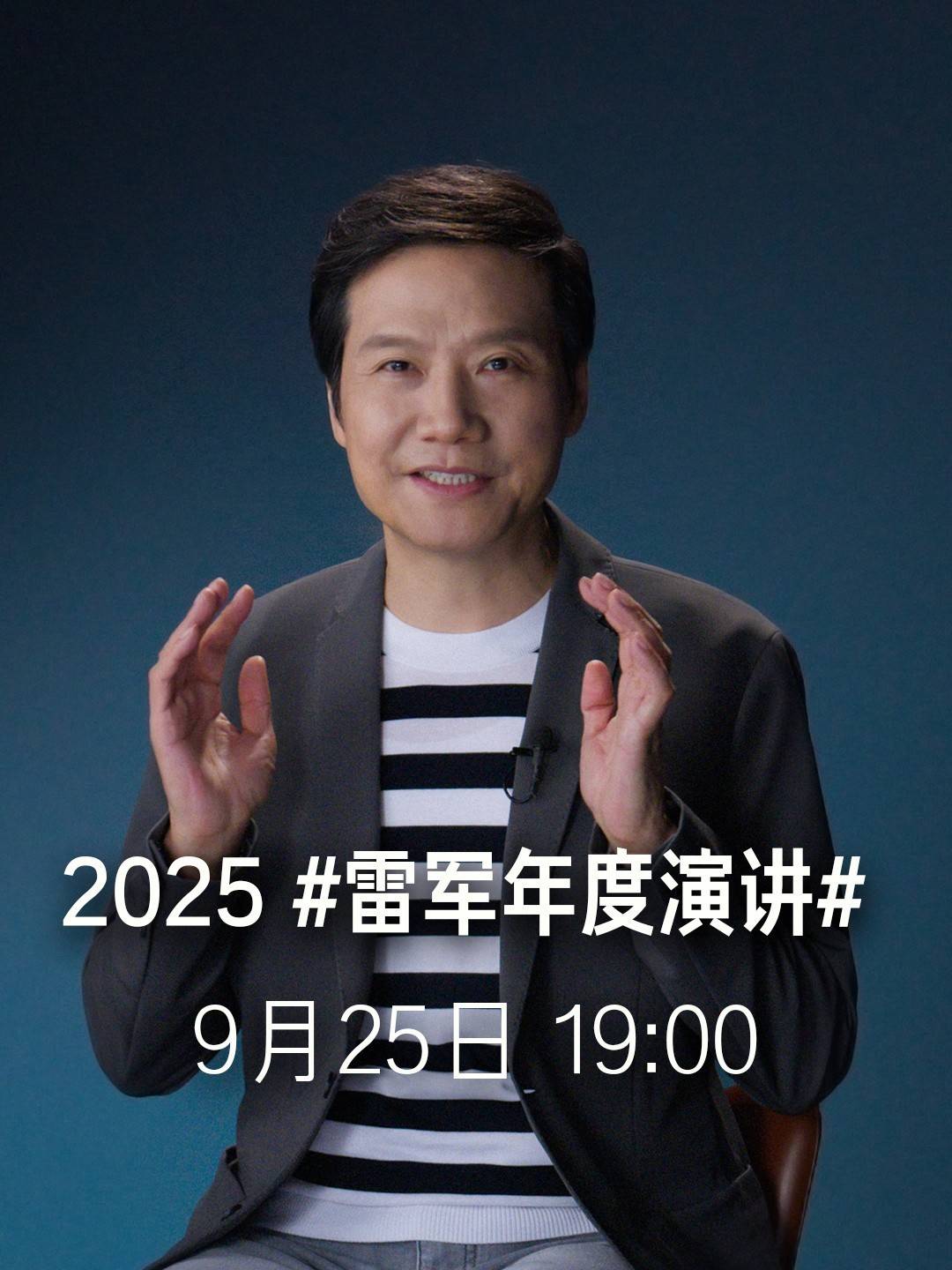
雷军第六次年度演讲:以改变为主题讲述小米创业十五年蜕变历程
Sou Hu Cai Jing· 2025-09-22 07:00
Core Points - The founder, chairman, and CEO of Xiaomi, Lei Jun, continues to hold annual speeches to engage deeply with users and friends, aiming to explain the essence of the company and its ongoing projects [2][3] - This year marks the 15th anniversary of Xiaomi's founding, during which the company has made significant breakthroughs, including substantial progress in the Xiaomi automotive project and the successful launch of the Xiaomi玄戒 chip [3] - The theme of this year's annual speech is "Change," focusing on the unknown experiences and thoughts behind these major transformations [3] Summary by Sections Company Overview - Xiaomi aims to provide a deeper understanding of its development trajectory and internal pursuits through its annual speeches [3] Recent Developments - The company has achieved important milestones in various fields, particularly in automotive and chip technology [3] Upcoming Events - The annual speech is scheduled for September 25 at 7 PM, where Xiaomi will systematically present its real journey in technological breakthroughs and industry expansion [3]

国有企业视角下的儒商精神与工商业文明实践
Qi Lu Wan Bao· 2025-09-19 11:22
Core Viewpoint - State-owned enterprises (SOEs) play a crucial role in China's economic and social development, serving as a significant foundation for socialism with Chinese characteristics and a vital support for the ruling party [1][2]. Group 1: Achievements of State-Owned Enterprises - Since the founding of New China, especially after the reform and opening up, SOEs have made historic contributions to economic development, technological progress, social construction, national defense, and improving people's livelihoods [1]. - The Jining Energy Development Group, under the leadership of Zhang Guangyu, has successfully transformed from a coal-dependent enterprise to a comprehensive energy group, achieving a revenue of over 90 billion yuan in 2024 and ranking 18th among China's logistics companies [6][4]. Group 2: Entrepreneurial Spirit and Cultural Influence - The entrepreneurial spirit is essential for the growth of SOEs, and the leaders of these enterprises embody this spirit, which is deeply influenced by Confucian culture [2][3]. - The city of Jining, as a significant birthplace of Confucian thought, fosters a unique entrepreneurial charm among its business leaders, who are recognized as modern Confucian merchants [2]. Group 3: Infrastructure and Urban Development - The construction of the Jining Inner Ring Expressway, led by Li Lu, has significantly improved urban traffic flow, with a daily traffic volume of 180,000 vehicles, enhancing the city's infrastructure and connectivity [7][9]. - The Jining Public Utilities Company has transformed from a traditional water supply enterprise into a comprehensive urban service provider with assets totaling 76.848 billion yuan, contributing to urban construction and public services [6][8]. Group 4: Social Responsibility and Community Development - The "Mujie" project, initiated by the Jining State-owned Assets Investment Holding Company, has revitalized a former grain depot into a vibrant commercial area, enhancing the local economy and community life [10][11]. - The establishment of the first state-owned childcare group in Shandong Province demonstrates the commitment of Jining National Investment to social responsibility, providing quality care for infants and toddlers [11][12]. Group 5: Innovation and Technological Advancement - The Shandong Lutai Holding Group, under the leadership of Li Hejun, has focused on technological innovation, establishing a graphene research center and achieving significant breakthroughs in high-performance materials [13][14]. - The company's strategic acquisitions and emphasis on research and development have positioned it among the top 50 coal producers in China, showcasing its commitment to modernizing and diversifying its operations [14].

海利生物转型遇阻单季净利降61% 收购标的估值缩水“退差价”3.99亿
Chang Jiang Shang Bao· 2025-09-16 23:24
Core Viewpoint - The company, Haili Biological, is facing challenges after a high-premium acquisition of 55% of Shaanxi Ruisheng Biological Technology Co., Ltd. for 935 million yuan, which has not met expectations due to intensified market competition and declining product prices [1][2][3]. Group 1: Acquisition Details - Haili Biological announced a price adjustment for the acquisition of Ruisheng Biological, reducing the purchase price to approximately 536 million yuan, with the seller returning about 399 million yuan [1][3]. - The initial valuation of Ruisheng Biological was 1.94 billion yuan, with a significant premium of 321.11% at the time of acquisition [2]. - The acquisition was intended to facilitate Haili's transition into the oral tissue repair and regeneration materials sector [2][3]. Group 2: Market Conditions - Since the acquisition, the market has seen the approval of around 20 similar products, leading to aggressive price competition that has forced Ruisheng Biological to lower its prices significantly [3]. - In the second quarter of 2025, Ruisheng's product prices dropped by 40%, impacting profitability despite a slight increase in market share [3][6]. - Changes in tax policies have also negatively affected Ruisheng's financial performance, shifting from a simplified tax rate of 3% to a general tax rate of 13% [3]. Group 3: Financial Performance - Haili Biological's overall profitability has been weak, with net profits fluctuating below 100 million yuan since its IPO in 2015 [1][4][5]. - In 2024, Haili reported a net profit of 171 million yuan, a year-on-year increase of 172.28%, but the adjusted net profit was only 11 million yuan, reflecting a 10.49% decline [5]. - For the first half of 2025, Ruisheng Biological's revenue and net profit were significantly lower than half of its 2024 figures, indicating ongoing financial pressure [6].

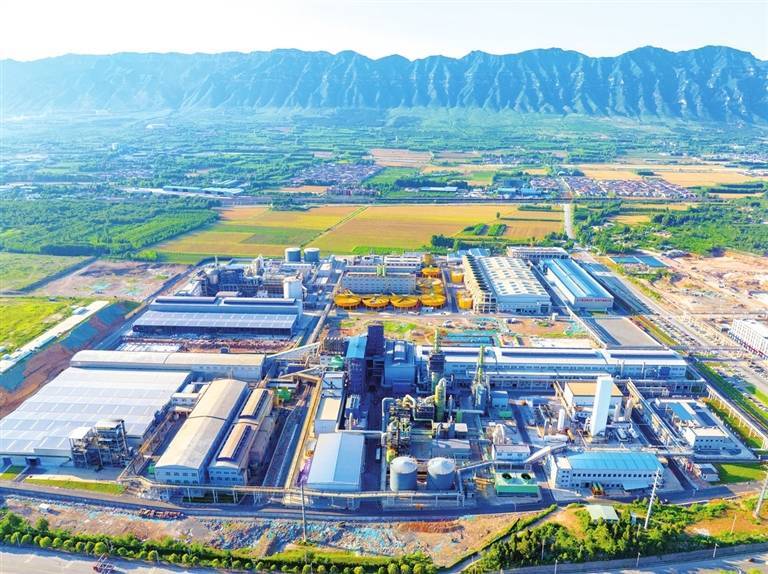
何以金利 民企挺进中国500强背后(奋进的河南——决胜“十四五”·济源篇)
Sou Hu Cai Jing· 2025-09-16 01:17
Core Viewpoint - Henan Jinli Lead and Zinc Group Co., Ltd. has transformed from a small private factory into one of China's top 500 enterprises over 30 years, focusing on non-ferrous metallurgy and maintaining a commitment to innovation and sustainability [5][26]. Group 1: Company Development - The company was founded in 1995 with an initial investment of 1.62 million yuan by 12 farmers, starting with a copper smelting furnace [6]. - In 2001, the company entered the non-ferrous metallurgy sector, quickly establishing a foothold and generating its first profits [7]. - The company faced significant challenges during the 2008 global financial crisis, leading to a strategic shift from traditional lead smelting to comprehensive recycling [9][10]. - By 2024, the company achieved a revenue of 59.3 billion yuan, marking a 14% year-on-year growth and its best historical performance [11][27]. Group 2: Innovation and Technology - The company emphasizes technological innovation, having developed its own direct reduction technology for liquid lead slag, significantly reducing energy consumption and emissions [16][18]. - It has obtained 207 national patents, including advancements in multi-metal projects and low-carbon processes [17][18]. - The company has successfully implemented a new high-efficiency pyrometallurgical zinc smelting technology, which reduces energy consumption by approximately 30% and pollutant emissions by over 40% [20]. Group 3: Environmental Responsibility - The company has established a green recycling model, achieving over 98% resource recovery rate from industrial waste [21][24]. - It has made significant investments in environmental protection, including 32.1 million yuan for upgrading pollution control equipment in 2003 [22]. - The company has been recognized as a national green factory and has implemented a comprehensive ESG governance system to enhance resource utilization efficiency [23][24]. Group 4: Social Responsibility - The company has invested over 100 million yuan in rural revitalization and public welfare over 30 years, benefiting local communities [27][31]. - It has created over 10,000 jobs and established a shareholding model that allows local villagers to benefit from the company's growth [30][32]. - The company has set up a special fund for rural revitalization, contributing over 40 million yuan to support local infrastructure and education [31].